Clinical Efficacy Of Intra-Articular Prp Versus Hyaluronic Acid In Early Knee Osteoarthritis (Kellgren-Lawrence Grade I–Iii).
- Nitin M. Bothgi , Senior Resident, MBBS, MS Orthopedics, Department of Orthopedics, Mahadevappa Rampure Medical College, Sedam Road, Kalaburagi–585105, Karnataka, India.
- Varadraj Shrinivas Deshmukh , Senior Resident, MBBS, MS Orthopaedics, Department of Orthopaedics, Mahadevappa Rampure Medical College, Kalaburagi–585105, Karnataka, India.
- Shubham Kathare , Senior Resident, MBBS, MS Orthopaedics, Department of Orthopaedics, Mahadevappa Rampure Medical College, Kalaburagi–585105, Karnataka, India.
Article Information:
Abstract:
Introduction: Knee osteoarthritis (KOA) is a common degenerative joint disorder causing pain, functional limitation, and reduced quality of life. Intra-articular therapies such as platelet-rich plasma (PRP) and hyaluronic acid (HA) are increasingly used for symptomatic management, particularly in early-stage disease. However, their comparative clinical effectiveness remains debated. Aims and objectives: To compare the clinical efficacy of intra-articular PRP versus hyaluronic acid injections in patients with early knee osteoarthritis (Kellgren–Lawrence Grade I–III). Materials and Methods: A prospective comparative interventional study was conducted among 100 patients with primary knee osteoarthritis. Patients received intra-articular PRP or hyaluronic acid injections, and clinical outcomes were assessed using VAS and WOMAC scores. Results: A total of 100 patients were included (PRP: n=50; HA: n=50). Baseline characteristics were comparable. PRP showed greater pain reduction at 6 months (VAS: 2.96±1.05 vs 4.18±1.32; p<0.001) and functional improvement (WOMAC: 26.8±7.9 vs 36.7±9.0; p<0.001). Patient satisfaction was higher with PRP (86.0% vs 70.0%; p=0.048). Conclusion: Intra-articular PRP may offer a clinically effective alternative to hyaluronic acid for early knee osteoarthritis, potentially providing better functional outcomes and sustained symptom relief. The findings may assist clinicians in selecting appropriate non-surgical treatment strategies for early KOA.
Keywords:
Article :
INTRODUCTION:
Knee osteoarthritis (KOA) is one of the most common degenerative joint diseases and a leading cause of pain, disability, and reduced quality of life among the ageing population. It is characterized by progressive loss of articular cartilage, subchondral bone changes, osteophyte formation, synovial inflammation, and alterations in periarticular structures. The increasing prevalence of obesity, sedentary lifestyle, and increased life expectancy has contributed to a substantial rise in the global burden of osteoarthritis, creating a significant healthcare challenge worldwide [1]. The severity of knee osteoarthritis is commonly assessed radiographically using the Kellgren–Lawrence (KL) grading system, which categorizes disease progression based on joint space narrowing and osteophyte formation. Patients with KL Grade I–III disease represent early to moderate osteoarthritis, where conservative and minimally invasive interventions may provide symptomatic relief, improve functional capacity, and potentially delay the progression of structural joint damage before end-stage disease develops [2].
Management of knee osteoarthritis involves a multimodal approach including lifestyle modification, weight management, exercise therapy, pharmacological treatment, and intra-articular interventions. Among injectable therapies, hyaluronic acid (HA) and platelet-rich plasma (PRP) have gained considerable interest due to their potential benefits in reducing pain and improving joint function [3]. Hyaluronic acid is a naturally occurring component of synovial fluid that provides lubrication, shock absorption, and protection of articular cartilage. Intra-articular HA administration, known as viscosupplementation, aims to restore the viscoelastic properties of synovial fluid, decrease inflammatory activity, and enhance joint mobility [4].
Despite widespread clinical use, the efficacy of HA injections remains variable. Several studies have demonstrated improvement in pain and functional outcomes after HA administration, whereas others have reported limited clinical advantages compared with placebo or alternative injection therapies. The variability may be related to differences in molecular weight, injection protocols, disease severity, and patient characteristics [5]. These limitations have encouraged the exploration of biological therapies such as platelet-rich plasma for the treatment of knee osteoarthritis. Platelet-rich plasma is an autologous blood-derived product containing a concentrated number of platelets and various growth factors, including platelet-derived growth factor (PDGF), transforming growth factor-beta (TGF-β), vascular endothelial growth factor (VEGF), and insulin-like growth factor (IGF). These growth factors contribute to tissue repair by promoting chondrocyte proliferation, extracellular matrix synthesis, modulation of inflammatory pathways, and regulation of cartilage metabolism [6].
Therefore, PRP has been proposed as a regenerative treatment that may provide longer-lasting symptom improvement compared with conventional viscosupplementation. Recent clinical studies and meta-analyses have compared the effectiveness of PRP and HA injections in knee osteoarthritis. Evidence suggests that PRP may provide superior improvement in pain reduction, functional scores, and patient satisfaction, particularly during intermediate and long-term follow-up periods. However, differences in PRP preparation methods, platelet concentration, leukocyte content, injection frequency, and outcome assessment tools have resulted in heterogeneity among published studies [7,8].
Although both PRP and HA are widely used in clinical practice, the optimal intra-articular treatment strategy for early knee osteoarthritis remains uncertain. HA primarily provides symptomatic improvement through lubrication and anti-inflammatory effects, whereas PRP may promote biological healing through growth factor-mediated tissue regeneration. Comparative evaluation of these therapies in KL Grade I–III osteoarthritis is clinically important because early-stage intervention may improve patient outcomes and reduce the need for future surgical procedures [9]. Therefore, the present study aims to evaluate and compare the clinical efficacy of intra-articular platelet-rich plasma versus hyaluronic acid injections in patients with early knee osteoarthritis (Kellgren–Lawrence Grade I–III). The findings of this study may provide valuable evidence regarding the effectiveness of these minimally invasive treatment modalities and assist clinicians in selecting appropriate non-operative management strategies for patients with symptomatic knee osteoarthritis [10]. To compare the clinical efficacy of intra-articular PRP versus hyaluronic acid injections in patients with early knee osteoarthritis (Kellgren–Lawrence Grade I–III).
MATERIALS AND METHODS:
Study design- Prospective comparative interventional study.
Place of study- Mahadevappa rampure medical college kalaburgi.
Study period- 9 Months.
Study population- The study will include a total of 100 patients with primary knee osteoarthritis (Kellgren–Lawrence Grade I–III) presenting with symptomatic knee pain and functional limitation, attending the Department of Orthopedics, Mahadevappa Rampure Medical College kalaburgi, during the 12-month study period.
Sample size- A total of 100 Patients with primary knee osteoarthritis (Kellgren–Lawrence Grade I–III) presenting with symptomatic knee pain and functional limitation.
Inclusion Criteria:
• Patients aged ≥40 years with a clinical diagnosis of primary knee osteoarthritis.
• Patients with radiologically confirmed Kellgren–Lawrence Grade I–III knee osteoarthritis.
• Patients presenting with symptomatic knee pain for ≥3 months.
• Patients with inadequate relief from conservative treatment.
• Patients willing to undergo intra-articular PRP or hyaluronic acid injection with written informed consent.
Exclusion Criteria:
• Patients with advanced knee osteoarthritis (Kellgren–Lawrence Grade IV).
• Patients with secondary osteoarthritis due to trauma, inflammatory arthritis, infection, or metabolic disorders.
• Patients with previous knee surgery or intra-articular injection within the previous 6 months.
• Patients with active infection, bleeding disorders, platelet abnormalities, or ongoing anticoagulant therapy.
• Patients unwilling to participate or unable to complete follow-up evaluations.
Study Variable:
• Pain severity (Visual Analogue Scale - VAS score)
• Functional outcome (WOMAC score)
• Kellgren–Lawrence radiological grade of knee osteoarthritis
• Overall clinical improvement after treatment
• Patient satisfaction and treatment-related adverse events
Statistical Analysis: Data were entered into Microsoft Excel and analyzed using SPSS version 27.0 and GraphPad Prism version 5. Continuous variables were expressed as mean ± standard deviation, while categorical variables were presented as frequency and percentage. Independent and paired t-tests were used for comparison of numerical variables. One-way ANOVA was applied for comparison among multiple groups. Categorical variables were analyzed using Chi-square test or Fisher’s exact test. Non-parametric data were analyzed using Mann–Whitney U test. Pearson correlation analysis was used to assess relationships between variables, and logistic regression was performed to identify associated risk factors. A p-value ≤0.05 was considered statistically significant.
RESULTS:
Table 1: Baseline Demographic and Clinical Characteristics of the Study Population
|
|
Group A: PRP |
Group B: Hyaluronic Acid |
Total (N=100) |
p-value |
|
|
Age (years) |
Mean ± SD |
56.9 ± 8.2 |
57.4 ± 8.7 |
57.2 ± 8.4 |
0.765 |
|
Age distribution |
40–50 years |
12 (24.0%) |
10 (20.0%) |
22 (22.0%) |
0.629 |
|
51–60 years |
22 (44.0%) |
24 (48.0%) |
46 (46.0%) |
0.688 |
|
|
>60 years |
16 (32.0%) |
16 (32.0%) |
32 (32.0%) |
1 |
|
|
Gender distribution |
Male |
28 (56.0%) |
26 (52.0%) |
54 (54.0%) |
0.689 |
|
Female |
22 (44.0%) |
24 (48.0%) |
46 (46.0%) |
0.689 |
|
|
Duration of symptoms (months) |
BMI (kg/m²), Mean ± SD |
27.3 ± 3.1 |
27.7 ± 3.4 |
27.5 ± 3.2 |
0.541 |
|
Mean ± SD |
18.2 ± 7.4 |
19.1 ± 8.0 |
18.6 ± 7.7 |
0.559 |
|
Table 2: Distribution of Patients According to Kellgren–Lawrence Radiological Grade
|
Kellgren–Lawrence Grade |
Group A: PRP |
Group B: Hyaluronic Acid |
Total (N=100) |
p-value |
|
Grade I |
12 (24.0%) |
14 (28.0%) |
26 (26.0%) |
0.637 |
|
Grade II |
25 (50.0%) |
23 (46.0%) |
48 (48.0%) |
0.689 |
|
Grade III |
13 (26.0%) |
13 (26.0%) |
26 (26.0%) |
1 |
Table 3: Comparison of Visual Analogue Scale (VAS) Pain Score Between PRP and Hyaluronic Acid Groups
|
Follow-up Period |
Group A: PRP |
Group B: Hyaluronic Acid |
p-value |
|
Baseline |
7.18 ± 1.12 |
7.24 ± 1.18 |
0.796 |
|
1 Month |
4.82 ± 1.26 |
5.36 ± 1.32 |
0.041 |
|
3 Months |
3.54 ± 1.18 |
4.62 ± 1.40 |
<0.001 |
|
6 Months |
2.96 ± 1.05 |
4.18 ± 1.32 |
<0.001 |
Table 4: Comparison of WOMAC Score Between PRP and Hyaluronic Acid Groups
|
Follow-up Period |
Group A: PRP |
Group B: Hyaluronic Acid |
p-value |
|
Baseline |
59.2 ± 10.6 |
60.1 ± 11.2 |
0.677 |
|
1 Month |
43.5 ± 9.5 |
47.8 ± 10.1 |
0.03 |
|
3 Months |
32.4 ± 8.6 |
40.6 ± 9.4 |
<0.001 |
|
6 Months |
26.8 ± 7.9 |
36.7 ± 9.0 |
<0.001 |
Table 5: Comparison of Functional Improvement After 6 Months of Treatment
|
Functional Outcome |
Group A: PRP |
Group B: Hyaluronic Acid |
Total (N=100) |
p-value |
|
Excellent improvement |
18 (36.0%) |
10 (20.0%) |
28 (28.0%) |
0.071 |
|
Good improvement |
23 (46.0%) |
22 (44.0%) |
45 (45.0%) |
0.841 |
|
Moderate improvement |
7 (14.0%) |
14 (28.0%) |
21 (21.0%) |
0.086 |
|
Poor improvement |
2 (4.0%) |
4 (8.0%) |
6 (6.0%) |
0.402 |
Table 6: Comparison of Patient Satisfaction and Treatment-Related Adverse Events
|
Parameters |
Group A: PRP |
Group B: Hyaluronic Acid |
Total (N=100) |
p-value |
|
Satisfied patients |
43 (86.0%) |
35 (70.0%) |
78 (78.0%) |
0.048 |
|
Mild injection site pain |
9 (18.0%) |
6 (12.0%) |
15 (15.0%) |
0.39 |
|
Temporary swelling |
5 (10.0%) |
4 (8.0%) |
9 (9.0%) |
0.729 |
|
Joint stiffness |
4 (8.0%) |
6 (12.0%) |
10 (10.0%) |
0.508 |
|
Additional analgesic requirement |
7 (14.0%) |
11 (22.0%) |
18 (18.0%) |
0.299 |
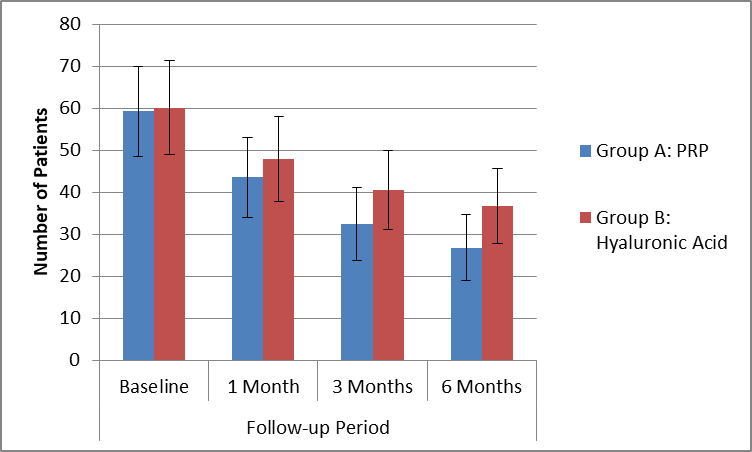
Figure 1: Comparison of WOMAC Score Between PRP and Hyaluronic Acid Groups
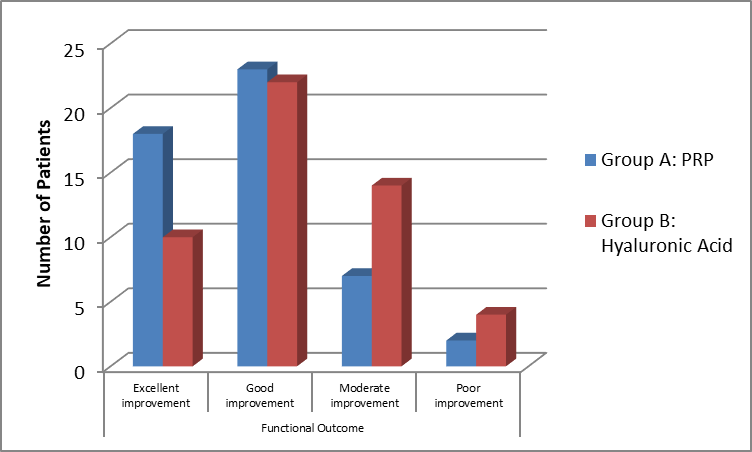
Figure 2: Comparison of Functional Improvement After 6 Months of Treatment
Baseline Demographic and Clinical Characteristics of the Study Population
Results:
A total of 100 patients were included (PRP: n=50; Hyaluronic Acid: n=50). Mean age was comparable between groups (56.9 ± 8.2 vs 57.4 ± 8.7 years; p=0.765). Most patients were aged 51–60 years (44.0% vs 48.0%). Male predominance was observed (56.0% vs 52.0%; p=0.689). BMI was similar (27.3 ± 3.1 vs 27.7 ± 3.4 kg/m²; p=0.541), with comparable symptom duration (18.2 ± 7.4 vs 19.1 ± 8.0 months; p=0.559).
Interpretation:
The baseline demographic and clinical characteristics were comparable between the PRP and Hyaluronic Acid groups. No statistically significant differences were observed in age, gender distribution, BMI, or duration of symptoms, indicating that both groups were well matched before initiation of treatment.
Distribution of Patients According to Kellgren–Lawrence Radiological Grade
Results:
The severity of knee osteoarthritis was assessed using the Kellgren–Lawrence (KL) radiological grading system. In the PRP group, 12 patients (24.0%) had Grade I osteoarthritis, 25 patients (50.0%) had Grade II disease, and 13 patients (26.0%) had Grade III osteoarthritis. In the Hyaluronic Acid group, 14 patients (28.0%) had Grade I, 23 patients (46.0%) had Grade II, and 13 patients (26.0%) had Grade III osteoarthritis. The distribution of radiological grades was statistically similar between both groups (p>0.05).
Interpretation:
The radiological severity of knee osteoarthritis was comparable between the two treatment groups. Similar distribution of Kellgren–Lawrence Grades I–III ensured that baseline disease severity did not influence the comparative evaluation of treatment outcomes.
Comparison of Visual Analogue Scale (VAS) Pain Score Between PRP and Hyaluronic Acid Groups
Results:
Pain severity was assessed using the Visual Analogue Scale (VAS) at baseline and follow-up intervals. At baseline, the mean VAS score was comparable between the PRP group (7.18 ± 1.12) and Hyaluronic Acid group (7.24 ± 1.18) with no statistically significant difference (p=0.796). At 1 month follow-up, both groups demonstrated reduction in pain scores; however, the PRP group showed significantly lower pain intensity (4.82 ± 1.26) compared with the Hyaluronic Acid group (5.36 ± 1.32; p=0.041). At 3 months, the mean VAS score further decreased in both groups, with greater improvement observed in the PRP group (3.54 ± 1.18) compared with the Hyaluronic Acid group (4.62 ± 1.40; p<0.001). At 6 months, sustained pain reduction was observed among PRP-treated patients (2.96 ± 1.05) compared with those receiving Hyaluronic Acid (4.18 ± 1.32; p<0.001).
Interpretation:
Both PRP and Hyaluronic Acid injections significantly reduced knee pain; however, PRP demonstrated superior and sustained pain relief compared with Hyaluronic Acid, particularly at 3-month and 6-month follow-up assessments.
Comparison of WOMAC Functional Score between PRP and Hyaluronic Acid Groups
Results:
Functional outcome was assessed using the Western Ontario and McMaster Universities Osteoarthritis Index (WOMAC) score. At baseline, the mean WOMAC score was similar between the PRP group (59.2 ± 10.6) and Hyaluronic Acid group (60.1 ± 11.2; p=0.677). After treatment, both groups showed progressive improvement. At 1 month, the PRP group demonstrated a lower WOMAC score (43.5 ± 9.5) compared with the Hyaluronic Acid group (47.8 ± 10.1; p=0.030). At 3 months, the mean WOMAC score was significantly lower in the PRP group (32.4 ± 8.6) compared with the Hyaluronic Acid group (40.6 ± 9.4; p<0.001). At 6 months, patients receiving PRP showed significantly better functional improvement (26.8 ± 7.9) compared with patients receiving Hyaluronic Acid (36.7 ± 9.0; p<0.001).
Interpretation:
Both interventions improved functional outcomes in patients with early knee osteoarthritis; however, intra-articular PRP provided significantly greater improvement in WOMAC scores, suggesting better functional recovery compared with Hyaluronic Acid.
Functional Improvement after 6 Months of Treatment
Results:
After 6 months of follow-up, clinical response was categorized into excellent, good, moderate, and poor improvement. Excellent improvement was observed in 18 patients (36.0%) in the PRP group compared with 10 patients (20.0%) in the Hyaluronic Acid group. Good improvement was observed in 23 patients (46.0%) receiving PRP and 22 patients (44.0%) receiving Hyaluronic Acid. Moderate improvement was reported in 7 patients (14.0%) in the PRP group and 14 patients (28.0%) in the Hyaluronic Acid group, whereas poor improvement was observed in 2 (4.0%) and 4 (8.0%) patients, respectively (p>0.05).
Interpretation:
Although a higher proportion of patients in the PRP group achieved excellent clinical improvement, the overall difference in functional response categories between PRP and Hyaluronic Acid groups was not statistically significant.
Patient Satisfaction and Treatment-Related Adverse Events
Results:
Patient satisfaction and treatment-related complications were evaluated during follow-up. A significantly higher proportion of patients reported satisfaction after PRP treatment (43 patients, 86.0%) compared with Hyaluronic Acid treatment (35 patients, 70.0%; p=0.048). Mild injection site pain occurred in 9 patients (18.0%) in the PRP group and 6 patients (12.0%) in the Hyaluronic Acid group (p=0.390). Temporary swelling was observed in 5 patients (10.0%) and 4 patients (8.0%), respectively (p=0.729). Joint stiffness was reported in 4 patients (8.0%) in the PRP group and 6 patients (12.0%) in the Hyaluronic Acid group (p=0.508). Additional analgesic requirement was observed in 7 patients (14.0%) receiving PRP and 11 patients (22.0%) receiving Hyaluronic Acid (p=0.299).
Interpretation:
Both PRP and Hyaluronic Acid were safe and well tolerated. However, patients receiving PRP showed significantly higher satisfaction rates, with comparable adverse event profiles between both treatment modalities.
DISCUSSION:
Knee osteoarthritis is a progressive degenerative joint disorder associated with pain, stiffness, functional impairment, and reduced quality of life. In the present study, 100 patients with primary knee osteoarthritis (Kellgren–Lawrence Grade I–III) were evaluated to compare the clinical efficacy of intra-articular platelet-rich plasma (PRP) and hyaluronic acid (HA) injections. Patients were equally divided into PRP and HA groups, with comparable baseline demographic and clinical characteristics. No significant differences were observed in age, gender distribution, BMI, duration of symptoms, or radiological grading, indicating that both groups were well matched before intervention. Similar baseline comparability was reported by Di Martino et al. and Dai et al., who demonstrated that PRP and HA treatment groups had similar demographic and clinical characteristics in comparative studies of knee osteoarthritis [11,12]. The mean age of patients in the present study was approximately 57 years, reflecting the common age group affected by symptomatic knee osteoarthritis. Katz et al. emphasized that ageing is a major risk factor for osteoarthritis development due to progressive cartilage degeneration, altered biomechanics, and increased inflammatory activity within the joint environment [13].
The comparable age distribution between PRP and HA groups in the current study suggests that age-related degenerative changes were evenly distributed and unlikely to influence the difference in treatment response. Radiological evaluation using the Kellgren–Lawrence grading system showed comparable disease severity between both groups, with the majority of patients belonging to Grade II osteoarthritis. Selection of patients with KL Grade I–III disease was clinically appropriate because early and moderate osteoarthritis may respond better to biological therapies due to preserved cartilage structure and regenerative potential. Kon et al. reported that PRP therapy demonstrates better clinical outcomes in mild-to-moderate knee osteoarthritis compared with advanced degenerative disease, supporting the patient selection criteria used in the present study [14]. Pain reduction assessed through the Visual Analogue Scale (VAS) demonstrated significant improvement in both groups; however, PRP produced superior and sustained pain relief compared with HA. At 6 months, the mean VAS score was significantly lower in the PRP group compared with the Hyaluronic Acid group (2.96 ± 1.05 vs 4.18 ± 1.32; p<0.001).
Similar findings were reported by Yurtbay et al., who demonstrated through systematic review and meta-analysis that PRP provides greater improvement in pain outcomes compared with HA, particularly during intermediate and long-term follow-up periods [15]. The improved analgesic effect of PRP may be explained by its ability to reduce inflammatory cytokines, regulate synovial inflammation, and promote tissue repair through concentrated growth factors. Functional improvement evaluated using the WOMAC score showed significant improvement after both treatments; however, PRP demonstrated greater functional recovery. At 6 months, the WOMAC score was significantly lower in the PRP group compared with the HA group (26.8 ± 7.9 vs 36.7 ± 9.0; p<0.001). Filardo et al. reported similar findings, showing sustained improvement in pain and functional outcomes following PRP administration compared with HA in patients with degenerative knee pathology [16].
The superior WOMAC improvement observed with PRP in the present study may be attributed to enhanced cartilage metabolism, reduction of inflammatory mediators, and improved joint homeostasis. The mechanism of action of PRP differs from conventional viscosupplementation with HA. Hyaluronic acid mainly improves joint lubrication, restores synovial fluid properties, and decreases mechanical stress on articular cartilage. In contrast, PRP contains multiple bioactive growth factors including platelet-derived growth factor, transforming growth factor-beta, and insulin-like growth factor, which promote chondrocyte activity, extracellular matrix synthesis, and tissue regeneration. Andia and Maffulli et al. highlighted the regenerative and anti-inflammatory potential of PRP, supporting its biological advantage over HA in degenerative joint conditions [17]. Evaluation of clinical response after 6 months demonstrated a higher proportion of excellent improvement among PRP-treated patients compared with HA-treated patients (36.0% vs 20.0%). Although the difference in response categories was not statistically significant, the overall trend favored PRP therapy. Lin et al. reported similar observations in their systematic review and meta-analysis, where PRP showed superior clinical improvement and functional outcomes compared with HA injections in knee osteoarthritis patients [18].
Differences in PRP preparation techniques, platelet concentration, number of injections, and patient characteristics may explain variability among different studies. Patient satisfaction was significantly higher in the PRP group compared with the Hyaluronic Acid group (86.0% vs 70.0%; p=0.048). This higher satisfaction rate was consistent with the superior improvement observed in pain and functional scores among PRP-treated patients. Regarding safety outcomes, both groups showed comparable adverse event profiles, including mild injection site pain, temporary swelling, and joint stiffness. Laudy et al. reported that PRP injections are safe and associated with minimal adverse effects while providing significant symptomatic improvement in knee osteoarthritis [19].
The findings of the present study support the clinical superiority of intra-articular PRP over Hyaluronic Acid for early knee osteoarthritis. PRP demonstrated greater pain reduction, improved functional outcomes, and higher patient satisfaction while maintaining a comparable safety profile. Riboh et al. emphasized that PRP composition, particularly leukocyte concentration, may influence clinical effectiveness, highlighting the importance of standardized PRP preparation protocols for optimizing treatment outcomes [20]. Future multicenter randomized controlled trials with larger sample sizes and longer follow-up are required to confirm the long-term benefits and potential disease-modifying effects of PRP therapy.
CONCLUSION:
Intra-articular PRP and hyaluronic acid injections both provided significant clinical improvement in patients with early knee osteoarthritis; however, PRP demonstrated superior and sustained benefits in terms of pain reduction, functional improvement, and patient satisfaction over 6 months of follow-up. PRP was found to be a safe and effective treatment modality with comparable adverse event profiles, suggesting its potential advantage over hyaluronic acid in the management of Kellgren–Lawrence Grade I–III knee osteoarthritis.
REFERENCES:
1. Hunter DJ, March L, Chew M. Osteoarthritis in 2020 and beyond: a Lancet Commission. The lancet. 2020 Nov 28;396(10264):1711-2.
2. Kellgren JH, Lawrence J. Radiological assessment of osteo-arthrosis. Annals of the rheumatic diseases. 1957 Dec;16(4):494.
3. Bannuru RR, Osani MC, Vaysbrot EE, Arden NK, Bennell K, Bierma-Zeinstra SM, Kraus VB, Lohmander LS, Abbott JH, Bhandari M, Blanco FJ. OARSI guidelines for the non-surgical management of knee, hip, and polyarticular osteoarthritis. Osteoarthritis and cartilage. 2019 Nov 1;27(11):1578-89.
4. Altman RD, Bedi A, Karlsson J, Sancheti P, Schemitsch E. Product differences in intra-articular hyaluronic acids for osteoarthritis of the knee. The American journal of sports medicine. 2016 Aug;44(8):2158-65.
5. Jevsevar D, Donnelly P, Brown GA, Cummins DS. Viscosupplementation for osteoarthritis of the knee: a systematic review of the evidence. JBJS. 2015 Dec 16;97(24):2047-60.
6. Andia I, Maffulli N. Biological therapies in regenerative sports medicine. Sports Medicine. 2017 May;47(5):807-28.
7. Laudy AB, Bakker EW, Rekers M, Moen MH. Efficacy of platelet-rich plasma injections in osteoarthritis of the knee: a systematic review and meta-analysis. British journal of sports medicine. 2015 May;49(10):657-72.
8. Riboh JC, Saltzman BM, Yanke AB, Fortier L, Cole BJ. Effect of leukocyte concentration on the efficacy of platelet-rich plasma in the treatment of knee osteoarthritis. The American journal of sports medicine. 2016 Mar;44(3):792-800.
9. Filardo G, Kon E, Di Martino A, Di Matteo B, Merli ML, Cenacchi A, Fornasari PM, Marcacci M. Platelet-rich plasma vs hyaluronic acid to treat knee degenerative pathology: study design and preliminary results of a randomized controlled trial. BMC musculoskeletal disorders. 2012 Nov 23;13(1):229.
10. Shen L, Yuan T, Chen S, Xie X, Zhang C. The temporal effect of platelet-rich plasma on pain and physical function in the treatment of knee osteoarthritis: systematic review and meta-analysis of randomized controlled trials. Journal of orthopaedic surgery and research. 2017 Jan 23;12(1):16.
11. Di Martino A, Di Matteo B, Papio T, Tentoni F, Selleri F, Cenacchi A, Kon E, Filardo G. Platelet-rich plasma versus hyaluronic acid injections for the treatment of knee osteoarthritis: results at 5 years of a double-blind, randomized controlled trial. The American Journal of Sports Medicine. 2019 Feb;47(2):347-54.
12. Dai WL, Zhou AG, Zhang H, Zhang J. Efficacy of platelet‐rich plasma in the treatment of knee osteoarthritis: a meta‐analysis of randomized controlled trials. Arthroscopy. 2017 Mar;33(3):659-70.
13. Katz JN, Arant KR, Loeser RF. Diagnosis and treatment of hip and knee osteoarthritis: a review. Jama. 2021 Feb 9;325(6):568-79.
14. Kon E, Di Matteo B, Delgado D, Cole BJ, Dorotei A, Dragoo JL, Filardo G, Fortier LA, Giuffrida A, Jo CH, Magalon J. Platelet-rich plasma for the treatment of knee osteoarthritis: an expert opinion and proposal for a novel classification and coding system. Expert opinion on biological therapy. 2020 Dec 1;20(12):1447-60.
15. Yurtbay A, Say F, Çinka H, Ersoy A. Multiple platelet-rich plasma injections are superior to single PRP injections or saline in osteoarthritis of the knee: the 2-year results of a randomized, double-blind, placebo-controlled clinical trial. Archives of orthopaedic and trauma surgery. 2022 Oct;142(10):2755-68.
16. Filardo G, Kon E, Di Martino A, Di Matteo B, Merli ML, Cenacchi A, Fornasari PM, Marcacci M. Platelet-rich plasma vs hyaluronic acid to treat knee degenerative pathology: study design and preliminary results of a randomized controlled trial. BMC musculoskeletal disorders. 2012 Nov 23;13(1):229.
17. Andia I, Maffulli N. Platelet-rich plasma for managing pain and inflammation in osteoarthritis. Nature Reviews Rheumatology. 2013 Dec;9(12):721-30.
18. Lin KY, Yang CC, Hsu CJ, Yeh ML, Renn JH. Intra‐articular injection of platelet‐rich plasma is superior to hyaluronic acid or saline solution in the treatment of mild to moderate knee osteoarthritis: a randomized, double‐blind, triple‐parallel, placebo‐controlled clinical trial. Arthroscopy. 2019 Jan;35(1):106-17.
19. Laudy AB, Bakker EW, Rekers M, Moen MH. Efficacy of platelet-rich plasma injections in osteoarthritis of the knee: a systematic review and meta-analysis. British journal of sports medicine. 2015 May;49(10):657-72.
20. Riboh JC, Saltzman BM, Yanke AB, Fortier L, Cole BJ. Effect of leukocyte concentration on the efficacy of platelet-rich plasma in the treatment of knee osteoarthritis. The American journal of sports medicine. 2016 Mar;44(3):792-800.