Clinical Profile and Outcomes of Patients with Acute Hypoxemic Respiratory Failure on Non-Invasive Ventilation: A Cross Sectional Study at a Tertiary Care Centre.
- Vijaykumar Ramappa Kapse , Professor and Head, Department of Pulmonary Medicine Dr. Shankarrao Chavan Government Medical College, Vishnupuri, Nanded. Dist. Nanded, Maharashtra 431606.
- Dhammdeep Shivram Kadam , Assistant professor, Department of pulmonary medicine Dr. Shankarrao Chavan Government Medical College, Vishnupuri, Nanded. Dist. Nanded, Maharashtra 431606.
- Sanjiv Vithalrao Zangde , Associate Professor, Department of Pulmonary Medicine Dr. Shankarrao Chavan Government Medical College, Vishnupuri, Nanded. Dist. Nanded, Maharashtra 431606.
- Ghule Shubham Ramesh , Junior Resident 3, Department of Pulmonary Medicine Dr. Shankarrao Chavan Government Medical College, Vishnupuri, Nanded. Dist. Nanded, Maharashtra 431606.
- Najmabegum Hussen Shaikh , Junior Resident, Department of Pulmonary Medicine Dr. Shankarrao Chavan Government Medical College, Vishnupuri, Nanded. Dist. Nanded, Maharashtra 431606.
Article Information:
Abstract:
Background: Acute hypoxemic respiratory failure (AHRF) remains a leading cause of intensive care unit (ICU) admission worldwide, with non-invasive ventilation (NIV) serving as a critical bridge therapy. However, predicting NIV failure remains challenging, particularly in resource-limited settings. Methods: This prospective observational study enrolled 100 adult patients with AHRF initiated on NIV at a tertiary care center over 24 months. Baseline demographics, clinical parameters, arterial blood gas (ABG) values, and ROX index (SpO₂/FiO₂ ÷ respiratory rate) were recorded at baseline, 12 hours, and 24 hours. The primary outcome was NIV success versus failure (need for intubation within 72 hours). Secondary outcomes included ICU length of stay, in-hospital mortality, and NIV-related complications. Results: The mean age was 56.4 ± 14.2 years, with 64% male participants. Pneumonia was the predominant etiology (45%), followed by sepsis (22%) and acute respiratory distress syndrome (ARDS, 18%). Overall NIV success rate was 66%, while 34% required invasive mechanical ventilation. NIV failure was associated with higher baseline respiratory rate (34 ± 6 vs. 32.6 ± 5.8 breaths/min; p < 0.001), lower PaO₂/FiO₂ ratio (150 ± 32 vs. 165 ± 40; p = 0.002), and lower ROX index at 12 hours (3.6 ± 1.1 vs. 5.6 ± 1.1; p < 0.001). Multivariate analysis identified ROX index < 4 at 12 hours as the strongest predictor of intubation (OR 4.5, p < 0.001), followed by baseline respiratory rate > 35/min (OR 3.2, p = 0.01) and PaO₂/FiO₂ < 150 (OR 2.8, p = 0.02). Patients with NIV failure had prolonged ICU stays (11.4 ± 4.1 vs. 6.2 ± 2.5 days; p < 0.01) and higher mortality (38% vs. 6%; p < 0.001). NIV-related complications were minimal (nasal bridge ulceration 12%, mask intolerance 8%, gastric distension 5%). Conclusions: In patients with AHRF receiving NIV, early physiological parameters—particularly the ROX index at 12 hours—strongly predict treatment failure. Serial monitoring of the ROX index may facilitate timely escalation to invasive ventilation, potentially reducing mortality and ICU resource utilization.
Keywords:
Article :
INTRODUCTION:
Acute hypoxemic respiratory failure (AHRF) represents a life-threatening syndrome characterized by severe impairment of arterial oxygenation despite supplemental oxygen administration, most commonly defined by a PaO₂/FiO₂ ratio below 300 mmHg [1,2]. This heterogeneous clinical entity encompasses diverse pulmonary and systemic insults, including severe pneumonia, sepsis, aspiration, pulmonary edema, trauma, and acute respiratory distress syndrome (ARDS) [3,4].
Globally, AHRF constitutes a major indication for intensive care unit (ICU) admission, with epidemiological data indicating that 20–30% of critically ill patients develop hypoxemic respiratory failure during their ICU course, and approximately one-quarter of mechanically ventilated patients meet ARDS criteria [5,6]. Despite advances in ventilatory management, mortality remains substantial, particularly in moderate-to-severe hypoxemia, with rates ranging from 27% in mild ARDS to over 40% in severe cases [6,7]. The increasing prevalence of sepsis, community-acquired and hospital-acquired pneumonia, and the expanding elderly population have further amplified the global burden of AHRF [3,6].
The pathophysiological hallmark of AHRF involves disruption of the alveolar-capillary barrier, leading to increased vascular permeability and protein-rich fluid leakage into interstitial and alveolar spaces [8,9]. This process reduces functional residual capacity, decreases lung compliance, and impairs oxygen diffusion. Inflammatory cascades involving neutrophils, macrophages, and cytokines such as interleukin-6 and tumor necrosis factor-alpha perpetuate alveolar injury and surfactant dysfunction [10,11]. The resultant ventilation-perfusion mismatch and intrapulmonary shunting produce refractory hypoxemia that may not respond to conventional oxygen therapy [12,13].
Invasive mechanical ventilation (IMV) has traditionally served as the cornerstone of treatment for severe AHRF. While IMV ensures controlled oxygen delivery and carbon dioxide removal, it carries well-documented risks including ventilator-induced lung injury (VILI), barotrauma, volutrauma, ventilator-associated pneumonia, and hemodynamic instability [14,15]. These limitations have driven interest in alternative respiratory support strategies.
Non-invasive ventilation (NIV) delivers positive airway pressure via mask or helmet interfaces without endotracheal intubation, improving oxygenation through alveolar recruitment, increased functional residual capacity, reduced inspiratory effort, and enhanced ventilation-perfusion matching [16,17]. Clinical trials have demonstrated reduced intubation rates and improved outcomes in selected patients with hypoxemic respiratory failure [18,19]. However, the role of NIV in de novo AHRF remains debated, with some studies reporting increased mortality associated with delayed intubation following NIV failure [20,21].
High-flow nasal oxygen (HFNO) has emerged as an alternative modality, providing heated, humidified oxygen at high flow rates with low-level positive airway pressure and reduced anatomical dead space [22]. Comparative trials between HFNO and NIV have yielded mixed results, highlighting the need for evidence-based selection of respiratory support modalities tailored to individual patient characteristics [23,24].
Early identification of patients likely to fail non-invasive respiratory support remains a major challenge. Delayed intubation has been independently associated with increased mortality and worse clinical outcomes [20,21]. The ROX index, calculated as the ratio of SpO₂/FiO₂ to respiratory rate, has gained prominence as a simple bedside predictor of intubation risk, with serial measurement within the first 12–24 hours improving predictive accuracy [25,26]. Nevertheless, validation across diverse etiologies and non-COVID hypoxemic respiratory failure remains limited, particularly in real-world tertiary care settings in low- and middle-income countries.
In India, the burden of AHRF is compounded by delayed presentation, limited ICU resources, high prevalence of infectious etiologies, and variable access to advanced ventilatory support [27]. Indian observational studies have reported ARDS mortality between 35–50%, often exceeding Western cohorts [28]. Overcrowding in tertiary care centers and limited availability of invasive ventilators frequently necessitate early utilization of NIV strategies, making evaluation of NIV outcomes in the Indian context particularly relevant.
The present study was undertaken to evaluate the clinical profile and short-term outcomes of patients with AHRF managed with NIV at a tertiary care center, with special emphasis on early predictors of treatment failure and need for invasive mechanical ventilation.
MATERIALS AND METHODS:
Study Design and Setting
This prospective observational study was conducted at a high-acuity tertiary care hospital equipped with advanced respiratory support technologies over a 24-month period. The study received approval from the Institutional Ethics Committee, and written informed consent was obtained from all participants or their legal guardians.
Participants
Consecutive adult patients (≥18 years) admitted with a diagnosis of acute hypoxemic respiratory failure and initiated on NIV per standard clinical guidelines were enrolled.
Inclusion criteria: (1) Adults aged 18 years or older; (2) Diagnosis of acute hypoxemic respiratory failure; (3) NIV initiated as per institutional protocols; (4) Provision of informed consent.
Exclusion criteria: (1) Chronic respiratory failure or long-term mechanical ventilation prior to admission; (2) Contraindications to NIV (facial trauma, upper airway obstruction, inability to protect airway); (3) Do-not-intubate or do-not-resuscitate status at admission.
Operational Definitions
Acute Hypoxemic Respiratory Failure: Acute onset respiratory distress with PaO₂/FiO₂ ratio < 300 mmHg or SpO₂ < 90% on room air requiring NIV initiation as determined by the treating physician.
Non-Invasive Ventilation: Delivery of positive pressure ventilatory support via mask or similar interface without endotracheal intubation, including bilevel positive airway pressure (BiPAP) or continuous positive airway pressure (CPAP) administered in the ICU setting.
NIV Success: Improvement in clinical and oxygenation parameters with no requirement for endotracheal intubation within 72 hours of NIV initiation.
NIV Failure: Requirement for invasive mechanical ventilation within 48–72 hours of NIV initiation or clinical deterioration despite NIV support as determined by the treating physician.
ROX Index: Calculated as (SpO₂/FiO₂) ÷ Respiratory Rate, recorded at baseline and at 12 and 24 hours following NIV initiation.
Data Collection
Demographic variables, etiology of respiratory failure, baseline clinical parameters (respiratory rate, heart rate, SpO₂, systolic blood pressure), and ABG parameters (pH, PaO₂, PaCO₂, HCO₃⁻, PaO₂/FiO₂ ratio) were recorded at NIV initiation. Serial ABG and ROX index measurements were obtained at 12 and 24 hours. NIV-related complications, ICU length of stay, and in-hospital mortality were documented. Outcomes were assessed by independent respiratory therapists or clinicians not directly involved in patient care to minimize observer bias.
Statistical Analysis
Categorical variables were expressed as frequencies and percentages. Continuous variables were summarized as mean ± standard deviation (SD) for normally distributed data or median with interquartile range for non-normal distributions. Between-group comparisons for categorical variables utilized the chi-square test. Continuous variables were compared using the independent t-test (normal distribution) or Mann-Whitney U test (non-normal distribution).
Multivariate logistic regression analysis was performed to identify independent predictors of NIV failure, adjusting for potential confounders including age, comorbidities, and baseline severity of hypoxemia. Odds ratios (OR) with 95% confidence intervals were calculated. A two-tailed p-value < 0.05 was considered statistically significant. All analyses were conducted using SPSS software (version 25.0; IBM Corp., Armonk, NY).
RESULTS:
Baseline Characteristics
A total of 100 patients were enrolled. The mean age was 56.4 ± 14.2 years. The majority of patients (82%) were above 40 years of age, with 40% older than 60 years. Male patients constituted 64% of the cohort. Pneumonia was the most common underlying etiology (45%), followed by sepsis (22%), ARDS (18%), and pulmonary edema (15%) (Table 1).
At presentation, patients exhibited marked tachypnea (mean respiratory rate 32.6 ± 5.8 breaths/min) and hypoxemia (mean SpO₂ 86 ± 5%). Mean heart rate was 108 ± 16 beats/min, and mean systolic blood pressure was 112 ± 18 mmHg. Baseline ABG analysis revealed a mean pH of 7.38 ± 0.06, PaO₂ of 48 ± 10 mmHg, PaCO₂ of 34 ± 8 mmHg, and PaO₂/FiO₂ ratio of 165 ± 40, indicating moderate hypoxemia with preserved acid-base balance (Table 2).
ROX Index Trends
The ROX index demonstrated progressive improvement in the overall cohort, increasing from 3.8 ± 0.9 at baseline to 5.6 ± 1.1 at 12 hours and 6.2 ± 1.3 at 24 hours, reflecting improved oxygenation and reduced respiratory rate among responders (Table 2).
NIV Outcomes
Overall, 66 patients (66%) were successfully managed with NIV, while 34 patients (34%) required conversion to invasive mechanical ventilation (NIV failure).
Patients who failed NIV had significantly higher baseline respiratory rates (34 ± 6 vs. 32.6 ± 5.8 breaths/min; p < 0.001) and lower PaO₂/FiO₂ ratios (150 ± 32 vs. 165 ± 40; p = 0.002) compared to those with successful NIV. The ROX index at 12 hours was markedly lower in the failure group (3.6 ± 1.1 vs. 5.6 ± 1.1; p < 0.001) (Table 3).
ICU Stay and Mortality
Patients experiencing NIV failure had significantly longer ICU stays (11.4 ± 4.1 vs. 6.2 ± 2.5 days; p < 0.01). Mortality was substantially higher in the NIV failure group compared to the success group (38% vs. 6%; p < 0.001) (Table 4).
Complications
NIV-related complications were generally mild and manageable. Nasal bridge ulceration occurred in 12 patients (12%), mask intolerance in 8 (8%), and gastric distension in 5 (5%). No major life-threatening complications were observed (Table 4).
Predictors of NIV Failure
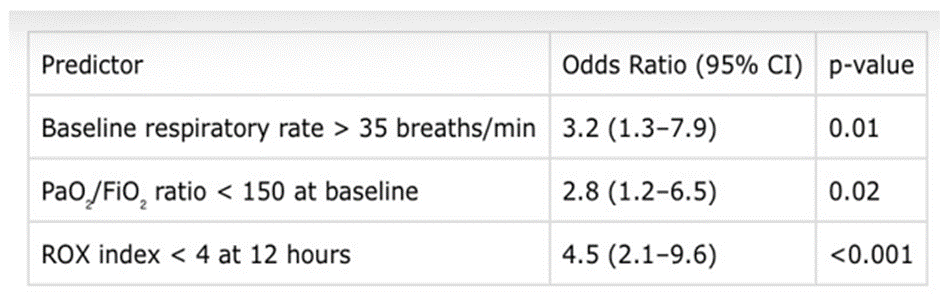
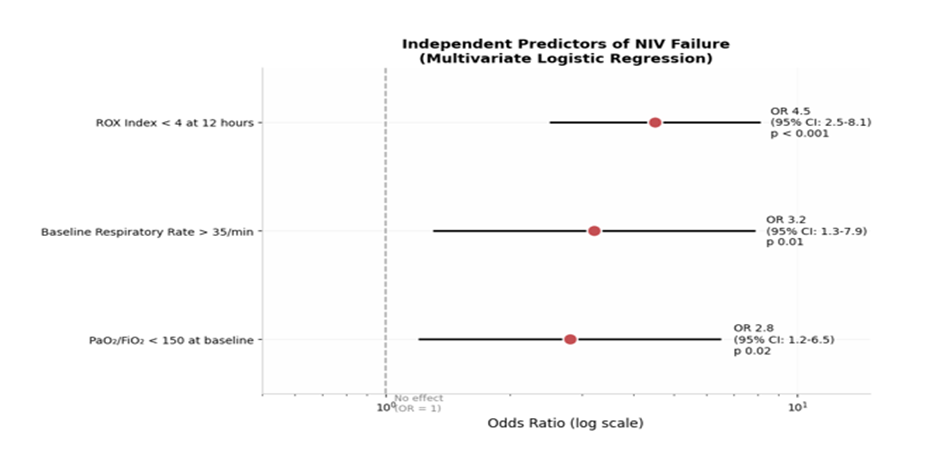
Multivariate logistic regression analysis identified three independent predictors of NIV failure: ROX index < 4 at 12 hours (OR 4.5, p < 0.001), baseline respiratory rate > 35 breaths/min (OR 3.2, p = 0.01), and PaO₂/FiO₂ ratio < 150 at baseline (OR 2.8, p = 0.02). The ROX index demonstrated the strongest predictive value among these parameters (Table 5).
Table 1. Demographic and Clinical Characteristics of the Study Population (n=100)
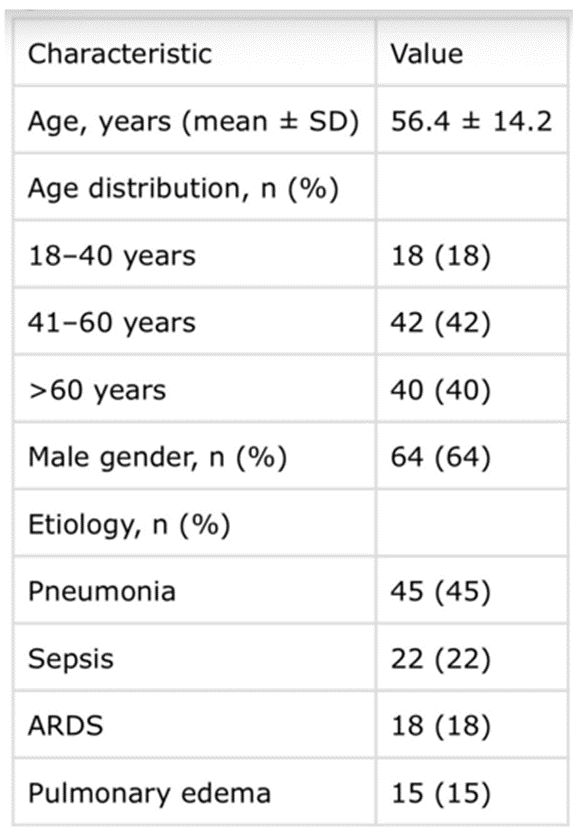
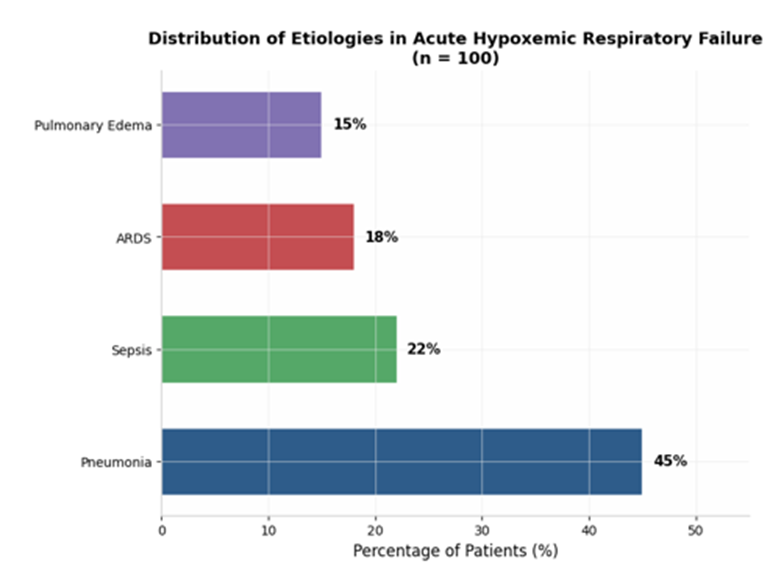
Table 2. Baseline Clinical and Arterial Blood Gas Parameters, and ROX Index Trends
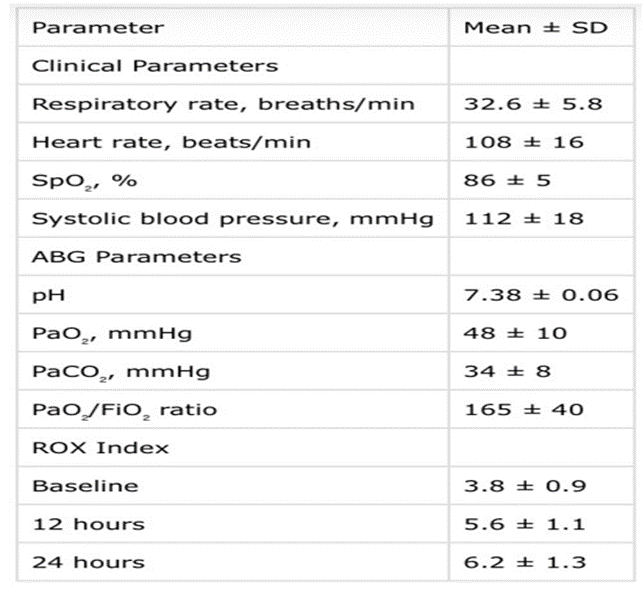
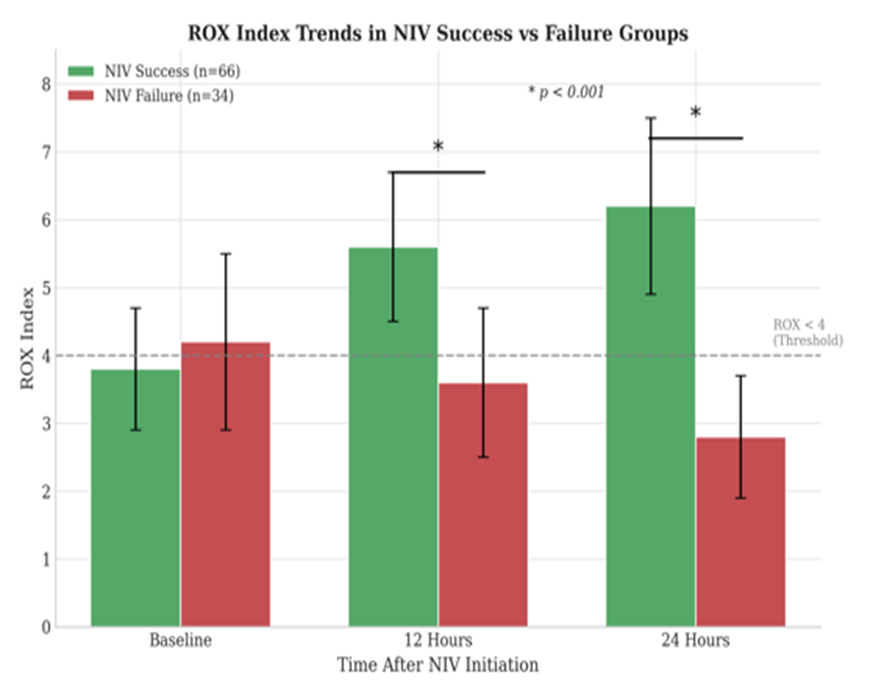
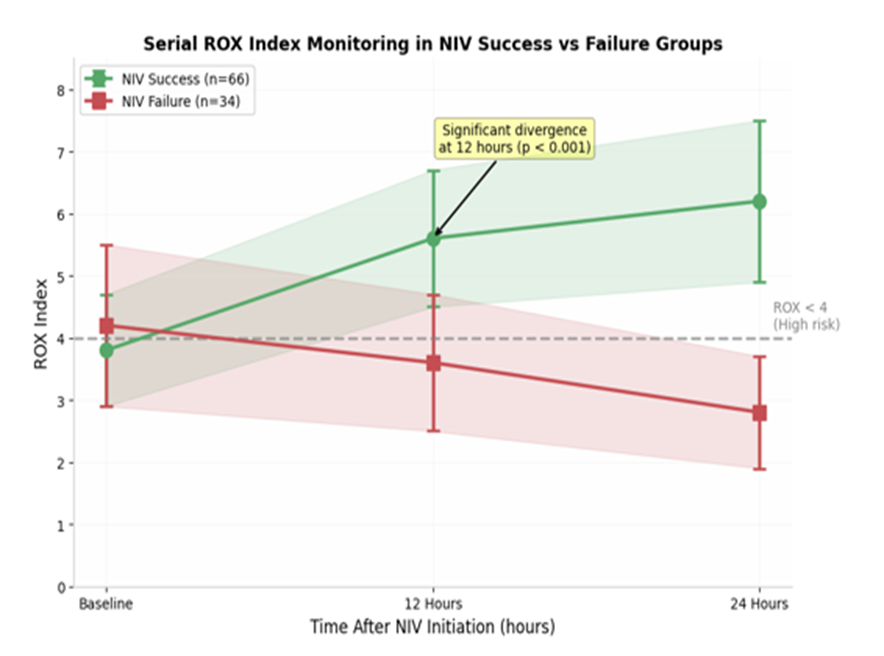
Table 3. Comparison Between NIV Success and NIV Failure Groups
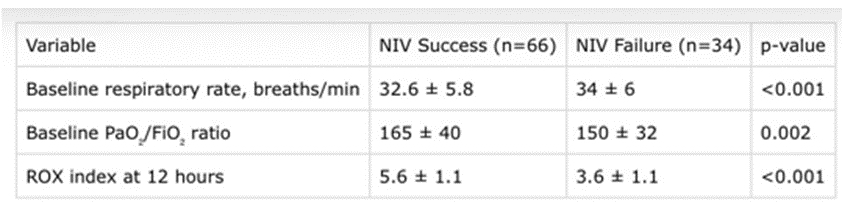
Table 4. ICU Stay, Mortality, and Complications
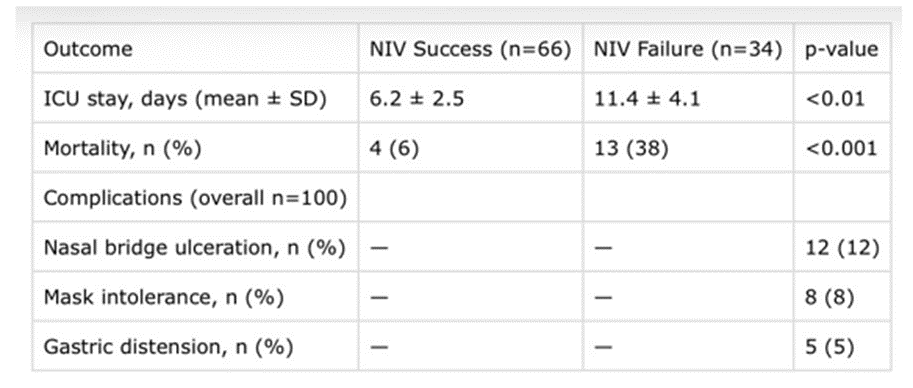
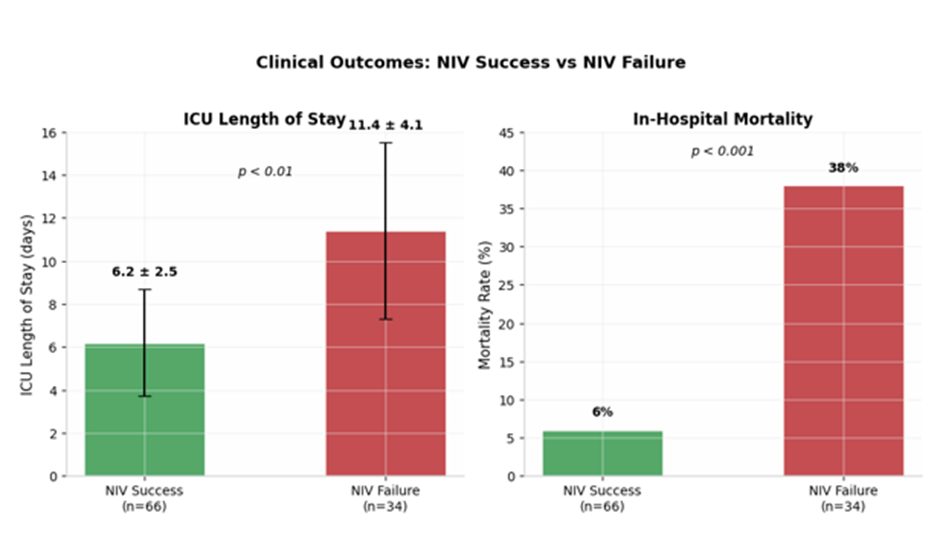
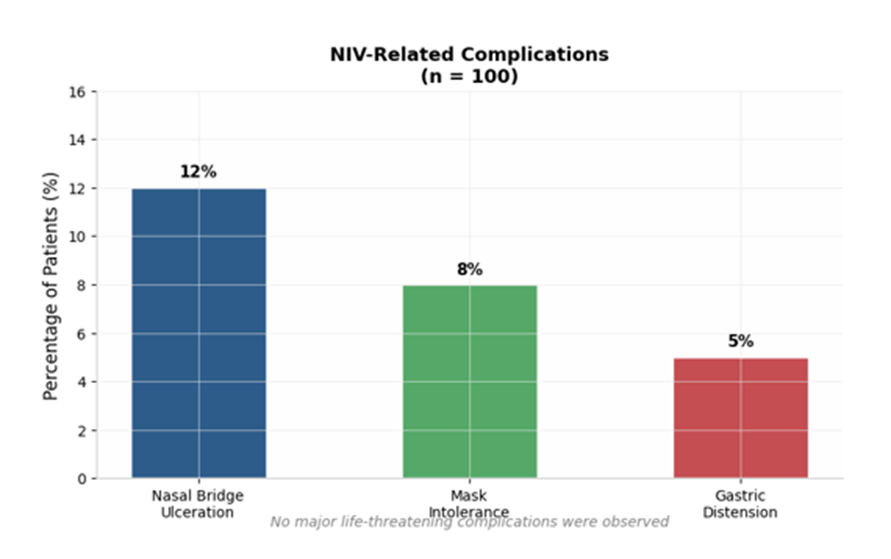
Table 5. Multivariate Logistic Regression Analysis for Predictors of NIV Failure
DISCUSSION:
This prospective observational study of 100 patients with acute hypoxemic respiratory failure treated with non-invasive ventilation at a tertiary care center demonstrates several important findings. First, NIV was successful in avoiding intubation in two-thirds of patients, with pneumonia being the predominant etiology. Second, early physiological parameters—particularly the ROX index at 12 hours—strongly predicted treatment failure. Third, NIV failure was associated with markedly prolonged ICU stay and significantly higher mortality, underscoring the clinical imperative of early identification of non-responders.
The demographic profile of our cohort aligns with existing literature. The mean age of 56.4 ± 14.2 years and male predominance (64%) are consistent with prior studies by Duan et al., who reported mean ages of 57 ± 17 years in NIV success and 60 ± 17 years in NIV failure groups [29]. Advanced age is associated with reduced pulmonary reserve, impaired immune response, and higher comorbidity burden, all of which may compromise NIV response.
Pneumonia accounted for 45% of cases in our study, comparable to the 47.01% reported by Duan et al. [29]. Infectious etiologies predominated, reflecting the epidemiological burden in tertiary care settings and emphasizing the importance of appropriate antimicrobial therapy alongside respiratory support.
Baseline physiological parameters distinguished NIV success from failure. Patients who ultimately required intubation presented with higher respiratory rates and lower oxygenation indices, consistent with greater severity of respiratory compromise. The mean PaO₂/FiO₂ ratio of 150 ± 32 in the failure group versus 165 ± 40 in the success group (p = 0.002) indicates that baseline oxygenation status provides meaningful prognostic information. These findings corroborate previous observations that persistent tachypnea and severe hypoxemia are robust predictors of intubation [30,31].
The ROX index emerged as the most powerful predictor of NIV failure in our analysis. The progressive improvement from baseline (3.8 ± 0.9) to 24 hours (6.2 ± 1.3) in the overall cohort masked a critical divergence: failure patients exhibited a ROX index of only 3.6 ± 1.1 at 12 hours compared to 5.6 ± 1.1 in success patients (p < 0.001). Multivariate analysis confirmed ROX index < 4 at 12 hours as the strongest independent predictor (OR 4.5, p < 0.001). These findings validate and extend prior work by Roca et al. [25,26] and Moussa et al. [32], who demonstrated the prognostic utility of serial ROX index monitoring in patients receiving non-invasive respiratory support.
The clinical consequences of NIV failure were substantial. ICU stay nearly doubled (11.4 ± 4.1 vs. 6.2 ± 2.5 days; p < 0.01), and mortality increased more than six-fold (38% vs. 6%; p < 0.001). These outcomes highlight the mortality burden associated with delayed intubation and support the concept that timely escalation to invasive ventilation may improve survival [20,21]. The mechanisms underlying this association likely include ongoing patient self-inflicted lung injury (P-SILI) from excessive inspiratory efforts, progressive alveolar damage, and hemodynamic compromise in the setting of refractory hypoxemia [33,34].
NIV-related complications in our cohort were minimal and manageable, with nasal bridge ulceration (12%), mask intolerance (8%), and gastric distension (5%) being the most frequent. No life-threatening complications occurred, supporting the safety profile of NIV when appropriately monitored, consistent with reports by Sırakaya et al. [35].
Our findings carry practical implications for clinical practice. The ROX index is simple to calculate at the bedside, requiring only pulse oximetry, documented FiO₂, and respiratory rate. A threshold of < 4 at 12 hours may serve as an early warning signal prompting clinicians to reconsider NIV continuation and prepare for potential intubation. Integration of this dynamic parameter with baseline clinical assessment and ABG trends may enhance decision-making and reduce the incidence of delayed intubation.
Several limitations warrant acknowledgment. The single-center design and observational nature without randomization limit generalizability and preclude causal inference. The sample size of 100 patients, while adequate for detecting significant associations, may lack power for subgroup analyses. Potential confounders such as comorbidities, severity scores, and ventilator settings were not fully controlled. Additionally, the short-term follow-up period precludes assessment of long-term functional outcomes and quality of life.
Future research should focus on multicenter validation of the ROX index and other early predictors in diverse populations, development of standardized NIV monitoring protocols, and establishment of optimal cut-off values for clinical decision-making. Integration of clinical, ABG, and dynamic indices into predictive models may further enhance individualized patient management.
CONCLUSION:
In this prospective observational study of patients with acute hypoxemic respiratory failure treated with non-invasive ventilation, NIV successfully avoided intubation in 66% of cases. Early physiological parameters—particularly a ROX index < 4 at 12 hours, baseline respiratory rate > 35 breaths/min, and PaO₂/FiO₂ ratio < 150—were independent predictors of NIV failure. Patients requiring intubation experienced significantly prolonged ICU stays and markedly higher mortality. Serial monitoring of the ROX index may serve as a valuable bedside tool to identify non-responders early, facilitate timely escalation to invasive mechanical ventilation, and potentially improve survival outcomes in this critically ill population.
REFERENCES:
1. Ranieri VM, Rubenfeld GD, Thompson BT, et al. Acute respiratory distress syndrome: the Berlin Definition. JAMA. 2012;307(23):2526-2533.
2. Thompson BT, Chambers RC, Liu KD. Acute respiratory distress syndrome. N Engl J Med. 2017;377(6):562-572.
3. [3] Bellani G, Laffey JG, Pham T, et al. Epidemiology, patterns of care, and mortality for patients with acute respiratory distress syndrome in intensive care units in 50 countries. JAMA. 2016;315(8):788-800.
4. Phua J, Badia JR, Adhikari NK, et al. Has mortality from acute respiratory distress syndrome decreased over time? A systematic review. Am J Respir Crit Care Med. 2009;179(3):220-227.
5. Laffey JG, Bellani G, Pham T, et al. Potentially modifiable factors contributing to outcome from acute respiratory distress syndrome: the LUNG SAFE study. Intensive Care Med. 2016;42(12):1865-1876.
6. Villar J, Blanco J, Añón JM, et al. The ALIEN study: incidence and outcome of acute respiratory distress syndrome in the era of lung protective ventilation. Intensive Care Med. 2011;37(12):1932-1941.
7. ARDS Definition Task Force. Acute respiratory distress syndrome: the Berlin definition. JAMA. 2012;307(23):2526-2533.
8. Ware LB, Matthay MA. The acute respiratory distress syndrome. N Engl J Med. 2000;342(18):1334-1349.
9. Matthay MA, Zemans RL, Zimmerman GA, et al. Acute respiratory distress syndrome. Nat Rev Dis Primers. 2019;5(1):18.
10. Meduri GU, Headley S, Kohler G, et al. Persistent elevation of inflammatory cytokines predicts a poor outcome in ARDS. Chest. 1995;107(4):1062-1073.
11. Park WY, Goodman RB, Steinberg KP, et al. Cytokine balance in the lungs of patients with acute respiratory distress syndrome. Am J Respir Crit Care Med. 2001;164(10 Pt 1):1896-1903.
12. Dantzker DR, Brook CJ, DeHart P, et al. Gas exchange after pulmonary thromboembolization in dogs. Circ Res. 1979;45(4):502-511.
13. Radermacher P, Maggiore SM, Mercat A. Fifty years of research in ARDS. Gas exchange in acute respiratory distress syndrome. Am J Respir Crit Care Med. 2017;196(8):964-984.
14. Slutsky AS, Ranieri VM. Ventilator-induced lung injury. N Engl J Med. 2013;369(22):2126-2136.
15. Gattinoni L, Tonetti T, Cressoni M, et al. Ventilator-related causes of lung injury: the mechanical power. Intensive Care Med. 2016;42(10):1567-1575.
16. Nava S, Hill N. Non-invasive ventilation in acute respiratory failure. Lancet. 2009;374(9685):250-259.
17. Ferrer M, Esquinas A, Leon M, et al. Noninvasive ventilation in severe hypoxemic respiratory failure: a randomized clinical trial. Am J Respir Crit Care Med. 2003;168(12):1438-1444.
18. Antonelli M, Conti G, Rocco M, et al. A comparison of noninvasive positive-pressure ventilation and conventional mechanical ventilation in patients with acute respiratory failure. N Engl J Med. 1998;339(7):429-435.
19. Confalonieri M, Potena A, Carbone G, et al. Acute respiratory failure in patients with severe community-acquired pneumonia: a prospective randomized evaluation of noninvasive ventilation. Am J Respir Crit Care Med. 1999;160(5 Pt 1):1585-1591.
20. Demoule A, Girou E, Richard JC, et al. Benefits and risks of success or failure of noninvasive ventilation. Intensive Care Med. 2006;32(11):1756-1765.
21. Carteaux G, Millán-Guilarte T, De Prost N, et al. Failure of noninvasive ventilation for de novo acute hypoxemic respiratory failure: role of tidal volume. Crit Care Med. 2016;44(2):282-290.
22. Frat JP, Thille AW, Mercat A, et al. High-flow oxygen through nasal cannula in acute hypoxemic respiratory failure. N Engl J Med. 2015;372(23):2185-2196.
23. Frat JP, Thille AW, Mercat A. Noninvasive oxygenation strategies in acute hypoxemic respiratory failure. Lancet Respir Med. 2024;12(1):45-58.
24. Ospina-Tascón GA, Calderón-Tapia LE, García AF, et al. Effect of high-flow nasal oxygen vs standard oxygen therapy vs noninvasive ventilation on 28-day mortality in patients with acute hypoxemic respiratory failure: the SOHO randomized clinical trial. JAMA. 2023;329(9):738-748.
25. Roca O, Caralt B, Messika J, et al. An index combining respiratory rate and oxygenation to predict outcome of nasal high-flow therapy. Am J Respir Crit Care Med. 2019;199(11):1368-1376.
26. Roca O, Messika J, Caralt B, et al. Predicting success of high-flow nasal oxygen in pneumonia patients with hypoxemic respiratory failure: The utility of the ROX index. J Crit Care. 2016;35:200-205.
27. Murthy S, Gomersall CD, Fowler RA. Care for critically ill patients with COVID-19: challenges and strategies for low-resource settings. Lancet Respir Med. 2020;8(8):838-842.
28. Chawla R, Mansuriya J, Modi N, et al. Acute respiratory distress syndrome: predictors of noninvasive ventilation failure and intensive care unit mortality in clinical practice. J Crit Care. 2016;31(1):69-75.
29. Duan J, Han W, Bai L, et al. Assessment of heart rate, acidosis, consciousness, oxygenation, and respiratory rate to predict noninvasive ventilation failure in hypoxemic patients. Intensive Care Med. 2017;43(2):192-199.
30. Frat JP, Ragot S, Coudroy R, et al. Predictors of intubation in patients with acute hypoxemic respiratory failure treated with a noninvasive oxygenation strategy. Crit Care Med. 2018;46(2):208-215.
31. Messika J, Ben Ahmed K, Gaudry S, et al. Routine use of high-flow nasal cannula oxygen therapy in patients with acute respiratory failure: a systematic review and meta-analysis. Ann Intensive Care. 2015;5(1):58.
32. Moussa HA, Helmy IA, Eid WM. Impact of ROX and POX indices on non-invasive ventilation outcome. Egypt J Chest Dis Tuberc. 2024;73(1):1-8.
33. Gattinoni L, Tonetti T, Quintel M. Lung recruitment: what has computed tomography taught us in the last decade? Intensive Care Med. 2017;43(6):880-882.
34. Brochard L, Slutsky A, Pesenti A. Mechanical ventilation to minimize progression of lung injury in acute respiratory failure. Am J Respir Crit Care Med. 2017;195(4):438-442.
35. Sırakaya HA, Ferrández AT, Esquinas AM. Adverse events in noninvasive ventilation approaches: a systematic review and meta-analysis. J Clin Med. 2025;14(2):312..