Procalcitonin Prowess: A Proactive Approach To Bacterial Infection Detection In Meconium Aspiration Syndrome.
- Shivam Yadav , Assistant Professor, Department of Paediatrics, Veerangna AvantiBai Lodhi Autonomous State Medical College, Etah, Uttar Pradesh
- A.B Singh , Associate Professor, Department of Paediatrics, Veerangna AvantiBai Lodhi Autonomous State Medical College, Etah, Uttar Pradesh
- Shivi Yadav , Senior Resident, Department of Pathology, Sanjay Gandhi Post Graduate Institute of Medical Sciences (SGPGI), Lucknow, Uttar Pradesh
Article Information:
Abstract:
Background: Meconium aspiration syndrome (MAS) is an important cause of neonatal respiratory distress and may be complicated by bacterial infection. Differentiating infection from aspiration-related inflammation can be challenging. Procalcitonin (PCT) may provide useful additional information for early identification of infection. Aims: To evaluate PCT as a marker of bacterial infection in neonates with MAS and determine its association with conventional sepsis markers. Materials and Methods: This observational cross-sectional study included 60 neonates with MAS, divided into non-infectious and infectious groups. Clinical findings, hematological parameters, inflammatory markers, PCT and blood culture results were assessed. Diagnostic performance of PCT was evaluated using ROC analysis. Results: The study included 60 neonates with MAS, equally divided into non-infectious and infectious groups. The infectious group had significantly higher ANC (20,641.33 ± 12,320.37 vs. 13,047.33 ± 4,986.66/mm³; p=0.032), I:T ratio (0.75 ± 0.749 vs. 0.22 ± 0.313; p=0.001), micro-ESR (17.20 ± 2.50 vs. 10.91 ± 2.65 mm/h; p<0.001), CRP (26.39 ± 36.84 vs. 4.97 ± 6.15 mg/dL; p=0.005), and PCT (61.05 ± 50.76 vs. 23.01 ± 42.21 ng/mL; p<0.001). At a PCT cut-off of ≥24.95 ng/mL, sensitivity was 66.7%, specificity 86.7%, and diagnostic accuracy 76.7%, with an AUC of 0.777 (95% CI: 0.653–0.902; p<0.001). Conclusion: The findings indicate that procalcitonin is a useful adjunctive biomarker for identifying bacterial infection in neonates with meconium aspiration syndrome. Infectious cases demonstrated significantly elevated PCT along with other sepsis markers. A PCT cut-off of ≥24.95 ng/mL provided good discriminatory ability, particularly with high specificity. However, because its sensitivity was moderate, PCT should not be used alone. Combining PCT with CRP, I:T ratio, micro-ESR, ANC, clinical assessment, and blood culture may improve early recognition and management of bacterial infection in MAS.
Keywords:
Article :
INTRODUCTION:
Meconium aspiration syndrome (MAS) remains an important cause of respiratory morbidity among term and post-term neonates born through meconium-stained amniotic fluid. Although the presence of meconium in the amniotic fluid is relatively common, only a proportion of exposed newborns develop clinically significant aspiration syndrome. MAS is characterized by respiratory distress associated with meconium-stained liquor and compatible radiological findings, after excluding other causes of neonatal respiratory disease. The underlying pulmonary injury is multifactorial and includes airway obstruction, surfactant inactivation, chemical pneumonitis and inflammatory injury, with severe cases potentially progressing to respiratory failure and persistent pulmonary hypertension of the newborn [1]. Recent advances in neonatal respiratory care have improved outcomes; nevertheless, MAS continues to pose diagnostic and therapeutic challenges, particularly in resource-limited settings [1,2].
An important clinical problem in MAS is distinguishing inflammatory lung injury caused by aspirated meconium from superimposed bacterial infection. Meconium itself can induce a substantial inflammatory response, and this may produce clinical and laboratory abnormalities that resemble neonatal sepsis. Consequently, antibiotics are frequently initiated when infection cannot be confidently excluded, despite the absence of definitive microbiological evidence [1,2]. Conventional sepsis investigations, including total leukocyte count, absolute neutrophil count, immature-to-total neutrophil ratio and C-reactive protein (CRP), may provide supportive information but have limitations when used individually [3].
Procalcitonin (PCT) has emerged as an important biomarker in the evaluation of neonatal bacterial infection because its concentration may rise earlier than conventional inflammatory markers. Recent evidence suggests that PCT can have good sensitivity for microbiologically proven neonatal sepsis, although its specificity varies considerably according to gestational age, postnatal age, clinical condition and the diagnostic threshold used [4]. Importantly, non-infectious conditions, including perinatal stress and inflammatory disorders, can also influence neonatal sepsis biomarkers, necessitating cautious interpretation in conditions such as MAS [5].
Recent systematic evidence further indicates that PCT and other neonatal biomarkers may contribute to early identification of infection but should not be interpreted as stand-alone diagnostic tests [6].
The present study aimed to evaluate the role of procalcitonin as an early marker of bacterial infection in neonates with meconium aspiration syndrome. It specifically sought to identify MAS among neonates with meconium-stained liquor, assess evidence of bacterial infection using established sepsis markers, and determine the association between serum procalcitonin levels and other laboratory indicators of neonatal sepsis.
MATERIALS AND METHODS:
Study design
An observational, cross-sectional study was conducted to evaluate procalcitonin as a marker of bacterial infection among neonates with meconium aspiration syndrome (MAS).
Study population
The study included neonates up to 28 days of age, delivered either vaginally, by caesarean section, or by forceps, who fulfilled the clinical and radiological criteria for MAS and were admitted to the NICU.
Sample size
A minimum of 60 neonates was planned, with at least 30 participants in each study group. Neonates were categorized as MAS without infection or MAS with infection according to blood culture and/or sepsis-marker findings.
Study duration
The study was conducted over a period of one year.
Study setting/location
The study was carried out in the Department of Paediatrics, Tertiary-care hospital in western Uttar Pradesh, India.
Inclusion Criteria
1. Neonates with meconium-stained amniotic fluid.
2. Neonates showing respiratory distress, such as tachypnoea, grunting, or chest retractions.
3. Neonates requiring supplemental oxygen and/or ventilatory support.
4. Neonates having chest radiographic findings compatible with meconium aspiration.
5. Both inborn and outborn neonates fulfilling the above criteria were included.
6. Neonates up to 28 days of life were eligible for inclusion.
Exclusion Criteria
1. Neonates with meconium-stained liquor but no respiratory distress.
2. Neonates with transient tachypnoea of the newborn (TTN).
3. Neonates with congenital pneumonia.
4. Neonates with hyaline membrane disease (HMD)/respiratory distress syndrome.
5. Neonates with other identifiable causes of respiratory distress that could confound the diagnosis of MAS.
Statistical Analysis
Data were entered and tabulated in Microsoft Excel and subsequently analyzed using SPSS version 27.0 (SPSS Inc., Chicago, IL, USA) and GraphPad Prism version 5.0. Continuous variables were expressed as mean ± standard deviation (SD), while categorical variables were presented as frequencies and percentages. The independent (unpaired) t-test was used to compare continuous variables between the two independent groups, whereas the paired t-test was used for within-group comparisons where applicable.
Categorical variables were analyzed using the Chi-square test or Fisher’s exact test, as appropriate. Receiver operating characteristic (ROC) curve analysis was performed to assess the diagnostic performance of procalcitonin, including the area under the curve (AUC), sensitivity, specificity, positive predictive value, negative predictive value, and diagnostic accuracy. A p-value <0.05 was considered statistically significant.
RESULTS:
Table 1. Baseline and Perinatal Characteristics of Neonates with Meconium Aspiration Syndrome
|
Variable |
Group A: Non-infectious (n=30) |
Group B: Infectious (n=30) |
p-value |
|
|
Sex |
Male |
16 (53.3%) |
24 (80.0%) |
0.0284 |
|
Female |
14 (46.7%) |
6 (20.0%) |
||
|
Mode of delivery |
NVD |
18 (60.0%) |
13 (43.3%) |
0.1964 |
|
LSCS |
12 (40.0%) |
17 (56.7%) |
||
|
Period of gestation (weeks) |
<32 |
1 (3.3%) |
0 (0.0%) |
0.17 |
|
32–<34 |
1 (3.3%) |
2 (6.7%) |
||
|
34–<37 |
2 (6.7%) |
3 (10.0%) |
||
|
37–<42 |
26 (86.7%) |
25 (83.3%) |
||
|
≥42 |
0 (0.0%) |
0 (0.0%) |
||
|
Mean ± SD |
37.80 ± 2.20 |
38.70 ± 2.37 |
||
|
Birth weight (g) |
1500–2499 |
6 (20.0%) |
5 (16.7%) |
0.739 |
|
2500–3999 |
24 (80.0%) |
25 (83.3%) |
||
|
Mean ± SD |
2748.50 ± 521.35 |
2872.83 ± 424.60 |
||
|
Median (Q1–Q3) |
2715 (2500–3000) |
2825 (2500–3195) |
||
|
Antenatal care |
Booked |
22 (73.3%) |
24 (80.0%) |
0.5415 |
|
Unbooked |
8 (26.7%) |
6 (20.0%) |
||
|
Place of delivery |
Study hospital |
4 (13.3%) |
0 (0.0%) |
0.0384 |
|
Outside hospital |
26 (86.7%) |
30 (100.0%) |
||
|
Maternal risk factors |
PIH |
4 (13.3%) |
2 (6.7%) |
0.1934 |
|
GDM |
0 (0.0%) |
2 (6.7%) |
||
|
Loop of cord around neck |
6 (20.0%) |
5 (16.7%) |
||
|
History of fever |
0 (0.0%) |
2 (6.7%) |
||
|
Ponderal index |
<2 |
2 (6.7%) |
0 (0.0%) |
0.3468 |
|
2–2.5 |
16 (53.3%) |
18 (60.0%) |
||
|
>2.5 |
12 (40.0%) |
12 (40.0%) |
||
Table 2. Clinical Characteristics, Vital Signs and Hematological Parameters
|
Parameter |
Group A: Non-infectious (n=30) |
Group B: Infectious (n=30) |
p-value |
|
Resuscitation required |
10 (33.3%) |
13 (43.3%) |
0.8959 |
|
Bag-and-mask ventilation |
3 (10.0%) |
5 (16.7%) |
|
|
Intubation/chest compression |
3 (10.0%) |
3 (10.0%) |
|
|
Cord only |
14 (46.7%) |
16 (53.3%) |
0.796 |
|
Cord + skin |
6 (20.0%) |
8 (26.7%) |
0.76 |
|
No staining |
10 (33.3%) |
6 (20.0%) |
0.381 |
|
Temperature (°C) |
36.27 ± 0.28 |
36.19 ± 0.31 |
0.34 |
|
Heart rate (beats/min) |
142.73 ± 14.74 |
138.60 ± 29.63 |
0.873 |
|
Respiratory rate (breaths/min) |
79.33 ± 19.46 |
73.44 ± 12.89 |
0.189 |
|
SpO₂ (%) |
88.57 ± 10.04 |
82.67 ± 15.06 |
0.079 |
|
Hemoglobin (g/dL) |
16.21 ± 1.85 |
15.52 ± 2.27 |
0.336 |
|
TLC (/mm³) |
16978.67 ± 7038.75 |
19746.59 ± 15151.06 |
0.739 |
|
TLC >20,000/mm³ |
8 (26.7%) |
15 (50.0%) |
0.063 |
|
Neutrophils (%) |
79.43 ± 18.87 |
71.00 ± 12.87 |
0.054 |
|
ANC (/mm³) |
13047.33 ± 4986.66 |
20641.33 ± 12320.37 |
0.032 |
|
Platelet count (/mm³) |
225027 ± 98927 |
189030 ± 115275 |
0.183 |
Table 3. Comparison of Sepsis Biomarkers, Procalcitonin and Blood Culture
|
Parameter |
Group A: Non-infectious (n=30) |
Group B: Infectious (n=30) |
p-value |
|
I:T ratio, mean ± SD |
0.22 ± 0.313 |
0.75 ± 0.749 |
0.001 |
|
I:T ratio ≥0.2 |
0 (0.0%) |
6 (20.0%) |
0.024 |
|
Micro-ESR, mean ± SD (mm/1 h) |
10.91 ± 2.65 |
17.20 ± 2.50 |
<0.001 |
|
Micro-ESR >15 mm |
2 (6.7%) |
26 (86.7%) |
<0.001 |
|
CRP, mean ± SD (mg/dL) |
4.97 ± 6.15 |
26.39 ± 36.84 |
0.005 |
|
CRP >6 mg/dL |
7 (23.3%) |
25 (83.3%) |
<0.001 |
|
Procalcitonin, mean ± SD (ng/mL) |
23.01 ± 42.21 |
61.05 ± 50.76 |
<0.001 |
|
Median PCT (Q1–Q3), ng/mL |
15.38 (0.90–21.83) |
49.33 (13.25–110.07) |
|
|
PCT <0.5 ng/mL |
2 (6.7%) |
0 (0.0%) |
<0.001 |
|
PCT 0.5–2 ng/mL |
11 (36.7%) |
0 (0.0%) |
|
|
PCT >2 ng/mL |
17 (56.7%) |
30 (100.0%) |
|
|
Blood culture positive |
0 (0.0%) |
5 (16.7%) |
0.0716 |
|
Klebsiella pneumoniae |
0 |
2 (6.7%) |
|
|
Pseudomonas aeruginosa |
0 |
1 (3.3%) |
|
|
Staphylococcus aureus |
0 |
1 (3.3%) |
|
|
Yeast |
0 |
1 (3.3%) |
|
|
Sterile culture |
30 (100.0%) |
25 (83.3%) |
Table 4. Diagnostic Performance of Procalcitonin for Prediction of Sepsis
|
Diagnostic parameter |
PCT cut-off ≥24.95 ng/mL |
|
Area under ROC curve (AUC) |
0.777 |
|
95% Confidence interval |
0.653–0.902* |
|
Standard error |
0.063 |
|
p-value |
<0.001 |
|
Sensitivity |
66.70% |
|
Specificity |
86.70% |
|
Positive predictive value |
83.30% |
|
Negative predictive value |
72.20% |
|
Diagnostic accuracy |
76.70% |
Distribution according to PCT cut-off
|
PCT level |
Group A (n=30) |
Group B (n=30) |
p-value |
|
<24.95 ng/mL |
26 (86.7%) |
10 (33.3%) |
<0.001 |
|
≥24.95 ng/mL |
4 (13.3%) |
20 (66.7%) |
|
|
Total |
30 (100%) |
30 (100%) |
Table 5. Comparative Diagnostic Performance of Procalcitonin and Conventional Sepsis Markers
|
Marker |
Sensitivity |
Specificity |
PPV |
NPV |
Accuracy |
p-value |
|
ANC (/mm³) |
43.30% |
93.30% |
86.70% |
62.20% |
68.30% |
0.2105 |
|
TLC (/mm³) |
43.30% |
86.70% |
76.50% |
60.50% |
65.00% |
0.5021 |
|
I:T ratio |
63.30% |
60.00% |
61.30% |
62.10% |
61.70% |
0.0101 |
|
Micro-ESR |
100.00% |
86.70% |
88.20% |
100.00% |
93.30% |
<0.0001 |
|
CRP |
83.30% |
83.30% |
83.30% |
83.30% |
83.30% |
<0.0001 |
|
Procalcitonin |
66.70% |
86.70% |
83.80% |
72.20% |
76.70% |
<0.0001 |
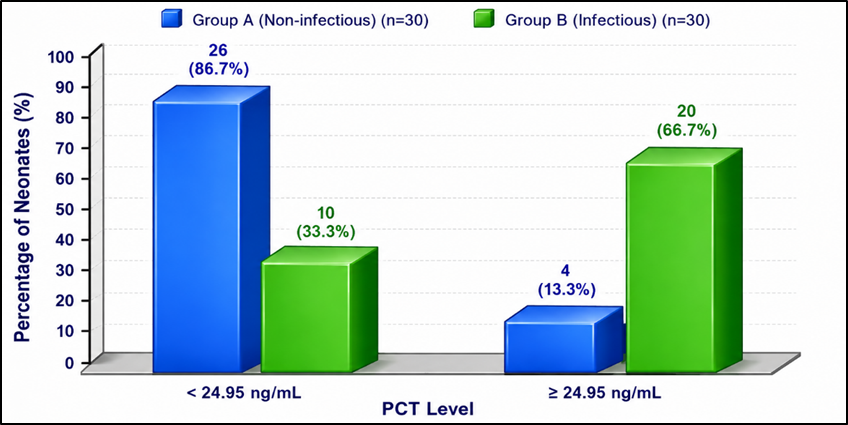
Figure: 1. Procalcitonin Cut-off in Infectious and Non-infectious MAS
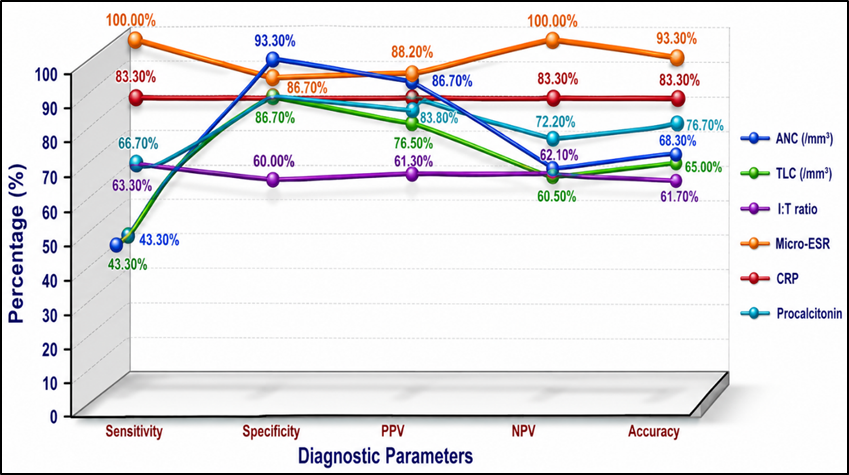
Figure: 2. Diagnostic Performance of Procalcitonin and Sepsis Markers in MAS
The study included 60 neonates with meconium aspiration syndrome, equally divided into Group A (non-infectious, n=30) and Group B (infectious, n=30). Male neonates were significantly more frequent in Group B than Group A (80.0% vs. 53.3%, p=0.0284). Most neonates were delivered vaginally in Group A (60.0%), whereas LSCS was more common in Group B (56.7%), although the difference was not significant (p=0.1964). The majority were term neonates (37–<42 weeks: 86.7% vs. 83.3%; p=0.17). Mean gestational age was 37.80 ± 2.20 and 38.70 ± 2.37 weeks, respectively. Mean birth weight was comparable between groups (2748.50 ± 521.35 vs. 2872.83 ± 424.60 g; p=0.739). Booked antenatal care was reported in 73.3% and 80.0% (p=0.5415), while outside-hospital delivery was significantly higher in Group B (100.0% vs. 86.7%; p=0.0384). Maternal risk factors and ponderal index were comparable between groups (p=0.1934 and p=0.3468, respectively).
Resuscitation was required in 33.3% of Group A and 43.3% of Group B (p=0.8959). Cord-only staining was present in 46.7% and 53.3%, while cord plus skin staining occurred in 20.0% and 26.7%, respectively. Mean temperature (36.27 ± 0.28 vs. 36.19 ± 0.31°C; p=0.34), heart rate (142.73 ± 14.74 vs. 138.60 ± 29.63/min; p=0.873), respiratory rate (79.33 ± 19.46 vs. 73.44 ± 12.89/min; p=0.189) and SpO₂ (88.57 ± 10.04% vs. 82.67 ± 15.06%; p=0.079) were comparable. Hemoglobin and platelet counts also showed no significant differences. However, mean ANC was significantly higher in Group B (20,641.33 ± 12,320.37/mm³) than Group A (13,047.33 ± 4,986.66/mm³; p=0.032). TLC >20,000/mm³ was observed in 50.0% versus 26.7% (p=0.063), while mean TLC was 19,746.59 ± 15,151.06 versus 16,978.67 ± 7,038.75/mm³ (p=0.739).
Significant differences were observed in most sepsis biomarkers between the groups. Mean I:T ratio was significantly higher in Group B (0.75 ± 0.749 vs. 0.22 ± 0.313; p=0.001), with I:T ratio ≥0.2 present in 20.0% versus 0% (p=0.024). Mean micro-ESR was higher in Group B (17.20 ± 2.50 vs. 10.91 ± 2.65 mm/1 h; p<0.001), and micro-ESR >15 mm was present in 86.7% versus 6.7% (p<0.001). Mean CRP was also significantly elevated in Group B (26.39 ± 36.84 vs. 4.97 ± 6.15 mg/dL; p=0.005), with CRP >6 mg/dL in 83.3% versus 23.3% (p<0.001). Mean PCT was markedly higher in Group B (61.05 ± 50.76 vs. 23.01 ± 42.21 ng/mL; p<0.001), with median values of 49.33 and 15.38 ng/mL, respectively. All infectious-group neonates had PCT >2 ng/mL compared with 56.7% in Group A (p<0.001). Blood culture was positive in 16.7% of Group B and negative in all Group A neonates (p=0.0716); isolated organisms included Klebsiella pneumoniae (6.7%), Pseudomonas aeruginosa (3.3%), Staphylococcus aureus (3.3%) and yeast (3.3%).
ROC analysis demonstrated that PCT had good discriminatory ability for predicting infection, with an optimal cut-off of ≥24.95 ng/mL. The area under the curve was 0.777 (95% CI: 0.653–0.902; p<0.001). At this cut-off, PCT showed 66.70% sensitivity, 86.70% specificity, 83.30% PPV, 72.20% NPV, and 76.70% diagnostic accuracy. PCT ≥24.95 ng/mL was observed in 66.7% of infectious neonates compared with only 13.3% of non-infectious neonates (p<0.001), supporting its usefulness in differentiating infectious from non-infectious MAS.
Among the evaluated markers, micro-ESR demonstrated the highest diagnostic performance, with 100.0% sensitivity, 86.7% specificity, 88.2% PPV, 100.0% NPV, and 93.3% accuracy (p<0.0001). CRP showed 83.3% sensitivity, specificity, PPV, NPV and accuracy (p<0.0001). PCT demonstrated 66.7% sensitivity, 86.7% specificity, 83.8% PPV, 72.2% NPV and 76.7% accuracy (p<0.0001). I:T ratio showed moderate performance (63.3% sensitivity, 60.0% specificity, 61.7% accuracy; p=0.0101), while ANC and TLC had lower diagnostic accuracy (68.3% and 65.0%, respectively). Overall, PCT showed better specificity and diagnostic accuracy than ANC and TLC and demonstrated significant discriminatory value for infection in neonates with MAS.
DISCUSSION:
The present study evaluated 60 neonates with meconium aspiration syndrome (MAS), equally divided into non-infectious and infectious groups, with particular emphasis on procalcitonin (PCT) and conventional sepsis markers. A significantly higher proportion of male neonates was observed in the infectious group (80.0% vs. 53.3%, p=0.0284), while gestational age, birth weight, mode of delivery, antenatal care, maternal risk factors and ponderal index were largely comparable. The predominance of term neonates in both groups is consistent with the established epidemiology of MAS, which occurs predominantly in term and post-term infants. Importantly, delivery outside the study hospital was more frequent among infectious cases (100% vs. 86.7%, p=0.0384), possibly reflecting delayed referral and differences in initial neonatal care.
Clinical parameters were broadly comparable between groups, including temperature, heart rate, respiratory rate and oxygen saturation. However, the infectious group demonstrated a significantly higher absolute neutrophil count (20,641.33 ± 12,320.37 vs. 13,047.33 ± 4,986.66/mm³; p=0.032). This finding supports the usefulness of neutrophil indices as part of a composite sepsis assessment, although WBC parameters alone have limited discriminatory ability. A systematic review of neonatal sepsis biomarkers similarly concluded that conventional leukocyte indices are less reliable when used independently. [7] In the present study, TLC >20,000/mm³ was more frequent in infected neonates (50.0% vs. 26.7%), but the difference did not reach statistical significance.
The most striking differences were observed in the conventional sepsis markers. I:T ratio, micro-ESR and CRP were significantly higher in the infectious group. Micro-ESR >15 mm was particularly discriminative, being present in 86.7% of infected neonates compared with only 6.7% of non-infected neonates. Arun Babu et al. reported that micro-ESR is a practical and inexpensive neonatal sepsis screening test, with reasonable specificity, although its sensitivity varies according to the clinical setting. [8] Similarly, studies evaluating CRP and other sepsis markers have demonstrated that combinations of biomarkers provide greater diagnostic confidence than any single test. [9]
The principal finding of this study was the significantly higher PCT concentration in infectious MAS. Mean PCT was 61.05 ± 50.76 ng/mL in Group B compared with 23.01 ± 42.21 ng/mL in Group A (p<0.001), and all infectious neonates had PCT >2 ng/mL. These findings support the potential role of PCT in identifying bacterial infection among neonates with MAS. However, they differ from Mahendiran et al., who found comparable PCT concentrations in MAS with and without culture-proven bacterial infection, suggesting that aspiration itself can increase PCT levels. [10] The difference may relate to variations in infection definition, timing of sampling, illness severity and the higher PCT values observed in the present cohort.
ROC analysis in the present study demonstrated an AUC of 0.777 (95% CI: 0.653–0.902; p<0.001) for a PCT cut-off of ≥24.95 ng/mL, with 66.7% sensitivity, 86.7% specificity and 76.7% overall accuracy. These findings indicate moderate-to-good discriminatory ability. Morad et al. reported considerably higher diagnostic performance of PCT at a lower threshold in suspected neonatal sepsis, while emphasizing that biomarker performance depends strongly on the selected cut-off and clinical population. [11] A systematic review of neonatal sepsis studies likewise found PCT to be a useful early biomarker, although no single marker was sufficiently accurate to replace clinical assessment and culture. [12]
When compared with other markers, PCT showed better specificity than ANC and TLC, although micro-ESR and CRP demonstrated higher overall accuracy in this cohort. This is consistent with recent evidence suggesting that CRP and PCT both have useful discriminatory value, but their performance varies with timing and clinical context. [13] A recent prospective study also reported that CRP had higher diagnostic accuracy than PCT when evaluated individually, while combining biomarkers improved diagnostic performance. [14] Thus, the present findings support the use of PCT as an adjunctive marker rather than a stand-alone diagnostic test in MAS. Its greatest clinical value may lie in combination with CRP, I:T ratio, micro-ESR, clinical findings and blood culture to distinguish inflammatory MAS from MAS complicated by bacterial infection.
CONCLUSION:
Procalcitonin appears to be a useful adjunctive biomarker for identifying bacterial infection in neonates with meconium aspiration syndrome. Infectious cases showed greater abnormalities in procalcitonin and other inflammatory markers compared with non-infectious cases, supporting their role in differentiating infection from the inflammatory response associated with aspiration. Although conventional markers such as C-reactive protein and micro-ESR demonstrated strong diagnostic utility, procalcitonin provided additional discriminatory information and was particularly helpful when interpreted alongside other sepsis indicators. Therefore, a combined clinical and laboratory approach incorporating procalcitonin may improve early recognition of bacterial infection and guide appropriate management of neonates with MAS.
REFERENCES:
1. Dini G, Ceccarelli S, Celi F, Semeraro CM, Gorello P, Verrotti A. Meconium aspiration syndrome: from pathophysiology to treatment. Ann Med Surg (Lond). 2024;86(4):2023-2031.
2. Dargaville PA, Copnell B. The epidemiology of meconium aspiration syndrome: incidence, risk factors, therapies, and outcome. Pediatr Pulmonol. 2006;41(1):108-115.
3. Anugu NR, Khan S. Comparing the diagnostic accuracy of procalcitonin and C-reactive protein in neonatal sepsis: a systematic review. Cureus. 2021;13(11):e19485. doi:10.7759/cureus.19485.
4. Chiesa C, Panero A, Rossi N, Stegagno M, De Giusti M, Osborn JF, et al. Reliability of procalcitonin concentrations for the diagnosis of sepsis in critically ill neonates. Clin Infect Dis. 1998;26(3):664-672.
5. Pontrelli G, De Crescenzo F, Buzzetti R, Jenson M, De Luca M, Jacod B, et al. Accuracy of serum procalcitonin for the diagnosis of sepsis in neonates and children: a meta-analysis. BMC Infect Dis. 2017;17:302.
6. Srinivasan L, Kirpalani H, Weiss EM, Gautham KS, Balasubramanian H, Stewart MT, et al. Procalcitonin for the diagnosis of sepsis in neonates: a diagnostic test accuracy review protocol. Cochrane Database Syst Rev. 2023;4:CD014196. doi:10.1002/14651858.CD014196.
7. Xiao T, Chen LP, Liu H, Xie Y, Wang Y, Li X, et al. Diagnostic accuracy of biomarkers for neonatal sepsis: a systematic review and meta-analysis. BMJ Paediatr Open. 2023;7:e001625.
8. Arun Babu T, Shankaralingappa A, Vijayadevagaran V, Sharmila V, Kalidoss VK, et al. Comparative efficacy of micro-erythrocyte sedimentation rate and C-reactive protein as neonatal septic screening markers: a single-center retrospective observational study. Egypt Pediatr Assoc Gaz. 2023;71:32. doi:10.1186/s43054-023-00178-7.
9. Andriessen P, Oetomo SB, de Dooy JJ, van der Hoeven JG, Hulscher JBF, van der Hoeven MA. Predictive value of C-reactive protein and procalcitonin for neonatal sepsis. Acta Paediatr. 2006;95(3):333-337.
10. Mahendiran K, Batra P, Faridi MMA, Singh NP. Procalcitonin as predictor of bacterial infection in meconium aspiration syndrome. Am J Perinatol. 2018;35(8):769-773. doi:10.1055/s-0037-1615793.
11. Morad EA, Rabie RA, Almalky MA, Gebriel MG. Evaluation of procalcitonin, C-reactive protein, and interleukin-6 as early markers for diagnosis of neonatal sepsis. Int J Microbiol. 2020;2020:8889086.
12. Vouloumanou EK, Plessa E, Karageorgopoulos DE, Mantadakis E, Falagas ME. Serum procalcitonin as a diagnostic marker for neonatal sepsis: a systematic review and meta-analysis. Intensive Care Med. 2011;37(5):747-762.
13. Sinha A, Tiwari S, Kumar A, Gupta N, Kumar S. Diagnostic utility of procalcitonin and C-reactive protein in neonatal sepsis: a comparative assessment. Indian J Pediatr. 2024;91:xxx-xxx.
14. Goyal M, Mascarenhas D, Prashanth RR, Haribalakrishna A. Diagnostic accuracy of point-of-care testing of C-reactive protein, interleukin-6, and procalcitonin in neonates with clinically suspected sepsis: a prospective observational study. Med Princ Pract. 2024;33(3):291-298. doi:10.1159/000536678.