Prevalence Of Carbapenem Resistant Enterobacteriaceae In Intensive Care Unit (Icus) Hospital Based Study.
- Aakash Sharma , PG final Year Department of Microbiology Raipur institute of medical sciences Raipur (CG)
- Sanchita Nihal , Professor Department of Microbiology Raipur institute of medical sciences Raipur (CG)
- Vivek Kumar , Associate Professor Department of Microbiology Raipur institute of medical sciences Raipur (CG).
- Manish Yadav , PG final Year Department of Microbiology Raipur institute of medical sciences Raipur (CG)
Article Information:
Abstract:
Background: Carbapenem-resistant Enterobacteriaceae (CRE) are an increasing threat in intensive care units (ICUs), where critically ill patients are frequently exposed to broad-spectrum antibiotics and invasive devices. CRE infections are associated with limited therapeutic options, prolonged hospitalization, and increased mortality. Aims: To determine the prevalence of CRE among ICU clinical isolates, assess their antimicrobial susceptibility patterns, identify associated risk factors, and evaluate clinical outcomes. Materials and Methods: A prospective observational study was conducted at Raipur Institute of Medical Sciences, Raipur, from 2023–2025. A total of 510 clinical specimens were processed using standard microbiological methods, VITEK-2 identification, and antimicrobial susceptibility testing. Risk factors and outcomes were statistically analyzed. Results: Of 510 samples, 306 (60%) were culture positive and 77 (25%) were CRE. Klebsiella pneumoniae predominated (39.9%). All CRE isolates were resistant to imipenem, meropenem, and ertapenem. Ventilator use, central-line presence, and prior antibiotic exposure were significantly associated with CRE positivity. CRE patients had longer ICU stays and higher mortality. Conclusion: CRE represents a substantial ICU burden, emphasizing the need for surveillance, antimicrobial stewardship, and stringent infection-control measures.
Keywords:
Article :
INTRODUCTION:
Antimicrobial resistance (AMR) has become one of the most important threats to modern healthcare, with multidrug-resistant Gram-negative bacteria posing a particularly serious challenge. Among these organisms, carbapenem-resistant Enterobacterales (CRE) are of major concern because carbapenems are often reserved for the treatment of severe infections caused by organisms resistant to other β-lactam antibiotics. The World Health Organization (WHO) has classified carbapenem-resistant Enterobacterales as a critical-priority pathogen, reflecting their substantial clinical burden, limited therapeutic options, and capacity for rapid dissemination of resistance determinants [1]. The problem is particularly important in intensive care units (ICUs), where critically ill patients are frequently exposed to broad-spectrum antibiotics, invasive procedures, mechanical ventilation, prolonged hospitalization, and central venous or urinary catheters. These factors create strong selection pressure and facilitate acquisition and transmission of resistant organisms. Recent Indian studies have demonstrated a substantial burden of CRE colonization among ICU patients and have also shown that colonization may precede subsequent clinical infection, prolonged hospitalization, and adverse outcomes [2,3]. High levels of antimicrobial resistance among Enterobacterales isolated from Indian ICUs further emphasize the need for continuous local surveillance [4].
Carbapenem resistance in Enterobacterales is predominantly associated with carbapenemase production, although additional mechanisms such as porin alterations and efflux-pump activity may contribute. Important carbapenemases include metallo-β-lactamases (MBLs), particularly New Delhi metallo-β-lactamase (NDM), as well as OXA-48-like, KPC, VIM, and IMP enzymes. Studies from India have documented considerable genetic diversity among CRE isolates, with NDM and OXA-48-like enzymes being particularly relevant [5]. Identification of the underlying resistance mechanism is clinically valuable because it can influence antimicrobial selection and infection-control strategies. Treatment of CRE infections remains challenging because resistance frequently extends beyond carbapenems to cephalosporins, fluoroquinolones, aminoglycosides, and other commonly used agents. The emergence of newer therapeutic approaches has improved options for selected patients; however, infections caused by MBL-producing organisms remain especially difficult to manage [6]. The present study aimed to determine the prevalence of carbapenem-resistant Enterobacteriaceae (CRE) among clinical isolates from ICU patients and assess their antimicrobial susceptibility patterns. It also sought to identify metallo-β-lactamase production using phenotypic methods, evaluate associated clinical risk factors and patient outcomes, and compare resistance patterns between ICU and non-ICU isolates. The findings were intended to support appropriate antibiotic selection, antimicrobial stewardship, and effective infection-control practices.
MATERIALS AND METHODS:
Study design: Prospective, observational, hospital-based study designed to assess the prevalence, antimicrobial susceptibility patterns, and resistance mechanisms of carbapenem-resistant Enterobacteriaceae (CRE).
Study population: Adult patients admitted to the Medical, Surgical, and Trauma ICUs who had clinical features suggestive of infection and from whom clinical specimens were submitted for microbiological examination.
Sample size: A total of 510 clinical samples were included, based on the calculated sample size using the standard prevalence-based formula.
Study duration: The study was conducted over a two-year period from 2023 to 2025.
Study setting/location: The study was carried out in the Department of Microbiology in collaboration with the Intensive Care Units of Raipur Institute of Medical Sciences (RIMS), Raipur, Chhattisgarh, India.
Inclusion Criteria
• Adult patients aged ≥18 years.
• Patients admitted to the ICU for more than 48 hours.
• Patients from whom clinical specimens were received for microbiological investigation.
• Specimens included blood, urine, sputum, endotracheal aspirates, pus, and body fluids.
• Patients who provided informed consent, or whose legally authorized representative provided consent.
Exclusion Criteria
• Patients admitted to the ICU for less than 48 hours.
• Patients aged <18 years.
• Repeat isolates from the same patient and the same specimen site during a single infection episode.
• Non-Enterobacteriaceae isolates showing carbapenem resistance.
Statistical Analysis: We put the data into Microsoft Excel and then used SPSS software version 27.0 (SPSS Inc., Chicago, IL, USA) and GraphPad Prism version 5 to look at it. Mean ± standard deviation was used to show continuous variables, and frequencies and percentages were used to show categorical variables. The unpaired t-test was utilized to examine continuous variables between independent groups, whereas the paired t-test was employed for comparisons within the same group. The Chi-square test or Fisher's exact test was used to look at categorical variables, depending on which one was better. A p-value of less than 0.05 was seen to be statistically important.
RESULTS
Table1. Baseline Demographic, Clinical Characteristics and Distribution of Clinical Specimens
|
Variable |
Number (n) |
Percentage (%) |
|
|
Age, mean ± SD |
46.8 ± 18.4 years |
— |
|
|
Sex |
Male |
315 |
61.8 |
|
Female |
195 |
38.2 |
|
|
ICU type |
Medical ICU |
230 |
45.1 |
|
Surgical ICU |
160 |
31.4 |
|
|
Trauma ICU |
120 |
23.5 |
|
|
Clinical characteristics |
Ventilator use |
280 |
54.9 |
|
Central line present |
260 |
51 |
|
|
Prior antibiotic exposure |
340 |
66.7 |
|
|
Clinical specimen |
Blood |
150 |
29.4 |
|
Urine |
120 |
23.5 |
|
|
Sputum/ET aspirate |
170 |
33.3 |
|
|
Pus/Body fluids |
70 |
13.8 |
|
|
Total samples |
510 |
100 |
|
Table 2. Culture Positivity, Organism Distribution and Prevalence of CRE
|
Parameter |
Number (n) |
Percentage (%) |
|
|
Culture status (n = 510) |
Culture positive |
306 |
60 |
|
Culture negative |
204 |
40 |
|
|
Organism distribution among culture-positive isolates (n = 306) |
Klebsiella pneumoniae |
122 |
39.9 |
|
Escherichia coli |
107 |
35 |
|
|
Enterobacter spp. |
46 |
15 |
|
|
Others |
31 |
10.1 |
|
|
CRE status among culture-positive isolates (n = 306) |
CRE positive |
77 |
25 |
|
CRE negative |
229 |
75 |
|
|
Total |
306 |
100 |
|
Distribution of CRE according to organism
|
Organism |
Total Isolates (n) |
CRE Positive (n) |
CRE Positive (%) |
|
Klebsiella pneumoniae |
122 |
30 |
24.6 |
|
Escherichia coli |
107 |
22 |
20.6 |
|
Enterobacter spp. |
46 |
15 |
32.6 |
|
Others |
31 |
10 |
32.2 |
|
Total |
306 |
77 |
25.2 |
Table3. Detection and Antimicrobial Susceptibility Profile of CRE Isolates
A. Detection of CRE by Phenotypic and Automated Methods
|
Method/Category |
CRE Detected (n) |
Non-CRE (n) |
Total (n) |
|
Kirby–Bauer disc diffusion |
77 |
0 |
77 |
|
VITEK-2 |
75 |
2 |
77 |
Concordance: 97.4%
Cohen's kappa (κ): 0.92
Detection by Kirby–Bauer Disc Diffusion
|
Category |
Number (n) |
Percentage (%) |
|
CRE positive |
77 |
100 |
|
CRE negative |
0 |
0 |
|
Total |
77 |
100 |
B. Antimicrobial Susceptibility Pattern of CRE Isolates (n = 77)
|
Antibiotic |
Resistant (%) |
Sensitive (%) |
|
Cefuroxime |
92 |
8 |
|
Ceftriaxone |
96 |
4 |
|
Cefepime |
90 |
10 |
|
Cefoperazone–sulbactam |
80 |
20 |
|
Piperacillin–tazobactam |
85 |
15 |
|
Amoxicillin–clavulanate |
95 |
5 |
|
Imipenem |
100 |
0 |
|
Meropenem |
100 |
0 |
|
Ertapenem |
100 |
0 |
|
Amikacin |
55 |
45 |
|
Gentamicin |
65 |
35 |
|
Ciprofloxacin |
75 |
25 |
|
Levofloxacin |
70 |
30 |
|
Trimethoprim–sulfamethoxazole |
78 |
22 |
|
Fosfomycin |
30 |
70 |
|
Tigecycline |
12 |
88 |
Table 4. Risk Factors Associated with CRE Positivity
|
Risk Factor |
CRE Positive (%) |
CRE Negative (%) |
p-value |
|
Ventilator use |
72 |
50 |
0.002 |
|
Central line present |
60 |
48 |
0.01 |
|
Prior antibiotic exposure |
78 |
64 |
0.003 |
Table 5. Clinical Outcomes in CRE and Non-CRE Groups
|
Clinical Outcome |
CRE Group |
Non-CRE Group |
p-value |
|
Median ICU stay |
17 days |
10 days |
<0.01 |
|
Mortality |
32% |
23% |
0.04 |
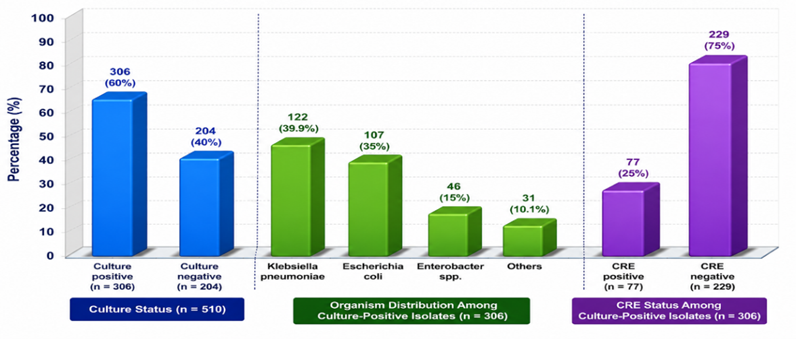
Figure: 1. Culture Status, Organism Distribution, and CRE Prevalence Among Clinical Isolates.
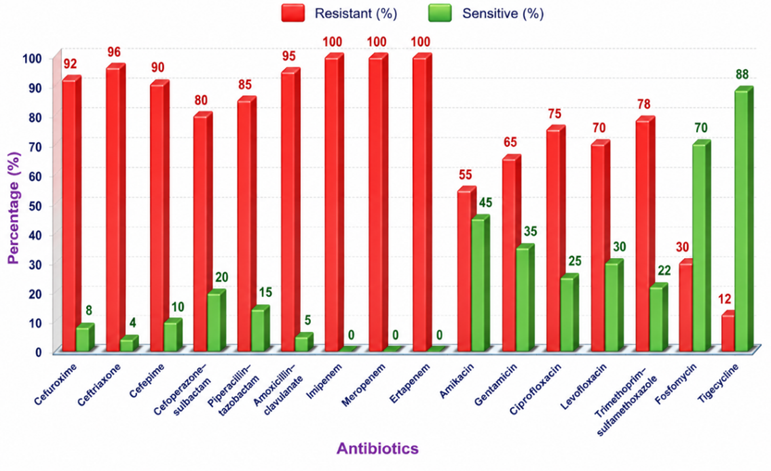
Figure: 2. Antimicrobial Susceptibility Pattern of Isolates: Resistance and Sensitivity Rates (%).
A total of 510 clinical samples were included in the study. The mean age of the study population was 46.8 ± 18.4 years. Males constituted the majority of the participants (315, 61.8%), while females accounted for 195 (38.2%). Among the different ICU categories, the highest proportion of samples was obtained from the Medical ICU (230, 45.1%), followed by the Surgical ICU (160, 31.4%) and Trauma ICU (120, 23.5%). Regarding clinical characteristics, 280 patients (54.9%) were receiving mechanical ventilation, 260 (51.0%) had a central line, and 340 (66.7%) had a history of prior antibiotic exposure. Among the clinical specimens, sputum/endotracheal aspirates were most frequently represented (170, 33.3%), followed by blood (150, 29.4%), urine (120, 23.5%), and pus/body fluids (70, 13.8%). Thus, the study population predominantly comprised critically ill male patients, with prior antibiotic exposure and invasive device use being common clinical characteristics.
Of the 510 clinical samples processed, 306 (60.0%) yielded bacterial growth, whereas 204 (40.0%) were culture negative. Among the 306 culture-positive isolates, Klebsiella pneumoniae was the most frequently recovered organism, accounting for 122 (39.9%) isolates, followed by Escherichia coli (107, 35.0%), Enterobacter spp. (46, 15.0%), and other Enterobacterales (31, 10.1%). Carbapenem resistance was detected in 77 of the 306 culture-positive isolates (25.0%), while 229 (75.0%) were non-CRE. When CRE isolates were assessed according to species, K. pneumoniae contributed 30 of 122 isolates (24.6%), E. coli contributed 22 of 107 (20.6%), Enterobacter spp. contributed 15 of 46 (32.6%), and other organisms contributed 10 of 31 (32.2%). Overall, the data demonstrate that CRE accounted for approximately one-fourth of all culture-positive isolates, with K. pneumoniae being the most common CRE-producing species in absolute numbers.
Among the 77 CRE isolates, Kirby–Bauer disc diffusion identified all 77 (100%) as CRE, whereas the VITEK-2 system identified 75 (97.4%) as CRE and classified 2 isolates as non-CRE.
The overall agreement between the two methods was 97.4%, with a high Cohen's kappa value of 0.92, indicating excellent agreement. The antimicrobial susceptibility pattern showed very high resistance to β-lactam and carbapenem antibiotics. Resistance was observed in 100% of isolates to imipenem, meropenem, and ertapenem. Among cephalosporins, resistance was 96% to ceftriaxone, 92% to cefuroxime, and 90% to cefepime. Resistance to amoxicillin–clavulanate was 95%, while 80% of isolates were resistant to cefoperazone–sulbactam and 85% to piperacillin–tazobactam. Fluoroquinolone resistance was also substantial, with 75% resistant to ciprofloxacin and 70% to levofloxacin. Among aminoglycosides, resistance was 55% to amikacin and 65% to gentamicin. Trimethoprim–sulfamethoxazole showed 78% resistance.
In contrast, comparatively lower resistance was observed with fosfomycin (30%) and tigecycline (12%), with corresponding sensitivity rates of 70% and 88%, respectively. These findings indicate extensive multidrug resistance among the CRE isolates, while fosfomycin and tigecycline demonstrated comparatively better in-vitro activity. Several important clinical factors showed a significant association with CRE positivity. Among patients with CRE isolates, 72% had a history of ventilator use compared with 50% among CRE-negative patients, and this difference was statistically significant (p = 0.002). Similarly, the presence of a central line was more frequent among CRE-positive patients (60%) than among CRE-negative patients (48%), with a statistically significant association (p = 0.01). Prior antibiotic exposure was also considerably more common in the CRE-positive group (78%) compared with the CRE-negative group (64%), and this association was statistically significant (p = 0.003).
These findings suggest that mechanical ventilation, central venous access, and previous exposure to antibiotics were important factors associated with CRE positivity in the study population. The clinical outcomes demonstrated a less favorable course among patients with CRE compared with those without CRE. The median duration of ICU stay was 17 days in the CRE group, compared with 10 days in the non-CRE group, representing a significantly longer ICU stay among CRE-positive patients (p < 0.01). Mortality was also higher among patients with CRE, occurring in 32% of the CRE group compared with 23% of the non-CRE group. This difference was statistically significant (p = 0.04). Overall, the findings indicate that CRE positivity was associated with prolonged ICU hospitalization and increased mortality, highlighting the clinical impact of carbapenem resistance among critically ill patients.
DISCUSSION:
Exclusion Criteria
The present study evaluated the burden of carbapenem-resistant Enterobacteriaceae (CRE) among clinical isolates obtained from ICU patients and demonstrated that CRE remains an important challenge in critical-care microbiology. The predominance of male patients (61.8%) and the mean age of 46.8 ± 18.4 years reflect the demographic profile commonly encountered in adult ICU populations. The high frequency of invasive ventilation (54.9%), central-line use (51.0%), and previous antibiotic exposure (66.7%) is clinically relevant because these factors frequently coexist in critically ill patients and may increase opportunities for acquisition and selection of multidrug-resistant organisms.
Recent Indian surveillance work has similarly emphasized the substantial burden of carbapenemase-producing CRE in surgical ICU settings and demonstrated that previous hospitalization and exposure to multiple antimicrobials are important determinants of CRE carriage [7]. In the present study, 60% of the 510 clinical specimens were culture positive, with Klebsiella pneumoniae being the predominant isolate (39.9%), followed by Escherichia coli (35.0%) and Enterobacter spp. (15.0%). Among culture-positive isolates, CRE accounted for 25.0% (77/306). The predominance of K. pneumoniae is consistent with findings from an Indian ICU study by Sharma et al., in which K. pneumoniae represented the largest proportion of CRE isolates and was followed by E. coli.
Their study also demonstrated that CRE colonization was frequently followed by clinical infection, particularly respiratory infection, highlighting the importance of surveillance in critically ill patients [8]. The prevalence observed in the present study is also broadly compatible with the high CRE burden reported from Indian ICUs, although direct comparison should be made cautiously because the present study assessed clinical specimens rather than admission rectal colonization. Mansoor et al. reported a CRE colonization prevalence of 42% among patients screened within 48 hours of ICU admission, with K. pneumoniae and E. coli as the principal organisms [9]. The organism-specific findings in the present study showed that Enterobacter spp. had a relatively high proportion of carbapenem resistance (32.6%), followed by other Enterobacterales (32.2%), K. pneumoniae (24.6%), and E. coli (20.6%). These differences illustrate that carbapenem resistance is not restricted to a single Enterobacterales species and may vary according to the local epidemiological environment.
A prospective multicentre ICU study from China similarly demonstrated that CRE acquisition occurred during ICU stay and was associated with healthcare exposure and antimicrobial use, supporting the concept that ICU-specific antibiotic pressure and transmission dynamics can substantially influence the distribution of resistant Enterobacterales [10]. The antimicrobial susceptibility results demonstrated a particularly severe resistance phenotype. All CRE isolates in the present study were resistant to imipenem, meropenem, and ertapenem (100%), while resistance to ceftriaxone (96%), amoxicillin–clavulanate (95%), cefuroxime (92%), cefepime (90%), piperacillin–tazobactam (85%), and cefoperazone–sulbactam (80%) was also very high. Fluoroquinolone and trimethoprim–sulfamethoxazole resistance were similarly substantial. These findings indicate extensive co-resistance beyond the carbapenem class, substantially limiting conventional treatment choices.
Comparable findings have been reported from eastern India, where carbapenem-resistant K. pneumoniae showed extensive antimicrobial resistance and was associated with serious clinical consequences. The high resistance burden reported in that study reinforces the difficulty of treating CRE infections in ICU patients when resistance extends across several antibiotic classes [11]. Among the comparatively active agents in the present study, fosfomycin showed 70% susceptibility and tigecycline showed 88% susceptibility, whereas amikacin retained activity against 45% of isolates. Although these results suggest that selected non-carbapenem agents may retain in-vitro activity, susceptibility alone should not be interpreted as proof of clinical efficacy. Indian expert recommendations emphasize that treatment of CRE in critically ill patients should be individualized according to the resistance mechanism, site of infection, severity of illness, and susceptibility results, with careful consideration of newer and reserve antimicrobial options [13].
The comparison between Kirby–Bauer testing and VITEK-2 showed 97.4% concordance, with a Cohen's kappa value of 0.92, indicating excellent agreement in the present dataset. This supports the practical utility of combining routine phenotypic susceptibility testing with automated identification and susceptibility platforms. Nevertheless, automated systems can occasionally produce clinically important categorical errors for difficult-to-test drugs, particularly among highly resistant organisms. Previous research has shown that errors in susceptibility interpretation for CRE can result in inappropriate antimicrobial therapy and may adversely affect patient outcomes [15]. Thus, microbiology laboratories should interpret automated results in conjunction with appropriate confirmatory methods and current laboratory standards.
A significant association was observed between ventilator use and CRE positivity (72% vs 50%, p = 0.002). This finding is biologically plausible because mechanical ventilation increases exposure to healthcare environments, respiratory devices, repeated antimicrobial therapy, and prolonged ICU care. It is also supported by an Indian study of carbapenem-resistant K. pneumoniae, in which invasive mechanical ventilation and longer ICU stay emerged as independent risk factors for resistant infection [11]. International ICU data have likewise identified mechanical ventilation and prolonged critical-care exposure as important factors associated with CRE infection, together with previous antibiotic exposure and other indicators of severe illness [12]. The presence of a central line was also significantly associated with CRE positivity (60% vs 48%, p = 0.01). Central venous devices may act as markers of illness severity and prolonged hospitalization and can provide opportunities for healthcare-associated transmission.
Although a central line itself may not directly cause CRE acquisition, its presence reflects the intensity of invasive care received by critically ill patients. This interpretation is consistent with broader Asian ICU evidence showing that healthcare-associated infections involving central lines and other invasive devices are associated with increased mortality and poorer ICU outcomes [12]. Prior antibiotic exposure was significantly more common among CRE-positive patients (78% vs 64%, p = 0.003). This was one of the most important findings of the present study because antimicrobial exposure provides selective pressure favoring resistant organisms and may facilitate persistence or acquisition of CRE. Recent Indian ICU research has similarly identified previous broad-spectrum antibiotic exposure as a significant risk factor for CRE colonization [14]. More recent Indian genomic work has also demonstrated an association between previous hospitalization, exposure to multiple antimicrobials, and carbapenemase-producing CRE colonization, emphasizing the combined contribution of healthcare exposure and antimicrobial selection pressure [7]. These observations strongly support antimicrobial stewardship as an important component of CRE prevention.
The present study further demonstrated a clinically important association between CRE positivity and prolonged ICU stay. The median ICU stay was 17 days in CRE-positive patients compared with 10 days in non-CRE patients (p < 0.01). This finding is consistent with the Indian study by Sharma et al., which reported a substantially longer hospital stay among CRE-colonized patients and demonstrated that a large proportion subsequently developed CRE infection [8]. Prolonged hospitalization may represent both a consequence and a risk factor of CRE: critically ill patients requiring longer treatment have greater opportunities for antimicrobial exposure and healthcare-associated transmission, while CRE infection itself may delay clinical recovery and discharge. Finally, mortality was significantly higher in the CRE group than in the non-CRE group (32% vs 23%, p = 0.04). This finding suggests that CRE positivity is associated with an unfavorable clinical course in critically ill patients, although the observational nature of the study means that CRE cannot necessarily be considered an independent cause of death without adjustment for illness severity and other confounders. Nevertheless, recent Indian data have reported similarly increased mortality among ICU patients with CRE colonization, while studies of carbapenem-resistant K. pneumoniae have demonstrated considerably higher mortality compared with carbapenem-susceptible infections [14,11].
A recent prospective study from western India also reported a high prevalence of CRE and substantial carbapenemase production, underscoring the continuing clinical importance of CRE in Indian tertiary-care hospitals [16]. Overall, the findings of the present study demonstrate a substantial burden of CRE among ICU-derived clinical isolates, accompanied by extensive antimicrobial resistance, significant associations with invasive devices and prior antibiotic exposure, prolonged ICU hospitalization, and increased mortality. The results reinforce the need for continuous microbiological surveillance, timely identification of CRE, rational antimicrobial selection, strict adherence to infection-prevention practices, and robust antimicrobial stewardship. In the Indian ICU setting, these measures are particularly important because local resistance patterns can vary considerably between institutions and regions, making institution-specific surveillance essential for guiding effective empirical and targeted therapy [13].
CONCLUSION:
The present study demonstrated a substantial burden of carbapenem-resistant Enterobacteriaceae among ICU patients, with CRE accounting for 25% of culture-positive isolates. Klebsiella pneumoniae was the predominant organism, and the isolates showed extensive resistance to carbapenems and other commonly used antibiotics. Ventilator use, central-line presence, and prior antibiotic exposure were significantly associated with CRE positivity. CRE patients also experienced longer ICU stays and higher mortality than non-CRE patients. These findings highlight the urgent need for continuous surveillance, early laboratory detection, rational antibiotic use, effective antimicrobial stewardship, strict infection-control measures, and timely implementation of appropriate therapeutic strategies to limit CRE transmission and improve patient outcomes.
REFERENCES:
1. World Health Organization. WHO bacterial priority pathogens list, 2024: bacterial pathogens of public health importance to guide research, development and strategies to prevent and control antimicrobial resistance. Geneva: World Health Organization; 2024.
2. Sharma K, Tak V, Nag VL, Bhatia PK, Kothari N. An observational study on carbapenem-resistant Enterobacterales colonisation and subsequent risk of infection in an adult intensive care unit at a tertiary care hospital in India. Infect Prev Pract. 2023;5(4):100312. doi:10.1016/j.infpip.2023.100312.
3. Mansoor AR, Edathadathil F, Suresh D, Krishna Y, et al. Prevalence and risk factors for carbapenem-resistant Enterobacterales colonization on admission to two intensive care units in India. Open Forum Infect Dis. 2023;10(Suppl 2):ofad500.785. doi:10.1093/ofid/ofad500.785.
4. Current trends in antimicrobial resistance patterns in bacterial pathogens among adult and pediatric patients in the intensive care unit in a tertiary care hospital in Kolkata, India. J Family Med Prim Care. 2023. PMID:36978325.
5. Giri S, Karade S, Sen S. Genotypic characterization of carbapenem-resistant Enterobacterales in clinical isolates from western Maharashtra. Indian J Med Microbiol. 2021;39(4):500-503. doi:10.1016/j.ijmmb.2021.05.008.
6. Tompkins K, van Duin D. Treatment for carbapenem-resistant Enterobacterales infections: recent advances and future directions. Eur J Clin Microbiol Infect Dis. 2021;40(10):2053-2068. doi:10.1007/s10096-021-04296-1.
7. Hall LR, Benedict EE, Edathadathil F, Jacob JJ, Suresh D, Krishna Y, et al. Carbapenemase-producing carbapenem-resistant Enterobacterales in surgical intensive care unit patients in a tertiary hospital in India. Nat Commun. 2026;17:7863. doi:10.1038/s41467-026-74764-9.
8. Sharma K, Tak V, Nag VL, Bhatia PK, Kothari N. An observational study on carbapenem-resistant Enterobacterales colonisation and subsequent risk of infection in an adult intensive care unit at a tertiary care hospital in India. Infect Prev Pract. 2023;5(4):100312. doi:10.1016/j.infpip.2023.100312.
9. Mansoor AR, Edathadathil F, Suresh D, Krishna Y, et al. Prevalence and risk factors for carbapenem-resistant Enterobacterales colonization on admission to two intensive care units in India. Open Forum Infect Dis. 2023;10(Suppl 2):ofad500.785. doi:10.1093/ofid/ofad500.785.
10. Wu YL, Hu XQ, Wu DQ, Li RJ, Wang XP, Zhang J, et al. Prevalence and risk factors for colonisation and infection with carbapenem-resistant Enterobacterales in intensive care units: a prospective multicentre study. Intensive Crit Care Nurs. 2023;79:103491. doi:10.1016/j.iccn.2023.103491.
11. Risk factors and clinical outcomes of carbapenem-resistant Klebsiella pneumoniae infection in intensive care unit: a retrospective observational study in a tertiary care hospital in Eastern India. Int J Crit Illn Inj Sci. 2022;12(4):194-201.
12. Aleidan FAS, et al. Incidence and risk factors of carbapenem-resistant Enterobacteriaceae infection in intensive care units: a matched case-control study. Expert Rev Anti Infect Ther. 2021;19(3):393-400. doi:10.1080/14787210.2020.1812381.
13. Soman R, Veeraraghavan B, Hegde A, Varma S, Todi S, Singh RK, et al. Indian consensus on the management of carbapenem-resistant Enterobacterales infection in critically ill patients II (ICONIC II). Expert Rev Anti Infect Ther. 2024;22(6):453-468. doi:10.1080/14787210.2024.2360116.
14. Carbapenem-resistant Enterobacterales in Indian ICU patients: molecular insights, risk factors, and clinical impact. [PubMed-indexed study]. 2025. PMID:40785495.
15. Clinical consequences of very major errors with semi-automated testing systems for antimicrobial susceptibility of carbapenem-resistant Enterobacterales. [PubMed-indexed study]. 2022. PMID:35307571.
16. An update on carbapenem-resistant Enterobacterales: a prospective study from Western India. [PubMed-indexed study]. 2025. PMID:40488303.