An Observational Study on Clinical Profile and In-Hospital Outcomes of Patients with Heart Failure.
- Ranjeet Kumar Shukla , MD DM Cardiologist, Assistant Professor, Cardiology Baroda Medical college, Vadodara Gujarat
- Ashish J Chhatravala , MD (Pulmonary Medicine), IDCCM (Indian Diploma in Critical Care Medicine Associate Director - Critical Care, Sterling Multispciality Hospital, RCR, Vadodara
- Divyesh Patel , MD Medicine, Consultant Physician, Anubhuti Hospital
Article Information:
Abstract:
Background: Heart failure is a major cause of hospitalization, morbidity, and mortality worldwide. The clinical profile and short-term outcomes of hospitalized patients vary according to underlying aetiology, comorbidities, ventricular function, and severity at presentation. The present study aimed to evaluate the clinical characteristics and in-hospital outcomes of patients admitted with heart failure. Materials and Methods: This retrospective observational study included 90 adult patients admitted with heart failure at General Hospital, Vadodara, Gujarat, between January and December 2025. Demographic characteristics, cardiovascular risk factors, presenting features, laboratory parameters, electrocardiographic and echocardiographic findings, underlying aetiology, treatment received, and in-hospital outcomes were recorded from medical records. Heart failure was classified according to left ventricular ejection fraction as HFrEF, HFmrEF, or HFpEF. The primary outcome was in-hospital mortality. Statistical comparisons were performed between survivors and non-survivors, with a P value <0.05 considered statistically significant. Results: The mean age of the study population was 62.8 ± 12.3 years, and 57 (63.3%) patients were male. Hypertension was present in 54 (60.0%) patients, coronary artery disease in 49 (54.4%), and diabetes mellitus in 38 (42.2%). Dyspnoea was the most common presenting symptom, occurring in 88 (97.8%) patients. The mean left ventricular ejection fraction was 38.3 ± 11.9%. HFrEF was the predominant phenotype, observed in 54 (60.0%) patients, followed by HFpEF in 19 (21.1%) and HFmrEF in 17 (18.9%). Ischaemic heart disease was the most common underlying aetiology, accounting for 49 (54.4%) cases. Loop diuretics were administered to 87 (96.7%) patients. Conclusion: Ischaemic heart disease and HFrEF were the predominant patterns among hospitalized heart failure patients in this cohort. In-hospital mortality was 8.9%. Advanced age, hypotension, renal dysfunction, hyponatraemia, reduced ejection fraction, cardiogenic shock, and the need for advanced circulatory or respiratory support were associated with poorer in-hospital outcomes.
Keywords:
Article :
INTRODUCTION:
Heart failure (HF) is a complex clinical syndrome that develops when structural or functional abnormalities of the heart impair its ability to fill with or eject blood adequately. The universal definition describes HF as a syndrome characterized by symptoms and/or signs caused by a cardiac abnormality and supported by elevated natriuretic peptide levels and/or objective evidence of pulmonary or systemic congestion [1]. Patients commonly present with breathlessness, fatigue, reduced exercise tolerance, orthopnoea, peripheral oedema, pulmonary congestion and, in severe cases, hypotension or cardiogenic shock. Based on left ventricular ejection fraction (LVEF), HF is currently classified as heart failure with reduced ejection fraction (HFrEF; LVEF ≤40%), mildly reduced ejection fraction (HFmrEF; LVEF 41–49%), preserved ejection fraction (HFpEF; LVEF ≥50%) and improved ejection fraction (HFimpEF) [1]. This classification is clinically important because patient characteristics, underlying causes, treatment strategies and outcomes differ across these categories.
Heart failure represents a major and growing public health problem worldwide. More than 64 million people are estimated to be living with HF globally, and its prevalence continues to rise because of population ageing, increasing cardiovascular risk factors and improved survival after conditions such as myocardial infarction [2]. HF is associated with considerable morbidity, impaired quality of life, recurrent hospitalization and premature mortality. Although advances in pharmacological and device-based therapy have substantially improved survival for selected groups of patients, hospitalization for acute or worsening HF continues to represent a critical event in the natural history of the disease [2,3]. Current international guidelines therefore emphasize timely diagnosis, assessment of the underlying cause, identification of precipitating factors, appropriate decongestion and initiation or optimization of guideline-directed medical therapy before discharge [3,4].
The clinical profile of patients admitted with HF is highly heterogeneous. Ischaemic heart disease, hypertension, cardiomyopathy and valvular heart disease are among the major causes, while common associated conditions include diabetes mellitus, chronic kidney disease, anaemia, atrial fibrillation, chronic pulmonary disease and obesity [3]. Acute deterioration may occur because of myocardial ischaemia, uncontrolled hypertension, arrhythmias, infection, renal dysfunction, medication or dietary non-adherence, or progression of the underlying cardiac disease. The REPORT-HF registry, which enrolled 18,553 adults hospitalized with acute HF from 358 sites in 44 countries, demonstrated substantial geographical differences in the causes, precipitating factors and management of acute HF [5]. Renal dysfunction, ischaemic or valvular aetiology and evidence of congestion were among the factors associated with adverse in-hospital outcomes. These observations indicate that assessment of the clinical profile at admission can provide valuable information for risk stratification and management during hospitalization.
In-hospital outcomes of patients with HF are influenced by several demographic, clinical, biochemical and echocardiographic variables. Advanced age, low systolic blood pressure, impaired renal function, hyponatraemia, anaemia, severe functional limitation and reduced LVEF have been linked with poor outcomes in hospitalized HF populations. Analysis of the OPTIMIZE-HF registry, which included more than 48,000 hospitalized patients, showed that routinely available clinical variables could identify patients at increased risk of in-hospital mortality [6]. Such information is important because early identification of high-risk patients may permit closer monitoring, more appropriate allocation of intensive care resources and timely management of potentially reversible precipitating factors.
The burden and outcomes of HF also differ markedly between geographical regions and health-care systems. The INTER-CHF prospective cohort study reported important regional variation in mortality and found particularly high mortality among patients from Africa and India. Clinical factors including severe New York Heart Association functional class, previous HF hospitalization, chronic kidney disease, chronic obstructive pulmonary disease and valvular disease were independently associated with mortality [7]. These findings suggest that differences in patient profile, socioeconomic status, access to health care, availability of evidence-based treatment and health-system infrastructure can all influence HF outcomes. Therefore, evidence obtained from one country or health-care setting may not fully reflect the characteristics and prognosis of patients treated in another region.
Indian data have demonstrated a particularly important burden of HF among relatively younger individuals. The Trivandrum Heart Failure Registry included 1,205 hospitalized patients with a mean age of approximately 61 years and found ischaemic heart disease to be the underlying cause in 72% of patients. The in-hospital mortality rate was 8.5%, while reduced ejection fraction, renal dysfunction and severe clinical presentation were associated with worse outcomes [8]. More recently, the National Heart Failure Registry of India evaluated 10,851 patients admitted with acute decompensated HF across 53 tertiary-care hospitals in 21 states. The mean age was 59.9 years, only 31% of the participants were women, and ischaemic heart disease remained the predominant aetiology. Only 47.5% of eligible patients received guideline-directed medical therapy, while 90-day mortality reached 14.2% [9]. Similarly, the Indian College of Cardiology National Heart Failure Registry reported an in-hospital mortality of 6.98% among 5,269 patients with acute decompensated HF and identified older age, elevated serum creatinine and poor LVEF as important determinants of mortality and rehospitalization [10].
Despite advances in the understanding and treatment of HF, substantial differences remain in clinical presentation, underlying aetiology, comorbid conditions, ventricular function, treatment patterns and hospital outcomes. Real-world observational studies are therefore important because they describe patients encountered in routine clinical practice, including individuals who may be underrepresented in randomized clinical trials. Evaluation of demographic characteristics, presenting symptoms and signs, cardiovascular risk factors, comorbidities, laboratory findings, electrocardiographic and echocardiographic characteristics, treatment during hospitalization and immediate clinical outcomes can help identify local disease patterns and factors associated with adverse events. Such information may also highlight gaps between evidence-based recommendations and actual clinical practice.
Against this background, the present observational study is undertaken to evaluate the clinical profile and in-hospital outcomes of patients with heart failure. A systematic assessment of the demographic profile, aetiology, risk factors, comorbidities, clinical presentation, cardiac function, treatment patterns, duration of hospitalization and outcomes such as clinical improvement, complications and in-hospital mortality may provide useful real-world evidence. The findings may assist clinicians in recognizing high-risk patients early, improving inpatient management strategies and identifying areas where adherence to guideline-directed care can potentially improve short-term outcomes.
MATERIALS AND METHODS:
Study Design and Setting
This was a hospital-based retrospective observational study conducted at General Hospital, Vadodara, Gujarat, India. The study was designed to evaluate the clinical profile, underlying aetiology, comorbid conditions, treatment characteristics, and in-hospital outcomes of patients admitted with heart failure. The study was conducted by investigators based in Vadodara, Gujarat.
Study Period
Medical records of patients admitted during a one-year period from 1 January 2025 to 31 December 2025 were reviewed. Only admissions occurring within the defined study period were considered for inclusion.
Study Population
The study included adult patients admitted to General Hospital, Vadodara, with a diagnosis of heart failure during the study period. Patients admitted through the emergency department, medical wards, cardiac care unit, or intensive care unit were screened for eligibility.
Heart failure was identified on the basis of documented clinical diagnosis supported, wherever available, by presenting symptoms and signs, electrocardiographic findings, chest radiography, echocardiography, laboratory investigations, and other relevant clinical information recorded during hospitalization.
Sample Size
A total of 90 patients fulfilling the predefined eligibility criteria were included in the final analysis. As this was a retrospective observational study covering a fixed one-year period, all eligible patients with sufficiently complete medical records were consecutively included until the required sample of 90 patients was obtained.
Sampling Technique
A consecutive sampling method was used. Medical records of eligible patients admitted with heart failure during the study period were reviewed sequentially. This approach was adopted to minimize selection bias and to provide a representative picture of heart failure patients managed in routine clinical practice at the study centre.
Inclusion Criteria
Patients were eligible for inclusion if they fulfilled all of the following criteria:
1. Age 18 years or above.
2. Hospital admission between 1 January and 31 December 2025.
3. Documented diagnosis of acute heart failure, acute decompensated chronic heart failure, or chronic heart failure requiring hospitalization.
4. Availability of adequate clinical and investigation records required for assessment of the study variables.
5. Echocardiographic evaluation available during the index admission or a recent echocardiographic report considered clinically relevant to the admission.
Exclusion Criteria
Patients were excluded if they had:
1. Age below 18 years.
2. Incomplete medical records that did not permit reliable assessment of diagnosis or hospital outcome.
3. Admission primarily for a non-cardiac condition without clinical evidence of active heart failure.
4. Patients referred or transferred to another hospital before definitive assessment of the in-hospital outcome.
5. Repeat admission of the same patient during the study period, where applicable. In patients with multiple admissions, only the first eligible admission was considered as the index hospitalization to avoid duplication of patient-level observations.
Data Collection
Data were collected retrospectively from hospital case records, admission notes, nursing records, laboratory reports, electrocardiograms, echocardiographic reports, radiological investigations, treatment charts, discharge summaries, and mortality records.
A structured data collection form was used to ensure uniform extraction of information. The collected variables were broadly categorized into demographic characteristics, cardiovascular risk factors, presenting clinical features, comorbidities, laboratory parameters, electrocardiographic and echocardiographic findings, treatment received, and in-hospital outcomes.
Demographic and Clinical Variables
The demographic variables included:
· Age
· Sex
· Residence, when available
· Body mass index, when documented
Cardiovascular risk factors and relevant medical history included:
· Hypertension
· Diabetes mellitus
· Dyslipidaemia
· Smoking or tobacco use
· Previous myocardial infarction
· Known coronary artery disease
· Previous heart failure
· Previous hospitalization for heart failure
· Valvular heart disease
· Cardiomyopathy
· Atrial fibrillation
· Chronic kidney disease
· Chronic obstructive pulmonary disease
· Anaemia
· Previous coronary revascularization, when documented
Clinical Presentation
Presenting symptoms and signs at admission were recorded, including dyspnoea, orthopnoea, paroxysmal nocturnal dyspnoea, fatigue, chest discomfort, palpitations, pedal oedema, abdominal distension, syncope, and reduced urine output.
Admission clinical parameters included heart rate, systolic and diastolic blood pressure, respiratory rate, oxygen saturation, temperature, jugular venous pressure, presence of pulmonary crepitations, peripheral oedema, hepatomegaly, and clinical evidence of hypoperfusion or congestion.
The functional status of patients was recorded according to the New York Heart Association functional class, whenever this information was available in the medical records.
Laboratory Evaluation
Relevant laboratory parameters obtained at admission or during the early period of hospitalization were recorded. These included:
· Haemoglobin
· Total leukocyte count
· Platelet count
· Serum creatinine
· Blood urea
· Serum sodium
· Serum potassium
· Blood glucose
· Liver function parameters
· Cardiac troponin, when clinically indicated
· B-type natriuretic peptide or N-terminal pro-B-type natriuretic peptide, where available
Renal dysfunction and electrolyte abnormalities developing during hospitalization were also recorded when documented.
Electrocardiographic Assessment
A standard 12-lead electrocardiogram obtained during hospitalization was reviewed for heart rate and rhythm. Relevant abnormalities including sinus tachycardia, atrial fibrillation, atrial flutter, conduction abnormalities, pathological Q waves, ST-T changes, left ventricular hypertrophy, bundle branch block, and other significant abnormalities were documented.
Echocardiographic Assessment
Transthoracic echocardiography findings were obtained from available hospital records. The following parameters were recorded wherever available:
· Left ventricular ejection fraction
· Left ventricular dimensions
· Regional wall motion abnormalities
· Left ventricular hypertrophy
· Right ventricular function
· Left atrial enlargement
· Significant valvular abnormalities
· Pulmonary artery systolic pressure
· Pericardial effusion
· Other relevant structural cardiac abnormalities
Based on left ventricular ejection fraction, patients were classified as:
· Heart failure with reduced ejection fraction (HFrEF): LVEF ≤40%
· Heart failure with mildly reduced ejection fraction (HFmrEF): LVEF 41–49%
· Heart failure with preserved ejection fraction (HFpEF): LVEF ≥50%
Aetiology of Heart Failure
The probable underlying aetiology of heart failure was determined from the final clinical diagnosis documented by the treating team together with available clinical, electrocardiographic, angiographic, and echocardiographic information.
Aetiological categories included:
· Ischaemic heart disease
· Hypertensive heart disease
· Valvular heart disease
· Dilated or other cardiomyopathy
· Arrhythmia-related heart failure
· Congenital heart disease
· Other identifiable causes
· Unclassified or uncertain aetiology
Potential precipitating factors for acute decompensation, including acute coronary syndrome, uncontrolled hypertension, arrhythmia, infection, renal dysfunction, anaemia, medication non-adherence, and other documented triggers, were also recorded.
Treatment During Hospitalization
Therapeutic interventions provided during hospitalization were recorded. These included use of:
· Loop diuretics
· Vasodilators
· Angiotensin-converting enzyme inhibitors or angiotensin receptor blockers
· Angiotensin receptor-neprilysin inhibitors
· Beta-blockers
· Mineralocorticoid receptor antagonists
· Sodium-glucose cotransporter-2 inhibitors
· Digoxin
· Antiplatelet agents
· Anticoagulants
· Inotropes or vasopressors
· Supplemental oxygen
· Non-invasive ventilation
· Invasive mechanical ventilation
· Renal replacement therapy, when required
Treatment was assessed according to the patient's haemodynamic condition, clinical indication, contraindications, and documentation available in the medical record.
Study Outcomes
The primary outcome of the study was in-hospital mortality from any cause during the index hospitalization.
Secondary in-hospital outcomes included:
· Clinical improvement and discharge from hospital
· Length of hospital stay
· Requirement for intensive care unit or cardiac care unit management
· Requirement for inotropic or vasopressor support
· Requirement for non-invasive ventilation
· Requirement for invasive mechanical ventilation
· Development or worsening of renal dysfunction
· Significant arrhythmias
· Cardiogenic shock
· Other major cardiovascular or systemic complications documented during hospitalization
The final hospital outcome was classified as discharged alive, died during hospitalization, or transferred/referred, where applicable.
Data Quality and Validation
Data were extracted using a predefined structured format to reduce variation in data collection. Records were reviewed for completeness and internal consistency before entry into the final database. Where discrepancies were identified between different sections of the medical record, the final diagnosis, discharge summary, investigation reports, and treating physician documentation were cross-checked.
Duplicate admissions were identified using available hospital identifiers and demographic details. Data were checked for impossible or extreme values before statistical analysis.
Handling of Missing Data
The extent of missing information for individual study variables was assessed before analysis. Variables not documented in the medical record were treated as missing and were not assumed to be normal or absent. The denominator available for each analysis was reported where relevant. No artificial substitution of unavailable clinical values was performed. Variables with substantial missing data were interpreted cautiously and were not included in multivariable analysis unless adequate data were available.
Statistical Analysis
Data were entered into a structured electronic database and analysed using standard statistical software. Continuous variables were assessed for distribution before analysis. Normally distributed continuous variables were expressed as mean ± standard deviation, while variables with a skewed distribution were presented as median with interquartile range. Categorical variables were summarized as frequency and percentage.
RESULTS:
A total of 90 patients admitted with heart failure at General Hospital, Vadodara, Gujarat, during January to December 2025 were included in the analysis. The mean age of the study population was 62.8 ± 12.3 years, and 57 (63.3%) patients were male. Hypertension was the most common cardiovascular risk factor, present in 54 (60.0%) patients, followed by coronary artery disease in 49 (54.4%) and diabetes mellitus in 38 (42.2%). A previous history of heart failure was documented in 35 (38.9%) patients.
Table 1. Baseline Demographic Characteristics and Comorbidities of the Study Population
|
Variable |
Total patients (n=90) |
|
Age, years, mean ± SD |
62.8 ± 12.3 |
|
Male sex |
57 (63.3%) |
|
Female sex |
33 (36.7%) |
|
Hypertension |
54 (60.0%) |
|
Diabetes mellitus |
38 (42.2%) |
|
Coronary artery disease |
49 (54.4%) |
|
Previous heart failure |
35 (38.9%) |
|
Chronic kidney disease |
24 (26.7%) |
|
Anaemia |
28 (31.1%) |
|
Atrial fibrillation |
19 (21.1%) |
|
Chronic obstructive pulmonary disease |
11 (12.2%) |
|
Current/past tobacco use |
27 (30.0%) |
Dyspnoea was the most frequent presenting symptom, occurring in 88 (97.8%) patients. Peripheral oedema was observed in 61 (67.8%), while orthopnoea was reported in 56 (62.2%). Pulmonary crepitations were detected in 67 (74.4%) patients, suggesting a high burden of congestion at presentation.
Infection was the most frequently identified precipitating factor for decompensation, accounting for 19 (21.1%) cases, followed by acute coronary syndrome in 18 (20.0%) and arrhythmia in 14 (15.6%).
Table 2. Clinical Presentation and Principal Precipitating Factors
|
Clinical variable |
n (%) |
|
Presenting symptoms and signs |
|
|
Dyspnoea |
88 (97.8%) |
|
Peripheral oedema |
61 (67.8%) |
|
Orthopnoea |
56 (62.2%) |
|
Fatigue/reduced exercise tolerance |
48 (53.3%) |
|
Paroxysmal nocturnal dyspnoea |
41 (45.6%) |
|
Chest discomfort |
29 (32.2%) |
|
Palpitations |
24 (26.7%) |
|
Pulmonary crepitations |
67 (74.4%) |
|
Raised jugular venous pressure |
43 (47.8%) |
|
Clinical evidence of hypoperfusion |
12 (13.3%) |
|
Principal precipitating factor |
|
|
Infection |
19 (21.1%) |
|
Acute coronary syndrome/ischaemia |
18 (20.0%) |
|
Arrhythmia |
14 (15.6%) |
|
Uncontrolled hypertension |
12 (13.3%) |
|
Medication/dietary non-adherence |
10 (11.1%) |
|
Renal dysfunction |
9 (10.0%) |
|
Anaemia |
4 (4.4%) |
|
Other causes |
4 (4.4%) |
The mean haemoglobin level was 11.8 ± 2.1 g/dL, while the mean serum creatinine was 1.43 ± 0.79 mg/dL. The average serum sodium concentration was 136.6 ± 4.5 mmol/L. The mean left ventricular ejection fraction was 38.3 ± 11.9%. HFrEF was the predominant phenotype and was observed in 54 (60.0%) patients. HFmrEF and HFpEF accounted for 17 (18.9%) and 19 (21.1%) patients, respectively. Regional wall motion abnormalities were found in 47 (52.2%) patients. Pulmonary hypertension was documented in 28 (31.1%), while right ventricular dysfunction was present in 20 (22.2%).
Table 3. Laboratory and Echocardiographic Characteristics
|
Parameter |
Value |
|
Haemoglobin, g/dL, mean ± SD |
11.8 ± 2.1 |
|
Serum creatinine, mg/dL, mean ± SD |
1.43 ± 0.79 |
|
Serum sodium, mmol/L, mean ± SD |
136.6 ± 4.5 |
|
Serum potassium, mmol/L, mean ± SD |
4.2 ± 0.6 |
|
Elevated cardiac troponin |
31 (34.4%) |
|
LVEF, %, mean ± SD |
38.3 ± 11.9 |
|
HFrEF, LVEF ≤40% |
54 (60.0%) |
|
HFmrEF, LVEF 41–49% |
17 (18.9%) |
|
HFpEF, LVEF ≥50% |
19 (21.1%) |
|
Regional wall motion abnormality |
47 (52.2%) |
|
Significant mitral regurgitation |
24 (26.7%) |
|
Pulmonary hypertension |
28 (31.1%) |
|
Right ventricular dysfunction |
20 (22.2%) |
Ischaemic heart disease was the most frequent underlying aetiology and was identified in 49 (54.4%) patients. Hypertensive heart disease was responsible for 14 (15.6%) cases, followed by valvular heart disease in 11 (12.2%) and cardiomyopathy in 10 (11.1%).
Table 4. Underlying Aetiology of Heart Failure
|
Aetiology |
n (%) |
|
Ischaemic heart disease |
49 (54.4%) |
|
Hypertensive heart disease |
14 (15.6%) |
|
Valvular heart disease |
11 (12.2%) |
|
Dilated/other cardiomyopathy |
10 (11.1%) |
|
Arrhythmia-related heart failure |
4 (4.4%) |
|
Other/unclassified causes |
2 (2.2%) |
|
Total |
90 (100%) |
Loop diuretics were administered to 87 (96.7%) patients and represented the most commonly used treatment. Beta-blockers were used in 54 (60.0%), mineralocorticoid receptor antagonists in 49 (54.4%), and angiotensin-converting enzyme inhibitors or angiotensin receptor blockers in 42 (46.7%). Sodium-glucose cotransporter-2 inhibitors were administered to 37 (41.1%) patients, while angiotensin receptor-neprilysin inhibitors were used in 26 (28.9%).
Twenty-four (26.7%) patients required inotropic or vasopressor support. Non-invasive ventilation was required in 21 (23.3%) patients, while 9 (10.0%) required invasive mechanical ventilation.
Table 5. Treatment Received During Hospitalization
|
Treatment/intervention |
n (%) |
|
Loop diuretics |
87 (96.7%) |
|
ACE inhibitor/ARB |
42 (46.7%) |
|
ARNI |
26 (28.9%) |
|
Beta-blocker |
54 (60.0%) |
|
Mineralocorticoid receptor antagonist |
49 (54.4%) |
|
SGLT2 inhibitor |
37 (41.1%) |
|
Digoxin |
12 (13.3%) |
|
Antiplatelet therapy |
54 (60.0%) |
|
Anticoagulation |
21 (23.3%) |
|
Supplemental oxygen |
58 (64.4%) |
|
Inotropic/vasopressor support |
24 (26.7%) |
|
Non-invasive ventilation |
21 (23.3%) |
|
Invasive mechanical ventilation |
9 (10.0%) |
Of the 90 patients, 82 (91.1%) were discharged alive, while 8 patients died during hospitalization, corresponding to an in-hospital mortality rate of 8.9%.
Twenty-nine (32.2%) patients required management in an intensive or cardiac care unit. Worsening renal function or acute kidney injury occurred in 22 (24.4%) patients, significant arrhythmias occurred in 15 (16.7%), and cardiogenic shock developed in 11 (12.2%). The median duration of hospitalization was 7 days (interquartile range, 5–10 days).
Table 6. In-Hospital Outcomes and Comparison Between Survivors and Non-Survivors
|
Variable |
Survivors (n=82) |
Non-survivors (n=8) |
P value |
|
Age, years |
62.0 ± 12.4 |
70.6 ± 9.2 |
0.036 |
|
Systolic BP at admission, mmHg |
126 ± 22 |
99 ± 18 |
0.003 |
|
Serum creatinine, mg/dL |
1.35 ± 0.70 |
2.30 ± 0.90 |
0.020 |
|
Serum sodium, mmol/L |
137 ± 4 |
132 ± 5 |
0.026 |
|
LVEF, % |
39 ± 12 |
31 ± 9 |
0.044 |
|
Chronic kidney disease |
19 (23.2%) |
5 (62.5%) |
0.029 |
|
HFrEF |
47 (57.3%) |
7 (87.5%) |
0.138 |
|
Cardiogenic shock |
7 (8.5%) |
4 (50.0%) |
0.007 |
|
Inotropic/vasopressor requirement |
18 (22.0%) |
6 (75.0%) |
0.004 |
|
Invasive mechanical ventilation |
5 (6.1%) |
4 (50.0%) |
0.003 |
Patients who died during hospitalization were significantly older than survivors and had lower systolic blood pressure, higher serum creatinine, lower serum sodium, and lower LVEF at admission. Chronic kidney disease was significantly more frequent among non-survivors. Cardiogenic shock, requirement for inotropic or vasopressor support, and invasive mechanical ventilation were also strongly associated with in-hospital mortality.
Although HFrEF was numerically more common among non-survivors, the difference did not reach statistical significance (87.5% vs. 57.3%; P=0.138).
Because only eight deaths occurred in the study population, the number of outcome events was considered insufficient for a conventional multivariable logistic regression model incorporating multiple predictors without substantial risk of model overfitting. Therefore, associations with mortality were interpreted as exploratory and primarily based on univariable comparisons.
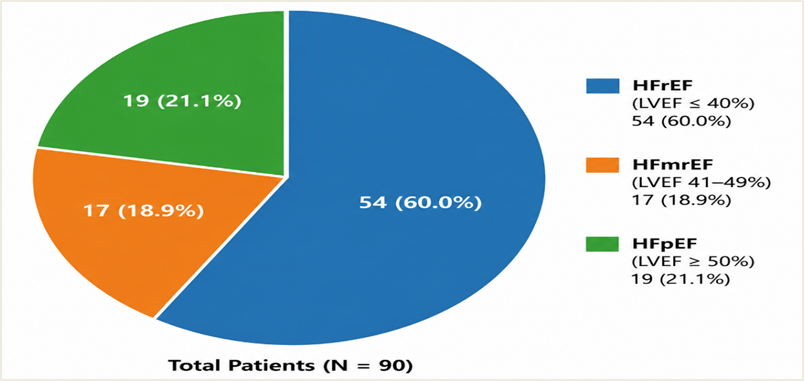
Figure 1. Distribution of heart failure phenotypes according to left ventricular ejection fraction
Figure 1 shows the distribution of heart failure phenotypes based on left ventricular ejection fraction among the 90 study patients. HFrEF was the most common phenotype, observed in 54 patients (60.0%), followed by HFpEF in 19 patients (21.1%) and HFmrEF in 17 patients (18.9%). This indicates that reduced left ventricular systolic function was the predominant pattern of heart failure in the study population.
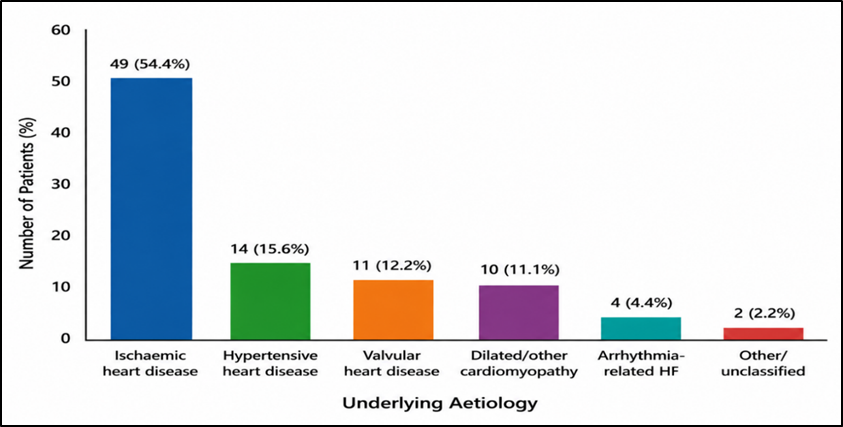
Figure 2. Distribution of the underlying aetiology of heart failure among the study population
Figure 2 shows the distribution of the underlying causes of heart failure among the 90 study patients. Ischaemic heart disease was the most common aetiology, accounting for 49 patients (54.4%), followed by hypertensive heart disease in 14 (15.6%), valvular heart disease in 11 (12.2%), and dilated or other cardiomyopathy in 10 (11.1%). Arrhythmia-related heart failure and other or unclassified causes were less common, occurring in 4 (4.4%) and 2 (2.2%) patients, respectively. These findings indicate that ischaemic heart disease was the predominant underlying cause of heart failure in the study population.
DISCUSSION:
The present study evaluated the clinical characteristics, underlying aetiology, treatment patterns, and in-hospital outcomes of 90 patients admitted with heart failure at a tertiary-care hospital in Vadodara, Gujarat. The major observations were a predominance of male patients, a high prevalence of hypertension, coronary artery disease and diabetes mellitus, and a predominance of heart failure with reduced ejection fraction (HFrEF). Ischaemic heart disease was the leading underlying aetiology. Most patients presented with clinical evidence of congestion, particularly dyspnoea, pulmonary crepitations, peripheral oedema and orthopnoea. Overall in-hospital mortality was 8.9%. Patients who died during hospitalization were older and had lower systolic blood pressure, greater renal dysfunction, lower serum sodium and lower left ventricular ejection fraction (LVEF). Cardiogenic shock, requirement for inotropic or vasopressor support, and invasive mechanical ventilation were also more frequent among non-survivors. These findings reinforce the heterogeneous nature of hospitalized heart failure and highlight several simple clinical variables that may assist early bedside risk assessment.
The mean age of patients in the present study was 62.8 years, and almost two-thirds were men. This age distribution is younger than that reported in several Western and East Asian heart failure cohorts. In the Acute Decompensated Heart Failure National Registry (ADHERE), patients had a mean age of approximately 72.5 years [11], whereas the ATTEND registry from Japan described an elderly hospitalized HF population [12]. In contrast, the demographic profile of the present study closely resembles the Gulf CARE registry, in which the mean age was 59 years and 63% of patients were male [13]. The relatively younger age of patients presenting with HF in South Asian and Middle Eastern populations may partly reflect the earlier occurrence of coronary artery disease and the substantial burden of cardiometabolic risk factors in these populations.
Hypertension was present in 60.0% of patients in our study, diabetes mellitus in 42.2%, and coronary artery disease in 54.4%. These findings demonstrate a considerable burden of modifiable cardiovascular risk factors. A very similar pattern was observed in Gulf CARE, where hypertension, diabetes and coronary artery disease were reported in 61%, 50% and 47% of patients, respectively [13]. The Korean Acute Heart Failure Registry (KorAHF) also demonstrated a high burden of cardiovascular comorbidities among hospitalized HF patients [14]. The close relationship between hypertension, diabetes, coronary atherosclerosis and subsequent myocardial dysfunction emphasizes the importance of aggressive primary and secondary prevention strategies before the development of clinically overt HF.
Dyspnoea was present in 97.8% of patients and was therefore the dominant presenting symptom in the current study. Pulmonary crepitations, peripheral oedema and orthopnoea were also frequent, indicating that congestion was the major clinical feature at hospital admission. These findings are comparable with the Gulf CARE registry, in which dyspnoea was present in approximately 98% of patients and pulmonary crepitations and orthopnoea were also among the most common presenting features [13]. The high frequency of congestion is clinically relevant because relief of congestion remains one of the central short-term objectives during hospitalization. Nevertheless, the presence of congestion should be considered together with blood pressure and markers of tissue perfusion, as patients with congestion accompanied by hypotension or hypoperfusion constitute a substantially higher-risk group.
Infection was the most frequent precipitating factor in our cohort, followed closely by acute coronary syndrome or myocardial ischaemia and arrhythmia. Acute HF is frequently triggered by conditions that either increase cardiac workload, compromise myocardial function or interfere with fluid and neurohormonal balance. The KorAHF registry identified myocardial ischaemia as both the most common underlying cause and an important aggravating factor for acute HF [14]. Differences in precipitating factors between studies may reflect geographical variations in infection burden, cardiovascular risk profiles, access to outpatient HF care and medication adherence. Identification and treatment of the precipitating factor are particularly important because improvement in congestion alone may be insufficient if the underlying trigger remains uncorrected.
Ischaemic heart disease was the predominant aetiology of HF in the present study, accounting for 54.4% of cases. This finding is remarkably similar to Gulf CARE, in which coronary artery disease was the underlying aetiology in approximately 53% of patients [13]. In KorAHF, ischaemic disease was also the most frequent aetiology, although its prevalence was lower at 37.6% [14]. The predominance of ischaemic HF in the present cohort is consistent with the high prevalence of coronary artery disease and diabetes mellitus observed at baseline. These results suggest that strategies directed toward early detection of coronary disease, appropriate revascularization where indicated, and optimal secondary prevention may have an important role in reducing the subsequent burden of HF in this population.
Regarding ventricular function, HFrEF represented 60.0% of the study population, while HF with mildly reduced ejection fraction and HF with preserved ejection fraction accounted for 18.9% and 21.1%, respectively. The mean LVEF was 38.3%. A similar proportion of HFrEF was documented in KorAHF, where 60.5% of patients had an LVEF of 40% or lower [14]. Gulf CARE reported an even greater prevalence of HFrEF, approximately 69%, with a median LVEF of 35% [13]. These similarities support the observation that reduced systolic function remains particularly common among hospitalized HF patients in Asian and Middle Eastern populations. However, HFpEF should not be considered a benign phenotype, as outcomes are influenced by age, renal function, congestion, comorbidities and haemodynamic status in addition to LVEF alone.
Loop diuretics were administered to almost all patients in the present study, consistent with the high prevalence of congestion at presentation. Beta-blockers were used in 60.0%, mineralocorticoid receptor antagonists in 54.4%, ACE inhibitors or angiotensin receptor blockers in 46.7%, angiotensin receptor-neprilysin inhibitors in 28.9%, and sodium-glucose cotransporter-2 inhibitors in 41.1%. Older international registries cannot be directly compared with the use of contemporary therapies such as ARNI and SGLT2 inhibitors because these drugs were either unavailable or not routinely used during those study periods. Nevertheless, Gulf CARE reported beta-blocker treatment in 71% and ACE inhibitor/ARB therapy in 78% of patients at discharge [13], while KorAHF reported ACE inhibitor/ARB and beta-blocker prescription rates of approximately 69% and 52%, respectively [14]. The medication frequencies in our study should, however, be interpreted cautiously because absence of treatment may reflect hypotension, impaired renal function, hyperkalaemia or another clinical contraindication rather than failure to prescribe appropriate therapy.
The overall in-hospital mortality rate in the present study was 8.9%. This rate is higher than the 6.4% reported in the Japanese ATTEND registry [12] and the 6.3% reported in Gulf CARE [13], but lower than the 12.7% in-hospital mortality reported in the AHEAD registry [15]. Differences in mortality across registries are expected because of variation in age, disease severity, prevalence of cardiogenic shock, referral patterns, access to intensive care, underlying aetiology and definitions used for acute HF. The median hospital stay in our study was seven days, which closely resembles the median duration of 7.1 days reported in AHEAD [15], although it was substantially shorter than the approximately 30-day mean hospital stay described in ATTEND [12]. This considerable geographical variation illustrates how health-system structure and discharge practices can influence hospitalization duration independently of disease severity.
Age was significantly higher among non-survivors than survivors in our cohort. Older patients frequently have a greater burden of renal disease, anaemia, frailty, vascular disease and other comorbidities and may have less physiological reserve to tolerate acute haemodynamic deterioration. Large observational studies have consistently demonstrated that age contributes to mortality risk in acute HF. However, chronological age should not be interpreted alone, as the combination of age with haemodynamic and biochemical abnormalities provides considerably greater prognostic information.
Low systolic blood pressure was one of the strongest clinical differences between survivors and non-survivors in the present study. The mean systolic blood pressure among patients who died was 99 mmHg compared with 126 mmHg among survivors. This observation is strongly supported by established acute HF risk models. Fonarow et al., using more than 65,000 ADHERE hospitalizations, demonstrated that systolic blood pressure, blood urea nitrogen and serum creatinine were powerful bedside variables for identifying patients at increased risk of in-hospital death [11]. The EFICA study similarly found that lower blood pressure, reduced LVEF and elevated serum creatinine independently predicted short-term mortality in severe acute HF [19]. Thus, admission blood pressure provides important information regarding circulatory reserve and should be assessed together with renal function and markers of congestion when determining initial risk.
Renal dysfunction was another important adverse feature in our study. Non-survivors had a mean serum creatinine of 2.30 mg/dL compared with 1.35 mg/dL among survivors, and chronic kidney disease was substantially more frequent in patients who died. Furthermore, worsening renal function occurred in 24.4% of the overall cohort. The interaction between the heart and kidneys is particularly important during acute HF because reduced renal perfusion, venous congestion, neurohormonal activation and intensive diuretic treatment may all contribute to changes in renal function. In the KorAHF registry, worsening renal function was associated with adverse in-hospital outcomes in both HFrEF and HFpEF [17]. This supports careful serial monitoring of renal function during hospitalization rather than relying only on the admission creatinine value.
Serum sodium was also significantly lower among non-survivors. Hyponatraemia in HF can reflect advanced neurohormonal activation, impaired free-water excretion, severe congestion and greater disease severity. Kajimoto et al. demonstrated that low serum sodium was associated with adverse outcomes among patients hospitalized with acute decompensated HF, particularly when accompanied by elevated blood urea nitrogen [16]. The current observation therefore supports serum sodium as an inexpensive and readily available marker that may contribute to early risk assessment when interpreted alongside renal function and haemodynamic status.
The mean LVEF was lower among non-survivors than survivors in the present study. Nevertheless, HFrEF as a categorical phenotype did not reach statistical significance in the survivor versus non-survivor comparison. This apparent difference between continuous and categorical assessment of LVEF should be interpreted cautiously because only eight deaths occurred. The EFICA study demonstrated that the prognostic influence of LVEF is closely related to haemodynamic status, with reduced LVEF carrying particularly important prognostic information among patients with low blood pressure [19]. Consequently, ventricular function should not be interpreted as an isolated marker of risk. A patient with markedly reduced LVEF but preserved perfusion may have a different short-term prognosis from a patient with moderate systolic dysfunction accompanied by shock, renal failure and severe congestion.
Cardiogenic shock had one of the strongest associations with mortality in the current study, occurring in 50.0% of non-survivors compared with 8.5% of survivors. The AHEAD registry similarly demonstrated extremely high mortality among patients presenting with cardiogenic shock and identified severe left ventricular dysfunction and renal insufficiency as important adverse features in this subgroup [15]. The requirement for invasive ventilation was also markedly greater among non-survivors in our cohort. AHEAD identified invasive ventilation as an important predictor of mortality among hospitalized acute HF patients [15]. Together, these observations indicate that development of shock and respiratory failure identifies a particularly high-risk stage of HF requiring intensive haemodynamic and respiratory support.
The requirement for inotropic or vasopressor support was significantly more frequent among patients who died. This association should not be interpreted as evidence that inotropic therapy itself caused mortality, because patients requiring these agents generally have more severe haemodynamic compromise, hypotension or cardiogenic shock. In the ADHERE analysis by Abraham et al., patients receiving positive inotropic agents represented a high-risk population and experienced substantially greater in-hospital mortality than those receiving certain intravenous vasodilator therapies [18]. These observational findings highlight both the severity of illness represented by inotrope requirement and the importance of limiting such therapies to patients with appropriate haemodynamic indications.
The present findings have several practical implications. Basic information available within the first hours of admission, including age, systolic blood pressure, serum creatinine, sodium concentration, LVEF and the presence of shock, can provide useful early prognostic information. These variables require no sophisticated risk platform and could help identify patients who need more intensive monitoring. This approach is consistent with the ADHERE experience, where readily available bedside variables successfully separated acute HF patients into substantially different mortality-risk groups [11]. Early risk identification could be particularly useful in resource-limited settings by supporting appropriate decisions regarding intensive care admission, haemodynamic monitoring and frequency of reassessment.
These findings should be considered within the broader context of the substantial residual risk following hospitalization for HF. The ESC Heart Failure Long-Term Registry showed that patients hospitalized with acute HF continued to have high mortality and rehospitalization rates after discharge and that outcomes differed considerably between geographical regions [20]. Therefore, successful discharge should not be viewed as the end of the acute episode. Optimization of disease-modifying therapy, patient education, evaluation of precipitating factors, appropriate follow-up and early reassessment after discharge remain important components of HF care.
The present study has several limitations. First, it was a retrospective, single-centre observational study with a relatively small sample size of 90 patients, which limits the generalizability of the findings. Second, only eight in-hospital deaths occurred. Consequently, the mortality comparisons should be considered exploratory, and a conventional multivariable regression model with several predictors would carry a substantial risk of overfitting. Third, retrospective extraction of information depends on the completeness and accuracy of medical records, and some clinical or biochemical variables may have been unavailable. Fourth, serial natriuretic peptide measurements and other advanced prognostic biomarkers were not consistently available. Fifth, treatment rates could not be fully adjusted for contraindications, haemodynamic instability or renal dysfunction. Finally, the study evaluated only in-hospital outcomes and therefore cannot provide information regarding post-discharge mortality, recurrent hospitalization or long-term functional recovery.
Despite these limitations, the study provides useful real-world information regarding hospitalized HF patients from Vadodara, Gujarat. The inclusion of demographic, clinical, laboratory, echocardiographic, therapeutic and outcome variables provides a broad description of this patient population. The predominance of ischaemic heart disease and HFrEF, together with the high prevalence of hypertension and diabetes, identifies important targets for prevention. More importantly, the association of mortality with advanced age, hypotension, renal dysfunction, hyponatraemia, reduced LVEF, cardiogenic shock and requirement for advanced circulatory or respiratory support highlights a clinically recognizable high-risk phenotype. Larger multicentre prospective studies with longer follow-up are required to validate these observations and determine whether locally derived risk-stratification approaches can improve outcomes among Indian patients hospitalized with heart failure.
CONCLUSION:
The present observational study showed that heart failure was commonly associated with ischaemic heart disease, hypertension, diabetes mellitus, and other cardiovascular comorbidities. Most patients presented with symptoms and signs of congestion, and heart failure with reduced ejection fraction (HFrEF) was the most common phenotype. Ischaemic heart disease was the leading underlying aetiology. The overall in-hospital mortality was 8.9%. Patients who died during hospitalization were generally older and had lower systolic blood pressure, higher serum creatinine, lower serum sodium, and lower left ventricular ejection fraction. Cardiogenic shock, chronic kidney disease, requirement for inotropic or vasopressor support, and invasive mechanical ventilation were also more frequently observed among non-survivors.
REFERENCES:
1. Bozkurt B, Coats AJS, Tsutsui H, Abdelhamid CM, Adamopoulos S, Albert N, et al. Universal definition and classification of heart failure: a report of the Heart Failure Society of America, Heart Failure Association of the European Society of Cardiology, Japanese Heart Failure Society and Writing Committee of the Universal Definition of Heart Failure. Eur J Heart Fail. 2021;23(3):352-380. doi:10.1002/ejhf.2115.
2. Savarese G, Becher PM, Lund LH, Seferovic P, Rosano GMC, Coats AJS. Global burden of heart failure: a comprehensive and updated review of epidemiology. Cardiovasc Res. 2023;118(17):3272-3287. doi:10.1093/cvr/cvac013.
3. McDonagh TA, Metra M, Adamo M, Gardner RS, Baumbach A, Böhm M, et al. 2021 ESC Guidelines for the diagnosis and treatment of acute and chronic heart failure. Eur Heart J. 2021;42(36):3599-3726. doi:10.1093/eurheartj/ehab368.
4. Heidenreich PA, Bozkurt B, Aguilar D, Allen LA, Byun JJ, Colvin MM, et al. 2022 AHA/ACC/HFSA guideline for the management of heart failure: a report of the American College of Cardiology/American Heart Association Joint Committee on Clinical Practice Guidelines. Circulation. 2022;145(18). doi:10.1161/CIR.0000000000001063.
5. Filippatos G, Angermann CE, Cleland JGF, Lam CSP, Dahlström U, Dickstein K, et al. Global differences in characteristics, precipitants, and initial management of patients presenting with acute heart failure. JAMA Cardiol. 2020;5(4):401-410. doi:10.1001/jamacardio.2019.5108.
6. Abraham WT, Fonarow GC, Albert NM, Stough WG, Gheorghiade M, Greenberg BH, et al. Predictors of in-hospital mortality in patients hospitalized for heart failure: insights from the Organized Program to Initiate Lifesaving Treatment in Hospitalized Patients with Heart Failure (OPTIMIZE-HF). J Am Coll Cardiol. 2008;52(5):347-356. doi:10.1016/j.jacc.2008.04.028.
7. Dokainish H, Teo K, Zhu J, Roy A, AlHabib KF, ElSayed A, et al. Global mortality variations in patients with heart failure: results from the International Congestive Heart Failure (INTER-CHF) prospective cohort study. Lancet Glob Health. 2017;5(7). doi:10.1016/S2214-109X(17)30196-1.
8. Harikrishnan S, Sanjay G, Anees T, Viswanathan S, Vijayaraghavan G, Bahuleyan CG, et al. Clinical presentation, management, in-hospital and 90-day outcomes of heart failure patients in Trivandrum, Kerala, India: the Trivandrum Heart Failure Registry. Eur J Heart Fail. 2015;17(8):794-800. doi:10.1002/ejhf.283.
9. Harikrishnan S, Bahl A, Roy A, Mishra A, Prajapati J, Manjunath CN, et al. Clinical profile and 90 day outcomes of 10 851 heart failure patients across India: National Heart Failure Registry. ESC Heart Fail. 2022;9(6):3898-3908. doi:10.1002/ehf2.14096.
10. Jayagopal PB, Sastry S, Nanjappa V, et al. Clinical characteristics and 30-day outcomes in patients with acute decompensated heart failure: results from Indian College of Cardiology National Heart Failure Registry (ICCNHFR). Int J Cardiol. 2022;356:73-78. doi:10.1016/j.ijcard.2022.03.021.
11. Fonarow GC, Adams KF Jr, Abraham WT, Yancy CW, Boscardin WJ; ADHERE Scientific Advisory Committee, Study Group, and Investigators. Risk stratification for in-hospital mortality in acutely decompensated heart failure: classification and regression tree analysis. JAMA. 2005;293(5):572-580. doi:10.1001/jama.293.5.572.
12. Sato N, Kajimoto K, Keida T, Mizuno M, Minami Y, Yumino D, et al. Clinical features and outcome in hospitalized heart failure in Japan (from the ATTEND Registry). Circ J. 2013;77(4):944-951. doi:10.1253/circj.CJ-13-0187.
13. Sulaiman K, Panduranga P, Al-Zakwani I, Alsheikh-Ali AA, AlHabib KF, Al-Suwaidi J, et al. Clinical characteristics, management, and outcomes of acute heart failure patients: observations from the Gulf acute heart failure registry (Gulf CARE). Eur J Heart Fail. 2015;17(4):374-384. doi:10.1002/ejhf.245.
14. Lee SE, Lee HY, Cho HJ, Choe WS, Kim H, Choi JO, et al. Clinical characteristics and outcome of acute heart failure in Korea: results from the Korean Acute Heart Failure Registry (KorAHF). Korean Circ J. 2017;47(3):341-353. doi:10.4070/kcj.2016.0419.
15. Spinar J, Parenica J, Vitovec J, Widimsky P, Linhart A, Fedorco M, et al. Baseline characteristics and hospital mortality in the Acute Heart Failure Database (AHEAD) Main registry. Crit Care. 2011;15(6). doi:10.1186/cc10584.
16. Kajimoto K, Minami Y, Sato N, Takano T; Investigators of the Acute Decompensated Heart Failure Syndromes (ATTEND) Registry. Serum sodium concentration, blood urea nitrogen, and outcomes in patients hospitalized for acute decompensated heart failure. Int J Cardiol. 2016;222:195-201. doi:10.1016/j.ijcard.2016.07.255.
17. Kang J, Park JJ, Cho YJ, Oh IY, Park HA, Lee SE, et al. Predictors and prognostic value of worsening renal function during admission in HFpEF versus HFrEF: data from the KorAHF (Korean Acute Heart Failure) Registry. J Am Heart Assoc. 2018;7(6). doi:10.1161/JAHA.117.007910.
18. Abraham WT, Adams KF, Fonarow GC, Costanzo MR, Berkowitz RL, LeJemtel TH, et al. In-hospital mortality in patients with acute decompensated heart failure requiring intravenous vasoactive medications: an analysis from the Acute Decompensated Heart Failure National Registry (ADHERE). J Am Coll Cardiol. 2005;46(1):57-64. doi:10.1016/j.jacc.2005.03.051.
19. Adamopoulos C, Zannad F, Fay R, Mebazaa A, Cohen-Solal A, Guize L, et al. Ejection fraction and blood pressure are important and interactive predictors of 4-week mortality in severe acute heart failure. Eur J Heart Fail. 2007;9(9):935-941. doi:10.1016/j.ejheart.2007.06.001.
20. Crespo-Leiro MG, Anker SD, Maggioni AP, Coats AJ, Filippatos G, Ruschitzka F, et al. European Society of Cardiology Heart Failure Long-Term Registry (ESC-HF-LT): 1-year follow-up outcomes and differences across regions. Eur J Heart Fail. 2016;18(6):613-625. doi:10.1002/ejhf.566.