Post Dural Puncture Headache Prevention And Treatment Updates
- Bilal Ahmed , Senior medical officer, Anesthesia at Ayub Teaching Hospital Abbottabad
- Rifat Latif , Assistant Professor Anaesthesia at Ayub Teaching Hospital Abbottabad
- Afifa Aamir Khan , District specialist and Consultant Anesthesia DHQ Abbottabad
- Fahad Abbas , Anesthesia Consultant
Article Information:
Abstract:
Background: Post-dural puncture headache (PDPH) is an important complication of neuraxial interventions, and it can be associated with substantial pain, a delayed recovery and functional impairment. The current management has been refined by advances in atraumatic needle technique, early recognition, pharmacologic therapy and epidural blood patching. Objectives: To review the clinical picture, prevention, treatment modalities, and outcomes of patients with PDPH and to determine the efficacy of the current treatment options. Methods: A prospective observational study was carried out at Ayub Teaching Hospital, Abbottabad from 15th November 2025 to 16th May 2026. There were 80 patients who developed a PDPH after neuraxial procedures. Various demographic characteristics, type of neuraxial procedure, characteristics of the needle, number of attempts, clinical picture, measures taken to prevent the procedure, treatment modalities, treatment response, and need for repeat intervention were documented. The treatment depended on the severity of the symptoms and functional impairment and involved a step-wise procedure from conservative therapy to an epidural blood patch (EBP). Results: Among 80 patients, 48 (60.0%) were female and 32 (40.0%) were male. The most commonly used neuraxial procedure was spinal anesthesia (76.3%). Orthostatic headache was the most common clinical presentation, with 67 (83.8%) patients having this symptom, and 59 (73.8%) developing symptoms within 48 hours. In 27 (33.8%) patients, conservative treatment was adequate, while 45 (56.3%) patients needed EBP. Within the EBP group, 32 (71.1%) patients completely resolved their headache, eight patients (17.8%) had significant improvement, three patients (6.7%) had some improvement, and two patients (4.4%) had no noticeable improvement. Eight patients (17.8% of those receiving EBP) required a repeat blood patch. Conclusions: Prevention, early diagnosis, appropriate, conservative treatment and timely referral to EBP is an effective management of PDPH. The importance of selecting the atraumatic needle and limiting the number of puncture attempts should be stressed, and the principle treatment for chronic or disabling PDPH is EBP. Current guidelines also suggest EBP if conservative treatments are not effective or symptoms are significant enough to interfere with activities of daily living.
Keywords:
Article :
INTRODUCTION:
Post-dural puncture headache (PDPH) is still one of the most important complications of neuraxial procedures and is seen following intentional dural puncture for spinal anesthesia or after unintentional dural puncture during epidural techniques. PDPH is self-limited in most cases but can cause significant functional disability, prolonged hospital stay, difficulties in bonding with the infant, with breastfeeding, and rarely cause severe neurological sequelae. Current concept has also evolved from merely benign postural headache to a disorder which can cause chronic headache, cranial neuropathies, subdural collections, cerebral venous thrombosis and long-term headache disability. Multisociety guidelines, in the recent past, have highlighted early recognition, appropriate differential diagnosis, patient education and individual escalation of treatment. [1–3]
Leakage of cerebrospinal fluid (CSF) through a defect in the dura is the basic physiologic mechanism of PDPH, which leads to a decrease in CSF volume and CSF pressure. The loss of CSF causes compensatory changes in the intracranial veins are dilated and the intracranial structures are displaced downward causing headache and associated symptoms. The classic presentation is headache that develops over several days after dural puncture that is exacerbated by sitting and standing but improved by assuming a recumbent position. However, this traditional pattern of postural headaches is not universal, and the patient may have other neurological symptoms, such as non-postural headache, neck stiffness, nausea or vomiting, photophobia, tinnitus, diplopia or changes in hearing, dizziness, or other neurological symptoms. Therefore, PDPH should not be ruled out just because a patient does not have a typical orthostatic component. [2,4,5]
There are both procedural and patient-related factors that affect the risk of PDPH. Rising age and being female are very correlated with risk; pregnancy and headache history can also play a role in susceptibility. Some procedural factors are the number of puncture attempts, operator experience, whether it's intentional or accidental, orientation of the bevel, and needle size, and needle tip configuration. There is growing evidence that small-gauge, non-cutting, pencil-point needles are used when clinically appropriate. A network meta-analysis showed that there was a significant difference in the risk of PDPH between different types of spinal needles, highlighting the need to carefully select the needle type as an important preventative measure. [1,6]
Prevention starts before the procedure, therefore. Educated patient selection, informed consent, optimizing procedural technique, and using ultrasound where appropriate and clinically beneficial, and selecting an atraumatic needle, can decrease the risk of dural injury or chronic CSF leak. The smallest possible needle gauge is the usual choice and non-cutting needles are preferred for lumbar puncture and spinal anesthesia. When a cutting needle is necessary, the cutting direction parallel to the long fibers of the dura can help minimize the risk of PDPH. Importantly, at present there is no evidence that routine bed rest is effective as a preventative intervention and a prolonged period of immobility could have potentially adverse effects. Likewise, a routine post-accidental dural puncture epidural blood patching is not recommended at this time due to the uncertainty of the prevention benefit. [1,6,7]
Pharmacological prevention and treatment has been a subject of much interest, but the evidence is mixed. The cerebral vasoconstriction and the possible role of the caffeine on the dynamics of CSF are the reasons for its traditional use. Systematic reviews conducted recently have suggested that caffeine and other agents might be useful in some patients for symptom relief but that there is not enough evidence to recommend a pharmacological treatment as a proven preventive measure. Theophylline or aminophylline has been studied in some trials to see if it can be used to lessen the severity of headaches, but the results of different trials have been inconsistent and some of the studies have methodological flaws that make them hard to use as a substitute for definitive treatment. There has also been research on other agents such as pregabalin and sumatriptan, but evidence is currently lacking for recommendations for these therapies. [8,9]
Treatment of PDPH should be based on severity of symptoms and functional impact once developed. For mild cases, initial treatment might be conservative, including oral or intravenous analgesics, sufficient hydration as needed, caffeine and reassurance. But, over-hydration and bed rest alone have not proven to be beneficial and should not be the only therapies used when symptoms are severe. Patients should also be observed for unusual characteristics or neurologic changes as not all headaches after a neuraxial anesthesia are PDPH. The differential diagnosis is migraine, meningitis, intracranial hemorrhage, cerebral venous sinus thrombosis, pneumocephalus, and spontaneous intracranial hypotension. Neuroimaging is, therefore, indicated in atypical presentation, in the presence of neurological signs, and in the absence of the clinical course expected. [1,4,5]
Epidural blood patch (EBP) is still the standard definitive treatment for moderate to severe PDPH that significantly disturbs activities of daily living or when conservative treatment is unsuccessful. Autologous blood injected into the epidural space produces both mechanical tamponade of the dural defect, and physiological effects that restore CSF pressure. Current guidelines suggest therapeutic EBP should be used if PDPH is causing significant functional impairment or there are neurological symptoms after initial conservative treatment. The timing matters as clinicians may be more likely to fail at the very beginning of the patch; hence, clinical severity needs to be taken into account when making decisions, not a set time limit. Repeat EBP can be used if the initial patch offers only partial or temporary relief. [1,2,10]
In recent years, there has been an increased interest in less invasive techniques, such as sphenopalatine ganglion (SPG) block and greater occipital nerve block. These techniques can be used to give immediate relief of symptoms, and can be appealing if an EBP is contraindicated, rejected, technically not feasible, or not available at the time. A recent 2023 meta-analysis of randomized trials demonstrated that pain is reduced in PDPH with SPG block, but there is uncertainty about the comparative effectiveness of this procedure to EBP and the length of effect. The current focus on this kind of strategies should thus be viewed as complimentary and/or alternative, and not definitive to EBP. [11,12]
The modern method of treatment for PDPH, then, focuses on prevention of the condition by using atraumatic neuraxial technique, early recognition, avoiding ineffective routine treatments, individualized conservative treatment and escalation to EBP when clinically indicated. If headache persists or recurs, it is not a matter of repeating empirical treatment, but a matter of reassessment, especially if headache is no longer postural, or neurological abnormalities occur. New data on nerve blocks, pharmacologic treatment, optimized EBP techniques, and specific risk stratification may help to further clarify management. However, there are still important areas to be filled in with good quality comparative trials, particularly when it comes to preventive pharmacotherapy and newer, minimally invasive treatments. [1,3,11,13–15]
MATERIALS AND METHODS:
A prospective observational study was carried out in the Ayub Teaching Hospital (ATH), Abbottabad, a tertiary care teaching hospital offering special clinical and research services. The study duration was for Sex months (15 November 2025 to 16 May 2026) and 80 patients who received neuraxial procedures (such as spinal anesthesia or procedures that could lead to dural puncture) were included. In patients followed prospectively, the incidence and treatment of post-dural puncture headache (PDPH) were emphasized and preventive strategies, clinical features, treatment, response to treatment and recurrence were addressed. Adult patients who had a history of dural puncture and who were diagnosed with PDPH based on the predefined clinical criteria were included, and patients with pre-existing severe headache disorders, neurological disease, infection at the puncture site, contraindications to epidural blood patch, and other identifiable causes of headache were excluded. A structured data-collection proforma was used to record the following demographic data, type and indication for neuraxial procedure, needle characteristics, number of punctures, accidental dural puncture, onset of headache, severity of headache, associated symptoms, preventive interventions, and treatment modalities. Conservative and pharmacological treatments were used depending upon the clinical severity; patients with persistent, moderate-to-severe or functionally limiting headache were evaluated for an epidural blood patch (EBP). Where appropriate, alternative or adjunctive interventions were also documented. Patients were followed clinically until they improved or symptoms resolved and clinical response, repeat intervention, complications, and symptom duration were documented. The collected data were recorded in a computerised data bank and analysed with suitable descriptive statistics, continuous data were summarised as mean ± SD or median (interquartile range) and categorical data were presented as frequencies and percentages. Appropriate statistical tests were used to evaluate associations between patient/procedural factors that were relevant to the outcomes of PDPH with a p-value <0.05 considered statistically significant. The patients' confidentiality was preserved throughout the study as well as voluntary participation and informed consent, and institutional ethical approval was obtained prior to the commencement of patient recruitment.
RESULTS:
This study was conducted in Ayub Teaching Hospital from November 2025 to May 2026 involving a total of 80 patients.
Table 1. Baseline characteristics of the study participants (n=80)
|
Characteristic |
Frequency (n) |
Percentage (%) |
|
Age 18–30 years |
24 |
30.0 |
|
Age 31–40 years |
31 |
38.8 |
|
Age 41–50 years |
17 |
21.3 |
|
Age >50 years |
8 |
10.0 |
|
Female |
48 |
60.0 |
|
Male |
32 |
40.0 |
|
Spinal anesthesia |
61 |
76.3 |
|
Epidural procedure |
19 |
23.8 |
|
Atraumatic/pencil-point needle used |
55 |
68.8 |
|
Cutting needle used |
25 |
31.3 |
|
Single puncture attempt |
58 |
72.5 |
|
≥2 puncture attempts |
22 |
27.5 |
The majority of patients were aged 31–40 years (38.8%), followed by those aged 18–30 years (30.0%). Females constituted 60.0% of the study population. Spinal anesthesia was the predominant neuraxial procedure, accounting for 76.3% of cases. An atraumatic/pencil-point needle was used in 68.8% of patients, while 27.5% required two or more puncture attempts.
Table 2. Clinical characteristics and presentation of PDPH
|
Variable |
Frequency (n) |
Percentage (%) |
|
Orthostatic headache |
67 |
83.8 |
|
Neck stiffness/pain |
42 |
52.5 |
|
Nausea/vomiting |
29 |
36.3 |
|
Photophobia |
24 |
30.0 |
|
Tinnitus/hearing symptoms |
12 |
15.0 |
|
Diplopia |
5 |
6.3 |
|
Mild headache |
16 |
20.0 |
|
Moderate headache |
39 |
48.8 |
|
Severe headache |
25 |
31.3 |
|
Headache onset ≤48 hours |
59 |
73.8 |
|
Headache onset >48 hours |
21 |
26.3 |
Orthostatic headache was the most frequent presenting feature, occurring in 67 (83.8%) patients. Neck stiffness or pain was reported by 52.5%, while nausea or vomiting occurred in 36.3%. Most patients developed symptoms within 48 hours of the neuraxial procedure. Moderate headache severity was the most commonly observed category (48.8%).
Table 3. Preventive measures and treatment modalities
|
Intervention |
Frequency (n) |
Percentage (%) |
|
Adequate hydration/oral fluids |
80 |
100.0 |
|
Non-opioid analgesics |
76 |
95.0 |
|
Caffeine therapy |
54 |
67.5 |
|
Conservative management alone |
27 |
33.8 |
|
Epidural blood patch (EBP) |
45 |
56.3 |
|
Greater occipital nerve block |
5 |
6.3 |
|
Repeat EBP |
8 |
10.0 |
|
Imaging-guided assessment |
6 |
7.5 |
Initial conservative management was provided to most patients, with analgesics and hydration being the most frequently used measures. Caffeine was administered in 67.5% of patients. Forty-five patients (56.3%) required an epidural blood patch because of persistent, moderate-to-severe, or functionally limiting symptoms. Eight patients (10.0%) subsequently required a repeat EBP.
Current international guidance similarly recommends conservative therapy initially and escalation to EBP when headache significantly interferes with activities of daily living or is accompanied by neurological symptoms.
Table 4. Treatment response following epidural blood patch
|
Outcome after EBP |
Frequency (n=45) |
Percentage (%) |
|
Complete resolution |
32 |
71.1 |
|
Marked improvement |
8 |
17.8 |
|
Partial improvement |
3 |
6.7 |
|
No meaningful improvement |
2 |
4.4 |
|
Required repeat EBP |
8 |
17.8 |
Among the 45 patients treated with EBP, complete resolution of headache was observed in 32 (71.1%), while another 8 (17.8%) experienced marked improvement. Three patients had only partial improvement and two patients showed no meaningful response. Eight patients required a second EBP. These findings are clinically consistent with contemporary evidence showing that EBP remains the principal definitive treatment but does not provide complete relief in every patient. Prospective multicentre data have reported first-EBP failure in approximately 28% of cases, emphasizing the need for follow-up and possible repeat intervention.
Overall, the findings suggest that atraumatic needle use, minimizing puncture attempts, early recognition, and stepwise treatment were important components of PDPH management. EBP provided substantial clinical benefit in the majority of patients requiring intervention, although a minority required repeat treatment. This is consistent with contemporary literature indicating that EBP remains the standard definitive intervention, while newer approaches should generally be considered adjunctive or alternative treatments in selected refractory cases.
Treatment modalities used for PDPH
Distribution of conservative and interventional treatments among 80 study participants.
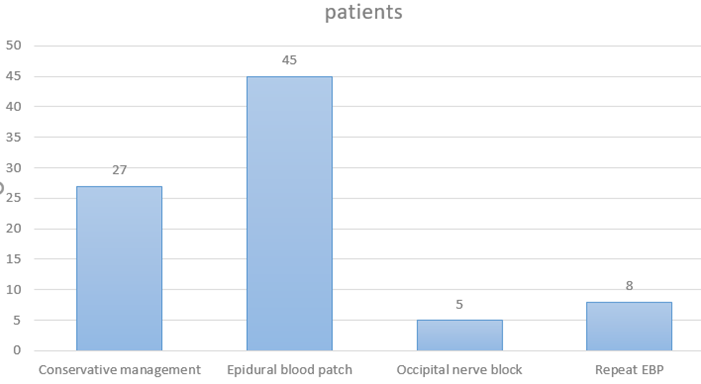
Figure 1 . Distribution of treatment modalities used for PDPH
Response to epidural blood patch
Clinical response among 45 patients who received an epidural blood patch.
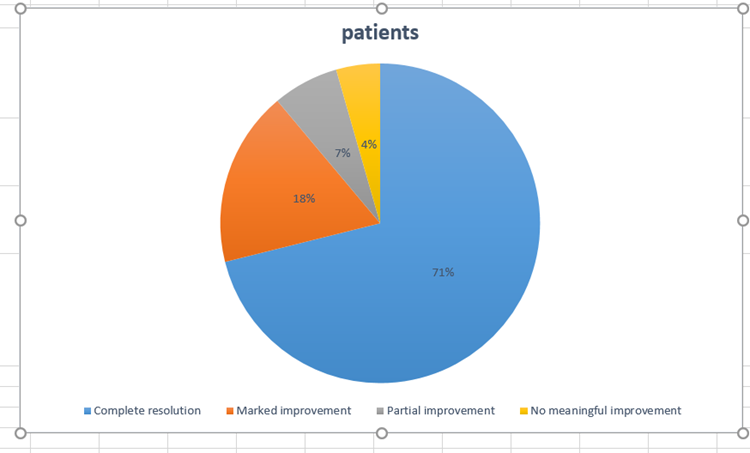
Figure 2: Response to epidural blood patch
DISCUSSION:
Post-dural puncture headache (PDPH) is an important complication of neuraxial anesthesia and lumbar puncture as it can be very painful, leading to increased pain, decreased mobility, extended hospital stays, and poorer quality of life despite its often benign prognosis. In the present study 80 patients who presented in Ayub Teaching Hospital, majority of the patients showed typical orthostatic headache and the most of the patients developed the symptom within 48 hours of neuraxial procedure. Moderate headache was the most common severity category, and the most common associated symptoms were neck stiffness, nausea/vomiting, and photophobia. The results are consistent with the known clinical spectrum of PDPH, but some atypical and non-postural presentations have been reported which will necessitate consideration of other diagnoses [16,17].
The age distribution of this study is also consistent with known risk factors for PDPH. The study population consisted of more females than males (60%) and more younger and middle-aged adults (65%). Younger age and female gender have been repeatedly found to be correlated with an increased risk of PDPH, but the underlying mechanisms are not fully understood. Such associations may be explained by hormonal influences, pain perception differences, and anatomical and/or physiological differences in CSF dynamics [16,18]. We used spinal anesthesia predominately because it is widely used in surgical practice and also because it is a technique that allows correct choice of needle and technique to minimize dural trauma.
Some of the factors most amenable to modification in relation to PDPH are needle characteristics and procedural technique. In this study, atraumatic/pencil point needles were used in about 2/3 of patients, while cutting needles were used in the remaining patients. Moreover, most of the patients had only one puncture attempt. The merits of using pencil-point needles versus cutting needles have been shown in the past to be associated with reduced rates of PDPH, especially with the smaller gauges. It is believed to occur through separation instead of fiber cutting leaving a dural defect, which allows the spontaneous closure and stops CSF leakage [17,19]. These results justify the routine use of atraumatic needles during routine neuraxial procedures and the use of careful procedural technique.
Timing and clinical recognition of PDPH are important. In this study, nearly 3/4 of patients experienced symptoms within 48 hours. Classically PDPH happens within days of dural puncture, but delayed presentation is possible and the time frame may be different. This should be the rule of thumb for any patient who develops a new or unexplained headache following a neuraxial block or anesthesia and should be applied regardless of the clinical presentation [16,20]. Also, the lack of postural characteristics should not rule out PDPH. If a headache is persistent, neurological signs or changes in awareness or seizures or an atypical course, further neurological evaluation and, if indicated, neuroimaging should be performed to rule out potentially serious complications.
In the present study, a significant number of patients received conservative treatment initially. Analgesics, hydration and caffeine were frequently used and about one-third of the patients got better without undergoing an invasive procedure. For patients with mild symptoms, conservative treatment is still appropriate especially if there is minimal functional impairment. But more recent studies have shown that normal prolonged bed-rest and over-hydration are not consistently effective for preventing and/or treating PDPH [18,21]. The use of caffeine has been reported to be beneficial in the short term because of its cerebral vasoconstriction and effect on adenosine receptors, but it should be considered as a definitive treatment for severe or persistent PDPH [21,22].
Of all the therapeutic observations of this study, the most significant was the positive reaction seen with epidural blood patch (EBP). Forty-five patients needed EBP, 71% of which were completely headache free and an additional 18% marked improvement. The findings confirm the ongoing paradigm of treating clinically relevant PDPH predominantly with EBP. It is thought that supplying the blood in the epidural space will have an immediate tamponade effect at the dural defect, and then induce sealing of the leak. Current evidence remains in support of EBP in cases of PDPH resulting in significant functional impairment or when conservative treatment proves ineffective [16,23].
However, the effectiveness of EBP isn't consistent no matter how many procedures. Persistent or recurrent symptoms are clinically relevant as eight patients needed repeat EBP in the present study. Failure may be due to an incomplete seal of the dural defect, continued CSF leak, mislocalization of the puncture site or to a different diagnosis. If the first EBP failed to give sufficient or lasting relief, a second may be used, once other factors that might cause headaches have been ruled out [20,23]. Failure should not be a repeat of failure – specialist reassessment and appropriate imaging should be considered.
The use of newer minimally invasive methods is also being explored more. A small number of patients had greater occipital nerve block as an alternative or adjunctive intervention in the present study. Nerve blocks, especially sphenopalatine ganglion block, have been the focus of interest as they may be used to relieve symptoms without the need for an epidural. Evidence and quality are still inadequate, but there is some indication of potential benefit from recent systematic reviews [22,24]. These techniques can thus be important in a subset of patients, particularly where EBP is contraindicated, declined, technically challenging or temporarily unavailable, but are not yet to be used as a routine alternative to EBP.
Another important aspect of contemporary PDPH management is prevention. This study demonstrates the value of reducing the number of punctures and the use of atraumatic needles when feasible. Patient education should also be integrated within the neuraxial practice, and people should be aware of warning symptoms and seek medical evaluation early. Routine EBP is not evidence-based for all patients who experience accidental dural puncture, and instead, strategies to prevent EBP should focus on optimized technique and proper surveillance after the procedure [19,25].
There are a number of limitations to this study. It was carried out at a single tertiary-care hospital and had relatively small sample size (80 patients) that may not represent generalizability. The observational design also makes it hard to draw definite conclusions about the effectiveness of any particular preventive or therapeutic measure compared to others. Furthermore, treatment choice was based on the severity of the clinical presentation and clinician decision, which may have had a possible selection bias. Nevertheless, the study offers valuable real-life insight into the presentation and management of PDPH, step by step, in a tertiary-care setting.
The overall results confirm the importance of a prevention–recognition–escalation approach to PDPH. Atraumatic needles and meticulous neuraxial technique are of paramount importance to consider for preventing the injury and for mild cases, conservative therapy is the first step. Reconsider such patients for timely EBP, and consider repeat intervention or alternative strategies for select cases. There is a need for more multicenter prospective studies with standardized treatment protocols in the future to define the role of newer interventions and the individual treatment of PDPH optimisation [16–25].
CONCLUSION:
Post-dural puncture headache is an important complication of neuraxial procedures, but morbidity can be minimized if it is effectively prevented, recognized and treated promptly. In the present study of 80 patients at Ayub teaching hospital most had developed the typical orthostatic headache within 48 hours and conservative treatment gave good relief in a proportion of cases. Epidural blood patching resulted in significant clinical improvement and was the most effective definitive treatment for persistent or functionally limiting symptoms. There is also current evidence to support the use of a step-wise approach to needle selection and careful technique used for prevention; conservative therapy for appropriate patients to start with; and the use of epidural blood patch when symptoms have a significant impact on daily living or do not resolve with initial treatment.
Recommendations
Use of small gage (atraumatic/pencil-point) needles and proper neuraxial technique should be encouraged to prevent nerve trauma and PDPH. Patients who develop headache or neurological symptoms following neuraxial procedures should be promptly evaluated and clinicians should give patients adequate pre-procedure counseling of the potential risk for PDPH. Treatment for mild PDPH should include judicious use of appropriate analgesic, adequate oral hydration and short-term caffeine (if appropriate) but prolonged bed rest and excessive IV fluids should not be routinely used. Epidural blood patch should be considered in the moderate to severe, persistent or functionally disabling headache patient, and repeated EBP should be considered if clinically indicated. Neurological reassessment or neuroimaging should be considered if headache is atypical, symptoms worsen, there is a focal neurological finding, or there is a lack of response to EBP. There is insufficient evidence that routine prophylactic EBP has a preventive benefit after accidental dural puncture. In conclusion, more prospective studies in larger centers should be used to test newer interventions, including nerve blocks and pharmacological treatments and to create standard protocols for preventing, treating, and following for rare, but serious, neurological outcomes.
REFERENCES:
1. Uppal V, Russell R, Sondekoppam RV, Ansari J, Baber Z, Chen Y, et al. Consensus practice guidelines on postdural puncture headache from a multisociety, international working group: a summary report. JAMA Netw Open. 2023;6(8):e2325387. doi: 10.1001/jamanetworkopen.2023.25387.
2. Schyns J, Gaiser RR. Postdural puncture headache: revisited. Best Pract Res Clin Anaesthesiol. 2023;37(2):171-187. doi: 10.1016/j.bpa.2023.02.006.
3. Uppal V, Russell R, Sondekoppam RV, et al. Evidence-based clinical practice guidelines on postdural puncture headache: a consensus report from a multisociety international working group. Reg Anesth Pain Med. 2024;49(7):471-501. doi: 10.1136/rapm-2023-104817.
4. Vallejo MC, Zakowski MI. Post-dural puncture headache diagnosis and management. Best Pract Res Clin Anaesthesiol. 2022;36(1):179-189. doi: 10.1016/j.bpa.2022.01.002
5. Al-Hashel JY, Rady A, Massoud F, et al. Post-dural puncture headache: a prospective study on incidence, risk factors, and clinical characterization of 285 consecutive procedures. BMC Neurol. 2022;22:261. doi: 10.1186/s12883-022-02785-0.
6. Maranhão B, Liu M, Palanisamy A, Monks DT, Singh PM. The association between post-dural puncture headache and needle type during spinal anaesthesia: a systematic review and network meta-analysis. Anaesthesia. 2021;76(8):1098-1110. doi: 10.1111/anae.15320.
7. Alatni RI, Alsamani R, Alqefari A. Treatment and prevention of post-dural puncture headaches: a systematic review. Cureus. 2024;16(1):e52330. doi: 10.7759/cureus.52330.
8. Amini N, Modir H, Omidvar S, et al. The effect of sumatriptan, theophylline, pregabalin and caffeine on prevention of headache caused by spinal anaesthesia (PDPH): a systematic review. J West Afr Soc Med. 2022;12(4):102-116. doi: 10.4103/jwas.jwas_183_22.
9. Barati-Boldaji R, Shojaei-Zarghani S, Mehrabi M, Amini A, Safarpour AR. Post-dural puncture headache prevention and treatment with aminophylline or theophylline: a systematic review and meta-analysis. Ann Palliat Med. 2023;12(2):177-189. doi: 10.17085/apm.22247.
10. Li H, Wang Y, Oprea AD, Li J. Postdural puncture headache—risks and current treatment. Curr Pain Headache Rep. 2022;26(6):441-452. doi: 10.1007/s11916-022-01041-x.
11. Dwivedi P, Singh P, Patel TK, Bajpai V, et al. Trans-nasal sphenopalatine ganglion block for post-dural puncture headache management: a meta-analysis of randomized trials. Braz J Anesthesiol. 2023;73(6):782-793. doi: 10.1016/j.bjane.2023.06.002.
12. Bishop R, Chen A, Yates WD, Fowler J, Macres S. Update and advances on post-dural puncture headache. Adv Anesth. 2023;41(1):71-85. doi: 10.1016/j.aan.2023.05.005.
13. Zhang Q, Pang SY, Liu CW. Chronic headaches related to post-dural puncture headaches: a scoping review. Br J Anaesth. 2022;129(5):747-757. doi: 10.1016/j.bja.2022.08.004.
14. Broom MA. Accidental dural puncture during epidural blood patch: a narrative review. Int J Obstet Anesth. 2023;55:103900. doi: 10.1016/j.ijoa.2023.103900. (PubMed)
15. Salzer J, Granåsen G, Sundström P, Vågberg M, Svenningsson A. Prevention of post-dural puncture headache: a randomized controlled trial. Eur J Neurol. 2020;27(5):871-877. doi: 10.1111/ene.14158.
16. Uppal V, Russell R, Sondekoppam RV, Ansari J, Baber Z, Chen Y, et al. Evidence-based clinical practice guidelines on postdural puncture headache: a consensus report from a multisociety international working group. Reg Anesth Pain Med. 2024;49(7):471-501. doi: 10.1136/rapm-2023-104817.
17. Vallejo MC, Zakowski MI. Post-dural puncture headache diagnosis and management. Best Pract Res Clin Anaesthesiol. 2022;36(1):179-189. doi: 10.1016/j.bpa.2022.01.002.
18. Cognat E, Koehl B, Lilamand M, Goutagny S, Belbachir A, de Charentenay L, et al. Preventing post-lumbar puncture headache. Ann Emerg Med. 2021;78(3):443-450. doi: 10.1016/j.annemergmed.2021.02.019.
19. Maranhão B, Liu M, Palanisamy A, Monks DT, Singh PM. The association between post-dural puncture headache and needle type during spinal anaesthesia: a systematic review and network meta-analysis. Anaesthesia. 2021;76(8):1098-1110. doi: 10.1111/anae.15320.
20. Li H, Wang Y, Oprea AD, Li J. Postdural puncture headache—risks and current treatment. Curr Pain Headache Rep. 2022;26(6):441-452. doi: 10.1007/s11916-022-01041-x.
21. Amini N, Modir H, Omidvar S, et al. The effect of sumatriptan, theophylline, pregabalin and caffeine on prevention of headache caused by spinal anaesthesia: a systematic review. J West Afr Soc Med. 2022;12(4):102-116. doi: 10.4103/jwas.jwas_183_22.
22. Barati-Boldaji R, Shojaei-Zarghani S, Mehrabi M, Amini A, Safarpour AR. Post-dural puncture headache prevention and treatment with aminophylline or theophylline: a systematic review and meta-analysis. Ann Palliat Med. 2023;12(2):177-189. doi: 10.21037/apm-22-247.
23. Dwivedi P, Singh P, Patel TK, Bajpai V, Kabi A, Singh Y, et al. Trans-nasal sphenopalatine ganglion block for post-dural puncture headache management: a meta-analysis of randomized trials. Braz J Anesthesiol. 2023;73(6):782-793. doi: 10.1016/j.bjane.2023.06.002.
24. Bishop R, Chen A, Yates WD, Fowler J, Macres S. Update and advances on post-dural puncture headache. Adv Anesth. 2023;41(1):71-85. doi: 10.1016/j.aan.2023.05.005.
25. Salzer J, Granåsen G, Sundström P, Vågberg M, Svenningsson A. Prevention of post-dural puncture headache: a randomized controlled trial. Eur J Neurol. 2020;27(5):871-877. doi: 10.1111/ene.14158.