Vildagliptin Versus Pioglitazone as Third-Agent Add-On Therapy in Type 2 Diabetes Inadequately Controlled with Metformin and Glimepiride: A Prospective Observational Study.
- Satrajit Dan , MD, Assistant Professor, Department of Pharmacology, R G Kar Medical College, 1 Kshudiram Bose Sarani, Kolkata – 700004
- Abhijit Das , Professor of Pharmacology & MSVP, Prafulla Chandra Sen Govt Medical College & Hospital, Arambag
- Ratul Banerjee , MD, Assistant Professor, Department of Pharmacology, R G Kar Medical College, 1 Kshudiram Bose Sarani, Kolkata - 700004
Article Information:
Abstract:
Background: Type 2 diabetes mellitus (T2DM) frequently requires treatment intensification when glycaemic targets are not achieved with dual oral therapy. Vildagliptin and pioglitazone are potential third-agent options, but comparative evidence in patients inadequately controlled with metformin and glimepiride remains limited. This study compared their short-term effectiveness and safety as add-on therapies. Methods: This single-centre, prospective observational study included patients with T2DM inadequately controlled with metformin 1000 mg/day and glimepiride 2 mg/day. Patients received either vildagliptin 50 mg twice daily or pioglitazone 15 mg once daily according to routine clinical practice. Of 69 patients enrolled, 59 completed 12 weeks of follow-up and were included in the final analysis: 32 in the vildagliptin group and 27 in the pioglitazone group. Results: HbA1c decreased significantly from 7.534±0.715% to 6.903±0.624% with vildagliptin and from 7.730±0.631% to 6.941±0.473% with pioglitazone (P<0.0001 for both). The between-group difference in HbA1c at 12 weeks was not significant (P=0.7981). FPG and PPG also decreased significantly within both groups, with no significant between-group differences at weeks 4 or 12. Conclusion: Vildagliptin and pioglitazone provided comparable short-term glycaemic improvement as third-agent add-on therapy to metformin and glimepiride. Vildagliptin demonstrated greater weight neutrality, whereas overall tolerability was acceptable with both treatments.
Keywords:
Article :
INTRODUCTION:
Type 2 diabetes mellitus (T2DM) is a chronic, progressive metabolic disorder characterized by varying degrees of insulin resistance, impaired pancreatic β-cell function, inappropriate glucagon secretion, and persistent hyperglycaemia. It represents one of the most important global public health challenges because of its rapidly increasing prevalence and its strong association with cardiovascular, renal, neurological, and microvascular complications. According to the 11th edition of the International Diabetes Federation Diabetes Atlas, approximately 589 million adults aged 20–79 years were living with diabetes worldwide in 2024, corresponding to approximately one in nine adults, and this number is projected to increase to 853 million by 2050 [1]. The increasing burden of T2DM therefore emphasizes the importance of achieving and maintaining effective glycaemic control to reduce long-term morbidity and mortality.
The progressive nature of T2DM frequently makes long-term glycaemic control difficult with a single glucose-lowering agent. Progressive deterioration in β-cell function results in gradual loss of therapeutic effectiveness, even among patients who initially respond well to pharmacological treatment. Findings from the UK Prospective Diabetes Study demonstrated that the proportion of patients maintaining recommended glycaemic targets declined substantially with increasing disease duration, indicating that most patients eventually require combination therapy [2]. Metformin has historically formed the foundation of pharmacological treatment because of its established glucose-lowering efficacy, low intrinsic risk of hypoglycaemia, relative weight neutrality, affordability, and extensive clinical experience. Sulfonylureas such as glimepiride are frequently combined with metformin when additional glycaemic lowering is required, particularly when oral therapy, affordability, and accessibility are important considerations. However, even dual therapy with metformin and a sulfonylurea may eventually become insufficient to maintain individualized glycaemic targets.
Current recommendations emphasize individualized selection and intensification of glucose-lowering therapy according to the degree of hyperglycaemia, body weight, risk of hypoglycaemia, cardiovascular and renal comorbidities, adverse-effect profile, treatment burden, cost, accessibility, and patient preferences [3]. Although glucagon-like peptide-1 receptor agonists and sodium-glucose cotransporter-2 inhibitors have substantially expanded contemporary diabetes treatment, access and affordability may limit their use in many clinical settings. Consequently, oral agents such as dipeptidyl peptidase-4 (DPP-4) inhibitors and thiazolidinediones continue to have a clinically relevant role in appropriately selected patients. When glycaemic control remains inadequate despite metformin and a sulfonylurea, addition of a third glucose-lowering agent may therefore provide an alternative to immediate insulin initiation in suitable patients. A network meta-analysis evaluating third-agent therapy in patients inadequately controlled with metformin plus a sulfonylurea demonstrated that several drug classes could provide clinically meaningful reductions in glycated haemoglobin (HbA1c), although their effects on body weight, hypoglycaemia, and other adverse outcomes differed considerably [4].
Vildagliptin is an oral DPP-4 inhibitor that improves glucose regulation by preventing the rapid degradation of the endogenous incretin hormones glucagon-like peptide-1 and glucose-dependent insulinotropic polypeptide. Increased concentrations of active incretin hormones enhance glucose-dependent insulin secretion from pancreatic β-cells while suppressing inappropriate glucagon secretion from α-cells. Because these effects are largely glucose dependent, vildagliptin has a relatively low intrinsic potential for hypoglycaemia and is generally weight neutral [5]. These properties make it particularly attractive when additional glycaemic control is needed in patients already receiving a sulfonylurea, where avoiding further hypoglycaemia and weight gain may be clinically important.
Pioglitazone, in contrast, belongs to the thiazolidinedione class and primarily improves glycaemic control by reducing insulin resistance. It acts principally through activation of peroxisome proliferator-activated receptor gamma, altering transcription of genes involved in glucose and lipid metabolism and thereby improving insulin sensitivity in adipose tissue, skeletal muscle, and the liver [6]. Pioglitazone can provide sustained glucose-lowering effects and may be particularly useful in individuals with marked insulin resistance. However, its clinical use requires careful patient selection because treatment is commonly associated with weight gain and fluid retention, and it may precipitate or aggravate heart failure in susceptible individuals. An increased risk of bone fracture has also been recognized with thiazolidinedione therapy [7].
Evidence supports the effectiveness of vildagliptin when used as a third oral glucose-lowering agent. In a multicentre randomized study of patients inadequately controlled with metformin plus glimepiride, Lukashevich et al. reported that adding vildagliptin 50 mg twice daily for 24 weeks produced a significantly greater reduction in HbA1c than placebo, with an adjusted mean HbA1c reduction of 1.01% from baseline and no clinically relevant weight gain [8]. Vildagliptin has also demonstrated greater glycaemic improvement than simply increasing the dose of a background sulfonylurea in patients inadequately controlled with metformin and sulfonylurea therapy [9].
Direct comparison between vildagliptin and pioglitazone has also demonstrated clinically important differences beyond HbA1c reduction. In a randomized study among patients inadequately controlled with metformin, Kim et al. found that vildagliptin was not inferior to pioglitazone for glycaemic control and produced a greater reduction in postprandial glucose, while the vildagliptin group remained essentially weight neutral compared with weight gain in the pioglitazone group [10]. These findings suggest that although both agents are capable of improving glycaemic control, their differing mechanisms and metabolic effects may influence treatment selection.
Nevertheless, comparative clinical evidence specifically evaluating vildagliptin versus pioglitazone as a third-agent add-on to an established metformin and glimepiride regimen remains relatively limited. Real-world prospective data are particularly important because treatment decisions must balance glycaemic effectiveness with changes in fasting and postprandial glucose, body weight, hypoglycaemia, tolerability, and other adverse effects. Therefore, the present prospective observational study was undertaken to compare the effectiveness and safety of vildagliptin and pioglitazone when used as third-agent add-on therapy in patients with T2DM who remained inadequately controlled despite treatment with metformin and glimepiride.
MATERIALS AND METHODS:
Study Design and Setting
This was a single-centre, institution-based, prospective observational study conducted at the Diabetic Clinic, Outpatient Department of Medicine, Bankura Sammilani Medical College, Bankura, West Bengal, India. The study was conducted from 1 February 2016 to 28 February 2017, with each enrolled participant followed for 12 weeks. The study was designed to compare the effectiveness and safety of vildagliptin and pioglitazone when prescribed as a third oral glucose-lowering agent in patients with type 2 diabetes mellitus (T2DM) who had inadequate glycaemic control despite treatment with metformin and glimepiride.
Because this was an observational study, treatment allocation was not determined by the investigators, and no randomization or blinding was undertaken. Patients were classified according to the third-agent therapy prescribed during routine clinical care. The vildagliptin group received vildagliptin 50 mg twice daily (total daily dose 100 mg), whereas the pioglitazone group received pioglitazone 15 mg once daily, in addition to ongoing metformin 1000 mg/day and glimepiride 2 mg/day. The thesis subsequently identified these groups as Group A and Group B, respectively.
Study Population
Patients with established T2DM attending the Diabetic Clinic during the study period were screened for eligibility. Patients of either sex and without a prespecified age restriction were considered for inclusion if they had inadequate glycaemic control despite receiving metformin 1000 mg/day plus glimepiride 2 mg/day for at least one month.
For the purposes of the study, inadequate glycaemic control was defined by the presence of at least one of the following criteria:
· fasting plasma glucose (FPG) >120 mg/dL;
· postprandial plasma glucose (PPG) >180 mg/dL; or
· glycated haemoglobin (HbA1c) >7.0%.
Patients meeting one or more of these criteria were considered inadequately controlled and eligible for assessment for third-agent add-on therapy.
Exclusion Criteria
Patients were excluded if they had significant concomitant medical conditions, including hypertension, heart disease, arthritis, or other reported comorbidities; were receiving medications other than the study glucose-lowering agents and statins; had serious diabetes-related complications; or were unwilling to provide informed consent.
Exposure Groups
The study evaluated two naturally occurring treatment groups according to the third oral glucose-lowering agent prescribed as part of routine clinical management:
Group A: Vildagliptin group: Patients receiving vildagliptin 50 mg twice daily as add-on therapy to metformin 1000 mg/day and glimepiride 2 mg/day.
Group B: Pioglitazone group: Patients receiving pioglitazone 15 mg once daily as add-on therapy to metformin 1000 mg/day and glimepiride 2 mg/day.
As treatment was determined during routine clinical practice rather than assigned by study investigators, the study retained its prospective observational design.
Sample Size Calculation
The sample size was calculated for the comparison of the change in mean HbA1c between the two treatment groups. The calculation assumed a two-sided significance level of 5%, statistical power of 80%, a standard deviation of HbA1c of 0.7%, and a minimum clinically relevant between-group difference in HbA1c change of 0.5 percentage points.
Using Zα=1.96Z_{\alpha}=1.96, Zβ=0.84Z_{\beta}=0.84, σ=0.7\sigma=0.7, and an expected effect size Δ=0.5\Delta=0.5, the calculated total sample size was 62 participants. To compensate for an anticipated 10% loss to follow-up, the target sample size was increased to approximately 70 participants across the two study groups.
Data Collection and Follow-up
The study included three predefined assessment visits: baseline (week 0), week 4, and week 12. Data were collected prospectively using a predesigned data-recording form based on clinical evaluation, outpatient prescriptions, and relevant laboratory investigations. Participants were enrolled at the initial visit and subsequently reassessed at weeks 4 and 12.
At baseline, demographic and clinical information was documented together with the prescribed glucose-lowering regimen. Efficacy and safety parameters were assessed according to the predefined follow-up schedule.
Efficacy Outcomes
The primary efficacy outcome was the change in mean HbA1c from baseline to week 12 between patients receiving vildagliptin and those receiving pioglitazone. This corresponded directly to the primary objective of the original study.
Secondary efficacy assessments included:
1. change in FPG from baseline to week 4 and from baseline to week 12;
2. change in PPG from baseline to week 4 and from baseline to week 12; and
3. the proportion of patients achieving an HbA1c level <7.0% at the end of follow-up.
HbA1c was measured at baseline and week 12, whereas FPG and PPG were assessed at baseline, week 4, and week 12. The original study protocol specified assessment of post-glucose plasma glucose after oral administration of 75 g glucose.
Safety Assessment
Safety was evaluated through clinical assessments, laboratory parameters, and treatment-emergent adverse events throughout the study period. At baseline and week 12, the following parameters were assessed:
General assessment: body mass index (BMI).
Cardiovascular assessment: heart rate, systolic blood pressure, diastolic blood pressure, and electrocardiography.
Renal assessment: serum urea and serum creatinine.
Hepatic assessment: serum alanine aminotransferase (ALT) and aspartate aminotransferase (AST).
Pancreatic assessment: serum amylase and serum lipase.
Changes in these variables between baseline and 12 weeks were evaluated for each treatment group. Treatment-emergent adverse events occurring during follow-up were also documented as part of the safety assessment.
Schedule of Assessments
|
Parameter |
Baseline |
Week 4 |
Week 12 |
|
HbA1c |
✓ |
— |
✓ |
|
Fasting plasma glucose |
✓ |
✓ |
✓ |
|
Postprandial plasma glucose |
✓ |
✓ |
✓ |
|
BMI |
✓ |
— |
✓ |
|
Heart rate |
✓ |
— |
✓ |
|
Systolic/diastolic blood pressure |
✓ |
— |
✓ |
|
ECG |
✓ |
— |
✓ |
|
Serum urea |
✓ |
— |
✓ |
|
Serum creatinine |
✓ |
— |
✓ |
|
ALT and AST |
✓ |
— |
✓ |
|
Serum amylase and lipase |
✓ |
— |
✓ |
|
Treatment-emergent adverse events |
✓/follow-up |
✓ |
✓ |
The original study specifically scheduled data collection at weeks 0, 4, and 12.
Statistical Analysis
Data were entered into Microsoft Excel and checked for accuracy before statistical analysis. Analyses were performed using IBM SPSS Statistics version 22 and GraphPad Prism version 5.
Continuous variables were summarized as mean ± standard deviation. Within-group changes in continuous variables from baseline to follow-up were evaluated using the paired Student's t-test, whereas comparisons of continuous variables between the vildagliptin and pioglitazone groups were performed using the unpaired Student's t-test. These were the tests used in the original analysis for HbA1c, FPG, and PPG comparisons.
Categorical outcomes were compared using the chi-square test, including comparison of the proportion of patients achieving the HbA1c target of <7%. A two-sided P value <0.05 was considered statistically significant.
RESULTS:
During the study period, 157 patients were assessed at the diabetic outpatient clinic, of whom 69 were enrolled at baseline. Seven participants were lost before the 4-week assessment, leaving 62 patients, and a further three were lost before the 12-week visit. Therefore, 59 participants completed the 12-week follow-up and were included in the final analysis, comprising 32 patients receiving vildagliptin and 27 receiving pioglitazone. The overall loss to follow-up was 14.5%. At baseline, 36 patients were receiving vildagliptin and 33 pioglitazone; these numbers decreased to 33 and 29 at week 4 and to 32 and 27 at week 12, respectively.
The mean age was 49.13 ± 8.28 years in the vildagliptin group and 51.26 ± 7.11 years in the pioglitazone group, with no significant between-group difference (P=0.2973). Most participants were aged 40–59 years. Among the 59 participants completing follow-up, 34 were male and 25 were female; the vildagliptin group included 19 males and 13 females, whereas the pioglitazone group included 15 males and 12 females.
Table 1. Baseline demographic and glycaemic characteristics of the study population
|
Characteristic |
Vildagliptin (n=32) |
Pioglitazone (n=27) |
P value |
|
Age, years |
49.13 ± 8.28 |
51.26 ± 7.11 |
0.2973 |
|
Male, n |
19 |
15 |
— |
|
Female, n |
13 |
12 |
— |
|
BMI, kg/m² |
23.55 ± 3.33 |
22.70 ± 1.63 |
0.2315 |
|
HbA1c, % |
7.534 ± 0.715 |
7.730 ± 0.631 |
0.2749 |
|
FPG, mg/dL |
132.3 ± 32.63 |
132.7 ± 26.41 |
0.9534 |
|
PPG, mg/dL |
228.9 ± 47.06 |
218.1 ± 25.71 |
0.2946 |
Both treatments produced significant improvements in HbA1c during the 12-week observation period. In the vildagliptin group, mean HbA1c decreased from 7.534 ± 0.715% at baseline to 6.903 ± 0.624% at week 12, corresponding to an absolute mean reduction of approximately 0.63 percentage points (P<0.0001). In the pioglitazone group, HbA1c decreased from 7.730 ± 0.631% to 6.941 ± 0.473%, corresponding to an absolute reduction of approximately 0.79 percentage points (P<0.0001).
At week 12, the HbA1c values did not differ significantly between the vildagliptin and pioglitazone groups (6.903 ± 0.624% vs 6.941 ± 0.473%; P=0.7981).
FPG and PPG decreased significantly from baseline in both treatment groups. In the vildagliptin group, FPG decreased from 132.3 ± 32.63 mg/dL at baseline to 118.6 ± 24.32 mg/dL at week 4 and 108.0 ± 22.53 mg/dL at week 12 (P<0.0001 for both comparisons with baseline). PPG decreased from 228.9 ± 47.06 mg/dL to 177.8 ± 30.22 mg/dL at week 4 and 158.3 ± 24.35 mg/dL at week 12 (both P<0.0001).
A similar pattern was observed with pioglitazone. FPG decreased from 132.7 ± 26.41 mg/dL to 111.2 ± 16.48 mg/dL at week 4 and 99.85 ± 13.25 mg/dL at week 12. PPG decreased from 218.1 ± 25.71 mg/dL to 175.2 ± 21.36 and 156.7 ± 19.25 mg/dL, respectively. All within-group comparisons with baseline were significant at P<0.0001.
Table 2. Changes in glycaemic efficacy parameters during 12 weeks of treatment
|
Parameter |
Time point |
Vildagliptin |
Pioglitazone |
Between-group P value |
|
HbA1c, % |
Baseline |
7.534 ± 0.715 |
7.730 ± 0.631 |
0.2749 |
|
Week 12 |
6.903 ± 0.624 |
6.941 ± 0.473 |
0.7981 |
|
|
Within-group P |
<0.0001 |
<0.0001 |
— |
|
|
FPG, mg/dL |
Baseline |
132.3 ± 32.63 |
132.7 ± 26.41 |
0.9534 |
|
Week 4 |
118.6 ± 24.32 |
111.2 ± 16.48 |
0.1849 |
|
|
Week 12 |
108.0 ± 22.53 |
99.85 ± 13.25 |
0.1040 |
|
|
Baseline vs week 12 P |
<0.0001 |
<0.0001 |
— |
|
|
PPG, mg/dL |
Baseline |
228.9 ± 47.06 |
218.1 ± 25.71 |
0.2946 |
|
Week 4 |
177.8 ± 30.22 |
175.2 ± 21.36 |
0.7170 |
|
|
Week 12 |
158.3 ± 24.35 |
156.7 ± 19.25 |
0.7913 |
|
|
Baseline vs week 12 P |
<0.0001 |
<0.0001 |
— |
Among participants whose baseline HbA1c was >7%, 15 of 26 patients in the vildagliptin group achieved an HbA1c <7% by week 12, compared with 11 of 24 patients in the pioglitazone group. Thus, the respective target-achievement rates were 57.7% and 45.8%.
Table 3. Achievement of HbA1c <7% at 12 weeks among patients with baseline HbA1c >7%
|
Outcome |
Vildagliptin (n=26) |
Pioglitazone (n=24) |
|
Achieved HbA1c <7%, n (%) |
15 (57.7) |
11 (45.8) |
|
Did not achieve HbA1c <7%, n (%) |
11 (42.3) |
13 (54.2) |
|
Pearson χ² P value* |
0.402 |
Mean BMI remained essentially unchanged in the vildagliptin group, decreasing slightly from 23.550 ± 3.328 to 23.478 ± 3.282 kg/m² (P=0.4029). By contrast, mean BMI increased from 22.700 ± 1.629 to 23.330 ± 1.664 kg/m² in the pioglitazone group (P<0.0001). Despite the significant within-group increase with pioglitazone, mean BMI at week 12 did not significantly differ between groups (P=0.8321).
Heart rate and systolic and diastolic blood pressures showed no statistically significant within-group changes over 12 weeks in either group, and no significant between-group differences were detected at week 12. All 59 participants had normal ECG findings at both baseline and week 12.
Table 4. Changes in BMI and cardiovascular safety parameters
|
Parameter |
Vildagliptin baseline |
Vildagliptin week 12 |
P value |
Pioglitazone baseline |
Pioglitazone week 12 |
P value |
Between-group P at week 12 |
|
BMI, kg/m² |
23.550 ± 3.328 |
23.478 ± 3.282 |
0.4029 |
22.700 ± 1.629 |
23.330 ± 1.664 |
<0.0001 |
0.8321 |
|
HR, beats/min |
74.03 ± 5.883 |
71.94 ± 9.551 |
0.3026 |
73.93 ± 4.999 |
75.44 ± 5.287 |
0.0675 |
0.0947 |
|
SBP, mmHg |
123.9 ± 9.136 |
125.4 ± 7.466 |
0.2287 |
124.7 ± 8.348 |
125.6 ± 8.427 |
0.3153 |
0.9263 |
|
DBP, mmHg |
80.69 ± 5.070 |
80.50 ± 4.572 |
0.7350 |
81.19 ± 5.270 |
80.89 ± 5.473 |
0.6378 |
0.7672 |
|
Normal ECG, n |
32 |
32 |
— |
27 |
27 |
— |
— |
Serum urea did not change significantly from baseline in either treatment group. Serum creatinine increased statistically significantly within both groups, from 0.8247 ± 0.0825 to 0.8544 ± 0.0824 mg/dL with vildagliptin (P=0.0020) and from 0.7907 ± 0.0615 to 0.8078 ± 0.0633 mg/dL with pioglitazone (P=0.0062). At week 12, serum urea and serum creatinine were significantly higher in the vildagliptin group than in the pioglitazone group (P=0.0130 and P=0.0197, respectively).
ALT, AST, lipase, and amylase increased significantly from baseline within both treatment groups. At week 12, however, only ALT differed significantly between the groups, with a higher value in the vildagliptin group (28.81 ± 2.788 vs 26.52 ± 2.709; P=0.0023). Between-group differences in AST, lipase, and amylase were not statistically significant.
Table 5. Renal, hepatic and pancreatic laboratory safety outcomes
|
Parameter |
Vildagliptin baseline |
Week 12 |
Within-group P |
Pioglitazone baseline |
Week 12 |
Within-group P |
Between-group P at week 12 |
|
Serum urea, mg/dL |
25.63 ± 3.045 |
26.22 ± 2.649 |
0.0947 |
24.63 ± 2.762 |
24.37 ± 2.884 |
0.7484 |
0.0130 |
|
Serum creatinine, mg/dL |
0.8247 ± 0.0825 |
0.8544 ± 0.0824 |
0.0020 |
0.7907 ± 0.0615 |
0.8078 ± 0.0633 |
0.0062 |
0.0197 |
|
ALT |
26.56 ± 3.202 |
28.81 ± 2.788 |
<0.0001 |
25.26 ± 2.956 |
26.52 ± 2.709 |
0.0483 |
0.0023 |
|
AST |
25.97 ± 2.207 |
27.81 ± 2.788 |
0.0010 |
25.30 ± 2.880 |
27.89 ± 3.412 |
<0.0001 |
0.9249 |
|
Lipase |
39.03 ± 5.711 |
41.31 ± 5.070 |
0.0002 |
38.33 ± 5.561 |
39.85 ± 4.303 |
0.0354 |
0.2428 |
|
Amylase |
51.00 ± 5.820 |
55.56 ± 6.495 |
<0.0001 |
50.78 ± 4.644 |
52.44 ± 5.767 |
0.0064 |
0.0582 |
During follow-up, adverse drug reactions were spontaneously reported by 5 of 32 patients (15.6%) in the vildagliptin group and 6 of 27 patients (22.2%) in the pioglitazone group. In the vildagliptin group, the reported events comprised two episodes of hypoglycaemia, two of nausea/vomiting, and one headache. All five events were classified as moderate. In the pioglitazone group, two patients reported hypoglycaemia, three reported nausea/vomiting, and one developed pedal oedema; one event was classified as mild and five as moderate. No severe adverse reactions were recorded.
Table 6. Treatment-emergent adverse drug reactions
|
Adverse event |
Vildagliptin (n=32) |
Pioglitazone (n=27) |
|
Patients reporting ≥1 ADR, n (%) |
5 (15.6) |
6 (22.2) |
|
Hypoglycaemia, n |
2 |
2 |
|
Nausea/vomiting, n |
2 |
3 |
|
Headache, n |
1 |
0 |
|
Pedal oedema, n |
0 |
1 |
|
Mild ADR, n |
0 |
1 |
|
Moderate ADR, n |
5 |
5 |
|
Severe ADR, n |
0 |
0 |
Over 12 weeks, both vildagliptin and pioglitazone, when added to metformin plus glimepiride, were associated with significant improvements in HbA1c, FPG, and PPG. No significant between-group differences were evident in the absolute glycaemic values at the principal follow-up assessments. Pioglitazone was associated with a significant increase in BMI, whereas BMI remained stable with vildagliptin. Most cardiovascular parameters remained unchanged. Small statistically significant changes were observed in several biochemical safety parameters, and adverse reactions were predominantly mild to moderate, with no severe reactions recorded.
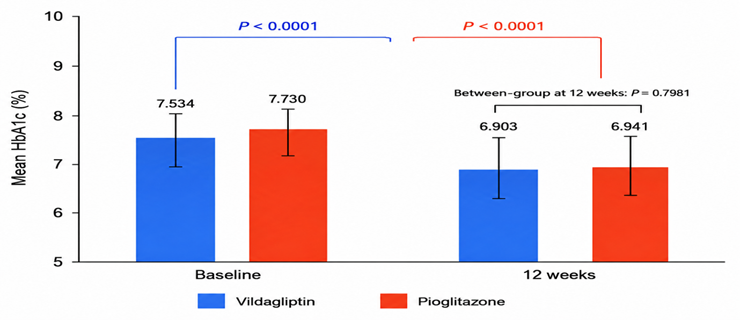
Figure 1. Change in mean HbA1c from baseline to 12 weeks in patients receiving vildagliptin or pioglitazone as add-on therapy
Figure 1.HbA1c decreased significantly within both groups from baseline to week 12 (P<0.0001 for each group), with no significant difference in week-12 HbA1c between treatment groups (P=0.7981).
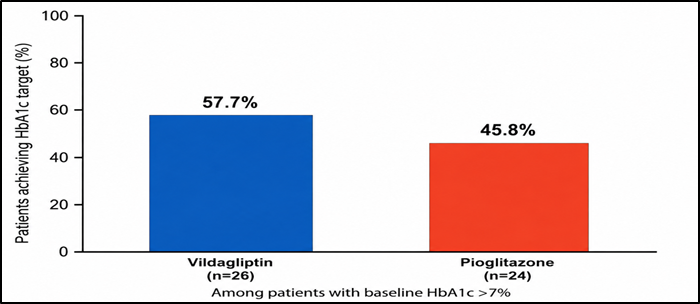
Figure 2. Proportion of patients achieving an HbA1c target of <7% at 12 weeks
Figure 2. Among patients with baseline HbA1c >7%, 57.7% of those receiving vildagliptin and 45.8% receiving pioglitazone achieved HbA1c <7% at 12 weeks.
DISCUSSION:
The present prospective observational study compared vildagliptin and pioglitazone as third-agent add-on therapies in patients with type 2 diabetes mellitus who remained inadequately controlled with metformin and glimepiride. The principal finding was that both agents produced significant improvement in glycaemic control over 12 weeks, without a statistically significant difference in final HbA1c, fasting plasma glucose (FPG), or postprandial plasma glucose (PPG) between the two treatment groups. However, important differences emerged in their effects on body mass index and selected safety parameters. Vildagliptin was essentially weight neutral, whereas pioglitazone was associated with a significant increase in BMI. Overall tolerability was acceptable in both groups, with no severe adverse drug reactions recorded.
The baseline characteristics of the two groups were broadly comparable. Mean age was approximately 49 years in the vildagliptin group and 51 years in the pioglitazone group, and most participants were aged between 40 and 59 years. Baseline HbA1c, FPG, PPG, and BMI also did not differ significantly between groups. This baseline comparability is important because it reduces, although does not eliminate, the possibility that observed treatment differences were attributable to major initial imbalances. Nevertheless, because treatment allocation was observational and not randomized, residual confounding cannot be excluded.
A significant reduction in HbA1c was observed in both groups. In patients receiving vildagliptin, HbA1c decreased from 7.534% to 6.903%, whereas in those receiving pioglitazone it decreased from 7.730% to 6.941%. Both within-group changes were highly significant, while the difference between treatment groups at 12 weeks was not significant. These observations are consistent with the study by Kaur et al. [11], who directly compared vildagliptin and pioglitazone as third-line therapy in patients inadequately controlled on metformin plus a sulfonylurea. That study also demonstrated significant HbA1c reduction with both treatments without a significant difference in overall glycaemic efficacy between the two groups.
Comparable findings have also been reported in controlled trials in somewhat different therapeutic settings. Bolli et al. [12] compared vildagliptin with pioglitazone as add-on treatment to metformin and found reductions of approximately 0.9% and 1.0% in HbA1c, respectively, establishing non-inferiority of vildagliptin to pioglitazone. Although that investigation involved metformin monotherapy rather than metformin plus glimepiride and used a higher pioglitazone dose, its results support the present finding that both drug classes can provide clinically meaningful additional glucose lowering.
The present study also demonstrated progressive reductions in both FPG and PPG. FPG in the vildagliptin group decreased from 132.3 mg/dL at baseline to 108.0 mg/dL at 12 weeks, while the corresponding reduction in the pioglitazone group was from 132.7 to 99.85 mg/dL. Similarly, PPG decreased from 228.9 to 158.3 mg/dL with vildagliptin and from 218.1 to 156.7 mg/dL with pioglitazone. Despite significant within-group improvements, there were no statistically significant between-group differences at either week 4 or week 12. This broadly agrees with Kaur et al. [11], although differences in treatment duration, baseline glycaemic status, study population, background sulfonylurea therapy, and drug doses may explain variation in the magnitude of glucose reduction among studies.
Among patients whose baseline HbA1c exceeded 7%, 57.7% of those treated with vildagliptin and 45.8% receiving pioglitazone attained an HbA1c level below 7% at week 12. Thus, numerically more patients reached the glycaemic target with vildagliptin. However, based on the reported counts of 15/26 and 11/24, respectively, this difference is not statistically significant when recalculated using the Pearson chi-square test (P≈0.402). Accordingly, the finding should be interpreted as a numerical rather than a confirmed superiority of vildagliptin. The original thesis value of P<0.001 for this comparison is inconsistent with the reported cell counts and should not be carried forward into the final manuscript without verification against the original dataset.
One of the clearest differences between the two therapies was observed for body weight. BMI remained essentially unchanged in the vildagliptin group, whereas a significant increase occurred in the pioglitazone group over 12 weeks. This observation is consistent with the randomized study by Bolli et al. [12], in which pioglitazone produced significant weight gain while vildagliptin was essentially weight neutral. Similarly, Liu et al. [13], evaluating third-agent therapy in patients already receiving metformin and a sulfonylurea, reported greater weight gain with pioglitazone compared with a DPP-4 inhibitor. The difference is pharmacologically plausible because pioglitazone improves insulin sensitivity through PPAR-γ activation but can promote adipogenesis and fluid retention, whereas DPP-4 inhibitors generally have little direct effect on body weight.
The weight-related finding has practical clinical relevance when selecting a third oral agent, particularly in patients in whom additional weight gain is undesirable. Longer-term observational data further demonstrate that weight gain and peripheral oedema are important adverse effects of pioglitazone. Grossman et al. [14], in a 2-year observational surveillance study, found significantly greater weight gain and peripheral oedema among pioglitazone-treated patients than among comparator-treated patients. In the present study, pedal oedema occurred in one patient receiving pioglitazone, while none was documented in the vildagliptin group. The relatively low frequency in the current cohort may reflect the lower pioglitazone dose of 15 mg/day, the relatively short 12-week follow-up, the small sample size, and exclusion of patients with important cardiovascular comorbidities.
No significant alterations in heart rate, systolic blood pressure, or diastolic blood pressure occurred with either treatment, and all participants had normal ECG findings at baseline and 12 weeks. Although these findings are reassuring, they should not be interpreted as evidence of long-term cardiovascular safety because of the limited follow-up and exclusion of patients with heart disease. Fluid retention associated with thiazolidinediones is a well-recognized concern, and a meta-analysis by Lago et al. [15] demonstrated an increased risk of congestive heart failure with thiazolidinedione therapy despite no corresponding increase in cardiovascular mortality. Consequently, the absence of cardiovascular complications during 12 weeks in this relatively selected population does not eliminate the need for appropriate patient selection and longer-term monitoring with pioglitazone.
Regarding renal safety, serum urea did not change significantly within either group. Serum creatinine increased slightly but statistically significantly in both treatment groups, from 0.8247 to 0.8544 mg/dL with vildagliptin and from 0.7907 to 0.8078 mg/dL with pioglitazone. At 12 weeks, both serum urea and creatinine differed significantly between groups. The absolute changes were small, and the study did not report estimated glomerular filtration rate, urinary albumin excretion, or clinically defined renal adverse events. Therefore, these findings cannot establish drug-induced renal dysfunction. In particular, pooled clinical-trial analyses of vildagliptin have not demonstrated a major renal safety signal relative to comparator therapies [16]. The renal findings in the present study should therefore be interpreted cautiously and would require confirmation in a larger population using contemporary renal outcomes such as estimated glomerular filtration rate and albuminuria.
Small but statistically significant increases in ALT, AST, lipase, and amylase were also observed within both groups. At week 12, only ALT differed significantly between treatments, with a higher mean level in patients receiving vildagliptin, whereas AST, lipase, and amylase did not differ significantly between groups. Importantly, statistical significance of enzyme changes should not automatically be interpreted as clinically meaningful hepatic or pancreatic injury. The thesis does not provide upper limits of normal, multiples of the upper limit of normal, bilirubin values, symptoms of pancreatitis, or formal adjudication of hepatic injury. A large pooled analysis by Ligueros-Saylan et al. [16], comprising 38 phase II and III studies, found no significant increase with vildagliptin in clinically relevant hepatic enzyme abnormalities, hepatic adverse events, or pancreatitis compared with other treatments. Thus, the modest enzyme elevations observed here should be presented descriptively and interpreted with caution rather than labelled as hepatotoxicity or pancreatic toxicity.
Treatment-emergent adverse reactions were reported by 5 of 32 patients receiving vildagliptin and 6 of 27 receiving pioglitazone. Hypoglycaemia and nausea/vomiting occurred in both groups; headache occurred only with vildagliptin, while pedal oedema was recorded only with pioglitazone. All adverse reactions were classified as mild or moderate, and no severe reactions occurred. The relatively favourable overall tolerability of vildagliptin is consistent with pooled analyses showing similar rates of overall and serious adverse events compared with other glucose-lowering therapies [17].
The occurrence of hypoglycaemia in both groups deserves particular consideration because all participants continued glimepiride. Although DPP-4 inhibitors have a low intrinsic hypoglycaemic potential, their combination with a sulfonylurea can increase hypoglycaemia risk. Salvo et al. [18], in a systematic review and meta-analysis involving more than 6500 patients, reported that addition of a DPP-4 inhibitor to sulfonylurea treatment increased the relative risk of hypoglycaemia by approximately 50%. Therefore, the hypoglycaemic events observed with vildagliptin in the present study may reflect interaction with the background insulin-secretagogue effect of glimepiride rather than the intrinsic action of vildagliptin alone.
The study has several strengths. It prospectively evaluated two commonly used oral third-agent strategies under routine clinical conditions, maintained the same background regimen of metformin and glimepiride, and assessed serial glycaemic parameters together with anthropometric, cardiovascular, renal, hepatic, pancreatic, and adverse-event outcomes. Nevertheless, several limitations should be considered. The study was single-centre, non-randomized, and unblinded, with only 59 patients included in the final analysis. Ten of 69 enrolled participants were lost to follow-up, corresponding to an attrition rate of approximately 14.5%. Treatment allocation reflected routine prescribing rather than random assignment, introducing the possibility of confounding by indication. The 12-week duration was also relatively short, particularly for assessment of sustained glycaemic durability and uncommon adverse events. Longer studies have demonstrated that differences in efficacy, weight, and tolerability can become more evident with continued exposure [19].
Furthermore, adverse events were largely based on patient reporting, which may underestimate minor or asymptomatic events. The study excluded patients with several common comorbidities, limiting generalizability to the broader contemporary T2DM population. No multivariable adjustment, propensity-score analysis, or sensitivity analysis was undertaken to address confounding inherent to the observational design. The absence of eGFR, albuminuria, bilirubin, defined liver-enzyme thresholds, and formal pancreatitis assessment also limits interpretation of laboratory safety outcomes.
Overall, the present findings indicate that vildagliptin and pioglitazone provided comparable short-term glycaemic improvement when used as third-agent add-on therapy to metformin and glimepiride. Both significantly reduced HbA1c, FPG, and PPG, without convincing evidence of superiority of either agent for the principal glycaemic outcomes. The most clinically apparent difference was the significant increase in BMI with pioglitazone compared with relative weight neutrality with vildagliptin. Short-term safety was generally acceptable with both agents, although the study was not sufficiently large or long to establish comparative long-term safety. These findings support individualized third-agent selection based not only on glucose-lowering efficacy but also on body-weight effects, hypoglycaemia risk, fluid retention, comorbidities, and patient-specific treatment priorities.
CONCLUSION:
In this prospective observational study, both vildagliptin and pioglitazone were effective as third-agent add-on therapies in patients with type 2 diabetes mellitus inadequately controlled with metformin and glimepiride. Both treatment groups demonstrated significant reductions in HbA1c, fasting plasma glucose, and postprandial plasma glucose over 12 weeks, with no significant between-group difference in overall glycaemic control.
REFERENCES:
1. Magliano DJ, Boyko EJ; IDF Diabetes Atlas 11th Edition Scientific Committee. IDF Diabetes Atlas. 11th ed. Brussels: International Diabetes Federation; 2025.
2. Turner RC, Cull CA, Frighi V, Holman RR; UK Prospective Diabetes Study Group. Glycemic control with diet, sulfonylurea, metformin, or insulin in patients with type 2 diabetes mellitus: progressive requirement for multiple therapies (UKPDS 49). JAMA. 1999;281(21):2005-12. doi:10.1001/jama.281.21.2005.
3. American Diabetes Association Professional Practice Committee for Diabetes. 9. Pharmacologic approaches to glycemic treatment: Standards of Care in Diabetes—2026. Diabetes Care. 2026;49(Suppl 1). doi:10.2337/dc26-S009.
4. Gross JL, Kramer CK, Leitão CB, Hawkins N, Viana LV, Schaan BD, et al. Effect of antihyperglycemic agents added to metformin and a sulfonylurea on glycemic control and weight gain in type 2 diabetes: a network meta-analysis. Ann Intern Med. 2011;154(10):672-9. doi:10.7326/0003-4819-154-10-201105170-00007.
5. Ahrén B, Schweizer A, Dejager S, Villhauer EB, Dunning BE, Foley JE. Mechanisms of action of the dipeptidyl peptidase-4 inhibitor vildagliptin in humans. Diabetes Obes Metab. 2011;13(9):775-83. doi:10.1111/j.1463-1326.2011.01414.x.
6. Smith U. Pioglitazone: mechanism of action. Int J Clin Pract Suppl. 2001;(121):13-8.
7. Shah P, Mudaliar S. Pioglitazone: side effect and safety profile. Expert Opin Drug Saf. 2010;9(2):347-54. doi:10.1517/14740331003623218.
8. Lukashevich V, Del Prato S, Araga M, Kothny W. Efficacy and safety of vildagliptin in patients with type 2 diabetes mellitus inadequately controlled with dual combination of metformin and sulphonylurea. Diabetes Obes Metab. 2014;16(5):403-9. doi:10.1111/dom.12229.
9. Hong AR, Lee J, Ku EJ, Hwangbo Y, Kim KM, Moon JH, et al. Comparison of vildagliptin as an add-on therapy and sulfonylurea dose-increasing therapy in patients with inadequately controlled type 2 diabetes using metformin and sulfonylurea (VISUAL study): a randomized trial. Diabetes Res Clin Pract. 2015;109(1):141-8. doi:10.1016/j.diabres.2015.04.019.
10. Kim JH, Kim SS, Baek HS, Lee IK, Chung DJ, Sohn HS, et al. Comparison of vildagliptin and pioglitazone in Korean patients with type 2 diabetes inadequately controlled with metformin. Diabetes Metab J. 2016;40(3):230-9. doi:10.4093/dmj.2016.40.3.230.
11. Kaur K, Kaur R, Mittal N, Arora S, Kaushal S. Comparison of efficacy of add-on therapy of vildagliptin versus pioglitazone among type 2 diabetes mellitus patients inadequately controlled on dual therapy of metformin plus sulfonylurea. Asian J Med Sci. 2014;5(3):77-81. doi:10.3126/ajms.v5i3.9482.
12. Bolli G, Dotta F, Rochotte E, Cohen SE. Efficacy and tolerability of vildagliptin vs. pioglitazone when added to metformin: a 24-week, randomized, double-blind study. Diabetes Obes Metab. 2008;10(1):82-90. doi:10.1111/j.1463-1326.2007.00820.x.
13. Liu SC, Chien KL, Wang CH, Chen WC, Leung CH. Efficacy and safety of adding pioglitazone or sitagliptin to patients with type 2 diabetes insufficiently controlled with metformin and a sulfonylurea. Endocr Pract. 2013;19(6):980-8. doi:10.4158/EP13148.OR.
14. Grossman LD, Parlan G, Bailey AL, Yee G, Yu M, Chan JYC. Tolerability outcomes of a multicenter, observational, open-label, drug-surveillance study in patients with type 2 diabetes mellitus treated with pioglitazone for 2 years. Clin Ther. 2009;31(1):74-88. doi:10.1016/j.clinthera.2009.01.004.
15. Lago RM, Singh PP, Nesto RW. Congestive heart failure and cardiovascular death in patients with prediabetes and type 2 diabetes given thiazolidinediones: a meta-analysis of randomized clinical trials. Lancet. 2007;370(9593):1129-36. doi:10.1016/S0140-6736(07)61514-1.
16. Ligueros-Saylan M, Foley JE, Schweizer A, Couturier A, Kothny W. An assessment of adverse effects of vildagliptin versus comparators on the liver, the pancreas, the immune system, the skin and in patients with impaired renal function from a large pooled database of phase II and III clinical trials. Diabetes Obes Metab. 2010;12(6):495-509. doi:10.1111/j.1463-1326.2010.01214.x.
17. Schweizer A, Dejager S, Foley JE, Kothny W. Assessing the general safety and tolerability of vildagliptin: value of pooled analyses from a large safety database versus evaluation of individual studies. Vasc Health Risk Manag. 2011;7:49-57. doi:10.2147/VHRM.S16925.
18. Salvo F, Moore N, Arnaud M, Robinson P, Raschi E, De Ponti F, et al. Addition of dipeptidyl peptidase-4 inhibitors to sulphonylureas and risk of hypoglycaemia: systematic review and meta-analysis. BMJ. 2016;353:i2231. doi:10.1136/bmj.i2231.
19. Bolli G, Dotta F, Colin L, Minic B, Goodman M. Comparison of vildagliptin and pioglitazone in patients with type 2 diabetes inadequately controlled with metformin. Diabetes Obes Metab. 2009;11(6):589-95. doi:10.1111/j.1463-1326.2008.01023.x.