Direct Antimicrobial Susceptibility Testing of Microscopically Screened Urine Samples Collected from Clinically Diagnosed Cases of Urinary Tract Infection.
- Aysha Munna C , Specialist, Microbiology, Department of Microbiology, MVR Cancer Centre and Research Institute (MVR CCRI), Kozhikode, Kerala
- Udayasri B , Associate Professor, Department of Microbiology, Government Medical College, Yadadri, Telangana
- Bhogadi Sujatha , Assistant Professor, Department of Microbiology, Government Medical College, Yadadri, Telangana
- J.K. Surekha , Professor & Head, Department of Microbiology, Government Medical College, Siddipet, Telangana
Article Information:
Abstract:
Background: Urinary tract infections (UTIs) are among the most common bacterial infections requiring microbiological diagnosis and appropriate antimicrobial therapy. Increasing antimicrobial resistance among uropathogens necessitates rapid and reliable antimicrobial susceptibility testing (AST) methods. Direct antimicrobial susceptibility testing (DST) from urine samples may reduce turnaround time and facilitate early targeted therapy. Aim: The present study aimed to evaluate direct antimicrobial susceptibility testing of microscopically screened urine samples collected from clinically diagnosed cases of urinary tract infection and compare the results with conventional antimicrobial susceptibility testing. Materials and Methods: A prospective observational study was conducted on 400 urine samples obtained from clinically suspected UTI cases. Samples were screened by macroscopic examination, microscopy, Gram staining, leukocyte esterase, pH assessment, and nitrite testing. Screening-positive samples underwent direct antimicrobial susceptibility testing using the disc diffusion method on Mueller–Hinton agar. Conventional urine culture and AST were performed using standard microbiological methods, and results were compared for agreement and error analysis. Results: Significant bacterial growth (>10⁴ CFU/mL) was observed in 371 (92.75%) samples. A total of 352 bacterial isolates were recovered, with Gram-negative organisms predominating (336; 95.4%). Escherichia coli was the most common isolate (248; 70.4%), followed by Klebsiella pneumoniae (56; 15.9%). Among Gram-negative isolates, meropenem showed complete susceptibility (100%) by both DST and conventional AST, while ceftriaxone showed the highest resistance pattern. Out of 2464 antimicrobial comparisons, 2435 (98.8%) showed agreement between DST and conventional AST, with very major errors of 0.64%, major errors of 0.52%, and no minor errors. Conclusion: Direct antimicrobial susceptibility testing of microscopically screened urine samples demonstrated excellent concordance with conventional AST and provided reliable susceptibility results. DST may serve as a rapid and effective diagnostic approach for early antimicrobial selection and improved management of urinary tract infections.
Keywords:
Article :
INTRODUCTION:
Urinary tract infection (UTI) is among the most common bacterial infections encountered in clinical practice and affects individuals across all age groups. It represents a significant healthcare burden worldwide, with approximately 150 million cases reported annually. UTIs occur more frequently in females due to anatomical factors, and nearly 50% of women experience at least one episode during their lifetime.[1] Although commonly caused by bacteria, fungal and parasitic infections may also occur. Among bacterial pathogens, Gram-negative organisms predominate, with Escherichia coli being the most frequently isolated pathogen, followed by Klebsiella pneumoniae, Proteus species, Citrobacter species, and Pseudomonas aeruginosa. Gram-positive organisms such as Enterococcus faecalis, Staphylococcus aureus, and Staphylococcus saprophyticus are also associated with urinary infections.[2]Accurate identification of urinary pathogens and determination of their antimicrobial susceptibility patterns are essential for effective management of UTIs.[3,4] The increasing prevalence of antimicrobial resistance (AMR) among urinary pathogens has made empirical antibiotic therapy challenging and emphasizes the need for rapid, reliable, and clinically applicable antimicrobial susceptibility testing (AST) methods. Conventional urine culture followed by AST remains the reference standard; however, it requires prolonged incubation and reporting time, which may delay initiation of appropriate antimicrobial therapy.[5] Therefore, development of rapid diagnostic approaches capable of providing early susceptibility information has become a major focus in microbiology.
Direct antimicrobial susceptibility testing (DST) from urine specimens is a promising approach that eliminates the requirement for prior isolation of bacterial colonies and enables earlier reporting of susceptibility patterns.[6-9] Direct disc diffusion methods performed on urine samples can reduce turnaround time and may provide clinically useful results within approximately 24 hours. DST has shown particular reliability in samples demonstrating monomicrobial Gram-negative bacterial growth.
Microscopic screening of urine samples provides an effective preliminary step for identifying specimens likely to contain significant bacteriuria. Parameters such as turbidity, wet mount examination, Gram staining, leukocyte esterase detection, urine pH, and nitrite testing can assist in selecting appropriate samples for direct susceptibility testing. This approach may improve laboratory efficiency by reducing unnecessary processing of negative specimens and facilitating faster initiation of targeted antimicrobial therapy.[10,11]
The accuracy of DST must be evaluated against conventional AST to establish its clinical reliability. Assessment of agreement between both methods and analysis of discrepancies, including very major errors, major errors, and minor errors, are essential for determining the applicability of DST in routine microbiology practice.[12] Previous studies have demonstrated high concordance between direct and standard susceptibility testing methods, supporting its potential role in antimicrobial stewardship.
Rapid direct-from-urine AST methods have gained increasing attention due to their ability to provide same-day susceptibility results, particularly in the era of rising antimicrobial resistance.[13] However, factors such as sample preservation methods, bacterial concentration, and interfering substances may influence the performance of direct testing platforms. Hence, evaluation of simple, reliable, and cost-effective DST approaches remains important for routine diagnostic laboratories.
Therefore, the present study was undertaken to evaluate direct antimicrobial susceptibility testing of microscopically screened urine samples collected from clinically diagnosed cases of urinary tract infection and to compare DST findings with conventional antimicrobial susceptibility testing. The study aims to determine the reliability of DST as a rapid diagnostic tool that can support early antimicrobial selection, reduce turnaround time, and improve management of patients with UTIs.
MATERIALS AND METHODS:
The present study was conducted as a prospective observational study to evaluate the reliability of direct antimicrobial susceptibility testing (DST) performed on microscopically screened urine samples collected from clinically diagnosed cases of urinary tract infection (UTI). The study was conducted over a period of 4 months(October 2023- Januaury 2024) in the Department of Microbiology, Niloufer Hospital, Hyderabad.
Study Population
All patients who were clinically suspected of having urinary tract infection during the study period were included in the study. Patients of all age groups and both sexes were evaluated.
Inclusion Criteria
The study included:
· All clinically suspected cases of urinary tract infection.
· Patients of all age groups irrespective of gender.
· Patients who were willing to provide informed consent.
Exclusion Criteria
Patients who were unwilling to provide consent were excluded from the study.
Sample Collection and Processing
Collection of Urine Samples
Urine samples collected from clinically diagnosed UTI patients were processed in the microbiology laboratory using standard microbiological procedures. Samples were subjected to microscopic screening followed by direct antimicrobial susceptibility testing and conventional culture-based antimicrobial susceptibility testing.
Microscopic Screening of Urine Samples
All collected urine samples were initially screened for evidence of infection.
Macroscopic Examination
Samples were examined for turbidity, which suggested the possibility of significant bacteriuria.
Microscopic Examination
Microscopic evaluation of urine samples was performed using wet mount examination and Gram staining to detect the presence of microorganisms and inflammatory cells.
Urine Biochemical Screening
Urine samples were further analysed using reagent strips. The urine pH was recorded, and leukocyte esterase (LE) testing was performed to detect the presence of urinary white blood cells. Samples showing significant changes in pH and positive leukocyte esterase were considered suggestive of infection.
Nitrite Test
The nitrite test was performed using the dip-stick method. Samples showing positive screening results were selected for further direct susceptibility testing. The nitrite test was considered useful due to its high specificity for detection of bacteria in urine samples.
Direct Antimicrobial Susceptibility Testing (DST)
Screening-positive urine samples were subjected to direct antimicrobial susceptibility testing. A sterile cotton swab was dipped into a well-mixed urine specimen, and lawn culture was performed directly on Mueller–Hinton agar (MHA). Antimicrobial discs were placed on the agar surface, and plates were incubated at 37°C for 24 hours. The antimicrobial susceptibility pattern was interpreted according to Clinical and Laboratory Standards Institute (CLSI) guidelines.
Conventional Urine Culture and Antimicrobial Susceptibility Testing
Culture Processing
All urine samples were inoculated onto MacConkey agar and blood agar using a calibrated loop. The inoculated plates were incubated at 37°C for 24 hours.
Identification of Bacterial Isolates
Samples showing bacterial growth were identified based on colony characteristics and biochemical identification tests following standard microbiological methods.
Antimicrobial Susceptibility Testing
Antimicrobial susceptibility testing was performed using the Kirby–Bauer disc diffusion method according to CLSI guidelines.
Comparison Between DST and Conventional AST
The results obtained by direct antimicrobial susceptibility testing were compared with standard antimicrobial susceptibility testing. The error rates between both methods were calculated based on the proportion of discordant results.
The following error categories were assessed:
· Very Major Error (VME): A susceptible result obtained by DST but reported as resistant by conventional AST.
· Major Error (ME): A resistant result obtained by DST but reported as susceptible by conventional AST.
· Minor Error: Discrepancy involving intermediate susceptibility interpretation by one method and susceptible or resistant interpretation by the other method.
· Agreement: Results were considered concordant when both DST and conventional AST showed identical susceptibility interpretations.
Statistical Analysis
The antimicrobial susceptibility results obtained by DST and conventional AST were compared, and the percentage agreement and error rates between the two methods were calculated. The diagnostic reliability of DST was assessed based on concordance with standard AST results.
RESULTS:
A total of 400 urine samples collected from clinically suspected cases of urinary tract infection were processed. Primary urine culture showed significant growth (>10⁴ CFU/mL) in 371 (92.75%) samples, whereas 29 (7.25%) samples showed no bacterial growth (Table 1; Figure 1).
Among the culture-positive samples, a total of 352 bacterial isolates were recovered. Gram-negative bacteria constituted the majority of isolates (336; 95.4%), while Gram-positive bacteria accounted for 16 (4.6%) isolates (Table 2).
The distribution of bacterial pathogens isolated from urine cultures is shown in Table 3 and Figure 2. Escherichia coli was the predominant organism isolated, accounting for 248 (70.4%) isolates, followed by Klebsiella pneumoniae (56; 15.9%), Proteus mirabilis (24; 6.8%), Enterococcus faecalis (16; 4.5%), and Pseudomonas aeruginosa (8; 2.2%).
The antimicrobial susceptibility pattern of Gram-negative bacterial isolates assessed by direct antimicrobial susceptibility testing (DST) and conventional antimicrobial susceptibility testing (AST) is presented in Table 4. Meropenem demonstrated complete susceptibility (100%) by both direct and conventional methods. Nitrofurantoin showed high susceptibility by DST (93.7%) and conventional AST (90.7%). In contrast, ceftriaxone showed the highest resistance pattern, with resistance observed in 78.9% of isolates by DST and 80.0% by conventional AST.
The comparison of antimicrobial susceptibility patterns among Gram-positive isolates by direct AST and conventional AST is depicted in Table 5. Complete agreement was observed between both methods for all tested antimicrobial agents. All Gram-positive isolates were susceptible to linezolid, vancomycin, clindamycin, teicoplanin, high-level gentamicin, and doxycycline, whereas complete resistance was observed against ampicillin.
The agreement analysis between direct AST and conventional AST is summarized in Table 6 and Figure 3. Out of 2464 antimicrobial comparisons, 2435 (98.8%) showed agreement between both methods. Very major errors were observed in 16 (0.64%) comparisons, major errors in 13 (0.52%) comparisons, while no minor errors were detected. These findings demonstrated a high level of concordance between direct antimicrobial susceptibility testing and conventional AST.
Table 1: Distribution of Urine Samples According to Culture Positivity
|
Culture result |
Number of urine samples (n=400) |
Percentage (%) |
|
Positive culture (>10⁴ CFU/mL) |
371 |
92.75 |
|
Negative culture |
29 |
7.25 |
|
Total |
400 |
100 |
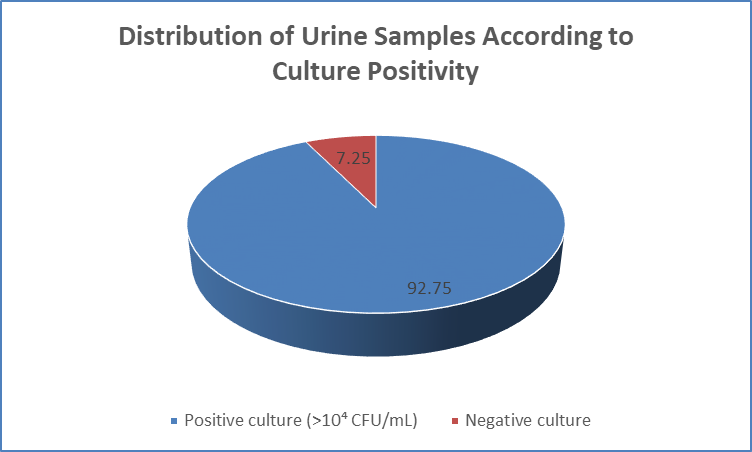
Figure 1 Distribution of Urine Samples According to Culture Positivity
Table 2: Distribution of Microbial Isolates Obtained from Positive Urine Cultures
|
Type of isolate |
Number of isolates (n=352) |
Percentage (%) |
|
Gram-negative bacteria |
336 |
95.4 |
|
Gram-positive bacteria |
16 |
4.6 |
|
Total bacterial isolates |
352 |
100 |
Table 3: Distribution of Bacterial Isolates from Urine Cultures
|
Bacterial isolate |
Number of isolates |
Percentage (%) |
|
Escherichia coli |
248 |
70.4 |
|
Klebsiella pneumoniae |
56 |
15.9 |
|
Proteus mirabilis |
24 |
6.8 |
|
Enterococcus faecalis |
16 |
4.5 |
|
Pseudomonas aeruginosa |
8 |
2.2 |
|
Total |
352 |
100 |
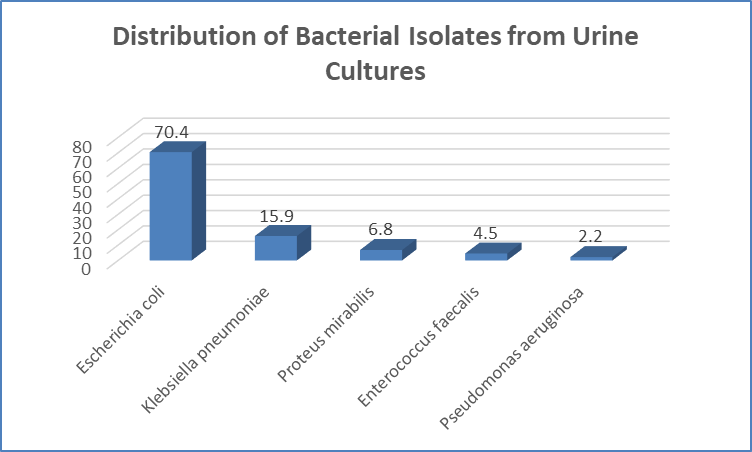
Figure 2 Distribution of Bacterial Isolates from Urine Cultures
Table 4: Comparison of Antimicrobial Susceptibility Pattern of Gram-Negative Isolates by Direct AST and Conventional AST
|
Antimicrobial agent |
Direct AST Susceptible (%) |
Direct AST Resistant (%) |
Conventional AST Susceptible (%) |
Conventional AST Resistant (%) |
|
Meropenem |
100.0 |
0.0 |
100.0 |
0.0 |
|
Nitrofurantoin |
93.7 |
6.3 |
90.7 |
9.3 |
|
Amikacin |
69.9 |
30.1 |
69.9 |
30.1 |
|
Ciprofloxacin |
64.8 |
35.2 |
64.8 |
35.2 |
|
Trimethoprim–sulfamethoxazole |
36.6 |
63.4 |
36.3 |
63.7 |
|
Amoxicillin–clavulanic acid |
33.9 |
66.1 |
28.0 |
72.0 |
|
Ceftriaxone |
21.1 |
78.9 |
20.0 |
80.0 |
Table 5: Comparison of Antimicrobial Susceptibility Pattern of Gram-Positive Isolates by Direct AST and Conventional AST
|
Antimicrobial agent |
Direct AST Susceptible (%) |
Direct AST Resistant (%) |
Conventional AST “Susceptible (%) |
Conventional AST Resistant (%) |
|
Linezolid |
100 |
0 |
100 |
0 |
|
Vancomycin |
100 |
0 |
100 |
0 |
|
Clindamycin |
100 |
0 |
100 |
0 |
|
Teicoplanin |
100 |
0 |
100 |
0 |
|
High-level gentamicin |
100 |
0 |
100 |
0 |
|
Doxycycline |
100 |
0 |
100 |
0 |
|
Ampicillin |
0 |
100 |
0 |
100 |
Table 6: Agreement and Error Analysis Between Direct AST and Conventional AST
|
Parameter |
Number |
Percentage (%) |
|
Total antimicrobial comparisons performed |
2464 |
100 |
|
Agreement (No error) |
2435 |
98.8 |
|
Very major errors |
16 |
0.64 |
|
Major errors |
13 |
0.52 |
|
Minor errors |
0 |
0 |
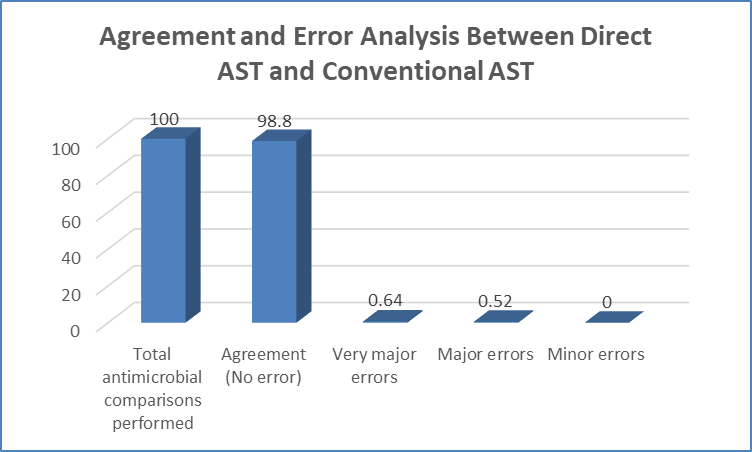
Figure 3 Agreement and Error Analysis Between Direct AST and Conventional AST
DISCUSSION:
Urinary tract infections (UTIs) are among the most common bacterial infections requiring microbiological confirmation and appropriate antimicrobial therapy. Increasing antimicrobial resistance among uropathogens has emphasized the need for rapid antimicrobial susceptibility testing (AST) methods to guide early and effective antibiotic selection. The present study evaluated direct antimicrobial susceptibility testing (DST) of microscopically screened urine samples from clinically diagnosed UTI cases and compared the results with conventional AST.
In the present study, 400 urine samples were processed, of which 371 (92.75%) showed significant bacterial growth (>10⁴ CFU/mL), while 29 (7.25%) showed no growth (Table 1; Figure 1). The high culture positivity may be attributed to the inclusion of clinically suspected UTI cases and prior microscopic screening, which improves the selection of suitable samples for direct testing.
Mohammad et al. (2018)[14] evaluated direct disk testing compared with conventional AST among 373 urine samples and reported significant growth in 206 (55.23%) samples. They observed 97.1% agreement between direct and conventional AST, supporting the reliability of DST in appropriately selected urine specimens. The higher positivity rate in the present study may be related to microscopic screening before DST.
Among the 352 bacterial isolates recovered in the present study, 336 (95.4%) were Gram-negative bacteria and 16 (4.6%) were Gram-positive bacteria (Table 2). Escherichia coli was the predominant organism (248; 70.4%), followed by Klebsiella pneumoniae (56; 15.9%), Proteus mirabilis (24; 6.8%), Enterococcus faecalis (16; 4.5%), and Pseudomonas aeruginosa (8; 2.2%) (Table 3; Figure 2). Similar predominance of E. coli was reported by Mohammad et al.[14], where it accounted for 51.87% of urinary isolates.
The comparison of DST with conventional AST among Gram-negative isolates showed comparable susceptibility patterns (Table 4). Meropenem demonstrated 100% susceptibility by both methods, while nitrofurantoin showed high activity (93.7% by DST and 90.7% by conventional AST). Ceftriaxone showed high resistance rates (78.9% by DST and 80% by conventional AST). These findings are consistent with previous reports indicating preserved activity of carbapenems and nitrofurantoin with increasing resistance to commonly used cephalosporins.[14]
Among Gram-positive isolates, complete agreement between DST and conventional AST was observed (Table 5). All isolates were susceptible to linezolid, vancomycin, clindamycin, teicoplanin, high-level gentamicin, and doxycycline, whereas all showed resistance to ampicillin. Although the number of Gram-positive isolates was limited, DST demonstrated reliable performance in these organisms.
The key finding of the present study was the excellent concordance between DST and conventional AST. Out of 2464 antimicrobial comparisons, 2435 (98.8%) showed agreement, with 16 (0.64%) very major errors and 13 (0.52%) major errors, with no minor errors (Table 6; Figure 3).
Similar findings have been reported previously. Johnson et al. (1995)[15] analysed 2983 antimicrobial comparisons and observed 95.5% agreement, with low rates of very major and major errors. They concluded that DST was rapid and accurate, particularly in samples with significant bacterial concentration and monomicrobial growth. Breteler et al. (2011)[16] reported 96% agreement between direct and conventional AST and suggested that DST could facilitate earlier antimicrobial decision-making.
Recent rapid AST approaches have further supported direct testing. Wang et al. (2025)[17] evaluated rapid microcapillary direct AST and reported 96.95% concordance with reference AST, with results available within approximately 5.85 hours. Duplicate testing showed 98.75% agreement, demonstrating the robustness of direct methods. Modified agar-based direct AST approaches have also shown approximately 97.9% categorical agreement with conventional AST and significantly reduced turnaround time.
However, DST requires careful interpretation in polymicrobial cultures, low bacterial counts, and non-E. coli infections. Johnson et al.[15] reported increased errors in such samples, highlighting the importance of microscopic screening and appropriate specimen selection.
Overall, the present study demonstrated that DST of microscopically screened urine samples achieved excellent agreement (98.8%) with conventional AST, minimal error rates, and reliable detection of resistance patterns. DST may therefore serve as a rapid and effective approach to reduce turnaround time, enable early targeted therapy, and strengthen antimicrobial stewardship in UTI management.
CONCLUSION:
Direct antimicrobial susceptibility testing (DST) of microscopically screened urine samples demonstrated excellent agreement with conventional antimicrobial susceptibility testing (AST), with 98.8% concordance and minimal error rates. DST accurately identified antimicrobial resistance patterns, particularly among predominant Gram-negative uropathogens such as Escherichia coli. The method significantly reduces turnaround time and may facilitate early initiation of appropriate antimicrobial therapy. Therefore, DST can be considered a reliable and valuable approach for rapid management of urinary tract infections and antimicrobial stewardship.
Limitations
The study was conducted in a single centre with a limited study duration, which may restrict the generalizability of the findings. The number of Gram-positive isolates was relatively small, limiting detailed evaluation of DST performance among these organisms. Direct susceptibility testing may also be influenced by factors such as polymicrobial growth, low bacterial counts, and sample-related variations. Further multicentric studies with larger sample sizes are required to validate the routine clinical applicability of DST.
REFERENCES:
1. He Y, Zhao J, Wang L, Han C, Yan R, Zhu P, et al. Epidemiological trends and predictions of urinary tract infections in the Global Burden of Disease Study 2021. Sci Rep. 2025;15:4702.
2. Bertagnolio S, Dobreva Z, Centner CM, Olaru ID, Albrecht R, Nambiar S, et al. WHO global research priorities for antimicrobial resistance in human health. Lancet Microbe. 2024;5:100902.
3. Bermudez T, Schmitz JE, Boswell M, Kline KA, Chua A, Faron ML, et al. Novel technologies for the diagnosis of urinary tract infections. J Clin Microbiol. 2025;63:e0030624.
4. Idelevich EA, Becker K. How to accelerate antimicrobial susceptibility testing. Clin Microbiol Infect. 2019;25:1347-1355.
5. Irvine A, Watt J, Kurth MJ, McNulty CAM, Lasserson D, Butler CC, et al. The importance of diagnostics in the treatment of urinary tract infections in the United Kingdom. Res Rep Urol. 2024;16:327-335.
6. Alonso-Tarres C, Benjumea Moreno C, Navarro F, Pascual A, García-Rodríguez JF, Bou G, et al. Bacteriuria and phenotypic antimicrobial susceptibility testing in 45 min by point-of-care Sysmex PA-100 system: first clinical evaluation. Eur J Clin Microbiol Infect Dis. 2024;43:1533-1543.
7. Elsisi GH, Zaky HS, Polo JM. Budget impact analysis on the use of Sysmex PA-100 AST system as a point of care for uncomplicated urinary tract infections detection and treatment in Spanish females. J Med Econ. 2024;27:1434-1443.
8. Lingervelder D, Koffijberg H, Emery JD, D’Heilly C, Verbakel JY, van Weert H, et al. How to realize the benefits of point-of-care testing at the general practice: a comparison of four high-income countries. Int J Health Policy Manag. 2021;11:2248-2260.
9. Chronic UTI Info. Problems with the urine culture test. Chronic UTI Info; 2024. Available from: https://www.chronicutiinfo.com/testing/urine-culture-test-problems/
10. Booton RD, Agnew E, Pople D, McNulty CAM, Whiting P, Butler CC, et al. Rapid antibiotic susceptibility testing for urinary tract infections in secondary care in England: a cost-effectiveness analysis. BMJ Open. 2024;14:e081865.
11. LaRocco MT, Franek J, Leibach EK, Weissfeld AS, Kraft CS, Sautter RL, et al. Effectiveness of preanalytic practices on contamination and diagnostic accuracy of urine cultures: a laboratory medicine best practices systematic review and meta-analysis. Clin Microbiol Rev. 2016;29:105-147.
12. Meers PD, Chow CK. Bacteriostatic and bactericidal actions of boric acid against bacteria and fungi commonly found in urine. J Clin Pathol. 1990;43:484-487.
13. Lum KT, Meers PD. Boric acid converts urine into an effective bacteriostatic transport medium. J Infect. 1989;18:51-58.
14. Mohammad RN, Omer SA. Direct disk testing versus isolation and antimicrobial susceptibility testing of urine from urinary tract infection. Iran J Microbiol. 2018 Feb;10(1):37-44.
15. Johnson JR, Tiu FS, Stamm WE. Direct antimicrobial susceptibility testing for acute urinary tract infections in women. J Clin Microbiol. 1995;33(9):2316-2323.
16. Breteler KB, Rentenaar RJ, Verkaart G, Sturm PD. Performance and clinical significance of direct antimicrobial susceptibility testing on urine from hospitalized patients. Scand J Infect Dis. 2011 Oct;43(10):771-6.
17. Wang Y, Zhang Y, Liu X. Accuracy of rapid microcapillary direct antibiotic susceptibility testing for urine samples collected with bacteriostatic boric acid from patients with suspected urinary tract infection. JAC Antimicrob Resist. 2026;8(2):dlag035.