Correlation between subjective improvement and objective nasal airway measurements following septoplasty: a prospective study.
- Neha Gupta , MS (ENT), Assistant Professor, Dr. KNS MEMORIAL INSTITUTE OF MEDICAL SCIENCES, Uttar Pradesh, India- MS (ENT)
- Pradeep Kumar Gupta , Assistant Professor, Maharshi Devraha Baba Autonomous State Medical College (MDBASMC), Deoria, Uttar Pradesh, India MS (ENT)
- Neeraj Sainy , Assistant Professor, Prasad Institute of Medical Sciences, Lucknow, Uttar Pradesh, India
Article Information:
Abstract:
Background: Deviated nasal septum (DNS) is a common structural cause of nasal obstruction for which septoplasty is frequently performed. However, the relationship between patient-perceived symptomatic improvement and objectively measured changes in nasal airway function following septoplasty remains variable. This study evaluated subjective and objective outcomes following septoplasty and assessed their correlation. Methods: This prospective study included 90 patients with symptomatic DNS who underwent septoplasty. Subjective nasal obstruction was assessed preoperatively and postoperatively using the Nasal Obstruction Symptom Evaluation (NOSE) scale. Objective assessment included nasal airflow, nasal airway resistance, minimal cross-sectional area (MCA), nasal cavity volume, and peak nasal inspiratory flow (PNIF). Preoperative and postoperative measurements were compared, and correlations between improvement in NOSE scores and objective parameters were evaluated. Results: The mean age was 34.8 ± 10.6 years, and 62.2% were male. The mean total NOSE score decreased significantly from 79.6 ± 12.4 to 26.6 ± 14.1 (p<0.001). Nasal airflow increased from 392.6 ± 96.8 to 568.4 ± 112.7 mL/s, while airway resistance decreased from 0.42 ± 0.14 to 0.25 ± 0.09 Pa/cm³/s (p<0.001). Significant improvements were also observed in MCA, nasal cavity volume, and PNIF (all p<0.001). Improvement in NOSE score correlated significantly with nasal airflow (r=0.58), airway resistance (r=0.55), PNIF (r=0.51), MCA (r=0.47), and nasal cavity volume (r=0.39) (all p<0.001). Overall, 95.6% reported symptomatic improvement. Conclusion: Septoplasty significantly improved both subjective symptoms and objective nasal airway function. The significant correlations between these measures support their combined use for comprehensive postoperative assessment.
Keywords:
Article :
INTRODUCTION:
Nasal obstruction is one of the most common complaints encountered in otorhinolaryngology and can significantly affect nasal breathing, sleep, physical activity, and overall quality of life. Deviated nasal septum (DNS) is an important structural cause of persistent nasal airway obstruction and has been reported to occur in a substantial proportion of the general population [1]. Although many individuals with septal deviation remain asymptomatic, clinically significant deviation may cause persistent nasal blockage, impaired breathing, snoring, sleep disturbance, facial discomfort, and recurrent sinonasal symptoms, thereby adversely affecting daily functioning and quality of life [2].Initial management of nasal obstruction may include intranasal corticosteroids, antihistamines, and decongestants, particularly when associated mucosal inflammation or allergic disease is present[3]. However, medical treatment does not correct the underlying structural abnormality. In patients with symptomatic DNS and persistent nasal obstruction despite appropriate conservative treatment, septoplasty remains the principal surgical intervention[4]. The procedure aims to restore nasal patency by correcting deviated portions of the septal cartilage and/or bone and is one of the most frequently performed procedures in otorhinolaryngological practice [5–7]. Several studies have demonstrated significant improvement in nasal obstruction and health-related quality of life following septoplasty [8,9].Assessment of outcomes following septoplasty, however, remains challenging. Surgical success is commonly evaluated using patient-reported symptoms.[10,11] The Nasal Obstruction Symptom Evaluation (NOSE) scale is a validated and widely used disease-specific instrument that quantifies the patient's perception of nasal obstruction and its impact on daily activities.[12] Although subjective measures provide valuable information regarding the clinical benefit experienced by patients, the perception of nasal airflow is complex and may be influenced by mucosal sensitivity, nasal cycle, turbinate function, environmental factors, and individual expectations. Consequently, subjective improvement following septoplasty may not necessarily correspond to measurable improvement in nasal airway function.[11]Objective assessment provides complementary quantitative information regarding nasal anatomy and airflow. Active anterior rhinomanometry measures nasal airflow and resistance, while acoustic rhinometry assesses anatomical parameters such as minimal cross-sectional area and nasal cavity volume. Other techniques, including peak nasal inspiratory flow, may also provide objective estimates of nasal patency. These measurements allow comparison of nasal airway function before and after surgical correction.[12]
Despite advances in objective assessment, studies investigating the relationship between patient-reported improvement and objective nasal airway measurements following septoplasty have produced inconsistent findings. While some have demonstrated significant correlations, others have reported weak or absent associations between subjective symptoms and objective parameters. Understanding this relationship is clinically relevant for evaluating surgical outcomes, improving patient selection and counselling, and identifying objective parameters that best reflect meaningful symptomatic improvement.Therefore, the present prospective study aims to evaluate subjective and objective changes in nasal airway function following septoplasty and determine the correlation between patient-reported symptomatic improvement and objectively measured nasal airway parameters.
MATERIALS AND METHODS:
This prospective observational study was conducted in the Department of Otorhinolaryngology at a tertiary care hospital. The study included patients with symptomatic deviated nasal septum (DNS) who underwent septoplasty during the study period. Patients were evaluated before surgery and subsequently followed after septoplasty to assess changes in subjective nasal obstruction and objective nasal airway parameters.A total of 90 patients with symptomatic DNS who fulfilled the predefined eligibility criteria were enrolled in the study. Patients were recruited consecutively from the otorhinolaryngology outpatient department after clinical evaluation and confirmation of the diagnosis.
Inclusion Criteria
Patients aged ≥18 years with symptomatic DNS and persistent nasal obstruction who were planned for septoplasty were included. Only patients who provided written informed consent and were willing to undergo preoperative and postoperative subjective and objective nasal airway assessments were enrolled.
Exclusion Criteria
Patients with acute upper respiratory tract infection at the time of assessment, active sinonasal infection, significant nasal polyposis, sinonasal tumors, previous septal or nasal surgery, craniofacial abnormalities, or other major structural nasal abnormalities likely to independently influence nasal airflow were excluded. Patients who were unable to complete the subjective assessment or postoperative follow-up were also excluded.
Preoperative Assessment
A detailed history was obtained from each patient, including the duration and severity of nasal obstruction, laterality of symptoms, associated nasal discharge, sneezing, snoring, facial discomfort, and sleep-related complaints. All patients underwent a complete otorhinolaryngological examination, including anterior rhinoscopy and appropriate nasal examination, to determine the type and severity of septal deviation and identify associated nasal abnormalities.
Assessment of Subjective Nasal Obstruction
Subjective nasal obstruction was assessed using the Nasal Obstruction Symptom Evaluation (NOSE) scale. The questionnaire evaluated five components: nasal congestion or stuffiness, nasal blockage or obstruction, difficulty breathing through the nose, difficulty sleeping, and inability to obtain sufficient air through the nose during exercise or exertion.Each item was scored according to symptom severity, and the total score was calculated according to the standard NOSE scoring method. Higher scores represented greater severity of nasal obstruction. The NOSE score was recorded preoperatively and again during postoperative follow-up. The change in NOSE score was used to quantify subjective improvement following septoplasty.
Objective Assessment of Nasal Airway
Objective nasal airway assessment was performed using the available standardized nasal airway measurement technique. Measurements were obtained under standardized conditions before septoplasty and repeated during postoperative follow-up.Parameters representing nasal airflow, airway resistance, and/or nasal cavity dimensions were recorded as applicable to the technique used. Care was taken to perform preoperative and postoperative measurements using the same methodology and under comparable conditions to minimize measurement variability.
Surgical Procedure
All patients underwent septoplasty using a standard surgical technique under appropriate anaesthesia. After elevation of the mucoperichondrial and/or mucoperiosteal flaps, the deviated portions of septal cartilage and bone responsible for airway obstruction were identified and appropriately corrected while preserving adequate structural support of the nasal septum. Hemostasis was achieved, and the septal mucosal flaps were repositioned. Nasal packing or splints were used when clinically indicated.
All procedures were performed by, or under the supervision of, experienced otorhinolaryngologists following the institutional surgical protocol.
Postoperative Management and Follow-up
Patients received routine postoperative treatment and were followed according to the departmental protocol. During follow-up, patients were evaluated for symptomatic improvement and postoperative complications.At the predefined postoperative assessment, the NOSE questionnaire was administered again, and objective nasal airway measurements were repeated using the same method employed preoperatively. Changes between preoperative and postoperative measurements were calculated for each patient.
Outcome Measures
The primary outcome was the correlation between improvement in subjective nasal obstruction, as assessed by the change in NOSE score, and improvement in objective nasal airway measurements following septoplasty.
Secondary outcomes included changes in NOSE scores and individual objective nasal airway parameters from baseline to postoperative follow-up. Postoperative complications, where present, were also documented.
Statistical Analysis
Data were entered into a computerized database and analyzed using SPSS.26statistical software. Continuous variables were expressed as mean ± standard deviation (SD) for normally distributed data and as median with interquartile range (IQR) for non-normally distributed data. Categorical variables were presented as frequencies and percentages.The normality of continuous variables was assessed using the Shapiro–Wilk test. Preoperative and postoperative continuous measurements were compared using the paired Student's t-test for normally distributed variables or the Wilcoxon signed-rank test for non-normally distributed variables.The relationship between changes in subjective NOSE scores and changes in objective nasal airway parameters was evaluated using Pearson's correlation coefficient for normally distributed variables or Spearman's rank correlation coefficient for non-normally distributed variables. Correlation coefficients were reported along with corresponding p-values. A p-value <0.05 was considered statistically significant.
RESULTS:
A total of 90 patients who underwent septoplasty for symptomatic deviated nasal septum were included in the study. The mean age of the participants was 34.8 ± 10.6 years, with an age range of 18–59 years. Of the 90 patients, 56 (62.2%) were male and 34 (37.8%) were female. The median duration of symptoms was 24 months (IQR: 15–42 months). Right-sided nasal obstruction was reported by 37 (41.1%) patients, left-sided obstruction by 34 (37.8%), and bilateral obstruction by 19 (21.1%). Nasal congestion/blockage was present in all patients, while 82 (91.1%) reported difficulty breathing through the nose. Snoring and sleep disturbance were reported by 51 (56.7%) and 43 (47.8%) patients, respectively, whereas 29 (32.2%) experienced facial pressure or discomfort.
The baseline demographic and clinical characteristics are summarized in Table 1.Regarding the pattern of septal deviation, right-sided deviation was the most common finding, observed in 34 (37.8%) patients, followed by left-sided deviation in 31 (34.4%), S-shaped deviation in 14 (15.6%), and septal spur in 11 (12.2%). Moderate septal deviation was most frequent, occurring in 48 (53.3%) patients, while 29 (32.2%) had severe and 13 (14.4%) had mild deviation. Inferior turbinate hypertrophy was identified in 36 (40.0%) patients. The distribution of septal deviation and associated nasal findings is presented in Table 2 and Figure 1.
A significant improvement in all components of the NOSE score was observed following septoplasty. The mean nasal congestion/stuffiness score decreased from 3.32 ± 0.65 preoperatively to 1.18 ± 0.72 postoperatively, while the nasal blockage/obstruction score decreased from 3.47 ± 0.62 to 1.10 ± 0.68. Similarly, scores for difficulty breathing through the nose, trouble sleeping, and inability to obtain sufficient air during exercise showed significant postoperative reductions. The mean total NOSE score decreased substantially from 79.6 ± 12.4 preoperatively to 26.6 ± 14.1 postoperatively, corresponding to a mean reduction of 53.0 points (p<0.001). All individual NOSE parameters demonstrated statistically significant improvement (p<0.001), as shown in Table 3 and Figure 2.Objective nasal airway measurements also demonstrated significant improvement following septoplasty. Mean nasal airflow increased from 392.6 ± 96.8 mL/s to 568.4 ± 112.7 mL/s, representing an increase of 175.8 mL/s (p<0.001). Mean nasal airway resistance decreased from 0.42 ± 0.14 to 0.25 ± 0.09 Pa/cm³/s (p<0.001). The minimal cross-sectional area increased from 0.46 ± 0.13 cm² to 0.67 ± 0.16 cm², while nasal cavity volume increased from 5.21 ± 1.18 cm³ to 6.74 ± 1.31 cm³ (both p<0.001). Peak nasal inspiratory flow also increased significantly from 89.7 ± 24.5 L/min to 126.8 ± 28.6 L/min (p<0.001). These changes in objective nasal airway parameters are presented in Table 4 and Figure 3.
Correlation analysis demonstrated a significant relationship between subjective symptomatic improvement and changes in objective nasal airway measurements. Improvement in the NOSE score showed the strongest correlation with increased nasal airflow (r=0.58, p<0.001), followed by reduction in nasal airway resistance (r=0.55, p<0.001) and improvement in peak nasal inspiratory flow (r=0.51, p<0.001). An increase in minimal cross-sectional area also demonstrated a moderate positive correlation with subjective improvement (r=0.47, p<0.001), whereas the increase in nasal cavity volume showed a weaker but statistically significant correlation (r=0.39, p<0.001). Thus, patients demonstrating greater objective improvement in nasal airway function generally experienced greater subjective symptomatic relief following septoplasty. The correlation between changes in NOSE scores and objective nasal airway parameters is detailed in Table 5.Regarding overall clinical outcome, 57 (63.3%) patients experienced marked subjective improvement, 21 (23.3%) reported moderate improvement, and 8 (8.9%) reported mild improvement. Only 4 (4.4%) patients reported no subjective improvement. Overall, 72 (80.0%) patients were satisfied with the surgical outcome, 14 (15.6%) were partially satisfied, and 4 (4.4%) were not satisfied. Postoperative complications were relatively uncommon. Bleeding/epistaxis occurred in 5 (5.6%) patients, synechiae in 3 (3.3%), infection in 2 (2.2%), and septal hematoma and septal perforation in 1 (1.1%) patient each. Overall, 78 (86.7%) patients had no postoperative complications. The subjective outcome, patient satisfaction, and postoperative complications are summarized in Table 6.
Table 1. Baseline demographic and clinical characteristics (N=90)
|
Variable |
Value |
|
Age (years), mean ± SD |
34.8 ± 10.6 |
|
Age range (years) |
18–59 |
|
Sex, n (%) |
|
|
Male |
56 (62.2) |
|
Female |
34 (37.8) |
|
Duration of symptoms (months), median (IQR) |
24 (15–42) |
|
Predominant nasal obstruction, n (%) |
|
|
Right-sided |
37 (41.1) |
|
Left-sided |
34 (37.8) |
|
Bilateral |
19 (21.1) |
|
Associated symptoms, n (%) |
|
|
Nasal congestion/blockage |
90 (100.0) |
|
Difficulty breathing through nose |
82 (91.1) |
|
Snoring |
51 (56.7) |
|
Sleep disturbance |
43 (47.8) |
|
Facial pressure/discomfort |
29 (32.2) |
Associated symptoms were not mutually exclusive.
Table 2. Septal deviation and associated nasal findings (N=90)
|
Finding |
n (%) |
|
Predominant type of septal deviation |
|
|
Right-sided deviation |
34 (37.8) |
|
Left-sided deviation |
31 (34.4) |
|
S-shaped deviation |
14 (15.6) |
|
Septal spur |
11 (12.2) |
|
Severity of septal deviation |
|
|
Mild |
13 (14.4) |
|
Moderate |
48 (53.3) |
|
Severe |
29 (32.2) |
|
Inferior turbinate hypertrophy |
36 (40.0) |
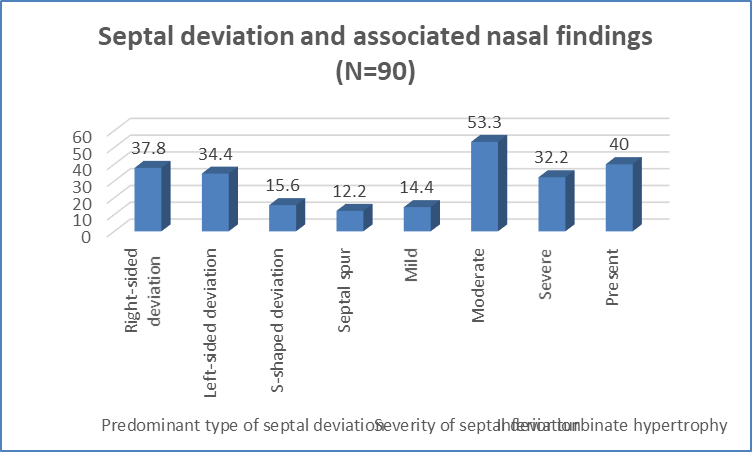
Figure 1 Septal deviation and associated nasal findings (N=90)
Table 3. Comparison of preoperative and postoperative NOSE scores (N=90)
|
NOSE parameter |
Preoperative Mean ± SD |
Postoperative Mean ± SD |
Mean reduction |
p-value |
|
Nasal congestion/stuffiness |
3.32 ± 0.65 |
1.18 ± 0.72 |
2.14 |
<0.001 |
|
Nasal blockage/obstruction |
3.47 ± 0.62 |
1.10 ± 0.68 |
2.37 |
<0.001 |
|
Trouble breathing through nose |
3.38 ± 0.66 |
1.07 ± 0.69 |
2.31 |
<0.001 |
|
Trouble sleeping |
2.79 ± 0.91 |
0.94 ± 0.72 |
1.85 |
<0.001 |
|
Unable to get enough air during exercise/exertion |
2.96 ± 0.83 |
1.03 ± 0.74 |
1.93 |
<0.001 |
|
Total NOSE score (0–100) |
79.6 ± 12.4 |
26.6 ± 14.1 |
53.0 |
<0.001 |
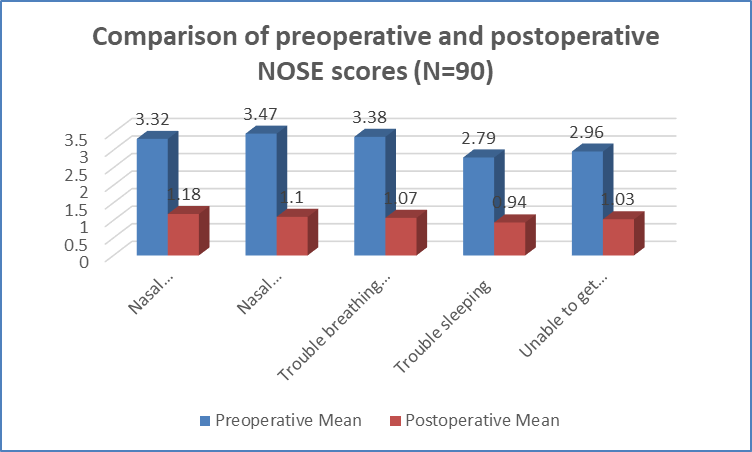
Figure 2 Comparison of preoperative and postoperative NOSE scores (N=90)
Table 4. Comparison of objective nasal airway measurements before and after septoplasty (N=90)
|
Objective parameter |
Preoperative Mean ± SD |
Postoperative Mean ± SD |
Mean change |
p-value |
|
Nasal airflow (mL/s) |
392.6 ± 96.8 |
568.4 ± 112.7 |
+175.8 |
<0.001 |
|
Nasal airway resistance (Pa/cm³/s) |
0.42 ± 0.14 |
0.25 ± 0.09 |
−0.17 |
<0.001 |
|
Minimal cross-sectional area (cm²) |
0.46 ± 0.13 |
0.67 ± 0.16 |
+0.21 |
<0.001 |
|
Nasal cavity volume (cm³) |
5.21 ± 1.18 |
6.74 ± 1.31 |
+1.53 |
<0.001 |
|
Peak nasal inspiratory flow (L/min) |
89.7 ± 24.5 |
126.8 ± 28.6 |
+37.1 |
<0.001 |
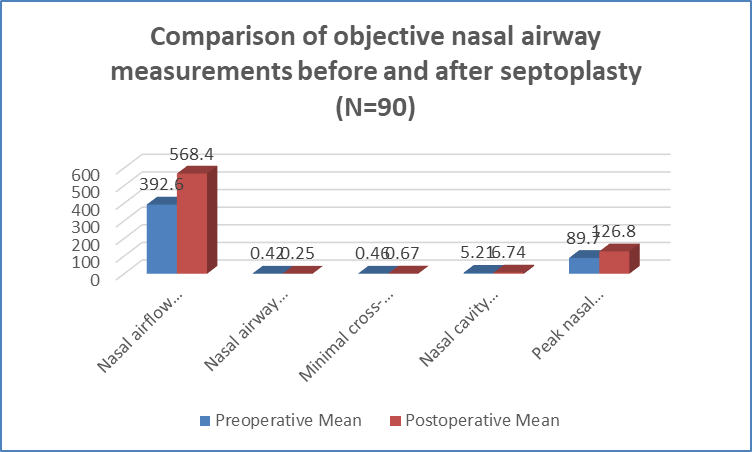
Figure 3 Comparison of objective nasal airway measurements before and after septoplasty (N=90)
Table 5. Correlation between subjective improvement and changes in objective nasal airway measurements (N=90)
|
Objective improvement |
Correlation with improvement in NOSE score (r) |
p-value |
Interpretation |
|
Increase in nasal airflow |
0.58 |
<0.001 |
Moderate positive correlation |
|
Reduction in nasal airway resistance |
0.55 |
<0.001 |
Moderate correlation |
|
Increase in minimal cross-sectional area |
0.47 |
<0.001 |
Moderate positive correlation |
|
Increase in nasal cavity volume |
0.39 |
<0.001 |
Weak-to-moderate positive correlation |
|
Increase in peak nasal inspiratory flow |
0.51 |
<0.001 |
Moderate positive correlation |
Table 6. Overall subjective outcome, satisfaction and postoperative complications (N=90)
|
Outcome |
n (%) |
|
Subjective improvement |
|
|
Marked improvement |
57 (63.3) |
|
Moderate improvement |
21 (23.3) |
|
Mild improvement |
8 (8.9) |
|
No improvement |
4 (4.4) |
|
Patient satisfaction |
|
|
Satisfied |
72 (80.0) |
|
Partially satisfied |
14 (15.6) |
|
Not satisfied |
4 (4.4) |
|
Postoperative complications |
|
|
Bleeding/epistaxis |
5 (5.6) |
|
Infection |
2 (2.2) |
|
Septal hematoma |
1 (1.1) |
|
Synechiae |
3 (3.3) |
|
Septal perforation |
1 (1.1) |
|
No postoperative complication |
78 (86.7) |
DISCUSSION:
The present prospective study evaluated subjective and objective outcomes following septoplasty in 90 patients with symptomatic deviated nasal septum (DNS). Septoplasty produced significant improvement in patient-reported nasal obstruction and objective airway parameters, with significant correlations between subjective and physiological improvement.The mean age of patients was 34.8 ± 10.6 years, with a male predominance (62.2%). A relatively young adult population was similarly reported by Dadgarnia et al.[13] Moderate septal deviation was most common (53.3%), followed by severe deviation (32.2%). Nasal blockage was universal, while difficulty breathing, snoring, and sleep disturbance occurred in 91.1%, 56.7%, and 47.8% of patients, respectively.
A major finding was the significant reduction in NOSE score from 79.6 ± 12.4 preoperatively to 26.6 ± 14.1 postoperatively, representing a mean improvement of 53 points (p<0.001). This agrees with Umihanic et al.[14], who also demonstrated significant symptomatic improvement following septoplasty. In our study, 95.6% of patients experienced some degree of improvement, including 63.3% with marked improvement, indicating substantial postoperative symptomatic benefit.Objective measurements confirmed these findings. Nasal airflow increased from 392.6 ± 96.8 to 568.4 ± 112.7 mL/s, while airway resistance decreased from 0.42 ± 0.14 to 0.25 ± 0.09 Pa/cm³/s (p<0.001). Similarly, Dadgarnia et al.[13] demonstrated reduced nasal resistance and increased cross-sectional area following septoplasty. Anatomical improvement was also evident, with minimal cross-sectional area (MCA) increasing from 0.46 ± 0.13 to 0.67 ± 0.16 cm² and nasal cavity volume from 5.21 ± 1.18 to 6.74 ± 1.31 cm³ (p<0.001).
PNIF increased significantly from 89.7 ± 24.5 to 126.8 ± 28.6 L/min, further supporting improved nasal patency.Importantly, improvement in NOSE score correlated significantly with increased nasal airflow (r=0.58), reduced airway resistance (r=0.55), increased PNIF (r=0.51), MCA (r=0.47), and nasal cavity volume (r=0.39) (all p<0.001). Tompos et al.[15] similarly demonstrated significant, although weaker, correlations between subjective symptoms and airway resistance (r=0.24) and rhinoscopic findings (r=0.35). Pirilä and Tikanto et al.[16] also reported significant postoperative increases in airflow and cross-sectional area, with satisfaction correlating with improvement in MCA. The stronger MCA correlation observed in our study suggests that enlargement of the narrowest functional nasal segment may contribute substantially to perceived improvement.
Nevertheless, subjective and objective outcomes are not always concordant. Dadgarnia et al.[13] reported objective improvement without a significant relationship with subjective symptoms, emphasizing the multifactorial nature of perceived nasal obstruction. Despite this variability, overall satisfaction in our study was high (80.0%), compared with 69.2% reported by Dadgarnia et al.[13], and postoperative complications were uncommon.
CONCLUSION:
Septoplasty resulted in significant improvement in both subjective nasal obstruction and objective nasal airway parameters in patients with deviated nasal septum. Improvement in NOSE scores showed significant moderate correlations with nasal airflow, airway resistance, PNIF, and minimal cross-sectional area. These findings indicate that patient-perceived symptomatic relief is meaningfully associated with measurable improvement in nasal airway function. A combined assessment using subjective and objective measures may therefore provide a more comprehensive evaluation of outcomes following septoplasty.
Limitations
The study was limited by its relatively small sample size and single-centre design, which may restrict the generalizability of the findings. The postoperative follow-up period was limited and therefore did not assess the long-term sustainability of improvement. Additionally, nasal airway measurements may have been influenced by factors such as the nasal cycle, mucosal congestion, and environmental conditions.
REFERENCES:
1. Van Egmond MMHT, Rovers MM, Tillema AHJ, van Heerbeek N. Septoplasty for nasal obstruction due to a deviated nasal septum in adults: a systematic review. Rhinology. 2018;56(3):195-208.
2. Gray LP. Deviated nasal septum incidence and etiology. Ann Otol Rhinol Laryngol. 1978;87(3 Suppl 50):3-20.
3. Hopkins C, Browne JP, Slack R, Lund V, Topham J, Reeves B, et al. The national comparative audit of surgery for nasal polyposis and chronic rhinosinusitis. Clin Otolaryngol. 2006;31(5):390-8.
4. Stewart MG, Smith TL, Weaver EM, Witsell DL, Yueh B, Hannley MT, et al. Outcomes after nasal septoplasty: results from the Nasal Obstruction Septoplasty Effectiveness (NOSE) study. Otolaryngol Head Neck Surg. 2004;130(3):283-90.
5. Thorstensen WM. The nasal airway in asthmatics—from a structural, functional and subjective perspective [doctoral thesis]. Trondheim: Norwegian University of Science and Technology; 2014.
6. Konstantinidis I, Triaridis S, Triaridis A, Karagiannidis K, Kontzoglou G. Long term results following nasal septal surgery: focus on patients' satisfaction. Auris Nasus Larynx. 2005;32(4):369-74.
7. Valero A, Navarro AM, Del Cuvillo A, Alobid I, Benito JR, Colás C, et al. Position paper on nasal obstruction: evaluation and treatment. J Investig Allergol Clin Immunol. 2018;28(2):67-90.
8. Rimmer J, Hellings P, Lund VJ, Alobid I, Beale T, Dassi C, et al. European position paper on diagnostic tools in rhinology. Rhinology. 2019;57(Suppl S28):1-41.
9. Van Egmond MMHT, Grutters JPC, Hannink G, van Heerbeek N, Rovers MM. Septoplasty versus non-surgical management for nasal obstruction in adults with a deviated septum: economic evaluation alongside a randomized controlled trial. BMC Med. 2020;18:101.
10. Daniero JJ, Chu JS, O'Hara BJ, Pribitkin EA. Value-based analysis of routine pathologic septal and inferior turbinate specimens. Otolaryngol Head Neck Surg. 2013;148(3):509-12.
11. Carrie S, O'Hara J, Fouweather T, Homer T, Rousseau N, Rooshenas L, et al. Clinical effectiveness of septoplasty versus medical management for nasal airways obstruction: multicentre, open label, randomised controlled trial. BMJ. 2023;383:e075445.
12. Srinivasan DG, Hegde J, Ramasamy K, Raja K, Rajaa S, Ganesan S, et al. Comparison of the efficacy of septoplasty with nonsurgical management in improving nasal obstruction in patients with deviated nasal septum: a randomized clinical trial. Int Arch Otorhinolaryngol. 2022;26(2):e226-e232.
13. Dadgarnia MH, Baradaranfar MH, Mazidi M, Azimi Meibodi SM. Assessment of Septoplasty Effectiveness using Acoustic Rhinometry and Rhinomanometry. Iran J Otorhinolaryngol. 2013 Spring;25(71):71-8.
14. Umihanic S, Brkic F, Osmic M, Umihanic S, Imamovic S, Kamenjakovic S, et al. The discrepancy between subjective and objective findings after septoplasty. Med Arch. 2016;70(5):336-8.
15. Tompos T, Garai T, Zemplén B, Gerlinger I. Sensation of nasal patency compared to rhinomanometric results after septoplasty. Eur Arch Otorhinolaryngol. 2010 Dec;267(12):1887-91.
16. Pirilä T, Tikanto J. Unilateral and bilateral effects of nasal septum surgery demonstrated with acoustic rhinometry, rhinomanometry, and subjective assessment. Am J Rhinol. 2001;15(2):127-33.