Clinical Characteristics, Management Practices, Treatment Adherence, and Social Stigma Among Patients with Seizure Disorders in Low Socioeconomic peoples and Tribal Communities
- Anil Kumar , Assistant Professor, Department of Neurosurgery, AIIMS Deoghar, Jharkhand, India
- Sonu Kumar , Tutor, Department of Pharmacology, Phulo Jhano Medical College, Dumka, Jharkhand, India
Article Information:
Abstract:
Background: Seizure disorders constitute an important neurological health problem in low socioeconomic peoples and tribal communities, where geographical isolation, socioeconomic constraints, limited healthcare accessibility, traditional beliefs, and stigma may adversely affect treatment and seizure control. This study evaluated the clinical characteristics, management practices, treatment adherence, and social stigma among patients with seizure disorders in tribal communities. Methods: This prospective observational study included 150 patients with seizure disorders from low socioeconomic peoples and tribal communities. Sociodemographic and clinical characteristics, seizure profile, management practices, anti-seizure medication (ASM) adherence, and stigma-related experiences were assessed using a structured proforma. Factors independently associated with poor adherence were evaluated using multivariable logistic regression. Results: The mean age was 31.8 ± 15.2 years, and 57.3% were male. Generalized-onset seizures were most common (58.7%), followed by focal-onset seizures (31.3%). Overall, 92.7% were receiving ASMs; however, 38.7% demonstrated poor/non-adherence. Forgetfulness (44.8%), medication non-availability (41.4%), financial constraints (39.7%), and geographical barriers (32.8%) were the major reasons for poor adherence. Epilepsy-related stigma was experienced by 48.0%, while 40.7% feared disclosure and 28.0% reported discrimination. On multivariable analysis, distance from healthcare facility >25 km (AOR 2.31), financial difficulty (AOR 2.67), difficulty obtaining ASMs (AOR 2.42), traditional/herbal remedy use (AOR 2.18), and epilepsy-related stigma (AOR 2.25) independently predicted poor adherence (all p<0.05). Conclusion: Poor treatment adherence and social stigma remained important challenges among patients with seizure disorders in low socioeconomic peoples and tribal communities. Improving medication accessibility, reducing financial and geographical barriers, strengthening community-based epilepsy services, and implementing culturally appropriate stigma-reduction interventions may improve treatment adherence and long-term seizure care.
Keywords:
Article :
INTRODUCTION:
Seizure disorders, particularly epilepsy, represent a major neurological health problem and are associated with considerable morbidity, disability, premature mortality, and impaired quality of life[1]. Epilepsy is a chronic neurological disorder characterized by a persistent predisposition to recurrent unprovoked seizures. The burden is disproportionately concentrated in resource-limited settings, with approximately 80% of people with epilepsy living in low- and middle-income countries [2]. Furthermore, individuals with epilepsy have an approximately threefold higher risk of premature mortality than the general population, emphasizing the importance of timely diagnosis, appropriate treatment, and continuity of care [3]. The clinical characteristics of seizure disorders are heterogeneous and may vary according to age, underlying etiology, seizure type, neurological comorbidities, socioeconomic conditions, and access to healthcare. Accurate characterization of seizure patterns, precipitating factors, associated illnesses, and treatment history is essential for appropriate management. Although anti-seizure medications (ASMs) remain the cornerstone of treatment and can achieve seizure freedom in approximately 70% of appropriately treated patients [4], a substantial treatment gap persists in resource-constrained populations [5]. This gap may be particularly pronounced among low socioeconomic peoples and tribal communities because of geographical isolation, limited specialist services, inadequate diagnostic facilities, financial constraints, irregular availability of medications, and dependence on traditional or faith-based healing practices. Treatment adherence is another critical determinant of successful seizure control. Irregular medication use, missed doses, or premature discontinuation of ASMs may result in breakthrough seizures, recurrent hospitalization, injuries, increased healthcare expenditure, and mortality [6,7]. Adherence may be influenced by medication-related adverse effects, treatment duration, cost and availability of medicines, poor health literacy, irregular follow-up, misconceptions regarding epilepsy, and preference for traditional therapies [8,9]. Identifying these barriers is therefore essential for developing strategies that improve continuity of treatment and long-term seizure control.
Beyond its clinical and therapeutic burden, epilepsy has important psychosocial consequences. Misconceptions regarding seizures may lead to fear, discrimination, social isolation, educational and occupational difficulties, and restrictions related to marriage and participation in community activities [10,11]. Stigma may also discourage disclosure of the condition and delay healthcare-seeking, further widening the treatment gap. These challenges may be particularly relevant in tribal populations, where cultural beliefs and traditional interpretations of seizures can strongly influence treatment practices and social attitudes [12]. Despite the considerable burden of seizure disorders, information integrating their clinical profile, management practices, treatment adherence, and social stigma in tribal populations remains limited. Understanding these interconnected dimensions is necessary for identifying gaps in care and developing culturally appropriate interventions. Therefore, the present study aimed to evaluate the clinical characteristics, management practices, treatment adherence, and social stigma among patients with seizure disorders in tribal communities, with the objective of identifying barriers to effective treatment and opportunities for improving comprehensive, community-oriented seizure care
MATERIALS AND METHODS:
This prospective observational study was conducted among patients with seizure disorders belonging to low socioeconomic peoples and tribal communities who attended the outpatient services of the study centre. Participants were enrolled consecutively during the study period and were followed prospectively to assess their clinical course, treatment practices, medication adherence, seizure control, and psychosocial outcomes. A total of 150 patients with seizure disorders were included in the study. Patients belonging to low socioeconomic status and tribal communities with an established diagnosis of a seizure disorder and those presenting with recurrent seizures and subsequently diagnosed during clinical evaluation were screened for eligibility. Eligible participants were enrolled using a consecutive sampling technique after obtaining informed consent.
Inclusion Criteria
Patients belonging to low socioeconomic peoples and tribal communities with a clinically established seizure disorder who were receiving or were initiated on anti-seizure medications (ASMs) were included. Participants who were willing to provide informed consent and participate in the scheduled follow-up assessments were enrolled. For participants younger than 18 years, information and consent were obtained from a parent or legally authorized representative, with assent obtained whenever appropriate.
Exclusion Criteria
Patients with insufficient clinical information, severe cognitive or communication impairment without an appropriate caregiver, and those who declined consent or were unwilling to participate in follow-up were also excluded.
Baseline Clinical Assessment
At enrolment, demographic and socioeconomic information, including age, sex, educational status, occupation, socioeconomic characteristics, and relevant family history, was recorded using a predesigned structured proforma. A detailed seizure history was obtained, including age at onset, duration of seizure disorder, seizure type, frequency of seizures, duration of individual episodes, possible precipitating factors, previous status epilepticus, seizure-related injuries, family history of seizures, and associated neurological or systemic illnesses. A general physical and neurological examination was performed. Available electroencephalography and neuroimaging findings were also documented.
Assessment of Management Practices
Details regarding previous and ongoing seizure management were recorded at baseline and during follow-up. These included the type and number of ASMs, monotherapy or polytherapy, duration of therapy, dosage modifications, treatment interruptions, adverse drug effects, and regularity of clinical visits. Accessibility and availability of medications and difficulties in obtaining specialist care were assessed. The use of traditional medicines, herbal remedies, faith healers, religious practices, or other non-allopathic approaches for seizure management was also documented. Participants were asked whether such practices were used alone or concurrently with prescribed medical treatment.
Assessment of Treatment Adherence
Treatment adherence was assessed at baseline and during subsequent follow-up visits through structured interviews with patients or caregivers. Participants were asked about regularity of ASM intake, missed doses, temporary treatment interruptions, premature discontinuation, and compliance with scheduled clinical visits. Among participants with poor adherence, reasons were documented, including forgetfulness, financial constraints, non-availability of medications, geographical barriers, adverse effects, perceived recovery, inadequate understanding of the need for long-term treatment, fear of dependency, and preference for traditional or faith-based treatment.
Assessment of Social Stigma
Social stigma related to seizure disorders was assessed using structured questions during patient or caregiver interviews. Domains assessed included concealment of the diagnosis, fear of disclosure, discrimination, social isolation, restrictions on participation in community activities, educational difficulties, employment-related problems, and concerns regarding marriage and interpersonal relationships. Participants were also questioned regarding cultural beliefs and misconceptions surrounding seizures, including supernatural explanations and community attitudes toward affected individuals. The impact of stigma on healthcare-seeking behaviour and treatment adherence was documented.
Follow-up and Outcome Assessment
All enrolled participants were followed for 3 to 12 months after the baseline assessment. Follow-up evaluations were conducted at scheduled outpatient visits, and telephone contact was used whenever an in-person visit was not feasible. At each follow-up, information regarding seizure frequency, recurrence of seizures, breakthrough episodes, seizure-related injuries, emergency visits, hospitalization, and episodes of status epilepticus was recorded. Changes in ASMs, dosage adjustments, treatment-related adverse effects, adherence to prescribed medication, and reasons for missed doses or treatment discontinuation were also documented. Seizure control during follow-up was assessed by comparing seizure frequency with the baseline frequency. Patients were categorized according to whether they remained seizure-free, demonstrated improvement in seizure frequency, had persistent uncontrolled seizures, or experienced worsening of seizure frequency. Changes in treatment adherence and barriers to continued care were reassessed during follow-up. Participants who failed to attend scheduled follow-up visits were contacted, wherever possible, to determine their clinical status and reasons for non-attendance. Participants who could not be contacted despite reasonable attempts were considered lost to follow-up, and the number and proportion of such participants were documented.
Study Outcomes
The principal outcomes evaluated were the clinical characteristics of seizure disorders, patterns of seizure management, treatment adherence, and epilepsy-related social stigma. Follow-up outcomes included seizure freedom, change in seizure frequency, breakthrough seizures, hospitalization, treatment modification, adverse drug effects, and changes in treatment adherence. Factors associated with poor adherence, inadequate seizure control, and social stigma were also evaluated. Particular attention was given to geographical barriers, medication availability, socioeconomic constraints, traditional treatment practices, and cultural beliefs.
Statistical Analysis
Data were entered into a computerized database and analysed using SPSS.21 statistical software. Continuous variables were summarized as mean ± standard deviation (SD) or median with interquartile range (IQR) according to their distribution. Categorical variables were expressed as frequencies and percentages. Normality was assessed using the Shapiro–Wilk test. Continuous variables were compared using the independent-samples t-test or Mann–Whitney U test, as appropriate, while categorical variables were compared using the Chi-square test or Fisher's exact test. Baseline and follow-up findings were compared using appropriate paired statistical tests. Associations between sociodemographic, clinical, treatment-related, and sociocultural factors and outcomes such as poor treatment adherence, uncontrolled seizures, and social stigma were evaluated. Variables considered clinically relevant or demonstrating significant associations on univariate analysis were entered into a multivariable logistic regression model. Adjusted odds ratios (AORs) with 95% confidence intervals (CIs) were reported. A p-value <0.05 was considered statistically significant.
RESULTS:
A total of 150 patients with seizure disorders were included in the study. The mean age of the participants was 31.8 ± 15.2 years, with the largest proportion belonging to the 18–30-year age group (30.0%). Males constituted 57.3% of the study population, while females accounted for 42.7%. Nearly one-third (32.0%) had no formal education, and agriculture or manual work was the most common occupational category (40.7%). Regarding accessibility to healthcare, 32.7% of participants lived more than 25 km from the healthcare facility. The detailed sociodemographic characteristics are presented in Table 1.
The mean age at seizure onset was 22.6 ± 14.1 years, while the median duration of the seizure disorder was 5.0 years (IQR: 2.0–9.0). Generalized-onset seizures were the most common type (58.7%), followed by focal-onset seizures (31.3%), while 10.0% were unknown or unclassified. At baseline, 19.3% experienced at least one seizure per week and 32.0% experienced 1–3 seizures per month, whereas 18.0% had remained seizure-free during the preceding assessment period. A history of status epilepticus was reported in 12.0%, and 28.0% had experienced a seizure-related injury. EEG was performed in 68.7% of participants, of whom 59.2% had abnormal findings. Neuroimaging was performed in 60.7%, with abnormalities identified in 36.3% of those investigated. The clinical characteristics and seizure profile are summarized in Table 2.
Regarding management practices, 139 (92.7%) participants were receiving anti-seizure medications (ASMs). Among these, 72.7% were managed with monotherapy and 27.3% with polytherapy. Regular clinical follow-up was reported by 59.3%, while 36.7% had experienced a previous treatment interruption. Difficulties obtaining prescribed ASMs were reported by 42.0%, irregular medication availability by 34.0%, and financial difficulties related to treatment by 44.7%. Traditional or herbal remedies had been used by 36.0%, while 31.3% had consulted a faith or traditional healer. The management practices of the participants are detailed in Table 3. Overall, 92 (61.3%) participants demonstrated good treatment adherence, whereas 58 (38.7%) were classified as poorly adherent or non-adherent. At least one prescribed dose had been missed by 34.7%, temporary treatment discontinuation was reported by 24.0%, and 32.7% had missed scheduled follow-up visits. Among the 58 poorly adherent participants, the most frequently reported reasons were forgetfulness (44.8%), medication non-availability (41.4%), financial constraints (39.7%), and long-distance or geographical barriers (32.8%). Perceived improvement or absence of seizures was reported as a reason by 29.3%, while 20.7% preferred traditional or faith-based treatment. Treatment adherence and the reasons for poor adherence are presented in Table 4 and Figure 1.
Epilepsy-related social stigma was experienced or perceived by 72 (48.0%) participants. Fear of disclosing the seizure disorder was reported by 40.7%, while 36.0% concealed their diagnosis from others. Negative attitudes from community members were experienced by 37.3%, marriage-related concerns or restrictions by 31.3%, and restrictions in participation in community activities by 30.0%. Approximately 28.0% reported discrimination and 26.0% experienced social exclusion or isolation. Furthermore, 29.3% reported beliefs that seizures had supernatural causes. Stigma influenced healthcare-seeking behaviour in 23.3% and medication adherence in 18.7% of participants. The pattern and psychosocial impact of seizure-related stigma are shown in Table 5 and Figure 2.
On multivariable logistic regression analysis, several factors remained independently associated with poor treatment adherence. Participants residing more than 25 km from the healthcare facility had more than twice the odds of poor adherence (AOR 2.31, 95% CI 1.09–4.91; p=0.029). Financial difficulty related to treatment demonstrated the strongest association with poor adherence (AOR 2.67, 95% CI 1.27–5.63; p=0.010). Difficulty obtaining prescribed ASMs was also independently associated with poor adherence (AOR 2.42, 95% CI 1.14–5.13; p=0.021).
Traditional or herbal remedy use was associated with approximately twofold higher odds of poor adherence (AOR 2.18, 95% CI 1.04–4.57; p=0.039),
sa while participants experiencing epilepsy-related social stigma had significantly increased odds of poor adherence (AOR 2.25, 95% CI 1.09–4.65; p=0.028). In contrast, absence of formal education (AOR 1.89, p=0.088) and ASM-related adverse effects (AOR 1.76, p=0.179) did not retain statistical significance after adjustment for other variables. The results of the multivariable regression analysis are presented in Table 6 and Figure 3.
Table 1. Sociodemographic characteristics of study participants (N=150)
|
Variable |
Value |
|
Age (years), mean ± SD |
31.8 ± 15.2 |
|
Age group, n (%) |
|
|
<18 years |
28 (18.7) |
|
18–30 years |
45 (30.0) |
|
31–45 years |
39 (26.0) |
|
46–60 years |
27 (18.0) |
|
>60 years |
11 (7.3) |
|
Sex, n (%) |
|
|
Male |
86 (57.3) |
|
Female |
64 (42.7) |
|
Educational status, n (%) |
|
|
No formal education |
48 (32.0) |
|
Primary |
44 (29.3) |
|
Secondary |
39 (26.0) |
|
Higher secondary or above |
19 (12.7) |
|
Occupation, n (%) |
|
|
Unemployed/student |
38 (25.3) |
|
Agriculture/manual work |
61 (40.7) |
|
Homemaker |
31 (20.7) |
|
Employed/other |
20 (13.3) |
|
Distance from healthcare facility, n (%) |
|
|
<10 km |
39 (26.0) |
|
10–25 km |
62 (41.3) |
|
>25 km |
49 (32.7) |
Table 2. Clinical characteristics and seizure profile (N=150)
|
Clinical characteristic |
Value |
|
Age at seizure onset (years), mean ± SD |
22.6 ± 14.1 |
|
Duration of seizure disorder (years), median (IQR) |
5.0 (2.0–9.0) |
|
Seizure type, n (%) |
|
|
Generalized onset |
88 (58.7) |
|
Focal onset |
47 (31.3) |
|
Unknown/unclassified |
15 (10.0) |
|
Seizure frequency at baseline, n (%) |
|
|
≥1/week |
29 (19.3) |
|
1–3/month |
48 (32.0) |
|
<1/month |
46 (30.7) |
|
Seizure-free during preceding period |
27 (18.0) |
|
History of status epilepticus |
18 (12.0) |
|
Seizure-related injury |
42 (28.0) |
|
Family history of seizure disorder |
24 (16.0) |
|
Neurological comorbidity |
31 (20.7) |
|
EEG performed |
103 (68.7) |
|
Abnormal EEG among those tested (n=103) |
61 (59.2) |
|
Neuroimaging performed |
91 (60.7) |
|
Abnormal neuroimaging among those tested (n=91) |
33 (36.3) |
Table 3. Management practices among patients with seizure disorders (N=150)
|
Management characteristic |
n (%) |
|
Currently receiving anti-seizure medication (ASM) |
139 (92.7) |
|
ASM regimen among treated patients (n=139) |
|
|
Monotherapy |
101 (72.7) |
|
Polytherapy |
38 (27.3) |
|
Regular clinical follow-up |
89 (59.3) |
|
Previous treatment interruption |
55 (36.7) |
|
Experienced ASM-related adverse effects |
37 (24.7) |
|
Difficulty obtaining prescribed ASM |
63 (42.0) |
|
Irregular availability of ASM |
51 (34.0) |
|
Financial difficulty related to treatment |
67 (44.7) |
|
Used traditional/herbal remedies |
54 (36.0) |
|
Consulted a faith/traditional healer |
47 (31.3) |
|
Used traditional treatment concurrently with ASM |
32 (21.3) |
|
Previously discontinued ASM for traditional treatment |
21 (14.0) |
Management practices were not mutually exclusive.
Table 4. Treatment adherence and reasons for non-adherence (N=150)
|
Treatment adherence variable |
n (%) |
|
Overall treatment adherence |
|
|
Good adherence |
92 (61.3) |
|
Poor/non-adherence |
58 (38.7) |
|
Missed ≥1 prescribed dose |
52 (34.7) |
|
Temporary treatment discontinuation |
36 (24.0) |
|
Missed scheduled follow-up visits |
49 (32.7) |
|
Reasons for poor adherence (n=58)* |
|
|
Forgetfulness |
26 (44.8) |
|
Medication non-availability |
24 (41.4) |
|
Financial constraints |
23 (39.7) |
|
Long distance/geographical barriers |
19 (32.8) |
|
Perceived improvement/no seizures |
17 (29.3) |
|
Adverse drug effects |
14 (24.1) |
|
Inadequate knowledge regarding long-term therapy |
13 (22.4) |
|
Preference for traditional/faith-based treatment |
12 (20.7) |
|
Fear of dependency/long-term medication |
8 (13.8) |
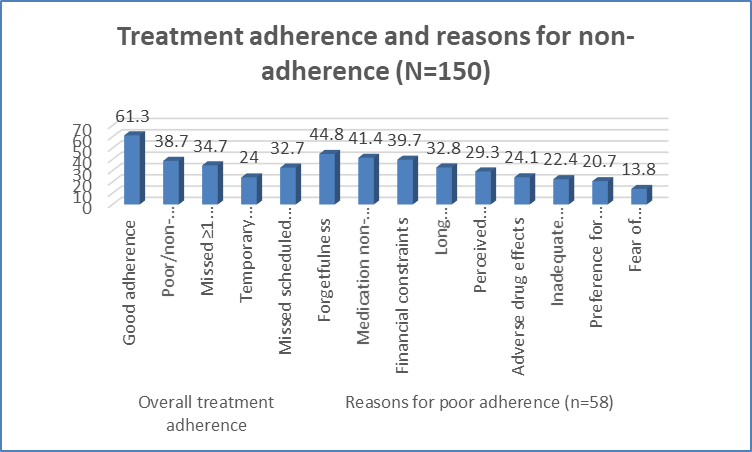
Figure 1 Treatment adherence and reasons for non-adherence (N=150)
Table 5. Social stigma and psychosocial impact of seizure disorders (N=150)
|
Stigma-related characteristic |
n (%) |
|
Experienced/perceived epilepsy-related stigma |
72 (48.0) |
|
Concealed diagnosis from others |
54 (36.0) |
|
Fear of disclosing seizure disorder |
61 (40.7) |
|
Experienced discrimination |
42 (28.0) |
|
Social exclusion/isolation |
39 (26.0) |
|
Restricted participation in community activities |
45 (30.0) |
|
Educational difficulties attributable to seizures |
34 (22.7) |
|
Employment-related difficulties |
38 (25.3) |
|
Marriage-related concerns/restrictions |
47 (31.3) |
|
Negative attitudes from community members |
56 (37.3) |
|
Belief that seizures had supernatural causes |
44 (29.3) |
|
Stigma influenced healthcare-seeking behaviour |
35 (23.3) |
|
Stigma influenced medication adherence |
28 (18.7) |
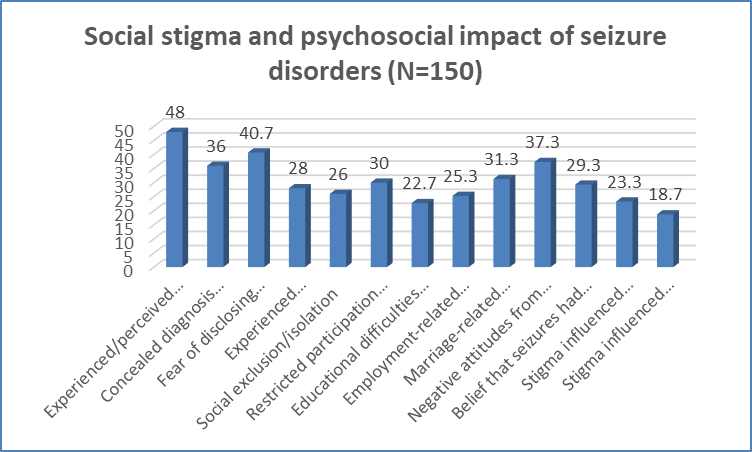
Figure 2 Social stigma and psychosocial impact of seizure disorders (N=150)
Table 6. Multivariable logistic regression analysis of factors associated with poor treatment adherence (N=150)
|
Predictor |
Adjusted OR (AOR) |
95% CI |
p-value |
|
No formal education |
1.89 |
0.91–3.94 |
0.088 |
|
Distance from healthcare facility >25 km |
2.31 |
1.09–4.91 |
0.029 |
|
Financial difficulty related to treatment |
2.67 |
1.27–5.63 |
0.010 |
|
Difficulty obtaining prescribed ASM |
2.42 |
1.14–5.13 |
0.021 |
|
ASM-related adverse effects |
1.76 |
0.77–4.02 |
0.179 |
|
Traditional/herbal remedy use |
2.18 |
1.04–4.57 |
0.039 |
|
Epilepsy-related social stigma |
2.25 |
1.09–4.65 |
0.028 |
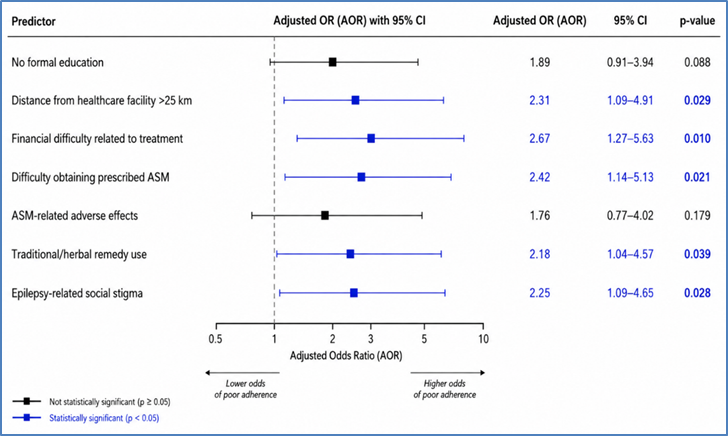
Figure 3Multivariable logistic regression analysis of factors associated with poor treatment adherence (N=150)
CONCLUSION:
This study demonstrated a substantial burden of poor treatment adherence and social stigma among patients with seizure disorders in low socioeconomic peoples and tribal communities. Despite widespread use of anti-seizure medications, nearly two-fifths of participants showed poor adherence. Geographical barriers, financial difficulties, limited medication availability, traditional treatment practices, and epilepsy-related stigma were important independent predictors of poor adherence. Strengthening accessible and affordable epilepsy services, ensuring uninterrupted medication supply, and implementing culturally appropriate education and stigma-reduction strategies are essential to improve long-term seizure care.
Limitations
The study was limited by its relatively small sample size and single-centre setting, which may restrict the generalizability of the findings to other tribal populations. Treatment adherence and stigma were primarily assessed using self-reported information and were therefore susceptible to recall and social desirability bias. Additionally, variations in sociocultural practices and healthcare accessibility across different tribal communities were not fully captured.
REFERENCES:
1. Falco-Walter JJ, Scheffer IE, Fisher RS. The new definition and classification of seizures and epilepsy. Epilepsy Res. 2018;139:73-9.
2. Spiciarich MC, von Gaudecker JR, Jurasek L, Clarke DF, Burneo J, Vidaurre J, et al. Global health and epilepsy: update and future directions. Curr Neurol Neurosci Rep. 2019;19(6):30.
3. Kakooza-Mwesige A, Fuller AT, Njeru PN, Makumbi FE, Muhumuza C, Nakasujja N, et al. Population-based prevalence of epilepsy in Uganda: a nationwide cross-sectional survey. Epilepsia. 2025;66(11):4354-65.
4. World Health Organization. Epilepsy: a public health imperative. Geneva: World Health Organization; 2019.
5. Kwan P, Brodie MJ. Early identification of refractory epilepsy. N Engl J Med. 2000;342(5):314-9.
6. Kanmounye US, Abu-Bonsrah N, Shlobin NA, Djoutsop OM. Letter: the World Health Organization's Intersectoral Global Action Plan on Epilepsy and Other Neurological Disorders 2022-2031. Neurosurgery. 2022;90(6):e201-3.
7. Nigussie K, Beyene R, Ayele N. Prevalence and associated factors of antiepileptic drug non-adherence among epileptic patients attending at outpatient department of Hiwot Fana Specialized University Hospital, Harar, Eastern Ethiopia. Int J Neurol Nurs. 2019;5(1):63-90.
8. Winter SF, Walsh D, Amos A, Secco M, Sofia F, Baker GA, et al. The WHO intersectoral global action plan and epilepsy cascade target: towards a roadmap for implementation. Seizure. 2022;103:148-50.
9. Kakooza-Mwesige A, Kaddumukasa M, Koltai DC, Kaddumukasa MN, Nakasujja N, Kajumba M, et al. Leveraging the lessons learned from studies on the cultural context of epilepsy care in Uganda: opportunities and future directions. Epilepsy Behav. 2021;114(Pt B):107302.
10. Ejeliogu EU, Courage A. Prevalence and factors associated with non-adherence to antiepileptic drugs among children with epilepsy in Jos, Nigeria. Niger J Paediatr. 2020;47(3):240-5.
11. Almwled AS, Almuhaydili AO, Altamimi SM, Alzahrani MA, Alnahdi RK, Almotairi SB, et al. Prevalence and biopsychosocial factors associated with treatment adherence among people with epilepsy in a tertiary care hospital in Riyadh, Saudi Arabia. Neurosciences (Riyadh). 2022;27(2):94-103.
12. Kaddumukasa MN, Kaddumukasa M, Kajumba M, Smith PJ, Bobholz S, Kakooza-Mwesige A, et al. Barriers to biomedical care for people with epilepsy in Uganda: a cross-sectional study. Epilepsy Behav. 2021;114(Pt B):107349.
13. Nizamie SH, Akthar S, Banerjee I, Goyal N. Health care delivery model in epilepsy to reduce treatment gap: World Health Organization study from a rural tribal population of India. Epilepsy Res. 2009;84(2-3):146-52.
14. Solomon Y, Teshome Y, Ejigu S, Bezabih M. Prevalence of anti-seizure medication nonadherence and its associated factors, among people with epilepsy in North Shewa, Ethiopia, 2021. Epilepsy Behav. 2023;145:109301.
15. Singh AP, Chaudhary V, Kumari S, Dhir D, Devi V, Pal B, et al. Nonadherence to antiepileptic medication and associated factors among persons with epilepsy in India: A systematic review and meta-analysis. Epilepsy Res. 2024 May;202:107358.
16. Kibirige R, Nyangire MA, Kaddumukasa M, Muhumuza C, Burant C, Moore S, et al. Adherence to anti-seizure medications among persons living with epilepsy attending a community-based epilepsy clinic in Buikwe and Mukono Districts-Uganda: a mixed methods study. PLoS One. 2026;21(8):e0356494.
17. Kumari P, Ram D, Haque Nizamie S, Goyal N. Stigma and quality of life in individuals with epilepsy: a preliminary report. Epilepsy Behav. 2009 Jul;15(3):358-61.