Comparison of early postoperative wound outcomes following subcuticular skin closure using polyglactin 910 versus poliglecaprone 25 after cesarean delivery.
- Debashis Biswas , Gynaecologist and obstetrician, MBBS, MS(G&O), DNB(New Delhi), FMAS, Department of Gynaecology & Obstetrics, North Bengal Medical College and Hospital, Siliguri West Bengal.
- Ambita Mandal , Gynaecologist and obstetrician, MBBS, MS(G&O), FMAS, Department of Gynaecology & Obstetrics, North Bengal Medical College and Hospital, Siliguri West Bengal.
- Subir Kumar Bhattacharyya , Associate professor, MBBS, MS (G&O), Department of Gynaecology & Obstetrics, North Bengal Medical College and Hospital, Siliguri West Bengal.
Article Information:
Abstract:
Introduction: Cesarean delivery is one of the most commonly performed surgical procedures worldwide, and optimal skin closure technique plays an important role in improving postoperative wound healing and reducing complications. The choice of suture material may influence tissue reaction, wound integrity, postoperative pain, and surgical site complications. Polyglactin 910 and poliglecaprone 25 are widely used absorbable synthetic sutures for subcuticular skin closure; however, their comparative effectiveness in cesarean wound outcomes remains an area of clinical interest. Aims and Objectives: To compare early postoperative wound outcomes following subcuticular skin closure using polyglactin 910 versus poliglecaprone 25 after cesarean delivery. Materials and Methods: This prospective comparative observational study was conducted in the Department of Gynaecology and Obstetrics, Lalbagh Subdivision Hospital, Murshidabad, West Bengal, over a period of 12 months. The study included 108 pregnant women undergoing cesarean delivery who fulfilled the predefined eligibility criteria. The participants were evaluated to compare early postoperative wound outcomes following subcuticular skin closure using polyglactin 910 versus poliglecaprone 25. Data regarding postoperative wound healing and complications were collected and analyzed to assess the effectiveness and safety of both suture materials. Results: Postoperative infectious outcomes were comparable between the two groups. SSI occurred in 3 patients (5.6%) in the Poliglecaprone 25 group and 7 patients (13.0%) in the Polyglactin 910 group, with no statistically significant difference (p=0.395). Deep incisional and organ space infection was absent in the Poliglecaprone 25 group and occurred in 1 patient (1.9%) in the Polyglactin 910 group. Febrile morbidity was observed equally in both groups (1.9% each; p=0.99). both suture materials demonstrated similar postoperative infectious outcomes. Conclusion: Both polyglactin 910 and poliglecaprone 25 are effective absorbable sutures for subcuticular skin closure following cesarean delivery. Poliglecaprone 25 may offer advantages in terms of reduced tissue reaction and improved early postoperative wound healing outcomes. Selection of suture material should consider wound characteristics, patient factors, and surgeon preference to optimize postoperative recovery.
Keywords:
Article :
INTRODUCTION:
When vaginal birth is hazardous or impractical, cesarean delivery—one of the most common major surgical operations performed globally—becomes a crucial intervention for lowering maternal and newborn morbidity and death. Due to a number of reasons, including advanced mother age, prior cesarean sections, fetal distress, malpresentation, and maternal medical problems, the rate of cesarean deliveries has significantly grown globally during the past few decades. Despite the fact that cesarean birth is widely regarded as a safe technique, postoperative wound problems continue to be a major worry, leading to discomfort for the mother, a longer hospital stay, higher healthcare expenditures, and a delayed recovery. Following cesarean birth, typical postoperative problems include surgical site infection (SSI), wound separation, seroma development, hematoma, and delayed wound healing. Therefore, increasing maternal outcomes requires optimizing surgical procedures, such as choosing the right suture materials and using optimal skin closure techniques. [1]
Staples, interrupted sutures, and subcuticular suturing are some of the methods that can be used to close the skin after cesarean birth. Because of its better esthetic appearance, patient comfort, and avoidance of suture removal, subcuticular skin closure utilizing absorbable sutures has become more and more common among these techniques. By positioning the suture material inside the dermal layer, the subcuticular method reduces external foreign body exposure and improves wound edge approximation. According to a number of studies, absorbable subcuticular sutures may result in wound outcomes that are on par with or better than non-absorbable closure techniques, with less discomfort following surgery and higher patient satisfaction. [2]
After a cesarean birth, the type of suture used has a significant impact on how well the incision heals. A perfect suture should preserve wound proximity, cause less tissue reactivity, give sufficient tensile strength during the healing process, and progressively absorb without causing severe inflammation. Because of its consistent absorption profile and reduced risk of infection as compared to natural sutures, synthetic absorbable sutures are frequently used. Because of their superior handling characteristics and biocompatibility, polyglactin 910 and poliglecaprone 25 are commonly employed for subcuticular closure among the available absorbable materials.[3]
A copolymer of lactide and glycolide makes up Polyglactin 910, a braided synthetic absorbable suture. During the first 56–70 days of wound healing, it retains a considerable tensile strength and is absorbed by hydrolysis. Polyglactin 910 offers superior handling qualities and knot security because to its braided construction. However, because to their larger surface area and possible bacterial adhesion, braided sutures may theoretically result in higher tissue drag and inflammatory response. Alternative monofilament sutures have been investigated despite their widespread usage in obstetric surgery due to worries about local tissue response and delayed absorption.[4]
A copolymer of glycolide and epsilon-caprolactone makes up Poliglecaprone 25, a synthetic monofilament absorbable suture. Because to its monofilament construction, it possesses exceptional flexibility, easy tissue passage, and less tissue damage. Poliglecaprone 25 is absorbed faster than polyglactin 910, often in 90–120 days, and maintains sufficient tensile strength during the crucial stage of wound healing. Monofilament sutures' lower tissue reactivity may help minimize inflammation, enhance cosmetic results, and lessen the chance of wound complications.[5]
Previous research comparing various absorbable sutures for surgical wound closure has shown that surgical location, patient characteristics, and closure method all affect postoperative results. Choosing the best suture material is crucial in obstetric surgery since conditions including obesity, anemia, protracted labor, and emergency cesarean delivery might raise the risk of wound problems. While some studies have shown similar results amongst various absorbable materials, others have claimed that monofilament sutures, such poliglecaprone 25, may lead to less wound inflammation and better healing when compared to braided sutures.[6]
Wound infection, erythema, edema, discharge, wound separation, discomfort, and overall healing quality are all evaluated during postoperative wound care following cesarean birth. Early detection of wound complications lowers the risk of serious morbidity and enables prompt therapy. Comparing wound outcomes across various suture materials might yield important information for enhancing surgical practice since the early postoperative period is a crucial stage of inflammatory response and tissue healing.[7]
Although polyglactin 910 and poliglecaprone 25 are widely used for subcuticular skin closure, there is still conflicting data on which is better for cesarean birth. Early wound outcomes may be impacted by variations in tissue responsiveness, absorption properties, and material composition. In order to examine the early postoperative wound outcomes after subcuticular skin closure with polyglactin 910 against poliglecaprone 25 following cesarean birth, the current study was conducted. The results of this study may assist medical professionals in choosing the best suture material to promote wound healing, lower postoperative problems, and raise mother satisfaction after cesarean birth.[8]
The aim of this study is to compare early postoperative wound outcomes following subcuticular skin closure using polyglactin 910 versus poliglecaprone 25 after cesarean delivery.The objectives are to assess and compare postoperative wound healing, incidence of surgical site infection, wound discharge, wound dehiscence, erythema, postoperative pain, and suture-related complications between the two groups. The study also aims to determine the relative effectiveness of polyglactin 910 and poliglecaprone 25 as subcuticular skin closure materials and identify the suture material associated with better early postoperative wound outcomes following cesarean delivery.
MATERIALS AND METHODS:
Study Design: A prospective comparative observational study.
Study Place: Department of Gynaecology and Obstetrics, Lalbagh Subdivision Hospital, Murshidabad, West Bengal.
Study Duration: The study will be conducted over a period of 12 months.
Study Population: Pregnant women undergoing cesarean delivery at the Department of Gynaecology and Obstetrics, Lalbagh Subdivision Hospital, who meet the predefined eligibility criteria will be included in the study.
Sample Size: A total of 108 patients undergoing cesarean delivery
Study Variables:
• Distribution of Patients According to Age Group
• Distribution of Patients According to Parity
• Distribution According to Type of Cesarean Delivery
• Distribution According to Body Mass Index (BMI)
• Distribution According to Risk Factors for Wound Complications
Inclusion Criteria:
All patients age more than 18 yrs and at or beyond 37weeks of gestational age, undergoing elective and emergency caesarean delivery without manifestations of any infections before and who receives prophylactic antibiotic within 60 min before surgery and consenting for participation.
Exclusion Criteria:
Patients were excluded if they
• Refused themselves.
• Are known hypersensitivity to either of the suture materials.
• Had a History of active skin or systemic infection
• Used systemic corticosteroids during their pregnancy for 2 weeks or greater
• Used Preoperative antibiotics therapy for non-surgical reasons
• Are Unable to receive antibiotics prophylaxis
• Perceived inability to follow the patients' course for 30 days after surgery
• If the Surgical plan was for vertical skin incision
• were younger than 18 years age
• If the gestational age is below 37 weeks
Statistical Analysis:
For statistical analysis data were entered into a Microsoft excel spreadsheet and then analyzed by SPSS (version 27.0; SPSS Inc., Chicago, IL, USA) and GraphPad Prism version 5. Data had been summarized as mean and standard deviation for numerical variables and count and percentages for categorical variables. Two-sample t-tests for a difference in mean involved independent samples or unpaired samples. Paired t-tests were a form of blocking and had greater power than unpaired tests. A chi-squared test (χ2 test) was any statistical hypothesis test wherein the sampling distribution of the test statistic is a chi-squared distribution when the null hypothesis is true. Without other qualification, 'chi-squared test' often is used as short for Pearson's chi-squared test. Unpaired proportions were compared by Chi-square test or Fischer’s exact test, as appropriate.
Explicit expressions that can be used to carry out various t-tests are given below. In each case, the formula for a test statistic that either exactly follows or closely approximates a t-distribution under the null hypothesis is given. Also, the appropriate degrees of freedom are given in each case. Each of these statistics can be used to carry out either a one-tailed test or a two-tailed test.
SOnce a t value is determined, a p-value can be found using a table of values from Student's t-distribution. If the calculated p-value is below the threshold chosen for statistical significance (usually the 0.10, the 0.05, or 0.01 level), then the null hypothesis is rejected in favour of the alternative hypothesis.
P-value ≤ 0.05 was considered for statistically significant.
RESULTS:
Table-1: Baseline Characteristics (Age, Parity and BMI) of Patients in the Two Groups
|
Variable |
Category |
Poliglecaprone 25 (n=54) |
Polyglactin 910 (n=54) |
p value |
|
Age group (years) |
18–19 |
12 (22.2%) |
13 (24.1%) |
0.88 |
|
20–24 |
26 (48.1%) |
25 (46.3%) |
||
|
25–29 |
10 (18.5%) |
12 (22.2%) |
||
|
30–34 |
6 (11.1%) |
4 (7.4%) |
||
|
Mean age (years) |
22.96 ± 4.11 |
22.72 ± 3.64 |
||
|
Parity |
0 |
50 (92.6%) |
50 (92.6%) |
0.56 |
|
1 |
3 (5.6%) |
4 (7.4%) |
||
|
≥2 |
1 (1.9%) |
0 (0.0%) |
||
|
BMI (kg/m²) |
<18.5 |
1 (1.9%) |
1 (1.9%) |
0.38 |
|
18.5–22.9 |
26 (48.1%) |
18 (33.3%) |
||
|
23–24.9 |
9 (16.7%) |
15 (27.8%) |
||
|
25–29.9 |
18 (33.3%) |
20 (37.0%) |
||
|
Mean BMI (kg/m²) |
23.30 ± 3.23 |
23.86 ± 3.05 |
Table 2 : Distribution of Duration of Surgery Among Patients of the Two Groups
|
Duration of Surgery (minutes) |
Poliglecaprone 25 (n=54) |
Polyglactin 910 (n=54) |
p value |
|
<30 |
6 (11.1%) |
6 (11.1%) |
0.99 |
|
30–60 |
48 (88.9%) |
48 (88.9%) |
|
|
>60 |
0 (0.0%) |
0 (0.0%) |
|
|
Total |
54 (100.0%) |
54 (100.0%) |
Table 3: Distribution of Postoperative Infectious Outcomes Among Patients of the Two Groups
|
Outcome Variable |
Category |
Poliglecaprone 25 (n=54) |
Polyglactin 910 (n=54) |
p value |
|
Deep Incisional and Organ Space Infection |
Yes |
0 (0.0%) |
1 (1.9%) |
>0.05 |
|
No |
54 (100.0%) |
53 (98.1%) |
||
|
Febrile Morbidity |
Yes |
1 (1.9%) |
1 (1.9%) |
0.99 |
|
No |
53 (98.1%) |
53 (98.1%) |
||
|
Surgical Site Infection (SSI) |
Yes |
3 (5.6%) |
7 (13.0%) |
0.395 |
|
No |
51 (94.4%) |
47 (87.0%) |
Table 4 : Patient Demographics, Perioperative Information, and Medical Comorbidities
|
Characteristic |
Poliglecaprone 25 (n=54) |
Polyglactin 910 (n=54) |
p value |
|
Age (years) |
22.96 ± 4.11 |
22.72 ± 3.64 |
0.88 |
|
18–19 |
12 (22.2%) |
13 (24.1%) |
|
|
20–24 |
26 (48.1%) |
25 (46.3%) |
|
|
25–29 |
10 (18.5%) |
12 (22.2%) |
|
|
30–34 |
6 (11.1%) |
4 (7.4%) |
|
|
Parity (Median, IQR) |
0 (0–3) |
0 (0–1) |
0.56 |
|
0 |
50 (92.6%) |
50 (92.6%) |
|
|
1 |
3 (5.6%) |
4 (7.4%) |
|
|
≥2 |
1 (1.9%) |
0 (0.0%) |
|
|
BMI (kg/m²) |
23.30 ± 3.23 |
23.86 ± 3.05 |
0.38 |
|
<18.5 |
1 (1.9%) |
1 (1.9%) |
|
|
18.5–22.9 |
26 (48.1%) |
18 (33.3%) |
|
|
23–24.9 |
9 (16.7%) |
15 (27.8%) |
|
|
25–29.9 |
18 (33.3%) |
20 (37.0%) |
|
|
SBP (mmHg) |
123.87 ± 7.55 |
122.52 ± 8.10 |
>0.05 |
|
DBP (mmHg) |
81.00 ± 6.56 |
80.28 ± 6.31 |
>0.05 |
|
Hypertension |
|
|
|
|
Yes |
7 (13.0%) |
6 (11.1%) |
0.76 |
|
No |
47 (87.0%) |
48 (88.9%) |
|
|
Type of Hypertension |
|
||
|
Preeclampsia |
6 (11.1%) |
4 (7.4%) |
0.68 |
|
Chronic hypertension |
1 (1.9%) |
2 (3.7%) |
|
|
Normal |
48 (88.9%) |
48 (88.9%) |
|
|
Type of Caesarean Section |
|
||
|
Emergency CS |
53 (98.1%) |
53 (98.1%) |
0.99 |
|
Elective CS |
1 (1.9%) |
1 (1.9%) |
|
|
Duration of Surgery (minutes) |
|
||
|
<30 |
6 (11.1%) |
6 (11.1%) |
|
|
30–60 |
48 (88.9%) |
48 (88.9%) |
0.99 |
|
>60 |
0 (0.0%) |
0 (0.0%) |
|
|
Surgery Done By |
|
||
|
Junior Resident (JR) |
25 (46.3%) |
25 (46.3%) |
|
|
Senior Resident (SR) |
29 (53.7%) |
29 (53.7%) |
0.99 |
|
Amniotic Membrane Ruptured |
|
||
|
Yes |
25 (46.3%) |
25 (46.3%) |
|
|
No |
29 (53.7%) |
29 (53.7%) |
0.99 |
|
Gestational Diabetes Mellitus (GDM) |
|
||
|
Present |
2 (3.7%) |
1 (1.9%) |
0.55 |
|
Absent |
52 (96.3%) |
53 (98.1%) |
|
|
Insulin Requirement |
|
||
|
Yes |
1 (1.9%) |
0 (0.0%) |
0.99 |
|
No |
53 (98.1%) |
54 (100.0%) |
|
Table 5 : Study Outcomes by Suture Used for Skin Closure
|
Outcome |
Category |
Poliglecaprone 25 (n=54) |
Polyglactin 910 (n=54) |
p value |
Odds Ratio (95% CI) |
|
PRIMARY OUTCOME |
Surgical Site Infection (SSI) |
3 (5.6%) |
7 (12.9%) |
0.319 |
0.395 ( 0.096 - 1.61) |
|
Superficial infection |
3 (5.6%) |
6 (11.1%) |
0.5 |
2.12 (0.50 - 8.97 ) |
|
|
Deep incisional and organ space infection |
0 (0.0%) |
1 (1.9%) |
>0.05 |
|
|
|
Febrile morbidity |
1 (1.9%) |
1 (1.9%) |
0.99 |
— |
|
|
53 (98.1%) |
53 (98.1%) |
|
|||
|
Non-infectious complications |
3 (5.6%) |
2 (3.7%) |
0.5 |
1.52 (0.24–9.53) |
|
|
51 (94.4%) |
52 (96.3%) |
||||
|
Type of Non-infectious Complication |
Allergic reaction |
1 (1.9%) |
0 (0.0%) |
|
|
|
Haematoma |
1 (1.9%) |
0 (0.0%) |
|
||
|
Wound separation |
1 (1.9%) |
2 (3.7%) |
|
||
|
Secondary Outcome |
Duration of Hospital Stay (days) |
5.57 ± 1.50 |
5.50 ± 1.41 |
0.4 |
— |
|
<7 days |
50 (92.6%) |
52 (96.3%) |
|
|
|
|
>7 days |
4 (7.4%) |
2 (3.7%) |
|||
|
Readmission |
1 (1.9%) |
0 (0.0%) |
>0.05 |
2.08 (0.36–11.86) |
|
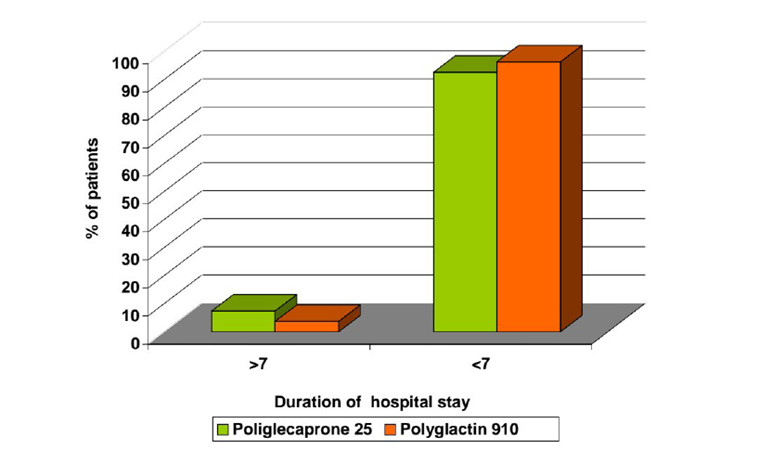
Figure 1 : Distribution of Duration of Hospital Stay Among Patients of the Two Groups
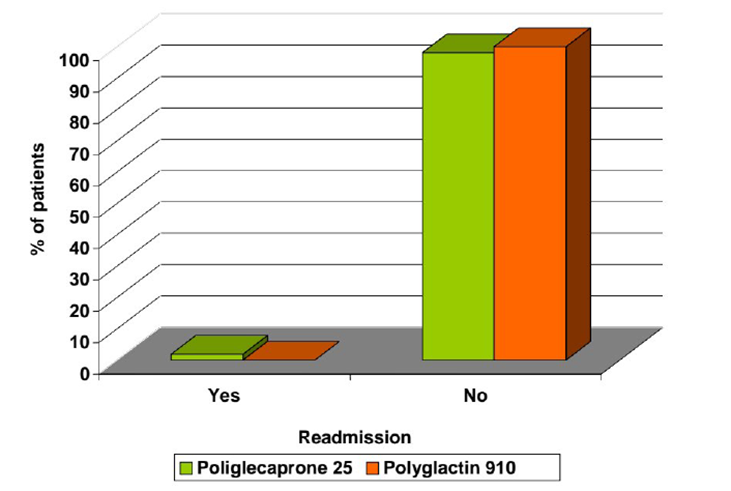
Figure 2 : Distribution of readmission and organ space infections and patients of the two groups
The baseline demographic and anthropometric characteristics were comparable between the Poliglecaprone 25 and Polyglactin 910 groups. The mean age of patients in the Poliglecaprone 25 group was 22.96 ± 4.11 years, while in the Polyglactin 910 group it was 22.72 ± 3.64 years, with no statistically significant difference observed (p=0.88). Regarding age distribution, in the Poliglecaprone 25 group, 12 patients (22.2%) were aged 18–19 years, 26 patients (48.1%) were aged 20–24 years, 10 patients (18.5%) were aged 25–29 years, and 6 patients (11.1%) were aged 30–34 years. In the Polyglactin 910 group, 13 patients (24.1%) were aged 18–19 years, 25 patients (46.3%) were aged 20–24 years, 12 patients (22.2%) were aged 25–29 years, and 4 patients (7.4%) were aged 30–34 years (p=0.88).The parity distribution was also similar between the two groups.
In the Poliglecaprone 25 group, 50 patients (92.6%) were nulliparous (parity 0), 3 patients (5.6%) had parity 1, and 1 patient (1.9%) had parity ≥2. Similarly, in the Polyglactin 910 group, 50 patients (92.6%) were nulliparous, 4 patients (7.4%) had parity 1, and no patient had parity ≥2. The difference in parity distribution was not statistically significant (p=0.56).The mean BMI was 23.30 ± 3.23 kg/m² in the Poliglecaprone 25 group and 23.86 ± 3.05 kg/m² in the Polyglactin 910 group, with no significant difference (p=0.38). Based on BMI categories, in the Poliglecaprone 25 group, 1 patient (1.9%) had BMI <18.5 kg/m², 26 patients (48.1%) had BMI 18.5–22.9 kg/m², 9 patients (16.7%) had BMI 23–24.9 kg/m², and 18 patients (33.3%) had BMI 25–29.9 kg/m². In the Polyglactin 910 group, 1 patient (1.9%) had BMI <18.5 kg/m², 18 patients (33.3%) had BMI 18.5–22.9 kg/m², 15 patients (27.8%) had BMI 23–24.9 kg/m², and 20 patients (37.0%) had BMI 25–29.9 kg/m² (p=0.38).
The duration of surgery was comparable between the Poliglecaprone 25 and Polyglactin 910 groups. In the Poliglecaprone 25 group, 6 patients (11.1%) had a surgery duration of <30 minutes, while 48 patients (88.9%) underwent surgery lasting 30–60 minutes. No patient had a surgery duration of >60 minutes. Similarly, in the Polyglactin 910 group, 6 patients (11.1%) had surgery duration of <30 minutes, 48 patients (88.9%) had surgery duration of 30–60 minutes, and none had surgery duration >60 minutes.The distribution of duration of surgery was not statistically different between the two groups (p=0.99) .
The postoperative infectious outcomes were comparable between the Poliglecaprone 25 and Polyglactin 910 groups. Deep incisional and organ space infection was not observed in any patient (0/54; 0.0%) in the Poliglecaprone 25 group, whereas 1 patient (1.9%) in the Polyglactin 910 group developed deep incisional and organ space infection. The difference was not statistically significant (p>0.05).Febrile morbidity was observed in 1 patient (1.9%) in the Poliglecaprone 25 group and 1 patient (1.9%) in the Polyglactin 910 group, while 53 patients (98.1%) in each group did not develop febrile morbidity. There was no statistically significant difference between the groups (p=0.99).Regarding surgical site infection (SSI), 3 patients (5.6%) in the Poliglecaprone 25 group and 7 patients (13.0%) in the Polyglactin 910 group developed SSI. The majority of patients remained free from SSI, with 51 patients (94.4%) in the Poliglecaprone 25 group and 47 patients (87.0%) in the Polyglactin 910 group having no infection. However, the difference in SSI incidence between the two groups was not statistically significant (p=0.395) .
The baseline demographic, clinical, and perioperative characteristics were comparable between the Poliglecaprone 25 and Polyglactin 910 groups. The mean age of patients was 22.96 ± 4.11 years in the Poliglecaprone 25 group and 22.72 ± 3.64 years in the Polyglactin 910 group, with no statistically significant difference (p=0.88). In the Poliglecaprone 25 group, 12 patients (22.2%) were aged 18–19 years, 26 patients (48.1%) were aged 20–24 years, 10 patients (18.5%) were aged 25–29 years, and 6 patients (11.1%) were aged 30–34 years. In the Polyglactin 910 group, 13 patients (24.1%), 25 patients (46.3%), 12 patients (22.2%), and 4 patients (7.4%) belonged to these respective age categories (p=0.88).The parity distribution was similar between the two groups. The median parity was 0 (0–3) in the Poliglecaprone 25 group and 0 (0–1) in the Polyglactin 910 group (p=0.56). Among patients in the Poliglecaprone 25 group, 50 patients (92.6%) had parity 0, 3 patients (5.6%) had parity 1, and 1 patient (1.9%) had parity ≥2. Similarly, in the Polyglactin 910 group, 50 patients (92.6%) had parity 0, 4 patients (7.4%) had parity 1, and none had parity ≥2.The mean BMI was 23.30 ± 3.23 kg/m² in the Poliglecaprone 25 group and 23.86 ± 3.05 kg/m² in the Polyglactin 910 group (p=0.38). In the Poliglecaprone 25 group, 1 patient (1.9%) had BMI <18.5 kg/m², 26 patients (48.1%) had BMI 18.5–22.9 kg/m², 9 patients (16.7%) had BMI 23–24.9 kg/m², and 18 patients (33.3%) had BMI 25–29.9 kg/m². In the Polyglactin 910 group, the corresponding distribution was 1 patient (1.9%), 18 patients (33.3%), 15 patients (27.8%), and 20 patients (37.0%), respectively.The mean systolic blood pressure (SBP) was 123.87 ± 7.55 mmHg in the Poliglecaprone 25 group and 122.52 ± 8.10 mmHg in the Polyglactin 910 group, while the mean diastolic blood pressure (DBP) was 81.00 ± 6.56 mmHg and 80.28 ± 6.31 mmHg, respectively.
No significant difference was observed in SBP or DBP between the groups (p>0.05).Hypertension was present in 7 patients (13.0%) in the Poliglecaprone 25 group and 6 patients (11.1%) in the Polyglactin 910 group, while 47 patients (87.0%) and 48 patients (88.9%), respectively, did not have hypertension (p=0.76). Among hypertensive patients, preeclampsia was observed in 6 patients (11.1%) in the Poliglecaprone 25 group and 4 patients (7.4%) in the Polyglactin 910 group, whereas chronic hypertension was present in 1 patient (1.9%) and 2 patients (3.7%), respectively (p=0.68).The type of caesarean section was similar in both groups. Emergency caesarean section was performed in 53 patients (98.1%) in each group, while elective caesarean section was performed in 1 patient (1.9%) in each group (p=0.99).
Regarding duration of surgery, 6 patients (11.1%) in each group had surgery lasting <30 minutes, and 48 patients (88.9%) in each group had surgery lasting 30–60 minutes. No patient in either group had surgery duration >60 minutes. The difference was not statistically significant (p=0.99).The surgery was performed by Junior Residents in 25 patients (46.3%) and by Senior Residents in 29 patients (53.7%) in both groups, with no significant difference (p=0.99). Amniotic membrane rupture was noted in 25 patients (46.3%) in each group, while it was absent in 29 patients (53.7%) in each group (p=0.99).Gestational diabetes mellitus (GDM) was present in 2 patients (3.7%) in the Poliglecaprone 25 group and 1 patient (1.9%) in the Polyglactin 910 group, while absent in 52 patients (96.3%) and 53 patients (98.1%), respectively (p=0.55). Insulin requirement was observed in 1 patient (1.9%) in the Poliglecaprone 25 group and in none of the Polyglactin 910 group (p=0.99).
The incidence of surgical site infection (SSI) was lower in the Poliglecaprone 25 group compared with the Polyglactin 910 group. SSI occurred in 3 patients (5.6%) in the Poliglecaprone 25 group and 7 patients (12.9%) in the Polyglactin 910 group; however, the difference was statistically not significant (p = 0.319, OR = 0.395, 95% CI: 0.096–1.61). Superficial infection was observed in 3 patients (5.6%) receiving Poliglecaprone 25 and 6 patients (11.1%) receiving Polyglactin 910, with no statistically significant difference (p = 0.5, OR = 2.12, 95% CI: 0.50–8.97). Deep incisional and organ space infection was not observed in the Poliglecaprone 25 group, whereas 1 patient (1.9%) in the Polyglactin 910 group developed this complication; the difference was statistically not significant (p > 0.05).Febrile morbidity occurred in 1 patient (1.9%) in each group, with no significant difference between the groups (p = 0.99).
Non-infectious complications were observed in 3 patients (5.6%) in the Poliglecaprone 25 group and 2 patients (3.7%) in the Polyglactin 910 group, showing no statistically significant difference (p = 0.5, OR = 1.52, 95% CI: 0.24–9.53). Among non-infectious complications, allergic reaction and haematoma were observed in 1 patient each (1.9%) in the Poliglecaprone 25 group, while wound separation occurred in 1 patient (1.9%) in the Poliglecaprone 25 group and 2 patients (3.7%) in the Polyglactin 910 group.Regarding secondary outcomes, the mean duration of hospital stay was comparable between the groups (5.57 ± 1.50 days in Poliglecaprone 25 vs 5.50 ± 1.41 days in Polyglactin 910; p = 0.4). Hospital stay of less than 7 days was observed in 50 patients (92.6%) in the Poliglecaprone 25 group and 52 patients (96.3%) in the Polyglactin 910 group, whereas stay of more than 7 days occurred in 4 patients (7.4%) and 2 patients (3.7%), respectively. Readmission was observed in 1 patient (1.9%) in the Poliglecaprone 25 group and none of the patients (0%) in the Polyglactin 910 group, with no statistically significant difference (p > 0.05, OR = 2.08, 95% CI: 0.36–11.86).
DISCUSSION:
In the present study, baseline demographic and anthropometric characteristics were comparable between the Poliglecaprone 25 and Polyglactin 910 groups, indicating effective matching of the study groups. The mean age, parity distribution, and BMI were similar between both groups, with no statistically significant differences observed. Comparable baseline characteristics were also reported by Sharma C et al., [9]. who evaluated subcuticular skin closure materials in caesarean delivery and found no significant differences in maternal age, parity, BMI, or other baseline variables between patients receiving Poliglecaprone 25 and Polyglactin 910 sutures Similarly, Gabrielli F et al. [10]. observed that demographic characteristics were evenly distributed between absorbable monofilament and braided suture groups, allowing reliable comparison of postoperative wound outcomes
The present study demonstrated that the majority of patients in both groups were young women, with a predominance of nulliparous patients. The similarity in parity distribution is important because parity and previous obstetric history may influence operative complexity, tissue characteristics, and wound healing. Similar findings were reported by Sultana R et al. [11], who included predominantly primigravida women undergoing caesarean delivery and found no significant association between parity and postoperative wound complications when comparing different absorbable sutures.
The mean BMI was comparable between the Poliglecaprone 25 and Polyglactin 910 groups. Obesity and increased adiposity are recognized risk factors for surgical site infection due to impaired vascularity, increased wound tension, and higher risk of seroma formation. However, in the present study, BMI distribution did not differ significantly between groups, suggesting that differences in postoperative outcomes were unlikely to be influenced by maternal body habitus. Similar observations were made by Mackeen AD et al., [12]. who reported comparable BMI distribution among caesarean patients undergoing closure with different absorbable sutures
In the present study, perioperative characteristics including type of caesarean section, duration of surgery, operating surgeon category, amniotic membrane rupture, gestational diabetes mellitus, and insulin requirement were comparable between the two groups. Most procedures were emergency caesarean sections, and operative duration was mainly between 30–60 minutes. Comparable operative parameters were reported by Kolaib M et al., [13]. who found no significant differences in operative time or surgical characteristics between Poliglecaprone 25 and Polyglactin 910 closure groups after caesarean delivery Maintaining similarity in operative factors is essential because prolonged surgery, emergency procedures, and intraoperative contamination can independently increase postoperative infection risk.
The primary outcome of the present study was surgical site infection (SSI). SSI occurred in 5.6% of patients in the Poliglecaprone 25 group compared with 12.9% in the Polyglactin 910 group; however, this difference was not statistically significant. Although the incidence was numerically lower with Poliglecaprone 25, both materials demonstrated comparable effectiveness in preventing postoperative infection. Similar findings were reported by Tuuli MG et al., [14]. who observed lower or comparable wound complication rates with monofilament Poliglecaprone 25 compared with braided Polyglactin 910, although statistical significance was not consistently achieved The lower infection tendency associated with Poliglecaprone 25 may be attributed to its monofilament structure, which produces less bacterial adherence and reduced capillary action compared with braided sutures.
Superficial wound infection was observed in 5.6% of patients in the Poliglecaprone 25 group and 11.1% in the Polyglactin 910 group, without significant statistical difference. Deep incisional infection and organ space infection were rare, with only one case reported in the Polyglactin 910 group. Similar results were documented by Fayaz S et al., [15]. who reported that monofilament absorbable sutures were associated with reduced inflammatory response and fewer wound-related complications compared with braided absorbable sutures, although major differences were not statistically significant
Febrile morbidity was observed equally in both groups (1.9%), indicating no difference in systemic postoperative complications related to suture material. Likewise, Daykan Y et al. [16].reported no significant difference in postoperative fever, wound infection, or hospital recovery parameters between patients receiving Poliglecaprone 25 and Polyglactin 910 closure following caesarean section.
Non-infectious wound complications in the present study were uncommon and comparable between groups. Allergic reaction and haematoma were observed only in the Poliglecaprone 25 group, whereas wound separation was slightly higher in the Polyglactin 910 group. Similar findings have been reported in previous studies where both suture materials showed acceptable safety profiles with minimal adverse reactions. The lower tissue reactivity associated with Poliglecaprone 25 has been attributed to its smooth monofilament structure and slower inflammatory response.
The duration of hospital stay was comparable between the two groups, with mean hospital stay of approximately 5.5 days. Although a slightly higher proportion of patients in the Poliglecaprone 25 group required prolonged hospitalization (>7 days), the difference was not statistically significant.
CONCLUSION:
In the present study, baseline demographic, anthropometric, clinical, and perioperative characteristics were comparable between the Poliglecaprone 25 and Polyglactin 910 groups, indicating that both groups were well matched for comparison. The use of Poliglecaprone 25 for caesarean skin closure demonstrated comparable postoperative wound outcomes to Polyglactin 910. Although a lower incidence of surgical site infection and superficial wound infection was observed with Poliglecaprone 25, the difference was not statistically significant. Deep incisional infection, organ space infection, febrile morbidity, non-infectious wound complications, duration of hospital stay, and readmission rates were also similar between the two groups.Overall, both Poliglecaprone 25 and Polyglactin 910 were found to be safe and effective absorbable sutures for skin closure following caesarean section. The potential advantages of Poliglecaprone 25, including its monofilament structure, reduced tissue reactivity, and lower bacterial adherence tendency, may provide clinical benefits in wound healing; however, larger studies with extended follow-up are required to establish its superiority over Polyglactin 910. Thus, Poliglecaprone 25 can be considered an acceptable alternative to Polyglactin 910 for caesarean skin closure with comparable postoperative outcomes.
REFERENCES:
1. Opiyo N, Kingdon C, Oladapo OT, Souza JP, Vogel JP, Bonet M, Bucagu M, Portela A, McConville F, Downe S, Gülmezoglu AM. Non-clinical interventions to reduce unnecessary caesarean sections: WHO recommendations. Bulletin of the World Health Organization. 2019 Nov 29;98(1):66.
2. Dahlke JD, Mendez-Figueroa H, Rouse DJ, Berghella V, Baxter JK, Chauhan SP. Evidence-based surgery for cesarean delivery: an updated systematic review. American journal of obstetrics and gynecology. 2013 Oct 1;209(4):294-306.
3. Greenberg JA, Bell SJ, Guan Y, Yu YH. Folic acid supplementation and pregnancy: more than just neural tube defect prevention. Reviews in obstetrics and gynecology. 2011;4(2):52.
4. Edlich RF, Rodeheaver GT, Thacker JG, Lin KY, Drake DB, Mason SS, Wack CA, Chase ME, Tribble C, Long III WB, Vissers RJ. Revolutionary advances in the management of traumatic wounds in the emergency department during the last 40 years: part I. The Journal of emergency medicine. 2010 Jan 1;38(1):40-50.
5. Bezwada RS, Jamiolkowski DD, Lee IY, Agarwal V, Persivale J, Trenka-Benthin S, Erneta M, Suryadevara J, Yang A, Liu S. Monocryl® suture, a new ultra-pliable absorbable monofilament suture. Biomaterials. 1995 Oct 1;16(15):1141-8.
6. Diener MK, Knebel P, Kieser M, Schüler P, Schiergens TS, Atanassov V, Neudecker J, Stein E, Thielemann H, Kunz R, Von Frankenberg M. Effectiveness of triclosan-coated PDS Plus versus uncoated PDS II sutures for prevention of surgical site infection after abdominal wall closure: the randomised controlled PROUD trial. The Lancet. 2014 Jul 12;384(9938):142-52.
7. Olsen MA, Butler AM, Willers DM, Devkota P, Gross GA, Fraser VJ. Risk factors for surgical site infection after low transverse cesarean section. Infection Control & Hospital Epidemiology. 2008 Jun;29(6):477-84.
8. Mackeen AD, Schuster M, Berghella V. Suture versus staples for skin closure after cesarean: a metaanalysis. American journal of obstetrics and gynecology. 2015 May 1;212(5):621-e1.
9. Sharma C, Sharma S, Soni A. Subcuticular skin closure at cesarean delivery with poliglecaprone-25 vs polyglactin-910: a randomized controlled trial. American Journal of Obstetrics & Gynecology MFM. 2024 Feb 1;6(2):101256.
10. Gabrielli F, Potenza C, Puddu P, Sera F, Masini C, Abeni D. Suture materials and other factors associated with tissue reactivity, infection, and wound dehiscence among plastic surgery outpatients. Plastic and reconstructive surgery. 2001 Jan 1;107(1):38-45.
11. Sultana R, Mirdha RR, Shakya M, Mahadik K. Demographic profile, unplanned status and intraoperative situations increase surgical site infection in cesarean delivery: conclusions from a prospective study in central India. BMC Infectious Diseases. 2025 Jul 1;25(1):832.
12. Mackeen AD, Sullivan MV, Schuster M, Berghella V. Suture compared with staples for skin closure after cesarean delivery: a systematic review and meta-analysis. Obstetrics & Gynecology. 2022 Aug 1;140(2):293-303.
13. Kolaib M, Mohamed W, Maaty A, Darwish R. Comparison between Subcuticular Skin Closure by Different Suture Materials in Cesarean Delivery: An Interventional Randomized Controlled Clinical Trial. Evidence Based Women's Health Journal. 2023 Feb 1;13(1):7-13.
14. Tuuli MG, Stout MJ, Martin S, Rampersad RM, Cahill AG, Macones GA. Comparison of suture materials for subcuticular skin closure at cesarean delivery. American journal of obstetrics and gynecology. 2016 Oct 1;215(4):490-e1.
15. Fayaz S, Ali SH, Tahir M, Abbas M, Akhtar N. Comparative Study of Polydioxanone and Polyglactin in Tubularized Incised Plate Urethroplasty for Hypospadias Repair. Mirpur Journal of Medical Sciences. 2026 Jun 12;4(2):139-42.
16. Daykan Y, Sharon-Weiner M, Pasternak Y, Tzadikevitch-Geffen K, Markovitch O, Sukenik-Halevy R, Biron-Shental T. Skin closure at cesarean delivery, glue vs subcuticular sutures: a randomized controlled trial. American journal of Obstetrics and Gynecology. 2017 Apr 1;216(4):406-e1.