Cutaneous Hyperpigmentation as the First Manifestation of Vitamin B12 Deficiency with Neurological Symptoms: A Case Series.
- Hiral Shah , Associate Professor Department of Dermatology Baroda Medical College, Vadodara, Gujarat, India
- Abhishek Parekh , Assistant Professor Department of Dermatology, Dr. Kiran C. Patel Medical College and Research Institute, Bharuch, Gujarat, India
- Archana Chavda , Assistant Professor Department of Dermatology Dr. M K Shah Medical College and Research Institute, Ahmedabad, Gujarat, India
Article Information:
Abstract:
Background: Cutaneous hyperpigmentation is an uncommon but important manifestation of vitamin B12 deficiency and may precede haematological or neurological abnormalities. This case series describes seven patients presenting with acquired cutaneous hyperpigmentation associated with vitamin B12 deficiency. Clinical evaluation included dermatological, neurological, psychiatric, and laboratory assessment. Cutaneous hyperpigmentation was observed in all seven patients, while mucosal pigmentation was present in six. Fatigue and tingling or numbness occurred in six patients each, peripheral neuropathy in two, and subacute combined degeneration in one. Depression was noted in four patients, and one patient exhibited multiple neuropsychiatric manifestations. Five patients had low serum vitamin B12 levels, while pancytopenia was present in three. Pernicious anaemia was confirmed in two cases by anti-parietal cell or anti-intrinsic factor antibody positivity. All patients received intramuscular methylcobalamin, resulting in early symptomatic improvement and gradual resolution of hyperpigmentation. This case series highlights that vitamin B12 deficiency should be considered in patients presenting with unexplained acral or mucosal hyperpigmentation, even in the absence of classical macrocytosis. Early diagnosis and treatment can reverse cutaneous manifestations and prevent irreversible neurological complications.
Keywords:
Article :
INTRODUCTION:
Vitamin B12 (cobalamin) is an essential water-soluble vitamin required for DNA synthesis, erythropoiesis, and normal neurological function. Deficiency of vitamin B12 commonly results from inadequate dietary intake, malabsorption, or autoimmune disorders such as pernicious anaemia, and may present with hematological, neurological, psychiatric, and mucocutaneous manifestations.1,2
Cutaneous hyperpigmentation is an uncommon but important early clinical manifestation of vitamin B12 deficiency and may precede the development of megaloblastic anemia or neurological deficits. The pigmentation typically involves the knuckles, dorsal aspects of the hands and feet, palmar creases, pressure areas, oral mucosa, and occasionally generalized skin. Because these findings resemble those seen in Addison's disease and drug-induced pigmentation, vitamin B12 deficiency should always be considered in the differential diagnosis.3,4
Neurological manifestations of vitamin B12 deficiency include paresthesia, numbness, gait instability, cognitive impairment, psychiatric disturbances, and subacute combined degeneration of the spinal cord. Delay in diagnosis may result in irreversible neurological damage, whereas early recognition and prompt cobalamin replacement can lead to complete resolution of cutaneous manifestations and significant neurological recovery.3,5
Pernicious anaemia is one of the most frequent causes of severe vitamin B12 deficiency and results from autoimmune destruction of gastric parietal cells or intrinsic factor deficiency, leading to impaired intestinal absorption of cobalamin. Detection of anti-intrinsic factor and anti-parietal cell antibodies, together with low serum vitamin B12 and elevated homocysteine or methylmalonic acid levels, helps establish the diagnosis.4,6
The present case series describes seven patients in whom cutaneous hyperpigmentation was the initial presenting feature of vitamin B12 deficiency associated with neurological manifestations, highlighting the importance of early recognition of this easily overlooked clinical presentation.
MATERIALS AND METHODS:
Study Design
Hospital-based descriptive case series.
Study Setting
Department of Dermatology in collaboration with the Departments of General Medicine and Neurology at a tertiary care teaching hospital.
Study Duration
The study was conducted over a period of 24 months.
Study Population
Seven consecutive patients presenting with cutaneous hyperpigmentation as the initial manifestation of vitamin B12 deficiency accompanied by neurological symptoms were included.
Inclusion Criteria
· Patients presenting with acquired cutaneous hyperpigmentation.
· Serum vitamin B12 level below the laboratory reference range.
· Presence of one or more neurological manifestations such as paresthesia, numbness, gait disturbance, weakness, cognitive impairment, or psychiatric symptoms.
· Patients who completed clinical evaluation and laboratory investigations.
Exclusion Criteria
· Hyperpigmentation due to endocrine disorders (e.g., Addison's disease).
· Drug-induced pigmentation.
· Pigmentary disorders unrelated to vitamin B12 deficiency.
· Patients with incomplete clinical or laboratory records.
Clinical Evaluation
A detailed history regarding dietary habits, gastrointestinal symptoms, medication use, alcohol consumption, associated systemic illnesses, and family history was obtained. Complete dermatological and neurological examinations were performed. The distribution of pigmentation, mucosal involvement, nail and hair changes, and neurological findings were documented photographically after obtaining informed consent.
Laboratory Investigations
All patients underwent the following investigations:
· Complete blood count and peripheral blood smear
· Mean corpuscular volume (MCV)
· Serum vitamin B12 level
· Serum folate
· Serum homocysteine
· Serum lactate dehydrogenase (LDH)
· Thyroid function tests
· Blood glucose
· Serum electrolytes
· Anti-intrinsic factor antibody
· Anti-parietal cell antibody
Additional investigations, including MRI of the brain and spinal cord and neurological consultation, were performed in patients suspected to have subacute combined degeneration.
Treatment
All patients received intramuscular methylcobalamin 1000 μg daily for one week, followed by weekly injections for one-month, monthly injections for three months, and subsequently maintenance therapy according to the underlying etiology. Patients diagnosed with pernicious anaemia were advised lifelong vitamin B12 replacement.
Outcome Assessment
Patients were followed clinically to assess:
· Improvement in cutaneous hyperpigmentation.
· Resolution of neurological symptoms.
· Improvement in hematological parameters.
· Normalization of serum vitamin B12 and homocysteine levels.
· Time required for clinical recovery after initiation of therapy.
RESULTS:
Case 1
A 32-year-old man presented with acquired hyperpigmentation involving the face, bilateral dorsum of the hands and feet, and knuckles. There was no associated mucosal pigmentation or change in the hair or nails. He complained of fatigue, tingling and numbness of the lower limbs, peripheral neuropathic symptoms, depression, and diarrhoea.
Laboratory evaluation revealed severe vitamin B12 deficiency, with a serum vitamin B12 level below 60 pg/mL. The patient had anaemia with haemoglobin of 8.4 g/dL, reduced packed cell volume of 23.9%, leukopenia with a total leukocyte count of 3,800 cells/mm³, and thrombocytopenia with a platelet count of 1.10 lakh/mm³. The mean corpuscular volume was elevated at 102.1 fL, with increased mean corpuscular haemoglobin of 35.9 pg and red-cell distribution width of 29.2%. Serum homocysteine was markedly elevated at 48 µmol/L, while serum lactate dehydrogenase was elevated at 458.9 U/L. Serum folate was within the normal range. Anti-parietal cell antibodies were strongly positive, whereas anti-intrinsic factor antibodies were negative. These findings were suggestive of vitamin B12 deficiency secondary to pernicious anaemia.
The patient was treated with intramuscular methylcobalamin. Constitutional and gastrointestinal symptoms improved within two weeks, followed by progressive reduction in facial and acral pigmentation.
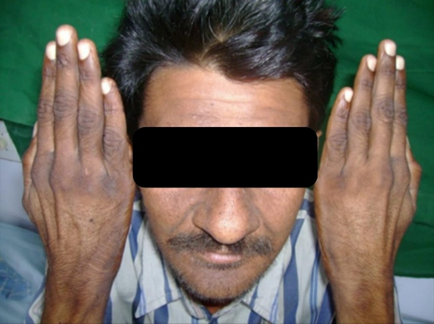
Figure 1: Hyperpigmentation over face and bilateral dorsum of the hand (before treatment)
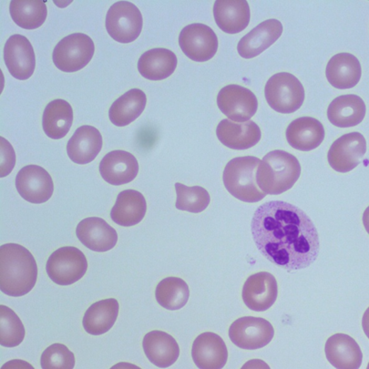
Figure 2: Peripheral smear showing macro-ovalocytosis and anisocytosis
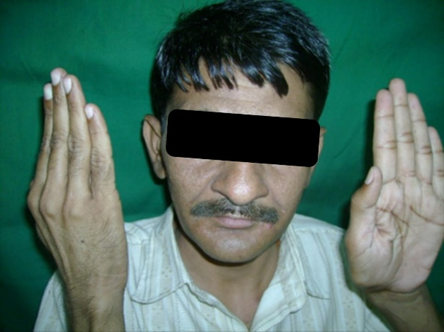
Figure 3: Resolution of pigmentation after 3 weeks of treatment
Case 2
A 38-year-old woman presented with progressive hyperpigmentation that initially involved the palms and soles and subsequently extended to the face, gums, and tongue. She also had premature greying of the hair and bleeding gums. Her neurological complaints included fatigue, tingling and numbness of the lower limbs, paraesthesia, peripheral neuropathy, weakness, and an unsteady gait. Psychiatric and cognitive manifestations included irritability, personality change, depression, psychosis, dementia-like symptoms, and mild memory impairment. She also reported diarrhoea.
Her serum vitamin B12 level was reduced to 112 pg/mL. Haematological investigations showed haemoglobin of 7.4 g/dL, packed cell volume of 21.1%, total leukocyte count of 2,900 cells/mm³, and platelet count of 87,000/mm³, indicating pancytopenia. Macrocytosis was present, with an MCV of 109.2 fL and MCH of 38.3 pg. Serum homocysteine was elevated at 44.97 µmol/L. Serum folate was mildly elevated, while LDH was within the stated reference range. Anti-intrinsic factor antibodies were positive and anti-parietal cell antibodies were negative, supporting a diagnosis of pernicious anaemia. The associated gait disturbance, paraesthesia, cognitive symptoms, and peripheral neuropathy were consistent with subacute combined degeneration of the spinal cord.
Following intramuscular methylcobalamin therapy, the patient experienced improvement in fatigue and gastrointestinal symptoms within two weeks. Cutaneous pigmentation gradually decreased, initially over the face and subsequently over the palms and soles.
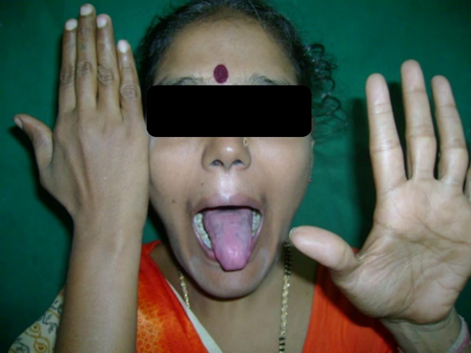
Figure 4: Hyperpigmentation over the dorsum of the hand, palmar creases and tongue (before treatment)
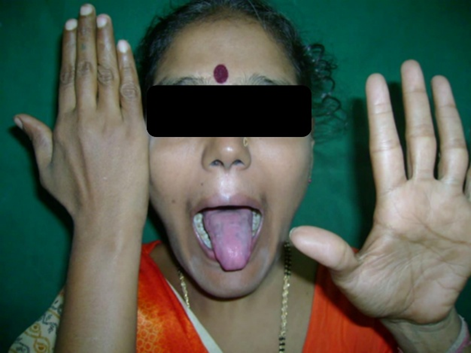
Figure 5: Resolution of pigmentation after 6 weeks of treatment
Case 3
The third patient presented with diffuse cutaneous hyperpigmentation associated with mucosal pigmentation. Hair and nail changes and bleeding gums were absent. The patient complained of fatigue, tingling and numbness of the limbs, and depression. There was no documented gait abnormality, peripheral neuropathy, subacute combined degeneration, or gastrointestinal manifestation.
Serum vitamin B12 was severely reduced to below 60 pg/mL. Haemoglobin was relatively preserved at 12.4 g/dL, with a packed cell volume of 37.1%. The total leukocyte count was mildly elevated at 10,500 cells/mm³, while the platelet count was normal at 3.10 lakh/mm³. The MCV was 87.4 fL, indicating normocytic red cells despite severe biochemical vitamin B12 deficiency. The red-cell distribution width was elevated at 16.9%, suggesting variation in erythrocyte size. This case demonstrated that prominent cutaneous and neurological manifestations may occur even in the absence of macrocytic anaemia.
Case 4
The fourth patient presented with cutaneous and mucosal hyperpigmentation, nail changes, and bleeding gums. Fatigue, tingling and numbness, and depression were present, but there was no documented peripheral neuropathy, gait instability, cognitive impairment, or diarrhoea.
Serum vitamin B12 was 269 pg/mL, which was within the stated laboratory reference range but relatively low in the clinical context. Haematological findings included haemoglobin of 9.8 g/dL, packed cell volume of 28.2%, leukopenia with a total leukocyte count of 3,600 cells/mm³, and thrombocytopenia with a platelet count of 71,000/mm³. The MCV was reduced to 71.2 fL and MCH to 24.7 pg, indicating a microcytic pattern rather than classical macrocytosis. The markedly increased RDW of 22.1% suggested a mixed or evolving haematological abnormality. This case emphasized that vitamin B12-related manifestations may coexist with microcytosis, potentially masking the classical macrocytic picture.
Case 5
The fifth patient had cutaneous and mucosal hyperpigmentation, nail changes, and bleeding gums. Fatigue and tingling and numbness were present, whereas psychiatric, cognitive, gait-related, and gastrointestinal manifestations were not documented.
The serum vitamin B12 concentration was 380 pg/mL, within the stated laboratory range. Haemoglobin was mildly reduced at 11.3 g/dL, and packed cell volume was 32.2%. The total leukocyte count and platelet count were normal. MCV was reduced to 77.1 fL, while RDW was elevated at 17.1%, indicating a microcytic population with anisocytosis. Despite the absence of biochemical vitamin B12 deficiency according to the stated reference interval, the clinical phenotype was compatible with a functional or previously treated deficiency; further assessment using serum methylmalonic acid and homocysteine would have helped clarify the diagnosis.
Case 6
The sixth patient presented with cutaneous and mucosal hyperpigmentation accompanied by fatigue and tingling and numbness. There were no nail or hair changes, bleeding gums, gait disturbance, peripheral neuropathy, psychiatric manifestations, or diarrhoea.
Serum vitamin B12 was low at 94 pg/mL. Haemoglobin was 11.7 g/dL, with a packed cell volume of 35.1%. Total leukocyte and platelet counts were within normal limits. The MCV was reduced at 78.6 fL and MCH was mildly reduced at 26.2 pg, while RDW was slightly increased at 15.3%. Thus, this patient had unequivocal biochemical vitamin B12 deficiency without macrocytosis, again demonstrating that microcytic indices do not exclude vitamin B12 deficiency.
Case 7
The seventh patient presented with cutaneous and mucosal hyperpigmentation without nail, hair, or gingival changes. Unlike most other patients, fatigue, tingling, numbness, psychiatric manifestations, and gastrointestinal symptoms were not reported.
Serum vitamin B12 was severely reduced to below 60 pg/mL. The patient had severe anaemia with haemoglobin of 6.5 g/dL and packed cell volume of 18.4%. Pancytopenia was present, with a total leukocyte count of 1,900 cells/mm³ and platelet count of 90,000/mm³. The MCV was markedly elevated at 109 fL, MCH was elevated at 38.5 pg, and RDW was increased at 15.1%. These findings were consistent with severe megaloblastic anaemia due to vitamin B12 deficiency, despite the absence of prominent neurological complaints
Comparative Clinical Profile of the Seven Cases
|
Clinical manifestation |
Case 1 |
Case 2 |
Case 3 |
Case 4 |
Case 5 |
Case 6 |
Case 7 |
Total, n (%) |
|
Cutaneous hyperpigmentation |
+ |
+ |
+ |
+ |
+ |
+ |
+ |
7 (100.0) |
|
Nail changes |
− |
− |
− |
+ |
+ |
− |
− |
2 (28.6) |
|
Hair changes |
− |
+ |
− |
− |
− |
− |
− |
1 (14.3) |
|
Mucosal pigmentation |
− |
+ |
+ |
+ |
+ |
+ |
+ |
6 (85.7) |
|
Bleeding gums |
− |
+ |
− |
+ |
+ |
− |
− |
3 (42.9) |
|
Fatigue |
+ |
+ |
+ |
+ |
+ |
+ |
− |
6 (85.7) |
|
Tingling and numbness |
+ |
+ |
+ |
+ |
+ |
+ |
− |
6 (85.7) |
|
Unsteady gait |
− |
+ |
− |
− |
− |
− |
− |
1 (14.3) |
|
Paraesthesia |
− |
+ |
− |
− |
− |
− |
− |
1 (14.3) |
|
Peripheral neuropathy |
+ |
+ |
− |
− |
− |
− |
− |
2 (28.6) |
|
Subacute combined degeneration |
− |
+ |
− |
− |
− |
− |
− |
1 (14.3) |
|
Irritability |
− |
+ |
− |
− |
− |
− |
− |
1 (14.3) |
|
Personality change |
− |
+ |
− |
− |
− |
− |
− |
1 (14.3) |
|
Depression |
+ |
+ |
+ |
+ |
− |
− |
− |
4 (57.1) |
|
Psychosis |
− |
+ |
− |
− |
− |
− |
− |
1 (14.3) |
|
Dementia-like symptoms |
− |
+ |
− |
− |
− |
− |
− |
1 (14.3) |
|
Mild memory impairment |
− |
+ |
− |
− |
− |
− |
− |
1 (14.3) |
|
Diarrhoea |
+ |
+ |
− |
− |
− |
− |
− |
2 (28.6) |
Comparative Laboratory Profile of the Seven Cases
|
Laboratory parameter |
Case 1 |
Case 2 |
Case 3 |
Case 4 |
Case 5 |
Case 6 |
Case 7 |
|
Serum vitamin B12, pg/mL |
<60 |
112 |
<60 |
269 |
380 |
94 |
<60 |
|
Haemoglobin, g/dL |
8.4 |
7.4 |
12.4 |
9.8 |
11.3 |
11.7 |
6.5 |
|
RDW, % |
29.2 |
15.0 |
16.9 |
22.1 |
17.1 |
15.3 |
15.1 |
|
Platelet count, cells/mm³ |
110,000 |
87,000 |
310,000 |
71,000 |
316,000 |
333,000 |
90,000 |
|
Total leukocyte count, cells/mm³ |
3,800 |
2,900 |
10,500 |
3,600 |
7,800 |
8,600 |
1,900 |
|
Packed cell volume, % |
23.9 |
21.1 |
37.1 |
28.2 |
32.2 |
35.1 |
18.4 |
|
MCV, fL |
102.1 |
109.2 |
87.4 |
71.2 |
77.1 |
78.6 |
109.0 |
|
MCH, pg |
35.9 |
38.3 |
29.2 |
24.7 |
27.0 |
26.2 |
38.5 |
|
MCHC, g/dL |
35.1 |
35.1 |
33.4 |
34.8 |
35.0 |
33.3 |
35.3 |
|
LDH, U/L |
458.9 |
250.9 |
Not done |
Not done |
Not done |
Not done |
Not done |
|
Serum folate, ng/mL |
4.7 |
17.0 |
Not done |
Not done |
Not done |
Not done |
Not done |
|
Homocysteine, µmol/L |
48.0 |
44.97 |
Not done |
Not done |
Not done |
Not done |
Not done |
|
Anti-intrinsic factor antibody |
Negative |
Positive |
Not done |
Not done |
Not done |
Not done |
Not done |
|
Anti-parietal cell antibody |
Strongly positive |
Negative |
Not done |
Not done |
Not done |
Not done |
Not done |
Comparative Interpretation
All seven patients presented with cutaneous hyperpigmentation, making it the universal dermatological manifestation in the series. Mucosal pigmentation was observed in six patients, while nail and hair changes were less frequent. Fatigue and tingling or numbness were the predominant neurological complaints, each occurring in six patients. More severe neurological and neuropsychiatric involvement was concentrated in Case 2, who developed peripheral neuropathy, gait instability, cognitive changes, psychosis, and subacute combined degeneration.
Five patients had serum vitamin B12 concentrations below the stated reference range. Anaemia was prominent in Cases 1, 2, 4, and 7, while pancytopenia was evident in Cases 1, 2, and 7 and was likely present in Case 4 when the reduced haemoglobin, leukocyte count, and platelet count were considered together. Classical macrocytosis was observed in Cases 1, 2, and 7. In contrast, Cases 4, 5, and 6 showed microcytic indices, indicating that coexisting nutritional deficiencies or mixed anaemia may mask the expected macrocytosis of vitamin B12 deficiency.
Evidence of pernicious anaemia was found in two patients. Case 1 had strongly positive anti-parietal cell antibodies, while Case 2 had positive anti-intrinsic factor antibodies. Both had markedly elevated homocysteine concentrations and multisystem manifestations. Overall, the findings demonstrate that vitamin B12 deficiency may present with heterogeneous haematological indices and that cutaneous hyperpigmentation, particularly when associated with mucosal pigmentation or neurological symptoms, should prompt early evaluation of serum vitamin B12 status.
DISCUSSION:
Vitamin B12 deficiency may produce haematological, neurological, psychiatric, gastrointestinal, and mucocutaneous manifestations. Cutaneous hyperpigmentation is relatively uncommon but may be the earliest or most prominent feature, leading patients to seek dermatological consultation before the underlying systemic deficiency is recognized. In the present series, all seven patients had cutaneous hyperpigmentation, while mucosal pigmentation was observed in six cases. Similar reports have described pigmentation predominantly over the knuckles, palms, soles, interphalangeal joints, and oral mucosa, emphasizing its value as an early clinical marker of cobalamin deficiency.⁷
Hyperpigmentation has also been documented as the primary manifestation in patients without initially apparent haematological or neurological abnormalities.⁸
The proposed mechanism of hyperpigmentation includes increased melanin synthesis resulting from enhanced tyrosinase activity and defective transfer of melanin from melanocytes to keratinocytes. The characteristic acral and flexural distribution may resemble Addisonian pigmentation; therefore, adrenal insufficiency, thyroid disease, drug-induced pigmentation, and other nutritional disorders should be excluded. Recognition of vitamin B12 deficiency is important because pigmentation generally improves after appropriate cobalamin replacement.⁹
Neurological symptoms were frequent in the present series. Six patients reported tingling and numbness, two had peripheral neuropathy, and one patient developed an unsteady gait with subacute combined degeneration of the spinal cord. Alhazmi et al. similarly reported hyperpigmentation preceding paraesthesia, weakness, and radiologically confirmed subacute combined degeneration due to pernicious anaemia. Neurological involvement results principally from demyelination of the posterior and lateral columns and may become irreversible when treatment is delayed.¹⁰
Psychiatric manifestations were also observed, with depression occurring in four cases and irritability, personality change, psychosis, and cognitive impairment occurring in one patient. Vitamin B12 deficiency may cause a wide spectrum of neuropsychiatric abnormalities, sometimes in the absence of severe anaemia. Therefore, unexplained psychiatric or cognitive symptoms associated with pigmentation or sensory complaints should prompt evaluation of serum vitamin B12 levels.
Classical macrocytosis was present in only three patients, whereas three patients showed microcytic indices and one had a normocytic pattern. These observations demonstrate that a normal or reduced MCV does not exclude vitamin B12 deficiency. Coexisting iron deficiency, chronic inflammation, or mixed nutritional deficiency may mask the expected macrocytosis. Similar case reports have documented pigmentation associated with vitamin B12 deficiency despite relatively preserved haemoglobin levels and normal or near-normal MCV.8,11
Three patients in the present series had pancytopenia, and severe biochemical deficiency was observed in several cases. Elevated homocysteine levels in the two evaluated patients provided additional evidence of functional cobalamin deficiency. Pernicious anaemia was identified in two patients: one had strongly positive anti-parietal cell antibodies and the other had positive anti-intrinsic factor antibodies. Comparable reports have described hyperpigmentation and pancytopenia associated with autoimmune gastritis and intrinsic-factor antibodies.9,10
Improvement in constitutional symptoms and gradual reversal of pigmentation following intramuscular methylcobalamin further supported the diagnosis. Previous reports have demonstrated visible improvement within a few weeks of treatment, although neurological recovery may be slower and incomplete in advanced disease.12,13
Overall, the present series highlights the heterogeneous presentation of vitamin B12 deficiency and emphasizes that cutaneous pigmentation may offer an important opportunity for diagnosis before permanent neurological complications occur.
CONCLUSION:
Cutaneous hyperpigmentation may be an early and occasionally the first manifestation of vitamin B12 deficiency. In the present series, it was frequently associated with mucosal pigmentation, sensory symptoms, psychiatric manifestations, anaemia, and pancytopenia. Classical macrocytosis was not present in every patient, indicating that vitamin B12 deficiency should not be excluded solely on the basis of normal or reduced MCV. Early assessment of serum vitamin B12, complete blood counts, homocysteine, and antibodies for pernicious anaemia is essential in patients with unexplained acral or mucosal pigmentation. Prompt cobalamin replacement can reverse pigmentation and haematological abnormalities and may prevent irreversible neurological damage.
REFERENCES:
1. Stabler SP. Vitamin B12 deficiency. N Engl J Med. 2013;368(2):149-160. doi: 10.1056/NEJMcp1113996.
2. Green R, Allen LH, Bjørke-Monsen AL, Brito A, Guéant JL, Miller JW, et al. Vitamin B12 deficiency. Nat Rev Dis Primers. 2017;3:17040. doi: 10.1038/nrdp.2017.40.
3. Aaron S, Kumar S, Vijayan J, Jacob J, Alexander M, Gnanamuthu C, et al. Clinical and laboratory features and response to treatment in patients presenting with vitamin B12 deficiency-related neurological syndromes. Neurol India. 2005;53(1):55-58. doi: 10.4103/0028-3886.15057.
4. Demir N, Doğan M, Koç A, Bulan K, Ustyol L, Peker E, et al. Dermatological findings of vitamin B12 deficiency and resolving time of these symptoms. Cutan Ocul Toxicol. 2014;33(1):70-73. doi: 10.3109/15569527.2013.787088.
5. Padhi S, Sarangi R, Ramdas A, Ravichandran K, Varghese RGB, Alexander T, et al. Cutaneous hyperpigmentation in megaloblastic anemia: A five-year retrospective review. Mediterr J Hematol Infect Dis. 2016;8(1):e2016021. doi: 10.4084/MJHID.2016.021.
6. Kannan R, Ng MJ. Cutaneous lesions and vitamin B12 deficiency: An often-forgotten link. Can Fam Physician. 2008;54(4):529-532.
7. Agrawal PV, Sharma YK, Deo KS, Ranpariya RH, Singh P. Mucocutaneous hyperpigmentation as presentation of vitamin B12 deficiency: A case report and brief review. Pigment Int. 2019;6(1):37-42. doi: 10.4103/pigmentinternational.pigmentinternational_26_18.
8. Jangda A, Voloshyna D, Ramesh K, Bseiso A, Shaik TA, Al Barznji S, et al. Hyperpigmentation as a primary symptom of vitamin B12 deficiency: A case report. Cureus. 2022;14(9):e29008. doi: 10.7759/cureus.29008.
9. Maharajh S, Teelucksingh S. Hyperpigmentation in vitamin B12 deficiency. N Engl J Med. 2022;386(2):172. doi: 10.1056/NEJMicm2113099.
10. Alhazmi A, Almalki A, Ghazala S. Skin hyperpigmentation as the presenting symptom of subacute combined degeneration of the spinal cord. Case Rep Neurol Med. 2017;2017:7140908. doi: 10.1155/2017/7140908.
11. Srivastava A, Choudhary S. Knuckle pigmentation as an early cutaneous sign of vitamin B12 deficiency: A case report. JNMA J Nepal Med Assoc. 2020;58(230):798-800. doi: 10.31729/jnma.5048.
12. Fathima S, Umesh T. Vitamin B12 deficiency causing neurological syndrome with rare skin manifestation. J Med Allied Sci. 2018;8(1):49-52. doi: 10.5455/jmas.275238.
13. Henshaw EB, Okafor LE, Ekpenyong HJ. Cutaneous hyperpigmentation as a diagnostic marker of vitamin B12 deficiency: A case report. Int J Res Dermatol. 2022;8(3):353-357. doi: 10.18203/issn.2455-4529.IntJResDermatol20221015.