Evaluation of Prescribing Indicators and Rational Drug Use in Patients Attending the Outpatient Department of a Tertiary Care Centre.
- Jabeen Anjum , Associate Professor, Department of Pharmacology, Father Colombo Institute of Medical Science, Warangal, 506001, Telangana State, India.
- Syeda Shakira Fathima , Associate Professor, Department of Pharmacology, Father Colombo Institute of Medical Science, Warangal, 506001, Telangana State, India.
- Jayaprakash Konda , Associate professor, Department of pharmacology, Prathima Relief Institute of Medical Science, Mulugu road, Hanamkonda, Telangana state, 506001, India
Article Information:
Abstract:
Background: Rational prescribing is essential for improving therapeutic outcomes, reducing unnecessary medicine use, minimizing adverse drug events, and controlling health care costs. Evaluation of prescribing indicators provides a practical method for identifying inappropriate prescribing patterns in outpatient settings. Objective: To evaluate WHO/INRUD core prescribing indicators and assess rational drug use among patients attending the outpatient department of a tertiary care hospital in Telangana, India. Materials and Methods: This hospital-based observational study was conducted over one year and included 150 outpatient prescriptions. Prescribing practices were assessed using WHO/INRUD core indicators, including the average number of medicines per encounter, percentage of medicines prescribed by generic name, percentage of encounters with an antibiotic, percentage of encounters with an injection, and percentage of medicines prescribed from the National List of Essential Medicines 2022. Results: A total of 438 medicines were prescribed in 150 encounters, with a mean of 2.92 ± 1.49 medicines per prescription. Generic prescribing accounted for 67.6%, while 81.3% of medicines were prescribed from NLEM 2022. Antibiotics and injections were prescribed in 27.3% and 8.7% of encounters, respectively. Conclusion: Prescribing practices in the study setting were generally satisfactory, particularly with respect to essential medicine use and limited injection prescribing.
Keywords:
Article :
INTRODUCTION:
Medicines are an essential part of modern health care and play a major role in the prevention, treatment, and control of acute and chronic diseases. However, the clinical benefit of medicines depends not only on their availability but also on how appropriately they are prescribed and used. Rational use of medicines is therefore an important component of quality health care. The World Health Organization (WHO) defines rational use of medicines as a situation in which patients receive medicines that are appropriate to their clinical needs, in doses suited to their individual requirements, for an adequate duration, and at the lowest possible cost to the patient and the community [1]. This concept emphasizes appropriate drug selection, correct dosage, suitable duration of therapy, safety, effectiveness, and affordability.
Despite the importance of rational prescribing, irrational use of medicines remains a major health care concern. Common examples include polypharmacy, unnecessary use of antibiotics, excessive use of injectable medicines, inappropriate selection of drugs, prescribing medicines by brand names instead of generic names, failure to follow standard treatment guidelines, and use of medicines that are not included in essential medicine lists [1,2]. Such prescribing practices may increase the risk of adverse drug reactions, drug interactions, medication errors, antimicrobial resistance, and unnecessary financial burden on patients and health care systems. Irrational medicine use may also reduce treatment adherence and compromise the overall quality of patient care [3].
Prescription pattern analysis provides a useful method for identifying problems associated with medicine use. To facilitate standardized evaluation, WHO, in collaboration with the International Network for Rational Use of Drugs, developed a set of core drug use indicators. The five principal prescribing indicators are the average number of medicines prescribed per encounter, percentage of medicines prescribed by generic name, percentage of patient encounters in which an antibiotic is prescribed, percentage of encounters in which an injection is prescribed, and percentage of medicines prescribed from an essential medicines list or formulary [2]. These indicators provide a practical and reproducible method for assessing prescribing behaviour and allow comparisons between health facilities and across different periods.
Outpatient departments are particularly important for evaluating prescribing patterns because they manage a large proportion of patients and generate a substantial number of prescriptions every day. Patients attending tertiary care centres may have diverse illnesses, multiple comorbidities, and complex therapeutic requirements. These factors can increase the likelihood of multiple-drug prescribing and variations in prescribing practices. Regular evaluation of outpatient prescriptions can therefore identify inappropriate practices at an early stage and provide information for developing interventions to improve medicine use.
Studies conducted in Indian tertiary care institutions have demonstrated considerable variation in WHO prescribing indicators. Atal et al. evaluated 2,719 outpatient prescriptions at a tertiary care centre in central India and reported an average of 2.53 medicines per prescription. Although antibiotic and injection prescribing were within acceptable limits, generic prescribing and prescribing from the National List of Essential Medicines were considerably lower than desirable levels [4]. Importantly, their study demonstrated that prescription audit followed by feedback could improve generic prescribing and adherence to the essential medicines list, supporting the role of continuous monitoring in promoting rational prescribing [4].
A prescription audit conducted in a tertiary care teaching hospital in South India found an average of 2.38 medicines per encounter, while 55.4% of medicines were prescribed by generic name and 88% were selected from the National List of Essential Medicines [5]. Similarly, a large multicentric study involving Rational Use of Medicines Centres of the Indian Council of Medical Research evaluated 4,838 outpatient prescriptions from tertiary care hospitals across India. The study reported an average of 3.34 medicines per prescription and identified polypharmacy in 83.05% of prescriptions. Generic prescribing was reported in 47.58%, while 38.65% of prescriptions were incomplete because of omissions involving information such as dose, duration, or dosage form [6]. These findings indicate that significant opportunities remain for improving prescription quality and rational medicine use in Indian health care institutions.
The essential medicines concept is another important component of rational prescribing. The National List of Essential Medicines 2022 of India includes medicines selected according to priority health care needs, with consideration of efficacy, safety, quality, and comparative cost effectiveness [7]. Prescribing from the essential medicines list can support evidence based therapy, improve medicine availability, facilitate procurement, and reduce unnecessary treatment expenditure. Nevertheless, studies from tertiary care institutions have reported varying levels of adherence to the national list, suggesting a need for continuous evaluation [6,8].
More recent evidence also supports the need for ongoing prescription audits. A 2025 outpatient prescription audit from a tertiary care referral hospital in Haryana reported an average of 3.03 medicines per prescription, with 75% prescribed by generic name. Only 55.4% of the medicines were included in the National List of Essential Medicines 2022. The authors identified polypharmacy, brand-name prescribing, and use of nonessential medicines as important areas requiring improvement [9].
Regular assessment using standardized WHO prescribing indicators can therefore provide objective information regarding prescribing behaviour, identify departures from rational therapy, and help institutions develop appropriate corrective measures. Prescription audits, continuing medical education, adherence to standard treatment guidelines, promotion of generic prescribing, and greater use of essential medicines may contribute to safer, more effective, and economical pharmacotherapy. In this context, the present study was undertaken to evaluate prescribing indicators and assess the rational use of medicines among patients attending the outpatient department of a tertiary care centre. The findings may help identify existing prescribing trends, recognize areas requiring improvement, and provide a basis for interventions aimed at improving the quality and rationality of medication use.
MATERIALS AND METHODS:
Study Design and Setting
This hospital-based, observational, cross-sectional study was conducted in the outpatient department of a tertiary care hospital in Telangana, India. The hospital provides specialist and superspecialist services to patients from urban, semi-urban, and rural areas of Telangana and adjoining regions. Prescriptions issued to patients attending the outpatient department were evaluated to assess prescribing practices and the rational use of medicines.
The study was designed according to the World Health Organization and International Network for Rational Use of Drugs (WHO/INRUD) methodology for evaluating medicine use in health care facilities [1]. Prescriptions were assessed using the five core WHO prescribing indicators.
Study Duration
The study was conducted over a period of one year. Patient recruitment and prescription assessment were carried out throughout the study period to minimize the influence of short-term or seasonal variations in disease patterns and prescribing practices.
Study Population
The study population consisted of patients attending the outpatient department of the tertiary care hospital during the study period. A total of 150 patients and their corresponding outpatient prescriptions were included in the final analysis.
Patients attending different clinical outpatient services were considered to provide a representative assessment of routine prescribing practices within the hospital.
Sample Size
The minimum required sample size was estimated using the formula for a single population proportion:
n = Z² × p × (1 − p) / d²
where:
n = required sample size
Z = 1.96 at a 95% confidence level
p = anticipated proportion of rational prescribing, assumed as 50% in the absence of a predefined local estimate
d = absolute precision of 8%
Therefore,
n = (1.96)² × 0.50 × 0.50 / (0.08)²
n = 150.06
Accordingly, a final sample size of 150 patients was included in the study.
Sampling Technique
Eligible patients were enrolled using a consecutive sampling method until the required sample size of 150 was achieved. Only one prescription from each patient was included during the study period to prevent duplication of observations.
Inclusion Criteria
Patients were included when they met the following criteria:
1. Patients attending the outpatient department during the study period.
2. Patients who received an outpatient prescription from a registered medical practitioner at the study hospital.
3. Prescriptions containing adequate information regarding the medicines prescribed.
4. Patients willing to participate in the study when informed consent was required according to the institutional protocol.
Exclusion Criteria
The following were excluded:
1. Patients admitted to inpatient departments.
2. Patients treated exclusively in the emergency or casualty department.
3. Prescriptions with illegible or insufficient information that prevented reliable assessment.
4. Repeat prescriptions from patients who had already been included in the study.
5. Prescriptions issued outside the study hospital.
6. Patients for whom essential clinical or prescription information required for assessment was unavailable.
Data Collection Procedure
Eligible outpatient prescriptions were reviewed using a predesigned structured data collection form. Relevant demographic, clinical, and prescription-related information was recorded.
The demographic variables included age and sex. Clinical information included the primary diagnosis or indication for treatment, when documented.
For each prescription, the following information was recorded:
· Total number of medicines prescribed
· Generic or brand name of each medicine
· Dosage form
· Dose
· Route of administration
· Frequency of administration
· Duration of treatment
· Number and type of antibiotics prescribed
· Number of injectable medicines prescribed
· Fixed-dose combinations, where applicable
· Medicines prescribed from the National List of Essential Medicines
· Completeness of prescribing information
Medicines were classified according to their generic names wherever possible. The National List of Essential Medicines 2022 (NLEM 2022), Government of India, was used to determine whether prescribed medicines were included in the national essential medicines list [2].
Assessment of WHO Prescribing Indicators
Prescribing patterns were evaluated according to the five WHO/INRUD core prescribing indicators.
1. Average Number of Medicines per Encounter
This indicator was used as a measure of the degree of polypharmacy.
Average number of medicines per encounter = Total number of medicines prescribed / Total number of patient encounters evaluated
All medicines prescribed in each encounter were counted.
2. Percentage of Medicines Prescribed by Generic Name
Generic prescribing was calculated as:
Percentage of medicines prescribed by generic name = Number of medicines prescribed by generic name / Total number of medicines prescribed × 100
A medicine was considered generically prescribed when the prescription documented its internationally recognized or approved generic name rather than a proprietary brand name.
3. Percentage of Encounters with an Antibiotic Prescribed
Antibiotic use was assessed using the following formula:
Percentage of encounters with an antibiotic = Number of patient encounters in which at least one antibiotic was prescribed / Total number of encounters evaluated × 100
An encounter containing one or more systemic antimicrobial agents was considered an antibiotic encounter according to the predefined study classification.
4. Percentage of Encounters With an Injection Prescribed
Injection prescribing was calculated as:
Percentage of encounters with an injection = Number of encounters in which at least one injectable medicine was prescribed / Total number of encounters evaluated × 100
5. Percentage of Medicines Prescribed From the Essential Medicines List
The NLEM 2022 was used as the reference standard.
Percentage of medicines prescribed from NLEM = Number of prescribed medicines included in NLEM 2022 / Total number of medicines prescribed × 100
Assessment of Rational Drug Use
In addition to the WHO prescribing indicators, each prescription was evaluated for the rationality of pharmacotherapy. Assessment was performed using the documented diagnosis, accepted pharmacological principles, applicable standard treatment recommendations, and the National List of Essential Medicines.
The following components were assessed:
1. Presence of an appropriate clinical indication for the prescribed medicine
2. Appropriateness of medicine selection for the documented condition
3. Appropriateness of prescribed dose
4. Appropriate frequency of administration
5. Appropriate route of administration
6. Appropriate duration of therapy
7. Avoidance of unnecessary therapeutic duplication
8. Appropriate use of antibiotics
9. Avoidance of unnecessary injectable therapy
10. Use of generic medicines
11. Preference for medicines listed in the NLEM, wherever clinically appropriate
12. Completeness of prescription instructions
A prescription was considered to demonstrate rational drug use when the medicines selected were clinically appropriate for the documented indication and were prescribed in appropriate doses, routes, frequencies, and durations without unnecessary duplication or avoidable medication use. Deviations from these criteria were documented as potential indicators of irrational or inappropriate prescribing.
Assessment of Polypharmacy
The total number of medicines prescribed per patient was recorded. Polypharmacy was separately assessed because prescribing multiple medicines may increase the risk of drug interactions, adverse drug reactions, medication errors, poor adherence, and treatment costs.
For descriptive analysis, prescriptions were categorized according to the number of medicines prescribed per encounter. Prescriptions containing five or more medicines were additionally identified as involving polypharmacy for patient-level analysis.
Assessment of Antibiotic Prescribing
Antibiotic prescriptions were examined separately because inappropriate antimicrobial use is an important contributor to antimicrobial resistance. The proportion of prescriptions containing at least one antibiotic was determined.
Where adequate clinical information was available, the documented indication for antimicrobial therapy was reviewed to assess whether antibiotic use was clinically justified. The number of antibiotics per prescription and the route of administration were also recorded.
Prescription Completeness
The completeness of each prescription was assessed using the availability of essential medicine-related instructions, including:
· Name of medicine
· Dose or strength
· Dosage form
· Route of administration, where relevant
· Frequency of administration
· Duration of treatment
Missing information was documented separately to identify common prescribing deficiencies.
Quality Assurance
A standardized data collection form was used for all prescriptions to maintain uniformity in data collection. The collected data were checked regularly for completeness, consistency, and possible duplication. Generic names were verified using standard drug references, while inclusion in the essential medicines list was determined using the Government of India NLEM 2022.
Ambiguous prescriptions were reviewed before final classification. Data were entered into an electronic database and cross-checked before statistical analysis to minimize transcription and coding errors.
Outcome Measures
The primary outcome measures were:
1. Average number of medicines prescribed per encounter
2. Percentage of medicines prescribed by generic name
3. Percentage of encounters with an antibiotic prescribed
4. Percentage of encounters with an injection prescribed
5. Percentage of medicines prescribed from NLEM 2022
The secondary outcome measures included:
· Frequency of polypharmacy
· Distribution of major drug classes
· Frequency and pattern of antibiotic prescribing
· Completeness of prescription information
· Proportion of prescriptions fulfilling predefined rational prescribing criteria
· Common types of potentially irrational prescribing practices
Statistical Analysis
Data were entered into Microsoft Excel and subsequently analyzed using IBM SPSS Statistics version 26.0 (IBM Corp., Armonk, NY, USA).
Continuous variables such as patient age and number of medicines per prescription were summarized using mean and standard deviation for normally distributed data and median with interquartile range when the distribution was skewed.
Categorical variables, including sex, generic prescribing, antibiotic use, injection use, polypharmacy, essential medicine prescribing, and rationality of prescriptions, were presented as frequencies and percentages.
The Chi-square test or Fisher's exact test, as appropriate, was used to examine associations between categorical variables. For comparisons of continuous variables between two groups, the independent samples t test or Mann–Whitney U test was used according to data distribution. When more than two groups were compared, one-way analysis of variance or the Kruskal–Wallis test was applied as appropriate.
Where clinically relevant, factors associated with irrational prescribing or polypharmacy were explored using binary logistic regression. Variables showing potential association in univariate analysis were considered for multivariable analysis. Adjusted odds ratios with 95% confidence intervals were reported.
All statistical tests were two-sided, and a p value <0.05 was considered statistically significant.
RESULTS:
A total of 150 outpatient prescriptions were evaluated during the one-year study period. The prescriptions contained 438 medicines, giving an average of 2.92 ± 1.49 medicines per patient encounter. The median number of medicines was 3, with an interquartile range of 2 to 4 and a range of 1 to 7 medicines per prescription.
The mean age of the study population was 46.8 ± 17.2 years. The largest proportion of patients belonged to the 46 to 60 year age group, accounting for 30.7% of the study population. There were 82 males and 68 females.
Table 1. Demographic and Clinical Characteristics of the Study Population
|
Characteristic |
Number (n = 150) |
Percentage (%) |
|
Age group, years |
||
|
≤30 |
29 |
19.3 |
|
31–45 |
38 |
25.3 |
|
46–60 |
46 |
30.7 |
|
>60 |
37 |
24.7 |
|
Sex |
||
|
Male |
82 |
54.7 |
|
Female |
68 |
45.3 |
|
Major clinical category |
||
|
Cardiovascular disorders |
30 |
20.0 |
|
Endocrine/metabolic disorders |
26 |
17.3 |
|
Respiratory disorders |
24 |
16.0 |
|
Gastrointestinal disorders |
22 |
14.7 |
|
Musculoskeletal disorders |
21 |
14.0 |
|
Infectious conditions |
16 |
10.7 |
|
Other conditions |
11 |
7.3 |
Among the 150 prescriptions, 27 contained a single medicine, whereas 40 contained two medicines. Twenty-four prescriptions contained five or more medicines and were categorized as polypharmacy. Thus, the prevalence of polypharmacy was 16.0%.
Table 2. Distribution of Prescriptions According to Number of Medicines Prescribed
|
Number of medicines per prescription |
Number of prescriptions |
Percentage (%) |
|
1 |
27 |
18.0 |
|
2 |
40 |
26.7 |
|
3 |
37 |
24.7 |
|
4 |
22 |
14.7 |
|
≥5 |
24 |
16.0 |
|
Total |
150 |
100.0 |
Of the 438 medicines prescribed, 296 were prescribed by generic name, corresponding to 67.6%. A total of 356 medicines, representing 81.3%, were included in the National List of Essential Medicines 2022.
At least one antibiotic was prescribed in 41 of the 150 patient encounters, giving an antibiotic encounter rate of 27.3%. Injectable medicines were prescribed in 13 encounters, corresponding to 8.7%.
Table 3. WHO/INRUD Core Prescribing Indicators
|
Prescribing indicator |
Observed value |
Percentage / Mean |
95% CI |
|
Total patient encounters |
150 |
— |
— |
|
Total medicines prescribed |
438 |
— |
— |
|
Average number of medicines per encounter |
438/150 |
2.92 |
2.68–3.16 |
|
Medicines prescribed by generic name |
296/438 |
67.6% |
63.1–71.8 |
|
Encounters with an antibiotic |
41/150 |
27.3% |
20.8–35.0 |
|
Encounters with an injection |
13/150 |
8.7% |
5.1–14.3 |
|
Medicines prescribed from NLEM 2022 |
356/438 |
81.3% |
77.4–84.7 |
Cardiovascular medicines represented the largest therapeutic group, accounting for 17.8% of all medicines prescribed. Analgesic and anti-inflammatory medicines accounted for 16.9%, followed by gastrointestinal medicines at 13.9%. Antibiotics accounted for 11.0% of all prescribed medicines.
Table 4. Distribution of Prescribed Medicines According to Therapeutic Class
|
Therapeutic class |
Number of medicines (n = 438) |
Percentage (%) |
|
Cardiovascular medicines |
78 |
17.8 |
|
Analgesics and anti-inflammatory medicines |
74 |
16.9 |
|
Gastrointestinal medicines |
61 |
13.9 |
|
Antidiabetic medicines |
51 |
11.6 |
|
Antibiotics |
48 |
11.0 |
|
Vitamins and mineral supplements |
45 |
10.3 |
|
Respiratory medicines |
32 |
7.3 |
|
Antihistamines |
24 |
5.5 |
|
Other medicines |
25 |
5.7 |
|
Total |
438 |
100.0 |
The prescribed medicine name was clearly documented in all 150 prescriptions. Dose or strength was recorded in 90.7% of prescriptions, dosage form in 94.0%, frequency of administration in 92.7%, and duration of treatment in 85.3%.
Overall, 113 prescriptions (75.3%) contained all evaluated prescription-related information. Based on the predefined rationality criteria, 112 prescriptions were categorized as rational, corresponding to 74.7%, while 38 prescriptions showed one or more potentially irrational prescribing practices.
Table 5. Prescription Completeness and Assessment of Rational Drug Use
|
Parameter |
Number |
Percentage (%) |
|
Prescription completeness |
||
|
Medicine name clearly documented |
150 |
100.0 |
|
Dose/strength documented |
136 |
90.7 |
|
Dosage form documented |
141 |
94.0 |
|
Frequency documented |
139 |
92.7 |
|
Duration documented |
128 |
85.3 |
|
Fully complete prescriptions |
113 |
75.3 |
|
Overall rationality |
||
|
Rational prescriptions |
112 |
74.7 |
|
Potentially irrational prescriptions |
38 |
25.3 |
|
Potential problems among the 38 potentially irrational prescriptions* |
||
|
Inappropriate treatment duration |
13 |
34.2 |
|
Questionable antibiotic indication |
12 |
31.6 |
|
Dose or frequency-related problem |
11 |
28.9 |
|
Inappropriate medicine selection |
9 |
23.7 |
|
Therapeutic duplication |
8 |
21.1 |
|
Potentially unnecessary injection |
4 |
10.5 |
Potentially irrational prescribing was more frequent among patients receiving five or more medicines. Of the 24 prescriptions involving polypharmacy, 13 were classified as potentially irrational compared with 25 of the 126 prescriptions without polypharmacy.
Potential irrationality was also more frequent among encounters involving antibiotics and injectable medicines.
Table 6. Association of Selected Factors With Potentially Irrational Prescribing
|
Factor |
Potentially irrational n (%) |
Rational n (%) |
Odds ratio (95% CI) |
p value |
|
Polypharmacy |
||||
|
≥5 medicines |
13/24 (54.2) |
11/24 (45.8) |
4.77 (1.91–11.92) |
0.001 |
|
<5 medicines |
25/126 (19.8) |
101/126 (80.2) |
Reference |
|
|
Antibiotic prescribed |
||||
|
Yes |
16/41 (39.0) |
25/41 (61.0) |
2.53 (1.16–5.54) |
0.022 |
|
No |
22/109 (20.2) |
87/109 (79.8) |
Reference |
|
|
Injection prescribed |
||||
|
Yes |
7/13 (53.8) |
6/13 (46.2) |
3.99 (1.25–12.75) |
0.021 |
|
No |
31/137 (22.6) |
106/137 (77.4) |
Reference |
|
|
Sex |
||||
|
Male |
22/82 (26.8) |
60/82 (73.2) |
1.19 (0.57–2.51) |
0.644 |
|
Female |
16/68 (23.5) |
52/68 (76.5) |
Reference |
|
Polypharmacy was associated with nearly fivefold higher odds of potentially irrational prescribing. Antibiotic-containing prescriptions and prescriptions containing injectable medicines also showed significantly higher odds of potentially irrational prescribing. No statistically significant association was observed between sex and prescribing rationality.
Among 150 outpatient encounters, 438 medicines were prescribed, corresponding to an average of 2.92 medicines per encounter. Generic prescribing was observed in 67.6% of medicines, while 81.3% were prescribed from the NLEM 2022. Antibiotics and injectable medicines were prescribed in 27.3% and 8.7% of encounters, respectively. Polypharmacy was observed in 16.0% of prescriptions. Overall, 74.7% of prescriptions met the predefined rational prescribing criteria, whereas 25.3% demonstrated one or more potentially inappropriate prescribing practices.
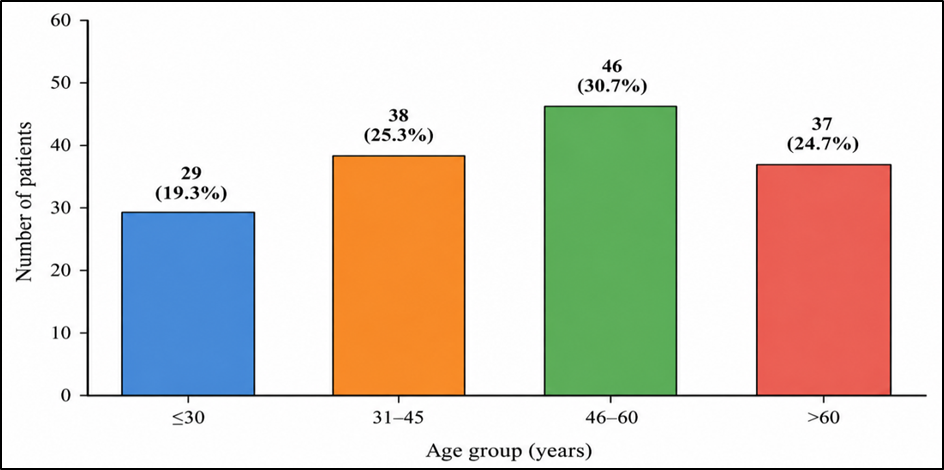
Figure 1. Distribution of patients according to age group among the 150 outpatient encounters evaluated during the study period
Figure 1 shows the age-wise distribution of the 150 patients included in the study. The largest proportion of patients belonged to the 46–60 years age group, comprising 46 patients (30.7%), followed by 31–45 years with 38 patients (25.3%) and >60 years with 37 patients (24.7%). The ≤30 years age group had the lowest representation, with 29 patients (19.3%). Overall, the study population was predominantly middle-aged and older adults.
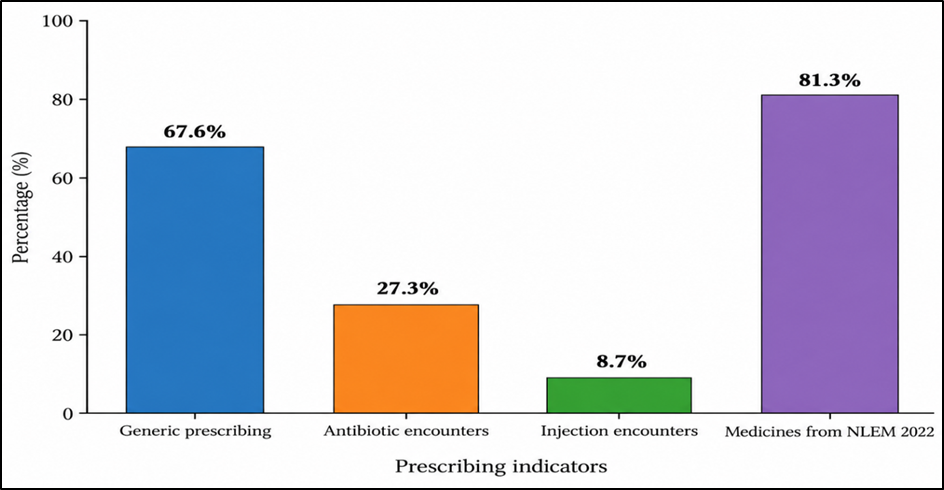
Figure 2. WHO/INRUD core prescribing indicators among patients
Figure 2 presents the major WHO/INRUD core prescribing indicators observed in the outpatient department. Medicines prescribed from the NLEM 2022 showed the highest proportion at 81.3%, indicating substantial use of essential medicines. Generic prescribing was 67.6%, showing that about two-thirds of medicines were prescribed by generic name. Antibiotics were prescribed in 27.3% of patient encounters, while injections were used in only 8.7% of encounters.
DISCUSSION:
The present study evaluated prescribing practices and rational drug use among 150 patients attending the outpatient department of a tertiary care hospital in Telangana. A total of 438 medicines were prescribed, with an average of 2.92 medicines per encounter. Generic prescribing accounted for 67.6% of all medicines, while 81.3% of medicines were included in the National List of Essential Medicines (NLEM) 2022. Antibiotics were prescribed in 27.3% of encounters and injections in 8.7%. Polypharmacy, defined as the use of five or more medicines, was observed in 16.0% of prescriptions. Overall, 74.7% of prescriptions fulfilled the predefined criteria for rational prescribing, while 25.3% showed at least one potentially irrational prescribing practice. These findings indicate reasonably appropriate prescribing in several areas, although opportunities remain to reduce the number of medicines prescribed, improve generic prescribing, increase adherence to the NLEM, and strengthen prescription completeness.
The mean number of medicines prescribed per encounter was 2.92. This value suggests a moderate tendency toward multiple-drug prescribing but is lower than that reported in several previous Indian studies. A prescription audit conducted in Telangana reported a tendency toward polypharmacy and highlighted the need for continued adherence to WHO prescribing principles [10]. Dhanya et al. reported an average of 3.5 medicines per prescription in a tertiary care outpatient setting in Kerala [11]. Mulkalwar et al. observed an average of 3.14 medicines per prescription in a tertiary care teaching hospital in Maharashtra [12]. More recently, Sahoo et al. reported a mean of 3.1 medicines per prescription among 2,000 outpatient prescriptions from a tertiary care hospital in Central India [13]. Thus, the value observed in the present study is slightly lower than those reported in several comparable Indian settings.
Although multiple medicines are often necessary in patients with chronic diseases and coexisting conditions, unnecessary addition of medicines should be avoided. In the present study, 16.0% of prescriptions contained five or more medicines. Importantly, potentially irrational prescribing was significantly more frequent among patients receiving five or more medicines, with an odds ratio of 4.77. This association indicates that increasing medication burden may create greater opportunities for inappropriate medicine selection, therapeutic duplication, dosing problems, and unnecessary treatment. However, because the present study was observational, this finding should be interpreted as an association rather than evidence of a causal relationship. The Indian literature has consistently identified polypharmacy as an important area requiring attention during prescription audits [14].
Generic prescribing was observed for 67.6% of all medicines in the present study. This was considerably higher than the 45% reported by Dhanya et al. [11] and the 28.72% reported by Mulkalwar et al. [12]. It was also higher than the 52.09% generic prescribing reported in a recent study from Central India [13]. A large South Indian study involving public health facilities reported a generic prescribing rate of 74.6%, which was somewhat higher than the present finding [15]. These variations may reflect differences in institutional policies, availability of medicines, prescriber preference, hospital formularies, and the level of implementation of generic prescribing practices.
Although a generic prescribing rate of 67.6% is encouraging compared with several previously published Indian studies, considerable scope for improvement remains. Generic prescribing may improve transparency in medicine selection and can facilitate the use of lower-cost alternatives. A comprehensive review of prescribing practices across Indian health facilities identified limited generic prescribing and dominance of brand-name prescriptions as persistent concerns and recommended regular prescription audits, standardized prescription formats, educational interventions, and promotion of generic prescribing [14]. Therefore, prescriber education and periodic feedback may help increase the use of generic names at the study institution.
Antibiotics were prescribed in 27.3% of outpatient encounters. This figure is close to that reported in a previous Telangana prescription audit, where antibiotic use was 23.64% [10], and to the 24.8% reported in the Kerala study by Dhanya et al. [11]. In contrast, Meena et al. documented antibiotics in 36.6% of prescriptions across public health facilities in Puducherry [15], while Kanagasabapathy et al. reported antibiotic prescribing in 39.8% of outpatient encounters [16]. Sahoo et al. similarly found an antimicrobial prescribing rate of 32.8% [13]. The comparatively lower antibiotic exposure observed in the present study is encouraging, although antibiotic use should not be judged solely on the percentage of prescriptions containing an antimicrobial. Clinical indication, spectrum of activity, dose, route, frequency, duration, microbiological evidence, and local resistance patterns are equally important when assessing appropriateness.
In the present study, potentially irrational prescribing was significantly more frequent in antibiotic-containing encounters, with an odds ratio of 2.53. Questionable antibiotic indication was identified in 31.6% of the prescriptions categorized as potentially irrational. This observation supports the need for continued antimicrobial stewardship in outpatient practice. A recent systematic review of antibiotic use across low- and middle-income countries found substantial antibiotic prescribing and emphasized that inappropriate antimicrobial exposure remains an important contributor to antimicrobial resistance [17]. Regular review of antibiotic indications, greater use of institutional antibiotic policies, microbiology-guided therapy where appropriate, and periodic audit with feedback could therefore improve antimicrobial prescribing.
Injectable medicines were prescribed in only 8.7% of encounters. This was lower than the 11.4% reported by Meena et al. [15] and substantially lower than the 23.0% reported in a rural outpatient study from Puducherry [16]. However, it was moderately higher than the 4.8% reported by Dhanya et al. [11] and 5.32% reported by Sahoo et al. [13]. The relatively low use of injections in the present study may indicate preference for oral or other non-invasive formulations when clinically suitable. Nevertheless, patients who received an injection had greater odds of being classified as having potentially irrational prescribing in the present analysis. As only 13 prescriptions contained injections, this association should be interpreted cautiously because the estimate was based on a small subgroup and had a relatively wide confidence interval.
A major positive finding was that 81.3% of all medicines were prescribed from the NLEM 2022. This indicates substantial adherence to the essential medicines concept, although the proportion remained below complete adherence. Meena et al. reported that 93.3% of medicines prescribed in selected South Indian public health facilities were from the NLEM [15], while Kanagasabapathy et al. reported 97.4% essential medicine use [16]. The recent Central Indian study reported NLEM adherence of 90.67% [13]. Conversely, a multicentric analysis by Jhaj et al. involving tertiary care institutions across India demonstrated substantial prescribing of medicines outside the NLEM and highlighted the need for greater prescriber awareness regarding essential medicines [18]. In that study, 31.12% of all prescribed medicines were outside the NLEM then in use.
The 81.3% NLEM prescribing observed in the present study therefore represents a favorable finding but also indicates that approximately one in five prescribed medicines was outside the national essential medicines list. Prescribing outside the NLEM is not necessarily irrational because individual clinical circumstances may require medicines that are not included in the list. However, when an appropriate essential-medicine alternative is available, its preferential use may support standardized treatment, medicine availability, and cost-conscious prescribing. Jhaj et al. emphasized that greater utilization of essential medicines requires both prescriber awareness and appropriate medicine availability within health facilities [18].
Prescription completeness was another important area assessed in the present study. Medicine names were documented in all prescriptions, while dose or strength, dosage form, frequency, and duration were recorded in 90.7%, 94.0%, 92.7%, and 85.3% of prescriptions, respectively. Only 75.3% of prescriptions contained all evaluated medication-related information. This means that approximately one-quarter of prescriptions had at least one missing component. The most frequent deficiency was incomplete documentation of treatment duration. Similar problems have been observed in Indian prescription audits. The Telangana study by Marupaka et al. identified omissions involving diagnosis, dose, and treatment duration [10], while the comprehensive review by Razdan et al. identified incomplete prescription information as a recurrent problem across Indian health facilities [14].
Incomplete information relating to dose, frequency, or duration can potentially create ambiguity for patients, pharmacists, and other health care professionals. Standardized prescription templates and electronic prescribing systems may reduce such omissions. Regular audit with individualized feedback to prescribers may also be useful. The review by Razdan et al., which synthesized evidence from 67 Indian studies, recommended electronic prescribing, standardized prescription formats, regular audits, educational programs, generic prescribing, and adherence to essential medicine lists as strategies for improving prescribing quality [14].
Regarding therapeutic categories, cardiovascular medicines were most frequently prescribed, accounting for 17.8% of all medicines, followed by analgesic and anti-inflammatory medicines at 16.9%, gastrointestinal medicines at 13.9%, antidiabetic medicines at 11.6%, and antibiotics at 11.0%. This pattern is consistent with the mixed disease burden expected in a tertiary care outpatient setting, where chronic noncommunicable diseases coexist with acute symptomatic and infectious conditions. The relatively high use of cardiovascular and antidiabetic medicines also corresponds with the substantial number of patients in the middle-aged and older age groups. Differences in therapeutic class distributions between published studies are expected because they are influenced by patient characteristics, specialty mix, referral patterns, local disease prevalence, and institutional prescribing practices.
Overall, 74.7% of prescriptions were classified as rational according to the predefined criteria, whereas 25.3% contained at least one potentially irrational prescribing feature. The major problems identified among these prescriptions included inappropriate treatment duration, questionable antibiotic indication, dose or frequency-related problems, inappropriate medicine selection, therapeutic duplication, and potentially unnecessary injection use. Rationality percentages should be compared cautiously between studies because definitions and assessment methods vary. WHO core prescribing indicators evaluate important dimensions of medicine use but do not, by themselves, establish whether every medicine prescribed for an individual patient is clinically appropriate. Combining standardized prescribing indicators with clinical assessment of indication, dose, frequency, route, and duration therefore provides a more complete evaluation of prescribing quality.
The findings have practical implications for outpatient prescribing at the study hospital. Periodic prescription audits should be incorporated into routine quality-improvement activities, with confidential feedback provided to prescribers. Particular attention should be given to prescriptions containing multiple medicines, antibiotics, and injectable preparations. Greater promotion of generic prescribing, periodic review of the hospital formulary against the current NLEM, reinforcement of antimicrobial stewardship, and use of standardized or electronic prescription formats could address several of the gaps identified in this study. Published Indian evidence similarly supports continuous monitoring and educational interventions rather than relying on a single prescription audit [14].
The present study has certain limitations. It was conducted at a single tertiary care centre and included 150 patients; therefore, the findings may not represent prescribing practices across all hospitals in Telangana or other regions. The observational design also limits causal interpretation of the associations between polypharmacy, antibiotic use, injection use, and potentially irrational prescribing. Some assessments of rationality depend on the completeness of documented clinical information. Furthermore, prescribing patterns may vary between clinical specialties and according to seasonal changes in disease burden. Nevertheless, the one-year study period allowed prescriptions to be evaluated across different seasons, and the simultaneous assessment of WHO prescribing indicators, NLEM adherence, prescription completeness, polypharmacy, and clinical rationality provides a broad picture of medicine use in the study setting.
CONCLUSION:
The present study demonstrated a generally satisfactory pattern of outpatient prescribing, particularly with respect to relatively limited injection use and substantial use of medicines from the NLEM. However, the average number of medicines per encounter remained higher than desirable, and generic prescribing and complete adherence to the NLEM require further improvement. Approximately one-quarter of prescriptions showed at least one potentially irrational prescribing practice. Polypharmacy, antibiotic prescribing, and injection use were associated with a greater likelihood of potentially irrational prescribing. Regular prescription auditing, prescriber education, antimicrobial stewardship, promotion of generic medicines, adherence to essential medicine lists, and improved prescription documentation may further strengthen rational drug use at the tertiary care centre.
REFERENCES:
1. World Health Organization. Promoting rational use of medicines: core components. WHO Policy Perspectives on Medicines. Geneva: World Health Organization; 2002. No. 5.
2. World Health Organization. How to investigate drug use in health facilities: selected drug use indicators. Geneva: World Health Organization; 1993. WHO/DAP/93.1.
3. Ofori-Asenso R, Agyeman AA. Irrational use of medicines: a summary of key concepts. Pharmacy (Basel). 2016;4(4):35. doi:10.3390/pharmacy4040035.
4. Atal S, Jhaj R, Mathur A, Rai N, Misra S, Sadasivam B. Outpatient prescribing trends, rational use of medicine and impact of prescription audit with feedback at a tertiary care centre in India. Int J Health Plann Manage. 2021;36(3):738-753. doi:10.1002/hpm.3116.
5. Meenakshi R, Selvaraj N, Anandabaskar N, Dhamodharan A, Badrinath AK, Rajamohammad MA. Prescription audit of a teaching hospital in South India using World Health Organization core prescribing indicators: a cross-sectional study. Perspect Clin Res. 2022;13(3):132-136. doi:10.4103/picr.PICR_172_20.
6. Joshi R, Medhi B, Prakash A, Chandy S, Ranjalkar J, Bright HR, et al. Assessment of prescribing pattern of drugs and completeness of prescriptions as per the World Health Organization prescribing indicators in various Indian tertiary care centers: a multicentric study by Rational Use of Medicines Centers-Indian Council of Medical Research network under National Virtual Centre Clinical Pharmacology activity. Indian J Pharmacol. 2022;54(5):321-328. doi:10.4103/ijp.ijp_976_21.
7. Ministry of Health and Family Welfare, Government of India. National List of Essential Medicines 2022. New Delhi: Ministry of Health and Family Welfare; 2022.
8. Chenchula S, Gupta R, Gupta SK, Padmavathi R, Pathan S. Assessment of WHO core drug use indicators at a tertiary care Institute of National importance in India. Bioinformation. 2022;18(10):888-893. doi:10.6026/97320630018888.
9. Verma N, Vinayagam S, Mittal N, Mittal R, Bansal N. Prescription audit in outpatient pharmacy of a tertiary care referral hospital in Haryana using World Health Organization/International Network of Rational Use of Drugs (WHO/INRUD) core prescribing indicators: a step towards refining drug use and patient care. Pharmacy (Basel). 2025;13(2):48. doi:10.3390/pharmacy13020048.
10. Marupaka J, Kodam L, Tamma NK, Karedla S. Prescription audit of patients in a tertiary care hospital. Int J Basic Clin Pharmacol. 2020;9(11):1650-1655. doi:10.18203/2319-2003.ijbcp20204435.
11. Dhanya TH, Sanalkumar KB, Andrews MA. Prescription auditing based on the World Health Organization prescribing indicators in outpatient department of a teaching hospital in Kerala. Asian J Pharm Clin Res. 2021;14(5):147-151. doi:10.22159/ajpcr.2021.v14i5.41305.
12. Mulkalwar S, Patel A, David S, Pabari K, Math P, Tilak AV. Prescription audit for WHO prescribing indicators and prescription errors in a tertiary care teaching hospital. Med J Dr DY Patil Vidyapeeth. 2024;17(2):299-303. doi:10.4103/mjdrdypu.mjdrdypu_640_22.
13. Sahoo S, Dudhgaonkar S, Uike PS. Evaluation of prescription patterns using World Health Organization prescribing indicators in outpatient department at a tertiary care hospital in Central India. Int J Basic Clin Pharmacol. 2025;14(6):919-925. doi:10.18203/2319-2003.ijbcp20252892.
14. Razdan D, Yadav S, Gudibanda KR, Dudhraj V, Anand S, Kaur S, et al. Assessing prescribing practices in Indian health facilities: a comprehensive review. Int J Community Med Public Health. 2023;10(12):5095-5101. doi:10.18203/2394-6040.ijcmph20233814.
15. Meena DK, Mathaiyan J, Thulasingam M, Ramasamy K. Assessment of medicine use based on WHO drug-use indicators in public health facilities of the South Indian Union Territory. Br J Clin Pharmacol. 2022;88(5):2315-2326. doi:10.1111/bcp.15165.
16. Kanagasabapathy S, Rajagopal A, Murugan V, Balagurumoorthy M, Vasudevan K. Analysis of the pattern of drug use using WHO core drug indicators among general OPD patients in rural Puducherry. J Family Med Prim Care. 2024;13(11):5193-5197. doi:10.4103/jfmpc.jfmpc_922_24.
17. Nepal A, Bhandari N, Subedi R, Hendrie D. Antibiotics use patterns in low- and middle-income countries: a systematic review analysis. Inquiry. 2026;63:469580261420724. doi:10.1177/00469580261420724.
18. Jhaj R, Banerjee A, Kshirsagar NA, Sadasivam B, Chandy SJ, Bright HR, et al. Use of drugs not listed in the National List of Essential Medicines: findings from a prescription analysis by the Indian Council of Medical Research-Rational Use of Medicines Centres Network in tertiary care hospitals across India. Indian J Pharmacol. 2022;54(6):407-416. doi:10.4103/ijp.ijp_878_21.