Analysis Of Financial Burden, Medication Adherence, And Health Outcome In Patients With Type 2 Diabetes Mellitus.
- Ravi Kishore Marupalli , Assistant Professor, Dept of General Medicine, Gayatri Vidya Parishad Institute of Healthcare and Medical Technology, Visakhapatnam, Andhra Pradesh - 530048
- Himavathy Kodandarao Gara , Professor, Department of Physiology, Gayatri Vidya Parishad Institute of Healthcare and Medical Technology, Visakhapatnam, Andhra Pradesh - 530048
- Dharma Rao Vanamali , Professor & HOD, Department of General Medicine, Gayatri Vidya Parishad Institute of Healthcare and Medical Technology, Visakhapatnam, Andhra Pradesh - 530048
Article Information:
Abstract:
Background: Economic challenges in managing Type-2 Diabetes Mellitus (T2DM), including medication costs and indirect expenses, often causing financial constraints and psychosocial stress. This study evaluates financial burden of anti-diabetic medications and its impact on adherence and quality of life (QoL) to identify key intervention areas for better patient outcomes. Materials and Methods: This hospital-based cross-sectional study included 393 patients with T2DM attending General Medicine outpatient department from August to October 2024. Socioeconomic, clinical, financial, adherence, and psychosocial data were collected via structured interviews. Statistical analyses evaluated associations between medication expenditure and relevant variables, with significance at p < 0.05. Results: Participants had mean age of 54.8±12.5 years; 53.4% were male. Nearly half (45.6%) reported family incomes ≤ ₹10,000 monthly. Average monthly medication expenditure was ₹1,557.6 with wide variation; 23.2% spent ₹751–1,000, and 18.3% spent over ₹2,000. Comorbidities were common (50.6%), predominantly hypertension (36.1%). Financial strain was evident with 21.6% borrowing money and 37.1% reducing other medical expenses. Medication adherence was good in 66%, with 34% partially or irregularly adherent. Higher medication costs correlated significantly with longer diabetes duration (r=0.1435, p=0.004), comorbidity presence (r=0.1482, p=0.003), lower QoL (r=-0.1469, p=0.004), and greater mental health impact (r=0.3132, p<0.0001). Nearly 50% reported moderate anxiety balancing medication and food costs, while 40.8% experienced moderate-to-severe QoL impairment. Physical activity helped reduce medication expenses for 52.16%. Conclusions: T2DM patients face substantial financial and psychosocial burdens related to medication costs, affecting adherence and QoL. Comprehensive strategies addressing economic, behavioural, and mental health factors are critical for improving outcomes.
Keywords:
Article :
INTRODUCTION:
Diabetes mellitus (DM) is a major global public health challenge with serious health and economic consequences. In India, about 89.8 million adults aged 20–79 were diagnosed with DM in 2024, reflecting an 11% prevalence, with South India showing nearly double the prevalence of northern regions (prevalence ratio 2.01; p < 0.001).1 The economic impact is substantial, including direct costs of medications, insulin, glucose monitoring, and healthcare visits, alongside indirect costs such as transportation, dietary adjustments, productivity loss, and complications that increase mortality, healthcare expenditure, and reduce quality of life (QoL), thereby adding to the wider global burden of productivity losses.2-4
Financial hardship frequently compromise adherence to therapy, resulting in poor glycemic control and increased complications. For example, in the United States, 14% of adults with diabetes reported cost-related medication underuse, which was linked to higher hospitalization and worse outcomes.5 In India, out-of-pocket expenditures (OOPE) for oral hypoglycemics and insulin strongly influence treatment adherence and decisions.2.3 The National Programme for Prevention and Control of Cancer, Diabetes, Cardiovascular Diseases and Stroke (NPCDCS) follows standardized protocols aligned with the World Health Organization’s Package of Essential Noncommunicable Disease Interventions (WHO-PEN) to enhance primary care and reduce disparities.6
This context highlights the urgent need for financial and policy analyses to develop cost-effective diabetes care models, alleviate economic strain on patients, and improve adherence and clinical outcomes. Economic assessments are crucial to guide resource allocation and ensure affordability of medicines and monitoring tools.
This study aims to assess the financial burden of anti-diabetic medications and its impact on treatment adherence and quality of life (QoL), while examining the influence of socioeconomic factors such as income, employment, education, and gender. It also seeks to evaluate the prevalence and economic impact of diabetes-related comorbidities and complications, along with the psychosocial effects of financial stress on patients’ daily activities and overall QoL.
MATERIALS AND METHODS:
This hospital-based, cross-sectional observational study was carried out over a three-month period, from August 1, 2024 to October 31, 2024, in the Outpatient Department (OPD) of General Medicine.
Participant Recruitment
Eligible participants were enrolled through a structured recruitment approach. Physicians and trained medical staff screened patients attending the OPD to identify potential candidates with type 2 Diabetes mellitus (T2DM). Those who expressed willingness to participate underwent a detailed assessment of their medical profile and overall health. Final enrolment was based on the following selection criteria.
Inclusion Criteria
• Confirmed diagnosis of T2DM according to the American Diabetes Associationcriteria.7
• Currently receiving prescribed antidiabetic medications.
• Voluntary agreement through informed consent.
Exclusion Criteria
• Patients with impaired glucose tolerance.
• Individuals not adhering to prescribed antidiabetic treatment regimens.
• Patients with severe comorbidities or terminal illnesses that could confound outcomes.
• Those with cognitive, language, or communication barriers preventing reliable responses.
• Incomplete or unverifiable questionnaire responses.
• Pregnant women due to specific pregnancy-related glycemic regulation challenges.
Sample Size Determination
The required sample size was calculated using the formula for estimating a single population proportion, referencing drug persistence of 56.2% in patients with T2DM in a meta-analysis by Iglay K et al.8
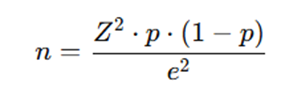
Where:
• n = required sample size
• Z = standard normal deviate for 95% confidence interval (1.96)
• p = anticipated prevalence (0.562)
• e = margin of error
The initial minimum required sample size was calculated to be 379 participants. A purposive (non-probability) sampling method was used for recruitment, enabling the efficient enrolment of readily accessible patients given the study’s time constraints and logistical limitations.
Ethical Considerations
Prior to commencement, ethical clearance was obtained from the Institutional Ethical Committee (Approval ID: GVPIHCMT/IEC/20240725/02, dated July 25, 2024). The study adhered to the principles outlined in the Declaration of Helsinki and Good Clinical Practice guidelines.
Informed Consent
All participants were thoroughly briefed about the objectives, procedures, duration, benefits, and possible risks associated with the study. Consent was obtained in a voluntary, non-coercive setting. Participants were assured that their healthcare services would remain unaffected by their decision, and no incentives were offered. Permission was also obtained for access to relevant medical records. Confidentiality and the right to withdraw at any stage without consequence were explicitly highlighted.
Data Collection Process
Data were collected through face-to-face interviews conducted by trained healthcare professionals to ensure consistency and accuracy. A structured questionnaire was used to gather comprehensive information on the following:
• Demographic and Socioeconomic Data: Age, gender, educational qualifications, employment status, monthly family income, dietary habits, history of borrowing money, and reduction of other expenses to afford medications.
• Medical History: Duration of T2DM, presence of comorbid conditions, and family history of diabetes.
• Economic Data: Monthly income and monthly expenditure on antidiabetic medications, along with the impact of these costs on financial stability and treatment affordability.
• Impact on Daily Life: Effects of diabetes on work performance, social activities, energy levels, and perceived challenges in managing the disease.
• Patient Perceptions and QoL: Beliefs about the relationship between diabetes and other health issues, as well as satisfaction with diabetes and comorbidity management.
The questionnaire was pilot-tested on a small sample to ensure reliability and validity before full-scale use
Data analysis
Data completeness and accuracy were ensured through quality checks. The cleaned dataset was organized using Microsoft Excel and subsequently analysed with IBM Statistical Package for the Social Sciences (SPSS) Statistics version-26. Descriptive statistics summarized participant characteristics.Continuous variables are presented as means with standard deviations, while categorical variables are reported as frequencies and percentages.Chi-square tests or Fisher’s exact tests were applied for categorical data comparisons where appropriate, depending on data distribution and sample sizes. Spearman’s rank correlation coefficient was employed to examine the strength and direction of associations between monthly expenditure on antidiabetic medications and key variables. A threshold of p < 0.05 was used to determine statistical significance.
RESULTS:
Table 1: Socio-demographic information of the study participants with T2DM (n = 393)
|
Variable |
Category |
N (%) |
|
Age (in years) |
20–30 |
15 (3.81) |
|
31–40 |
38 (9.67) |
|
|
41–50 |
83 (21.12) |
|
|
51–60 |
144 (36.64) |
|
|
61–70 |
81 (20.62) |
|
|
>70 |
32 (8.14) |
|
|
Mean age (years) |
54.76 ± 12.5 |
|
|
Gender |
Male |
210 (53.44) |
|
Female |
183 (46.56) |
|
|
Educational Qualification |
Uneducated |
144 (36.64) |
|
Secondary school certificate |
78 (19.85) |
|
|
High school certificate |
68 (17.30) |
|
|
Diploma / Graduate |
103 (26.21) |
|
|
Employment Status |
Unemployed |
93 (23.66) |
|
Agricultural & fishery |
80 (20.36) |
|
|
Craft, shops or market sales person |
40 (10.18) |
|
|
Clerks & technicians |
174 (44.27) |
|
|
Professionals |
6 (1.53) |
|
|
Family history of T2DM |
Yes |
170 (43.26) |
|
Duration of T2DM (in years) |
<1 |
52 (13.23) |
|
1–5 |
183 (46.56) |
|
|
6–10 |
81 (20.61) |
|
|
>10 |
77 (19.60) |
|
|
Co-morbidities |
Hypertension |
142 (36.13) |
|
Dyslipidaemia |
43 (10.94) |
|
|
Hypothyroidism |
28 (7.12) |
|
|
Renal failure |
16 (4.07) |
|
|
Ischemic heart disease |
13 (3.31) |
|
|
Stroke |
12 (3.05) |
|
|
Family Income (in Rs.) |
≤10,000 |
179 (45.55) |
|
10,001–20,000 |
67 (17.05) |
|
|
20,001–30,000 |
43 (10.94) |
|
|
30,001–40,000 |
17 (4.32) |
|
|
40,001–50,000 |
50 (12.73) |
|
|
>50,000 |
37 (9.41) |
|
|
Monthly Expenditure on Anti-diabetic Medication (INR) |
≤250 |
15 (3.81) |
|
251–500 |
71 (18.08) |
|
|
501–750 |
12 (3.05) |
|
|
751–1,000 |
91 (23.15) |
|
|
1,001–1,250 |
11 (2.80) |
|
|
1,251–1,500 |
52 (13.24) |
|
|
1,501–1,750 |
1 (0.25) |
|
|
1,751–2,000 |
68 (17.30) |
|
|
>2,000 |
72 (18.32) |
|
|
Average monthly expenditure (INR) |
1,557.56 ± 1,165.47 |
|
|
Need to borrow money for anti-diabetic medication |
Yes |
85 (21.63) |
|
No |
308 (78.37) |
|
|
Cut down on other medical expenses |
Yes |
146 (37.15) |
|
No |
247 (62.85) |
|
|
Presence of co-morbid conditions |
Yes |
199 (50.64) |
|
No |
194 (49.36) |
|
|
Diet being followed for T2DM control |
Yes |
250 (63.61) |
|
No |
143 (36.39) |
After screening, a total of 393 patients with DM were recruited in the study. The mean age of the participants was 54.76 ± 12.5 years, with the majority belonging to the 51–60 years age group (36.6%) (Table: 1). The gender distribution showed a slight male predominance, with 210 males (53.4%) and 183 females (46.6%).Educational qualifications varied, with maximum participants [n = 144 (36.64%)] being uneducated, followed by 26.21% (n = 103) completing diploma or graduation. Employment status showed that the largest group were clerks and technicians [n = 174 (44.27%)], followed by agricultural and fishery workers [n = 80 (20.36%)]. About one-fourth of participants were unemployed (23.7%). A family history of T2DM was reported by 170 participants (43.3%).
Nearly half of the participants [n = 183 (46.56%)] had the T2DM for 1–5 years, while 20.6%had diabetes for 6–10 years.The presence of comorbid conditions was reported in 199 participants (50.6%), most commonly hypertension [n = 142 (36.13%)], followed by dyslipidemia [n = 43(10.94%)]. Most participants [n = 250 (63.61%)] reported following dietary modifications as part of diabetes management.
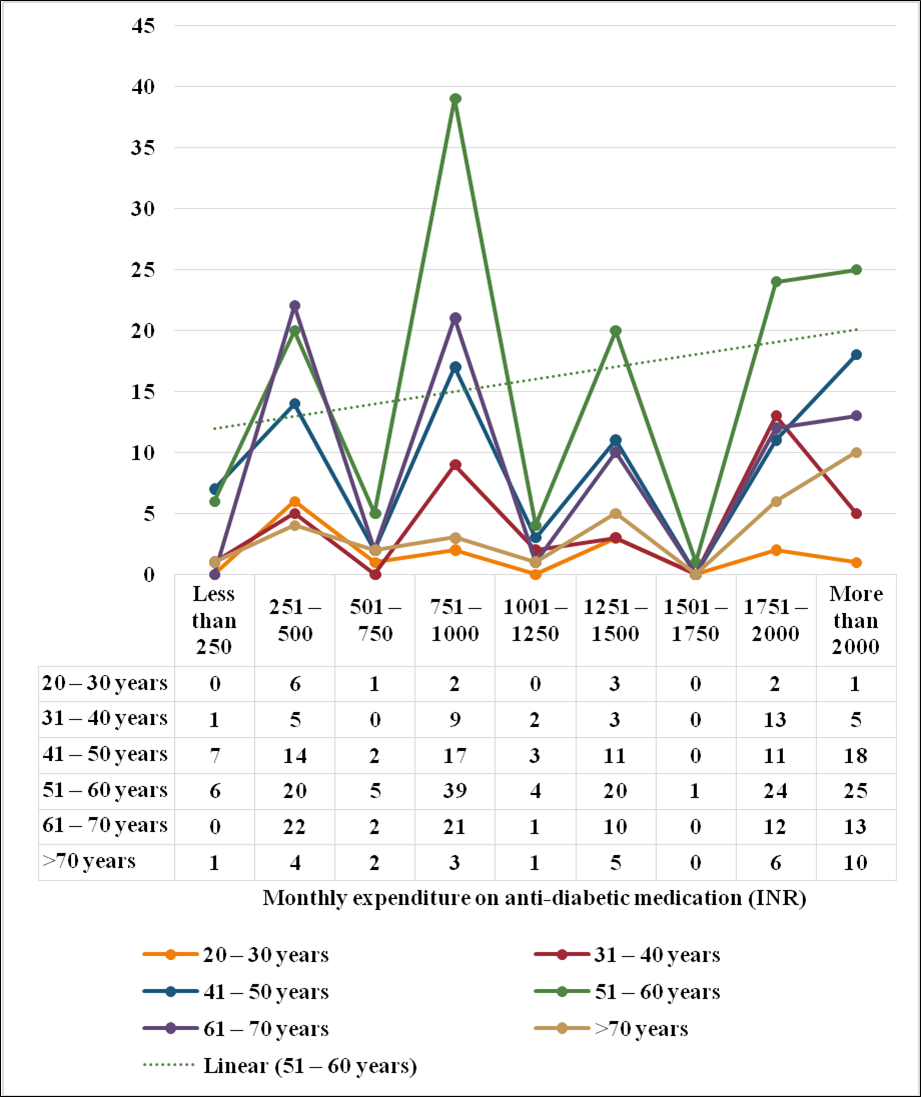
Figure 1: Age-wise distribution of monthly expenditure amongst the study participants with T2DM (n = 393)
Socioeconomic analysis revealed that nearly half of the participants [n = 179 (45.55%)] reported a monthly family income ≤ ₹10,000, and only 9.41% (n = 37) had income > ₹50,000. The average monthly expenditure on anti-diabetic medications was ₹1557.56 ± 1165.47, though wide variation was observed. The largest group of patients [n = 91 (23.15%)] reported spending between ₹751–1000 per month, followed by 18.32% (n = 72) spent more than ₹2000 (Figure: 1). Middle-aged adults (51–60 years) consistently showed the highest frequencies across most expenditure categories.A distinct age-related pattern was observed, with medication expenditure being lowest among young adults (20–30 years), rising steadily through the 31–50-year period, and reaching its highest level in the 51–60-year cohort.
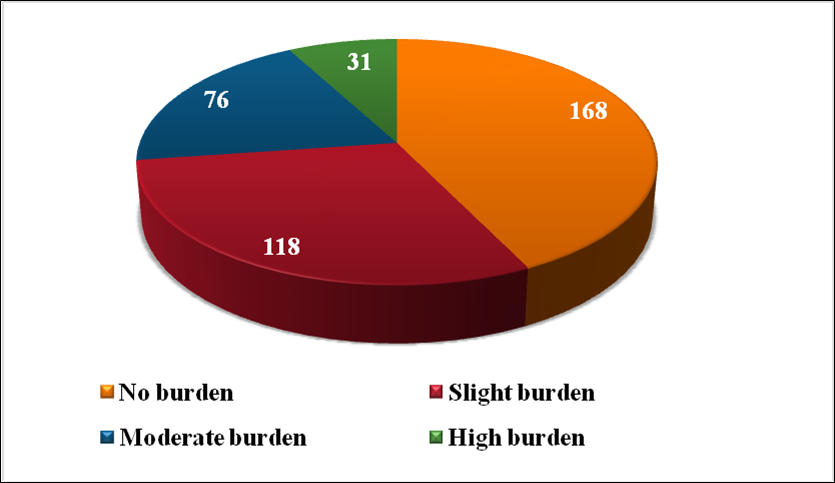
Figure 2: Rating of the financial burden of anti-diabetic medications amongst the study participants with T2DM (n = 393)
The financial burden was evident, as in the present study, 85 participants (21.63%) borrowed money to afford their medications, and 146 participants (37.15%) cut down on other medical expenses to manage their treatment.Perceptions of the financial burden (Figure:2) showed that while 43.8% felt that treatment costs did not affect their ability to afford other expenses while 19.24% reported moderate effects. While a majority [n = 254 (66%)] reported good adherence, a significant proportion [n = 129 (34%)] admitted to partial or irregular adherence (Figure: 3).
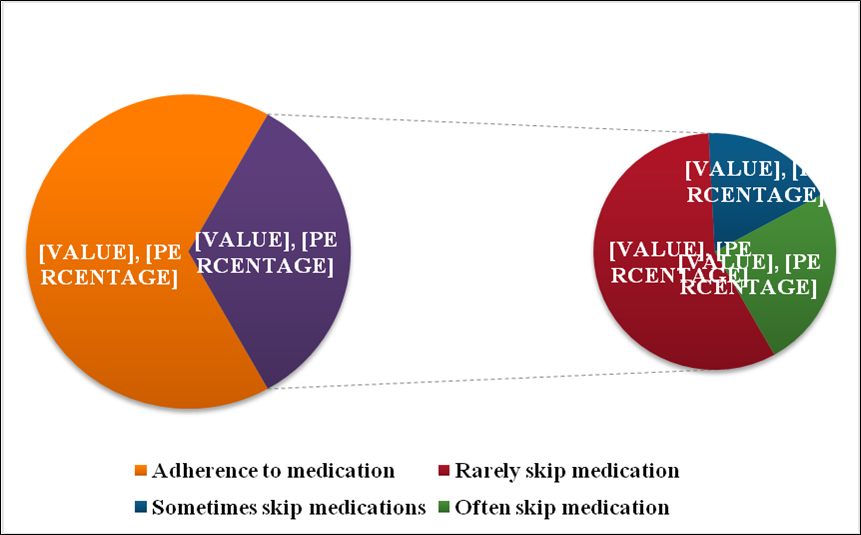
Figure 3: Medication adherence amongst the study participants with T2DM (n = 393)
Table 2: Association between various variables and monthly expenditure on anti-diabetic medications amongst the study participants with T2DM (n = 393)
|
Sr.no |
Variable |
Spearman’s rank corelation co-efficient |
P – value |
|
1. |
Age |
-0.01192 |
0.8137 |
|
2. |
Gender |
-0.004906 |
0.9228 |
|
3. |
Education |
-0.03065 |
0.5446 |
|
4. |
Employment |
-0.09587 |
0.05758 |
|
5. |
Duration of T2DM |
0.1435 |
0.00435 * |
|
6. |
Presence of co-morbid conditions |
0.1482 |
0.00322 * |
|
7. |
Quality of life |
-0.1469 |
0.00352 * |
|
8. |
Impact on mental health |
0.3132 |
<0.0001 * |
T2DM – Type 2 Diabetes mellitus
* – P-value <0.05, statistically significant
Among the demographic and clinical variables examined (Table: 2), both longer duration of diabetes and the presence of comorbid conditions were significantly associated with higher medication expenditure (r = 0.1435, p = 0.004 and r = 0.1482, p = 0.003, respectively).Notably, greater expenditure was also significantly correlated with a lower reported quality of life (r = -0.1469, p = 0.004), and the strongest correlation was observed for negative impact on mental health (r = 0.3132, p < 0.0001), indicating that increased financial burden due to treatment is associated with greater psychosocial distress.
Table 3: Analysis of impact of Diabetes mellitus (DM) and Anti-diabetic Medication Costs on Various Aspects of study participants (n = 393)
|
|
Question |
Not at all |
Slightly |
Moderately |
Significantly |
Extremely |
|
1. |
To what extent has the cost of anti-diabetic medication affected your ability to afford for other expenses? |
173 (43.80) |
118 (29.87) |
76 (19.24) |
22 (5.57) |
6 (1.52) |
|
2. |
How much has financial stress related to anti- diabetic medication cost affected your mental well-being? |
130 (33.08) |
142 (36.13) |
89 (22.65) |
25 (6.36) |
7 (1.78) |
|
3. |
To what degree your physical fitness help in reducing your anti- diabetic medication expenses? |
63 (16.30) |
76 (19.34) |
205 (52.16) |
37 (9.42) |
12 (3.04) |
|
4. |
How anxious or stressed do you feel about balancing cost of food and anti- diabetic medication? |
66 (16.75) |
89 (22.59) |
195 (49.49) |
32 (8.12) |
12 (3.04) |
|
5. |
To what extent has DM affected your ability to perform effectively at your workplace? |
86 (21.88) |
121 (30.79) |
99 (25.19) |
65 (16.54) |
22 (5.59) |
|
6. |
How much has DM impacted your participation in daily activities and social life? |
87 (22.08) |
152 (38.58) |
103 (26.14) |
34 (8.63) |
18 (4.57) |
|
7. |
How significantly has DM impacted your quality of life? |
92 (23.3) |
113 (28.6) |
102 (25.82) |
59 (14.94) |
29 (7.34) |
Physical fitness was perceived as a cost-mitigating factor, with 52.16% (n =205) of participants reporting that regular activity helped reduce drug expenses moderately or more (Table: 3). However, 49.49% (n=195) reported moderate anxiety about balancing the cost of food and medications, with another 11.2% (n = 44) experiencing significant to extreme stress. Diabetes also affected productivity and lifestyle: 47.3% (n = 186) reported moderate to significant impairment in workplace performance, while 39.3% (n = 155) experienced reduced participation in daily and social activities. Quality of life was reported as moderately to significantly impaired in 40.8% (n = 161) of participants, and 7.34% (n = 29) described their quality of life as extremely compromised. Financial stress related to drug costs was described as slight to moderate by nearly 59% (n = 231) and 8.1% (n = 32) reported significant to extreme mental distress.
Table 4: Analysis of Patient Perceptions on the Impact of Diabetes mellitus (DM) and Anti-diabetic Medication Costs on Health and Lifestyle (n=393)
|
|
Perception |
Strongly agree |
Agree |
Neutral |
Disagree |
Strongly disagree |
|
1. |
You feel that your current diet influenced by your medication costs meets |
5 (1.27) |
123 (31.30) |
179 (45.55) |
75 (19.08) |
11 (2.80) |
|
2. |
You believe that DM is related to other health issues |
28 (7.16) |
171 (43.73) |
149 (38.11) |
39 (9.97) |
4 (1.02) |
|
3. |
You feel that managing your dm has become more complicated due cost of drugs |
17 (4.36) |
134 (34.36) |
155 (39.74) |
58 (14.87) |
26 (6.67) |
|
4. |
You feel your DM and comorbidities are being managed well |
24 (6.11) |
126 (32.06) |
134 (34.10) |
87 (22.14) |
22 (5.79) |
|
5. |
You would recommend anti-diabetic medication to others based on your experience |
18 (4.62) |
185 (47.44) |
131 (33.59) |
27 (6.92) |
29 (7.44) |
|
6. |
Your energy level changed since starting anti- diabetic medication |
31 (7.79) |
164 (41.21) |
147 (36.93) |
51(12.81) |
5 (1.26) |
Perceptions regarding disease and treatment (Table 4) showed that 31.3% (n = 123) agreed that their current diet (influenced by medication costs) was adequate, while nearly half [ n = 179 (45.6%)] remained neutral. Half of the participants[n = 199 (50.89%) believed that diabetes was related to other health conditions. About 38.7% (n = 151) agreed that managing diabetes had become more complicated due to drug costs, and 38.17% (n = 150) felt that their diabetes and comorbidities were being managed well, while 27.9% (n = 109) disagreed. Encouragingly, 52.06% (n = 203) expressed willingness to recommend anti-diabetic medications to othersdespite its costs. Energy levels were reported to have improved in 49% (n = 195) of participants since starting therapy.
DISCUSSION:
This study comprehensively highlights the multidimensional financial, behavioural, and psychosocialburden faced by patients with T2DM in India, emphasizing critical demographic and socioeconomic determinants. The mean age participant in the present study was approximately 55 years, with majority falling the age group of in the 51–60 years group. This aligns with findings of Sharma P et al.,(2024), who identified peak prevalence of T2DM in males aged 55–59 years and females aged 65–69 years in Mumbai.9 Contrastingly, Pitale S et al., observed a younger mean age of 47.5 years in Central India. This reflects regional demographic disparities, yet both studies uniformly emphasize the age-dependent escalation in T2DM prevalence nationally.10 In the present study, the average monthly anti-diabetic medication expenditure in the present study was ₹1557.6, which aligns with pan-India estimates (₹1098, Nagarathna R et al.) and Odisha tertiary care figures (approximately ₹1265).4,11The systematic review by Deshpande PR et al.,reinforces this sustained economic burden with a median annual drug cost of ₹4772 for diabetes in India.12This strain is further magnified by socioeconomic vulnerabilities, with nearly half of participants reported family incomes below ₹10,000 monthly; 21.6% resorted to borrowing money, and 37.1% reduced other medical expenses to afford diabetes care. These figures align with national data from Nanda M et al., who reported that nearly half (48.5%) of households with diabetes depend on distressed financing, and a significant 10% fall below the poverty threshold due to OOPE, attributed to outpatient and drug costs.3 Although state-sponsored schemes provided partial relief from OOPE, longitudinal trends show these costs continue to escalate, exposing revealing systemic gaps in India's healthcare financing and resource allocation..13
The present study revealed comparatively high adherence of 66% to antidiabetic medications, surpassing adherence benchmarks reported in Odisha6 and globally, where the pooled prevalence of non-adherence averages around 43.4%.14 Key determinants include educational level, medication knowledge, regimen complexity, financial barriers, comorbidities, and patient-provider communication, all particularly challenging for disadvantaged groups.Interestingly, while unemployed individuals in the present study showed a non-significant trend toward higher medication expenditure, a meta-analysis by Shahabi N et al. reported that employed patients face a 15% higher risk of non-adherence. This discrepancy may be attributable to occupational barriers that impede consistent medication use.15 Lifestyle behaviours notably modified medication expenditure. Over half of the participants reported that physical activity contributed to a moderate or greater reduction in drug costs. Ameta-analysis of Umpierre Det al.,reported an average HbA1c reduction of 0.67% due to exercise interventions.16By improving glycemic control, regular physical activity may reduce the need for pharmacological treatment, thus lowering overall drug expenditure.Dietary perceptions were less decisive; while 31.3% considered their diets adequate, nearly half remained neutral, underscoring the need for individualized nutritional counselling. The DIRECT study highlights the efficacy of Mediterranean and low-carbohydrate diets for glycemic control, advocating a personalized approach within the IDEP framework (Interaction of Diet, Exercise, and Pharmacotherapy) to synergistically improve outcomes and reduce costs.17,18
In the present study, financial stress consumed patient experiences, with nearly 50% reporting moderate anxiety related to managing food and medication costs. This psychological strain reflects the financial toxicity described by Patel MR et al., affecting 30–60% of diabetes patients, with an estimated 5–40% of household income for diabetes-related expenses.19Perceived disease burden was substantial: Majority acknowledged diabetes’s connection to other health conditions.Nearly 40% agreed that drug costs complicated disease management. The study also revealed notable functional impairmentsas 40 – 50 % participants reported compromised workplace performance, decreased social participation, and experienced moderate-to-severe impairment in QoL. These effects were particularly marked among socioeconomically disadvantaged groups, consistent with the conclusionsof Ananthesh L.et al.,linking higher diabetes expenditures with poorer QoL outcomes.20The findings of Thomas Z. et al.,further support an association between better QoL and fewer medications for comorbidities in Tamil Nadu.21 In the present study, the psychosocial impact was highlighted by the strongest observed correlation between medication expenditure and mental health deterioration. A meta-analysis of Sinha Ret al., in 2024 reported a 33% pooled prevalence of diabetic distress across India, identifying mental health challenges as an integral, yet frequently overlooked, component of diabetes care.22Hence early screening and integrated psychosocial support are crucial strategies to alleviate this burden. Despite these numerous challenges, nearly half of the participants expressed a willingness to recommend their antidiabetic regimen, suggesting satisfactory perceived efficacy. Consistent with this, Priya TK et al., found that patient satisfaction remained high across government and private healthcare settings, despite median monthly diabetes care costs varying widely from ₹2000 to ₹13,050.23A hospital-based study in Haryana by Rajput M et al. provided additional evidence of treatment satisfaction, noting particularly positive perceptions among women.24Community-based care models provide a promising apprach to address healthcare inequities. Delhi’s Mohalla clinics, characterized by accessible locations and supportive physician-patient relationships, have improved chronic disease management among marginalized populations.25 Such models augment equity, enhance patient trust, and foster adherence, thereby offering scalable solutions to India’s diabetes care challenges.
The convergence of financial hardship, behavioural challenges, and psychosocial distress in diabetes care highlights the urgent need for comprehensive, multisectoral management frameworks. Policymakers must prioritize financial protection schemes and improved access to affordable medications. Strengthening community healthcare infrastructure, integrating mental health services within diabetes care programs alongside pharmacotherapy can help mitigate disease burden and reduce overall costs, ultimately enhancing patient outcomes and quality of life. Given the increasing complexity and cost of diabetes management, well-designed economic evaluations with representative samples are critical to inform policy decisions and support universal coverage of diabetes health services.
Limitations
This study has several limitations. Its cross-sectional design prevents establishing causal relationships between financial burden, behavioural factors, and health outcomes. The use of non-probability sampling raises concerns about selection bias. The reliance on self-reported data introduces potential recall and social desirability biases, particularly regarding medication adherence and financial stress. Conducted at a single hospital centre, the findings may not be generalizable to rural, underserved, or broader community populations. Future research should employ longitudinal, multicentric designs to track participants over time, enabling causal inference and deeper insights into the psychosocial dynamics of diabetes management. Additionally, standardized methodology in economic evaluation studies is necessary to facilitate reliable comparisons and inform effective health policy interventions.
CONCLUSION:
This study highlights the significant financial, behavioural, and psychosocial burdens experienced by patients with diabetes in India. The mean age of participants was 54.8 years, with the majority (36.6%) aged 51–60 years. The average monthly expenditure on antidiabetic medications was ₹1557.6, while nearly half (45.6%) reported family incomes of ₹10,000 or less. Financial hardship was underscored by 21.6% borrowing money and 37.1% reducing other medical expenses to afford treatment.Statistical analysis showed that increased expenditure was associated withlonger duration of diabetes, presence of comorbidities poorer quality of life and had the strongest connection to negative mental health effects. Functionally, 47.3% reported impaired workplace performance and 39.3% reduced social participation. Lifestyle factors provided some relief, with 52.16% reporting that physical activity helped reduce medication costs.Despite these challenges, 50.8% of participants expressed satisfaction with their treatment and willingness to recommend their medications. These findings emphasize the need for comprehensive diabetes management strategies, strengthen community healthcare access, promote lifestyle interventions, and address psychosocial needs to improve adherence, QoL, and clinical outcomes in this population.
REFERENCES:
1. International Diabetes Federation. IDF. Diabetes Atlas 2025. IDF Atlas 11th edition. Available at: https://diabetesatlas.org/resources/idf-diabetes-atlas-2025/ Accessed on 06th July 2025.
2. Nanda M, Sharma R. Financial burden of seeking diabetes mellitus care in India: Evidence from a Nationally Representative Sample Survey. Health Care Sci. 2023;2(5):291-305.
3. Nagarathna R, Madhava M, Patil SS, Singh A, Perumal K, Ningombam G, Nagendra AHR. Cost of Management of Diabetes Mellitus: A Pan India Study. Ann Neurosci. 2020;27(3-4):190-192.
4. Aarthy R, Mikocka-Walus A, Pradeepa R, Anjana RM, Mohan V, Aston-Mourney K. Quality of Life and Diabetes in India: A Scoping Review. Indian J Endocrinol Metab. 2021;25(5):365-380.
5. Piette JD, Heisler M, Wagner TH. Cost-related medication underuse among chronically ill adults: the treatments people forgo, how often, and who is at risk. Am J Public Health. 2004;94(10):1782-7.
6. Venugopal V, Richa R, Singh D, Gautam A, Jahnavi G. National Programme for Prevention and Control of Cancer, Diabetes, Cardiovascular Diseases, and Stroke: A Scoping Review in the Context of Hypertension Prevention and Control in India. Indian J Public Health. 2023;67(1): S50-S57.
7. American Diabetes Association Professional Practice Committee; 2. Diagnosis and Classification of Diabetes: Standards of Care in Diabetes—2024. Diabetes Care 1 January 2024; 47 (Supplement_1): S20–S42.
8. Iglay K, Cartier SE, Rosen VM, et al. Meta-analysis of studies examining medication adherence, persistence, and discontinuation of oral antihyperglycemic agents in type 2 diabetes. Curr Med Res Opin. 2015;31(7):1283-1296.
9. Sharma P, Dilip T, Kulkarni A, et al. Risk of diabetes and expected years in life without diabetes among adults from an urban community in India: findings from a retrospective cohort. BMC Public Health. 2024;24:1048
10. Pitale S, Sahasrabuddhe A, Gandhi P, Joshi P, Sakhare A, Balankhe N, et al. Clinical and Demographic Profile of Diabetic Patients from Central India - Results from Diabetes Registry. Indian J Endocrinol Metab. 2022;26(5):471-477.
11. Swain SP, Samal S, Sahu KS, Rout SK. Out-of-pocket expenditure and drug adherence of patients with diabetes in Odisha. J Family Med Prim Care. 2018;7(6):1229-1235.
12. Deshpande PR, Jadhav S. Economic Burden of Type 2 Diabetes Mellitus in India with Bibliometic and Quality Analysis of Studies: A Systematic Review. Medical Journal of Dr. D.Y. Patil Vidyapeeth 2025; 18(3):412-430.
13. Fan VY, Karan A, Mahal A. State health insurance and out-of-pocket health expenditures in Andhra Pradesh, India. Int J Health Care Finance Econ. 2012;12(3):189-215.
14. Piragine E, Petri D, Martelli A, Calderone V, Lucenteforte E. Adherence to Oral Antidiabetic Drugs in Patients with Type 2 Diabetes: Systematic Review and Meta-Analysis. J Clin Med. 2023;12(5):1981.
15. Shahabi N, Fakhri Y, Aghamolaei T, Hosseini Z, Homayuni A. Socio-personal factors affecting adherence to treatment in patients with type 2 diabetes: A systematic review and meta-analysis. Prim Care Diabetes. 2023;17(3):205-220.
16. Umpierre D, Ribeiro PA, Kramer CK, Leitao CB, Zucatti AT, Azevedo MJ, et al. Physical activity advice only or structured exercise training and association with HbA1c levels in type 2 diabetes: a systematic review and meta-analysis. JAMA. 2011;305(17):1790-1799.
17. Shai I, Schwarzfuchs D, Henkin Y, Shahar DR, Witkow S, Greenberg I, et al., Dietary Intervention Randomized Controlled Trial (DIRECT) Group. Weight loss with a low-carbohydrate, Mediterranean, or low-fat diet. N Engl J Med. 2008;359(3):229-41.
18. Fujiwara Y, Eguchi S, Murayama H, Takahashi Y, Toda M, Imai K, et al. Relationship between diet/exercise and pharmacotherapy to enhance the GLP-1 levels in type 2 diabetes. Endocrinol Diabetes Metab. 2019;2(3): e00068.
19. Patel MR. Financial Toxicity in Diabetes: The State of What We Know. Curr Diab Rep. 2025;25(1):32.
20. Ananthesh L, Cutinha RM, Sahoo SS, Dsouza JD, Shetty S, Gururaj C, et al. Effect of healthcare expenditure on the health-related quality of life among diabetic patients of South India: A cross-sectional study. Clin Epidemiol Glob Health. 2024; 25:101460.
21. Thomas Z, Mathew A, Jowil G, Sriram MK, Ranjan M, Dhinagar MJ, et al. Quality of life among those with diabetes mellitus type II attending a secondary outpatient facility in South India. J Family Med Prim Care. 2022;11(11):7204-7211.
22. Sinha R, Priya A, Sinha A, Rahman MHU. Prevalence of diabetes distress among type 2 diabetes mellitus patients in India: a systematic review and meta-analysis. Health PsycholBehav Med. 2024;12(1):2324091.
23. Priya TK, Jayaseelan V, Krishnamoorthy Y, Sakthivel M, Majella MG. Patient's Experiences and Satisfaction in Diabetes Care and Out-of-Pocket Expenditure for Follow-Up Care Among Diabetes Patients in Urban Puducherry, South India. J Patient Exp. 2020;7(6):1445-1449.
24. Rajput M, Arivarasan Y, Rajput R, Khongsit A. Treatment satisfaction among diabetics attending a tertiary care hospital of Rohtak, Haryana: a cross-sectional study. Int J Community Med Public Health 2019;6(4):1623-1627.
25. Sharma MG, Grover A, Shekhawat K, Popli H. Patient satisfaction with access, affordability, and quality of diabetes care at Mohalla Clinics in Delhi, India. Front Public Health. 2023; 11:1160408.