Clinical Profile And Outcomes Of Elderly Patients With Solid Malignancies.
- Ravi Sankar A , Assistant Professor: Department of Medical Oncology, Sri Venkateshwara Medical College, Tirupati, Andhrapradesh, India.
- Chandipriya Veluru , Associate Professor: Department of Radiation Oncology, Sri Venkateshwara Medical College, Tirupati, Andhrapradesh, India.
- Vikas Sankar K , Assistant Professor: Department of Surgical Oncology, Sri Venkateshwara Medical College, Tirupati, Andhrapradesh, India.
- K. Radha Rani , Professor and Head : Department of Radiology, Sri Venkateshwara Medical College, Tirupati, Andhrapradesh, India.
Article Information:
Abstract:
Background: Cancer in elderly individuals is associated with advanced disease, reduced functional reserve and challenges in treatment adherence. This study evaluated the clinical profile and treatment outcomes of elderly patients with solid malignancies in a tertiary-care government hospital. Methods: A retrospective observational study was conducted among patients aged ≥60 years with biopsy- or histopathology-proven solid malignancies attending the Medical, Radiation and Surgical Oncology departments of SVRR Government General Hospital, Tirupati, from November 2024 to June 2026. Demographic characteristics, primary tumour site, disease stage, baseline performance status, treatment compliance and response to anti-cancer treatment were assessed. Descriptive statistical analysis was performed. Results: Thirty-one elderly patients were included. Females constituted 67.7% and males 32.3% of the cohort. Breast cancer was the most common malignancy (32.3%), followed by lung cancer (16.1%), ovarian cancer (9.7%) and rectal cancer (9.7%). Stage IV disease was present in 64.5% of patients, while 35.5% had stage III disease. Baseline performance status was 0, 1, 2 and 3 in 9.7%, 25.8%, 32.3% and 32.3%, respectively; thus, 64.5% had a performance status of 2–3. Poor treatment compliance was documented in 25.8%. Regarding anti-cancer treatment response, complete response was observed in 6.5%, partial response in 83.9%, progressive disease in 6.5%, and treatment default in 3.2%. The overall complete or partial response rate was 90.3%. Conclusion: Elderly patients with solid malignancies frequently presented with advanced-stage disease and impaired performance status. Despite these adverse characteristics, a high proportion achieved response to anti-cancer treatment. Chronological age alone should not preclude active cancer treatment. Individualized treatment planning, functional assessment and strategies to improve treatment adherence are essential for optimizing outcomes in geriatric oncology.
Keywords:
Article :
INTRODUCTION:
The global burden of cancer is increasing alongside the progressive ageing of the population. Older adults constitute a rapidly expanding segment of the population and account for a substantial proportion of patients diagnosed with cancer. In India, an individual aged 60 years or older is generally considered an older person, a threshold that is lower than the commonly used definitions in many Western countries. This difference reflects the relatively lower life expectancy in India compared with several developed countries. With India having a large and rapidly ageing population, the number of older adults presenting with malignancies is expected to increase considerably over the coming decades. Cancer in older adults presents unique clinical challenges because chronological age alone does not adequately reflect an individual's physiological reserve or ability to tolerate anticancer treatment. Geriatric patients frequently have multiple comorbidities, impaired organ function, reduced functional capacity and variable performance status. These factors may influence treatment selection, treatment tolerance, adverse events, adherence and ultimately oncological outcomes. Furthermore, older adults have historically been underrepresented in clinical trials, resulting in limited evidence to guide treatment decisions in this heterogeneous population. Consequently, treatment decisions based solely on age or tumour-related characteristics may result in either undertreatment of potentially fit older patients or overtreatment of those with limited physiological reserve.[1,2]
The management of cancer in older adults is particularly challenging in the Indian context. In addition to medical and functional limitations, socioeconomic and healthcare-related factors may substantially influence access to cancer care and continuity of treatment. Financial constraints, logistical difficulties, limited healthcare infrastructure in rural areas, inadequate awareness and literacy, social stigma, religious and cultural beliefs, and the perception that death is an inevitable consequence of cancer may contribute to delayed presentation or interruption of treatment. These factors may be especially important in older patients, who may depend on family members or caregivers for transportation, treatment-related decisions and financial support.[3,4]. The heterogeneity of the elderly cancer population therefore necessitates an individualized approach to cancer care. Performance status, comorbid conditions, organ function, tumour stage, treatment received and the ability to comply with treatment are important determinants of outcomes. Assessment of these factors in real-world clinical practice can provide information that may not be adequately captured by clinical trials. Understanding the pattern of malignancies, disease stage, treatment received, treatment response, adverse events and survival outcomes among older patients can help clinicians identify groups that are more vulnerable to poor outcomes and facilitate more appropriate treatment planning.
Despite the growing burden of cancer among older adults in India, data describing their clinical characteristics and treatment outcomes from routine oncology practice remain limited. Real-world institutional data are particularly valuable because they reflect the diversity of patients encountered in clinical practice, including those with comorbidities, impaired performance status and socioeconomic limitations who may be excluded from clinical trials. The present study was therefore undertaken to evaluate the clinical profile and outcomes of elderly patients with solid malignancies attending a tertiary-care government hospital and to identify patient- and disease-related factors that may influence clinical outcomes. The study aimed to analyze the demographic and clinical characteristics of patients aged 60 years or older with solid malignancies, including tumour site, stage, performance status and treatment characteristics, and to assess treatment response, treatment-related adverse events, progression-free survival and overall survival. By characterizing these outcomes in a real-world geriatric oncology population, this study seeks to contribute to a better understanding of the challenges involved in the management of older adults with cancer and provide evidence for more individualized and appropriate oncology care.
MATERIALS AND METHODS:
Study design and setting
This was a hospital-based retrospective observational study conducted in the Medical, Radiation and Surgical Oncology departments of Sri Venkateswara Ramnarayan Ruia Government General Hospital (SVRRGGH), Tirupati, Andhra Pradesh, India. The study was conducted over a period from November 2024 to June 2026. The study protocol was submitted to and approved by the Institutional Ethics Committee of Sri Venkateswara Medical College, Tirupati.
Study population
The study included patients aged 60 years or older with histologically or biopsy-proven solid malignancies who attended the Medical, Radiation or Surgical Oncology departments during the study period. Patients were identified through hospital records and relevant clinical information was retrospectively collected. The selection of 60 years as the threshold for elderly patients was based on the definition used for older adults in the Indian healthcare context.
Inclusion criteria
Patients were eligible for inclusion if they fulfilled the following criteria:
1. Age ≥60 years.
2. Diagnosis of a solid malignancy confirmed by histopathology/biopsy.
3. Patients who received or were evaluated for anticancer treatment during the study period.
4. Availability of relevant clinical and treatment records.
Exclusion criteria
Patients were excluded if they fulfilled any of the following criteria:
1. Age <60 years.
2. Patients with cancer who were not receiving anticancer treatment.
3. Patients with hematological malignancies.
4. Records with insufficient information for assessment of the predefined study variables or patients who did not provide the required consent, where applicable.
Data collection
Patient information was retrieved from hospital records and entered into a structured data collection sheet. Demographic variables including age and sex were recorded. Disease-related variables included primary tumour site, histological diagnosis, date of diagnosis and stage of disease.
Clinical variables included baseline performance status and relevant organ function parameters. Treatment-related information included the type of anticancer treatment administered and details of anti-cancer treatment. Treatment-related adverse events involving the hematological, renal, hepatic, pulmonary, cardiac and neurological systems were recorded whenever documented in the medical records.
Assessment of treatment response
Response to anti-cancer anticancer treatment was assessed from the available clinical and radiological records and categorized as complete response (CR), partial response (PR), progressive disease (PD) or treatment default, as documented in the patient records.
In the available study dataset, anti-cancer treatment response was documented for 31 patients. Twenty-six patients (83.87%) had a partial response, two (6.45%) had a complete response, two (6.45%) had progressive disease and one patient (3.23%) defaulted treatment.
Performance status
Baseline performance status (PS) was recorded as documented in the medical records. Patients in the available dataset had performance status scores ranging from 0 to 3, with 3 patients (9.68%) having PS 0, 8 (25.81%) PS 1, 10 (32.26%) PS 2 and 10 (32.26%) PS 3.
Treatment adherence and outcomes
Treatment compliance was assessed from hospital records. Patients who did not continue the planned treatment or follow-up were identified as having poor compliance ie. delay in treatment by at least 3 months cumulatively where applicable. In the available dataset, 8 of 31 patients (25.81%) were categorized as having poor compliance.
Clinical outcomes included response to anti-cancer treatment, progression-free survival (PFS) and overall survival (OS). For patients whose most recent hospital visit was more than 3 months before the date of data collection, follow-up status was obtained telephonically where possible, as specified in the study protocol.
Statistical analysis
Data were entered into Microsoft Excel and checked for completeness and accuracy. Statistical analysis was performed using Epi Info version 7. Continuous variables were summarized using appropriate measures of central tendency, including mean or median, as applicable. Categorical variables were presented as frequencies and percentages.
For comparison between groups, continuous variables were analyzed using the Student's t-test or Mann–Whitney U test, depending on the distribution of the data. Categorical variables were compared using the chi-square test. Logistic regression analysis was planned to identify factors associated with the outcome, using variables demonstrating significant differences in univariate analysis as independent variables and performance status as the dependent variable. A two-sided P value <0.05 was considered statistically significant.
Ethical considerations
The study was conducted in accordance with institutional ethical requirements. Patient information obtained from medical records was treated confidentially and analyzed anonymously. Identifying information such as patient name, UHID and ABHA number was not included in the analytical dataset. The study protocol was reviewed by the Institutional Ethics Committee of Sri Venkateswara Medical College, Tirupati.
RESULTS:
A total of 31 elderly patients with solid malignancies were included in the final analysis. The available dataset contained information on sex, primary tumour site, disease stage, baseline performance status, treatment compliance and response to anti-cancer treatment.
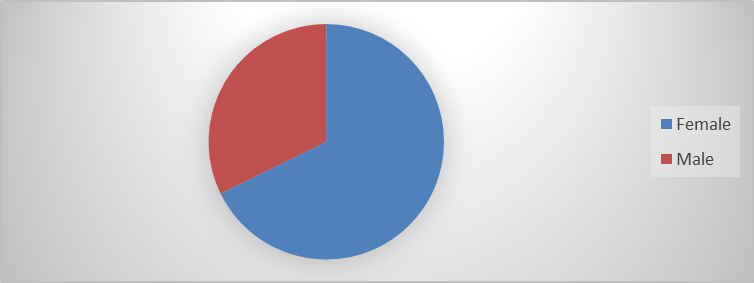
Figure-1: Gender distribution of study participants (n = 31)
Among the 31 patients included in the analysis, females constituted the majority (21, 67.74%), whereas 10 patients (32.26%) were male. Thus, the study population demonstrated a female predominance.
Table-1: Distribution of patients according to primary tumour site (n = 31)
|
Primary tumour site |
Number (n) |
Percentage (%) |
|
Breast |
10 |
32.26 |
|
Lung |
5 |
16.13 |
|
Ovary |
3 |
9.68 |
|
Rectum |
3 |
9.68 |
|
Liver |
2 |
6.45 |
|
Stomach |
2 |
6.45 |
|
Buccal mucosa |
1 |
3.23 |
|
Esophagus |
1 |
3.23 |
|
Gallbladder |
1 |
3.23 |
|
Oral cavity |
1 |
3.23 |
|
Penis |
1 |
3.23 |
|
Urinary bladder |
1 |
3.23 |
|
Total |
31 |
100.00 |
Breast cancer was the most frequently represented malignancy, accounting for 10 patients (32.26%), followed by lung cancer in 5 patients (16.13%). Ovarian and rectal malignancies were each present in 3 patients (9.68%). Liver and stomach cancers accounted for 2 patients each (6.45%). The remaining primary sites—buccal mucosa, esophagus, gallbladder, oral cavity, penis and urinary bladder—were represented by one patient each (3.23%).
Table-2:Distribution according to disease stage (n = 31)
|
Stage |
Number (n) |
Percentage (%) |
|
Stage III |
11 |
35.48 |
|
Stage IV |
20 |
64.52 |
|
Total |
31 |
100.00 |
A substantial proportion of patients presented with advanced-stage disease. Twenty patients (64.52%) had stage IV malignancy, while 11 patients (35.48%) had stage III disease. No patients with stage I or II disease were represented in the available dataset.
Table-3:Distribution according to baseline performance status (PS) (n = 31)
|
Performance status |
Number (n) |
Percentage (%) |
|
PS 0 |
3 |
9.68 |
|
PS 1 |
8 |
25.81 |
|
PS 2 |
10 |
32.26 |
|
PS 3 |
10 |
32.26 |
|
Total |
31 |
100.00 |
Performance status varied considerably among the study participants. Only 3 patients (9.68%) had PS 0, while 8 (25.81%) had PS 1. Patients with PS 2 and PS 3 accounted for 10 patients each (32.26%). Overall, 20 of 31 patients (64.52%) had a performance status of 2 or 3, indicating that nearly two-thirds of the study population had reduced functional status at baseline.
Table-4: Treatment compliance among study participants (n = 31)
|
Treatment compliance |
Number (n) |
Percentage (%) |
|
No poor compliance |
23 |
74.19 |
|
Poor compliance |
8 |
25.81 |
|
Total |
31 |
100.00 |
The majority of patients (23, 74.19%) did not have documented poor treatment compliance. However, 8 patients (25.81%) were categorized as having poor compliance, indicating that approximately one in four patients experienced difficulty maintaining the planned treatment course or follow-up.
Table-5:Response to anti-cancer anticancer treatment (n = 31)
|
Response |
Number (n) |
Percentage (%) |
|
Complete response (CR) |
2 |
6.45 |
|
Partial response (PR) |
26 |
83.87 |
|
Progressive disease |
2 |
6.45 |
|
Treatment default |
1 |
3.23 |
|
Total |
31 |
100.00 |
Partial response was the predominant treatment outcome, observed in 26 patients (83.87%). Complete response was documented in 2 patients (6.45%), while progressive disease occurred in 2 patients (6.45%). One patient (3.23%) defaulted treatment. Thus, 28 of 31 patients (90.32%) achieved either a complete or partial response to anti-cancer treatment in the available dataset.
Table-6: Summary of major clinical characteristics and outcomes
|
Variable |
Category |
n (%) |
|
Sex |
Female |
21 (67.74) |
|
|
Male |
10 (32.26) |
|
Disease stage |
Stage III |
11 (35.48) |
|
|
Stage IV |
20 (64.52) |
|
Performance status |
PS 0 |
3 (9.68) |
|
|
PS 1 |
8 (25.81) |
|
|
PS 2 |
10 (32.26) |
|
|
PS 3 |
10 (32.26) |
|
Poor compliance |
No |
23 (74.19) |
|
|
Yes |
8 (25.81) |
|
Anti-cancer response |
CR |
2 (6.45) |
|
|
PR |
26 (83.87) |
|
|
Progressive disease |
2 (6.45) |
|
|
Defaulted |
1 (3.23) |
The study population was predominantly female and was characterized by advanced disease at presentation and relatively poor baseline performance status. Nearly two-thirds of patients had stage IV disease, and 64.52% had PS 2–3. Despite this, a high proportion of patients in the available dataset demonstrated a response to anti-cancer treatment, with 90.32% achieving either complete or partial response. Poor treatment compliance was documented in 25.81% of patients.
Table-7: Comparison of PFS and OS outcomes
|
Parameter |
PFS |
OS |
|
Total patients |
31 |
31 |
|
Events |
17 (54.8%) |
15 (48.4%) |
|
Alive |
14 (45.2%) |
16 (51.6%) |
|
Median survival |
376 days |
469 days |
|
Median survival in months |
12.4 |
15.4 |
|
6-month estimate |
77.3% |
87.0% |
|
12-month estimate |
57.5% |
67.4% |
|
18-month estimate |
26.6% |
39.4% |
|
24-month estimate |
26.6% |
26.3% |
These findings demonstrate a progressive decline in both progression-free and overall survival over the follow-up period, with OS remaining higher than PFS during the first 18 months.
DISCUSSION:
The present retrospective study evaluated the clinical profile and treatment outcomes of elderly patients with solid malignancies treated at a tertiary-care government hospital. The study population demonstrated several characteristic features of geriatric oncology, including a predominance of female patients, advanced-stage disease at presentation, impaired baseline performance status, and a measurable proportion of treatment non-compliance. Despite these challenges, a substantial proportion of patients achieved a response to anti-cancer treatment.
Demographic characteristics
In the present study, females constituted 67.7% of the study population, while males accounted for 32.3%. This female predominance was largely related to the relatively high proportion of breast cancer in our cohort, which represented 32.3% of all malignancies. This pattern differs from some earlier Indian studies of elderly cancer patients.
In a single-centre Indian study, Sharma et al[5] evaluated 104 elderly cancer patients and reported an approximately equal male-to-female distribution, with a male-to-female ratio of 1:1. Their cohort was derived predominantly from a radiotherapy outpatient population and included a broader distribution of gastrointestinal and genitourinary malignancies. The higher proportion of women in our study may therefore reflect differences in referral patterns, tumour-site distribution, geographical population characteristics and the inclusion of patients from medical, surgical and radiation oncology services.
The predominance of female patients in our cohort also emphasizes the importance of breast cancer in geriatric oncology. Breast cancer was the most frequently represented malignancy, followed by lung cancer, ovarian cancer and colorectal malignancies. Such variation in tumour distribution between studies highlights the heterogeneity of elderly cancer populations and the influence of institutional case mix.
Distribution of primary malignancies
Breast cancer was the most common primary malignancy in our study, accounting for 32.3% of cases, followed by lung cancer (16.1%), ovarian cancer (9.7%) and rectal cancer (9.7%). Gastrointestinal, hepatobiliary, urinary and other malignancies constituted the remaining cases. Our findings differ from those of Sharma et al[5] who reported a greater representation of gastrointestinal and genitourinary malignancies among elderly patients, whereas breast, lymphoma and brain tumours were more frequent among younger patients. The difference may be attributable to variations in study setting, referral patterns, cancer prevalence and the period during which the studies were conducted.
The changing distribution of malignancies among older adults is clinically relevant because treatment tolerance, functional reserve and expected outcomes differ considerably between tumour types. The heterogeneous tumour distribution observed in our study reinforces the need for an individualized approach rather than treating chronological age as the sole determinant of treatment selection.
Advanced stage at presentation
One of the important findings of our study was the high proportion of patients presenting with advanced disease. Stage IV disease was documented in 64.5% of patients, while 35.5% had stage III disease. Thus, nearly two-thirds of the cohort presented with metastatic or otherwise advanced-stage malignancy.
This finding is consistent with observations from other studies demonstrating that elderly patients frequently present with advanced-stage cancer. In a retrospective study of 264 patients aged ≥70 years, Kobayashi et al[6] reported that 87% of patients with solid tumours had stage IV disease. Their analysis further demonstrated that advanced TNM stage was independently associated with poorer overall survival.
In contrast, Sharma et al[5] reported stage IV disease in 39% and stage III disease in 36% of elderly patients in their Indian cohort. The higher proportion of stage IV disease in our study may reflect delayed presentation, limited access to diagnostic facilities, financial constraints, transportation difficulties and delayed referral to oncology services. These factors may be particularly important in government-hospital populations.
The predominance of advanced disease has important implications for treatment goals. In elderly patients, management frequently involves balancing disease control against treatment-related toxicity, functional decline and quality of life. Therefore, stage at presentation should be considered together with functional status, comorbidities, nutritional status and patient preferences.
Baseline performance status
A notable finding in our cohort was the relatively poor baseline performance status. Performance status was 2 or 3 in 64.5% of patients, while only 35.5% had a performance status of 0 or 1. This indicates that a substantial proportion of elderly patients reached oncology care with significant functional limitation.
Our findings are clinically important because performance status is widely recognized as an important determinant of treatment tolerance and prognosis in older patients with cancer. Kobayashi et al[6] in their study of elderly cancer patients, found that ECOG performance status of ≥2 was associated with poorer overall survival on univariate analysis. However, their multivariate analysis suggested that geriatric assessment provided additional prognostic information beyond performance status. Similarly, Nishimura K, et al[7] demonstrated that comprehensive geriatric assessment could identify frailty and predict survival even among older patients who appeared clinically fit according to conventional performance status. In patients with performance status 0–1, frail individuals had substantially shorter overall survival than fit individuals. These observations suggest that the high proportion of patients with PS 2–3 in our cohort may represent only part of the functional vulnerability present in this population. A formal geriatric assessment incorporating functional status, nutrition, cognition, comorbidity and social support could potentially provide better treatment-risk stratification than performance status alone.
Treatment compliance
Treatment compliance is an important issue in geriatric oncology. In our study, 25.8% of patients were classified as having poor compliance, whereas 74.2% did not have documented poor compliance. This finding is comparable with the challenges reported in earlier Indian studies. Sharma et al[5] reported that 57% of elderly patients did not accept recommended treatment and approximately one-fourth of all patients did not complete the prescribed treatment. The lower proportion of poor compliance in our cohort may reflect differences in patient selection, oncology services involved, treatment protocols and access to supportive care.
Non-compliance among elderly patients is multifactorial. Financial limitations, transportation problems, dependence on family members, treatment-related toxicity, comorbidities, poor functional status and lack of understanding of treatment benefits may all contribute. These factors are particularly relevant in the Indian context, where access to geriatric oncology services remains uneven.
Noronha et al[8] highlighted that geriatric oncology in India remains relatively underdeveloped, with limited availability of dedicated geriatric oncology units and inconsistent implementation of formal geriatric assessment. Our finding of a substantial proportion of patients with poor treatment compliance supports the need for multidisciplinary geriatric assessment and supportive interventions alongside cancer-directed therapy.
Response to anti-cancer treatment
Despite the high proportion of advanced disease and impaired performance status, our study demonstrated encouraging treatment responses. Twenty-six patients (83.9%) achieved a partial response and two patients (6.5%) achieved a complete response. Thus, the overall complete or partial response rate was 90.3% when CR and PR were combined.
This observation is broadly consistent with the findings of Sharma et al[5] who reported that 88% of elderly patients in their Indian study were responders, with approximately 70% achieving complete response. Although direct comparison should be interpreted cautiously because of differences in tumour types, treatment modalities and response assessment methods, both studies suggest that advanced age alone should not be regarded as a contraindication to active cancer treatment.
The high response rate in our cohort is particularly noteworthy because a substantial proportion of patients had PS 2–3 and stage IV disease. However, response should not be interpreted in isolation. In elderly patients, meaningful clinical outcomes also include treatment tolerance, maintenance of functional independence, quality of life, treatment adherence and survival. Furthermore, the small sample size of the present study limits the ability to determine whether performance status, tumour stage or treatment compliance independently influenced response.
Geriatric oncology and individualized treatment
The findings of our study support the broader concept that elderly patients with cancer represent a heterogeneous population rather than a single clinical group. Chronological age alone does not adequately reflect physiological reserve or ability to tolerate treatment.[9] Noronha et al[8] emphasized the need to strengthen geriatric oncology services in India and highlighted the limited implementation of systematic geriatric assessment. More recent Indian recommendations have further emphasized structured geriatric assessment as an important component of cancer care in older adults.
Our study adds real-world data from a government tertiary-care hospital, where a large proportion of patients presented with advanced disease and reduced functional status. The observation that many such patients nevertheless achieved a treatment response suggests that therapeutic decisions should be individualized rather than based solely on age. Patients with potentially treatable disease should be offered appropriate cancer-directed therapy after assessment of functional status, comorbidities, nutritional status, cognition, social support and patient preferences.
Free survival (PFS) and overall Survival (OS)
The present study demonstrated a median PFS of 12.4 months and median OS of 15.4 months, which compares favourably with the 7.8–9.0-month PFS reported in the randomized geriatric assessment study, while the OS was within the range reported in that study (14.2–19.1 months). In the large Indian cohort reported by Rao et al[11] median OS was 11.2 months among frail patients and 24.3 months among fit patients, highlighting the substantial influence of geriatric fitness on survival. Kenis et al[12] and Morishima et al[13] similarly demonstrated that geriatric domains, particularly functional and nutritional status, provide important prognostic information beyond conventional tumour-related factors. Thus, the survival observed in the present cohort appears comparable with outcomes reported in other older cancer populations, despite the heterogeneity of malignancies and treatment approaches.
Clinical implications
The present findings have several clinical implications. First, the high prevalence of advanced-stage disease highlights the importance of earlier detection and timely referral of elderly patients with suspected malignancy. Second, the high proportion of patients with PS 2–3 indicates the need for functional and geriatric assessment before initiating treatment. Third, the occurrence of poor compliance in approximately one-fourth of patients emphasizes the importance of identifying and addressing financial, logistical, social and treatment-related barriers.[10]
Importantly, the high response rate observed in our study indicates that elderly patients should not automatically be excluded from active treatment because of chronological age. Instead, treatment intensity should be individualized according to biological age, functional reserve, tumour characteristics, expected benefit and patient preference.
Strengths and limitations
The main strength of this study is that it represents real-world experience in elderly patients with multiple types of solid malignancies managed across medical, surgical and radiation oncology services. The study also provides information on stage, performance status, treatment compliance and anti-cancer treatment response in an Indian government-hospital setting.
However, several limitations should be acknowledged. The study had a relatively small sample size of 31 patients, which limits statistical power and generalizability. Its retrospective design also introduces the possibility of incomplete documentation and selection bias. The heterogeneous distribution of tumour types makes direct comparison of treatment response across individual malignancies difficult. In addition, formal comprehensive geriatric assessment parameters were not available for all patients. Therefore, performance status may not fully capture frailty, nutritional status, cognition or functional dependence.
CONCLUSION:
In conclusion, our study demonstrates that elderly patients with solid malignancies commonly present with advanced-stage disease and impaired performance status. Nevertheless, a substantial proportion achieved a favourable response to anti-cancer treatment. The findings are broadly consistent with previous Indian studies showing that elderly patients can benefit from active cancer treatment, while also demonstrating the challenges of treatment acceptance and compliance.
REFERENCES:
1. Khan KH, Yap TA, Ring A, Molife LR, Bodla S, Thomas K, Zivi A, Smith A, Judson I, Banerji U, de Bono JS, Kaye SB. Phase I trial outcomes in older patients with advanced solid tumours. Br J Cancer. 2016 Feb 2;114(3):262-8.
2. Hattirkar V, Raje S, Gupta A. Study Of Clinical Profile and Outcome of Malignancy in Elderly Patients Aged More Than 65 Years. CME Journal Geriatric Medicine. 2024 Jan;16(1):85-91.
3. Dougoud V, Vetter M. Geriatric Assessment of Older Patients with Cancer: Recent Data and Updated Recommendations. healthbook TIMES Onco Hema. 2023;18(4):50-53.
4. Kaya E, Tanriverdi O, Barutca S. Clinical characteristics of patients with cancer in older ages of 85 years and over. Med Bull Haseki. 2025;63:40-4
5. Sharma S, et al. Assessment of cancer care in Indian elderly cancer patients: A single center study. South Asian J Cancer. 2013;2(4):179-183.
6. Tanaka Y, Kobayashi H, Suzuki M, Kanayama N, Terao T (2004) Upregulation of bikunin in tumor-infiltrating macrophages as a factor of favorable prognosis in ovarian cancer. Gynecol Oncol 94: 725–734.
7. Takayama H, Nishimura K, Tsujimura A, Nakai Y, Nakayama M, et al. (2009) Increased infiltration of tumor associated macrophages is associated with poor prognosis of bladder carcinoma in situ after intravesical bacillus Calmette-Guerin instillation. J Urol 181: 1894–1900.
8. Noronha V, Rao AR, Ramaswamy A, Kumar A, Pillai A, Dhekale R, et al. The current status of geriatric oncology in India. ecancermedicalscience. 2023;17:1595.
9. Hurria A, Togawa K, Mohile SG, Owusu C, Klepin HD, Gross CP, et al. Predicting chemotherapy toxicity in older adults with cancer: a prospective multicenter study. J Clin Oncol. 2011;29(25):3457-3465.
10. Extermann M, Hurria A. Comprehensive geriatric assessment for older patients with cancer. J Clin Oncol. 2007;25(14):1824-1831.
11. Rao AR, Noronha V, Ramaswamy A, Kumar A, Pillai A, Gattani S, Sehgal A, Kumar S, Castelino R, Dhekale R, Krishnamurthy J, Mahajan S, Daptardar A, Sonkusare L, Deodhar J, Ansari N, Vagal M, Mahajan P, Timmanpyati S, Nookala M, Chitre A, Kapoor A, Gota V, Banavali S, Badwe RA, Prabhash K. Correlation of the Geriatric Assessment with Overall Survival in Older Patients with Cancer. Clin Oncol (R Coll Radiol). 2024 Jan;36(1):e61-e71.
12. Kenis C, Baitar A, Decoster L, De Grève J, Deschodt M, Flamaing J, et al. The added value of geriatric screening and assessment for predicting overall survival in older patients with cancer. Cancer. 2018;124(19):3753-3762.
13. Morishima T, Sato A, Nakata K, Miyashiro I. Geriatric assessment domains to predict overall survival in older cancer patients: An analysis of functional status, comorbidities, and nutritional status as prognostic factors. Cancer Med. 2020 Aug;9(16):5839-5850.