Incidence and Predictors of Intraoperative Pain During Cesarean Delivery Under Neuraxial Anesthesia: A Prospective Observational Study.
- Fahad Khan , Associate Professor, Department of Anaesthesia and Critical Care, Rama Medical College and Research Centre and Hospital, Pilkhuwa, Hapur, Uttar Pradesh, India.
- Shubham Sharma , Senior Resident, Department of Anaesthesia and Critical Care, KD Medical College Hospital and Research Centre, Mathura, Uttar Pradesh, India.
- Devanshi Sharma , PG Junior Resident (JR3), Department of Anaesthesia and Critical Care,
Article Information:
Abstract:
Background: Intraoperative pain during cesarean delivery under neuraxial anesthesia is an important but potentially under-recognized complication that may adversely affect maternal comfort, satisfaction, and childbirth experience. This study aimed to determine the incidence of intraoperative pain and identify its maternal, obstetric, anesthetic, and surgical predictors. Methods: This prospective observational study included 110 parturients undergoing elective or emergency cesarean delivery under neuraxial anesthesia. Demographic, obstetric, anesthetic, and intraoperative characteristics were prospectively recorded. Intraoperative pain was assessed using a numerical rating scale (NRS) and was defined as an NRS score ≥3. Potential predictors were compared between participants with and without pain, and multivariable logistic regression was performed to identify independent predictors. Results: Intraoperative pain occurred in 19/110 (17.3%) participants. Among those experiencing pain, 47.4% had mild, 36.8% moderate, and 15.8% severe pain. Pain occurred after fetal delivery in 68.4% of affected participants, with uterine manipulation/exteriorization being the most frequent stage of onset (31.6%). Supplemental intravenous analgesia was required in 73.7%, while 2 participants (1.8% of the overall cohort) required conversion to general anesthesia. On multivariable analysis, sensory block below T6 (AOR 5.26; 95% CI 1.14–24.28; p=0.034), difficult neuraxial placement (AOR 3.72; 95% CI 1.03–13.46; p=0.045), intraoperative adhesions (AOR 3.46; 95% CI 1.01–11.87; p=0.048), and surgical duration >60 minutes (AOR 3.58; 95% CI 1.08–11.89; p=0.037) independently predicted intraoperative pain. Conclusion: Intraoperative pain affected approximately one in six parturients despite neuraxial anesthesia. Careful assessment of sensory block adequacy, anticipation of technically difficult neuraxial procedures and prolonged surgery, and timely rescue analgesia may improve maternal comfort and anesthetic outcomes.
Keywords:
Article :
INTRODUCTION:
Cesarean delivery is one of the most commonly performed surgical procedures worldwide, and neuraxial anesthesia is the preferred anesthetic technique for most elective and emergency cesarean sections[1]. Spinal, epidural, and combined spinal–epidural anesthesia provide effective surgical anesthesia while allowing the mother to remain conscious during childbirth and avoiding many of the airway and anesthetic risks associated with general anesthesia [2]. Among these techniques, subarachnoid block is particularly favored because of its rapid onset, technical simplicity, predictable sensory blockade, and favorable maternal and neonatal safety profile [3,4]. Despite these advantages, neuraxial anesthesia does not invariably provide complete analgesia throughout cesarean delivery, and some women experience significant intraoperative discomfort or pain.The reported incidence of inadequate neuraxial anesthesia and intraoperative pain during cesarean delivery varies considerably across studies. Failure rates ranging from approximately 1% to 17% have been described, depending on the anesthetic technique, urgency of cesarean delivery, study population, and definition of anesthetic failure [5]. Studies have reported rates of inadequate spinal anesthesia of approximately 5.7% in India, 9.1% in Nigeria, and 11.7% in South Africa [6-9]. Importantly, conversion to general anesthesia alone does not adequately reflect the burden of intraoperative pain, because many women with an apparently adequate neuraxial block may experience pain that is managed with supplemental intravenous analgesics, sedatives, additional neuraxial medication, or other rescue interventions.[10]Intraoperative pain can occur despite an initially satisfactory sensory block and may become particularly evident during highly stimulating surgical events such as peritoneal manipulation, uterine incision, fetal delivery, uterine exteriorization, and abdominal closure. Several maternal, obstetric, anesthetic, and surgical factors have been associated with inadequate surgical anesthesia. These include obesity, emergency cesarean delivery, previous anesthetic exposure, multiple spinal puncture attempts, inadequate local-anesthetic dose, failure to obtain free-flowing cerebrospinal fluid, inappropriate intervertebral level, prolonged surgical duration, anatomical abnormalities, and limited experience of the anesthesia provider [11,12]. Variations in local-anesthetic dose, baricity, maternal positioning, intrathecal opioid supplementation, and cerebrospinal fluid dynamics may further influence the quality and duration of neuraxial blockade.Intraoperative pain during an awake cesarean delivery is clinically important because it can cause acute maternal distress, anxiety, dissatisfaction, and loss of confidence in anesthetic care. Severe or inadequately treated pain may also adversely affect the overall childbirth experience and contribute to persistent psychological distress. Early identification of women at increased risk could therefore facilitate individualized anesthetic planning, closer intraoperative monitoring, and timely rescue analgesia.[13]Despite the widespread use of neuraxial anesthesia for cesarean delivery, prospective evidence focusing specifically on intraoperative pain and its predictors remains limited in many clinical settings. Therefore, the present prospective observational study was undertaken to determine the incidence of intraoperative pain during cesarean delivery under neuraxial anesthesia and to identify maternal, obstetric, anesthetic, and surgical factors associated with its occurrence.
MATERIALS AND METHODS:
This prospective observational study was conducted in the Department of Anesthesiology at a tertiary care teaching hospital. The study included pregnant women who underwent elective or emergency cesarean delivery under neuraxial anesthesia during the study period.
Study Population
Pregnant women scheduled for cesarean delivery under neuraxial anesthesia who fulfilled the predefined eligibility criteria were assessed for participation. A total of 110 eligible parturients were enrolled in the study. Written informed consent was obtained from all participants before inclusion.The final sample size was 110 participants. The sample size was considered adequate to estimate the incidence of intraoperative pain during cesarean delivery under neuraxial anesthesia and to explore maternal, obstetric, anesthetic, and surgical factors associated with its occurrence.
Inclusion Criteria
Parturients aged ≥18 years who underwent elective or emergency cesarean delivery under neuraxial anesthesia and provided written informed consent were included. Women receiving spinal anesthesia, epidural anesthesia, or combined spinal–epidural anesthesia as the primary anesthetic technique were eligible for participation.
Exclusion Criteria
Parturients who underwent cesarean delivery under planned general anesthesia, had contraindications to neuraxial anesthesia, were unable to reliably communicate or assess pain, had significant cognitive impairment, or declined participation were excluded. Women in whom general anesthesia was administered before the beginning of surgery because of complete failure of neuraxial block were also excluded from the assessment of intraoperative pain.
Preanesthetic Assessment
A detailed preanesthetic evaluation was performed for all participants. Demographic and obstetric information, including maternal age, body mass index, gestational age, parity, previous cesarean delivery, indication for cesarean section, and elective or emergency status, was recorded. Relevant medical and obstetric comorbidities and previous history of neuraxial anesthesia were also documented.
Neuraxial Anesthesia Technique
Standard monitoring, including non-invasive blood pressure, electrocardiography, and pulse oximetry, was instituted before administration of anesthesia. Intravenous access was secured, and fluid administration was performed according to institutional practice.
Neuraxial anesthesia was administered using spinal, epidural, or combined spinal–epidural techniques according to the clinical indication and attending anesthesiologist's judgment. The intervertebral level, needle type and size, number of puncture attempts, occurrence of difficult or traumatic puncture, and characteristics of cerebrospinal fluid return were documented. The type, dose, and volume of local anesthetic and any neuraxial adjuvants, including opioids, were recorded.After administration of neuraxial anesthesia, the sensory level of blockade was assessed using loss of sensation to cold and/or pinprick. Motor blockade was evaluated according to routine institutional practice. Surgery was permitted to commence only after an adequate sensory block for cesarean delivery had been established.
Assessment of Intraoperative Pain
Participants were informed before surgery that they should immediately report any pain or significant discomfort experienced during the procedure. Intraoperative pain was assessed throughout cesarean delivery using a 0–10 numerical rating scale (NRS), where 0 represented no pain and 10 represented the worst imaginable pain.Intraoperative pain was defined as any patient-reported surgical pain with an NRS score ≥3 after the commencement of surgery. The maximum NRS score reported during the operation was recorded. When pain occurred, its timing and corresponding surgical stage, including skin incision, abdominal or peritoneal manipulation, uterine incision, fetal delivery, uterine exteriorization, and surgical closure, were documented.
Management of Intraoperative Pain
When intraoperative pain was reported, the anesthesiologist assessed its severity and administered rescue treatment according to clinical requirements. Management included reassurance, supplemental intravenous analgesics, opioids, sedatives, additional neuraxial medication when appropriate, or conversion to general anesthesia in cases of severe or persistent pain. The type and dose of all rescue medications and the requirement for conversion to general anesthesia were recorded.
Potential Predictors
Potential predictors of intraoperative pain were prospectively recorded and categorized as maternal, obstetric, anesthetic, and surgical factors. Maternal factors included age, body mass index, parity, previous cesarean delivery, and relevant comorbidities. Obstetric factors included gestational age, indication for cesarean delivery, and elective or emergency status.Anesthetic factors included neuraxial technique, intervertebral level, number of puncture attempts, difficulty during neuraxial placement, sensory block height, local-anesthetic dose, use of intrathecal or epidural opioids, and interval between neuraxial administration and surgical incision. Surgical factors included previous abdominal surgery, presence of adhesions where documented, uterine exteriorization, additional surgical procedures, and duration of surgery.
Outcome Measures
The primary outcome was the incidence of intraoperative pain during cesarean delivery under neuraxial anesthesia.
The secondary outcomes included severity and timing of intraoperative pain, requirement for supplemental analgesia or sedation, conversion to general anesthesia, and identification of independent maternal, obstetric, anesthetic, and surgical predictors of intraoperative pain.
Data Collection
Data were collected prospectively using a structured case-record form. Baseline demographic and obstetric characteristics, details of neuraxial anesthesia, sensory block characteristics, intraoperative hemodynamic parameters, surgical characteristics, occurrence and severity of pain, rescue interventions, and conversion to general anesthesia were documented. Data were checked for completeness before statistical analysis.
Statistical Analysis
Data were entered into a computerized database and analyzed using SPSS. 21statistical software. Continuous variables were expressed as mean ± standard deviation for normally distributed data or median with interquartile range for non-normally distributed data. Categorical variables were presented as frequencies and percentages.Participants were categorized into intraoperative pain and no intraoperative pain groups. Continuous variables were compared using the independent-samples Student's t-test or Mann–Whitney U test, as appropriate. Categorical variables were compared using the chi-square test or Fisher's exact test.Potential predictors of intraoperative pain were initially evaluated using univariate analysis. Variables considered clinically relevant or demonstrating an association on univariate analysis were entered into a multivariable binary logistic regression model to identify independent predictors of intraoperative pain. Associations were reported as odds ratios (ORs) with 95% confidence intervals (CIs). A two-sided p-value <0.05 was considered statistically significant.
RESULTS:
A total of 110 parturients undergoing cesarean delivery under neuraxial anesthesia were included. The mean age was 28.6 ± 4.7 years, mean BMI was 27.1 ± 3.8 kg/m², and mean gestational age was 38.1 ± 1.3 weeks. Multigravida constituted 60.9% of participants, while 40.9% had a previous cesarean delivery and 42.7% had previous abdominal surgery. Emergency cesarean delivery accounted for 57.3% of procedures, with previous cesarean delivery (28.2%) and fetal distress (21.8%) being the most common indications (Table 1).
Spinal anesthesia was the predominant technique (87.3%), followed by combined spinal–epidural (9.1%) and epidural anesthesia (3.6%). Multiple neuraxial puncture attempts were required in 20.0%, difficult placement occurred in 13.6%, and neuraxial opioids were administered in 82.7%. An adequate sensory block of T6 or above was achieved in 91.8%. The mean neuraxial-to-incision interval was 11.8 ± 3.6 minutes and mean surgical duration was 53.7 ± 16.4 minutes; 26.4% of procedures lasted >60 minutes. Uterine exteriorization was performed in 50.9%, while intraoperative hypotension occurred in 28.2% (Table 2, Figure 1).
Intraoperative pain (NRS ≥3) occurred in 19/110 participants, giving an incidence of 17.3% (Table 3). Among affected participants, 47.4% experienced mild, 36.8% moderate, and 15.8% severe pain. Pain was most commonly first reported during uterine manipulation/exteriorization (31.6%), followed by abdominal/peritoneal manipulation (21.1%). Overall, 68.4% of pain episodes occurred after fetal delivery (Table 3).
Among participants experiencing pain, 73.7% required supplemental intravenous analgesia, 57.9% received intravenous opioids, 26.3% required sedation/anxiolysis, and 15.8% received additional neuraxial medication. Pain persisted after initial rescue treatment in 21.1%, while two participants required conversion to general anesthesia, representing 10.5% of those with pain and 1.8% of the total cohort (Table 4, Figure 2).
Comparison of participants with and without pain demonstrated significant associations with previous aesarean delivery (63.2% vs. 36.3%; p=0.031), previous abdominal surgery (63.2% vs. 38.5%; p=0.049), emergency aesarean delivery (78.9% vs. 52.7%; p=0.037), multiple neuraxial puncture attempts (42.1% vs. 15.4%; p=0.008), difficult neuraxial placement (36.8% vs. 8.8%; p=0.003), sensory block below T6 (26.3% vs. 4.4%; p=0.006), absence of neuraxial opioid (36.8% vs. 13.2%; p=0.018), uterine exteriorization (73.7% vs. 46.2%; p=0.030), surgical duration >60 minutes (52.6% vs. 20.9%; p=0.004), and adhesions (42.1% vs. 14.3%; p=0.009) (Table 5, Figure 3).
On multivariable logistic regression, four factors remained independent predictors of intraoperative pain: sensory block below T6 (AOR 5.26; 95% CI: 1.14–24.28; p=0.034), difficult neuraxial placement (AOR 3.72; 95% CI: 1.03–13.46; p=0.045), adhesions (AOR 3.46; 95% CI: 1.01–11.87; p=0.048), and surgical duration >60 minutes (AOR 3.58; 95% CI: 1.08–11.89; p=0.037) (Table 6).
Overall, intraoperative pain occurred in 17.3% of cesarean deliveries under neuraxial anesthesia, predominantly after fetal delivery. Inadequate sensory block, difficult neuraxial placement, adhesions, and prolonged surgery emerged as independent predictors of intraoperative pain.
Table 1. Baseline demographic and obstetric characteristics of the study participants (n=110)
|
Variable |
Value |
|
Age (years), mean ± SD |
28.6 ± 4.7 |
|
BMI (kg/m²), mean ± SD |
27.1 ± 3.8 |
|
Gestational age (weeks), mean ± SD |
38.1 ± 1.3 |
|
Primigravida, n (%) |
43 (39.1) |
|
Multigravida, n (%) |
67 (60.9) |
|
Previous cesarean delivery, n (%) |
45 (40.9) |
|
Previous abdominal surgery, n (%) |
47 (42.7) |
|
Type of cesarean delivery, n (%) |
|
|
Elective |
47 (42.7) |
|
Emergency |
63 (57.3) |
|
Indication for cesarean delivery, n (%) |
|
|
Previous cesarean delivery |
31 (28.2) |
|
Fetal distress |
24 (21.8) |
|
Failure of progression of labor |
17 (15.5) |
|
Malpresentation |
13 (11.8) |
|
Cephalopelvic disproportion |
11 (10.0) |
|
Other indications |
14 (12.7) |
|
Maternal comorbidity present, n (%) |
29 (26.4) |
Table 2. Neuraxial anesthetic and intraoperative characteristics (n=110)
|
Variable |
Value |
|
Neuraxial technique, n (%) |
|
|
Spinal anesthesia |
96 (87.3) |
|
Epidural anesthesia |
4 (3.6) |
|
Combined spinal–epidural |
10 (9.1) |
|
>1 puncture attempt, n (%) |
22 (20.0) |
|
Difficult neuraxial placement, n (%) |
15 (13.6) |
|
Traumatic/bloody puncture, n (%) |
7 (6.4) |
|
Neuraxial opioid used, n (%) |
91 (82.7) |
|
Sensory block ≥T6 before incision, n (%) |
101 (91.8) |
|
Sensory block <T6, n (%) |
9 (8.2) |
|
Neuraxial-to-incision interval (min), mean ± SD |
11.8 ± 3.6 |
|
Duration of surgery (min), mean ± SD |
53.7 ± 16.4 |
|
Surgical duration >60 min, n (%) |
29 (26.4) |
|
Uterine exteriorization, n (%) |
56 (50.9) |
|
Intraoperative hypotension, n (%) |
31 (28.2) |
|
Vasopressor requirement, n (%) |
27 (24.5) |
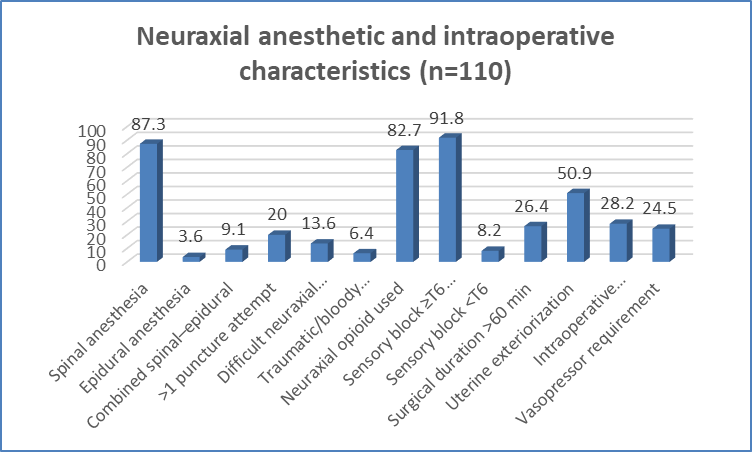
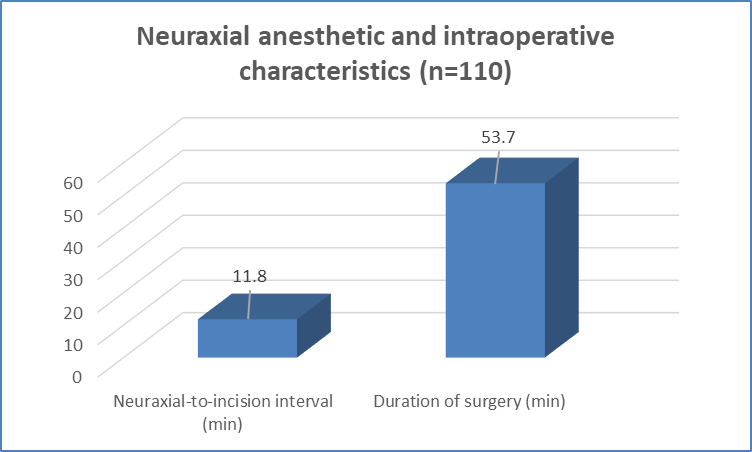
Figure 1 Neuraxial anesthetic and intraoperative characteristics (n=110)
Table 3. Incidence, severity, and timing of intraoperative pain (n=110)
|
Pain-related outcome |
n (%) |
|
No intraoperative pain |
91 (82.7) |
|
Intraoperative pain (NRS ≥3) |
19 (17.3) |
|
Maximum pain severity among pain cases (n=19) |
|
|
Mild (NRS 3–4) |
9 (47.4) |
|
Moderate (NRS 5–6) |
7 (36.8) |
|
Severe (NRS 7–10) |
3 (15.8) |
|
Stage at first occurrence of pain (n=19) |
|
|
Skin incision |
1 (5.3) |
|
Abdominal/peritoneal manipulation |
4 (21.1) |
|
Uterine incision |
2 (10.5) |
|
Fetal delivery |
3 (15.8) |
|
Uterine manipulation/exteriorization |
6 (31.6) |
|
Surgical closure |
3 (15.8) |
|
Pain before/during fetal delivery |
6 (31.6) |
|
Pain after fetal delivery |
13 (68.4) |
Table 4. Management and clinical consequences of intraoperative pain (n=19)
|
Intervention/outcome |
n (%) |
|
Reassurance/non-pharmacological measures |
5 (26.3) |
|
Supplemental IV analgesia |
14 (73.7) |
|
IV opioid required |
11 (57.9) |
|
Sedative/anxiolytic required |
5 (26.3) |
|
Additional neuraxial medication |
3 (15.8) |
|
≥2 rescue interventions required |
6 (31.6) |
|
Persistent pain despite initial rescue |
4 (21.1) |
|
Conversion to general anesthesia |
2 (10.5) |
|
Nausea/vomiting during pain episode |
5 (26.3) |
|
Hemodynamic instability during pain episode |
3 (15.8) |
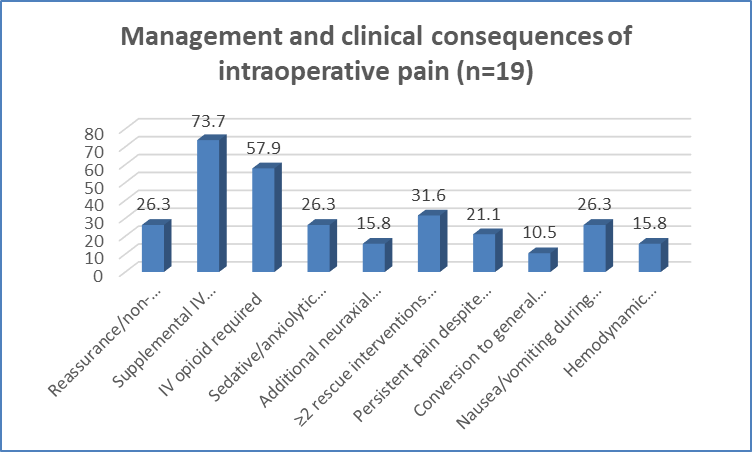
Figure 2 Management and clinical consequences of intraoperative pain (n=19)
Table 5. Comparison of potential predictors between participants with and without intraoperative pain
|
Variable |
No pain (n=91) |
Pain (n=19) |
p-value |
|
Age (years), mean ± SD |
28.4 ± 4.6 |
29.5 ± 5.0 |
0.35 |
|
BMI (kg/m²), mean ± SD |
26.8 ± 3.6 |
28.6 ± 4.3 |
0.056 |
|
Gestational age (weeks), mean ± SD |
38.1 ± 1.3 |
37.9 ± 1.4 |
0.55 |
|
Multigravida |
53 (58.2) |
14 (73.7) |
0.21 |
|
Previous cesarean delivery |
33 (36.3) |
12 (63.2) |
0.031 |
|
Previous abdominal surgery |
35 (38.5) |
12 (63.2) |
0.049 |
|
Emergency cesarean delivery |
48 (52.7) |
15 (78.9) |
0.037 |
|
>1 neuraxial puncture attempt |
14 (15.4) |
8 (42.1) |
0.008 |
|
Difficult neuraxial placement |
8 (8.8) |
7 (36.8) |
0.003 |
|
Sensory block <T6 |
4 (4.4) |
5 (26.3) |
0.006 |
|
Neuraxial opioid not used |
12 (13.2) |
7 (36.8) |
0.018 |
|
Intraoperative hypotension |
24 (26.4) |
7 (36.8) |
0.36 |
|
Uterine exteriorization |
42 (46.2) |
14 (73.7) |
0.030 |
|
Surgical duration >60 min |
19 (20.9) |
10 (52.6) |
0.004 |
|
Adhesions encountered |
13 (14.3) |
8 (42.1) |
0.009 |
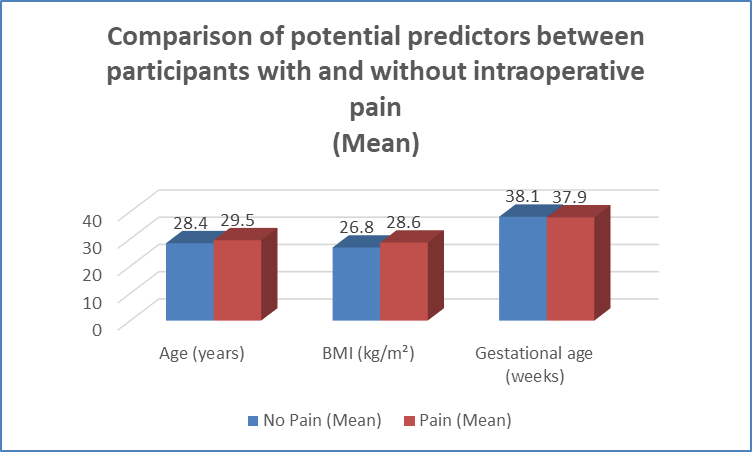
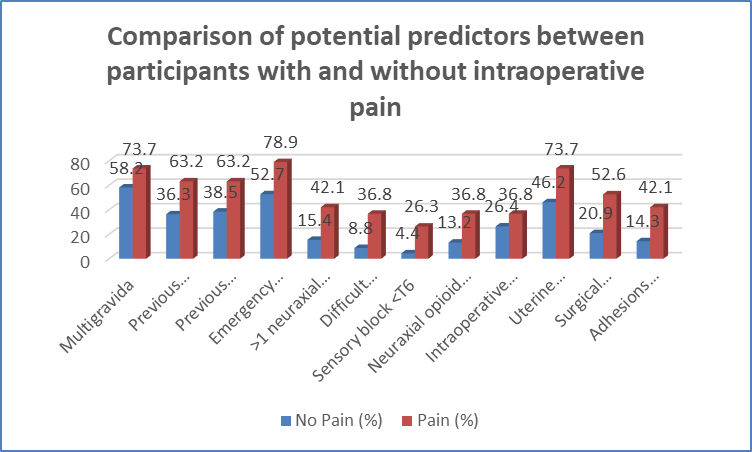
Figure 3 Comparison of potential predictors between participants with and without intraoperative pain
Table 6. Logistic regression analysis of predictors of intraoperative pain
|
Predictor |
Crude OR (95% CI) |
p-value |
Adjusted OR (95% CI) |
p-value |
|
Previous cesarean delivery |
3.01 (1.09–8.30) |
0.033 |
1.63 (0.48–5.55) |
0.44 |
|
Emergency cesarean delivery |
3.36 (1.04–10.88) |
0.043 |
2.12 (0.56–8.03) |
0.27 |
|
>1 neuraxial puncture attempt |
4.00 (1.38–11.59) |
0.011 |
1.82 (0.47–7.07) |
0.39 |
|
Difficult neuraxial placement |
6.05 (1.85–19.76) |
0.003 |
3.72 (1.03–13.46) |
0.045 |
|
Sensory block <T6 |
7.77 (1.87–32.26) |
0.005 |
5.26 (1.14–24.28) |
0.034 |
|
Absence of neuraxial opioid |
3.84 (1.26–11.71) |
0.018 |
2.91 (0.78–10.89) |
0.11 |
|
Uterine exteriorization |
3.27 (1.02–10.45) |
0.046 |
2.34 (0.62–8.82) |
0.21 |
|
Adhesions encountered |
4.37 (1.48–12.91) |
0.008 |
3.46 (1.01–11.87) |
0.048 |
|
Surgical duration >60 min |
4.21 (1.48–11.96) |
0.007 |
3.58 (1.08–11.89) |
0.037 |
DISCUSSION:
In the present prospective observational study of 110 women undergoing cesarean delivery under neuraxial anesthesia, 19 (17.3%) experienced intraoperative pain, while 82.7% remained pain-free. This incidence closely corresponds to the 2025 systematic review and meta-analysis by Charles et al.[14], which included 34 studies and 11,351 women and reported a pooled incidence of 17% (95% CI 13–22%). The same meta-analysis found a lower pooled incidence with spinal anesthesia (14%; 662/8,002) and a substantially higher incidence with epidural top-up (33%; 253/1,395). More recently, an international prospective cohort of 3,693 women reported an overall incidence of 7.6% (282/3,693), with rates varying considerably according to urgency and neuraxial technique. A 2026 prospective observational study of 208 women reported intraoperative pain in 20.2%, which is also comparable with our finding of 17.3%.
Most pain episodes in our study were mild (47.4%) or moderate (36.8%), while only 15.8% were severe. Pain was reported predominantly after fetal delivery (68.4%), and uterine manipulation/exteriorization was the most frequent stage of first pain occurrence (31.6%). This pattern supports the concept that an apparently adequate initial block may become insufficient during visceral traction and prolonged surgical manipulation. In the international prospective cohort, women reporting intraoperative pain had a median NRS of 6 (IQR 4–8), indicating that clinically important pain can occur despite established neuraxial anesthesia.
Management of breakthrough pain was another clinically important finding. In our study, 73.7% of women with pain required supplemental intravenous analgesia, 57.9% required intravenous opioids, and 26.3% received a sedative or anxiolytic. General anesthesia was required in 2/19 (10.5%) pain cases, corresponding to only 1.8% of the total cohort. Similarly, the 2026 prospective study reported pain requiring additional analgesic or anesthetic intervention in 16.8% (35/208) and conversion to general anesthesia in 1.0% (2/208). Jin et al.[15], in a retrospective analysis of 5,361 cesarean deliveries, reported failed spinal anesthesia requiring an alternative anesthetic in 2.1%, conversion to general anesthesia in 0.7%, and supplemental analgesia or sedation in another 2.0%. These observations emphasize that conversion to general anesthesia alone substantially underestimates the burden of inadequate intraoperative analgesia.
Several significant predictors were identified in our study. Previous cesarean delivery was more common among women experiencing pain (63.2% vs. 36.3%; p=0.031), although it lost significance after adjustment (AOR 1.63; p=0.44). Jin et al.[15] found previous cesarean delivery to be their strongest predictor of failed spinal anesthesia (OR 11.33; 95% CI 7.09–18.20). Previous cesarean delivery may indirectly increase anesthetic difficulty through adhesions and longer or more complex surgery.
Indeed, adhesions were present in 42.1% of women with pain compared with 14.3% without pain (p=0.009) and remained independently associated with pain (AOR 3.46; 95% CI 1.01–11.87; p=0.048). Similarly, surgery lasting >60 minutes occurred in 52.6% versus 20.9% (p=0.004) and independently increased the odds of pain (AOR 3.58; 95% CI 1.08–11.89). Jin et al.[15] likewise demonstrated that increasing surgical duration was independently associated with spinal anesthetic failure (OR 1.02 per minute; 95% CI 1.01–1.03).
The strongest independent predictor in our study was an inadequate sensory block below T6 (AOR 5.26; 95% CI 1.14–24.28; p=0.034), while difficult neuraxial placement was also independently predictive (AOR 3.72; 95% CI 1.03–13.46; p=0.045). Multiple puncture attempts were more frequent among women with pain (42.1% vs. 15.4%; p=0.008), although this association did not remain significant after adjustment. Published evidence similarly indicates that technical factors such as lumbar puncture level and spinal needle characteristics influence spinal anesthetic failure.
CONCLUSION:
Intraoperative pain occurred in 17.3% of parturients undergoing cesarean delivery under neuraxial anesthesia, with most episodes being mild to moderate and occurring after fetal delivery. Sensory block below T6, difficult neuraxial placement, intraoperative adhesions, and surgical duration >60 minutes were identified as independent predictors of intraoperative pain. Although conversion to general anesthesia was uncommon (1.8%), a substantial proportion of affected women required supplemental analgesia. Careful assessment of block adequacy, recognition of high-risk cases, and timely rescue analgesia may improve maternal comfort, satisfaction, and overall anesthetic outcomes.
LIMITATIONS
This study had certain limitations. The relatively small sample size and single-center design may limit the generalizability of the findings to other populations and clinical settings. Intraoperative pain assessment was based on patient-reported NRS scores and was therefore subject to individual variability in pain perception. Additionally, the limited number of pain events may have reduced the statistical precision of the multivariable analysis and resulted in relatively wide confidence intervals for some predictors.
REFERENCES:
1. Sng BL, Lim Y, Sia ATH. An observational prospective cohort study of incidence and characteristics of failed spinal anaesthesia for caesarean section. Int J Obstet Anesth. 2009;18(3):237-41.
2. Shrestha AB, Shrestha CK, Sharma KR, Neupane B. Failure of subarachnoid block in caesarean section. Nepal Med Coll J. 2009;11(1):50-1.
3. Alabi AA, Adeniyi OV, Adeleke OA, Pillay P, Haffajee MR. Factors associated with failed spinal anaesthesia for caesarean sections in Mthatha General Hospital, Eastern Cape, South Africa. S Afr Fam Pract. 2017;59(4):128-32.
4. Yeoh SB, Leong SB, Heng AST. Anaesthesia for lower-segment caesarean section: changing perspectives. Indian J Anaesth. 2010;54(5):409-14.
5. isma E, Smithers LG, Lynch JW, Mol BW. Cesarean section in Ethiopia: prevalence and sociodemographic characteristics. J Matern Fetal Neonatal Med. 2019;32(7):1130-5.
6. Páez L JJ, Navarro V JR. Regional versus general anesthesia for cesarean section delivery. Colomb J Anesthesiol. 2012;40(3):203-6.
7. Hoppe J, Popham P. Complete failure of spinal anaesthesia in obstetrics. Int J Obstet Anesth. 2007;16(3):250-5.
8. Alabi AA, Adeniyi OV, Adeleke OA, Pillay P, Haffajee MR. Factors associated with failed spinal anaesthesia for caesarean sections in Mthatha General Hospital, Eastern Cape, South Africa. S Afr Fam Pract. 2017;59(4):128-32.
9. Kinsella SM. A prospective audit of regional anaesthesia failure in 5080 Caesarean sections. Anaesthesia. 2008;63(8):822-32.
10. Garry M, Davies S. Failure of regional blockade for caesarean section. Int J Obstet Anesth. 2002;11(1):9-12.
11. Pan PH, Bogard TD, Owen MD. Incidence and characteristics of failures in obstetric neuraxial analgesia and anesthesia: a retrospective analysis of 19,259 deliveries. Int J Obstet Anesth. 2004;13(4):227-33.
12. Tiwari M, Tiwari P, Chhabra B. Failed spinal anaesthesia: an immediate second spinal is a valid option in rural India. J Evol Med Dent Sci. 2013;2(29):5395-401.
13. Rukewe A, Adebayo OK, Fatiregun AA. Failed obstetric spinal anesthesia in a Nigerian teaching hospital: incidence and risk factors. Anesth Analg. 2015;121(5):1301-5.
14. Charles EA, Carter H, Stanford S, Blake L, Eley V, Carvalho B, et al. Intraoperative pain during cesarean delivery under neuraxial anesthesia: a systematic review and meta-analysis. Anesthesiology. 2025;143(1):156-67.
15. Jin SY, Munro A, Aidemouni M, McKeen DM, Uppal V. The Incidence and Predictors of Failed Spinal Anesthesia After Intrathecal Injection of Local Anesthetic for Cesarean Delivery: A Single-Center, 9-Year Retrospective Review. Anesth Analg. 2024 Feb 1;138(2):430-437.