Serum Ferritin Levels in Type 2 Diabetes Mellitus And Its Correlation With Hba1c Levels.
- Sai Vishwanath Rao N , Assistant Professor, Department of General Medicine, Apollo Institute of Medical Sciences and Research, Hyderabad, Telangana, India
- Anish Reddy Bheemidi , Assistant Professor, Department of General Medicine, Apollo Institute of Medical Sciences and Research, Hyderabad, Telangana, India
- Makka Deepika , Assistant Professor, Department of General Medicine, Apollo Institute of Medical Sciences and Research, Hyderabad, Telangana, India
Article Information:
Abstract:
Background: Type 2 diabetes mellitus (T2DM) is a chronic metabolic disorder characterized by persistent hyperglycemia and is associated with progressive microvascular and macrovascular complications. Glycated hemoglobin (HbA1c) is an established marker of long-term glycemic control. Altered iron metabolism and increased body iron stores have been implicated in insulin resistance, oxidative stress, pancreatic β-cell dysfunction, and the development of diabetic complications. Serum ferritin, an important indicator of body iron stores, may therefore have an association with glycemic status and the severity of diabetes-related complications. Aim: To estimate serum ferritin levels in patients with type 2 diabetes mellitus and determine their correlation with HbA1c levels. Methods: This hospital-based descriptive case-control study was conducted in the Department of General Medicine, Prathima Institute of Medical Sciences, Nagunur, Telangana, India, from September 2021 to August 2022. A total of 120 participants were included, comprising 60 patients with T2DM and 60 non-diabetic controls in a 1:1 ratio. The minimum calculated sample size was 34 participants per group; however, 60 participants were included in each group. Data regarding demographic characteristics and clinical variables were collected using a structured proforma. Fasting blood sugar, postprandial blood sugar, HbA1c, serum ferritin, urinary protein assessment, and fundoscopy were evaluated as applicable. Data were analysed using IBM SPSS version 22. Continuous variables were expressed as mean and standard deviation, while categorical variables were expressed as frequencies and percentages. Student's t-test, chi-square test, analysis of variance, and Pearson's correlation were applied, with p<0.05 considered statistically significant. Results: The age and sex distributions were comparable between the diabetic and non-diabetic groups (p=0.984 and p=0.700, respectively). The mean serum ferritin level was significantly higher among patients with T2DM than among non-diabetic controls (307±85 versus 82±16; p<0.05). Among diabetic participants, mean serum ferritin increased progressively across HbA1c categories, from 203±37 among those with HbA1c 6.5–7.5% to 302±58 among those with HbA1c 7.6–9%, and 393±71 among those with HbA1c >9% (p<0.05). Higher grades of proteinuria and diabetic retinopathy were also associated with higher mean serum ferritin levels. HbA1c demonstrated a strong positive correlation with serum ferritin in the overall study population (r=0.939, p<0.001) and among diabetic participants (r=0.870, p<0.001). Conclusion: Serum ferritin levels were significantly higher in patients with type 2 diabetes mellitus and showed a strong positive correlation with HbA1c. Increasing serum ferritin levels were also associated with worsening proteinuria and greater severity of diabetic retinopathy. These findings suggest an association between elevated iron stores, poor glycemic control, and the severity of diabetes-related complications.
Keywords:
Article :
INTRODUCTION:
Diabetes mellitus is a chronic metabolic disorder characterized by persistent hyperglycemia and is associated with progressive damage to multiple organ systems, including the heart, blood vessels, eyes, kidneys, and nerves [1]. Type 2 diabetes mellitus (T2DM), the most common form of diabetes, is characterized predominantly by insulin resistance and impaired glucose homeostasis [2]. The burden of diabetes has increased substantially worldwide, particularly in low- and middle-income countries, making the identification of factors associated with its pathogenesis, glycemic control, and complications increasingly important [3].
The pathophysiology of T2DM is multifactorial and is not completely understood. Altered iron metabolism and increased body iron stores have emerged as potential factors associated with insulin resistance and cardiovascular disease [4]. Iron plays an essential role in several biological processes, including oxidation-reduction reactions, cellular proliferation, DNA synthesis, oxygen transport, and cellular development [5,18]. However, excessive iron accumulation may be harmful because of the generation of reactive oxygen species and consequent oxidative damage [6]. Increased iron stores may contribute to the development and progression of diabetes through oxidative injury to pancreatic beta cells, altered hepatic insulin handling, interference with insulin action, and increased insulin resistance [7,8].
Serum ferritin is an iron-storage protein that is widely used as a biomarker of body iron stores. Low serum ferritin levels generally indicate depleted iron reserves, whereas elevated levels may indicate increased iron stores [9,17]. The possible role of elevated iron reserves and oxidative stress in the development of diabetes and its complications has generated considerable interest in serum ferritin as a potential marker associated with metabolic and glycemic abnormalities [10,11].
Glycated hemoglobin (HbA1c) is formed when circulating glucose binds to hemoglobin and is an established indicator of long-term glycemic status [12,13]. It provides an overall assessment of blood glucose control over the preceding several weeks and is widely used for monitoring glycemic control and evaluating therapeutic response [14,16]. The relationship between serum ferritin and HbA1c may therefore provide insight into the association between iron stores and glycemic status in patients with T2DM [15].
Although previous research has explored the association between serum ferritin and diabetes, as well as its correlation with HbA1c, the relationship remains incompletely established, particularly in the Indian and Asian population. Assessment of serum ferritin in relation to glycemic control and the severity of diabetes may therefore provide clinically relevant information regarding its potential role in T2DM and its complications [19,20]. Therefore, it is of interest to study serum ferritin levels in patients with type 2 diabetes mellitus and determine their correlation with HbA1c levels.
Aim And Objectives
Aim
To assess serum ferritin level abnormalities in patients with type 2 diabetes mellitus and determine the correlation between serum ferritin and glycated hemoglobin (HbA1c) levels. The study also evaluated the potential relevance of serum ferritin as an independent predictor of diabetes mellitus and its complications.
Primary Objective
1. To determine the relationship between glycated hemoglobin (HbA1c) levels and serum ferritin levels in patients with type 2 diabetes mellitus.
Secondary Objectives
1. To estimate serum ferritin levels in patients with type 2 diabetes mellitus.
2. To determine the correlation between HbA1c and serum ferritin in relation to different grades or severity of diabetes mellitus.
MATERIALS AND METHODS:
Study Design And Setting
This was a hospital-based descriptive case-control study conducted in the Department of General Medicine, Pratima Institute of Medical Sciences, Nagunur, Telangana, India. The study was carried out from September 2021 to August 2022, with a total study duration of one year.
Study Population
The study included patients with type 2 diabetes mellitus as cases and non-diabetic individuals as controls. Cases and controls were enrolled in a 1:1 ratio.
Inclusion Criteria
Cases
- Patients with type 2 diabetes mellitus of more than 3–6 months' duration.
- Individuals who were willing to participate in the study.
Controls
- Individuals with fasting blood sugar, postprandial blood sugar, and HbA1c levels below those defining diabetes mellitus.
- Individuals who were willing to participate in the study.
Exclusion Criteria
- Type 1 diabetes mellitus.
- Age less than 18 years.
- Conditions that could alter HbA1c levels, including hemochromatosis, chronic alcoholism, hepatitis, repeated blood transfusions, iron deficiency anemia, and hypothyroidism or hyperthyroidism.
- Individuals who were not willing to participate in the study.
The original thesis also contains an unrelated inclusion criterion referring to biopsy-proven endometrial adenocarcinoma. As this is inconsistent with the stated study population and disease under investigation, it has not been incorporated into the refined manuscript methodology.
Sample Size And Sampling Method
The cases-to-controls ratio was 1:1. The study included 60 cases and 60 controls, giving a total sample size of 120 participants.
Sample size calculation was performed using the formula for comparison of two proportions, based on the methodology described in Sample Size Determination in Health Studies: A Practical Manual.
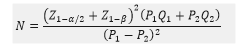
According to the pilot study:
- P₁ = 60% (proportion of cases with ferritin deficiency) = 0.60
- P₂ = 28% (proportion of controls with ferritin deficiency) = 0.28
- Q₁ = 1 − P₁ = 0.40
- Q₂ = 1 − P₂ = 0.72
- Z₁₋α/₂ = 1.96 for a two-sided significance level of 0.05
- Z₁₋β = 0.84 for 80% power
Applying the formula:
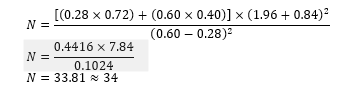
Thus, the minimum calculated sample size was 34 participants in each group. The present study included 60 participants in each group, which was above the calculated minimum sample size.
Participant Selection And Data Collection
A total of 1,112 patients attended the outpatient department during the study selection process. Among them, 76 were already diagnosed cases of diabetes mellitus. After applying the inclusion and exclusion criteria, 60 patients were included as cases and 16 were excluded. Among 567 healthy non-diabetic individuals assessed, 60 fulfilling the inclusion criteria were enrolled as controls.
A detailed proforma was completed for each participant. The information collected included age, sex, dietary habits, smoking, alcohol consumption, past history of coronary artery disease, cerebrovascular accident, and hypertension. The age at onset and duration of diabetes were also recorded. Information regarding treatment with oral hypoglycemic drugs, insulin, or dietary control alone was documented.
Pilot Study
A pilot study was conducted in the selected population and data from 10 cases and 10 controls were collected. Modifications were made based on the experience gained during the pilot study.
Study Variables
The study variables included age, sex, fasting blood sugar, postprandial blood sugar, HbA1c, serum ferritin, urinary protein assessment, and fundoscopy, as applicable.
Statistical Analysis
Data were entered into Microsoft Excel 2007 and analysed using the trial version of IBM Statistical Package for the Social Sciences (SPSS) version 22. Categorical data were presented as frequencies and percentages, while continuous data were expressed as mean and standard deviation. Appropriate statistical tests, including the Student's t-test, Pearson's correlation test, chi-square test, and analysis of variance where applicable, were used. A p-value of less than 0.05 was considered statistically significant.
Ethical Considerations
Ethical clearance was obtained from the Ethical Committee of Pratima Institute of Medical Sciences. Written informed consent was obtained from all study participants before their inclusion in the study. The Departments of General Medicine and Biochemistry were involved in the conduct of the study. No external funding was received, and no conflict of interest was reported.
RESULTS:
A total of 120 participants were included in the study, comprising 60 patients with type 2 diabetes mellitus (DM group) and 60 non-diabetic individuals (non-DM group). The two groups were comparable with respect to age distribution and gender distribution, with no statistically significant differences observed between them. The largest proportion of participants in both groups belonged to the 41–60 years age category. Male participants were more prevalent than female participants in both groups. The mean serum ferritin level was substantially higher among patients with DM compared with non-diabetic controls, and this difference was statistically significant. Among diabetic participants, serum ferritin levels increased with increasing HbA1c categories. A similar progressive increase in mean serum ferritin was observed with increasing grades of proteinuria. Higher grades of diabetic retinopathy were also associated with higher mean serum ferritin levels. Pearson's correlation analysis demonstrated a strong positive correlation between HbA1c and serum ferritin among the total study population as well as among patients with DM.
Table 1: Age Distribution of Study Participants
The majority of participants in both groups belonged to the 41–60 years age category.
|
Age Category (Years) |
DM (n=60), n (%) |
Non-DM (n=60), n (%) |
Total (n=120), n (%) |
|
18–20 |
2 (3.3) |
2 (3.3) |
4 (3.3) |
|
21–40 |
8 (13.3) |
7 (11.7) |
15 (12.5) |
|
41–60 |
35 (58.3) |
37 (61.7) |
72 (60.0) |
|
≥61 |
15 (25.0) |
14 (23.3) |
29 (24.2) |
|
Total |
60 (100.0) |
60 (100.0) |
120 (100.0) |
Chi-square test, p=0.984.
The age distribution was comparable between the DM and non-DM groups, with no statistically significant difference.
Table 2: Gender Distribution of Study Participants
Male participants constituted a greater proportion in both study groups.
|
Gender |
DM (n=60), n (%) |
Non-DM (n=60), n (%) |
Total (n=120), n (%) |
|
Male |
40 (66.7) |
38 (63.3) |
78 (65.0) |
|
Female |
20 (33.3) |
22 (36.7) |
42 (35.0) |
|
Total |
60 (100.0) |
60 (100.0) |
120 (100.0) |
Chi-square test, p=0.700.
The difference in gender distribution between the two groups was not statistically significant.
Table 3: Comparison of Mean Serum Ferritin Levels Between Study Groups
Mean serum ferritin levels were compared between diabetic and non-diabetic participants.
|
Study Population |
Serum Ferritin, Mean ± SD |
p-value |
|
DM (n=60) |
307 ± 85 |
<0.05 |
|
Non-DM (n=60) |
82 ± 16 |
|
Student's t-test.
The mean serum ferritin level was significantly higher among patients with DM compared with non-diabetic controls.
Table 4: HbA1c Categories and Serum Ferritin Distribution
Among diabetic participants, mean serum ferritin levels increased with increasing HbA1c categories.
|
HbA1c Category (%) |
DM: Serum Ferritin, Mean ± SD |
Non-DM: Serum Ferritin, Mean ± SD |
|
<6.5 |
— |
82 ± 16 |
|
6.5–7.5 |
203 ± 37 |
— |
|
7.6–9.0 |
302 ± 58 |
— |
|
>9.0 |
393 ± 71 |
— |
ANOVA among DM cases: p<0.05.
The difference in mean serum ferritin levels across HbA1c categories among diabetic participants was statistically significant.
Table 5: Grade of Proteinuria and Mean Serum Ferritin Among Diabetic Participants
Mean serum ferritin increased progressively with increasing grades of proteinuria.
|
Grade of Proteinuria |
Serum Ferritin, Mean ± SD |
|
0 |
259 ± 64 |
|
1+ |
345 ± 23 |
|
2+ |
399 ± 15 |
|
3+ |
502 ± 60 |
ANOVA, p<0.05.
Participants with grade 3+ proteinuria had the highest mean serum ferritin level, and the difference across proteinuria grades was statistically significant.
Table 6: Grade of Diabetic Retinopathy and Mean Serum Ferritin Among Diabetic Participants
Higher grades of diabetic retinopathy were associated with higher mean serum ferritin levels.
|
Grade of Diabetic Retinopathy |
Serum Ferritin, Mean |
SD |
|
No retinopathy |
256 |
52 |
|
Mild NPDR |
368 |
19 |
|
Moderate NPDR |
446 |
43 |
|
Severe NPDR |
550 |
Not reported in the thesis |
ANOVA, p<0.05.
Mean serum ferritin increased progressively with increasing severity of diabetic retinopathy. The standard deviation for the severe NPDR category was not reported in the original thesis and has therefore not been added or estimated.
Table 7: Correlation Between HbA1c and Serum Ferritin
Pearson's correlation analysis was performed to assess the relationship between HbA1c and serum ferritin.
|
Study Population |
n |
Pearson's Correlation (r) |
p-value |
|
Total study population |
120 |
0.939 |
<0.001 |
|
DM group |
60 |
0.870 |
<0.001 |
Correlation was significant at the 0.01 level (two-tailed).
HbA1c demonstrated a strong positive and statistically significant correlation with serum ferritin in both the total study population and the diabetic group.
Summary of Results
Table 1 showed that the age distribution was comparable between the DM and non-DM groups, with the majority of participants belonging to the 41–60 years age category. Table 2 demonstrated a predominance of male participants in both groups, although the gender distribution did not differ significantly. Table 3 showed significantly higher mean serum ferritin levels among patients with DM compared with non-diabetic controls. Table 4 demonstrated a progressive increase in mean serum ferritin with increasing HbA1c categories among diabetic participants. Table 5 showed that increasing grades of proteinuria were associated with progressively higher mean serum ferritin levels. Table 6 demonstrated a similar increase in serum ferritin levels with increasing severity of diabetic retinopathy. Table 7 established a strong positive and statistically significant correlation between HbA1c and serum ferritin in both the overall study population and the diabetic group.
DISCUSSION:
The present hospital-based descriptive case-control study was conducted over a period of one year, from September 2021 to August 2022, to evaluate serum ferritin levels in patients with type 2 diabetes mellitus and examine their relationship with HbA1c. A total of 60 patients with type 2 diabetes mellitus were compared with 60 non-diabetic controls.
Glycated hemoglobin is widely used as an indicator of long-term glycemic control. The present study evaluated its relationship with serum ferritin, considering the potential association between increased iron stores, glycemic status, and the development of diabetic complications [1-3].
The predominant age group in the present study was 41–60 years, with a mean age of approximately 50 years as reported in the thesis discussion [4]. Male participants were more prevalent among diabetic cases; however, the difference in gender distribution between the diabetic and non-diabetic groups was not statistically significant [5,6]. The findings indicate that the two study groups were broadly comparable with respect to demographic characteristics [7].
A major finding of the present study was the significantly higher mean serum ferritin level among patients with diabetes mellitus compared with non-diabetic controls [8,9]. The mean serum ferritin level was 307±85 in the diabetic group compared with 82±16 in the non-diabetic group [10]. This observation was consistent with the comparative findings presented in the thesis, where most of the cited studies similarly reported higher serum ferritin levels among diabetic participants than among non-diabetic controls [11,12].
The present study also demonstrated a progressive increase in serum ferritin levels with worsening glycemic status [13]. Among diabetic participants, the mean serum ferritin level increased from 203±37 in those with HbA1c levels of 6.5–7.5% to 302±58 among those with HbA1c levels of 7.6–9%, and further to 393±71 among those with HbA1c levels above 9% [14]. The variation in serum ferritin across HbA1c categories was statistically significant. These findings support a positive relationship between poorer glycemic control and higher serum ferritin levels [15,16].
Correlation analysis further demonstrated a strong positive relationship between HbA1c and serum ferritin [17]. Among the total study population, the Pearson correlation coefficient was 0.939 (p<0.001), while among diabetic participants it was 0.870 (p<0.001) [18]. The thesis discussion compared this observation with previously reported positive correlations between HbA1c and serum ferritin, although the strength of association varied across studies [19]. The present findings demonstrated a particularly strong positive association within the study population.
An important observation was the association between serum ferritin levels and the severity of diabetic complications. Mean serum ferritin increased progressively with increasing grades of proteinuria, from 259±64 among participants without proteinuria to 502±60 among those with grade 3+ proteinuria. This difference was statistically significant [20-22].
Similarly, higher grades of diabetic retinopathy were associated with higher mean serum ferritin levels. Participants without retinopathy had a mean serum ferritin level of 256, whereas the corresponding values increased to 368 in mild non-proliferative diabetic retinopathy (NPDR), 446 in moderate NPDR, and 550 in severe NPDR [23,24]. The difference across the retinopathy categories was statistically significant. These findings indicate a progressive association between increasing serum ferritin levels and greater severity of microvascular complications [25].
Taken together, the findings of the present study showed that serum ferritin levels were significantly elevated among patients with type 2 diabetes mellitus compared with non-diabetic controls. Serum ferritin demonstrated a strong positive correlation with HbA1c and increased progressively with worsening proteinuria and retinopathy. The findings therefore suggest that serum ferritin may have potential value as an indicator associated with glycemic status and the severity of diabetes-related complications.
CONCLUSION:
The present hospital-based descriptive case-control study demonstrated that serum ferritin levels were significantly higher among patients with type 2 diabetes mellitus compared with non-diabetic controls. The majority of diabetic participants belonged to the 41–60 years age group, with a predominance of male participants.
A strong positive correlation was observed between serum ferritin and HbA1c levels, indicating that higher serum ferritin levels were associated with poorer glycemic control. Serum ferritin levels also increased progressively with increasing severity of proteinuria and diabetic retinopathy.
These findings suggest that serum ferritin may serve as a useful marker associated with glycemic status and the severity of microvascular complications in patients with type 2 diabetes mellitus.
Recommendation
Estimation of serum ferritin levels in patients with type 2 diabetes mellitus, particularly those with complications such as retinopathy and proteinuria, may be considered while assessing glycemic status and disease severity. Further studies may help establish an appropriate serum ferritin cutoff value and clarify its potential role as a surrogate marker for effective glycemic management and prevention of diabetic complications.
REFERENCES:
1. World Health Organization. Health topic: Diabetes. Geneva: World Health Organization; 2021. Available from the WHO diabetes health topic page.
2. Ford ES, Cogswell ME. Diabetes and serum ferritin concentration among U.S. adults. Diabetes Care. 1999;22(12):1978-1983.
3. Liu Q, Sun L, Tan Y, Wang G, Lin X, Cai L. Role of iron deficiency and overload in the pathogenesis of diabetes and diabetic complications. Curr Med Chem. 2009;16(1):113-129.
4. Fernandez-Real JM, Lopez-Bermejo A, Ricart W. Cross-talk between iron metabolism and diabetes. Diabetes. 2002;51(8):2348-2354.
5. Nitin S. HbA1c and factors other than diabetes mellitus affecting it. Singapore Med J. 2010;51(8):616-622.
6. Vaitla P, Vani N. Association between elevated serum ferritin and HbA1c in type 2 diabetes mellitus. IOSR. 2017;12:57-59.
7. Wang W, Knovich MA, Coffman LG, Torti FM, Torti SV. Serum ferritin: past, present and future. Biochim Biophys Acta. 2010;1800(8):760-769.
8. Jehn M, Clark JM, Guallar E. Serum ferritin and risk of the metabolic syndrome in US adults. Diabetes Care. 2004;27(10):2422-2428.
9. Kell DB, Pretorius E. Serum ferritin is an important inflammatory disease marker, as it is mainly a leakage product from damaged cells. Metallomics. 2014;6(4):748-773.
10. Brudevold R, Hole T, Hammerstrøm J. Hyperferritinemia is associated with insulin resistance and fatty liver in patients without iron overload. PLoS One. 2008;3(10):e3547.
11. Salonen JT, Tuomainen TP, Nyyssönen K, Lakka HM, Punnonen K. Relation between iron stores and non-insulin dependent diabetes in men: case-control study. BMJ. 1998;317(7160):727-730.
12. Chaudhari RK, Niraula A, Gelal B, Baranwal JK, Sarraf DP, Maskey R, Lamsal ML. Increased serum ferritin levels in type 2 diabetes mellitus patients: a hospital-based cross-sectional study. J Univ Coll Med Sci. 2021;9(2):56-60.
13. AL-Fawaeir S, Daradka HM, Siyam AAA. Study of the association between serum ferritin levels and HbA1c in patient with type 2 diabetes mellitus in Jordanian population sample. JPRI. 2021;33(33B):1-5.
14. Siddappa MN, Ramprasad K. Assessment of serum ferritin level and its correlation with HbA1c in diabetic nephropathy. Asian J Med Sci. 2020;11(2):46-51.
15. Naik AP. Correlation of serum ferritin with glycemic control in type 2 diabetes mellitus patients at a tertiary health facility. MedPulse International Journal of Medicine. 2020;15:42-45. doi:10.26611/10211521.
16. Vinubhai SN, Agarwal P, Fiza B, Jat R. Estimation of serum ferritin levels in type 2 diabetic patients and its relation with HbA1c level. IJMBS. 2019;3(8):76-80.
17. Son NE. Influence of ferritin levels and inflammatory markers on HbA1c in type 2 diabetes mellitus patients. Pak J Med Sci. 2019;35(4):1030-1035. doi:10.12669/pjms.35.4.1003.
18. Kumar S, Badyal A. Serum ferritin levels in type 2 diabetes mellitus and its relationship with HbA1c. International Journal of Current Advanced Research. 2018;7(4A):11371-11373.
19. Gadwalkar AS, Prabhakar K, Srinivasa SV, Maharaj LSYMJ. A study on correlation between serum ferritin and glycated hemoglobin in type 2 diabetes mellitus. International Journal of Scientific Research. 2018;7(10).
20. Chaurasia AK, Mathur MK, Gupta P, Singh V. Correlation of serum ferritin in type 2 diabetes with glycosylated haemoglobin and its relation after 3 months of follow up. JMSCR. 2018;6(8):6-10.
21. Arora P. Correlation between serum ferritin and glycated hemoglobin level in patients of type 2 diabetes mellitus. Int J Curr Res Rev. 2017;9(6):30-33.
22. Khondker F, Roy MN, Saha PR, Huq R, Ahmed R, Biswas S. Relationship between serum ferritin level and HbA1c in Bangladeshi type 2 diabetic patients. Anwer Khan Mod Med Coll J. 2018;9(1):29-33.
23. Padmaja P, Shabana, Shariq M. Serum ferritin and HbA1c levels in type 2 diabetes mellitus. Int J Clin Biomed Res. 2015;1(3):30-37.
24. Raj S, Rajan GV. Correlation between elevated serum ferritin and HbA1c in type 2 diabetes mellitus. International Journal of Research in Medical Sciences. 2013;1(1):12-15.
25. Momeni A, Behradmanesh MS, Kheiri S, Abasi F. Serum ferritin has correlation with HbA1c in type 2 diabetic patients. Adv Biomed Res. 2015;4:74. doi:10.4103/2277-9175.153900. PMID:25878999; PMCID:PMC4386204.