Evaluation Of Adverse Drug Events Induced By Anti-Tubercular Drugs In Drug-Resistant Tuberculosis Patients In Sanjay Gandhi Memorial Hospital, Rewa, Madhya Pradesh.
- Himanshi Yadav , 3rd Year P.G. Department of Pharmacology, Sanjay Gandhi Memorial Hospital, Rewa, Madhya Pradesh.
- Prabhakar Singh , Professor, Department of Pharmacology, Sanjay Gandhi Memorial Hospital, Rewa, Madhya Pradesh
- Aashutosh Asati , Associate Professor, Department of Pulmonary Medicine, Sanjay Gandhi Memorial Hospital, Rewa, Madhya Pradesh.
- Shankhapani Mahapatra , Associate Professor, Department of Pharmacology, Sanjay Gandhi Memorial Hospital, Rewa, Madhya Pradesh.
- Rajnaryan Tiwari , Assistant Professor, Department of Pharmacology, Sanjay Gandhi Memorial Hospital, Rewa, Madhya Pradesh.
- Pawan Kumar Maurya , Assistant Professor, Department of Pharmacology, Sanjay Gandhi Memorial Hospital, Rewa, Madhya Pradesh.
- Shashi Singh , Demonstrator, Department of Pharmacology, Sanjay Gandhi Memorial Hospital, Rewa, Madhya Pradesh.
- Sourabh Goyal , Senior Resident, Department of Pharmacology, Sanjay Gandhi Memorial Hospital, Rewa, Madhya Pradesh.
- Mitesh Vaniyawala , 3rd Year P.G. Department of Pharmacology, Sanjay Gandhi Memorial Hospital, Rewa, Madhya Pradesh.
- Sameer Solanki , 1st Year P.G. Department of Pharmacology, Sanjay Gandhi Memorial Hospital, Rewa, Madhya Pradesh.
Article Information:
Abstract:
Introduction: Tuberculosis is an infectious disease, has been considered the 13th biggest reason of death and the second most infectious killer after COVID-19 in the world. Aim: To investigate the occurrence and characteristics of adverse drug reactions associated with anti-tubercular drugs in patients diagnosed with drug-resistant tuberculosis. Methodology: The present study was conducted in the Department of Pharmacology and the Department of Respiratory Medicine, Sanjay Gandhi Memorial Hospital and Gandhi Memorial Hospital, associated with Shyam Shah Medical College, Rewa, Madhya Pradesh, after approval of the study protocol by the Institutional Ethics Committee. Result: DR-TB was predominantly seen in young adults, with H-mono resistance being the most common pattern; 76.6% developed at least one ADR, mainly gastrointestinal and CNS-related. Conclusion: A high proportion of ADRs were preventable, highlighting the need for early detection, regular monitoring, and prompt management to improve DR-TB treatment safety and outcomes.
Keywords:
Article :
INTRODUCTION:
Tuberculosis is an infectious disease, has been considered the 13th biggest reason of death and the second most infectious killer after COVID-19 in the world.In 2024, there were an anticipated 10.7 million incident cases of tuberculosis worldwide, and 1.23 million people died from the illness. (WHO, 2025)1. Tuberculosis caused by strains resistant only to isoniazid, while remaining susceptible to rifampicin, is termed isoniazid-resistant tuberculosis (Hr-TB), and its global recognition has increased substantially in recent years. (WHO, 2019) Multidrug-resistant tuberculosis (MDR-TB) is defined as tuberculosis caused by strains that are resistant to at least both isoniazid and rifampicin. (WHO, 2025)2Pre-extensively drug-resistant tuberculosis (pre-XDR-TB) refers to MDR/RR-TB with additional resistance to any fluoroquinolone, one of the major second-line anti-tubercular drug classes.
(WHO, 2025) Extensively drug-resistant tuberculosis (XDR-TB) is defined as MDR/RR-TB with resistance to any fluoroquinolone together with resistance to at least one additional Group A drug, specifically bedaquiline or linezolid. (WHO, 2025)For the treatment of multidrug-resistant and rifampicin-resistant tuberculosis (MDR/RR-TB), the World Health Organization (WHO) has recommended all-oral treatment regimens since 20183.The current WHO guidelines describe four principal treatment options for drug-resistant tuberculosis based on the resistance profile and patient eligibility.In addition to being less effective, more toxic, and more expensive than first-line drugs, anti-TB second-line drugs are also associated with more frequent and irreversible adverse drug reactions. An ADR is defined by the WHO as “an unintended and noxious reaction to a drug that occurs at doses typically used for disease diagnosis, prophylaxis, or therapy, or to modify physiological function”4.
When taking DR-TB medications, patients experience different types and frequencies of adverse drug reactions (ADRs), which can cause morbidity and death if they are not identified early on. ADRs observed in patients of DR-TB who are on DR-TB medications include hepatitis, joint discomfort, nausea, hearing problems, gastrointestinal problems, depression, itching, hypothyroidism, disorientation, and seizures. About one out of every five patients is discontinued off DR-TB medications due to ADRs5,3. The majority of ADRs are small and mild in character, and they can be handled without changing or terminating the regimen. Few may constitute a major hazard to life, necessitating hospitalisation or even death, necessitating a change or cessation of the treatment regimen6,7. Factors that may contribute to the occurrence of ADRs range from socio-demographic background to patients’ clinical status.The purpose of this study is to assess the adverse medication responses related with anti-tubercular drugs in treatment-resistant tuberculosis patients at a tertiary care hospital. The study aims to establish a causal association between delivered anti-tubercular medications and observed adverse drug reactions by examining the nature and pattern of ADRs, their impact on treatment outcomes, and investigating effective ways for ADR management and mitigation.
AIM
To investigate the occurrence and characteristics of adverse drug reactions associated with anti-tubercular drugs in patients diagnosed with drug-resistant tuberculosis.
METHODOLOGY :
The present study was conducted in the Department of Pharmacology and the Department of Respiratory Medicine, Sanjay Gandhi Memorial Hospital and Gandhi Memorial Hospital, associated with Shyam Shah Medical College, Rewa, Madhya Pradesh, after approval of the study protocol by the Institutional Ethics Committee. This was a prospective observational and interventional study conducted to observe the occurrence, pattern, prevention, and management of adverse drug reactions among patients with drug-resistant tuberculosis receiving anti-tubercular treatment.Patients were enrolled from May 2024 to December 2024 and were followed up until December 2025.
Inclusion Criteria included Patients were included if they were diagnosed with cases of drug-resistant tuberculosis and were receiving an anti-tubercular regimen,Patients aged more than 18 years and under DR-TB treatment were included, Patients who provided written informed consent were enrolled in the study,Patients with co-morbid conditions such as severe liver disease, renal failure, or HIV/AIDS were also included, as these conditions were considered important for assessing adverse drug reactions and treatment-related outcomes. Exclusion Criteria involved Patients diagnosed with drug-sensitive tuberculosis were excluded from the study,Patients with known allergy or intolerance to anti-tubercular drugs or their components were excluded,Patients with a documented history of non-adherence to tuberculosis treatment were also excluded, as non-adherence could affect the reliability of reported adverse drug reactions and treatment outcome .Pregnant and lactating women were also included in the study.
RESULTS:
Table 1: Distribution of DR-TB patients on basis of Socio-demographic parameter
|
Variable |
Category |
Male n (%) |
Female n (%) |
|
Age Group (in years) |
19–45 |
73 (76.0%) |
35 (85.4%) |
|
46–60 |
13 (13.5%) |
5 (12.2%) |
|
|
>60 |
10 (10.4%) |
1 (2.4%) |
|
|
Total |
96 (100%) |
41 (100%) |
|
|
Education Status |
No Primary Education |
7 (7.3%) |
3 (7.3%) |
|
Primary |
12 (12.5%) |
7 (17.1%). |
|
|
Middle |
25 (26.0%) |
20 (48.8%) |
|
|
High School |
1 (1.0%) |
0 (0.0%) |
|
|
Higher Secondary |
13 (13.5%) |
0 (0.0%) |
|
|
Graduate & above |
38 (39.6%) |
11 (26.8%) |
|
|
Total |
96 (100%) |
41 (100%) |
|
|
Residential Area |
Urban |
46 (47.9%) |
25 (61.0%) |
|
Rural |
50 (52.1%) |
16 (39.0%) |
|
|
Total |
96 (100%) |
41 (100%) |
Among 137 DR-TB patients, males predominated (70.1%), with most participants aged 19–45 years (78.8%), and 51.8% residing in urban areas.
Regarding education graduates and above (35.8%) constituted the largest groups.
Table 2: Distribution of DR-TB patients on basis of TB-related history
|
Variable |
Category |
Male Number (n) |
Male Percentage (%) |
Female Number (n) |
Female Percentage (%) |
Grand Total Number (n) |
Grand Total Percentage (%) |
|
Family history of TB or MDR-TB |
Yes |
9 |
9.4 |
6 |
14.6 |
15 |
10.9 |
|
No |
87 |
90.6 |
35 |
85.4 |
122 |
89.1 |
|
|
Total |
96 |
100 |
41 |
100 |
137 |
100 |
|
|
Previous history of TB |
Yes |
18 |
18.8 |
3 |
7.3 |
21 |
15.3 |
|
No |
78 |
81.3 |
38 |
92.7 |
116 |
84.7 |
|
|
Total |
96 |
100 |
41 |
100 |
137 |
100 |
|
|
History of contact with TB patient |
Yes |
31 |
32.3 |
14 |
34.1 |
45 |
32.8 |
|
No |
65 |
67.7 |
27 |
65.9 |
92 |
67.2 |
|
|
Total |
96 |
100 |
41 |
100 |
137 |
100 |
|
|
BCG scar |
Present |
91 |
94.8 |
40 |
97.6 |
131 |
95.6 |
|
Absent |
5 |
5.2 |
1 |
2.4 |
6 |
4.4 |
|
|
Total |
96 |
100 |
41 |
100 |
137 |
100 |
This table shows the family and contact history-related variables among DR-TB patients. Out of the total 137 patients, 15 (10.9%) had a family history of TB/MDR-TB, while the majority 122 (89.1%) did not. Previous history of TB was reported by 21 (15.3%) participants, whereas 116 (84.7%) had no such history.
History of contact with a TB patient was present in 45 (32.8%) participants, while 92 (67.2%) reported no contact. A BCG scar was observed in 131 (95.6%) participants, with only 6 (4.4%) having no scar.
Among 137 participants, the majority had pulmonary TB 130 (94.9%), while only 7 (5.1%) had extra-pulmonary TB. Most patients were newly diagnosed 86 (62.8%), whereas 51 (37.2%) were previously treated. Regarding drug resistance, H-mono resistance was most common 61 (44.5%), followed by rifampicin-resistant TB 47 (34.3%).
MDR-TB was seen in 16 (11.7%), Pre-XDR in 10 (7.3%), and XDR in 3 (2.2%).CBNAAT was the most commonly used diagnostic tool 127 (92.7%), followed by second-line LPA 110 (80.3%) and first-line LPA 108 (78.8%), while TruNAAT was used in 10 (7.3%) cases.In terms of treatment, H-mono/poly regimen was most frequently given 65 (47.4%), followed by longer regimens 49 (35.8%) and shorter oral regimens 23 (16.8%).
Table 3: Distribution of DR-TB patients on basis of Adverse Drug Reaction (ADR)
|
ADR occurrence |
Male
|
Female
|
||
|
Number (n) |
Percentage (%) |
Number (n) |
Percentage (%) |
|
|
Yes |
73 |
76.0 |
32 |
78.0 |
|
No |
23 |
24.0 |
9 |
22.0 |
|
Total |
96 |
100.0 |
41 |
100.0 |
Among 137 participants, ADRs were observed in 105 (76.6%) cases, while 32 (23.4%) reported no ADRs.Among males (n = 96), 73 (76.0%) experienced ADRs, compared to 32 (78.0%) females (n = 41).
Table 4: Distribution of DR-TB patients on basis of Adverse Drug Reaction (ADR) according to treatment regimen
|
Treatment regimen |
ADR occurrence |
Male Number (n) |
Male Percentage (%) |
Female Number (n) |
Female Percentage (%) |
|
H-mono/poly regimen |
ADR present |
34 |
35.42 |
17 |
41.46 |
|
|
ADR absent |
10 |
10.42 |
4 |
9.76 |
|
Short oral regimen |
ADR present |
14 |
14.59 |
6 |
14.63 |
|
|
ADR absent |
1 |
1.04 |
2 |
4.89 |
|
Longer oral regimen |
ADR present |
25 |
26.04 |
9 |
21.95 |
|
|
ADR absent |
12 |
12.5 |
3 |
7.32 |
|
Total |
|
96 |
100 |
41 |
100 |
Among 137 participants, ADRs were most commonly observed in the H-mono/poly regimen 51 (37.23%) [males 34 (35.42%), females 17 (41.46%)], followed by longer oral regimen 34 (24.82%) [males 25 (26.04%), females 9 (21.95%)] and shorter oral regimen 20 (14.59%) [males 14 (14.59%), females 6 (14.63%)].
Absence of ADRs was lower across all regimens, with H-mono/poly 14 (10.22%) [males 10 (10.42%), females 4 (9.76%)], longer regimen 15 (10.95%) [males 12 (12.5%), females 3 (7.32%)], and shortest in shorter regimen 3 (2.19%) [males 1 (1.04%), females 2 (4.89%)].
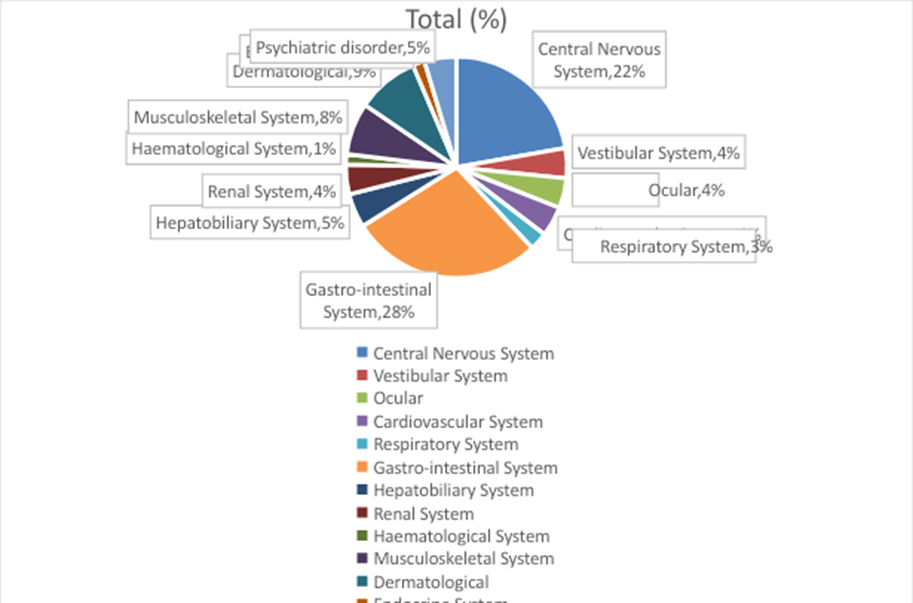
Figure 1: Distribution of DR-TB patients on basis pattern of Adverse Drug Reactions according to drug resistance pattern and treatment regimen
In the H-mono/poly regimen, the most frequent ADRs were diarrhoea 23 (45.10%) and nausea/vomiting 22 (43.13%), followed by arthralgia 13 (25.49%) and abdominal pain 10 (19.61%), while optic neuritis 9 (17.65%) was also notable. In the shorter oral regimen, nausea/vomiting was predominant 15 (75.00%), along with seizures 9 (45.00%), peripheral neuropathy 6 (30.00%), and headache 5 (25.00%), with skin pigmentation and hypersensitivity reactions each reported in 4 (20.00%). In the longer oral regimen, skin pigmentation was the most common ADR 20 (58.82%), followed by peripheral neuropathy 12 (35.29%), nausea/vomiting 10 (29.41%), QT prolongation 9 (26.47%), and diarrhoea 7 (20.59%).
Table 5: Distribution of DR-TB patients on basis of Adverse Drug Reactions (ADRs) according to system involved
|
System involved |
Male Number (n) |
Male Percentage (%) |
Female Number (n) |
Female Percentage (%) |
|
Central Nervous System |
56 |
76.71 |
20 |
62.5 |
|
Vestibular System |
13 |
17.81 |
2 |
6.25 |
|
Ocular |
11 |
15.07 |
4 |
12.5 |
|
Cardiovascular System |
10 |
13.69 |
5 |
15.62 |
|
Respiratory System |
7 |
9.59 |
2 |
6.25 |
|
Gastro-intestinal System |
71 |
97.26 |
25 |
78.1 |
|
Hepatobiliary System |
11 |
15.07 |
6 |
18.75 |
|
Renal System |
10 |
13.69 |
5 |
15.62 |
|
Haematological System |
4 |
5.48 |
1 |
3.12 |
|
Musculoskeletal System |
19 |
26.03 |
7 |
21.87 |
|
Dermatological |
21 |
28.77 |
10 |
31.25 |
|
Endocrine System |
3 |
4.11 |
3 |
9.37 |
|
Psychiatric disorder |
12 |
16.44 |
4 |
12.5 |
|
Total |
248 |
100 |
94 |
100 |
A total of 342 ADRs were reported, with higher occurrence in males 248 (72.5%) compared to females 94 (27.5%).The most commonly affected system was the gastrointestinal system 96 (28.07%) [males 71 (97.26%), females 25 (78.1%)], followed by central nervous system 76 (22.22%) [males 56 (76.71%), females 20 (62.5%)], and dermatological system 31 (9.06%) [males 21 (28.77%), females 10 (31.25%)].Other systems involved included musculoskeletal 26 (7.60%), hepatobiliary 17 (4.97%), psychiatric 16 (4.68%), and cardiovascular, ocular, vestibular, and renal systems each contributing 15 (4.38%).Less commonly involved systems were respiratory 9 (2.63%), endocrine 6 (1.75%), and haematological 5 (1.46%).
Table 6: Distribution of DR-TB patients on basis of Adverse Drug Reactions (ADRs) according to suspected drugs
|
S. No. |
ADR |
Grand Total (n) |
Suspected drugs |
|
1 |
Nausea/Vomiting |
47 |
Any drug |
|
2 |
Abdominal pain |
16 |
Any drug |
|
3 |
Generalised weakness |
7 |
Any drug |
|
4 |
Arthralgia |
19 |
Z, FQ, Bdq |
|
5 |
Sleep disturbance |
11 |
Eto, FQ, Z |
|
6 |
Headache |
12 |
Bdq, Cs |
|
7 |
Skin pigmentation |
24 |
Cfz |
|
8 |
Peripheral neuropathy |
31 |
Lzd, FQ |
|
9 |
Taste disturbance |
10 |
Eto, FQ |
|
10 |
Vertigo |
6 |
Cs, FQ, Hh, Eto, Lzd |
|
11 |
Tinnitus/Dizziness |
9 |
Cs, FQ, Hh, Eto, Lzd |
|
12 |
Optic neuritis |
13 |
E, Lzd, Cfz, Eto, Hh |
|
13 |
Psychiatric symptoms |
9 |
Cs, Hh, FQ |
|
14 |
Skin rashes |
5 |
Any drug |
|
15 |
Diarrhoea |
33 |
PAS, Eto |
|
16 |
Hepatitis |
9 |
Z, Hh, R, Eto, Bdq |
|
17 |
Anaemia |
5 |
Lzd |
|
18 |
Hypothyroidism |
6 |
Eto, PAS |
|
19 |
Blurred vision |
2 |
Lzd |
|
20 |
Alopecia |
2 |
H, Eto |
|
21 |
Hypersensitivity reaction |
9 |
Any drug |
|
22 |
Seizures |
17 |
Cs, Hh, FQ |
|
23 |
Electrolyte imbalance |
12 |
FQ, Bdq |
|
24 |
QT prolongation |
15 |
Bdq, FQ, Cfz, Dlm |
|
25 |
Orange red discolouration of urine |
3 |
R |
|
26 |
Depression |
7 |
Cs, FQ, H, Eto |
|
27 |
Hepatotoxicity |
8 |
Z, H, Eto, Bdq |
|
|
Total |
347 |
|
The most common ADR was nausea/vomiting 47 (13.54%), followed by diarrhoea 33 (9.51%) and peripheral neuropathy 31 (8.93%). Other frequent ADRs included skin pigmentation 24 (6.92%), arthralgia 19 (5.48%), and seizures 17 (4.90%).
Table 7: Distribution of DR-TB patients on basis of causality of Adverse Drug Reactions (ADRs) according to WHO-UMC Causality Assessment Criteria
|
Causality category |
Male |
Female |
||
|
Number (n) |
Percentage (%) |
Number (n) |
Percentage (%) |
|
|
Certain |
73 |
21.34 |
47 |
13.74 |
|
Probable |
58 |
16.96 |
21 |
6.14 |
|
Possible |
104 |
30.41 |
39 |
11.40 |
|
Total |
235 |
68.71 |
107 |
31.29 |
|
Causality category |
Male |
Female |
||
Among 342 ADRs, the majority were categorized as possible 143 (41.8%) [males 104 (30.41%), females 39 (11.40%)], followed by certain 120 (35.1%) [males 73 (21.34%), females 47 (13.74%)], and probable 79 (23.1%) [males 58 (16.96%), females 21 (6.14%)].
Table 8: Distribution of DR-TB patients on basis of preventability of Adverse Drug Reactions (ADRs) using Schumock and Thornton preventability assessment scale
|
Causality category |
Male |
Female |
Grand Total |
|||
|
Number (n) |
Percentage (%) |
Number (n) |
Percentage (%) |
Number (n) |
Percentage (%) |
|
|
Definitely preventable |
108 |
31.59 |
35 |
10.23 |
143 |
41.8 |
|
Probably preventable |
55 |
16.08 |
25 |
7.31 |
80 |
23.4 |
|
Not preventable |
85 |
24.85 |
34 |
9.94 |
119 |
34.8 |
|
Total |
248 |
72.51 |
94 |
27.48 |
342 |
100.00 |
Among 342 ADRs, the majority were definitely preventable 143 (41.8%) [males 108 (31.59%), females 35 (10.23%)], followed by not preventable 119 (34.8%) [males 85 (24.85%), females 34 (9.94%)], and probably preventable 80 (23.4%) [males 55 (16.08%), females 25 (7.31%)].
DISCUSSION:
In our study, the majority of patients (78.8%) belonged to the 19–45 years age group, followed by 46–60 years (13.1%). In our study, most patients (35.8%) were graduates or above, followed by those with middle school education (32.8%). In the present study, a slight urban predominance (51.8%) was observed. In our study 10.9% of DR-TB patients had a family history of TB/MDR-TB. Similar findings were reported by Paikray et al. (2022), in which family history was in 12% patients.8 In our study most of the patients were newer TB cases only 15.3% had previous history of TB.In our study, there is high (95.6%) BCG scar positivity.A similar finding was reported by Nima et al. (2023) study in which majority of patients were new cases (69%) and where BCG scar positivity was 92%.9
In our study among total patients, H-mono resistance was most common (44.5%) in the present study followed by rifampicin-resistant TB (34.3%), MDR-TB (11.7%), pre-XDR-TB (7.3%), and XDR-TB (2.2%). The result of our study was similar with Giri et al. (2022) in which H-mono resistance ranging from 40–45%.10 In our study, 92.7% of patients were diagnosed with DR-TB CBNAAT, followed by second-line LPA (80.3%) and first-line LPA (78.8%). Borisov et al. (2019) where rapid genotypic methods were used in over 80% of DR-TB cases.11 These findings indicate increasing reliance on molecular diagnostics for early detection and prompt treatment initiation. In the present study, 47.4% patients receive H-mono/poly regimen, followed by an oral longer regimen (35.8%) and shorter oral regimen (16.8%). Similar findings were reported by Giri et al. (2022), where isoniazid mono-resistance regimens constituted nearly 45% of treatment regimens.10
In our study, most DR-TB patients (46.9%) belonged to the 30–45 kg weight group across all regimens. Similar findings were reported by Nima et al. (2025), that nearly 48% of MDR-TB patients had body weight below 45 kg.9. In our study, 76.6% DR-TB patients developed at least one ADR, while 23.4% had no ADRs. ADR occurrences were almost similar in males (76.0%) and females (78.0%). The most common ADR in the present study was nausea/vomiting (44.76%), followed by diarrhoea (31.42%), skin pigmentation (22.86%), arthralgia (18.1%), seizures (16.19%), and QT prolongation (14.29%).
Similar findings were reported by Vaman et al. (2025)12, where nausea/vomiting was most frequent in 51.1% followed by gastrointestinal disorders overall in 43.4%. In the present study, a total of 342 ADRs were reported, with higher occurrence in males (72.5%). The most commonly involved system was the gastrointestinal system (28.07%), followed by the central nervous system (22.22%).In contrast to our study, Paikray et al. (2022), study among patients receiving bedaquiline-delamanid regimens, reported QT prolongation (33.7%), as the most frequent system involved.8
In our study, nausea/vomiting, abdominal pain, generalized weakness, skin rashes, and hypersensitivity reactions were attributed to multiple drugs like Pyrazinamide, Ethambutol, Ethionamide, Bedaquiline, Levofloxacin, etc., while some ADRs showed specific drug associations like peripheral neuropathy due to Linezolid, Levofloxacin; Clofazimine induced skin discoloration and Bedaquiline induced QT prolongationZhang et al. (2017)13 observed linezolid-related adverse effects 25–35% peripheral neuropathy and 10–15% anaemia. Regarding causality assessment in our study, most ADRs were categorized as possible (41.8%), followed by certain (35.1%) and probable (23.1%) according to WHO-UMC causality criteria. Similar findings were aligned with Vaman et al. (2025), in which possible ADRs constituted around 45–55%, probable 25–35%, and certain 10–20%.12
In our study, 41.8% ADRs were definitely preventable, 23.4% were probably preventable, and 34.8% were not preventable using the Schumock and Thornton scale. This suggests that nearly two-thirds of ADRs were preventable or probably preventable. Similar results to our study, Vaman et al. (2025) study, approximately 55–65% of ADRs were preventable.12.
CONCLUSION:
ADRs are common, multifactorial, and clinically important in DR-TB treatment regimen. This study highlights that DR-TB predominantly affects socioeconomically vulnerable and nutritionally compromised individuals. Co-morbidities and addictions may increase susceptibility to drug toxicity. A substantial proportion of ADRs were probable or possible and potentially preventable. Most ADRs were mild followed by moderate in severity, while severe reactions were observed only in a few cases. Supportive treatment was sufficient in more than half of the patients, and treatment duration remained unchanged in most cases.
Although most ADRs are manageable, they remain a significant cause of morbidity, mortality and can compromise treatment continuity if not recognized promptly. On the basis of results of our study, we advise to competent authority that there is more need of strengthening active drug safety monitoring and management (aDSM), individualized patient monitoring, timely supportive care, and patient-centred multidisciplinary management to minimize drug toxicity, improve adherence and enhance treatment outcomes in patients with drug-resistant tuberculosis.
REFERENCES:
1. WHO. Global tuberculosis report 2025. Geneva: WHO; 2025. p. 2.
2. WHO. Global tuberculosis report 2025: drug-resistant TB—diagnosis and treatment. Geneva: WHO; 2025. p. 22–24.
3. Central TB Division, Ministry of Health and Family Welfare. India TB report 2024. New Delhi: Government of India; 2024. p. 21-24.
4. Swe YM. Sharma & Sharma’s principles of pharmacology. Wisdom J Humanit Soc Sci. 2024; 1(6): 77–79.
5. Kanade SR, Gita N, Kumar CA. Laboratory perspective of tuberculosis diagnosis: test principles and report interpretation. J Postgrad Med. 2025; 71(3): 105–109.
6. Miotto P, Zhang Y, Cirillo DM, Yam WC. Drug resistance mechanisms and drug susceptibility testing for tuberculosis. Respirology. 2018; 23(12): 1098–1113.
7. Singh V, Chibale K. Strategies to combat multidrug resistance in tuberculosis. Acc Chem Res. 2021; 54(10): 2361–76.
8. Paikray E, Das P, Pattnaik M, Mishra V. Adverse drug reaction monitoring in multidrug-resistant tuberculosis patients receiving bedaquiline and delamanid-based regimen. Cureus. 2022; 14(10): 1-8.
9. Nima G, Dorji T, Dorji C, Zangpo T. Outcomes and adverse events of WHO shorter regimen in MDR-TB. Health Sci Rep. 2025; 8(9): 1-8.
10. Giri VP, Giri OP, Pandey PT, Mishra KN, Prasad RS, Lal PK, et al. The characteristics and patterns of drug-resistant pulmonary tuberculosis in Eastern India. Trop Med Infect Dis. 2022; 7(9): 244.
11. Borisov S, Danila E, Maryandyshev A, Dalcolmo M, Miliauskas S, Kuksa L, et al. Surveillance of adverse events in DR-TB. Eur Respir J. 2019; 54(6): 1-14
12. Vaman RS, Kalyanasundaram M, Mohan M, Pradeepa N, Murhekar MV. Evaluation of DR-TB management under NTEP. Lung India. 2025; 42(1): 16–24.
13. Zhang Y, Wu S, Xia Y, Wang N, Zhou L, Wang J, Fang R, Sun F, Chen M, Zhan S. Adverse events associated with treatment of multidrug-resistant tuberculosis in China: an ambispective cohort study. Medical science monitor: international medical journal of experimental and clinical research. 2017; 23: 2348-56.