An Observational Study Of Emergency General Surgery Specific Frailty Index In Predicting Adverse Post Operative Outcomes In A Tertiary Care Hospital.
- Dr. Vineeth , MBBS, DNB, MNAMS, FNB Fellow in Minimal Access Surgery, GEM Hospital, Coimbatore.
- Dr. Lalita Meena , MBBS, MS, Assistant professor, Department of General Surgery, Govt. RDBP Jaipuria hospital and RUHS College of Medical Sciences, Jaipur, India
- Dr. Shashi Kumar Rai , MBBS, DNB, Senior Resident (M.Ch) Trauma Surgery and critical care JPNATC, AIIMS, New Delhi
- Dr. Javed Hussain , MBBS, DNB (General Surgery), Senior Resident (DrNB), Urology, Santokba Durlabhji Memorial Hospital (SDMH), Jaipur, Rajasthan.
Article Information:
Abstract:
Background: Frailty has emerged as a critical determinant of postoperative outcomes in elderly surgical patients. The Emergency General Surgery Specific Frailty Index (EGSFI) is a relatively novel tool developed to assess frailty in emergency general surgery (EGS) populations. However, its utility in the Indian setting remains underexplored. This study evaluates the predictive performance of EGSFI and compares it with the American College of Surgeons National Surgical Quality Improvement Program (ACS-NSQIP) Universal Surgical Risk Calculator. Study Design: A prospective observational study was conducted over six months at a tertiary care centre. Thirty-three patients aged ≥50 years undergoing EGS were included. Frailty was assessed using EGSFI, with a cut-off ≥0.325 defining frailty. Preoperative risk was estimated using the ACS-NSQIP calculator. Patients were followed for 28 days postoperatively. Primary outcomes included major and minor complications, while secondary outcomes included length of hospital stay, ICU requirement, re admission, and mortality. Predictive performance was evaluated using receiver operating characteristic (ROC) analysis. Results: Of the 33 patients, 11 (33.3%) were classified as frail. Frail patients had significantly higher rates of any complication (100% vs 27.3%, p<0.0001) and major complications (72.7% vs 4.5%, p<0.0001). They also demonstrated increased hospital length of stay (9.82 ± 6.58 vs 3.27 ± 1.96 days, p=0.0001), higher ICU requirement (27.3% vs 0%, p=0.01), and greater readmission rates (30% vs 0%, p=0.01). ROC analysis showed superior predictive accuracy of EGSFI compared to ACS-NSQIP for both any complication (AUC 0.827 vs 0.754) and serious complications (AUC 0.917 vs 0.783).
Keywords:
Article :
INTRODUCTION:
The absolute number of the elderly population in India is rapidly increasing, both in terms of proportion and overall size. According to the Population Census of India 2011, there are nearly 104 million individuals aged 60 years and above, comprising 53 million females and 51 million males. This accounts for 8.2% of the total population, a marked rise from 5.6% reported in 1961. The proportion of elderly individuals is projected to further increase to 19% by 2050 (1). With this demographic shift, the number of surgical procedures performed in the elderly population has also risen significantly. Delivering optimal perioperative care to this vulnerable group presents a major clinical challenge, involving accurate identification of pre-existing conditions, assessment of preoperative risk factors, and development of reliable criteria for predicting operative outcomes, along with strategies to improve patient care.
Chronological age alone is an inadequate indicator of a patient’s physiological status and functional reserve. The concept of frailty has emerged as a more reliable marker, reflecting biological age and vulnerability. Frailty is being used as clinical indicator for diminished physiological reserve in elderly patients and an important predictor of surgical outcomes. It is defined as a clinically identifiable state of increased vulnerability resulting from age-related decline across multiple physiological systems, leading to reduced capacity to withstand every day or acute stressors (2). Frailty has been established as an independent risk factor for postoperative morbidity, increased healthcare resource utilization, and mortality (3). In frail individuals, postoperative complications are more likely to result in adverse outcomes, including prolonged hospital stay and higher treatment costs (4).
The burden of frail patients undergoing emergency general surgery (EGS) is also rising. Despite this, there remains a paucity of studies evaluating the relationship between frailty and postoperative complications in the EGS population (5).
The Emergency General Surgery Specific Frailty Index (EGSFI) was developed by Jokar et al., is a relatively recent risk stratification tool that has been validated in Western populations (6). However, similar studies are lacking in the Indian context, and its application has not yet become widespread.
Therefore, the present study aims to evaluate the utility of the EGSFI in risk stratification and outcome prediction in patients undergoing emergency general surgery at Government R.D.B.P Jaipuria Hospital (attached to RUHS College of Medical Sciences), and to compare its performance with the ACS NSQIP Universal Surgical Risk Calculator. Frailty is a multidimensional clinical syndrome characterized by a decline in physiological reserve across multiple domains, including physical, cognitive, and functional capacity, leading to increased vulnerability to stressors. Although widely recognized as a valid construct, its precise definition remains variable, with multiple operational models proposed. Conceptually, frailty has been defined as a clinically identifiable state of increased vulnerability resulting from age-associated decline in reserve and function across multiple physiological systems, thereby impairing the ability to cope with every day or acute stressors (2).
Three principal models have been used to define frailty. The phenotype model describes frailty as a syndrome of weakness, reduced endurance, and slowed performance, defined by the presence of at least three out of five criteria such as low grip strength, reduced physical activity, and unintentional weight loss (8). The accumulation of deficits model conceptualizes frailty as a cumulative burden of health deficits, including comorbidities and disabilities, often quantified using a frailty index incorporating multiple variables (9). The multidimensional model further expands this concept by incorporating physical, cognitive, and social domains, recognizing frailty as a dynamic and evolving state (10).
Early work from the Canadian Study of Health and Aging led to the development of structured frailty assessment tools, including the Frailty Index and the Clinical Frailty Scale (CFS), which have demonstrated strong predictive validity for adverse outcomes such as mortality and institutionalization (11–13). Frailty has important clinical implications, particularly as a predictor of adverse outcomes. It is strongly associated with increased mortality, morbidity, prolonged hospitalization, and higher healthcare utilization and cost (14-16).
In clinical practice, early identification of frailty, particularly in primary care and acute care settings, is crucial for risk stratification and targeted interventions. In emergency and acute care settings, frailty assessment aids in predicting outcomes such as mortality, length of hospital stay, and functional decline, thereby guiding clinical decision-making (17).
Frailty has also gained increasing importance across surgical specialties, where it serves as a key determinant of postoperative outcomes. Studies in cardiovascular surgery, oncology, vascular surgery, and general surgery consistently demonstrate that frailty is associated with higher rates of postoperative complications, mortality, and adverse discharge outcomes (18–22). These findings highlight the importance of incorporating frailty assessment into preoperative evaluation, particularly in elderly patients undergoing high-risk procedures.
The prevalence of frailty varies widely depending on the population and assessment method used. Large international studies, including the World Health Organization, have reported a high burden of frailty in low- and middle-income countries, with India showing particularly high prevalence rates (23). Indian studies report frailty prevalence ranging from approximately 25% to over 60%, depending on the assessment model applied (24–26).
Emergency General Surgery (EGS) represents a unique clinical domain characterized by acute surgical conditions requiring urgent evaluation and management. The American Association for the Surgery of Trauma defined EGS in 2013 using a standardized, data-driven approach encompassing a wide range of surgical diagnoses (27). Risk stratification in EGS is particularly challenging due to the heterogeneity of conditions and the urgency of presentation. Multiple scoring systems, including the ASA Physical Status Classification, Charlson Comorbidity Index, and ACS NSQIP Universal Surgical Risk Calculator, have been developed to predict outcomes, each with varying applicability (29).
With growing recognition of the impact of frailty on surgical outcomes, frailty-specific indices have been developed for surgical populations. The Emergency General Surgery Frailty Index (EGSFI), derived from earlier frailty models, has been shown to be a reliable predictor of postoperative morbidity and mortality in Western populations, with higher scores correlating with worse outcomes (6,28).
Given its strong association with adverse outcomes, frailty assessment has significant implications for both clinical decision-making and healthcare planning. Incorporating frailty into risk stratification frameworks may improve outcome prediction, optimize resource allocation, and guide individualized patient care, particularly in the high-risk EGS population.
AIM AND OBJECTIVES
Aim:
To assess the utility of the Emergency General Surgery Specific Frailty Index (EGSFI) in risk stratification and outcome prediction in patients undergoing emergency general surgery (EGS).
Primary Objective:
To compare the effectiveness of EGSFI with the ACS NSQIP Universal Surgical Risk Calculator in predicting perioperative risk and outcomes in patients undergoing EGS at Government R.D.B.P Jaipuria Hospital (attached to RUHS College of Medical Sciences).
MATERIALS AND METHODS:
This observational study was conducted in the Department of General Surgery at Government R.D.B.P Jaipuria Hospital (attached to RUHS College of Medical Sciences) over a period of six months from August 2020 to March 2021, following institutional ethical clearance.
The study population included all patients aged 50 years and above undergoing emergency general surgery, defined according to the American Association for the Surgery of Trauma criteria (27). Patients undergoing elective surgery, those below 50 years of age, and those in whom frailty assessment was not feasible were excluded. A total of 33 consecutive eligible patients presenting during the study period were recruited using a consecutive sampling technique. Informed consent was obtained from all participants or their legal guardians. Each patient underwent detailed clinical evaluation, including history, physical examination, and routine laboratory investigations.
Frailty was assessed using the Emergency General Surgery Specific Frailty Index (EGSFI), which incorporates variables related to comorbidities, functional status, psychosocial factors, and nutritional status (serum albumin). Cognitive function was evaluated using the Mini Mental State Examination. The EGSFI score was calculated by normalizing the total score to a scale of 0–1, with a threshold of ≥0.325 used to classify patients as frail.
Preoperative risk estimation for each patient was performed using the ACS NSQIP Universal Surgical Risk Calculator, which incorporates 20 preoperative variables to predict mortality and postoperative complications (30). All patients underwent appropriate surgical intervention (laparoscopic or open) after standard preoperative assessment and anaesthetic clearance. Postoperatively, patients were followed for 28 days to assess outcomes.
Primary outcomes included postoperative complications categorized as major (e.g., sepsis, pneumonia, acute kidney injury, thromboembolic events) and minor (e.g., urinary tract infection, superficial surgical site infection), as defined by the American College of Surgeons National Surgical Quality Improvement Program (ACS-NSQIP). Secondary outcomes included hospital and intensive care unit length of stay, ventilator requirement, discharge disposition, readmission within 28 days, and 28-day mortality.
Statistical analysis was performed using IBM SPSS Statistics version 27. Continuous variables were expressed as mean ± standard deviation, and categorical variables as frequencies and percentages. Appropriate statistical tests, including unpaired t-test, chi-square test, and correlation analysis, were applied. A p-value of <0.05 was considered statistically significant, and <0.01 highly significant.
RESULTS:
In this study 33 participants meeting eligibility criteria were enrolled and their outcomes were analysed. There were 18 females and 15 males in this study which constituted 54.5 and 45.5 percentage of the study population. The youngest participant of the cohort was 50 years old and the oldest was 78 years old. The mean age of the study population is 59.24 ± 7.10 years (mean ± S.D). For Females it was 58 ± 6.82 years (mean ± S.D) and for males it was 60.73 ± 7.37 (mean ± S.D).
In this study, a patient was considered frail if his EGSFI score is ≥ 0.325, 11 patients (8 males and 3 females) constituting 33.3% of the study cohort were frail, whereas 22 patients who formed 66.7% of the population were not frail.
The mean EGSFI score in the study population is 0.211± 0.2132 (Mean ± SD). The mean EGSFI score in the frail population is 0.466 ± 0.1483 (Mean ± SD) and the mean EGSFI score in the non-frail population is 0.084± 0.0876 (Mean ± SD) (p <0.001).
The overall demographics are as shown in table below:
Table 1: Demographics of study population
|
Variables |
Frail (n=11) |
Non frail (n=22) |
P value |
|
Age (Mean ± SD) |
65.09 ± 7.395 |
56.32 ± 4.89 |
0.003 |
|
Male (% (n)) |
72.23% (8) |
31.82% (7) |
0.026 |
|
Pulse Rate (Mean ± SD) |
77.73 ± 25.5 |
78.14 ± 14.57 |
0.953 |
|
Systolic BP (Mean ± SD) |
131.45 ± 14.26 |
134.36 ± 9.67 |
0.493 |
|
Diastolic BP (Mean ± SD) |
79.82 ± 11.33 |
81.36 ± 8.56 |
0.664 |
|
GCS (Mean ± SD) |
15 ± 0 |
15 ± 0 |
- |
|
Respiratory Rate (Mean ± SD) |
14.73 ± 2.90 |
14.27 ± 1.83 |
0.585 |
|
BMI (Mean ± SD) |
20.1 ± 2.46 |
22.51 ± 2.30 |
0.014 |
|
EGSFI |
0.466 ± 0.1483 |
0.084± 0.0876 |
<0.001 |
The vital signs and demographics at admission is tabulated in table 1. The mean age of non-frail population 56.32 ± 4.89 years (Mean ± SD), and that of frail population was 65.09 ± 7.395 years (p=0.003).The mean pulse rate was 78 ± 14.57 and 77.73 ± 25.5 (p=0.953), the mean systolic BP was 134.36 ± 9.67 and 131.45 ± 14.26 (p=0.493), the mean diastolic BP was 81.36 ± 8.56 and 79.82 ± 11.3 (p=0.664), the mean respiratory rate was 14.27 ± 1.83 and 14.73 ± 2.90 (p=0.585) for non- frail and frail population respectively. All patients in this study had a GCS score of 15. The mean BMI for frail patients was 20.1 ± 2.46 kg/m2 and for non-frail was 22.51 ± 2.30 kg/m2 (p=0.014).
The probability of post-operative complications as predicted by the American College of Surgeons National Surgical Quality Improvement Programme (ACS- NSQIP) Universal surgical risk calculator is summarised in terms of mean and standard deviation for both frail and non-frail category below (table 2). The predicted complications showed statistically significant difference (p<0.05) in all except one category between frail and non-frail groups. There was no statistically significant difference in the predicted probability of occurrence of sepsis (p=0.75) between the frail and non- frail group.
Table 2: Predicted adverse post-operative outcome in the frail and non-frail population using ACS-NSQIP universal surgical risk calculator.
|
Predicted complication |
Frail |
N |
Mean |
Std. Deviation |
P Value |
|
Serious complication |
No |
22 |
4.259 |
4.1586 |
0.001 |
|
Yes |
11 |
21.164 |
12.8959 |
||
|
Any complication |
No |
22 |
5.636 |
5.3661 |
0.002 |
|
Yes |
11 |
25.009 |
15.8968 |
||
|
Pneumonia |
No |
22 |
0.409 |
0.5051 |
0.004 |
|
Yes |
11 |
6.864 |
5.8049 |
||
|
Cardiac complication |
No |
22 |
0.1050 |
0.14302 |
0.006 |
|
Yes |
11 |
2.5818 |
2.34726 |
||
|
SSI |
No |
22 |
1.782 |
1.8955 |
0.032 |
|
Yes |
11 |
4.991 |
4.1937 |
||
|
UTI |
No |
22 |
0.377 |
0.1270 |
0.036 |
|
Yes |
10 |
1.510 |
1.4518 |
||
|
VTE |
No |
22 |
0.273 |
0.3135 |
0.014 |
|
Yes |
11 |
1.555 |
1.4250 |
||
|
AKI/RF |
No |
22 |
0.205 |
0.3786 |
0.028 |
|
Yes |
11 |
2.045 |
2.3708 |
||
|
Readmission |
No |
22 |
3.377 |
1.7944 |
0.00001 |
|
Yes |
11 |
13.191 |
5.6594 |
||
|
Return to OR |
No |
22 |
1.605 |
2.2306 |
0.003 |
|
Yes |
11 |
7.182 |
4.7514 |
||
|
Death |
No |
22 |
0.050 |
0.0859 |
0.028 |
|
Yes |
11 |
5.555 |
7.1159 |
||
|
Discharge to SNF/RC/HC |
No |
22 |
1.591 |
3.3843 |
0.006 |
|
Yes |
11 |
30.600 |
27.6421 |
||
|
Sepsis |
No |
22 |
0.345 |
0.4974 |
0.075 |
|
Yes |
11 |
3.655 |
5.5148 |
||
|
LOS in days |
No |
22 |
1.864 |
1.6343 |
0.0003 |
|
Yes |
11 |
7.5 |
4.9041 |
OBSERVED PRIMARY OUTCOME MEASURES
Total 17 patients developed at least one major or minor complication in this study which included 11 patients from frail group (p<0.0001). 9 patients developed at least one major complication, among them 8 belonged to frail group (p<0.0001). The observed primary outcome measures in the study population are tabulated below (table 3):
Table 3: observed primary outcomes
|
Complication |
Total (n=33) |
Frail (n=11) |
Non-frail (n=22) |
P value |
|
Any complication |
51.52% (17) |
100% (11) |
27.27% (6) |
<0.0001 |
|
Major complication |
27.27% (9) |
72.73% (8) |
4.55% (1) |
<0.0001 |
|
Observed major complications |
||||
|
Sepsis |
6.06% (2) |
18.18% (2) |
0% (0) |
0.04 |
|
Intra- abdominal abscess |
3.03% (1) |
9.09% (1) |
0% (0) |
0.151 |
|
Entero-cutaneous fistula |
3.03% (1) |
9.09% (1) |
0% (0) |
0.151 |
|
Pneumonia |
9.09% (3) |
27.27% (3) |
0% (0) |
0.01 |
|
Deep SSI |
21.21% (7) |
54.56% (6) |
4.55% (1) |
0.001 |
|
AKI/RF |
3.03% (1) |
9.09% (1) |
0% (0) |
0.151 |
|
Haemorrhage/ Ischaemia |
3.03% (1) |
9.09% (1) |
0% (0) |
0.151 |
|
Return to OR |
9.09% (3) |
18.18% (2) |
4.55% (1) |
0.199 |
|
Observed minor complications |
||||
|
Urinary Tract Infection |
33.33% (11) |
72.73% (8) |
13.64% (3) |
0.001 |
|
Superficial SSI |
36.36% (12) |
90.91% (10) |
9.09% (2) |
0.0001 |
|
Gastro-enteritis |
36.36% (12) |
72.73% (8) |
18.18% (4) |
0.002 |
In our study frail population was more likely to develop post-operative complications; 100% vs 27.27% (p<0.0001) for any complication and 72.73% vas 4.55% (p<0.0001) for serious complication compared to non-frail population. In frail population, compared to non-frail population, deep surgical site infection (54.56% vs 4.55%, p=0.001) was the most common major post-operative complication observed in our study followed by pneumonia (27.27% vs 0%, p=0.01). The occurrence of sepsis (p=0.04), pneumonia (p=0.01) and Deep SSI was significantly higher in frail population. Occurrence of all minor complications were significantly higher in frail population compared to non-frail population. Among the minor complications superficial SSI was the most common in frail population (90.91% vs 9.09%, p=0.0001) followed by UTI (72.73% vs 13.64%, p=0.001) and gastroenteritis (72.73% vs 18.18%, p=0.002) of frail population.
OBSERVED SECONDARY OUTCOME MEASURES
|
Secondary outcome |
Frail (n=11) |
Non frail (n=22) |
P value |
|
Hospital LOS |
9.82 ± 6.585 |
3.27 ± 1.956 |
0.0001 |
|
ICU requirement |
27.27% (3) |
0 (0) |
0.01 |
|
Ventilator requirement |
9.09% (1) |
0 (0) |
0.151 |
|
ICU LOS |
0.64 ± 1.50 |
0 (0) |
0.052 |
|
Mortality |
9.09% (1) |
0 (0) |
0.151 |
|
Discharge disposition* |
|||
|
Home |
80.00% (8) |
95.45% (21) |
0.164 |
|
SNF/HC/RC |
20.00% (2) |
4.55% (1) |
0.164 |
|
Readmission (within 28 days) * |
30.00% (3) |
0% (0) |
0.01 |
|
* One patient excluded due to mortality |
|||
Among the observed secondary outcomes, frail population showed significant difference compared to non-frail population in hospital LOS (9.82 ± 6.585 days vs 3.27 ± 1.956 days, p=0.0001), ICU requirement (27.27% vs 0%, p=0.01), and readmission (30% vs 0%, p=0.01). There was no significant difference in ventilator requirement (p=0151), ICU LOS (p=052), mortality (0.151), and discharge disposition (p=0.164).
ROC ANALYSIS FOR EGSFI WITH ACS-NSQIP Universal surgical risk calculator FOR ANY COMPLICATION
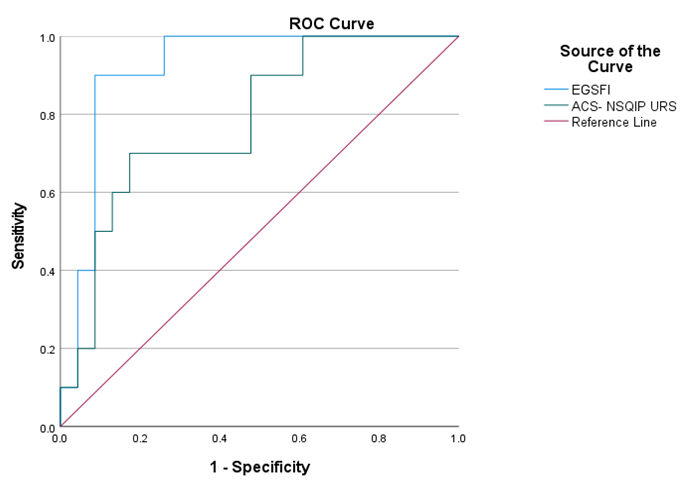
Graph 1: ROC Analysis for EGSFI with ACS-NSQIP URC for occurrence of any complication.
Area under the curve (AUC) with 95% CI in ROC analysis in terms of occurrence of any complication for EGSFI is 0.827 [0.679-0.976] which was greater than the AUC of predicted complications using ACS-NSQIP Universal surgical risk calculator 0.754 [0.589-0.918] indicating better predictive accuracy for EGSFI in predicting any post-operative complication in elderly EGS patients,
ROC ANALYSIS FOR EGSFI WITH ACS-NSQIP Universal surgical risk calculator FOR SERIOUS COMPLICATIONS
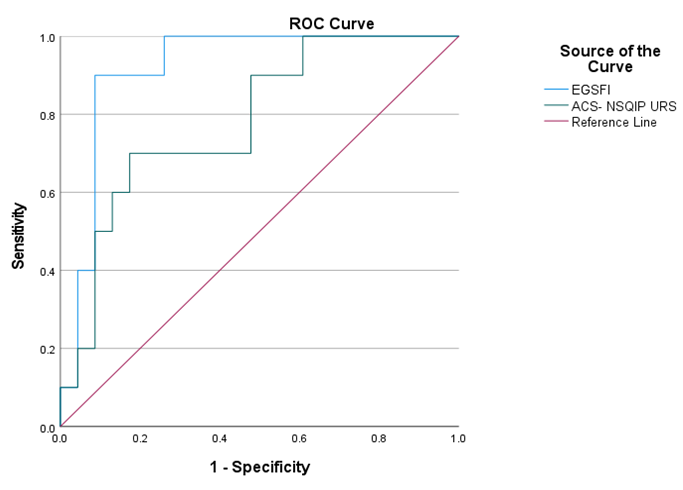
Graph 2: ROC Analysis for EGSFI with ACS-NSQIP URC for occurrence of serious complication.
Area under the curve (AUC) with 95% CI in ROC analysis in terms of occurrence of serious complication for EGSFI is 0.917 [0.819- 1.000] which was greater than the AUC of predicted complications using ACS-NSQIP Universal surgical risk calculator 0.783 [0.616-0.950] indicating better predictive accuracy for EGSFI in predicting any post-operative complication in elderly EGS patients.
DISCUSSION:
Frailty is an evolving concept that is increasingly utilized for risk stratification across a wide range of medical and surgical specialties, including cardiology, oncology, general surgery, vascular surgery, transplantation, critical care, endocrinology, nephrology, emergency medicine, orthopaedics, trauma, thoracic surgery, anaesthesia, and others. Its growing importance reflects the need for more comprehensive patient assessment beyond chronological age. The implications of frailty have become particularly significant in the current era, where the global elderly population is rising and life expectancy has increased from 64.2 years (males 61.9 years; females 66.5 years) in 1990 to 72.6 years (males 70.2 years; females 75.0 years) in 2019 worldwide (7) (1).
Despite the increasing recognition of frailty, there are relatively few studies exploring its relationship with emergency general surgery (EGS). To address this gap, the Emergency General Surgery Frailty Index (EGSFI) was developed by Jokar et al. as a specific risk stratification tool and has been validated in Western populations (6). However, similar studies in the Indian population are limited, and its clinical application remains underutilized. The present study was conducted to evaluate the utility of EGSFI in risk stratification and outcome prediction among Indian patients undergoing EGS. A total of 33 patients were included and followed up for 28 days postoperatively to assess complications. The study population consisted of 18 females (54.5%) and 15 males (45.5%). The mean age was 59.24 ± 7.10 years, with females having a mean age of 58 ± 6.82 years and males 60.73 ± 7.37 years.
Frailty was defined as an EGSFI score ≥0.325. In this cohort, 11 patients (33.3%) were classified as frail, while 22 patients (66.7%) were non-frail. The mean EGSFI score for the overall population was 0.211 ± 0.2132. The frail group had a significantly higher mean EGSFI score (0.466 ± 0.1483) compared to the non-frail group (0.084 ± 0.0876), with this difference being statistically significant (p<0.001). These findings are comparable with previous studies. Khan M, Jehan F, Zeeshan M, et al. (28) reported a mean EGSFI of 0.29 ± 0.17, while Jokar et al. (8) reported mean scores of 0.38 ± 0.10 in frail patients and 0.17 ± 0.05 in non-frail patients (p<0.001). Age-wise distribution revealed that frailty prevalence was 13.6% among patients aged 50–59 years and increased to 72.7% in patients aged ≥60 years. Previous Indian studies have reported varying prevalence rates. Biritwum RB, Minicuci N, Yawson AE, et al. (23) reported an age-standardized frailty prevalence of 56.9% (95% CI: 54.4–59.4) in a national sample. Yashoda et al. (24) reported a prevalence of 26.6% in an urban population, while Kendhapedi K and Devasenapathy N (25) reported prevalence ranging from 27.6% to 62.6% depending on the assessment tool used. Interestingly, in the present study, 72.7% of frail patients were male, in contrast to previous studies where frailty was more common in females. This discrepancy may be attributed to inclusion of younger patients and the male–female health survival paradox.
A systematic review by Siriwardhana et al. (26) reported a frailty prevalence of 26% in India, while Smart R et al. (31) reported a prevalence of 16% in populations younger than 65 years. The current study observed 13.6% frailty in patients below 60 years, aligning with these findings. Predicted postoperative risks were assessed using the ACS-NSQIP Universal Surgical Risk Calculator. Frail patients had significantly higher predicted risks for most outcomes. The predicted probability of any complication was 25% in frail patients compared to 5.63% in non-frail patients (p=0.002), while serious complications were 21.16% versus 4.26% (p=0.001). Predicted mortality was also higher in frail patients (5.55% vs 0.05%; p=0.028). Other predicted outcomes included higher rates of readmission (13.19% vs 3.38%; p=0.00001), return to operating room (7.18% vs 1.61%; p=0.003), and adverse discharge disposition (30.6% vs 1.6%; p=0.006) in frail patients. The predicted length of hospital stay was significantly longer in frail patients (7.5 ± 4.9 days vs 1.8 ± 1.6 days; p=0.0003).
Observed outcomes in this study showed that 48.5% of patients developed at least one complication, and 30.3% developed serious complications. The most common complication was superficial surgical site infection (36.4%), followed by urinary tract infection (33.3%). Among major complications, deep surgical site infection was most common (21.2%), followed by return to operating room and pneumonia (9.1%). Mortality was observed in one patient (3%). These findings differ from larger studies such as Akinbami et al. (32) and Ingraham et al. (33), likely due to differences in patient population and inclusion of all age groups in those studies.
A strong association between frailty and postoperative complications was observed. All frail patients (100%) developed at least one complication compared to 27.3% in the non-frail group (p=0.0001). Similarly, 81.8% of frail patients developed serious complications compared to 4.5% of non-frail patients (p=0.0001). Among frail patients, superficial SSI was the most common complication (90.9%), followed by UTI and gastroenteritis (72.7% each). Deep SSI occurred in 54.5% of frail patients compared to only 4.5% of non-frail patients. Sepsis and return to operating room were also more frequent in frail patients. These findings are consistent with previous studies such as Birkelbach et al. (34), although their study included both elective and emergency surgeries. In contrast to complications, no significant differences were observed in baseline vital parameters between frail and non-frail groups, consistent with findings by Jokar et al. (6).
Length of hospital stay was significantly higher in frail patients (9.82 ± 6.85 days vs 3.27 ± 1.96 days; p=0.0001), which is comparable to findings by Jokar et al. (8) and Khan M et al. (28). ICU admission was required in 27.3% of frail patients compared to none in the non-frail group (p=0.01), aligning with previous literature. However, ICU length of stay did not differ significantly between groups. Adverse discharge disposition was higher in frail patients (20% vs 4.8%; p=0.06), although not statistically significant. Readmission rates were significantly higher in frail patients (30% vs 0%; p=0.01).
Mortality was observed only in the frail group (9.1%), though not statistically significant, likely due to small sample size. Previous studies have demonstrated significantly higher mortality in frail patients (6, 28). Receiver operating characteristic (ROC) analysis demonstrated that EGSFI had superior predictive accuracy compared to ACS-NSQIP. The area under the curve (AUC) for predicting any complication was 0.827 [0.679–0.976] for EGSFI compared to 0.754 [0.589–0.918] for ACS-NSQIP. For serious complications, the AUC was 0.917 [0.819–1.000] for EGSFI versus 0.783 [0.616–0.950], indicating better performance of EGSFI.
The strengths of this study include its prospective design and use of a validated frailty index along with comparison to an established risk calculator. However, limitations include small sample size, short follow-up duration, and single-center design, limiting generalizability, and any confounding effect of then ongoing CoVID-19 pandemic. Despite these limitations, the study demonstrates that EGSFI is a useful tool for predicting adverse postoperative outcomes in geriatric patients undergoing emergency general surgery.
CONCLUSION:
This study demonstrates that frailty, as assessed by the Emergency General Surgery Specific Frailty Index, is strongly associated with adverse postoperative outcomes in elderly patients undergoing emergency general surgery. Frail patients exhibited significantly higher rates of both major and minor complications, prolonged hospitalization, increased need for intensive care, and higher readmission rates.
Importantly, EGSFI showed comparable predictive accuracy compared to the ACS-NSQIP Universal Surgical Risk Calculator, highlighting its value as a procedure-specific risk stratification tool in the EGS setting. These findings underscore the limitations of traditional risk models that do not adequately account for physiological reserve and vulnerability.
Incorporating frailty assessment into routine surgical evaluation can improve perioperative risk prediction, facilitate informed decision-making, and enable targeted interventions aimed at optimizing outcomes in this high-risk population. Larger multicentric studies are warranted to validate these findings and support broader clinical implementation of EGSFI in diverse healthcare settings.
REFERENCES:
1. Central Statistics Office (social Statistics Division), Ministry of Statistics and Programme Implementation, Government of India. Published 2016. Available from http://mospi.nic.in/sites/default/files/publication_reports/ElderlyinIndia_2016.pdf?download=1 (Accessed 03 Mar 2021).
2. Xue Q-L. The Frailty Syndrome: Definition and Natural History. Clin Geriatr Med. 2011 Feb;27(1):1–15.
3. Oakland K, Nadler R, Cresswell L, Jackson D, Coughlin PA. Systematic review and meta-analysis of the association between frailty and outcome in surgical patients. Ann R Coll Surg Engl. 2016 Feb;98(2):80–5.
4. Dimick J B, Pronovost P J, Cowan J A, Lipsett P A. Complications and costs after high-risk surgery: where should we focus quality improvement initiatives? J Am Coll Surg. 2003;196(05):671–678.
5. Akyar S, Armenia SJ, Ratnani P, Merchant AM. The Impact of Frailty on Postoperative Cardiopulmonary Complications in the Emergency General Surgery Population. Surg J. 2018 May 23;4(2):e66–77.
6. Orouji Jokar T, Ibraheem K, Rhee P, Kulavatunyou N, Haider A, Phelan HA, et al. Emergency general surgery specific frailty index: A validation study. J Trauma Acute Care Surg. 2016 Aug;81(2):254–60.
7. United Nations, Department of Economic and Social Affairs, Population Division (2019). World Population Prospects 2019: Highlights. ST/ESA/SER.A/423.
8. Fried LP, Tangen CM, Walston J, Newman AB, Hirsch C, Gottdiener J, et al. Frailty in older adults: evidence for a phenotype. J Gerontol A Biol Sci Med Sci. 2001 Mar;56(3):M146-156.
9. Mitnitski AB, Mogilner AJ, Rockwood K. Accumulation of deficits as a proxy measure of aging. Scientific World Journal. 2001 Aug 8;1:323–36.
10. Gobbens RJJ, Luijkx KG, Wijnen-Sponselee MT, Schols JMGA. In search of an integral conceptual definition of frailty: opinions of experts. J Am Med Dir Assoc. 2010 Jun;11(5):338–43.
11. Rockwood K, Wolfson C, McDowell I. The Canadian Study of Health and Aging: organizational lessons from a national, multicenter, epidemiologic study. Int Psychogeriatr. 2001;13 Supp 1:233–7.
12. Rockwood K, Stadnyk K, MacKnight C, McDowell I, Hébert R, Hogan DB. A brief clinical instrument to classify frailty in elderly people. Lancet Lond Engl. 1999 Jan 16;353(9148):205–6.
13. Rockwood K, Song X, MacKnight C, Bergman H, Hogan DB, McDowell I, et al. A global clinical measure of fitness and frailty in elderly people. CMAJ Can Med Assoc J J Assoc Medicale Can. 2005 Aug 30;173(5):489–95.
14. Shamliyan T, Talley KMC, Ramakrishnan R, Kane RL. Association of frailty with survival: a systematic literature review. Ageing Res Rev. 2013 Mar;12(2):719–36.
15. Kojima G, Iliffe S, Walters K. Frailty index as a predictor of mortality: a systematic review and meta-analysis. Age Ageing. 2018 Mar 1;47(2):
16. 193–200.
17. Ensrud KE, Kats AM, Schousboe JT, Taylor BC, Cawthon PM, Hillier TA, et al. Frailty Phenotype and Healthcare Costs and Utilization in Older Women. J Am Geriatr Soc. 2018 Jul;66(7):1276–83.
18. Jørgensen R, Brabrand M. Screening of the frail patient in the emergency department: A systematic review. Eur J Intern Med. 2017 Nov;45:71–3.
19. Sündermann S, Dademasch A, Praetorius J, Kempfert J, Dewey T, Falk V, et al. Comprehensive assessment of frailty for elderly high-risk patients undergoing cardiac surgery. Eur J Cardio-Thorac Surg Off J Eur Assoc Cardio-Thorac Surg. 2011 Jan;39(1):33–7.
20. Afilalo J, Lauck S, Kim DH, Lefèvre T, Piazza N, Lachapelle K, et al. Frailty in Older Adults Undergoing Aortic Valve Replacement: The FRAILTY-AVR Study. J Am Coll Cardiol. 2017 Aug 8;70(6):689–700.
21. Handforth C, Clegg A, Young C, Simpkins S, Seymour MT, Selby PJ, et al. The prevalence and outcomes of frailty in older cancer patients: a systematic review. Ann Oncol Off J Eur Soc Med Oncol. 2015 Jun; 26(6):1091–101.
22. Wang J, Zou Y, Zhao J, Schneider DB, Yang Y, Ma Y, et al. The Impact of Frailty on Outcomes of Elderly Patients After Major Vascular Surgery: A Systematic Review and Meta-analysis. Eur J Vasc Endovasc Surg Off J Eur Soc Vasc Surg. 2018 Oct;56(4):591–602.
23. Hewitt J, Moug SJ, Middleton M, Chakrabarti M, Stechman MJ, McCarthy K, et al. Prevalence of frailty and its association with mortality in general surgery. Am J Surg. 2015 Feb;209(2):254–9.
24. Biritwum RB, Minicuci N, Yawson AE, Theou O, Mensah GP, Naidoo N, et al. Prevalence of and factors associated with frailty and disability in older adults from China, Ghana, India, Mexico, Russia and South Africa. Maturitas. 2016 Sep;91:8–18.
25. Kashikar Y, Nagarkar A. Prevalence and Determinants of Frailty in Older Adults in India. Indian J Gerontol. 2016;30(3).
26. Kendhapedi KK, Devasenapathy N. Prevalence and factors associated with frailty among community dwelling older people in rural Thanjavur district of South India: a cross-sectional study. BMJ Open 2019;9:e032904.
27. Siriwardhana DD, Hardoon S, Rait G, Weerasinghe MC, Walters KR. Prevalence of frailty and prefrailty among community-dwelling older adults in low-income and middle-income countries: a systematic review and meta-analysis. BMJ Open. 2018 Mar 1;8(3):e018195.
28. Shafi S, Aboutanos MB, Agarwal S, Brown CVR, Crandall M, Feliciano DV, et al. Emergency general surgery: definition and estimated burden of disease. J Trauma Acute Care Surg. 2013 Apr;74(4):1092–7.
29. Khan M, Jehan F, Zeeshan M, Kulvatunyou N, Fain MJ, Saljuqi AT, et al. Failure to Rescue After Emergency General Surgery in Geriatric Patients: Does Frailty Matter? J Surg Res. 2019 Jan;233:397–402.
30. Havens JM, Columbus AB, Seshadri AJ, Brown CVR, Tominaga GT, Mowery NT, et al. Risk stratification tools in emergency general surgery. Trauma Surg Acute Care Open. 2018 Apr 1;3(1):e000160.
31. American College of Surgeons. Surgical risk calculator (Accessed 03 Mar 2021). https://riskcalculator.facs.org/RiskCalculator/PatientInfo.jsp
32. Smart R, Carter B, McGovern J, Luckman S, Connelly A, Hewitt J, et al. Frailty Exists in Younger Adults Admitted as Surgical Emergency Leading to Adverse Outcomes. J Frailty Aging. 2017;6(4):219–23.
33. Akinbami F, Askari R, Steinberg J, Panizales M, Rogers SO. Factors affecting morbidity in emergency general surgery. Am J Surg. 2011 Apr;201(4):456–62.
34. Ingraham AM, Cohen ME, Bilimoria KY, Raval MV, Ko CY, Nathens AB, et al. Comparison of 30-day outcomes after emergency general surgery procedures: potential for targeted improvement. Surgery. 2010 Aug;148(2):217–38.
35. Birkelbach O, Mörgeli R, Spies C, Olbert M, Weiss B, Brauner M, et al. Routine frailty assessment predicts postoperative complications in elderly patients across surgical disciplines – a retrospective observational study. BMC Anesthesiol. 2019 Nov 7;19(1):204..