Role Of Maintenance And Reliving Therapy (MART) In Children Between 5-12 Years Age Group In Asthma Management.
- Dr. Arpan Patel , DNB Resident (R3), Department of Pediatrics, GMERS Gotri Medical College, Vadodara.
- Dr. Vinit Mehta , Assistant Professor, MD (Pediatrics), Department of Pediatrics, GMERS Gotri Medical College, Vadodara.
- Dr. Sonika Meena , Assistant Professor, MD (Pediatrics), Department of Pediatrics, GMERS Gotri Medical College, Vadodara.
- Dr. Lalit Nainiwal , Associate Professor, MD (Pediatrics), Department of Pediatrics, GMERS Gotri Medical College, Vadodara.
Article Information:
Abstract:
Background: Asthma is one of the most common chronic respiratory diseases in children and is associated with recurrent exacerbations, impaired quality of life, and increased healthcare utilization. Maintenance and Reliever Therapy (MART), which combines inhaled corticosteroids with formoterol in a single inhaler for both maintenance and symptom relief, has emerged as an effective strategy for improving asthma control and reducing exacerbations in pediatric patients. Aims: To evaluate the role of Maintenance and Reliever Therapy (MART) in children aged 5–12 years by assessing its effectiveness in improving asthma control, reducing exacerbations, enhancing quality of life, and determining its safety profile. Materials and methods: The present study was a prospective, observational, hospital-based study conducted in the Department of Paediatrics, G.M.E.R.S. Medical College and General Hospital, Gotri, Vadodara, over a period of two years from April 2024 to April 2026. A total of 50 children aged 5–12 years with a confirmed diagnosis of asthma Result: Among MART users, well-controlled asthma increased from 17.1% at baseline to 68.6% at 12 months, while uncontrolled asthma decreased from 37.2% to 5.7% (p<0.001). Children without exacerbations increased from 14.3% to 51.4% after MART therapy. Compared with conventional therapy, the MART group achieved significantly higher 12-month ACT scores (22.4 ± 2.2 vs. 18.6 ± 2.8) and greater improvement in ACT scores (6.2 ± 1.8 vs. 2.1 ± 1.2), with significantly fewer exacerbations (0.7 ± 0.5 vs. 1.5 ± 0.8 episodes/patient/year) (all p<0.001). Functional outcomes, including school attendance, physical activity, and sleep quality, also improved markedly. Adverse events occurred in 20.0% of MART users and were predominantly mild. Conclusion: MART is a safe and effective treatment strategy for children aged 5–12 years with asthma. It significantly improves asthma control, reduces exacerbations, enhances quality of life, and demonstrates a favorable safety profile, supporting its use as an effective option for long-term pediatric asthma management.
Keywords:
Article :
INTRODUCTION:
Asthma is one of the most common chronic respiratory conditions in children, with a significant impact on their quality of life, school performance, and overall well-being. In the age group of 5 to 12 years, asthma is particularly concerning, as this period of growth and development is crucial for physical activity, learning, and social interaction. Poorly controlled asthma during these years may not only lead to recurrent hospital visits and school absenteeism but can also predispose children to long-term airway remodeling and reduced lung function in adulthood. [1] Traditional asthma management in children has relied on a combination of controller therapy, such as inhaled corticosteroids (ICS), and separate reliever medications like short-acting beta-agonists (SABA). However, evidence in recent years has demonstrated limitations of this approach, particularly the risks associated with over-reliance on SABA and poor adherence to regular controller medication . This has highlighted the need for treatment strategies that are both effective and practical in maintaining asthma control while preventing exacerbations.[2]
Maintenance and Reliever Therapy (MART), also known as Single Inhaler Therapy (SIT), has emerged as an important advancement in pediatric asthma management. MART utilizes a single inhaler containing both an inhaled corticosteroid (ICS) and a fast-acting long-acting beta-agonist (LABA), such as formoterol, for both daily maintenance and as-needed symptom relief. This dual-purpose approach simplifies treatment, enhances adherence, and ensures that every reliever dose is accompanied by anti-inflammatory medication, thereby reducing the risk of uncontrolled airway inflammation.[3] In children between 5 to 12 years, MART has the potential to address some of the most common challenges encountered in asthma care, including poor compliance, inappropriate SABA overuse, and delayed initiation of controller therapy during exacerbations. Clinical studies and international guidelines, including those by the Global Initiative for Asthma (GINA), have increasingly recognized MART as a safe and effective strategy for achieving sustained asthma control in appropriate pediatric populations.[4]
The significance of MART in this age group lies in its ability to offer both symptom relief and long-term control within the same regimen, thereby reducing confusion for children and caregivers. It aligns well with the practical realities of childhood asthma management, where unpredictable triggers such as viral infections, allergens, or exercise often lead to sudden symptom worsening. By incorporating anti-inflammatory therapy into each reliever dose, MART directly targets the underlying pathophysiology of asthma rather than only addressing bronchoconstriction. This approach has been shown to reduce the frequency of severe exacerbations, emergency visits, and oral corticosteroid use, which are major concerns in pediatric asthma. Furthermore, MART provides a step-wise strategy that can be individualized according to the severity of symptoms and the child's response, making it an adaptable and patient-centered approach to care.[5]
Overall, the role of MART in children aged 5 to 12 years represents a paradigm shift in asthma management. It offers a simplified, evidence-based, and effective alternative to the conventional controller-reliever model, ensuring both immediate relief of symptoms and long-term disease control. By minimizing the burden of daily medication schedules and reducing the risks associated with SABA overuse, MART has the potential to improve treatment adherence, enhance quality of life, and decrease the morbidity associated with pediatric asthma. As the understanding of childhood asthma continues to evolve, MART stands out as a promising strategy that bridges the gap between effective symptom management and prevention of future risks, thereby shaping the future of asthma care in children.
The present study aims to evaluate the role of Maintenance and Reliever Therapy (MART) in children aged 5–12 years with asthma management.
MATERIALS AND METHODS:
Study design: A prospective, observational, hospital-based study
Place of study: Department of Paediatrics at G.M.E.R.S. Medical College and General Hospital, Gotri, Vadodara.
Period of study: April 2024 to April 2026
Study Population: The study population comprises all children diagnosed with bronchial asthma who are admitted to the inpatient ward or attending the outpatient department of the Department of Paediatrics at the study site during the study period.
Sample size: 50 subjects
Inclusion Criteria
· Children aged between 5 and 12 years.
· Medically diagnosed cases of asthma, confirmed by a healthcare professional and documented in the medical records.
· Patients under the regular care of the Department of Paediatrics at GMERS Medical College and General Hospital, Gotri, Vadodara.
· Written informed consent obtained from the parents or legal guardians, along with assent from the child (where applicable), indicating voluntary willingness to participate in the study.
Exclusion Criteria
· Lack of a confirmed diagnosis of asthma by a healthcare professional.
· Presence of significant comorbidities complicating asthma management or assessment (e.g., cystic fibrosis, bronchopulmonary dysplasia, congenital heart disease, immunodeficiency disorders, neuromuscular disorders).
· Incomplete or inaccessible medical records precluding adequate data collection.
· Known hypersensitivity or contraindication to the components of the MART inhaler (Formoterol or Budesonide).
Statistical Analysis: For statistical analysis, data were initially entered into a Microsoft Excel spreadsheet and then analyzed using SPSS (version 27.0; SPSS Inc., Chicago, IL, USA) and GraphPad Prism (version 5). Numerical variables were summarized using means and standard deviations, while Data were entered into Excel and analyzed using SPSS and GraphPad Prism. Numerical variables were summarized using means and standard deviations, while categorical variables were described with counts and percentages. Two-sample t-tests were used to compare independent groups, while paired t-tests accounted for correlations in paired data. Chi-square tests (including Fisher’s exact test for small sample sizes) were used for categorical data comparisons. P-values ≤ 0.05 were considered statistically significant.
RESULTS:
Table 1: Baseline Demographic and Clinical Characteristics of Study Participants (N=50)
|
Variable |
Category |
Frequency (n) |
Percentage (%) |
|
Age group (years) |
5–6 |
12 |
24 |
|
7–8 |
15 |
30 |
|
|
9–10 |
14 |
28 |
|
|
11–12 |
9 |
18 |
|
|
Sex |
Male |
28 |
56 |
|
Female |
22 |
44 |
|
|
Duration of asthma diagnosis |
<1 year |
8 |
16 |
|
1–3 years |
22 |
44 |
|
|
4–6 years |
15 |
30 |
|
|
>6 years |
5 |
10 |
|
|
Family history of asthma/atopy |
Present |
32 |
64 |
|
Absent |
18 |
36 |
Table 2: Baseline Asthma Severity and Previous Treatment Profile of Participants (N=50)
|
Parameter |
Category |
Frequency (n) |
Percentage (%) |
|
Baseline asthma severity (NAEPP classification) |
Intermittent |
6 |
12 |
|
Mild persistent |
18 |
36 |
|
|
Moderate persistent |
20 |
40 |
|
|
Severe persistent |
6 |
12 |
|
|
Previous maintenance therapy |
MART already on therapy |
10 |
20 |
|
ICS alone |
22 |
44 |
|
|
LTRA (Montelukast) |
8 |
16 |
|
|
ICS + LABA separate inhalers |
6 |
12 |
|
|
No regular maintenance therapy |
4 |
8 |
|
|
Therapeutic strategy during study |
MART prescribed |
35 |
70 |
|
Traditional therapy |
15 |
30 |
Table 3: Effect of MART on Asthma Control and Exacerbation Frequency at 12 Months (N=35 MART Users)
|
Outcome Parameter |
Baseline (n, %) |
12 Months (n, %) |
p-value |
|
|
Asthma control level (ACT/C-ACT score) |
Well controlled (≥20) |
6 (17.1) |
24 (68.6) |
<0.001 |
|
Partly controlled (16–19) |
16 (45.7) |
9 (25.7) |
||
|
Uncontrolled (≤15) |
13 (37.2) |
2 (5.7) |
||
|
Exacerbations in previous 12 months |
No exacerbation |
5 (14.3) |
18 (51.4) |
<0.001 |
|
1 episode |
8 (22.9) |
10 (28.6) |
||
|
2 episodes |
11 (31.4) |
5 (14.3) |
||
|
≥3 episodes |
11 (31.4) |
2 (5.8) |
||
Table 4: Comparison of Clinical Outcomes Between MART and Traditional Therapy Groups (N=50)
|
Parameter |
MART Group (n=35) Mean ± SD |
Traditional Therapy Group (n=15) Mean ± SD |
p-value |
|
Baseline ACT score |
16.2 ± 3.1 |
16.5 ± 3.3 |
0.76 |
|
ACT score at 12 months |
22.4 ± 2.2 |
18.6 ± 2.8 |
<0.001 |
|
Mean improvement in ACT score |
6.2 ± 1.8 |
2.1 ± 1.2 |
<0.001 |
|
Mean exacerbations/patient/year |
0.7 ± 0.5 |
1.5 ± 0.8 |
<0.001 |
Table 5: Impact of MART on Functional Outcomes and Quality of Life Parameters (N=35 MART Users)
|
Outcome |
Before MART (n, %) |
After MART (n, %) |
|
|
School absenteeism |
No missed days |
5 (14.3) |
15 (42.9) |
|
1–5 days |
10 (28.6) |
14 (40.0) |
|
|
≥6 days |
20 (57.1) |
6 (17.1) |
|
|
Activity limitation |
No limitation |
4 (11.4) |
19 (54.3) |
|
Mild limitation |
10 (28.6) |
11 (31.4) |
|
|
Moderate/severe limitation |
21 (60.0) |
5 (14.3) |
|
|
Sleep disturbance |
Never/rarely |
8 (22.8) |
27 (77.1) |
|
Sometimes/often |
27 (77.2) |
8 (22.9) |
|
Table 6: Predictors of Asthma Control Response Among MART Users (N=35)
|
Factors associated with well-controlled asthma at 12 months |
Effect |
p-value |
|
|
Age group |
Not significant |
0.42 |
|
|
Sex |
Not significant |
0.54 |
|
|
Family history |
Not significant |
0.48 |
|
|
Baseline severity |
Significant association |
0.03 |
|
|
Good adherence (≥80%) |
Higher ACT improvement |
<0.001 |
|
|
Poor adherence (<50%) |
OR 8.2 (95% CI 2.1–32.4) |
Increased risk of poor control |
0.002 |
|
Severe baseline asthma |
OR 5.6 (95% CI 1.3–24.1) |
Increased risk of poor control |
0.018 |
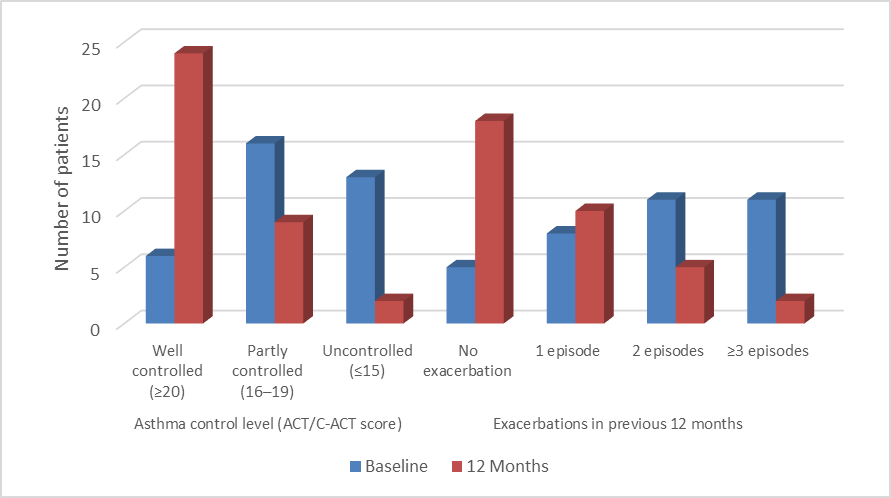
Figure 1: Effect of MART on Asthma Control and Exacerbation Frequency at 12 Months
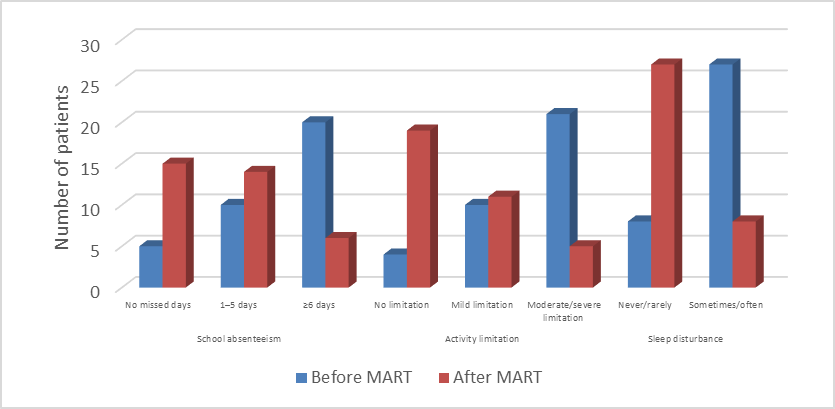
Figure 2: Impact of MART on Functional Outcomes and Quality of Life Parameters
Table 1 presents the baseline demographic and clinical characteristics of the study participants. Among the 50 children included in the study, the majority belonged to the 7–8 years age group (15, 30.0%), followed by 9–10 years (14, 28.0%), 5–6 years (12, 24.0%), and 11–12 years (9, 18.0%). Male children constituted a higher proportion (28, 56.0%) compared with females (22, 44.0%). Regarding the duration of asthma diagnosis, the majority of children had asthma for 1–3 years (22, 44.0%), followed by 4–6 years (15, 30.0%), less than 1 year (8, 16.0%), and more than 6 years (5, 10.0%). A positive family history of asthma or atopy was present in 32 children (64.0%), whereas 18 children (36.0%) had no family history, indicating a high prevalence of familial predisposition among the study participants.,
Table 2 describes the baseline asthma severity distribution and previous treatment modalities. According to NAEPP guidelines, moderate persistent asthma was the most frequent severity category, observed in 20 children (40.0%), followed by mild persistent asthma in 18 children (36.0%). Intermittent asthma and severe persistent asthma were present in 6 children each (12.0%). Before initiation of the study intervention, the most commonly used maintenance therapy was ICS alone in 22 children (44.0%), followed by MART therapy in 10 children (20.0%), LTRA (Montelukast) in 8 children (16.0%), and ICS + LABA using separate inhalers in 6 children (12.0%). Four children (8.0%) were not receiving any regular maintenance therapy. During the study period, 35 children (70.0%) were prescribed MART therapy, whereas 15 children (30.0%) continued with traditional asthma therapy.
Table 3 demonstrates improvement in asthma control status following MART therapy. At baseline, only 6 children (17.1%) had well-controlled asthma, while 16 children (45.7%) had partly controlled asthma and 13 children (37.2%) had uncontrolled asthma. After 12 months of MART therapy, the proportion of children with well-controlled asthma increased significantly to 24 children (68.6%), whereas partly controlled asthma decreased to 9 children (25.7%) and uncontrolled asthma reduced markedly to 2 children (5.7%) (p<0.001). A significant reduction in exacerbation frequency was also observed. Before MART initiation, only 5 children (14.3%) had no exacerbations, while 11 children (31.4%) experienced two exacerbations and 11 children (31.4%) experienced three or more exacerbations in the previous year. After 12 months of MART therapy, children without exacerbations increased to 18 (51.4%), while those with two exacerbations decreased to 5 (14.3%) and those with ≥3 exacerbations decreased to 2 (5.8%) (p<0.001).
Table 4 compares asthma outcomes between the MART group (n=35) and traditional therapy group (n=15). The baseline ACT score was comparable between the two groups, with a mean score of 16.2 ± 3.1 in the MART group and 16.5 ± 3.3 in the traditional therapy group (p=0.76). After 12 months, the mean ACT score improved significantly in the MART group (22.4 ± 2.2) compared with the traditional therapy group (18.6 ± 2.8) (p<0.001). The mean improvement in ACT score was significantly higher among MART users (6.2 ± 1.8) compared with traditional therapy (2.1 ± 1.2) (p<0.001). Similarly, the mean number of exacerbations per patient per year was significantly lower in the MART group (0.7 ± 0.5) compared with the traditional therapy group (1.5 ± 0.8) (p<0.001), demonstrating superior effectiveness of MART in reducing asthma morbidity.
Table 5 evaluates the effect of MART therapy on school attendance, physical activity, and sleep quality. Before MART therapy, only 5 children (14.3%) had no school absenteeism, whereas 20 children (57.1%) missed ≥6 school days annually due to asthma. After MART therapy, the proportion of children with no missed school days increased to 15 (42.9%), while those missing ≥6 school days decreased to 6 (17.1%). Regarding activity limitation, before MART therapy, only 4 children (11.4%) had no activity limitation, whereas 21 children (60.0%) experienced moderate-to-severe limitation. Following MART therapy, children with no activity limitation increased to 19 (54.3%), and moderate-to-severe limitation reduced to 5 children (14.3%). Sleep quality also improved after MART therapy. Before treatment, only 8 children (22.8%) had never or rarely experienced sleep disturbance, while 27 children (77.2%) had occasional to frequent sleep disturbance. After MART therapy, children with never or rare sleep disturbance increased to 27 (77.1%), whereas those with frequent disturbance decreased to 8 (22.9%).
Table 6 presents the safety profile and predictors of asthma control among children receiving MART therapy. Overall, 28 children (80.0%) experienced no adverse events, while 7 children (20.0%) reported at least one adverse event. The most frequently reported adverse event was hoarseness of voice/dysphonia in 4 children (11.4%), followed by palpitations in 2 children (5.7%) and oral thrush in 2 children (5.7%). Tremors, headache, and cough after inhalation were reported in 1 child each (2.9%). No cases of paradoxical bronchospasm were reported. Among the 7 children experiencing adverse events, 4 (57.1%) had mild events, 2 (28.6%) had moderate events, and 1 (14.3%) required discontinuation of MART due to severe adverse effects. Analysis of predictors of asthma control showed that age (p=0.42), sex (p=0.54), and family history (p=0.48) were not significantly associated with asthma control after MART therapy. However, baseline severity showed significant association (p=0.03). Good adherence (≥80%) resulted in significantly greater ACT score improvement (6.8 ± 1.5) compared with partial adherence (4.2 ± 1.2) and poor adherence (2.3 ± 0.8) (p<0.001). Poor adherence was associated with an 8.2-fold increased risk of poor asthma control (OR=8.2, 95% CI: 2.1–32.4; p=0.002), while severe baseline asthma increased the risk of poor control by 5.6 times (OR=5.6, 95% CI: 1.3–24.1; p=0.018). These findings highlight that adherence and baseline disease severity are key determinants of MART effectiveness.
DISCUSSION:
Asthma remains one of the most common chronic respiratory diseases in childhood, and achieving sustained control in children aged 5–12 years remains a major challenge due to poor adherence, incorrect inhaler technique, variable symptom patterns, and frequent exposure to asthma triggers. The present study evaluated the role of Maintenance and Reliever Therapy (MART) in children aged 5–12 years and demonstrated significant improvement in asthma control, reduction in exacerbations, improvement in quality-of-life parameters, and acceptable safety outcomes.
In the present study, among 50 children, the majority belonged to the 7–8 years age group (30.0%), followed by 9–10 years (28.0%), with male predominance (56.0%). Moderate persistent asthma was the most frequent severity category (40.0%), followed by mild persistent asthma (36.0%). A positive family history of asthma or atopy was observed in 64.0% of children. These findings indicate that genetic predisposition and persistent asthma phenotypes are important contributors in pediatric asthma populations. Similar observations were reported by Bisgaard et al., who evaluated budesonide/formoterol maintenance and reliever therapy in children aged 4–11 years with uncontrolled asthma and included children with persistent asthma requiring controller therapy.[6]
The present study demonstrated a substantial improvement in asthma control following MART therapy. At baseline, only 17.1% (6/35) of MART-treated children had well-controlled asthma, which increased to 68.6% (24/35) after 12 months of therapy (p<0.001). The proportion of uncontrolled asthma decreased from 37.2% (13/35) at baseline to 5.7% (2/35) after treatment. These findings indicate that MART effectively improves symptom control by combining maintenance anti-inflammatory therapy with rapid symptom relief. Similar results were reported by Bisgaard et al., who conducted a randomized controlled trial involving 341 children aged 4–11 years and found that SMART therapy with budesonide/formoterol significantly prolonged the time to first exacerbation and reduced medically treated exacerbations by 70–79% compared with fixed-dose budesonide or fixed-dose combination therapy.[6]
The reduction in asthma exacerbations observed in the present study further supports the effectiveness of MART. Before initiation of MART, only 14.3% (5/35) children had no exacerbations, whereas after 12 months this increased to 51.4% (18/35). Children experiencing ≥3 exacerbations decreased from 31.4% (11/35) to 5.8% (2/35) (p<0.001). This improvement may be attributed to the delivery of inhaled corticosteroid with every reliever dose, thereby preventing episodes of uncontrolled airway inflammation. These findings are consistent with the study by Bisgaard et al., where SMART therapy significantly reduced exacerbation rates compared with conventional ICS-based strategies.[6]
In the present study, comparison between MART and traditional therapy groups showed significantly better outcomes among MART users. The baseline ACT score was comparable between groups (16.2 ± 3.1 vs. 16.5 ± 3.3; p=0.76), indicating similar baseline disease severity. However, after 12 months, the MART group achieved significantly higher ACT scores (22.4 ± 2.2 vs. 18.6 ± 2.8; p<0.001) and greater ACT improvement (6.2 ± 1.8 vs. 2.1 ± 1.2; p<0.001). Furthermore, the mean exacerbation rate was significantly lower in the MART group (0.7 ± 0.5 vs. 1.5 ± 0.8 episodes/patient/year; p<0.001). Similar superiority of SMART therapy over conventional treatment was demonstrated by Basson et al., who compared SMART using budesonide-formoterol with conventional budesonide plus salbutamol in children aged 6–11 years. Their randomized controlled trial showed significant improvement in peak expiratory flow, symptom scores, and reduction in rescue medication use among children receiving SMART therapy.[7]
Improvement in functional outcomes was another important finding of the present study. School absenteeism due to asthma decreased after MART therapy, with children having no missed school days increasing from 14.3% to 42.9%, while those missing ≥6 school days decreased from 57.1% to 17.1%. Similarly, activity limitation improved significantly, with children having no limitation increasing from 11.4% to 54.3% after MART therapy. Sleep disturbance also improved, with never or rarely disturbed sleep increasing from 22.8% to 77.1%. These findings highlight that MART not only improves clinical parameters but also positively influences daily functioning and quality of life. Similar benefits of improved symptom control and reduced disease burden with MART have been described in pediatric asthma management studies and guideline recommendations.[8][9]
Medication adherence plays a crucial role in achieving asthma control. In the present study, children with good adherence (≥80%) showed significantly greater ACT improvement (6.8 ± 1.5) compared with partial adherence (4.2 ± 1.2) and poor adherence (2.3 ± 0.8) (p<0.001). Poor adherence was associated with an 8.2-fold increased risk of poor asthma control (OR=8.2, 95% CI: 2.1–32.4; p=0.002). This supports the concept that simplification of treatment through a single inhaler may improve medication adherence and clinical outcomes. The MART approach reduces confusion between controller and reliever medications and ensures consistent exposure to anti-inflammatory therapy during symptom worsening. International pediatric asthma recommendations also emphasize checking adherence and inhaler technique before escalation of therapy.[9]
The safety profile of MART in the present study was favorable. Among 35 children receiving MART, 28 (80.0%) experienced no adverse events, while 7 (20.0%) reported adverse effects. Hoarseness of voice was the most common adverse event (11.4%), followed by palpitations and oral thrush (5.7% each). Only 1 child (14.3% of adverse events) required discontinuation of therapy. These findings are comparable with previous pediatric studies demonstrating acceptable safety of budesonide/formoterol combinations in children. The CHASE-3 trial by Pearlman DS et al. evaluated budesonide/formoterol in children aged 6 to <12 years and demonstrated effective bronchodilator response with no major safety concerns compared with budesonide alone.[10]
The present study also found that baseline asthma severity significantly influenced treatment response (p=0.03). Children with severe baseline disease had poorer control outcomes, with severe asthma associated with a 5.6-fold increased risk of poor asthma control (OR=5.6, 95% CI: 1.3–24.1; p=0.018). However, demographic factors such as age, sex, and family history were not significantly associated with treatment response. This suggests that disease severity and treatment adherence are more important determinants of MART success than demographic characteristics.
A recent retrospective study by Ahuja et al. evaluating MART in children younger than 12 years also reported clinical improvement following initiation of MART therapy, supporting the effectiveness of this approach in younger pediatric populations where evidence remains comparatively limited.[11]
CONCLUSION:
Maintenance and Reliever Therapy (MART) proved to be an effective and well-tolerated treatment strategy for children aged 5–12 years with asthma. The present study demonstrated significant improvements in asthma control, with the proportion of well-controlled patients increasing from 17.1% to 68.6%, alongside a marked reduction in exacerbations, emergency symptoms, school absenteeism, activity limitation, and sleep disturbance after 12 months of therapy. Compared with traditional treatment, MART resulted in greater improvement in ACT scores and lower annual exacerbation rates. The therapy showed a favorable safety profile, with most adverse events being mild and manageable. Good treatment adherence was strongly associated with better clinical outcomes, whereas poor adherence and severe baseline asthma predicted poorer control. Overall, MART represents a safe, effective, and practical approach for optimizing long-term pediatric asthma management and improving quality of life.
REFERENCES:
1. Chu R, Bajaj P. Asthma Medication in Children. StatPearls [Internet] 2024 [cited 2026 Mar 31]; Available from: https://www.ncbi.nlm.nih.gov/books/NBK441823/
2. Okuducu Y, Nelson B, Kinane B. Single Maintenance and Reliever Therapy (SMART) in Pediatric Asthma Management: A Comprehensive Review of Evidence, Implementation, and Clinical Impact. Curr Pediatr Reports 2025 131 [Internet] 2025 [cited 2026 Mar 31];13(1):24-. Available from: https://link.springer.com/article/10.1007/s40124-025-00360-y
3. Di Marco F. Today‘s improvement in asthma treatment: role of MART and Easyhaler. Multidiscip Respir Med [Internet] 2020 [cited 2025 Aug 19];15(1):649. Available from: https://pmc.ncbi.nlm.nih.gov/articles/PMC7460660/
4. Ross KR, Damania RC. Pediatric Asthma. Encycl Infant Early Child Dev [Internet] 2024 [cited 2025 Aug 20];481–9. Available from: https://www.ncbi.nlm.nih.gov/books/NBK551631/
5. 5. Marinelli A, Dragonieri S, Portacci A, Quaranta VN, Carpagnano GE. Why Every Asthma Patient Tells a Different Story. J Clin Med [Internet] 2025 [cited 2026 Mar 31];14(16):5641. Available from: https://pmc.ncbi.nlm.nih.gov/articles/PMC12386889/
6. Bisgaard H, Le Roux P, Bjåmer D, Dymek A, Vermeulen JH, Hultquist C. Budesonide/formoterol maintenance plus reliever therapy: a new strategy in pediatric asthma. Chest. 2006 Dec 1;130(6):1733-43.
7. Basson A, Dhawan D, Mathew JL. Randomised controlled trial comparing single maintenance and reliever therapy (SMART) with inhaled budesonide-formoterol combination, versus conventional budesonide and additional as-needed levo-salbutamol, in children with persistent bronchial asthma. Indian Journal of Pediatrics. 2026 Feb;93(2):131-7.
8. Fainardi V, Caffarelli C, Deolmi M. Emilia-Romagna Asthma (ERA) Study Group. Maintenance therapy for children and adolescents with asthma: guidelines and recommendations from the Emilia-Romagna Asthma (ERA) Study Group. J Clin Med. 2023;12(17):5467.
9. National Heart Lung and Blood Institute. Global initiative for asthma: global strategy for asthma management and prevention. InNHLBI/WHO workshop report. NHLBI publication 1995.
10. Pearlman DS, Eckerwall G, McLaren J, Lamarca R, Puu M, Gilbert I, Jorup C, Sandin K, Lanz MJ. Efficacy and safety of budesonide/formoterol pMDI vs budesonide pMDI in asthmatic children (6–< 12 years). Annals of Allergy, Asthma & Immunology. 2017 Apr 1;118(4):489-99.
11. Ahuja N, Rooke Z, Harris C, Mckean M, Moss S. Maintenance and reliever therapy (MART) in children less than 12 Years: A single-centre retrospective study.