Bacterial Profile and Antibiotic Susceptibility Patterns of Asymptomatic Bacteriuria in Pregnancy: A Multicentric Hospital-based Study.
- Rohitash Kularia, MD , Professor, Department of General Medicine, Sardar Patel Medical College, Bikaner, Rajasthan, India
- Anita Sharma, MS , Professor, Department of Obstetrics and Gynecology, Sardar Patel Medical College, Bikaner, Rajasthan, India
- Chandraprabha Sharma, MD , Post Graduate Resident, Department of General Medicine, Sardar Patel Medical College, Bikaner, Rajasthan, India
- Yuvraj Singh, MD , Post Graduate Resident, Department of General Medicine, Sardar Patel Medical College, Bikaner, Rajasthan, India
- Vishal Jeengar, MD , Senior Resident, Department of General Medicine, Sardar Patel Medical College, Bikaner, Rajasthan, India
Article Information:
Abstract:
Background: Asymptomatic bacteriuria (ASB) in pregnancy is associated with significant adverse maternal and fetal morbidity if left untreated, including pyelonephritis, preterm labor, and low birth weight. Early identification of causative organisms and antimicrobial susceptibility are essential to start the therapy to prevent complications. Aims & Objective: To determine the prevalence, bacterial profile and antibiotic susceptibility patterns of ASB among pregnant women attending tertiary care hospitals. Settings and Design: Prospective, multicentric, hospital-based observational study was conducted at a tertiary care teaching hospital in India. Materials and Methods: A total of 100 pregnant women without urinary symptoms attending routine antenatal check-ups were observed for 12 months. Clean-catch mid-stream urine samples were collected and cultured; Significant bacteriuria was defined as ≥10^5 CFU/mL (single specimen). Isolates were identified by standard biochemical tests/automated system. Antimicrobial susceptibility testing (AST) was performed by Kirby-Bauer disk diffusion method and interpreted as per CLSI M100. Data analysed descriptively; organism prevalence and susceptibility rates reported as percentages. Statistical Analysis Used: Descriptive statistics using SPSS software. Categorical variables expressed as frequency and percentage. Results: The prevalence of ASB was 18%. E. coli was typically the most common isolate (55.6%), followed by Klebsiella pneumoniae (22.2%). High susceptibility was observed to nitrofurantoin (88.9%) and Fosfomycin (83.3%), while high resistance was noted to Ampicillin (72.2%). Conclusion: Routine antenatal screening for ASB and targeted therapy guided by local susceptibility patterns is essential. Nitrofurantoin and Fosfomycin remain useful and effective first line options in our hospital settings.
Keywords:
Article :
INTRODUCTION:
Asymptomatic bacteriuria (ASB) is defined as the presence of significant bacterial growth in urine in the absence of symptoms suggestive of urinary tract infection. ¹ Pregnancy is associated with several physiological and anatomical changes in the urinary tract that predispose women to bacterial colonization. Hormonal influences, particularly progesterone-mediated smooth-muscle relaxation, along with mechanical compression of the ureters by the enlarging uterus, can result in urinary stasis and facilitate bacterial proliferation. ²
Although asymptomatic, ASB during pregnancy is clinically important because untreated bacteriuria may progress to symptomatic urinary tract infection and acute pyelonephritis. Acute pyelonephritis may result in significant maternal morbidity and has also been associated with adverse obstetric and fetal outcomes.³ Previous evidence has demonstrated that identification and appropriate treatment of ASB can reduce the risk of progression to pyelonephritis and may decrease complications such as preterm birth and low birth weight.⁴ Therefore, screening for ASB forms an important component of antenatal care, and current recommendations support urine culture-based screening during pregnancy.⁵
The microbiological profile of ASB in pregnancy is predominantly composed of Gram-negative organisms, with Escherichia coli being the most frequently isolated pathogen. However, the distribution of causative organisms may vary between geographical regions and healthcare settings. ⁶ Such variation is clinically relevant because antimicrobial susceptibility patterns are also influenced by local prescribing practices, antibiotic exposure and the emergence of antimicrobial resistance. Increasing antimicrobial resistance has complicated the empirical management of urinary infections and highlights the importance of periodically evaluating local bacterial susceptibility patterns. ⁷
Urine culture remains an important method for identifying significant bacteriuria and determining the causative organism. The conventional threshold of significant bacteriuria is ≥10⁵ colony-forming units/mL in an appropriate urine specimen. ⁸ Following identification of the organism, antimicrobial susceptibility testing provides information regarding the antibiotics to which the isolated bacteria remain sensitive and can assist in selecting appropriate treatment. The Kirby–Bauer disk diffusion method, interpreted according to established laboratory standards, is commonly used for susceptibility assessment. ⁹
Despite the established importance of screening and treatment, differences in the prevalence of ASB and antimicrobial susceptibility patterns across populations necessitate continued local surveillance. Knowledge of the predominant bacterial organisms and their susceptibility profiles can help guide appropriate empirical therapy while reducing unnecessary antibiotic exposure.
Aims and Objectives
Aim:
To determine the prevalence, bacterial profile, and antibiotic susceptibility pattern of asymptomatic bacteriuria in pregnant women attending a tertiary-care hospital.
Objectives:
1. To determine the prevalence of asymptomatic bacteriuria among pregnant women using urine culture.
2. To assess the trimester-wise distribution of asymptomatic bacteriuria among pregnant women.
3. To identify the bacterial profile of urine culture-positive cases, with particular emphasis on Escherichia coli and other causative organisms.
4. To determine the antibiotic susceptibility pattern of the bacterial isolates obtained from culture-positive urine samples.
5. To identify the antibiotics demonstrating the highest and lowest sensitivity among the isolated organisms, thereby providing relevant local susceptibility data for management of ASB in pregnancy.
MATERIALS AND METHODS:
Study Design and Setting
This prospective, multicentric, hospital-based observational study was conducted at a tertiary-care teaching hospital in India. The study was carried out in the Department of Obstetrics and Gynecology, PBM Hospital, associated with Sardar Patel Medical College, Bikaner, Rajasthan, over a period of 12 months from January 2025 to December 2025. Ethical clearance was obtained from the Institutional Ethics Committee before commencement of the study.
Study Population and Sample Size
A total of 100 pregnant women attending routine antenatal clinics were enrolled using consecutive sampling. Pregnant women from any trimester were considered for inclusion, provided they had no symptoms suggestive of urinary tract infection. Written informed consent was obtained from all participants before enrolment.
Inclusion Criteria
1. Pregnant women in any trimester.
2. Women without symptoms of urinary tract infection.
3. Participants willing to provide informed written consent.
Exclusion Criteria (Applied to both groups)
1. Symptomatic urinary tract infection.
2. History of antibiotic use within the preceding two weeks.
3. Known renal disease.
4. Diabetes mellitus.
Methodology and Sample Collection
All eligible participants underwent clinical evaluation after obtaining informed written consent. Clean-catch midstream urine samples were collected using appropriate sterile collection procedures. The samples were subjected to microbiological examination and culture on Cystine-Lactose-Electrolyte-Deficient (CLED) agar and MacConkey agar.
Significant bacteriuria was defined as bacterial growth of ≥10⁵ colony-forming units/mL (CFU/mL).⁸ The bacterial isolates obtained from culture-positive samples were identified using standard biochemical methods. Where applicable, an automated identification system was also used for confirmation
Identification of Bacterial Isolates
Urine culture-positive samples were evaluated for identification of the causative organisms. Standard microbiological and biochemical methods were employed for identification of bacterial isolates. The organisms identified in the present study included Escherichia coli, Klebsiella pneumoniae, Staphylococcus saprophyticus and Enterococcus faecalis.
Antibiotic Susceptibility Testing
Antimicrobial susceptibility testing was performed using the Kirby–Bauer disk diffusion method and interpreted according to the Clinical and Laboratory Standards Institute (CLSI) guidelines. ⁹ the antibiotics evaluated included nitrofurantoin, fosfomycin, cefixime, amoxiclav, ciprofloxacin and ampicillin. The susceptibility results were expressed as percentages according to the proportion of isolates demonstrating sensitivity to each antimicrobial agent.
Data Collection
Relevant clinical and demographic information was recorded for each participant. The trimester of pregnancy was documented, and urine culture results were recorded. For culture-positive cases, the isolated organism and corresponding antimicrobial susceptibility pattern were documented. The primary outcomes assessed were the prevalence of ASB, trimester-wise distribution of culture-positive cases, bacterial profile and antibiotic susceptibility pattern.
Statistical Analysis
Data were entered into Microsoft Excel and subsequently analysed using Statistical Package for the Social Sciences (SPSS) software. Categorical variables were expressed as frequencies and percentages. The Chi-square test was used for aanalysis of categorical variables wherever applicable. A p-value <0.05 was considered statistically significant.
Ethical Considerations
The study protocol was approved by the Institutional Ethics Committee. Written informed consent was obtained from every participant before enrolment. Confidentiality of participant information was maintained throughout the study.
RESULTS:
A total of 100 pregnant women fulfilling the predefined eligibility criteria were included in the present prospective observational study. All participants were asymptomatic with respect to urinary tract infection at the time of urine collection. Clean-catch midstream urine samples were subjected to microbiological examination, and significant bacteriuria was defined as bacterial growth of ≥10⁵ CFU/mL. Among the 100 participants, 18 (18.0%) had significant bacteriuria, whereas 82 (82.0%) had sterile urine cultures (Table 1). Thus, the overall prevalence of asymptomatic bacteriuria (ASB) in the study population was 18.0%
Table 1: Prevalence of Asymptomatic Bacteriuria
|
Urine Culture Result |
Number of Patients |
Percentage (%) |
|
Positive |
18 |
18.0 |
|
Negative |
82 |
82.0 |
|
Total |
100 |
100.0 |
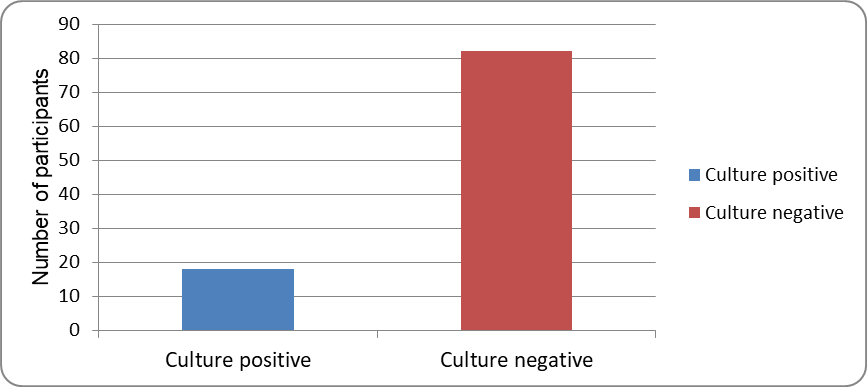
Figure 1. Prevalence of Asymptomatic Bacteriuria
Demographic and obstetric characteristics
The demographic and obstetric characteristics of the study population are presented in Table 2. Among women with ASB, the mean age was 28.4 ± 4.8 years, compared with 26.1 ± 4.5 years among culture-negative participants. The difference in mean age was statistically significant (p=0.048). When participants were categorized according to age, women aged >30 years constituted 44.4% of the ASB-positive group compared with 22.0% of the ASB-negative group.
With regard to gravidity, 13 (72.2%) ASB-positive women were multigravida, compared with 38 (46.3%) women in the culture-negative group, while primigravida women constituted 27.8% and 53.7%, respectively. This difference was statistically significant (p=0.049).
Table 2. Demographic and obstetric characteristics of study participants
|
Variable |
ASB positive (n=18) |
ASB negative (n=82) |
Total (N=100) |
p-value |
|
|
Age (Year) |
≤20 years |
1 (5.6%) |
12 (14.6%) |
13 (13.0%) |
0.040 |
|
21–30 years |
9 (50.0%) |
52 (63.4%) |
61 (61.0%) |
||
|
>30 years |
8 (44.4%) |
18 (22.0%) |
26 (26.0%) |
||
|
mean ± SD |
28.4 ± 4.8 |
26.1 ± 4.5 |
26.5 ± 4.6 |
0.048 |
|
|
Gravida |
Primigravida |
5 (27.8%) |
44 (53.7%) |
49 (49.0%) |
0.049 |
|
Multigravida |
13 (72.2%) |
38 (46.3%) |
51 (51.0%) |
||
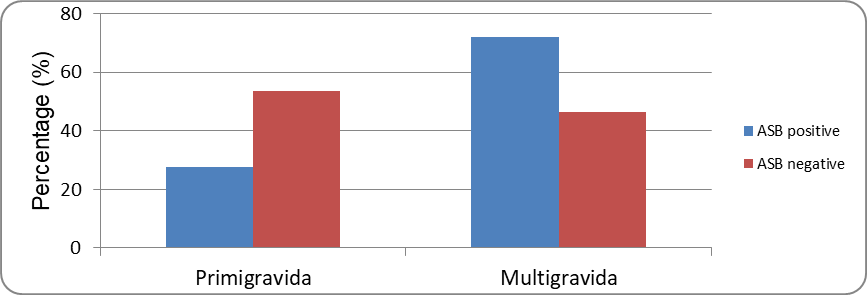
Figure 2. Age Distribution According to ASB Status
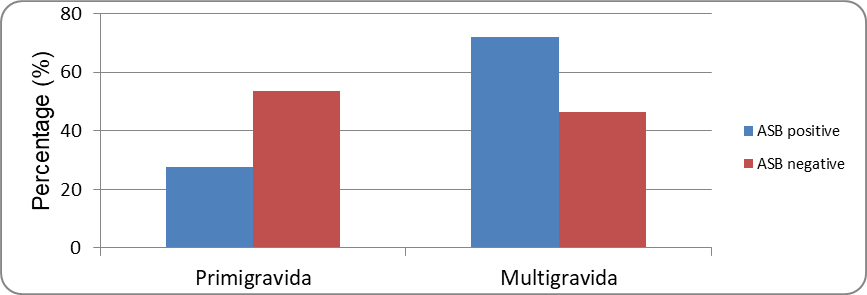
Figure 3. Gravidity Distribution According to ASB Status
Trimester-wise distribution
The trimester-wise distribution of ASB is presented in Table 3. Of the 18 women with culture-confirmed ASB, 4 (22.2%) were in the first trimester, 7 (38.9%) were in the second trimester and 7 (38.9%) were in the third trimester. When the total number of women screened in each trimester was considered, ASB prevalence was 11.4% in the first trimester, 21.9% in the second trimester and 21.2% in the third trimester. The difference in prevalence across the three trimesters was not statistically significant (p=0.352).
Table 3: Trimester-wise Distribution of ASB
|
Trimester |
ASB +ve |
ASB -ve |
Total |
ASB prevalence |
p-value |
|
First |
4 |
31 |
35 |
11.4% |
|
|
Second |
7 |
25 |
32 |
21.9% |
|
|
Third |
7 |
26 |
33 |
21.2% |
|
|
Total |
18 |
82 |
100 |
18.0% |
0.352 |
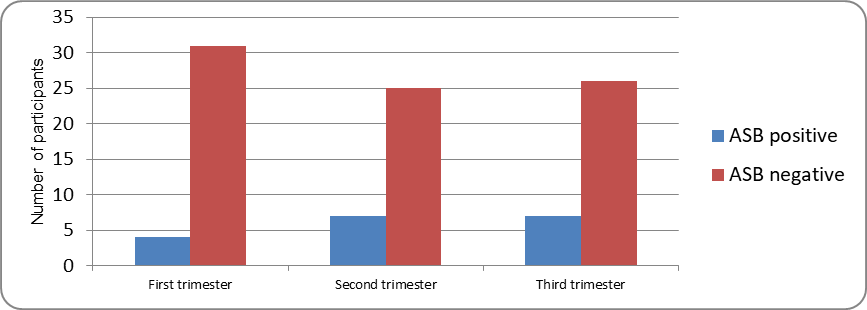
Figure 4. Trimester-wise Distribution of ASB
Bacterial profile
The bacterial profile of the 18 culture-positive urine specimens is shown in Table 4. Escherichia coli was the predominant bacterial isolate, accounting for 10 (55.6%) cases. This was followed by Klebsiella pneumoniae in 4 (22.2%) cases. Staphylococcus saprophyticus and Enterococcus faecalis were each isolated in 2 (11.1%) cases. Overall, Gram-negative organisms accounted for 14 (77.8%) isolates, whereas Gram-positive organisms constituted 4 (22.2%) isolates.
Table 4. Bacterial profile among ASB-positive women
|
Organism |
Number (n=18) |
Percentage |
|
Escherichia coli |
10 |
55.6% |
|
Klebsiella pneumoniae |
4 |
22.2% |
|
Staphylococcus saprophyticus |
2 |
11.1% |
|
Enterococcus faecalis |
2 |
11.1% |
|
Total |
18 |
100.0% |
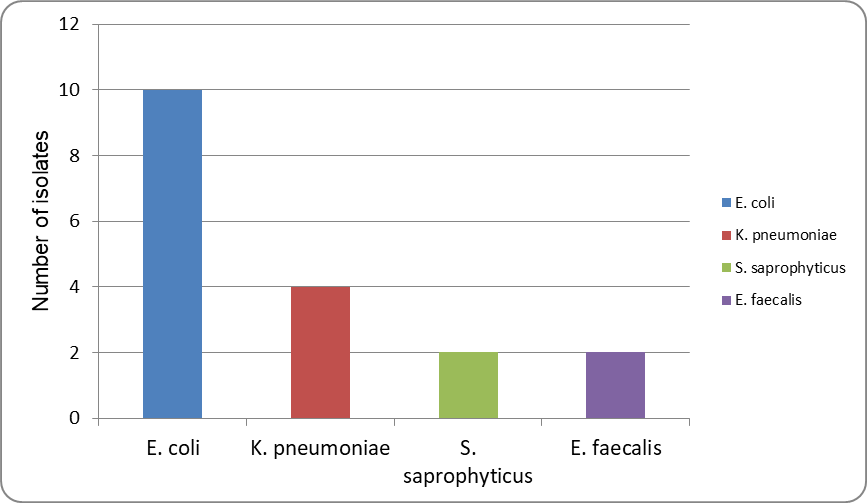
Figure 5. Bacterial Profile Among ASB-positive Women
Antimicrobial susceptibility pattern
The overall antimicrobial susceptibility pattern is presented in Table 5. Among the tested antibiotics, nitrofurantoin demonstrated the highest susceptibility, with 16 of 18 isolates (88.9%) showing sensitivity. Fosfomycin demonstrated sensitivity in 15 (83.3%) isolates, followed by cefixime in 13 (72.2%) and amoxicillin-clavulanate in 12 (66.7%) isolates. Ciprofloxacin showed comparatively lower susceptibility, with 10 (55.6%) isolates being sensitive.
Ampicillin demonstrated the lowest susceptibility, with only 5 (27.8%) isolates sensitive and 13 (72.2%) resistant. Thus, resistance to ampicillin was substantially higher than that observed for the other antimicrobials evaluated.
Table 5: Overall antimicrobial susceptibility pattern
|
Antibiotic |
Sensitive |
Resistant |
|
Nitrofurantoin |
16 (88.9%) |
2 (11.1%) |
|
Fosfomycin |
15 (83.3%) |
3 (16.7%) |
|
Cefixime |
13 (72.2%) |
5 (27.8%) |
|
Amoxicillin-clavulanate |
12 (66.7%) |
6 (33.3%) |
|
Ciprofloxacin |
10 (55.6%) |
8 (44.4%) |
|
Ampicillin |
5 (27.8%) |
13 (72.2%) |
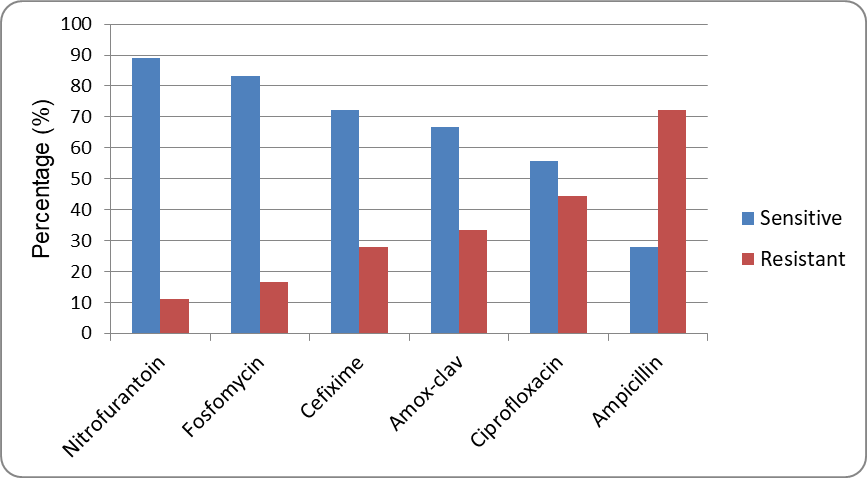
Figure 6. Overall Antimicrobial Susceptibility Pattern
Organism-specific susceptibility
The organism-wise antimicrobial susceptibility pattern is presented in Table 7. Among the 10 E. coli isolates, all 10 (100%) demonstrated sensitivity to nitrofurantoin, while 9 (90%) were sensitive to fosfomycin. Sensitivity to cefixime and amoxicillin-clavulanate was observed in 8 (80%) and 7 (70%) isolates, respectively. Six (60%) isolates were sensitive to ciprofloxacin, whereas only 3 (30%) were sensitive to ampicillin.
Among the four K. pneumoniae isolates, susceptibility was observed in 3 (75%) isolates each for nitrofurantoin, fosfomycin, cefixime and amoxicillin-clavulanate. Two (50%) isolates were sensitive to ciprofloxacin and one (25%) to ampicillin. Both S. saprophyticus isolates were sensitive to nitrofurantoin and fosfomycin, whereas one isolate each was sensitive to cefixime, amoxicillin-clavulanate and ciprofloxacin. The two E. faecalis isolates showed sensitivity in one (50%) isolate for each of the tested antibiotics.
Table 6. Organism-wise antimicrobial susceptibility
|
Organism |
n |
Nitrofurantoin S |
Fosfomycin S |
Cefixime S |
Amoxiclav S |
Ciprofloxacin S |
Ampicillin S |
|
E. coli |
10 |
10 (100%) |
9 (90%) |
8 (80%) |
7 (70%) |
6 (60%) |
3 (30%) |
|
K. pneumoniae |
4 |
3 (75%) |
3 (75%) |
3 (75%) |
3 (75%) |
2 (50%) |
1 (25%) |
|
S.saprophyticus |
2 |
2 (100%) |
2 (100%) |
1 (50%) |
1 (50%) |
1 (50%) |
0 (0%) |
|
E. faecalis |
2 |
1 (50%) |
1 (50%) |
1 (50%) |
1 (50%) |
1 (50%) |
1 (50%) |
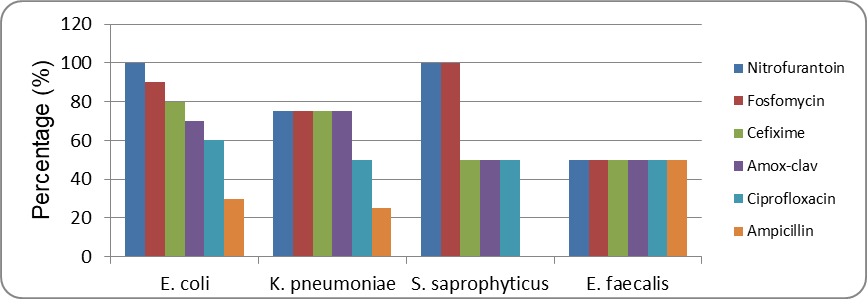
Figure 7. Organism-wise Antimicrobial Susceptibility
DISCUSSION:
Asymptomatic bacteriuria (ASB) during pregnancy is clinically important because untreated bacteriuria may progress to symptomatic urinary infection and pyelonephritis. In the present study, 18 of 100 pregnant women had significant bacteriuria, giving an overall prevalence of 18%. This finding is comparable with the 18.8% prevalence reported by Tadesse et al. in 244 pregnant women. ¹¹ in contrast, Lavanya and Jogalakshmi reported a lower prevalence of 8.4% among 500 antenatal women, ¹⁰ while Mukherjee et al. reported 8.4% among 250 pregnant women. ⁶ Differences may reflect variations in study population, geographic location, screening methods and local bacterial ecology.
In the present study, women with ASB had a mean age of 28.4 ± 4.8 years, compared with 26.1 ± 4.5 years among women without ASB, with a statistically significant difference (p=0.048). The proportion of women aged >30 years was also higher in the ASB group (44.4% vs. 22.0%). However, Tadesse et al. found no significant association between age and ASB (p=0.07). ¹¹
The present study also showed a higher proportion of multigravida women among ASB-positive participants (72.2% vs. 46.3%, p=0.049). This differs from observations by Lavanya and Jogalakshmi, who reported the highest culture positivity among primigravida (66.6%), ¹⁰ and Mukherjee et al., where primigravidas constituted 52.38% of ASB-positive women. ⁶
Regarding gestational age, ASB was detected in 4, 7 and 7 women during the first, second and third trimesters, respectively. The corresponding trimester-specific prevalence was 11.4%, 21.9% and 21.2%, with no statistically significant difference (p=0.352). Similarly, Tadesse et al. reported no significant association between trimester and ASB (p=0.27), although positivity was approximately 20% in both the second and third trimesters. ¹¹ Mukherjee et al. observed the highest proportion of ASB during the second trimester (42.86%). ⁶
Escherichia coli was the predominant organism in the present study, accounting for 55.6% of isolates, followed by Klebsiella pneumoniae (22.2%), Staphylococcus saprophyticus (11.1%) and Enterococcus faecalis (11.1%). The predominance of E. coli is consistent with Mukherjee et al., who reported E. coli in 57.14% of positive cultures. ⁶
In contrast, Tadesse et al. reported coagulase-negative Staphylococci as the commonest isolate (32.6%), followed by E. coli (26.1%), demonstrating geographic variation in the bacterial profile. ¹¹
The antibiotic susceptibility pattern demonstrated highest sensitivity to nitrofurantoin (88.9%) and fosfomycin (83.3%), followed by cefixime (72.2%) and amoxicillin-clavulanate (66.7%). Ampicillin showed the lowest sensitivity (27.8%) with 72.2% resistance. Tadesse et al. reported relatively low susceptibility to ampicillin (17.3%) and higher susceptibility to norfloxacin (64.7%) and gentamicin (47.1%). ¹¹ These differences emphasize the importance of local antimicrobial susceptibility surveillance before selecting empirical therapy.
The clinical importance of ASB is supported by Kazemier et al., who found pyelonephritis in 2.4% of untreated/placebo ASB-positive women compared with 0.6% of ASB-negative women (adjusted OR 3.9, 95% CI 1.4–11.4). ¹² Thus, although ASB may be clinically silent, identification and appropriate management remain relevant during pregnancy. Overall, the present study demonstrates a substantial burden of ASB and considerable antimicrobial resistance, particularly to ampicillin, while nitrofurantoin and fosfomycin showed comparatively favourable susceptibility patterns.
CONCLUSION:
Asymptomatic bacteriuria was identified in 18% of pregnant women in the present study, indicating a substantial burden in the study population. Escherichia coli was the predominant uropathogen (55.6%), followed by Klebsiella pneumoniae (22.2%), highlighting the predominance of Gram-negative organisms. The antimicrobial susceptibility pattern demonstrated the highest sensitivity to nitrofurantoin (88.9%) and fosfomycin (83.3%), whereas ampicillin showed considerable resistance (72.2%). These findings emphasize the importance of routine screening for ASB during pregnancy and the need for culture-guided antimicrobial therapy. Regular surveillance of local bacterial profiles and resistance patterns is essential for appropriate antibiotic selection and prevention of complications associated with untreated bacteriuria.
REFERENCES:
1. Nicolle L. E. (2014). Asymptomatic bacteriuria. Current opinion in infectious diseases, 27(1), 90–96. https://doi.org/10.1097/QCO.0000000000000019.
2. Schnarr, J. and Smaill, F. (2008), Asymptomatic bacteriuria and symptomatic urinary tract infections in pregnancy. European Journal of Clinical Investigation, 38: 50-57. https://doi.org/10.1111/j.1365-2362.2008.02009.x.
3. Delzell, J. E., Jr, & Lefevre, M. L. (2000). Urinary tract infections during pregnancy. American family physician, 61(3), 713–721. Urinary tract infections during pregnancy - PubMed
4. Smaill, F. M., & Vazquez, J. C. (2019). Antibiotics for asymptomatic bacteriuria in pregnancy. The Cochrane database of systematic reviews, 2019(11), CD000490. https://doi.org/10.1002/14651858.CD000490.pub4.
5. Henderson JT, Webber EM, Bean SI. Screening for Asymptomatic Bacteriuria in Adults: Updated Evidence Report and Systematic Review for the US Preventive Services Task Force. JAMA. 2019;322(12):1195–1205. doi:10.1001/jama.2019.10060.
6. Mukherjee, Kheya & Golia, Saroj & C L, Vasudha & Babita, Babita & Bhattacharjee, Debojyoti & Chakroborti, Goutam. (2014). A study on asymptomatic bacteriuria in pregnancy: prevalence, etiology and comparison of screening methods. International Journal of Research in Medical Sciences. 2. 1085. DOI:10.5455/2320-6012.ijrms20140886.
7. Flores-Mireles, A. L., Walker, J. N., Caparon, M., & Hultgren, S. J. (2015). Urinary tract infections: epidemiology, mechanisms of infection and treatment options. Nature reviews. Microbiology, 13(5), 269–284. https://doi.org/10.1038/nrmicro3432.
8. KASS E. H. (1960). Bacteriuria and pyelonephritis of pregnancy. Archives of internal medicine, 105, 194–198.
9. https://doi.org/10.1001/archinte.1960.00270140016003.
10. Clinical and Laboratory Standards Institute. Performance standards for antimicrobial susceptibility testing. CLSI; 2022.
11. Lavanya, S. V., & Jogalakshmi, D. (2002). Asymptomatic bacteriuria in antenatal women. Indian journal of medical microbiology, 20(2), 105–106.
12. Tadesse, E., Teshome, M., Merid, Y., Kibret, B., & Shimelis, T. (2014). Asymptomatic urinary tract infection among pregnant women attending the antenatal clinic of Hawassa Referral Hospital, Southern Ethiopia. BMC research notes, 7, 155. https://doi.org/10.1186/1756-0500-7-155.
13. Kazemier, B. M., Koningstein, F. N., Schneeberger, C., Ott, A., Bossuyt, P. M., de Miranda, E., Vogelvang, T. E., Verhoeven, C. J., Langenveld, J., Woiski, M., Oudijk, M. A., van der Ven, J. E., Vlegels, M. T., Kuiper, P. N., Feiertag, N., Pajkrt, E., de Groot, C. J., Mol, B. W., & Geerlings, S. E. (2015). Maternal and neonatal consequences of treated and untreated asymptomatic bacteriuria in pregnancy: a prospective cohort study with an embedded randomised controlled trial. The Lancet. Infectious diseases, 15(11), 1324–1333. https://doi.org/10.1016/S1473-3099(15)00070-5.
14. Gupta, Kalpana & Hooton, Thomas & Naber, Kurt & Wullt, Björn & Colgan, Richard & Miller, Loren & Moran, Gregory & Nicolle, Lindsay & Raz, Raul & Schaeffer, Anthony & Soper, David. (2011). International Clinical Practice Guidelines for the Treatment of Acute Uncomplicated Cystitis and Pyelonephritis in Women: A 2010 Update by the Infectious Diseases Society of America and the European Society for Microbiology and Infectious Diseases. Clinical infectious diseases: an official publication of the Infectious Diseases Society of America. 52. e103-20.DOI:10.1093/cid/ciq257