Clinical Profile And Predictors Of Acute Kidney Injury In Patients Hospitalized With Sepsis
- Dr. Dipankar Roy , Assistant Professor, MD (General Medicine), Department of General Medicine, IIMSAR, Haldia, Purba Medinipur, West Bengal, India.
- Dr. Deepanwita Roy , Senior Resident, MD, General Medicine, Department of General Medicine, IIMSAR, Haldia, Purba Medinipur, West Bengal, India.
Article Information:
Abstract:
Background: Sepsis is a major cause of morbidity and mortality among hospitalized patients and is frequently complicated by acute kidney injury (AKI). Sepsis-associated AKI is associated with increased disease severity, prolonged hospitalization, greater requirement for organ support, and increased mortality. Early identification of patients at risk may facilitate timely intervention and improve outcomes. Aims: To assess the clinical profile and determine the predictors of acute kidney injury among patients hospitalized with sepsis and to evaluate its association with clinical outcomes. Materials and methods: A prospective observational study was conducted in the Department of General Medicine, Tertiary Care Hospital, West Bengal, and India. over a period of 18 months. A total of 120 adult patients with sepsis were included. Demographic characteristics, comorbidities, clinical parameters, laboratory investigations, treatment requirements, and outcomes were recorded. AKI was diagnosed and staged according to KDIGO criteria. Appropriate statistical tests were used to assess associations, with p<0.05 considered statistically significant. Result: AKI developed in 66 (55.0%) patients, while 54 (45.0%) did not develop AKI. Among AKI patients, 30 (45.5%) had Stage 1, 20 (30.3%) Stage 2, and 16 (24.2%) Stage 3 AKI. Significant associations were observed with age >60 years (54.5% vs. 31.5%, p=0.012), diabetes mellitus (42.4% vs. 20.4%, p=0.010), septic shock (48.5% vs. 18.5%, p<0.001), vasopressor use (53.0% vs. 22.2%, p<0.001), and mechanical ventilation (37.9% vs. 11.1%, p=0.001). In-hospital mortality was higher in patients with AKI (28.8% vs. 13.0%, p=0.039). Conclusion: AKI was common among patients with sepsis and was associated with greater disease severity and adverse clinical outcomes. Early recognition and close monitoring of high-risk patients may improve management and outcomes.
Keywords:
Article :
INTRODUCTION:
Sepsis is a life-threatening clinical syndrome characterized by organ dysfunction resulting from a dysregulated host response to infection. It remains one of the major causes of morbidity, mortality, prolonged hospitalization, and increased healthcare utilization worldwide. The clinical severity of sepsis varies considerably among hospitalized patients, depending on the source of infection, underlying comorbidities, severity of organ dysfunction, and the development of complications during hospitalization. The current clinical definition emphasizes infection-associated organ dysfunction rather than infection alone, with an increase in the Sequential Organ Failure Assessment (SOFA) score being an important indicator of clinically significant organ dysfunction [1]. The development of organ dysfunction is therefore central to the prognosis and outcome of patients with sepsis.
Among the various organs affected during sepsis, the kidneys are particularly vulnerable. Acute kidney injury (AKI) is one of the most frequent and clinically important complications occurring in patients with severe infection and sepsis. AKI is characterized by an acute deterioration in kidney function, manifested by an increase in serum creatinine, reduction in urine output, or both. The Kidney Disease: Improving Global Outcomes (KDIGO) criteria provide a standardized approach for diagnosing and staging AKI based on changes in serum creatinine and urine output [2]. Standardized definitions are important because even relatively small changes in kidney function may have considerable implications for patient outcomes.
AKI is common among critically ill hospitalized patients. Large multicentre studies have demonstrated that AKI affects a substantial proportion of patients admitted to intensive care, and increasing severity of AKI is associated with progressively higher mortality [3]. Sepsis represents one of the most important precipitating conditions for AKI in critically ill patients. Sepsis-associated AKI may occur early during hospitalization and can progress rapidly, particularly in patients with hemodynamic instability, septic shock, multiple organ dysfunction, or pre-existing comorbidities [4]. The occurrence of AKI in the setting of sepsis therefore represents an important marker of disease severity and may substantially influence the subsequent clinical course.
The pathogenesis of sepsis-associated AKI is complex and multifactorial. Although renal hypoperfusion and systemic hypotension may contribute to kidney injury, sepsis-associated AKI cannot be explained solely by reduced renal blood flow. Alterations in renal microcirculation, endothelial dysfunction, inflammatory responses, cellular injury, mitochondrial dysfunction, tubular stress, and metabolic disturbances may all contribute to deterioration in renal function [5]. In addition, exposure to nephrotoxic medications, contrast agents, fluid imbalance, vasopressor therapy, mechanical ventilation, and other interventions commonly used in critically ill patients may further increase the risk of AKI. This complex interaction between sepsis-related physiological abnormalities and patient-related factors makes early identification of patients at increased risk particularly important.
Several demographic and clinical characteristics have been associated with the development of AKI in patients with sepsis. Increasing age, diabetes mellitus, hypertension, pre-existing kidney dysfunction, cardiovascular disease, abdominal infection, septic shock, hypotension, and greater severity of illness have been reported as important risk factors. Treatment-related factors such as vasopressor use and mechanical ventilation may also be associated with the occurrence of AKI, although these factors can simultaneously reflect the underlying severity of sepsis [6]. Identification of such predictors may help clinicians recognize vulnerable patients at an early stage and facilitate closer monitoring of renal function and urine output.
The clinical consequences of sepsis-associated AKI are substantial. Patients who develop AKI frequently experience longer hospital and intensive care stays, greater requirements for organ support, and increased risk of mortality compared with patients without AKI. The severity of AKI is also clinically relevant, as higher KDIGO stages have been associated with progressively poorer outcomes [3,7]. Severe AKI may require renal replacement therapy, which introduces additional complexity into the management of critically ill patients. Furthermore, even when renal function improves during the acute illness, patients who experience AKI may remain at increased risk of persistent renal dysfunction and subsequent adverse kidney outcomes.
Early recognition of AKI in patients hospitalized with sepsis is therefore an important component of comprehensive clinical management. However, serum creatinine may not rise immediately following kidney injury, and its concentration can be influenced by factors such as fluid balance, muscle mass, and the timing of measurement. Consequently, continuous assessment of clinical condition, urine output, hemodynamic parameters, biochemical variables, and associated organ dysfunction remains essential. Identifying clinical predictors present at admission or during the early hospital course may allow better risk stratification and timely preventive or supportive measures [5,8].
Despite substantial evidence regarding sepsis-associated AKI, the clinical profile and predictors of AKI may vary according to patient characteristics, infection patterns, comorbidities, healthcare settings, and treatment practices. Evaluating these factors among hospitalized patients with sepsis can provide clinically relevant information regarding which patients are more likely to develop AKI and which characteristics are associated with adverse outcomes. Such information may assist in early recognition, appropriate monitoring, optimization of hemodynamic status, avoidance of preventable renal insults, and timely consideration of renal replacement therapy when clinically indicated.
The present study aims to evaluate the clinical profile and determine the predictors of acute kidney injury among patients hospitalized with sepsis. It also aims to assess the association of demographic, clinical, laboratory, and treatment-related factors with the development of AKI in this patient population.
MATERIALS AND METHODS:
Study design: Prospective observational study.
Place of study: Department of General Medicine, Tertiary Care Hospital, West Bengal, India.
Period of study: 18 months
Study Population: Adult patients aged ≥18 years who are hospitalized with clinically diagnosed sepsis in the Department of General Medicine during the study period. The study population will include patients meeting the predefined diagnostic criteria for sepsis at admission or developing sepsis during hospitalization and will be followed for the occurrence of acute kidney injury (AKI) during their hospital stay.
Sample size: 120 patients
Inclusion Criteria:
· Patients aged ≥18 years.
· Patients admitted to the Department of General Medicine with a clinical diagnosis of sepsis according to Sepsis-3 criteria.
· Patients who provide informed consent to participate in the study.
· Patients with adequate clinical and laboratory data available for assessment of renal function.
· Patients who can be followed for the development and staging of acute kidney injury during hospitalization.
Exclusion Criteria:
· Patients aged <18 years.
· Patients with known chronic kidney disease requiring maintenance dialysis.
· Patients who have undergone kidney transplantation.
· Patients with established AKI before the onset of the current septic illness.
· Patients with incomplete or inadequate clinical/laboratory records.
· Patients who refuse consent to participate in the study.
· Patients transferred to another hospital before adequate assessment of renal outcome.
Statistical Analysis: For statistical analysis, data were initially entered into a Microsoft Excel spreadsheet and then analyzed using SPSS (version 27.0; SPSS Inc., Chicago, IL, USA) and GraphPad Prism (version 5). Numerical variables were summarized using means and standard deviations, while Data were entered into Excel and analyzed using SPSS and GraphPad Prism. Numerical variables were summarized using means and standard deviations, while categorical variables were described with counts and percentages. Two-sample t-tests were used to compare independent groups, while paired t-tests accounted for correlations in paired data. Chi-square tests (including Fisher’s exact test for small sample sizes) were used for categorical data comparisons. P-values ≤ 0.05 were considered statistically significant.
RESULTS:
Table 1. Baseline demographic characteristics (N=120)
|
Variable |
n (%) |
|
Age 18–40 years |
24 (20.0) |
|
Age 41–60 years |
43 (35.8) |
|
Age >60 years |
53 (44.2) |
|
Male |
76 (63.3) |
|
Female |
44 (36.7) |
|
Diabetes mellitus |
39 (32.5) |
|
Hypertension |
45 (37.5) |
|
Cardiovascular disease |
21 (17.5) |
|
Chronic liver disease |
12 (10.0) |
Table 2. Clinical characteristics of study participants (N=120)
|
Variable |
n (%) |
|
Respiratory infection |
48 (40.0) |
|
Urinary infection |
27 (22.5) |
|
Abdominal infection |
24 (20.0) |
|
Septic shock |
42 (35.0) |
|
Hypotension |
51 (42.5) |
|
Vasopressor requirement |
47 (39.2) |
|
Mechanical ventilation |
31 (25.8) |
Table 3. Laboratory parameters at admission
|
Parameter |
Mean ± SD |
|
Hemoglobin (g/dL) |
10.8 ± 2.1 |
|
TLC (/mm³) |
14,820 ± 6,430 |
|
Platelet (/mm³) |
1,48,600 ± 62,400 |
|
Serum creatinine (mg/dL) |
1.72 ± 0.86 |
|
Serum urea (mg/dL) |
68.4 ± 32.7 |
|
CRP (mg/L) |
126.5 ± 74.8 |
|
Lactate (mmol/L) |
3.1 ± 1.8 |
Table 4. Incidence and severity of AKI (N=120)
|
AKI status |
n (%) |
|
No AKI |
54 (45.0) |
|
AKI |
66 (55.0) |
|
└ KDIGO Stage 1 |
30 (45.5) |
|
└ KDIGO Stage 2 |
20 (30.3) |
|
└ KDIGO Stage 3 |
16 (24.2) |
|
Renal replacement therapy |
12 (18.2) |
Table 5. Factors associated with development of AKI
|
Factor |
AKI n (%) |
No AKI n (%) |
p-value |
|
Age >60 years |
36 (54.5) |
17 (31.5) |
0.012 |
|
Diabetes mellitus |
28 (42.4) |
11 (20.4) |
0.01 |
|
Septic shock |
32 (48.5) |
10 (18.5) |
<0.001 |
|
Vasopressor use |
35 (53.0) |
12 (22.2) |
<0.001 |
|
Mechanical ventilation |
25 (37.9) |
6 (11.1) |
0.001 |
|
Oliguria |
29 (43.9) |
7 (13.0) |
<0.001 |
Table 6. Clinical outcomes according to AKI status
|
Outcome |
AKI (n=66) |
No AKI (n=54) |
p-value |
|
ICU admission |
42 (63.6) |
19 (35.2) |
0.002 |
|
RRT required |
12 (18.2) |
0 (0.0) |
<0.001 |
|
Hospital stay >10 days |
34 (51.5) |
17 (31.5) |
0.026 |
|
Renal recovery |
48 (72.7) |
— |
— |
|
In-hospital mortality |
19 (28.8) |
7 (13.0) |
0.039 |
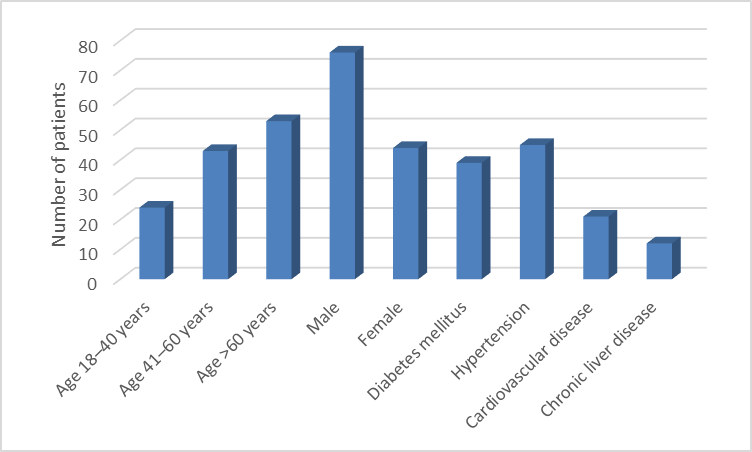
Figure 1. Baseline demographic characteristics
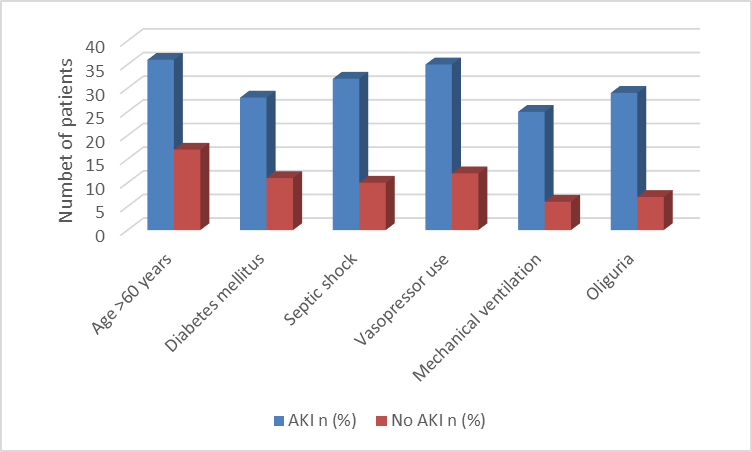
Figure 2. Factors associated with development of AKI
Table 1 shows the baseline demographic and clinical characteristics of the 120 study participants. Among the study population, 53 (44.2%) patients were aged >60 years, while 76 (63.3%) were males. Diabetes mellitus was present in 39 (32.5%) patients and hypertension in 45 (37.5%) patients. Cardiovascular disease was observed in 21 (17.5%) patients, whereas chronic liver disease was present in 12 (10.0%) patients. Thus, older age and male sex constituted a substantial proportion of the study population, with diabetes and hypertension being the most common comorbidities.
Table 2 presents the clinical characteristics of the study participants. Respiratory infection was the most common source of infection, occurring in 48 (40.0%) patients, followed by urinary infection in 27 (22.5%) and abdominal infection in 24 (20.0%) patients. Septic shock was present in 42 (35.0%) patients, while 51 (42.5%) had hypotension. Vasopressor support was required in 47 (39.2%) patients, and 31 (25.8%) patients required mechanical ventilation.
Table 3 describes the laboratory parameters of the study participants at admission. The mean hemoglobin level was 10.8 ± 2.1 g/dL, while the mean total leukocyte count was 14,820 ± 6,430/mm³. The mean platelet count was 1,48,600 ± 62,400/mm³. The mean serum creatinine and serum urea levels were 1.72 ± 0.86 mg/dL and 68.4 ± 32.7 mg/dL, respectively. The mean CRP level was 126.5 ± 74.8 mg/L, indicating a marked inflammatory response. The mean serum lactate level was 3.1 ± 1.8 mmol/L
Table 4 shows the incidence and severity of acute kidney injury among the 120 patients. AKI developed in 66 (55.0%) patients, whereas 54 (45.0%) patients did not develop AKI. Among the 66 patients with AKI, 30 (45.5%) had KDIGO Stage 1, 20 (30.3%) had Stage 2, and 16 (24.2%) had Stage 3 AKI. Renal replacement therapy was required in 12 (18.2%) patients with AKI.
Table 5 demonstrates the association between selected clinical factors and development of AKI. Among patients with AKI, 36 (54.5%) were aged >60 years compared with 17 (31.5%) among those without AKI, showing a statistically significant association (p=0.012). Diabetes mellitus was present in 28 (42.4%) patients with AKI compared with 11 (20.4%) without AKI (p=0.010). Septic shock was observed in 32 (48.5%) patients with AKI versus 10 (18.5%) without AKI (p<0.001). Vasopressor use was also significantly higher among patients with AKI, 35 (53.0%) compared with 12 (22.2%) (p<0.001). Mechanical ventilation was required in 25 (37.9%) patients with AKI compared with 6 (11.1%) without AKI (p=0.001). Similarly, oliguria was present in 29 (43.9%) patients with AKI compared with 7 (13.0%) without AKI (p<0.001).
Table 6 compares clinical outcomes between patients with and without AKI. ICU admission was required in 42 (63.6%) patients with AKI compared with 19 (35.2%) patients without AKI, showing a statistically significant difference (p=0.002). Renal replacement therapy was required in 12 (18.2%) patients with AKI, while none of the patients without AKI required it (p<0.001). A hospital stay of >10 days was observed in 34 (51.5%) patients with AKI compared with 17 (31.5%) patients without AKI (p=0.026). Among patients with AKI, renal recovery occurred in 48 (72.7%) patients. In-hospital mortality was higher among patients with AKI, occurring in 19 (28.8%) patients compared with 7 (13.0%) patients without AKI (p=0.039).
DISCUSSION:
In the present study, AKI developed in 66 (55.0%) of 120 patients hospitalized with sepsis, while 54 (45.0%) did not develop AKI. This finding is comparable with the multinational AKI-EPI study, which reported AKI in 57.3% of critically ill patients, and with a study by Suh et al., where AKI occurred in 57.7% of patients with sepsis and septic shock [9,10]. Other studies have reported somewhat higher incidences, which may be explained by differences in patient selection, severity of illness, ICU admission criteria, and AKI definitions [11,15]. In our study, 45.5% of AKI cases were KDIGO Stage 1, 30.3% were Stage 2, and 24.2% were Stage 3, indicating that a substantial proportion developed moderate-to-severe renal dysfunction
Older age and pre-existing comorbidities were important characteristics associated with AKI in our study. Patients aged >60 years constituted 54.5% of the AKI group compared with 31.5% of the non-AKI group (p=0.012). Diabetes mellitus was also significantly more common among patients with AKI (42.4% vs. 20.4%, p=0.010). These findings are consistent with previous studies reporting advanced age and diabetes as important risk factors for sepsis-associated AKI [11,12]. Hypertension was present in 47.0% of patients with AKI compared with 25.9% without AKI (p=0.018). Reduced renal reserve and underlying vascular or metabolic abnormalities in older patients and those with diabetes or hypertension may increase susceptibility to acute renal injury during sepsis.
Hemodynamic instability and severity of sepsis showed particularly strong associations with AKI. Septic shock occurred in 48.5% of patients with AKI compared with 18.5% without AKI (p<0.001), while hypotension was observed in 56.1% versus 25.9%, respectively (p<0.001). Vasopressor requirement was significantly higher in the AKI group (53.0% vs. 22.2%, p<0.001), and mechanical ventilation was required in 37.9% versus 11.1% (p=0.001). These findings are consistent with previous studies and meta-analyses identifying septic shock, hypotension, vasopressor use, and mechanical ventilation as important predictors of sepsis-associated AKI [10,12,14]. These factors may represent both the severity of systemic illness and the physiological disturbances contributing to renal hypoperfusion and kidney injury.
The development of AKI was also associated with poorer clinical outcomes. ICU admission was required in 63.6% of patients with AKI compared with 35.2% without AKI (p=0.002), while renal replacement therapy was required in 18.2% of patients with AKI. A hospital stay >10 days occurred in 51.5% of the AKI group compared with 31.5% of the non-AKI group (p=0.026). Renal recovery occurred in 72.7% of patients with AKI. Similar findings have been reported previously, with patients developing sepsis-associated AKI showing greater requirements for organ support and longer hospital or ICU stays [9,10,13]. The higher requirement for intensive care and renal replacement therapy in our study reflects the greater severity of illness associated with AKI.
In-hospital mortality was significantly higher among patients who developed AKI, occurring in 19 (28.8%) patients compared with 7 (13.0%) patients without AKI (p=0.039). This observation is consistent with previous evidence demonstrating that sepsis-associated AKI is an important predictor of mortality and that increasing AKI severity is associated with progressively poorer outcomes [9,11,13,15].
CONCLUSION:
Acute kidney injury was a frequent complication among patients hospitalized with sepsis, occurring in 55.0% of the study population. Older age, diabetes mellitus, septic shock, hypotension, vasopressor requirement, mechanical ventilation, and oliguria were significantly associated with the development of AKI. Patients with AKI also experienced greater ICU admission, longer hospital stay, increased requirement for renal replacement therapy, and higher in-hospital mortality compared with patients without AKI. These findings highlight the importance of early identification of patients at increased risk of renal dysfunction during sepsis. Regular monitoring of renal function, urine output, and hemodynamic status, together with timely correction of circulatory abnormalities and avoidance of preventable renal insults, may facilitate early intervention and potentially improve clinical outcomes. Early recognition and appropriate management of AKI should therefore remain an integral part of sepsis care.
REFERENCES:
1. Singer M, Deutschman CS, Seymour CW, Shankar-Hari M, Annane D, Bauer M, Bellomo R, Bernard GR, Chiche JD, Coopersmith CM, Hotchkiss RS. The third international consensus definitions for sepsis and septic shock (Sepsis-3). Jama. 2016 Feb 23;315(8):801-10.
2. John AK, Norbert L, Peter A, Rashad SB, Emmanuel AB, Stuart LG, Charles AH, Michael J, Andreas K, Andrew SL. Kidney disease: Improving global outcomes (KDIGO) acute kidney injury work group. KDIGO clinical practice guideline for acute kidney injury. Kidney Int. Suppl. 2012;2:1-38.
3. Hoste EA, Bagshaw SM, Bellomo R, Cely CM, Colman R, Cruz DN, Edipidis K, Forni LG, Gomersall CD, Govil D, Honoré PM. Epidemiology of acute kidney injury in critically ill patients: the multinational AKI-EPI study. Intensive care medicine. 2015 Aug;41(8):1411-23.
4. Peng Q, Zhang L, Ai Y, Zhang L. Epidemiology of acute kidney injury in intensive care septic patients based on the KDIGO guidelines. Chinese medical journal. 2014 May 20;127(10):1820-6.
5. Peerapornratana S, Manrique-Caballero CL, Gómez H, Kellum JA. Acute kidney injury from sepsis: current concepts, epidemiology, pathophysiology, prevention and treatment. Kidney international. 2019 Nov 1;96(5):1083-99.
6. Liu J, Xie H, Ye Z, Li F, Wang L. Rates, predictors, and mortality of sepsis-associated acute kidney injury: a systematic review and meta-analysis. BMC nephrology. 2020 Jul 31;21(1):318.
7. Shum HP, Kong HH, Chan KC, Yan WW, Chan TM. Septic acute kidney injury in critically ill patients–a single-center study on its incidence, clinical characteristics, and outcome predictors. Renal failure. 2016 May 27;38(5):706-16.
8. Hoste EA, Bagshaw SM, Bellomo R, Cely CM, Colman R, Cruz DN, Edipidis K, Forni LG, Gomersall CD, Govil D, Honoré PM. Epidemiology of acute kidney injury in critically ill patients: the multinational AKI-EPI study. Intensive care medicine. 2015 Aug;41(8):1411-23.
9. Suh SH, Kim CS, Choi JS, Bae EH, Ma SK, Kim SW. Acute kidney injury in patients with sepsis and septic shock: risk factors and clinical outcomes. Yonsei medical journal. 2013 May 14;54(4):965.
10. Medeiros P, Nga HS, Menezes P, Bridi R, Balbi AL, Ponce D. Acute kidney injury in septic patients admitted to emergency clinical room: risk factors and outcome. Clin Exp Nephrol. 2015;19(5):859-866.
11. Liu J, Xie H, Ye Z, Li F, Wang L. Rates, predictors, and mortality of sepsis-associated acute kidney injury: a systematic review and meta-analysis. BMC nephrology. 2020 Jul 31;21(1):318.
12. Shum HP, Kong HH, Chan KC, Yan WW, Chan TM. Septic acute kidney injury in critically ill patients–a single-center study on its incidence, clinical characteristics, and outcome predictors. Renal failure. 2016 May 27;38(5):706-16.
13. Tahir S, Ganie BA, Beigh TY, Hazar AJ, Reshi AR, Beig TY, Hazar Sr AJ. Clinico-etiological spectrum and outcome in patients with septic acute kidney injury and its comparison with non-septic acute kidney injury: a hospital-based prospective study conducted in a tertiary care hospital in North India. Cureus. 2023 Apr 19;15(4).
14. Donaldson LH, Vlok R, Sakurai K, Burrows M, McDonald G, Venkatesh K, Bagshaw SM, Bellomo R, Delaney A, Myburgh J, Hammond NE. Quantifying the impact of alternative definitions of sepsis-associated acute kidney injury on its incidence and outcomes: a systematic review and meta-analysis. Critical Care Medicine. 2024 Aug;52(8):1264-74.