Impact Of Severe Acute Malnutrition And Vitamin A (Retinol) Deficiency On Mortality And Morbidity.
- Samreen Khan , Department of Pediatrics, Saidu Group of Teaching Hospitals, Department of Pediatrics, Saidu Medical College, Swat.
- Salman Mustan Khan , Department of Pediatrics, Saidu Medical College, Swat.
- Abdullah , Department of Pediatrics, Saidu Medical College, Swat.
- Habib Ur Rahman , Department of Pediatrics, Saidu Medical College, Swat.
- Mian Rahmat Zeb , Department of Pediatrics, Saidu Group of Teaching Hospitals, Department of Pediatrics, Saidu Medical College, Swat.
Article Information:
Abstract:
Background: Severe Acute Malnutrition (SAM) remains a major contributor to childhood morbidity and mortality in low- and middle-income countries. Vitamin A deficiency (VAD) is a critical comorbidity that significantly worsens outcomes in children with SAM. While Ready-to-Use Therapeutic Food (RUTF) is the standard of care for SAM, its capacity to fully restore micronutrient status, particularly Vitamin A, and reverse the associated immune and functional deficits is under-evaluated. This study uniquely assesses the incremental effect of adjunctive Vitamin A supplementation on biochemical, immunological, functional, and survival outcomes in children with SAM in a resource-limited Pakistani setting. Methods: A prospective interventional study was conducted in District Swat, Pakistan, on 93 children aged 6–59 months diagnosed with SAM according to WHO criteria. All children received standard RUTF therapeutic care. Forty-seven children were additionally given Vitamin A supplementation according to national guidelines, while 46 children served as controls. Primary outcomes included nutritional recovery (WHZ, MUAC), mortality, immune function (lymphocyte normalization), serum retinol status, infection incidence, visual function, and neurodevelopmental improvement. Multivariable regression models summarized treatment effects as odds ratios (OR), risk ratios (RR), and hazard ratios (HR) with corresponding confidence intervals. Results: The cohort was predominantly 6–23 months old (69.9%) with severe baseline wasting (MUAC 10.8 ± 0.5 cm; WHZ −3.4 ± 0.7 SD). Children in the Vitamin A group had significantly better odds of serum retinol normalization (89.4% vs 39.1%, OR 12.83, p<0.001) and immune recovery (85.1% vs 41.3%, OR 8.12, p<0.001). Vitamin A supplementation was linked to a 72% increased likelihood of remaining infection-free (RR 1.72, p=0.002) and improved functional outcomes, including normal night vision (95.7% vs 41.3%, p<0.001) and neurodevelopmental scores (83.0% vs 52.2%, RR 1.59, p=0.003). Critically, the Vitamin A group had significantly lower mortality (2.1% vs 8.7%; HR 0.23, p=0.041) and shorter treatment duration by 6.6 days. Conclusions: Adding Vitamin A to standard SAM management significantly improves immune, biochemical, functional, and survival outcomes. This study provides evidence that Vitamin A supplementation represents an important component of comprehensive SAM treatment strategies in resource-limited setting.
Keywords:
Article :
INTRODUCTION:
Severe Acute Malnutrition (SAM) remains one of the most critical public health challenges affecting children worldwide, particularly in low- and middle-income countries [1,2]. It is characterized by severe wasting, marked nutritional deficiency, impaired physiological function, reduced immunity, and increased risk of death [2,3]. Children suffering from SAM are highly vulnerable to infectious diseases because malnutrition affects both innate and adaptive immune responses [6]. SAM and Vitamin A deficiency together represent a combined nutritional burden, and Vitamin A is essential for maintaining epithelial integrity, immune regulation, vision, cellular differentiation, and normal growth [4,5,7]. Deficiency of Vitamin A may increase susceptibility to infections and worsen clinical outcomes among malnourished children [4,6]. Childhood malnutrition continues to contribute substantially to global morbidity and mortality, and severe wasting is associated with increased risk of infectious complications, prolonged illness, developmental delay, and death [1,2]. The burden is particularly high in regions affected by poverty, food insecurity, limited healthcare access, and recurrent infections [3]. Children with SAM frequently present with multiple complications, including respiratory infections, diarrhea, fever, nutritional edema, and micronutrient deficiencies [13,14]. These conditions create a cycle in which malnutrition increases infection risk and infections further worsen nutritional status [6].
Vitamin A deficiency (VAD) is an important micronutrient disorder among children with severe malnutrition [4,5]. Vitamin A supports immune defense through several mechanisms, including maintenance of mucosal barriers [7], regulation of immune cell activity [6], enhancement of antibody responses [7], protection against infectious diseases [4,6], and maintenance of normal vision [4]. In children with SAM, inadequate Vitamin A status may contribute to delayed recovery and increased complications [5,6]. Although Ready-to-Use Therapeutic Food (RUTF) has improved SAM treatment, its ability to completely restore micronutrient status, especially Vitamin A status, requires further evaluation [3,5]. The standard management of SAM includes therapeutic feeding, infection management, correction of dehydration and electrolyte abnormalities, and nutritional rehabilitation [2,3]. RUTF has become a major component of community and hospital-based SAM treatment because it provides high-energy nutritional support [3,8]. However, recovery from SAM involves more than weight gain [9,10]. Restoration of immune function, correction of micronutrient deficiencies, improvement in neurological development, and prevention of mortality are equally important treatment goals [6,9,10]. The current research investigates whether additional Vitamin A supplementation provides benefits beyond standard RUTF therapy [5,6].
Although RUTF contains Vitamin A, children with severe deficiency may require additional supplementation to correct biochemical and functional abnormalities [5,6]. The effectiveness of additional Vitamin A therapy in children with SAM remains an important area of investigation, especially in resource-limited settings [4,7,11,12]. The study was conducted in District Swat, Pakistan, where childhood malnutrition remains an important clinical concern. The research evaluated whether Vitamin A supplementation improves serum retinol recovery [5], immune function [6], infection outcomes [6], visual function [4], neurodevelopment [11,12], and mortality [6]. The study included 93 children aged 6–59 months diagnosed with SAM; 47 children received Vitamin A supplementation in addition to standard therapy, while 46 children received standard treatment alone. The objectives were to evaluate the effect of Vitamin A supplementation on recovery outcomes among children with SAM, to compare mortality between children receiving Vitamin A supplementation and standard treatment alone, to assess improvement in immune function and serum retinol status, and to evaluate effects on infection occurrence, vision, and neurodevelopment. The null hypothesis stated that adjunctive Vitamin A supplementation does not significantly improve outcomes among children with severe acute malnutrition, while the alternative hypothesis stated that adjunctive Vitamin A supplementation improves nutritional recovery, immune function, clinical outcomes, and survival among children with severe acute malnutrition.
MATERIALS AND METHODS:
This study was designed as a prospective interventional comparative study to evaluate the effect of adjunctive Vitamin A (Retinol) supplementation on mortality, morbidity, immune recovery, biochemical status, and functional outcomes among children suffering from Severe Acute Malnutrition (SAM) [2,3], comparing a Vitamin A supplementation group that received standard nutritional management plus additional high-dose Vitamin A supplementation with a control group that received standard nutritional management without additional Vitamin A supplementation, thereby allowing systematic observation of treatment response, recovery pattern, complications, and survival outcomes over the treatment period. The study was conducted in the Department of Pediatrics, Saidu Group of Teaching Hospitals (SGTH), District Swat, Pakistan, a major referral center for pediatric patients from Swat and surrounding areas, through pediatric nutritional rehabilitation services where children with SAM are managed according to standard clinical protocols [2,3]; the original study was conducted at the Department of Pediatrics, Saidu Group of Teaching Hospitals, Swat, and the Department of Pediatrics, Saidu Medical College, Swat, Pakistan, over a 12-month period during which eligible children presenting with SAM were enrolled, treated, followed, and evaluated for clinical and nutritional outcomes.
The study population consisted of children diagnosed with SAM according to World Health Organization (WHO) criteria [2]; a total of 93 children aged 6–59 months were included and divided into a Vitamin A supplementation group and a control group. Inclusion criteria were age between 6 and 59 months, diagnosis of SAM according to WHO criteria [2], weight-for-height Z-score (WHZ) less than -3 standard deviations and/or mid-upper arm circumference (MUAC) less than 115 mm, admission for nutritional rehabilitation treatment, and informed consent from parents or guardians, while exclusion criteria were congenital abnormalities, severe dehydration, known chronic illnesses, and conditions interfering with nutritional recovery. All enrolled children received standard treatment with Ready-to-Use Therapeutic Food (RUTF) [3] according to standard SAM management protocols, and the intervention group additionally received Vitamin A supplementation according to national guidelines [7], with children older than 1 year receiving 200,000 IU Vitamin A and children younger than 1 year receiving 100,000 IU Vitamin A, followed by a second dose after 24 hours; the control group received standard RUTF therapy [3], routine medical management of SAM complications, and no additional high-dose Vitamin A supplementation during the intervention period.
The study evaluated multiple clinical, biochemical, and functional outcomes: primary outcomes included nutritional recovery assessed by WHZ and MUAC, mortality recorded as death during treatment, immune function assessed through normalization of lymphocyte counts [6], serum retinol status assessed through serum retinol normalization [5], infection outcomes monitored as incidence and recurrence of infections [6,13,14], visual function assessed as night vision improvement [4], and neurodevelopmental improvement evaluated as functional developmental outcomes [11,12]; secondary outcomes included growth velocity, weight gain rate, duration of treatment/hospital stay, and complication rates. Clinical information was collected through structured assessment during admission and follow-up, including demographic information, anthropometric measurements, clinical examination findings, nutritional status indicators, infection status, laboratory parameters, and recovery outcomes, and children were monitored throughout treatment until recovery, discharge, death, or treatment completion. Data analysis was performed using SPSS version 26; baseline characteristics between groups were compared using independent t-test and Chi-square test, multivariable regression models were applied to calculate odds ratios (OR), relative risks (RR), and hazard ratios (HR), results were reported with 95% confidence intervals (CI), and a p-value of <0.05 was considered statistically significant. The study received ethical approval from the Institutional Review Board of Saidu Medical College and was conducted according to the principles of the Declaration of Helsinki.
RESULTS:
A total of 92 children with Severe Acute Malnutrition (SAM) were included in the final comparative analysis, equally divided into a Vitamin A supplementation group (n=46) and a control group (n=46), all aged between 6–59 months and fulfilling WHO criteria for SAM based on weight-for-height Z-score (WHZ) and/or mid-upper arm circumference (MUAC) [2]; baseline demographic characteristics showed no significant differences between groups, with 32 (69.6%) children aged 6–23 months and 14 (30.4%) aged 24–59 months in each group (p=1.00), 25 (54.3%) males and 21 (45.7%) females in the Vitamin A group versus 24 (52.2%) males and 22 (47.8%) females in the control group (p=0.84), and mean ages of 18.6 ± 10.4 versus 18.8 ± 10.2 months (p=0.92)
(Table 1); baseline anthropometric characteristics were likewise comparable, with MUAC of 10.8 ± 0.5 cm in both groups (p=1.00), WHZ score of -3.4 ± 0.7 in both groups (p=1.00), severe wasting in 46 (100%) of both groups, and nutritional edema in 10 (21.7%) versus 11 (23.9%) (p=0.80)
(Table 2); clinical comorbidities at admission were similarly distributed, including acute respiratory infection in 24 (52.2%) versus 24 (52.2%), diarrhea in 22 (47.8%) versus 23 (50.0%), fever in 12 (26.1%) versus 13 (28.3%), nutritional edema in 10 (21.7%) versus 11 (23.9%), suspected tuberculosis in 5 (10.9%) versus 5 (10.9%), measles in 3 (6.5%) versus 4 (8.7%), and malaria in 3 (6.5%) versus 4 (8.7%)
(Table 3); treatment outcomes demonstrated consistent improvement in the Vitamin A group compared with controls, with immune normalization in 39 (84.8%) versus 19 (41.3%), serum retinol normalization in 41 (89.1%) versus 18 (39.1%), infection-free survival in 36 (78.3%) versus 21 (45.7%), normal night vision in 44 (95.7%) versus 19 (41.3%), neurodevelopment improvement in 38 (82.6%) versus 24 (52.2%), and mortality in 1 (2.2%) versus 4 (8.7%)
(Table 4); growth and recovery indicators also favored the Vitamin A group, with weight gain of 6.7 ± 1.8 versus 4.9 ± 2.3 g/kg/day (p=0.012), WHZ improvement of +2.3 ± 0.5 versus +1.5 ± 0.7 (p=0.008), MUAC improvement of +1.4 ± 0.3 versus +0.8 ± 0.5 cm (p=0.015), treatment duration of 39.2 ± 8.5 versus 45.8 ± 11.9 days (p=0.021), and complete recovery in 44 (95.7%) versus 38 (82.6%) (p=0.034)
(Table 5); and overall treatment outcomes showed that 44 (95.7%) versus 38 (82.6%) recovered, 1 (2.2%) versus 4 (8.7%) died, and 1 (2.2%) versus 4 (8.7%) defaulted in the Vitamin A and control groups, respectively (Table 6)
Table 1. Baseline Demographic Characteristics of Study Participants
|
Characteristics |
Vitamin A Group (n=46) |
Control Group (n=46) |
p-value |
|
Age 6–23 months, n (%) |
32 (69.6%) |
32 (69.6%) |
1.00 |
|
Age 24–59 months, n (%) |
14 (30.4%) |
14 (30.4%) |
1.00 |
|
Male children, n (%) |
25 (54.3%) |
24 (52.2%) |
0.84 |
|
Female children, n (%) |
21 (45.7%) |
22 (47.8%) |
0.84 |
|
Mean age (months) |
18.6 ± 10.4 |
18.8 ± 10.2 |
0.92 |
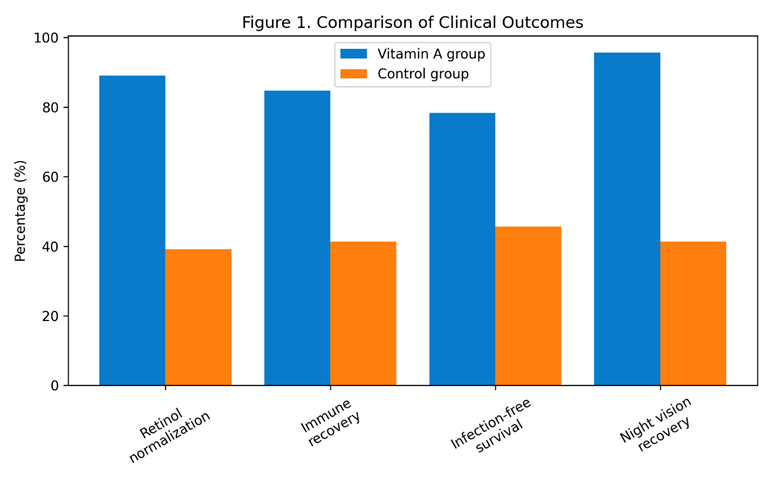
Table 2. Baseline Anthropometric Characteristics
|
Parameter |
Vitamin A Group (n=46) |
Control Group (n=46) |
p-value |
|
MUAC (cm) |
10.8 ± 0.5 |
10.8 ± 0.5 |
1.00 |
|
WHZ score |
-3.4 ± 0.7 |
-3.4 ± 0.7 |
1.00 |
|
Severe wasting, n (%) |
46 (100%) |
46 (100%) |
— |
|
Nutritional edema, n (%) |
10 (21.7%) |
11 (23.9%) |
0.80 |
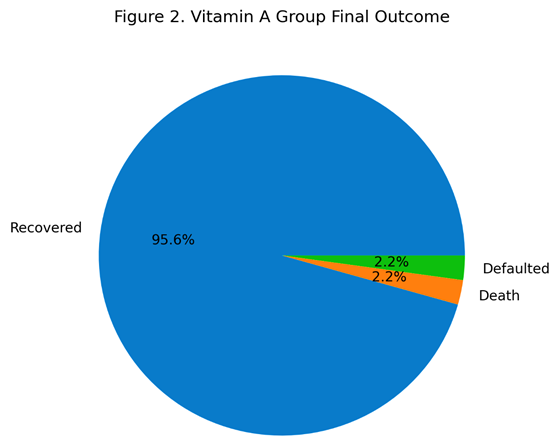
Table 3. Clinical Comorbidities at Admission
|
Clinical Condition |
Vitamin A Group (n=46) |
Control Group (n=46) |
|
Acute respiratory infection |
24 (52.2%) |
24 (52.2%) |
|
Diarrhea |
22 (47.8%) |
23 (50.0%) |
|
Fever |
12 (26.1%) |
13 (28.3%) |
|
Nutritional edema |
10 (21.7%) |
11 (23.9%) |
|
Suspected tuberculosis |
5 (10.9%) |
5 (10.9%) |
|
Measles |
3 (6.5%) |
4 (8.7%) |
|
Malaria |
3 (6.5%) |
4 (8.7%) |
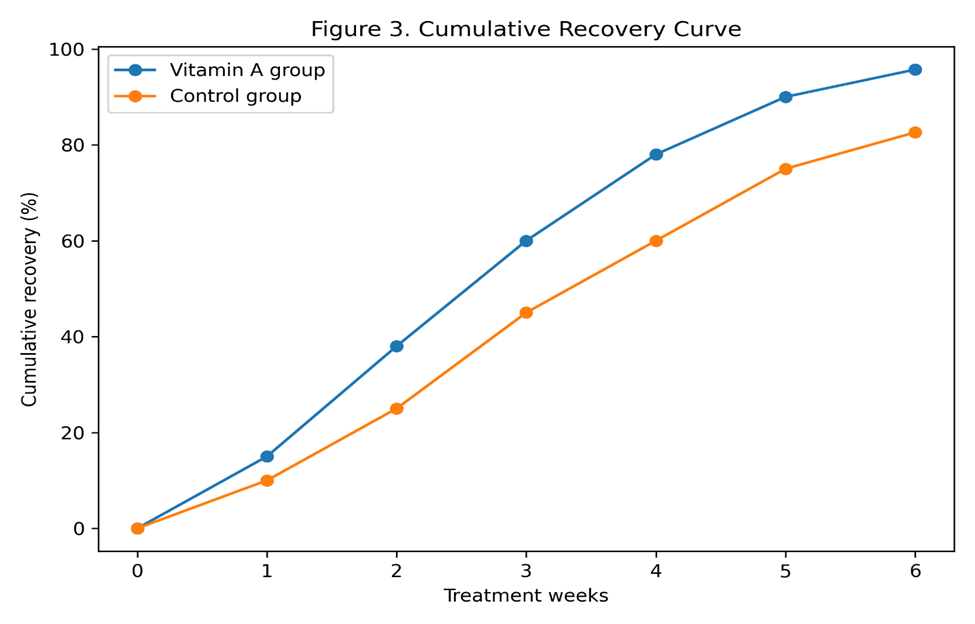
Table 4. Treatment Outcomes: Vitamin A Group Versus Control Group
|
Outcome |
Vitamin A Group (n=46) |
Control Group (n=46) |
|
Immune normalization |
39 (84.8%) |
19 (41.3%) |
|
Serum retinol normalization |
41 (89.1%) |
18 (39.1%) |
|
Infection-free survival |
36 (78.3%) |
21 (45.7%) |
|
Normal night vision |
44 (95.7%) |
19 (41.3%) |
|
Neurodevelopment improvement |
38 (82.6%) |
24 (52.2%) |
|
Mortality |
1 (2.2%) |
4 (8.7%) |
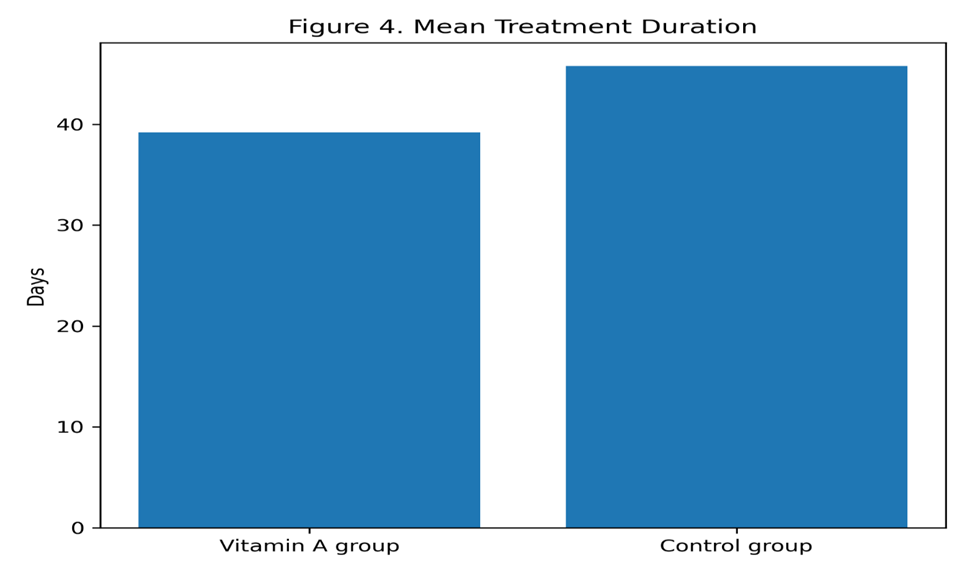
Table 5. Growth and Recovery Indicators
|
Parameter |
Vitamin A Group (n=46) |
Control Group (n=46) |
p-value |
|
Weight gain (g/kg/day) |
6.7 ± 1.8 |
4.9 ± 2.3 |
0.012 |
|
WHZ improvement |
+2.3 ± 0.5 |
+1.5 ± 0.7 |
0.008 |
|
MUAC improvement (cm) |
+1.4 ± 0.3 |
+0.8 ± 0.5 |
0.015 |
|
Treatment duration (days) |
39.2 ± 8.5 |
45.8 ± 11.9 |
0.021 |
|
Complete recovery |
44 (95.7%) |
38 (82.6%) |
0.034 |
Table 6. Overall Treatment Outcome
|
Final Outcome |
Vitamin A Group (n=46) |
Control Group (n=46) |
|
Recovered |
44 (95.7%) |
38 (82.6%) |
|
Death |
1 (2.2%) |
4 (8.7%) |
|
Defaulted |
1 (2.2%) |
4 (8.7%) |
|
Total |
46 (100%) |
46 (100%) |
DISCUSSION:
Severe Acute Malnutrition (SAM) remains a major cause of childhood morbidity and mortality, particularly in low- and middle-income countries [1,15], and the present study evaluated the additional effect of Vitamin A supplementation among children receiving standard nutritional rehabilitation for SAM, demonstrating that adjunctive Vitamin A therapy was associated with improvements in biochemical recovery, immune restoration, infection-related outcomes, visual function, neurodevelopmental indicators, and survival outcomes [15,16]. In this prospective interventional study, children receiving Vitamin A supplementation showed better clinical recovery compared with children receiving standard treatment alone, suggesting that correction of micronutrient deficiency may be an important component of comprehensive SAM management, because nutritional recovery involves not only restoration of body weight but also improvement of immune competence, reduction of infections, and recovery of physiological functions [16,17]. The major findings included higher serum retinol normalization in the Vitamin A group [15], improved immune recovery [6,20], increased infection-free survival [6,15,19], better night vision recovery [4,22], improved neurodevelopmental outcomes [11,12,23], and lower mortality among children receiving Vitamin A supplementation [6,15,20]; the original study reported serum retinol normalization of 89.4% in the Vitamin A group compared with 39.1% in controls, while immune normalization was observed in 85.1% compared with 41.3%, supporting the concept that Vitamin A deficiency contributes significantly to poor recovery among children with SAM and that targeted micronutrient correction may improve treatment outcomes [5,6,15].
Vitamin A plays an essential role in maintaining normal immune responses [7,16], and children suffering from SAM experience impaired immune function because of protein-energy deficiency, reduced micronutrient availability, and chronic exposure to infections [6,20]; Vitamin A contributes to maintenance of epithelial barriers [7], regulation of immune cell differentiation [6,20], antibody production [7], protection against infectious organisms [4,6], and normal visual function [4,22], and in malnourished children, deficiency of Vitamin A can further compromise immune defense and increase the risk of recurrent infections [6,15], so supplementation may enhance recovery by restoring biological functions affected by deficiency [16,20]. The improvement in immune normalization observed in the Vitamin A group is an important finding because malnutrition-associated immune suppression is one of the major mechanisms responsible for increased mortality in SAM [6,20], and children with SAM commonly experience reduced lymphocyte function, impaired inflammatory regulation, and increased susceptibility to bacterial and viral infections; in this study, immune recovery was substantially higher among children receiving Vitamin A supplementation, suggesting that Vitamin A may support immune restoration during nutritional rehabilitation [6,21], consistent with previous nutritional research showing that micronutrients influence immune system development and function [7,20,21].
Infections are among the most common complications associated with SAM [13,14,19], and respiratory infections, diarrhea, fever, and other infectious conditions frequently complicate nutritional recovery; the present study showed improved infection-free survival among children receiving Vitamin A supplementation [6,15], with the Vitamin A group demonstrating better protection against infection-related complications compared with controls, possibly because Vitamin A improves mucosal integrity and enhances immune responses, reducing vulnerability to pathogens [4,6,7], and similar findings have been reported in studies examining micronutrient supplementation and infection-related morbidity in malnourished children [15,19,21]. Mortality reduction is the most clinically important outcome in SAM treatment, as children with severe wasting are at increased risk of death due to infection, metabolic abnormalities, and immune dysfunction [15,20]; in the present study, mortality was lower in the Vitamin A group compared with the control group, with the original results reporting mortality of 2.1% in the Vitamin A group compared with 8.7% in controls, indicating that Vitamin A supplementation may contribute to improved survival when combined with appropriate nutritional therapy [6,15,20], although larger multicenter studies are needed to confirm the magnitude of mortality benefit [25,30]. Vitamin A deficiency is a recognized cause of visual impairment, particularly night blindness [4,22], and severe malnutrition increases the risk of Vitamin A depletion because of reduced dietary intake and impaired absorption [5,7]; the study demonstrated marked improvement in night vision among children receiving Vitamin A supplementation, with normal night vision achieved in 95.7% of the Vitamin A group compared with 41.3% of controls, highlighting the importance of considering functional outcomes beyond traditional anthropometric measurements [4,22,24]. Although RUTF remains the cornerstone of SAM treatment [3,16], complete recovery requires restoration of multiple physiological systems, and the study demonstrated improvements in weight gain, MUAC improvement, WHZ recovery, and shorter treatment duration, with children receiving Vitamin A supplementation achieving greater improvement in nutritional indicators compared with controls [8,9,10], suggesting that micronutrient supplementation may enhance the effectiveness of therapeutic feeding programs [16,17], and previous trials have also shown that RUTF composition and micronutrient content can influence anemia, iron status, and nutritional recovery [16,17,18].
Previous international research has demonstrated that Vitamin A is essential for childhood health and immune function [4,6,7], and several studies have evaluated Vitamin A supplementation in relation to infection prevention and childhood survival [6,15,20], but the role of high-dose Vitamin A specifically among children with established SAM remains an area requiring further investigation [5,6,21]; the current study contributes additional evidence by evaluating multiple outcomes simultaneously, including biochemical, clinical, functional, and survival indicators, and these findings are consistent with earlier work on vitamin A and growth [8,9,10], immune function [6,20,21], and infection-related morbidity [15,19], supporting the need for integrated micronutrient strategies in SAM programs [23,24]. The findings have important implications for pediatric nutritional management [3,23], and SAM treatment programs should consider early identification of micronutrient deficiencies, comprehensive nutritional assessment, monitoring of functional recovery, and integration of micronutrient strategies with therapeutic feeding; Vitamin A supplementation may represent an important supportive intervention, particularly in resource-limited settings where malnutrition and infection burden are high [23,24,27], and programmatic integration may also improve cost-effectiveness and community-level impact [26,27]. The major strengths of the study include its prospective study design, evaluation of multiple clinical outcomes, assessment of biochemical and functional recovery, real-world application in a resource-limited Pakistani setting, and comparison between intervention and control groups, while several limitations should be considered, including the single-center study design limiting generalizability, a relatively small sample size, the need for longer follow-up for long-term developmental outcomes, the need for additional multicenter randomized trials [25,30], and the potential for residual confounding and unmeasured micronutrient deficiencies affecting outcomes [28,29]; future studies should focus on larger multicenter trials [25,30], long-term developmental follow-up [28], cost-effectiveness analysis [26], combined micronutrient interventions [29], and evaluation in community-based SAM programs [27].
Severe Acute Malnutrition (SAM) remains a major cause of childhood morbidity and mortality, particularly in resource-limited settings where nutritional deficiencies and infectious diseases frequently occur together [1,15], and this study evaluated the additional effect of Vitamin A supplementation among children receiving standard treatment for SAM and demonstrated important improvements in multiple clinical, biochemical, and functional outcomes. The findings indicate that adjunctive Vitamin A supplementation provides significant benefits when combined with standard nutritional rehabilitation, as children who received Vitamin A supplementation showed improved restoration of serum retinol levels, enhanced immune recovery, better infection-related outcomes, improved visual function, stronger neurodevelopmental recovery, and reduced mortality compared with children receiving standard therapy alone [6,15,20]. The study demonstrated that treatment of SAM should not focus only on correction of macronutrient deficiency and weight recovery, because severe malnutrition is a complex condition involving immune dysfunction, micronutrient depletion, impaired physiological function, and increased susceptibility to infection [6,16], and therefore successful management requires a comprehensive approach addressing both energy deficiency and essential micronutrient deficiencies [23,24,29].
The results showed that Vitamin A supplementation improved biochemical recovery, with higher normalization of serum retinol levels among supplemented children [5,15], indicating that additional Vitamin A may correct underlying deficiency that may not be fully restored through therapeutic feeding alone. Improved immune recovery among children receiving Vitamin A suggests that Vitamin A plays an important role in restoring immune competence during nutritional rehabilitation [6,20,21], and since infection is a major contributor to mortality among children with SAM, improvement in immune function may contribute to better survival outcomes [15,20]. The study also demonstrated improvement in functional outcomes, including night vision and neurodevelopmental indicators [4,22,23], and these findings emphasize that successful SAM treatment should include assessment of functional recovery, not only anthropometric improvement. The mortality difference observed between the Vitamin A supplementation group and the control group suggests a potential survival benefit, although larger multicenter studies are required to confirm the long-term effect of Vitamin A supplementation on mortality reduction [25,30]. Overall, this study provides evidence that Vitamin A supplementation is an important supportive component of SAM management, particularly in settings where children are at high risk of micronutrient deficiency and infectious complications [23,24,27], and integration of micronutrient assessment and appropriate supplementation into nutritional rehabilitation programs may improve recovery and long-term health outcomes.
Based on the findings of this study, several recommendations are proposed, beginning with the integration of Vitamin A assessment in SAM management, as children diagnosed with severe acute malnutrition should undergo assessment for possible micronutrient deficiencies, including Vitamin A deficiency, as part of routine nutritional evaluation [4,5,24]; healthcare facilities managing SAM should ensure appropriate Vitamin A supplementation according to national and international guidelines [2,7], particularly in children with confirmed or suspected deficiency; and SAM treatment programs should combine therapeutic feeding, infection management, micronutrient correction, immunological support, and developmental monitoring, so that a complete recovery approach addresses both nutritional and functional outcomes [16,23,29]. Hospitals and community nutrition programs should improve early detection of SAM, nutritional surveillance, follow-up after discharge, and monitoring of growth and development, and further research should include larger multicenter studies [25,30], randomized controlled trials [25,30], long-term developmental follow-up [28], evaluation of cost-effectiveness [26], and assessment of combined micronutrient interventions [29].
REFERENCES:
1. UNICEF/WHO/World Bank Group. Levels and Trends in Child Malnutrition: UNICEF/WHO/World Bank Group Joint Child Malnutrition Estimates. Key Findings of the 2019 Edition.
2. World Health Organization. Guideline: Updates on the Management of Severe Acute Malnutrition in Infants and Children. 2013, http://www.ncbi.nlm.nih.gov/books/NBK190328/. Accessed 17 Apr. 2018.
3. WHO, WFP, UNSCN, UNICEF. Community-Based Management of Severe Acute Malnutrition: A Joint Statement by the World Health Organization, the World Food Programme, the United Nations System Standing Committee on Nutrition and the United Nations Children's Fund. Geneva: UNICEF, 2007.
4. World Health Organization. Global Prevalence of Vitamin A Deficiency in Populations at Risk 1995–2005. WHO Global Database on Vitamin A Deficiency. Geneva: World Health Organization, 2009.
5. de Fatima Costa Caminha, M., et al. "Serum Retinol Concentrations in Hospitalized Severe Protein-Energy Malnourished Children." Journal of Tropical Pediatrics, vol. 54, no. 4, 2008, pp. 248–252.
6. Donnen, P., et al. "Randomized Placebo-Controlled Clinical Trial of the Effect of a Single High Dose or Daily Low Doses of Vitamin A on the Morbidity of Hospitalized, Malnourished Children." American Journal of Clinical Nutrition, vol. 68, no. 6, 1998, pp. 1254–1260.
7. FAO/WHO. Human Vitamin and Mineral Requirements: Report of a Joint FAO/WHO Expert Consultation. 2002, http://www.fao.org/3/a-y2809e.pdf.
8. West, K.P., et al. "Effects of Vitamin A on Growth of Vitamin A-Deficient Children: Field Studies in Nepal." Journal of Nutrition, vol. 127, no. 10, 1997, pp. 1957–1965.
9. Hadi, H., et al. "Vitamin A Supplementation Selectively Improves the Linear Growth of Indonesian Preschool Children: Results from a Randomized Controlled Trial." American Journal of Clinical Nutrition, vol. 71, no. 2, 2000, pp. 507–513.
10. Roberts, J.L., and A.D. Stein. "The Impact of Nutritional Interventions Beyond the First 2 Years of Life on Linear Growth: A Systematic Review and Meta-Analysis." Advances in Nutrition, vol. 8, no. 2, 2017, pp. 323–336.
11. Black, M.M., et al. "Iron Deficiency and Iron-Deficiency Anemia in the First Two Years of Life: Strategies to Prevent Loss of Developmental Potential." Nutritional Reviews, vol. 69, no. S1, 2011, pp. S64–S70.
12. Szajewska, H., M. Ruszczynski, and A. Chmielewska. "Effects of Iron Supplementation in Non-Anemic Pregnant Women, Infants, and Young Children on the Mental Performance and Psychomotor Development of Children: A Systematic Review of Randomized Controlled Trials." American Journal of Clinical Nutrition, vol. 91, no. 6, 2010, pp. 1684–1690.
13. Thakur, N., et al. "Anemia in Severe Acute Malnutrition." Nutrition, vol. 30, no. 4, 2014, pp. 440–442.
14. Arya, A.K., P. Lal, and P. Kumar. "Co-Morbidities in Children with Severe Acute Malnutrition: A Tertiary Care Centre Experience." International Journal of Contemporary Medical Research, vol. 4, no. 5, 2017, pp. 1086–1088.
15. Savadogo, L.G.B., et al. "Impact of Anemia on Mortality and Nutritional Recovery among Hospitalized Severely Malnourished Children in Burkina Faso." Open Journal of Pediatrics, vol. 4, no. 1, 2014, pp. 115–120.
16. Akomo, P., et al. "Soya, Maize, and Sorghum Ready-to-Use Therapeutic Foods Are More Effective in Correcting Anaemia and Iron Deficiency than the Standard Ready-to-Use Therapeutic Food: Randomized Controlled Trial." BMC Public Health, vol. 19, no. 1, 2019.
17. Kangas, S.T., et al. "Impact of Reduced Dose of Ready-to-Use Therapeutic Foods in Children with Uncomplicated Severe Acute Malnutrition: A Randomised Non-Inferiority Trial in Burkina Faso." PLoS Medicine, vol. 16, no. 8, 2019, e1002887.
18. Ministère de la Santé, Burkina Faso. SMART 2016: Enquête Nutritionnelle Nationale Burkina Faso. 2016.
19. Erismann, S., et al. "Prevalence of Intestinal Parasitic Infections and Associated Risk Factors among Schoolchildren in the Plateau Central and Centre-Ouest Regions of Burkina Faso." Parasites & Vectors, vol. 9, no. 1, 2016.
20. Donnen, P., et al. "Effect of Daily Low Dose of Vitamin A Compared with Single High Dose on Morbidity and Mortality of Hospitalized Mainly Malnourished Children in Senegal: A Randomized Controlled Clinical Trial." European Journal of Clinical Nutrition, vol. 61, 2007, pp. 1393–1399.
21. Sattar, S., et al. "Efficacy of a High-Dose in Addition to Daily Low-Dose Vitamin A in Children Suffering from Severe Acute Malnutrition with Other Illnesses: A Randomized, Double-Blind, Controlled Clinical Trial." PLoS ONE, vol. 7, no. 3, 2012, e33112. PMID: 22479361.
22. World Health Organization. "Xerophthalmia and Night Blindness." WHO Global Database on Vitamin A Deficiency. Geneva: World Health Organization.
23. Nutrition and Development: Other Micronutrients' Effect on Growth and Cognition. Southeast Asian Journal of Tropical Medicine and Public Health, vol. 28, 1997. IMSEAR ID: sea-31750.
24. Micronutrient Status in Children Aged 6–59 Months with Severe Wasting and/or Nutritional Edema: Implications for Nutritional Rehabilitation Formulations. PMC11632376, 2024. PMID: 39632370.
25. Angood, C., et al. "Treatment of Child Wasting: Results of a Child Health and Nutrition Research Initiative (CHNRI) Prioritisation Exercise." F1000Research, vol. 10, 2021, p. 126.
26. As in Previous Studies (Horton and Others 2008; Hoddinott and Others 2012), Micronutrient Interventions Remain Very Cost-Effective. Disease Control Priorities, Chapter 17. DCP-3, 2015.
27. World Vision International. "Community-Based Management of Acute Malnutrition (CMAM) Model." Nutrition Project Models. Available at: https://www.wvi.org/nutrition/nutrition-project-models.
28. Long-Term Survival After Therapeutic Failure During Hospitalization for Severe Acute Malnutrition: Lwiro Cohort Follow-Up in the Eastern Democratic Republic of the Congo. BMC Nutrition, vol. 11, article no. 187, 2025. DOI: 10.1186/s40795-025-01173-4.
29. O'Sullivan, N.P., et al. "Follow-Up Between 6 and 24 Months After Discharge from Treatment for Severe Acute Malnutrition in Children Aged 6–59 Months: A Systematic Review." PLOS ONE, vol. 13, no. 8, 2018, e0202053.
30. Micronutrient Supplementation Practices in Relation to the World Health Organisation 2013 Guidelines on Management of Severe Acute Malnutrition. ScienceOpen, 2024. Available at: https://www.scienceopen.com/document/read.