Impact Of Anxiety On Dietary Habits And Its Association With Body Mass Index Among Medical Students.
- Dr. Janki Kachhadiya , MBBS, Department of Physiology, Institution GMERS Medical College Junagadh.
- Dr. Parthsinh Parmar , MBBS, Department of physiology, Institution gmers medical college Junagadh.
- Dr. Palak Dhingani , MBBS, Department of Physiology, Institution of GMERS Medical College & Hospital, Junagadh.
- Dr. Hitesh D. Makwana , Assistant professor, MBBS, MD, Department of Physiology, Institution of G.M.E.R.S. Medical College & Hospital, Junagadh, Gujarat.
- Dr. Dinesh parmar , Head of department of physiology, MBBS, MD, Department of Physiology, G.M.E.R.S. Medical College & Hospital, Junagadh, Gujarat..
Article Information:
Abstract:
Introduction: Anxiety is common among medical studentsand may adversely affect dietary habits, eating patterns, and nutritional status. Stress-related changes in food intake may contribute to abnormal BMI. Therefore, this study explores the relationship between anxiety, dietary habits, and BMI among medical students. Aims: This study assesses medical students' anxiety levels and dietary habits, examining the correlation of anxiety with both eating patterns and body mass index. Materials and methods: The present study was a Prospective, single centre, observational, open label study. This Study was conducted 12 months. Department of Physiology, A1 Medical College. Study population 300. Result: Among 300 medical students, 164 (54.7%) were female and 176 (58.7%) were >20 years. Normal anxiety was present in 108 (36.0%), mild in 104 (34.7%), and moderate in 68 (22.7%). Normal BMI occurred in 158 (52.7%). Anxiety and emotional eating were significantly associated with BMI (p=0.018 and p=0.006). Conclusion: Medical students' anxiety levels significantly influence their dietary habits, showing a direct association with body mass index. Addressing psychological well-being is essential for promoting healthier lifestyle behaviors and maintaining physical health in medical education.
Keywords:
Article :
INTRODUCTION:
Anxiety is one of the most prevalent psychological issues among university students, particularly those pursuing medical education. The rigorous academic demands, long study hours, frequent examinations, and pressure to excel often place medical studentsat higher risk of developing anxiety compared to their peers in other fields [1]. According to a meta-analysis, the global prevalence of anxiety among medical studentsis estimated at nearly 33.8%, significantly higher than the general population [2]. Such psychological distress not only affects mental health but also influences lifestyle behaviors, including dietary habits. Dietary habits play a central role in maintaining overall health, yet they are highly susceptible to modification under stress and anxiety. Students experiencing anxiety may adopt unhealthy eating patterns such as irregular meal timings, increased consumption of fast foods, or emotional eating of calorie-dense snacks [3,4]. Conversely, some may experience appetite suppression and inadequate nutrient intake, leading to undernutrition. Both extremes can significantly alter nutritional status and body mass index (BMI), an important indicator of health risk.
BMI, while primarily a physical measure of weight relative to height, is increasingly being linked to psychological well-being. Studies indicate that anxiety can contribute to both overweight and underweight profiles through its impact on eating behaviours [5,6]. In medical students, this association may be particularly pronounced, as their high stress levels and irregular lifestyles often exacerbate disordered eating patterns [7]. Understanding the interplay between anxiety, dietary habits, and BMI among medical studentsis crucial. These students represent future healthcare professionals, and their own health practices may influence their ability to counsel Medical studentseffectively. Moreover, early recognition of such associations could inform targeted interventions aimed at promoting both psychological resilience and healthy nutritional behaviours within this vulnerable population. The present study, therefore, aims to assess the impact of anxiety on dietary habits and to examine its association with BMI among medical students. By doing so, it seeks to contribute to the growing evidence on the psychosocial determinants of health behaviours in medical education.
MATERIALS AND METHODS:
Study design: Prospective, single centre, observational, open label study.
Place of study: Department of Physiology, Gmers medical college junagadh, gujrat.
Period of study: 12 months
Study Population: Undergraduate medical students
Sample size: 300 Medical Students
Inclusion Criteria:
· Subjects who are willing to participate and will give written consent.
· Subjects of either gender.
· Subject with anxiety and altered dietary habits.
· Normal healthy subjects with no medical illness.
Exclusion criteria:
· Subjects who are not willing to participate and will not give written consent.
· Chronic diseases (thyroid disorders, hypertension, diabetes, CKD).
· Depression/psychosis.
· Formally uneducated.
· Malignancy.
Study Variable:
· Anxiety level among medical students.
· Dietary habits and food preferences.
· Frequency of meals and snacking patterns.
· Body Mass Index (BMI).
· Association between anxiety, dietary habits, and BMI.
Statistical Analysis: For statistical analysis, data were initially entered into a Microsoft Excel spreadsheet and then analysed using SPSS (version 27.0; SPSS Inc., Chicago, IL, USA) and GraphPad Prism (version 5). Numerical variables were summarized using means and standard deviations, while Data were entered into Excel and analyzed using SPSS and GraphPad Prism. Numerical variables were summarized using means and standard deviations, while categorical variables were described with counts and percentages. Two-sample t-tests were used to compare independent groups, while paired t-tests accounted for correlations in paired data. Chi-square tests (including Fisher’s exact test for small sample sizes) were used for categorical data comparisons. P-values ≤ 0.05 were considered statistically significant.
RESULTS:
Table 1: Sociodemographic and clinical characteristics of medical students
|
Variable |
Category |
Frequency (n) |
Percentage (%) |
|
Age |
≤20 years |
124 |
41.3 |
|
>20 years |
176 |
58.7 |
|
|
Sex |
Male |
136 |
45.3 |
|
Female |
164 |
54.7 |
|
|
History of disease |
Yes |
24 |
8 |
|
No |
276 |
92 |
|
|
Family history of disease |
Yes |
72 |
24 |
|
No |
228 |
76 |
|
|
Current medication |
Yes |
36 |
12 |
|
No |
264 |
88 |
|
|
Smoking |
Yes |
28 |
9.3 |
|
No |
272 |
90.7 |
|
|
Alcohol use |
Yes |
42 |
14 |
|
No |
258 |
86 |
Table 2: Distribution of students according to anxiety level
|
Anxiety level |
Frequency (n) |
Percentage (%) |
|
Normal |
108 |
36 |
|
Mild anxiety |
104 |
34.7 |
|
Moderate anxiety |
68 |
22.7 |
|
Severe anxiety |
20 |
6.7 |
|
Total |
300 |
100 |
Table 3: Distribution of students according to emotional eating
|
Emotional eating level |
Frequency (n) |
Percentage (%) |
|
Low |
96 |
32.0 |
|
Moderate |
130 |
43.3 |
|
High |
74 |
24.7 |
|
Total |
300 |
100.0 |
Table 4: Distribution of students according to BMI
|
BMI category |
Frequency (n) |
Percentage (%) |
|
Underweight |
48 |
16 |
|
Normal weight |
158 |
52.7 |
|
Overweight |
64 |
21.3 |
|
Obese |
30 |
10 |
|
Total |
300 |
100 |
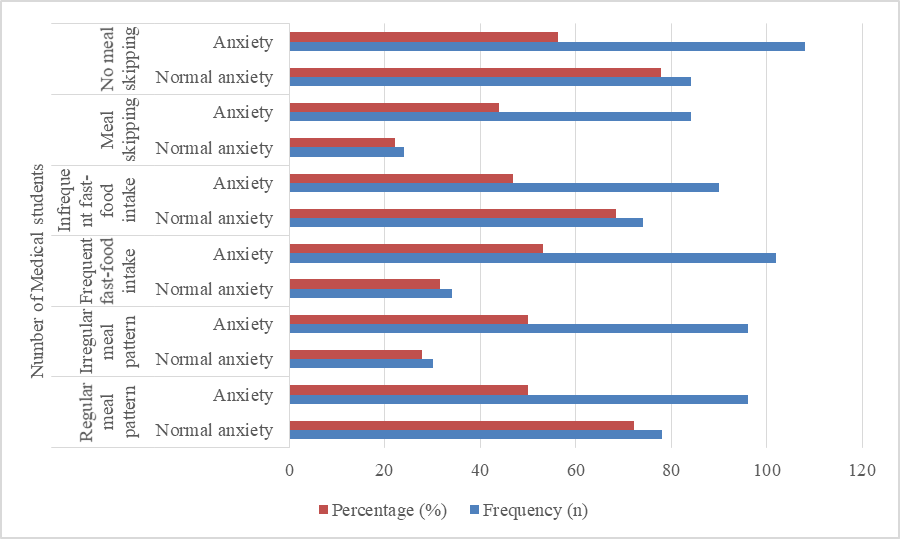
Figure 1: Association between anxiety and dietary habits
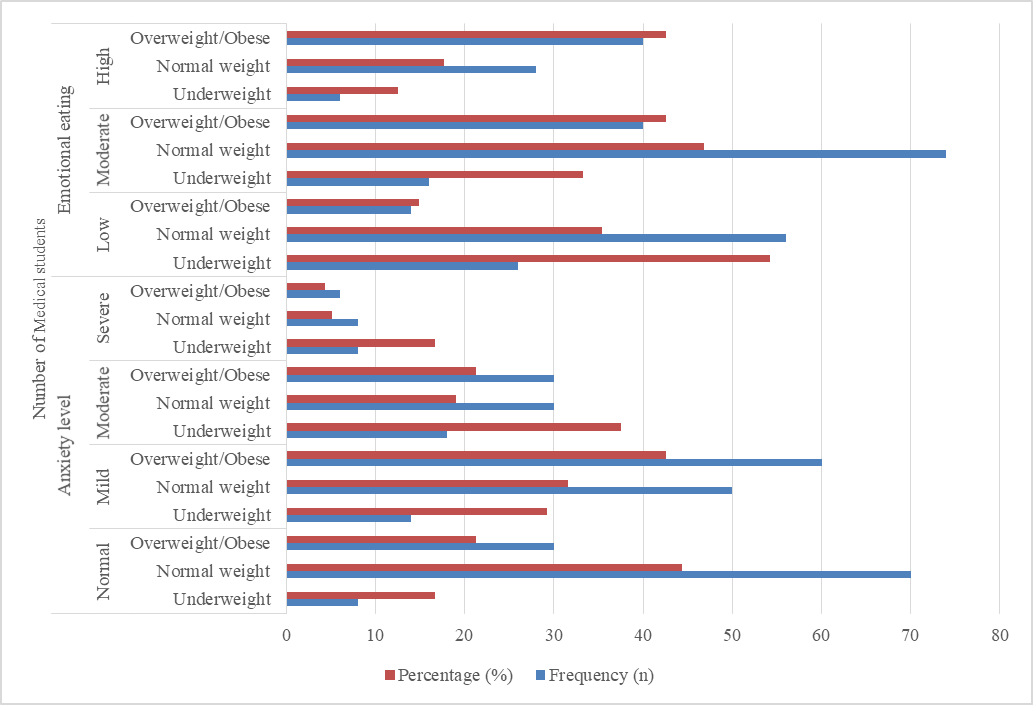
Figure 2: Association of anxiety and emotional eating with BMI
In the present study, 300 medical studentswere included. Regarding age, 124 Medical students (41.3%) were ≤20 years, while 176 Medical students (58.7%) were >20 years. Females constituted the majority, with 164 Medical students (54.7%), compared with 136 Medical students (45.3%) males. A history of disease was present in 24 Medical students (8.0%), while 276 Medical students (92.0%) had no history of disease. A family history of disease was reported by 72 Medical students (24.0%), whereas 228 Medical students (76.0%) had no such history. Current medication use was reported by 36 Medical students (12.0%), while 264 Medical students (88.0%) were not taking medication. Smoking was reported by 28 Medical students (9.3%), whereas 272 Medical students (90.7%) were non-smokers. Alcohol use was reported by 42 Medical students (14.0%), while 258 Medical students (86.0%) did not consume alcohol. [Table 1]
In the present study, 108 Medical students (36.0%) had normal anxiety levels. Mild anxiety was observed in 104 Medical students (34.7%), while 68 Medical students (22.7%) had moderate anxiety. Severe anxiety was present in 20 Medical students (6.7%). [Table 2]
In the present study, 96 Medical students (32.0%) had low emotional eating levels. Moderate emotional eating was observed among 130 Medical students (43.3%), while 74 Medical students (24.7%) had high emotional eating levels. [Table 3]
In the present study, 48 Medical students (16.0%) were underweighted, while 158 Medical students (52.7%) had normal weight. Overweight was observed among 64 Medical students (21.3%), and 30 Medical students (10.0%) were obese. [Table 4]
In the present study, a significant association was observed between anxiety status and dietary habits. Among Medical studentswith normal anxiety, 78 Medical students (72.2%) followed a regular meal pattern compared with 96 Medical students (50.0%) with anxiety (p=0.011). Irregular meal patterns were reported by 30 Medical students (27.8%) with normal anxiety and 96 Medical students (50.0%) with anxiety. Frequent fast-food intake was reported by 34 Medical students (31.5%) with normal anxiety and 102 Medical students (53.1%) with anxiety, showing a significant association (p=0.024). Infrequent fast-food intake was observed among 74 Medical students (68.5%) with normal anxiety and 90 Medical students (46.9%) with anxiety. Meal skipping was reported by 24 Medical students (22.2%) with normal anxiety and 84 Medical students (43.8%) with anxiety (p=0.009), while no meal skipping was reported by 84 Medical students(77.8%) with normal anxiety and 108 Medical students(56.3%) with anxiety. [Table 5]
A significant association was observed between anxiety level and BMI category. Among Medical students with normal anxiety, 8 Medical students (16.7%) were underweighted, 70 Medical students (44.3%) had normal weight, and 30 Medical students (21.3%) were overweight/obese. Among Medical students with mild anxiety, 14 Medical students (29.2%) were underweighted, 50 Medical students (31.6%) had normal weight, and 60 Medical students (42.6%) were overweight/obese. Among Medical students with moderate anxiety, 18 Medical students (37.5%) were underweighted, 30 Medical students (19.0%) had normal weight, and 30 Medical students (21.3%) were overweight/obese. Among Medical students with severe anxiety, 8 Medical students (16.7%) were underweighted, 8 Medical students (5.1%) had normal weight, and 6 Medical students (4.3%) were overweight/obese (p=0.018).
A significant association was also observed between emotional eating and BMI category. Among Medical students with low emotional eating, 26 Medical students (54.2%) were underweighted, 56 Medical students (35.4%) had normal weight, and 14 Medical students (14.9%) were overweight/obese. Among Medical students with moderate emotional eating, 16 Medical students (33.3%) were underweighted, 74 Medical students (46.8%) had normal weight, and 40 Medical students (42.6%) were overweight/obese. Among Medical students with high emotional eating, 6 Medical students (12.5%) were underweighted, 28 Medical students (17.7%) had normal weight, and 40 Medical students (42.6%) were overweight/obese (p=0.006). [Table 6]
DISCUSSION:
In the present study, 108 Medical students(36.0%) had normal anxiety levels, while 104 Medical students(34.7%) had mild anxiety, 68 Medical students(22.7%) had moderate anxiety, and 20 Medical students(6.7%) had severe anxiety. This indicates a considerable burden of anxiety among medical Medical Students, which may influence their dietary and lifestyle behaviours. Eslahi et al. [8] reported a relationship between dietary intake and anxiety among female medical Medical Students, highlighting the importance of dietary and psychological factors in this population.
In the present study, a significant association was observed between anxiety status and dietary habits. Regular meal patterns were reported by 78 Medical students(72.2%) with normal anxiety compared with 96 Medical students(50.0%) with anxiety, whereas irregular meal patterns were reported by 30 Medical students(27.8%) with normal anxiety and 96 Medical students(50.0%) with anxiety (p=0.011). Magni et al. [9] reported associations between eating attitudes, stress, anxiety, depression, and BMI among dietetic Medical Students, supporting the relationship between psychological factors and eating behaviour observed in the present study.
In the present study, frequent fast-food intake was reported by 34 Medical students(31.5%) with normal anxiety and 102 Medical students(53.1%) with anxiety (p=0.024). Meal skipping was also more common among Medical studentswith anxiety, being reported by 84 Medical students(43.8%) compared with 24 Medical students(22.2%) with normal anxiety (p=0.009). Saintila [10] reported an association between anxiety symptoms, BMI, dietary intake, and physical activity among nutrition Medical Students, supporting the relationship between psychological status and dietary behaviour.
In the present study, 96 Medical students(32.0%) had low emotional eating, 130 Medical students(43.3%) had moderate emotional eating, and 74 Medical students(24.7%) had high emotional eating. The predominance of moderate and high emotional eating suggests that emotional states may influence eating behaviour among medical Medical Students. Dakanalis et al. [11] reported that emotional eating was associated with anxiety, stress, depression, dietary patterns, and overweight/obesity, which is consistent with the findings of the present study.
In the present study, 48 Medical students(16.0%) were underweight, 158 Medical students(52.7%) had normal weight, 64 Medical students(21.3%) were overweight, and 30 Medical students(10.0%) were obese. Although normal weight was the predominant BMI category, 31.3% of Medical studentswere either overweight or obese. Valladares-Garrido et al. [12] reported a substantial burden of psychological problems among medical Medical Students, highlighting the importance of considering mental health alongside physical health and nutritional status.
In the present study, a significant association was observed between anxiety level and BMI category (p=0.018). Among Medical studentswith normal anxiety, 8 Medical students(16.7%) were underweight, 70 Medical students(44.3%) had normal weight, and 30 Medical students(21.3%) were overweight/obese. Among Medical studentswith mild anxiety, 14 Medical students(29.2%) were underweight, 50 Medical students(31.6%) had normal weight, and 60 Medical students(42.6%) were overweight/obese. Among Medical studentswith moderate anxiety, 18 Medical students(37.5%) were underweight, 30 Medical students(19.0%) had normal weight, and 30 Medical students(21.3%) were overweight/obese. Among Medical studentswith severe anxiety, 8 Medical students(16.7%) were underweight, 8 Medical students(5.1%) had normal weight, and 6 Medical students(4.3%) were overweight/obese. Armas et al. [13] reported that healthier dietary habits were associated with lower depression and anxiety among medical Medical Students, supporting the interrelationship between psychological status, dietary behaviour, and nutritional status.
In the present study, a significant association was also observed between emotional eating and BMI category (p=0.006). Among Medical studentswith low emotional eating, 26 Medical students(54.2%) were underweight, 56 Medical students(35.4%) had normal weight, and 14 Medical students(14.9%) were overweight/obese. Among Medical studentswith moderate emotional eating, 16 Medical students(33.3%) were underweight, 74 Medical students(46.8%) had normal weight, and 40 Medical students(42.6%) were overweight/obese. Among Medical studentswith high emotional eating, 6 Medical students(12.5%) were underweight, 28 Medical students(17.7%) had normal weight, and 40 Medical students(42.6%) were overweight/obese. Claudia et al. [14] reported a relationship between BMI, stress, eating habits, and physical activity among medical Medical Students, supporting the observed association between emotional and nutritional factors.
Overall, the present study demonstrated significant relationships between anxiety, dietary habits, emotional eating, and BMI among medical Medical Students. Anxiety was significantly associated with meal patterns, fast-food intake, and meal skipping, while anxiety and emotional eating were significantly associated with BMI. Nassaji-Jahromi et al. [15] reported associations between dietary insulin index and psychological symptoms including depression, anxiety, and stress among university Medical Students, further supporting the relationship between dietary and psychological factors.
The findings of the present study highlight the importance of addressing both psychological and dietary factors among medical Medical Students. The coexistence of anxiety, unhealthy dietary behaviours, emotional eating, and abnormal BMI suggests that these factors may interact and contribute to overall student health. Azhar NN et al. [16] also reported an association between mental health problems, BMI, and diet quality among university Medical Students, supporting the need for integrated psychological, nutritional, and lifestyle interventions in this population.
CONCLUSION:
The study concludes that anxiety may significantly influence dietary habits among medical Medical Students, potentially leading to irregular meals, unhealthy food choices, and altered eating patterns. These behaviours may contribute to variations in body mass index and nutritional status. Recognizing anxiety and its impact on lifestyle is important for promoting healthier eating practices. Regular psychological support, nutritional counselling, stress-management strategies, and health education may help medical Medical studentsmaintain better dietary habits and achieve healthier BMI, thereby supporting their overall physical and mental well-being.
REFERENCES:
1. Quek TT, Wai-San Tam W, Tran BX, Zhang M, Zhang Z, Ho CS, Ho RC. The global prevalence of anxiety among medical Medical Students: a meta-analysis. International journal of environmental research and public health. 2019 Jul 31;16(15):2735.
2. Puthran, R., Zhang, M. W. B., Tam, W. W., & Ho, R. C. (2016). Prevalence of depression amongst medical Medical Students: A meta-analysis. Medical Education, 50(4), 456–468.
3. Kandiah, J., Yake, M., Jones, J., & Meyer, M. (2006). Stress influences appetite and comfort food preferences in college women. Nutrition Research, 26(3), 118–123.
4. Al-Qahtani, M. H. (2019). Dietary habits of university Medical studentsin Saudi Arabia: The role of stress and anxiety. Journal of Public Health Research, 8(3), 181–188.
5. Torres, S. J., & Nowson, C. A. (2007). Relationship between stress, eating behavior, and obesity. Nutrition, 23(11–12), 887–894.
6. Wardle, J., Chida, Y., Gibson, E. L., Whitaker, K. L., & Steptoe, A. (2011). Stress and adiposity: A meta-analysis of longitudinal studies. Obesity, 19(4), 771–778.
7. Yousoff, M. S. B., Rahim, A. F. A., & Yaacob, M. J. (2013). Prevalence and sources of stress among medical Medical studentsin Universiti Sains Malaysia and relation to academic performance. Education Research, 4(2), 93–104.
8. Eslahi H, Shahraki M, Payandeh A, Masoumi SM, Shahraki S. The Relationship Between Dietary Intake and Anthropometric Indices Between Dietary Intake and Anthropometric Indices with Anxiety in Female Medical Medical Students. [2025]
9. Magni O, Detopoulou P, Fappa E, Perrea A, Levidi D, Dedes V, Tzoutzou M, Gioxari A, Panoutsopoulos G. Eating attitudes, stress, anxiety, and depression in dietetic Medical studentsand association with body mass index and body fat percent: a cross-sectional study. Diseases. 2024 May 20;12(5):108.
10. Saintila J. Anxiety and depression symptoms in relation to body mass index, fruit and vegetable intake, and physical activity among nutrition Medical studentsin Peru: a cross-sectional study. Frontiers in Nutrition. 2026 Jul 7;13:1833831.
11. Dakanalis A, Mentzelou M, Papadopoulou SK, Papandreou D, Spanoudaki M, Vasios GK, Pavlidou E, Mantzorou M, Giaginis C. The association of emotional eating with overweight/obesity, depression, anxiety/stress, and dietary patterns: a review of the current clinical evidence. Nutrients. 2023 Feb 26;15(5):1173.
12. Valladares-Garrido D, Quiroga-Castañeda PP, Berrios-Villegas I, Zila-Velasque JP, Anchay-Zuloeta C, Chumán-Sánchez M, Vera-Ponce VJ, Pereira-Victorio CJ, Failoc-Rojas VE, Díaz-Vélez C, Valladares-Garrido MJ. Depression, anxiety, and stress in medical Medical studentsin Peru: a cross-sectional study. Frontiers in psychiatry. 2023 Nov 28;14:1268872.
13. Armas AD, Taipe DS, Soriano-Moreno DR. Healthier dietary habits are associated with lower depression and anxiety among medical Medical studentsat a private university in Lima, Peru: A cross-sectional study. PLoS One. 2026 Jun 18;21(6):e0346062.
14. Claudia AY, Leily CF, Jorge HS. Body mass index in medicine Medical Students: Relationship with stress, eating habits and physical activity. Alcohol. 2022;90:62.
15. Nassaji-Jahromi H, Joekar S, Yazdani A, Aminianfar A. The association between dietary insulin index and load with depression, anxiety and stress in university Medical Students: a cross-sectional study. Scientific Reports. 2025 Oct 24;15(1):37222.
Azhar NN, Ibrahim MA, A Halim MR, Shamsuddin AS, Azahari N, Malek MA. Prevalence of Mental Health Problems Among University Medical studentsand Association With Body Mass Index (BMI) and Diet Quality. Malaysian Journal of Medicine & Health Sciences. 2023 May 1;19(3):82.