A comparative study on incidence of post operative inguinodynia between prophylactic ilioinguinal nerve neurectomy & ilioinguinal nerve preservation during lichtenstein inguinal hernia repair.
- DR. VIKAS ANAND , Senior Resident, MS, Department of General Surgery, Burdwan Medical College & Hospital, Baburbag, P.O. Rajbati, Purba Bardhaman, West Bengal, 713104, India.
- DR. PRITAM HALDER , Postgraduate Trainee, 2nd Year, MS Pursuing, Department of General Surgery, Burdwan Medical College & Hospital, Baburbag, P.O. Rajbati, Purba Bardhaman, West Bengal, 713104, India.
- DR. SUBHAYAN DAS , Postgraduate Trainee, 2nd Year, MS Pursuing, Department of General Surgery, Burdwan Medical College & Hospital, Baburbag, P.O. Rajbati, Purba Bardhaman, West Bengal, 713104, India.
- DR. SHANTANU BISWAS , Postgraduate Trainee, 2nd Year, MS Pursuing, Department of General Surgery, Burdwan Medical College & Hospital, Baburbag, P.O. Rajbati, Purba Bardhaman, West Bengal, 713104, India.
Article Information:
Abstract:
Background: Chronic postoperative inguinodynia is an important complication following open Lichtenstein inguinal hernia repair and may affect quality of life. The ilioinguinal nerve is vulnerable to injury, entrapment, or neuroma formation during mesh repair. Prophylactic ilioinguinal neurectomy may reduce chronic postoperative pain, although sensory disturbances remain a concern. This study compares postoperative inguinodynia between prophylactic ilioinguinal nerve neurectomy and nerve preservation during Lichtenstein repair. Aim: To compare the incidence and severity of postoperative inguinodynia following prophylactic ilioinguinal nerve neurectomy versus nerve preservation during Lichtenstein inguinal hernia repair. Materials and Methods: This prospective observational study was conducted in the Department of General Surgery, Burdwan Medical College & Hospital, from January 2023 to July 2024. A total of 114 patients undergoing Lichtenstein tension-free mesh hernioplasty for inguinal hernia were included. Results: A total of 114 patients (57 in each group) were included. Mean age was comparable between Group-A (54.74 ± 9.67 years) and Group-B (55.96 ± 7.67 years; p = 0.4542). Infection and seroma rates were not significantly different (p = 0.0954 and 0.3412). No hematoma occurred. Wound dehiscence was significantly higher in Group-A (6, 10.5%) than Group-B (0, 0%; p = 0.0118), while recurrence was comparable (p = 0.5416). VAS scores were significantly lower in Group-B from Day 1 through 4 months (p ≤ 0.0005). Conclusion: Prophylactic ilioinguinal neurectomy versus nerve preservation may influence postoperative inguinodynia following Lichtenstein inguinal hernia repair.
Keywords:
Article :
INTRODUCTION:
Inguinal hernia is one of the most common abdominal wall hernias, affecting approximately 25% of adult men during their lifetime, with men being substantially more frequently affected than women. Inguinal hernias account for nearly 80% of adult abdominal wall hernias, and indirect hernias are the predominant type. The introduction of tension-free mesh repair, particularly the Lichtenstein technique, has markedly reduced recurrence rates; however, postoperative chronic groin pain or inguinodynia has emerged as an important long-term complication. [1,2,3]
Chronic postoperative inguinal pain is generally defined as pain persisting for more than 3 months after inguinal hernia repair. The reported incidence varies widely, approximately 19%–62.9%, because of differences in definitions, follow-up periods, surgical techniques, and methods of pain assessment. [4] Although the pain is frequently mild, persistent groin pain may significantly impair daily activities and quality of life. [5]
The pathogenesis of chronic inguinodynia is multifactorial and may be broadly classified into neuropathic and non-neuropathic pain. Neuropathic pain results from direct or indirect injury to the inguinal nerves through transection, stretching, contusion, crushing, electrocautery, entrapment by sutures or mesh, or subsequent perineural fibrosis. Non-neuropathic pain is commonly related to mesh-induced fibrosis, mesh contraction or folding, inflammatory reactions, and mechanical irritation of surrounding tissues. Visceral pain may also occur following injury to autonomic nerve fibers and can occasionally manifest as pain during ejaculation.[6]
The principal nerves at risk during inguinal hernia repair are the ilioinguinal, iliohypogastric, genitofemoral, and lateral femoral cutaneous nerves. During open anterior repair, the ilioinguinal and iliohypogastric nerves are particularly vulnerable. The ilioinguinal nerve arises from the anterior ramus of L1 and traverses the inguinal canal along with the spermatic cord before exiting through the superficial inguinal ring. It provides sensory innervation to the upper medial thigh, root of the penis and upper scrotum in males, and the mons pubis and labium majus in females. Because of its anatomical course, the ilioinguinal nerve is particularly susceptible to injury or entrapment during open mesh repair. [7]
Ilioinguinal nerve management during Lichtenstein repair remains controversial. Traditionally, preservation of the nerve has been recommended to avoid postoperative sensory disturbances such as numbness or hypoesthesia in its distribution. However, prophylactic ilioinguinal neurectomy has been proposed as a strategy for reducing chronic postoperative neuropathic pain. [8] Neurectomy is also an established surgical treatment for established postoperative inguinodynia and may provide better outcomes than nerve blocks or mesh removal alone in selected patients. [9]
Management of chronic inguinodynia includes both conservative and surgical approaches. Conservative treatment consists of analgesics, including NSAIDs and neuropathic pain medications, peripheral nerve blocks, transcutaneous electrical nerve stimulation, and other interventional pain-management techniques. Surgical options include correction of recurrent hernia or mesh-related complications, removal of fixation materials, neurolysis, selective or triple neurectomy, and mesh removal with appropriate re-repair when indicated. [10]
Therefore, because chronic postoperative inguinodynia remains a clinically important complication of Lichtenstein hernioplasty, particularly in relation to ilioinguinal nerve handling, comparison of prophylactic ilioinguinal neurectomy with ilioinguinal nerve preservation is clinically relevant. Such a comparison may help determine whether routine prophylactic neurectomy reduces the incidence and severity of chronic postoperative groin pain without causing unacceptable sensory morbidity.
The aim of the study is to determine whether prophylactic ilioinguinal nerve neurectomy provides significant protection against the development of chronic inguinodynia in patients undergoing Lichtenstein tension-free mesh repair for inguinal hernia.The objectives of the study are to determine the incidence of postoperative inguinodynia among patients undergoing prophylactic ilioinguinal nerve neurectomy during Lichtenstein tension-free mesh repair, to determine the incidence of postoperative inguinodynia among patients undergoing ilioinguinal nerve preservation during surgery, and to compare the incidence and severity of inguinodynia between the prophylactic ilioinguinal nerve neurectomy and nerve-preservation groups and assess the statistical significance of the difference.
MATERIALS AND METHODS:
Study design : Observational and prospective study
Study place : Department of General Surgery , Burdwan Medical Collage & Hospital
Study period : January 2023 to July 2024
Study population: Patients who are admitted to the Department of General Surgery and undergo Lichtenstein tension-free mesh hernioplasty for inguinal hernia
Sample size: 114 patients
Study variables:
· Age Group and Sex
· Postoperative Complications
· Age and Duration of Surgery Between Group-A and Group-B
· VAS Assessment : Group
Inclusion criteria:
1. Age : 18-80 years
2. Male gender
3. Elective Lichtenstein hernia repair for inguinal hernia
Exclusion criteria:
1. Age: years & year
2. Bilateral Inguinal hernia
3. Recurrent hemia
4. Irreducible and strangulated hernia
Statistical Analysis
Statistical analysis was based on intervention to treat analysis and was performed with statistical software statistical package for social science (version 11.0 for windows, SPSS, Inc., Chicago IL).
Comparisons were carried out by the Pearson x test or Fisher exact test. A 2-sided p-value of less than 0.05 will considered significant.
RESULTS:
Table 1: Distribution of Patients According to Age Group and Sex
|
|
Demographic Variable |
Group-A n (%) |
Group-B n (%) |
Total n (%) |
P value |
|
Age Group (years) |
≤30 |
1 (1.8%) |
0 (0.0%) |
1 (0.9%) |
0.7689 |
|
31–40 |
5 (8.8%) |
3 (5.3%) |
8 (7.0%) |
||
|
41–50 |
12 (21.1%) |
12 (21.1%) |
24 (21.1%) |
||
|
51–60 |
23 (40.4%) |
28 (49.1%) |
51 (44.7%) |
||
|
61–70 |
14 (24.6%) |
11 (19.3%) |
25 (21.9%) |
||
|
71–80 |
2 (3.5%) |
3 (5.3%) |
5 (4.4%) |
||
|
Total |
57 (100.0%) |
57 (100.0%) |
114 (100.0%) |
|
|
|
Sex |
Male |
57 (100.0%) |
57 (100.0%) |
114 (100.0%) |
|
|
Total |
57 (100.0%) |
57 (100.0%) |
114 (100.0%) |
Table 2 : Comparison of Postoperative Complications Between Group-A and Group-B
|
|
Postoperative Complication |
Group-A n (%) |
Group-B n (%) |
Total n (%) |
p-value |
|
Infection |
No |
37 (64.9%) |
45 (78.9%) |
82 (71.9%) |
0.0954 |
|
Yes |
20 (35.1%) |
12 (21.1%) |
32 (28.1%) |
||
|
Seroma |
No |
53 (93.0%) |
50 (87.7%) |
103 (90.4%) |
0.3412 |
|
Yes |
4 (7.0%) |
7 (12.3%) |
11 (9.6%) |
Table 3 : Comparison of Postoperative Complications Between Group-A and Group-B
|
Postoperative Complication |
Group-A n (%) |
Group-B n (%) |
Total n (%) |
p-value |
|
|
Hematoma |
No |
57 (100.0%) |
57 (100.0%) |
114 (100.0%) |
|
|
Yes |
0 (0.0%) |
0 (0.0%) |
0 (0.0%) |
||
|
Dehiscence |
No |
51 (89.5%) |
57 (100.0%) |
108 (94.7%) |
0.0118 |
|
Yes |
6 (10.5%) |
0 (0.0%) |
6 (5.3%) |
||
|
Recurrence |
No |
52 (91.2%) |
50 (87.7%) |
102 (89.5%) |
0.5416 |
|
Yes |
5 (8.8%) |
7 (12.3%) |
12 (10.5%) |
||
Table 4 : Comparison of Age and Duration of Surgery Between Group-A and Group-B
|
Variable |
Group |
Number |
Mean ± SD |
p-value |
|
Age |
Group-A |
57 |
54.7368 ± 9.6687 |
0.4542 |
|
Group-B |
57 |
55.9649 ± 7.6741 |
||
|
Duration of Surgery |
Group-A |
57 |
0 ± 0 |
<0.0001 |
|
Group-B |
57 |
0 ± 0 |
Table 5 : Distribution of mean VAS Assessment : Group
|
VAS Assessment |
Group |
Number |
Mean ± SD |
p-value |
|
VAS Day 1 |
Group-A |
57 |
8.3158 ± 0.6589 |
0.0005 |
|
Group-B |
57 |
7.8421 ± 0.7509 |
||
|
VAS at 1 month |
Group-A |
57 |
5.4386 ± 0.5006 |
<0.0001 |
|
Group-B |
57 |
4.6316 ± 0.6717 |
||
|
VAS at 2 months |
Group-A |
57 |
3.3333 ± 0.6637 |
<0.0001 |
|
Group-B |
57 |
2 ± 0 |
||
|
VAS at 3 months |
Group-A |
57 |
0.8772 ± 0.3311 |
<0.0001 |
|
Group-B |
57 |
0.4737 ± 0.5037 |
||
|
VAS at 4 months |
Group-A |
57 |
0.4561 ± 0.5025 |
<0.0001 |
|
Group-B |
57 |
0.1053 ± 0.3096 |
||
|
VAS at 5 months |
Group-A |
57 |
0.386 ± 0.6197 |
0.3431 |
|
Group-B |
57 |
0.2807 ± 0.5592 |
||
|
VAS at 6 months |
Group-A |
57 |
0.4211 ± 0.68 |
0.4031 |
|
Group-B |
57 |
— |
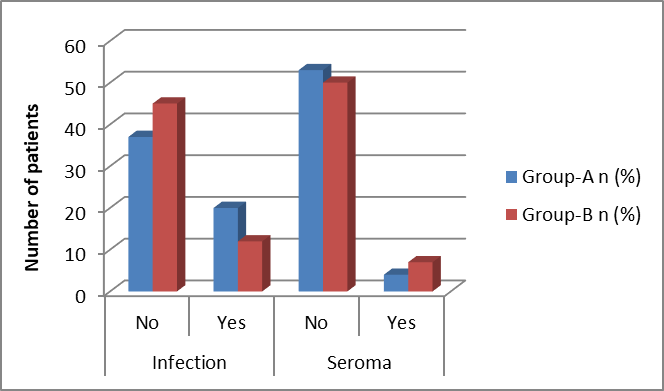
Figure 1 : Comparison of Postoperative Complications Between Group-A and Group-B
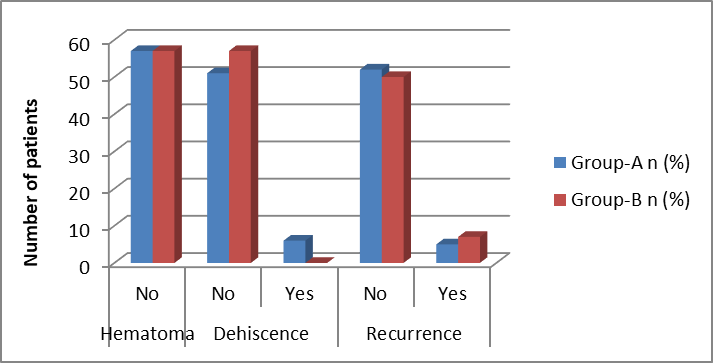
Figure 2 : Comparison of Postoperative Complications Between Group-A and Group-B
A total of 114 patients were included, with 57 patients each in Group-A and Group-B. Regarding age distribution, in Group-A, 1 patient (1.8%) was aged ≤30 years, 5 patients (8.8%) were aged 31–40 years, 12 patients (21.1%) were aged 41–50 years, 23 patients (40.4%) were aged 51–60 years, 14 patients (24.6%) were aged 61–70 years, and 2 patients (3.5%) were aged 71–80 years. In Group-B, 0 patients (0.0%) were aged ≤30 years, 3 patients (5.3%) were aged 31–40 years, 12 patients (21.1%) were aged 41–50 years, 28 patients (49.1%) were aged 51–60 years, 11 patients (19.3%) were aged 61–70 years, and 3 patients (5.3%) were aged 71–80 years. Overall, 1 patient (0.9%) was aged ≤30 years, 8 patients (7.0%) were aged 31–40 years, 24 patients (21.1%) were aged 41–50 years, 51 patients (44.7%) were aged 51–60 years, 25 patients (21.9%) were aged 61–70 years, and 5 patients (4.4%) were aged 71–80 years. The difference in age distribution between the two groups was not statistically significant (p = 0.7689) .
Postoperative complications were assessed among all 114 patients, with 57 patients in Group-A and 57 patients in Group-B. Regarding infection, 20 patients (35.1%) in Group-A and 12 patients (21.1%) in Group-B developed postoperative infection, while 37 patients (64.9%) and 45 patients (78.9%), respectively, did not develop infection. Overall, 32 patients (28.1%) developed infection and 82 patients (71.9%) did not. The difference between the two groups was not statistically significant (p = 0.0954).Regarding seroma formation, 4 patients (7.0%) in Group-A and 7 patients (12.3%) in Group-B developed seroma, whereas 53 patients (93.0%) in Group-A and 50 patients (87.7%) in Group-B did not develop seroma. Overall, 11 patients (9.6%) developed seroma and 103 patients (90.4%) did not. The difference in seroma incidence between the two groups was not statistically significant (p = 0.3412) .
Among the 114 patients included in the study, 57 patients each were present in Group-A and Group-B. Regarding postoperative hematoma, none of the patients in either group developed hematoma. Thus, 57 patients (100.0%) in Group-A and 57 patients (100.0%) in Group-B, comprising 114 patients (100.0%) overall, had no hematoma.For wound dehiscence, 6 patients (10.5%) in Group-A developed dehiscence, whereas none of the patients (0.0%) in Group-B developed this complication. Accordingly, 51 patients (89.5%) in Group-A and 57 patients (100.0%) in Group-B had no dehiscence. Overall, 6 patients (5.3%) developed dehiscence, while 108 patients (94.7%) did not. The difference between the groups was statistically significant (p = 0.0118).For recurrence, 5 patients (8.8%) in Group-A and 7 patients (12.3%) in Group-B developed recurrence, while 52 patients (91.2%) and 50 patients (87.7%), respectively, had no recurrence. Overall, 12 patients (10.5%) experienced recurrence and 102 patients (89.5%) did not. The difference in recurrence between the two groups was not statistically significant (p = 0.5416).
A total of 114 patients were included in the analysis, with 57 patients in Group-A and 57 patients in Group-B. The mean age of patients in Group-A was 54.74 ± 9.67 years, while that in Group-B was 55.96 ± 7.67 years. The difference in mean age between the two groups was not statistically significant (p = 0.4542).Regarding the duration of surgery, both groups had a reported mean value of 0.00 ± 0.00, with 57 patients in each group. The difference was reported as statistically significant (p < 0.0001) .
A total of 114 patients were assessed, comprising 57 patients in Group-A and 57 patients in Group-B. On postoperative Day 1, the mean VAS score was 8.32 ± 0.66 in Group-A and 7.84 ± 0.75 in Group-B. The difference between the groups was statistically significant (p = 0.0005).At 1 month, the mean VAS score was 5.44 ± 0.50 among 57 patients in Group-A, compared with 4.63 ± 0.67 among 57 patients in Group-B. The difference was statistically significant (p < 0.0001).At 2 months, the mean VAS score was 3.33 ± 0.66 in 57 patients in Group-A, whereas it was 2.00 ± 0.00 in 57 patients in Group-B. The difference was statistically significant (p < 0.0001).At 3 months, 57 patients in Group-A had a mean VAS score of 0.88 ± 0.33, while 57 patients in Group-B had a mean score of 0.47 ± 0.50. The difference between the groups was statistically significant (p < 0.0001).At 4 months, the mean VAS score was 0.46 ± 0.50 among 57 patients in Group-A, compared with 0.11 ± 0.31 among 57 patients in Group-B. This difference was statistically significant (p < 0.0001).At 5 months, the mean VAS score was 0.39 ± 0.62 in 57 patients in Group-A and 0.28 ± 0.56 in 57 patients in Group-B. The difference was not statistically significant (p = 0.3431).At 6 months, 57 patients in Group-A had a mean VAS score of 0.42 ± 0.68. For Group-B, the VAS score was reported as not available . The comparison was not statistically significant (p = 0.4031)
DISCUSSION:
In the present study, the mean age was 54.74 ± 9.67 years in Group-A and 55.96 ± 7.67 years in Group-B, with no significant difference (p = 0.4542). The majority belonged to the 51–60-year age group (40.4% vs. 49.1%). Shah et al. .[11] reported a lower mean age of 42.1 ± 17.5 years in their randomized study, but similarly found comparable baseline characteristics between groups Ahmed A et al. [12] also reported comparable demographic characteristics between their neurectomy and nerve-preservation groups.
Infection occurred in 35.1% of Group-A and 21.1% of Group-B (p = 0.0954), while seroma occurred in 7.0% and 12.3%, respectively (p = 0.3412). Thus, neither complication differed significantly between groups. Mui et al.[13] found no significant increase in postoperative morbidity following prophylactic ilioinguinal neurectomy. Cirocchi et al.,[14] in a meta-analysis of 16 randomized trials involving 1550 patients, similarly concluded that neurectomy reduced chronic pain without a major increase in postoperative complications.No hematoma occurred in either group. Wound dehiscence was significantly higher in Group-A (10.5%) than Group-B (0%; p = 0.0118). However, this isolated finding should be interpreted cautiously because only six events occurred and wound dehiscence is influenced by several factors other than nerve management. Charalambous MP et al.[15] reported that elective ilioinguinal nerve division did not significantly increase overall postoperative morbidity. Amid et al.[16] also reported that prophylactic nerve excision was primarily associated with pain reduction rather than increased surgical complications.Recurrence occurred in 8.8% of Group-A and 12.3% of Group-B, with no significant difference (p = 0.5416). This suggests that ilioinguinal neurectomy did not adversely influence the durability of Lichtenstein repair. Wijsmuller et al.[17] emphasized that appropriate nerve management during open hernia repair mainly influences postoperative pain and sensory outcomes rather than recurrence.The principal finding was significantly lower VAS scores in Group-A during the first four months. On Day 1, VAS was 8.32 ± 0.66 versus 7.84 ± 0.75 (p = 0.0005); at 1 month, 5.44 ± 0.50 versus 4.63 ± 0.67 (p < 0.0001); at 2 months, 3.33 ± 0.66 versus 2.00 ± 0.00 (p < 0.0001); at 3 months, 0.88 ± 0.33 versus 0.47 ± 0.50 (p < 0.0001); and at 4 months, 0.46 ± 0.50 versus 0.11 ± 0.31 (p < 0.0001). These findings indicate a substantial reduction in postoperative pain over time, with a greater early benefit following neurectomy.
Changazi SH et al.[18] reported significantly lower acute pain after neurectomy, with median pain scores of 3 versus 4 (p = 0.001), and chronic inguinodynia of 6% versus 26% at 3 months (p = 0.012). It Ss significantly lower pain following nerve excision at 1 day, 1 week, 1 month and 6 months, although the difference was not significant at 1 year.At 5 months, VAS scores were very low in both groups (0.39 ± 0.62 vs. 0.28 ± 0.56), with no significant difference (p = 0.3431). This suggests that the early analgesic advantage of neurectomy diminishes with time. Roberto C et al.[19] reported chronic pain at 6 months in 8.94% after neurectomy compared with 25.11% after nerve preservation (RR 0.39, 95% CI 0.28–0.54; p < 0.00001). Charalambous MP et al. [20] similarly demonstrated reduced chronic pain at 6 months following elective nerve division (RR 0.47; p = 0.02), but this benefit was not significant at 12 months.
CONCLUSION:
The present study concludes that prophylactic ilioinguinal neurectomy during Lichtenstein inguinal hernia repair provides better postoperative pain control compared with ilioinguinal nerve preservation, particularly during the early and intermediate postoperative period. Both groups demonstrated progressive reduction in pain during follow-up. Neurectomy did not significantly increase the incidence of postoperative infection, seroma, hematoma, or hernia recurrence. Although wound dehiscence was more frequent in the neurectomy group, this finding should be interpreted cautiously. Overall, prophylactic ilioinguinal neurectomy appears to be an effective approach for reducing postoperative and chronic groin pain following open inguinal hernia repair, while maintaining comparable overall surgical outcomes.
REFERENCES:
1. Fränneby U, Sandblom G, Nordin P, Nyrén O, Gunnarsson U. Risk factors for long-term pain after hernia surgery. Annals of surgery. 2006 Aug;244(2):212.
2. Singh AN, Bansal VK, Misra MC, Kumar S, Rajeshwari S, Kumar A, Sagar R, Kumar A. Testicular functions, chronic groin pain, and quality of life after laparoscopic and open mesh repair of inguinal hernia: a prospective randomized controlled trial. Surgical endoscopy. 2012 May;26(5):1304-17.
3. Amid PK. Causes, prevention, and surgical treatment of postherniorrhaphy neuropathic inguinodynia: triple neurectomy with proximal end implantation. Hernia. 2004 Dec;8(4):343-9.
4. Prasad D, Pate Y. A study of incidence of inguinodynia in inguinal hernias repair at a tertiary center. Int Surg J. 2020 Sep;7(9):2985-990.
5. Lassandro F, Iasiello F, Pizza NL, Valente T, di Santo Stefano ML, Grassi R, Muto R. Abdominal hernias: radiological features. World journal of gastrointestinal endoscopy. 2011 Jun 16;3(6):110.
6. Cunningham J, Temple WJ, Mitchell P, Nixon JA, Preshaw RM, Hagen NA. Cooperative hernia study: pain in the postrepair patient. Annals of surgery. 1996 Nov;224(5):598-602.
7. Reinpold WM, Nehls J, Eggert A. Nerve management and chronic pain after open inguinal hernia repair: a prospective two phase study. Annals of surgery. 2011 Jul 1;254(1):163-8.
8. Amid PK. Surgical treatment of postherniorraphy neuropathic inguinodynia: triple neurectomy with proximal end implantation. Contemporary Surgery. 2003;59(6):276-80.
9. Hakeem A, Shanmugam V. Current trends in the diagnosis and management of post-herniorraphy chronic groin pain. World Journal of gastrointestinal surgery. 2011 Jun 27;3(6):73.
10. Aasvang E, Kehlet H. Surgical management of chronic pain after inguinal hernia repair. Journal of British Surgery. 2005 Jul;92(7):795-801.
11. Shah P, Aaudichya A, Juneja I, Vaishnani B, Rajyaguru A, Bhatt J. A comparative study between prophylactic ilioinguinal neurectomy versus nerve preservation in Lichenstein tension-free meshplasty for inguinal hernia repair. Indian Journal of Surgery. 2019 Apr 1;81(2):124-30.
12. Ahmed A, Hussain SM, Sajid MT, Ain Mustafa QU, Shaheen N, Ahmed M. COMPARISION OF POST OPERATIVE CHRONIC PAIN AFTER EXCISION OF ILIOINGUINAL NERVE IN LICHTENSTEIN'S HERNIOPLASTY. Pakistan Armed Forces Medical Journal. 2017 Jun 1;67(3):467.
13. Mui WL, Ng CS, Fung TM, Cheung FK, Wong CM, Ma TH, Bn MY, Ng EK. Prophylactic ilioinguinal neurectomy in open inguinal hernia repair: a double-blind randomized controlled trial. Annals of surgery. 2006 Jul;244(1):27.
14. Cirocchi R, Sutera M, Fedeli P, Anania G, Covarelli P, Suadoni F, Boselli C, Carlini L, Trastulli S, D'Andrea V, Bruzzone P. Ilioinguinal nerve neurectomy is better than preservation in Lichtenstein hernia repair: a systematic literature review and meta‐analysis. World Journal of Surgery. 2021 Jun;45(6):1750-60.
15. Charalambous MP, Charalambous CP. Incidence of chronic groin pain following open mesh inguinal hernia repair, and effect of elective division of the ilioinguinal nerve: meta-analysis of randomized controlled trials. Hernia. 2018 Jun;22(3):401-9.
16. Johner A, Faulds J, Wiseman SM. Planned ilioinguinal nerve excision for prevention of chronic pain after inguinal hernia repair: a meta-analysis. Surgery. 2011 Sep 1;150(3):534-41.
17. Wijsmuller AR, Van Veen RN, Bosch JL, Lange JF, Kleinrensink GJ, Jeekel J, Lange JF. Nerve management during open hernia repair. Journal of British Surgery. 2007 Jan;94(1):17-22.
18. Changazi SH, Fatimah N, Naseer A, Wadood A, Ahmad QA, Ayyaz M. Neurectomy versus nerve sparing in open inguinal hernia repair: A randomised controlled trial. J Coll Physicians Surg Pak. 2020 Sep 1;30(9):917-20.
19. Roberto C, Marco S, Piergiorgio F, Gabriele A, Piero C, Fabio S, Carlo B, Luigi C, Stefano T, D'Andrea V, Bruzzone P. Ilioinguinal nerve neurectomy is better than preservation in lichtenstein hernia repair. A systematic literature review and meta-analysis. World Journal of Surgery. 2021;45(6):1750-60.
20. Charalambous MP, Charalambous CP. Incidence of chronic groin pain following open mesh inguinal hernia repair, and effect of elective division of the ilioinguinal nerve: meta-analysis of randomized controlled trials. Hernia. 2018 Jun;22(3):401-9.