Age-related differences in atherogenic dyslipidemia and coronary angiographic profile among patients with acute coronary syndrome: a syntax score-based analysis.
- DR. KOUSHIK MAJUMDAR , DM Cardiology PDT, M.D General Medicine, Department of Cardiology, Nilratan Sircar Medical College and Hospital, 138 AJC Bose Road, Kolkata 700014
- DR. SUDHANGSHU MAJUMDER , Senior Resident, MBBS; MD General Medicine, DM Cardiology, Department of Cardiology, Nilratan Sircar Medical College and Hospital, 138 AJC Bose Road, Kolkata 700014
- DR. SAHADEV DAS , DM Cardiology PDT, M.D General Medicine, Department of Cardiology, Nilratan Sircar Medical College and Hospital, 138 AJC Bose Road, Kolkata 700014
- DR. SWAPAN KUMAR HALDER , Professor, MD General Medicine, DM Cardiology, Department of Cardiology, Nilratan Sircar Medical College and Hospital, 138 AJC Bose Road, Kolkata 700014
Article Information:
Abstract:
Background: Acute coronary syndrome (ACS) exhibits important age-related differences in risk-factor burden, lipid profile, and coronary anatomical complexity. Atherogenic dyslipidemia may contribute to coronary disease severity, while the SYNTAX score provides an angiographic measure of coronary complexity. Aim and Objectives: To assess age-related differences in atherogenic dyslipidemia and coronary angiographic profile among patients with ACS and to evaluate the relationship between lipid characteristics, atherogenic dyslipidemia, and SYNTAX score categories. Materials and Methods: Results: Mean age was 57.3±11.8 years and 80% were male. Hypertension (p=0.002), diabetes (p=0.018), smoking (p=0.018), and CKD (p=0.028) differed significantly across age groups. Younger patients had higher TC, LDL-C and non-HDL-C, whereas older patients had more multivessel and triple-vessel disease. Triple-vessel disease increased from 16.0% to 42.9% (p=0.035), and multivessel disease from 48.0% to 82.9% (p=0.018). Atherogenic dyslipidemia was present in 62.0% overall and increased across SYNTAX categories from 50.0% to 81.8% (p=0.036). Conclusion: All age groups had atherogenic dyslipidemia, and angiographic complexity increased with age. Given its strong correlation with higher SYNTAX categories, composite lipid assessment may offer valuable insights into the severity of coronary anatomy.
Keywords:
Article :
INTRODUCTION:
Acute coronary syndrome (ACS) is a major clinical manifestation of coronary artery disease (CAD) and remains an important cause of morbidity and mortality worldwide. ACS includes ST-segment elevation myocardial infarction (STEMI), non-ST-segment elevation myocardial infarction (NSTEMI), and unstable angina, with most cases resulting from disruption or erosion of an atherosclerotic coronary plaque followed by thrombus formation [1]. The clinical presentation, cardiovascular risk-factor profile, extent of coronary atherosclerosis, and anatomical complexity of CAD may vary substantially with age. Ageing is associated with progressive vascular changes, cumulative exposure to cardiovascular risk factors, and increased prevalence of comorbidities, all of which may influence the development and severity of ACS [2].The risk-factor profile of ACS differs between younger and older patients. Young patients presenting with ACS frequently have a greater contribution from cigarette smoking, obesity, dyslipidemia, and a family history of premature CAD, whereas older patients generally have a higher cumulative burden of hypertension, diabetes mellitus, chronic kidney disease, and established vascular disease [3]. The INTERHEART study demonstrated that several modifiable risk factors, particularly abnormal lipid levels, smoking, hypertension, diabetes, and abdominal obesity, account for a substantial proportion of the risk of myocardial infarction across different populations [3].
Studies of young adults with coronary disease have also highlighted the importance of premature exposure to cardiovascular risk factors and lipid abnormalities in the development of CAD at an early age [4]. Dyslipidemia plays a central role in the initiation and progression of atherosclerosis. LDL-C is considered a major causal factor in atherosclerotic cardiovascular disease, with cumulative exposure to elevated LDL-C contributing to progressive plaque formation throughout life [5]. Atherogenic dyslipidemia is characterized by increased triglyceride-rich lipoproteins, elevated atherogenic cholesterol, and reduced HDL-C concentrations [6]. In addition to LDL-C, non-HDL-C represents the cholesterol content of all major atherogenic apolipoprotein B-containing lipoproteins and may provide additional information regarding cardiovascular risk, particularly in individuals with elevated triglyceride levels [6,7]. Composite lipid parameters such as the triglyceride-to-HDL-C ratio (TG/HDL-C) and atherogenic index of plasma (AIP) have also been investigated as markers of an adverse lipid profile and insulin resistance-associated dyslipidemia [8]. Coronary angiography remains an important investigation for determining the distribution and severity of obstructive CAD in patients with ACS. However, conventional angiographic assessment may not fully capture the overall anatomical complexity of coronary disease.
The SYNTAX score was developed as an angiographic scoring system that incorporates lesion number, location, bifurcation involvement, total occlusion, calcification, thrombus, and other morphological characteristics to quantify the complexity of CAD [9]. A higher SYNTAX score indicates more complex coronary anatomy and has important implications for revascularization strategies and prognosis.Previous studies have demonstrated associations between adverse lipid characteristics and the extent or complexity of coronary artery disease. However, the relationship between atherogenic dyslipidemia and coronary anatomical complexity may differ across age groups because of differences in lipid metabolism, duration of exposure to cardiovascular risk factors, and vascular ageing. Therefore, evaluating age-related variations in lipid characteristics together with angiographic disease severity may provide clinically relevant information for risk stratification.The present study was undertaken to evaluate age-related differences in atherogenic dyslipidemia and coronary angiographic profiles among patients with acute coronary syndrome. The study further aimed to examine the association between conventional and composite lipid parameters and coronary anatomical complexity as assessed by the SYNTAX score. Understanding these relationships may contribute to improved identification of high-risk patients and support more individualized approaches to cardiovascular risk assessment and management.
MATERIALS AND METHODS:
Type of Study: Prospective observational, hospital-based study
Place of Study: Nilratan Sircar Medical College and Hospital
Study Duration: 1 year
Study Setting: The study will be conducted in the Department of Cardiology, Nilratan Sircar Medical College and Hospital, Kolkata, West Bengal, a tertiary-care teaching hospital providing comprehensive cardiac services, including evaluation and management of patients with acute coronary syndrome (ACS), coronary angiography, and percutaneous coronary intervention (PCI).
Sample Size: 100 patients
Inclusion Criteria:
· Patients diagnosed with Acute Coronary Syndrome (ACS), including STEMI, NSTEMI, or unstable angina.
· Patients aged ≥18 years.
· Patients who undergo coronary angiography as part of their clinical evaluation.
· Patients with adequate coronary angiographic images suitable for assessment of coronary artery disease.
· Patients in whom SYNTAX score can be calculated from the angiographic findings.
· Patients with available lipid profile parameters, including total cholesterol, LDL-C, HDL-C, and triglycerides.
· Patients willing to participate in the study and providing written informed consent.
· Patients with complete or adequately documented clinical, biochemical, and angiographic data required for analysis.
Exclusion Criteria:
· Patients with a previous history of coronary artery bypass grafting (CABG).
· Patients with previous coronary angioplasty/stenting where assessment of native coronary anatomy is significantly affected.
· Patients with severe valvular heart disease.
· Patients with congenital heart disease.
· Patients with severe hepatic dysfunction affecting lipid metabolism.
· Patients with severe renal failure/end-stage renal disease.
· Patients with active malignancy.
· Patients receiving lipid-altering therapy for a condition other than dyslipidemia.
· Patients with incomplete clinical, biochemical, or angiographic data.
· Patients unwilling to provide informed consent.
Study Variables
· Age (years)
· Age group (<60 years / ≥60 years)
· Sex
· Residence
· Duration of symptoms
· Heart rate
· Systolic blood pressure
· Diastolic blood pressure
· Body weight
· Height
Statistical Analysis:
Data were entered into Excel and subsequently analyzed using SPSS and GraphPad Prism. Continuous variables were summarized as means with standard deviations, while categorical variables were presented as counts and percentages. Comparisons between independent groups were performed using two-sample t-tests, and paired t-tests were applied for correlated (paired) data. Categorical data were compared using chi-square tests, with Fisher’s exact test applied when expected cell counts were small. A p-value of ≤ 0.05 was considered statistically significant.
RESULTS:
Table 1. Cardiovascular Risk Factors According to Age Group
|
Variable |
<50 |
50–64 |
≥65 |
Total |
p |
|
Hypertension |
8 (32.0) |
21 (52.5) |
27 (77.1) |
56 (56.0) |
0.002 |
|
Diabetes |
6 (24.0) |
17 (42.5) |
21 (60.0) |
44 (44.0) |
0.018 |
|
Smoking |
18 (72.0) |
24 (60.0) |
13 (37.1) |
55 (55.0) |
0.018 |
|
Family history CAD |
9 (36.0) |
13 (32.5) |
8 (22.9) |
30 (30.0) |
0.519 |
|
Previous MI |
2 (8.0) |
7 (17.5) |
10 (28.6) |
19 (19.0) |
0.109 |
|
Previous PCI |
1 (4.0) |
5 (12.5) |
7 (20.0) |
13 (13.0) |
0.178 |
|
CKD |
1 (4.0) |
4 (10.0) |
9 (25.7) |
14 (14.0) |
0.028 |
Table 2. Lipid Profile According to Age Group
|
Parameter |
<50 |
50–64 |
≥65 |
Overall |
p |
|
TC (mg/dL) |
211.6±38.2 |
198.4±34.7 |
183.2±31.6 |
196.2±35.7 |
0.008 |
|
LDL-C |
139.4±30.5 |
128.7±28.6 |
116.1±25.9 |
127.3±28.9 |
0.006 |
|
HDL-C |
39.2±7.4 |
37.1±6.8 |
35.4±6.1 |
37.1±6.8 |
0.071 |
|
TG |
177.8±61.3 |
171.2±57.6 |
153.5±48.9 |
167.5±56.3 |
0.184 |
|
Non-HDL-C |
172.4±37.1 |
161.3±33.4 |
147.8±30.1 |
159.8±34.0 |
0.014 |
|
TC/HDL |
5.52±1.21 |
5.41±1.14 |
5.22±1.09 |
— |
0.604 |
|
LDL/HDL |
3.64±0.92 |
3.49±0.86 |
3.31±0.81 |
— |
0.338 |
|
TG/HDL |
4.72±1.94 |
4.66±1.87 |
4.42±1.63 |
— |
0.789 |
|
AIP |
0.63±0.18 |
0.61±0.17 |
0.58±0.16 |
— |
0.511 |
Table 3. Lipid Abnormalities and Atherogenic Dyslipidemia
|
Variable |
<50 |
50–64 |
≥65 |
Total |
p |
|
Elevated LDL-C |
18 (72.0) |
25 (62.5) |
17 (48.6) |
60 (60.0) |
0.190 |
|
Low HDL-C |
15 (60.0) |
27 (67.5) |
27 (77.1) |
69 (69.0) |
0.341 |
|
Elevated TG |
14 (56.0) |
22 (55.0) |
16 (45.7) |
52 (52.0) |
0.619 |
|
Elevated non-HDL-C |
17 (68.0) |
24 (60.0) |
17 (48.6) |
58 (58.0) |
0.276 |
|
High TG/HDL |
16 (64.0) |
25 (62.5) |
18 (51.4) |
59 (59.0) |
0.509 |
|
High AIP |
17 (68.0) |
25 (62.5) |
19 (54.3) |
61 (61.0) |
0.558 |
|
Atherogenic dyslipidemia |
13 (52.0) |
24 (60.0) |
25 (71.4) |
62 (62.0) |
0.282 |
Table 4. Coronary Angiographic Findings According to Age Group
|
Finding |
<50 |
50–64 |
≥65 |
Total |
p |
|
Single-vessel |
11 (44.0) |
12 (30.0) |
6 (17.1) |
29 (29.0) |
0.073 |
|
Double-vessel |
8 (32.0) |
14 (35.0) |
10 (28.6) |
32 (32.0) |
0.831 |
|
Triple-vessel |
4 (16.0) |
10 (25.0) |
15 (42.9) |
29 (29.0) |
0.035 |
|
Left main |
1 (4.0) |
3 (7.5) |
5 (14.3) |
9 (9.0) |
0.353 |
|
LAD |
17 (68.0) |
30 (75.0) |
29 (82.9) |
76 (76.0) |
0.392 |
|
LCX |
10 (40.0) |
21 (52.5) |
23 (65.7) |
54 (54.0) |
0.144 |
|
RCA |
12 (48.0) |
22 (55.0) |
24 (68.6) |
58 (58.0) |
0.229 |
|
Multivessel |
12 (48.0) |
27 (67.5) |
29 (82.9) |
68 (68.0) |
0.018 |
|
CTO |
2 (8.0) |
5 (12.5) |
8 (22.9) |
15 (15.0) |
0.214 |
|
Stenosis ≥70% |
15 (60.0) |
29 (72.5) |
30 (85.7) |
74 (74.0) |
0.063 |
SYNTAX score distribution: low <22: 46 (46.0%); intermediate 22–32: 32 (32.0%); high >32: 22 (22.0%).
Table 5. Lipid Parameters According to SYNTAX Score
|
Parameter |
Low <22 |
Intermediate 22–32 |
High >32 |
p |
|
TC |
187.4±31.2 |
201.6±34.5 |
209.8±39.1 |
0.032 |
|
LDL-C |
119.2±25.7 |
130.8±28.4 |
139.7±30.6 |
0.018 |
|
HDL-C |
38.2±6.7 |
36.9±6.5 |
35.1±6.2 |
0.183 |
|
TG |
155.3±51.2 |
172.8±55.4 |
184.6±62.7 |
0.091 |
|
Non-HDL-C |
150.7±30.4 |
164.7±33.1 |
174.5±37.2 |
0.021 |
|
TC/HDL |
5.18±1.06 |
5.42±1.13 |
5.67±1.21 |
0.274 |
|
LDL/HDL |
3.28±0.79 |
3.51±0.84 |
3.76±0.91 |
0.116 |
|
TG/HDL |
4.31±1.62 |
4.69±1.79 |
5.02±1.96 |
0.291 |
|
AIP |
0.57±0.15 |
0.62±0.17 |
0.66±0.18 |
0.087 |
|
Atherogenic dyslipidemia |
23 (50.0) |
21 (65.6) |
18 (81.8) |
0.036 |
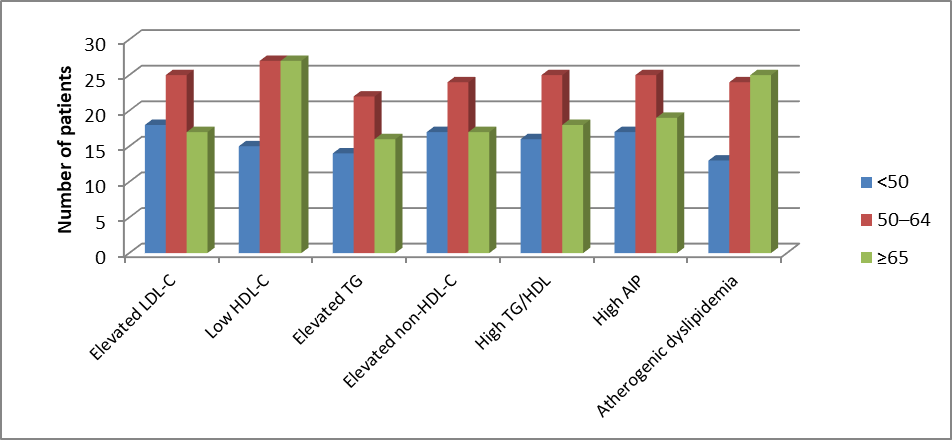
Figure 1. Lipid Abnormalities and Atherogenic Dyslipidemia
The study included 100 patients, with cardiovascular risk factors showing significant age-related differences. Hypertension increased progressively from 32.0% in participants aged <50 years to 52.5% in those aged 50–64 years and 77.1% among those aged ≥65 years (p=0.002), while diabetes also increased significantly with age (24.0%, 42.5%, and 60.0%, respectively; p=0.018). Smoking was significantly more common among younger participants (72.0% in <50 years vs. 37.1% in ≥65 years; p=0.018), whereas CKD increased significantly with age (4.0%, 10.0%, and 25.7%; p=0.028). Family history of CAD, previous MI, and previous PCI did not differ significantly across age groups.
Lipid parameters showed significantly higher total cholesterol, LDL-C, and non-HDL-C levels in younger participants, with TC of 211.6±38.2 mg/dL, LDL-C of 139.4±30.5 mg/dL, and non-HDL-C of 172.4±37.1 mg/dL in the <50-year group, compared with 183.2±31.6, 116.1±25.9, and 147.8±30.1 mg/dL, respectively, in those aged ≥65 years (p=0.008, 0.006, and 0.014). However, HDL-C, TG, TC/HDL, LDL/HDL, TG/HDL, and AIP did not show significant age-wise differences. Although lipid abnormalities were common, including low HDL-C (69.0%), elevated LDL-C (60.0%), elevated non-HDL-C (58.0%), elevated TG (52.0%), high AIP (61.0%), and atherogenic dyslipidemia (62.0%), none of the individual abnormalities differed significantly according to age. Coronary angiography demonstrated a significant increase in triple-vessel disease with advancing age, from 16.0% in <50 years to 42.9% in ≥65 years (p=0.035), while multivessel disease increased significantly from 48.0% to 82.9% (p=0.018). LAD, LCX, RCA involvement, left-main disease, CTO, and stenosis ≥70% did not differ significantly across age groups. The SYNTAX score was low in 46.0%, intermediate in 32.0%, and high in 22.0% of participants. Importantly, increasing SYNTAX score was associated with significantly higher total cholesterol, LDL-C, and non-HDL-C levels (p=0.032, 0.018, and 0.021, respectively), with values progressively increasing from the low- to high-SYNTAX groups. Atherogenic dyslipidemia also increased significantly across SYNTAX categories, from 50.0% in the low-score group to 65.6% in the intermediate and 81.8% in the high-score group (p=0.036), whereas HDL-C, TG, lipid ratios, and AIP did not show statistically significant differences. Overall, the findings indicate that advancing age was associated with a greater burden of hypertension, diabetes, CKD, and anatomically extensive coronary artery disease, while higher total cholesterol, LDL-C, non-HDL-C, and atherogenic dyslipidemia were significantly associated with greater coronary disease severity as reflected by the SYNTAX score.
DISCUSSION:
The present study demonstrates that atherogenic dyslipidemia is common among patients with ACS, while cardiovascular risk factors and coronary anatomy differ across age groups. The predominantly male composition is consistent with previous Indian ACS studies [10,11].Hypertension, diabetes and CKD were significantly more common among older patients, whereas smoking was significantly more frequent among younger patients. This pattern agrees with reports describing different risk-factor profiles in young and older ACS patients [11,12,13].Younger patients had significantly higher TC, LDL-C and non-HDL-C. Similar differences in lipid profile have been reported in younger ACS populations, where dyslipidemia and smoking may contribute to premature coronary disease [13].Atherogenic dyslipidemia was present in 62% overall and did not differ significantly by age (p=0.282). Its occurrence across all age groups supports the importance of assessing the overall atherogenic lipid phenotype rather than age alone [14,15].Older patients had significantly more triple-vessel disease and multivessel disease.
This may reflect cumulative exposure to cardiovascular risk factors, vascular ageing, endothelial dysfunction, arterial stiffening, calcification, and progressive atherosclerotic burden [10-12].TC, LDL-C and non-HDL-C increased significantly across SYNTAX categories. Atherogenic dyslipidemia increased from 50.0% in the low-SYNTAX group to 81.8% in the high-SYNTAX group (p=0.036). These findings are consistent with evidence linking dyslipidemia with greater coronary anatomical complexity and higher SYNTAX scores [14-15,].AIP increased numerically with increasing SYNTAX score but was not statistically significant (p=0.087). Previous research has reported associations between AIP and CAD severity, including SYNTAX score, suggesting potential value of composite lipid indices [14-15].
Age alone does not adequately capture atherogenic risk in ACS. Younger patients may have higher current LDL-C and non-HDL-C and more smoking, whereas older patients may have greater cumulative vascular injury and more complex multivessel disease. Clinically, the findings support early recognition and management of dyslipidemia in younger ACS patients and aggressive secondary prevention in older patients with extensive coronary disease. The association of atherogenic dyslipidemia with higher SYNTAX categories may warrant further prospective evaluation. Limitations include the relatively small sample size and observational design. The supplied data did not include complete information on lipid-lowering treatment, duration of risk-factor exposure, exact ACS diagnostic criteria, recruitment period, or the operational definition of atherogenic dyslipidemia; these factors may affect interpretation.
CONCLUSION:
We concluded that patients with ACS in all age groups frequently have atherogenic dyslipidemia. While older patients exhibited considerably more multivessel and triple-vessel coronary disease, younger patients had higher current TC, LDL-C, and non-HDL-C. greater SYNTAX categories had a considerably greater prevalence of atherogenic dyslipidemia, indicating a connection between an unfavorable lipid profile and coronary architectural complexity. Risk stratification and secondary prevention in ACS may be enhanced by thorough lipid and cardiovascular risk assessment.
REFERENCES:
1. Thygesen K, Alpert JS, Jaffe AS, Chaitman BR, Bax JJ, Morrow DA, et al. Fourth universal definition of myocardial infarction (2018). Eur Heart J. 2019;40(3):237-69.
2. Lakatta EG. Arterial and cardiac aging: major shareholders in cardiovascular disease enterprises. Circulation. 2002;105(1):139-46.
3. Yusuf S, Hawken S, Ounpuu S, Dans T, Avezum A, Lanas F, et al. Effect of potentially modifiable risk factors associated with myocardial infarction in 52 countries (the INTERHEART study): case-control study. Lancet. 2004;364(9438):937-52.
4. Cole JH, Miller JI 3rd, Sperling LS, Weintraub WS. Long-term follow-up of coronary artery disease presenting in young adults. Am J Med. 2003;115(6):434-8.
5. Ference BA, Ginsberg HN, Graham I, Ray KK, Packard CJ, Bruckert E, et al. Low-density lipoproteins cause atherosclerotic cardiovascular disease. Eur Heart J. 2017;38(32):2459-72.
6. Mach F, Baigent C, Catapano AL, Koskinas KC, Casula M, Badimon L, et al. 2019 ESC/EAS Guidelines for the management of dyslipidaemias: lipid modification to reduce cardiovascular risk. Eur Heart J. 2020;41(1):111-88.
7. Nordestgaard BG. Triglyceride-rich lipoproteins and atherosclerotic cardiovascular disease: new insights from epidemiology, genetics, and biology. Circ Res. 2016;118(4):547-63.
8. Dobiásová M, Frohlich J. The plasma parameter log(TG/HDL-C) as an atherogenic index: correlation with lipoprotein particle size and esterification rate in apoB-lipoprotein-depleted plasma. Clin Biochem. 2001;34(7):583-8.
9. Sianos G, Morel MA, Kappetein AP, Morice MC, Colombo A, Dawkins K, et al. The SYNTAX Score: an angiographic tool grading the complexity of coronary artery disease. EuroIntervention. 2005;1(2):219-27.
10. Prajapati J, Joshi H, Sahoo S, Virpariya K, Parmar M, Shah K. Age-related differences of novel atherosclerotic risk factors and angiographic profile among Gujarati acute coronary syndrome patients. J Clin Diagn Res. 2015;9(6):OC05-OC09. doi:10.7860/JCDR/2015/11709.6000.
11. Bush N, Sharma YP, Prasad K, Kumar P, Mehrotra S. Comparison of demographic profile, risk factors, and in-hospital outcome in young and old patients with acute coronary syndrome: a single-center experience. J Family Med Prim Care. 2021;10:871-876.
12. Fotedar S, Garg A, Arora A, Chawla S. Study of lipid profile in young patients (age 40 years or below) with acute coronary syndrome. J Family Med Prim Care. 2022;11(6):3034-3039. doi:10.4103/jfmpc.jfmpc_2229_21.
13. Dyslipidemia, Not Inflammatory Markers or Adipokines, Contributes Significantly to a Higher SYNTAX Score in Stable Coronary Artery Disease (from the Taichung CAD Study).
14. Wang L, Chen F, Xiaoqi C, Yujun C, Zijie L. Atherogenic Index of Plasma Is an Independent Risk Factor for Coronary Artery Disease and a Higher SYNTAX Score. Angiology. 2021;72(2):181-186. doi:10.1177/0003319720949804.
15. Won KB, Heo R, Park HB, Lee BK, Lin FY, Hadamitzky M, et al. Atherogenic index of plasma and the risk of rapid progression of coronary atherosclerosis beyond traditional risk factors. Atherosclerosis. 2021;324:46-51. doi:10.1016/j.atherosclerosis.2021.03.009.