Comparative efficacy of SGLT2 inhibitors versus DPP-4 inhibitors on glycemic and cardiovascular outcomes.
- Dr. Veeresh S. Balehosur , Senior Resident Department of General Medicine JMNMC, Nadia
- Dr. Venkatesh V. Madholli , Senior Resident Department of General Medicine KMCRI, Hubli
- Dr. Vishwanath Bandargal , Assistant Professor Department of Medicine KMCRI, Hubli
Article Information:
Abstract:
Background: Type 2 diabetes mellitus (T2DM) is associated with substantial cardiovascular morbidity and mortality. Sodium-glucose cotransporter-2 (SGLT2) inhibitors and dipeptidyl peptidase-4 (DPP-4) inhibitors are commonly used glucose-lowering agents with distinct metabolic and cardiovascular profiles. This study compared their efficacy on glycemic and cardiovascular outcomes in patients with T2DM. Methods: This prospective comparative observational study included 120 patients with T2DM, divided into SGLT2 inhibitor (n=60) and DPP-4 inhibitor (n=60) groups. Clinical, anthropometric, glycemic, biochemical, cardiovascular, and safety parameters were assessed at baseline and after six months. Appropriate parametric and non-parametric statistical tests were applied, with p<0.05 considered statistically significant. Results: Baseline characteristics were comparable between the groups. At six months, HbA1c decreased by 1.44±0.72% with SGLT2 inhibitors compared with 1.01±0.69% with DPP-4 inhibitors (p=0.001). Reductions in fasting plasma glucose (−41.6 vs −28.2 mg/dL; p=0.005) and postprandial glucose (−72.3 vs −52.5 mg/dL; p=0.008) were also greater with SGLT2 inhibitors. Body weight decreased by 2.9 kg versus 0.5 kg, while systolic blood pressure decreased by 8.4 versus 2.8 mmHg. Major cardiovascular events occurred in 5.0% and 15.0% of patients, respectively (p=0.068), while heart failure hospitalization occurred in 1.7% versus 8.3%. Genital mycotic infections were significantly more frequent with SGLT2 inhibitors (10.0% vs 0%; p=0.027). Conclusion: SGLT2 inhibitors provided greater glycemic, weight, and blood-pressure benefits than DPP-4 inhibitors. Cardiovascular events were numerically lower with SGLT2 inhibitors, although longer follow-up and larger studies are required to confirm these differences.
Keywords:
Article :
INTRODUCTION:
Type 2 diabetes mellitus (T2DM) is a major global public health problem characterized by persistent hyperglycemia resulting from insulin resistance, progressive pancreatic β-cell dysfunction, and relative insulin deficiency. More than half a billion people worldwide are living with diabetes, and its prevalence is expected to increase substantially in the coming decades [1]. The clinical burden of T2DM extends beyond inadequate glycemic control, as affected individuals are at increased risk of both microvascular and macrovascular complications, particularly cardiovascular disease (CVD), heart failure (HF), and chronic kidney disease (CKD).Cardiovascular complications are among the leading causes of morbidity and mortality in patients with T2DM. Common manifestations include coronary artery disease, myocardial infarction, ischemic stroke, peripheral arterial disease, and HF [2–5]. Consequently, contemporary management of T2DM has shifted from a predominantly glucose-centered approach toward comprehensive reduction of cardiovascular, renal, and metabolic risk. Selection of glucose-lowering therapy therefore requires consideration not only of glycated hemoglobin (HbA1c) reduction but also of body weight, blood pressure, hypoglycemia, cardiovascular outcomes, renal function, and treatment safety [6–8]. Among newer oral glucose-lowering therapies, sodium-glucose cotransporter-2 (SGLT2) inhibitors and dipeptidyl peptidase-4 (DPP-4) inhibitors are widely used because of their effective glycemic control and relatively low intrinsic risk of hypoglycemia. SGLT2 inhibitors, including empagliflozin, dapagliflozin, canagliflozin, and ertugliflozin, inhibit renal glucose reabsorption in the proximal tubules, thereby promoting urinary glucose excretion through an insulin-independent mechanism. In addition to reducing blood glucose and HbA1c, SGLT2 inhibitors are associated with reductions in body weight and blood pressure. Large cardiovascular outcome trials have further demonstrated important benefits of this drug class, particularly in reducing hospitalization for HF and progression of kidney disease [9–11].DPP-4 inhibitors, including sitagliptin, linagliptin, saxagliptin, and alogliptin, enhance endogenous incretin activity by inhibiting degradation of glucagon-like peptide-1 and glucose-dependent insulinotropic polypeptide. This results in glucose-dependent enhancement of insulin secretion and suppression of glucagon release. DPP-4 inhibitors provide moderate glycemic improvement, are generally weight neutral, and have a low risk of hypoglycemia. However, cardiovascular outcome trials have predominantly demonstrated cardiovascular safety rather than additional cardiovascular benefit, with a signal for increased HF hospitalization reported with saxagliptin [12–14].Although both classes are frequently used as add-on therapy in patients inadequately controlled with metformin, their comparative effects on glycemic and cardiovascular parameters remain clinically important. Direct comparison may facilitate individualized selection of therapy according to metabolic status and cardiovascular risk. Therefore, the present study was undertaken to compare the efficacy of SGLT2 inhibitors versus DPP-4 inhibitors on glycemic and cardiovascular outcomes in patients with T2DM, with particular emphasis on changes in glycemic control and cardiovascular risk parameters.
MATERIALS AND METHODS:
This prospective comparative observational study was conducted in the Department of General Medicine at KMCRI Hubballi. Eligible patients were recruited consecutively during the study period and were followed for assessment of glycemic and cardiovascular parameters.
Study Population
Adult patients with type 2 diabetes mellitus (T2DM) attending the outpatient and inpatient services of the Department of General Medicine were screened for eligibility. Patients who had inadequate glycemic control on metformin and were prescribed either an SGLT2 inhibitor or a DPP-4 inhibitor as add-on therapy were included.
Sample Size
A total of 120 patients fulfilling the eligibility criteria were enrolled. According to the glucose-lowering therapy prescribed, patients were divided into two groups:
· Group A (n=60): Patients receiving an SGLT2 inhibitor in addition to background antidiabetic therapy.
· Group B (n=60): Patients receiving a DPP-4 inhibitor in addition to background antidiabetic therapy.
Inclusion Criteria
Patients aged 18 years or older with an established diagnosis of T2DM were included. Patients with inadequate glycemic control despite stable metformin-based therapy and in whom either an SGLT2 inhibitor or DPP-4 inhibitor was initiated were eligible. Only patients who provided written informed consent and were available for the planned follow-up were enrolled.
Exclusion Criteria
Patients with type 1 diabetes mellitus, gestational diabetes, secondary diabetes, severe acute metabolic complications, or known hypersensitivity to the study medications were excluded. Patients with severe hepatic dysfunction, end-stage renal disease, active malignancy, acute severe infection, recent major surgery, or pregnancy or lactation were also excluded. Patients receiving simultaneous treatment with both an SGLT2 inhibitor and a DPP-4 inhibitor were not included.
Baseline Assessment
A detailed clinical history was recorded for each participant, including age, sex, duration of diabetes, smoking status, hypertension, dyslipidemia, previous cardiovascular disease, current medications, and other relevant comorbidities. A complete clinical examination was performed. Body weight, height, body mass index (BMI), systolic blood pressure (SBP), and diastolic blood pressure (DBP) were recorded using standardized procedures.
Glycemic Assessment
Glycemic status was assessed at baseline and during follow-up. Fasting plasma glucose (FPG), postprandial plasma glucose (PPG), and glycated hemoglobin (HbA1c) were measured. FPG was measured after an overnight fast of at least 8 hours, while PPG was measured approximately 2 hours after a meal. HbA1c was used as the principal indicator of long-term glycemic control. The primary glycemic outcomes were changes in FPG, PPG, and HbA1c from baseline to the end of follow-up.
Cardiovascular Assessment
Cardiovascular status was assessed through clinical history, physical examination, blood pressure measurement, and review of relevant medical records. SBP and DBP were recorded at baseline and follow-up. Patients were evaluated for cardiovascular events, including acute coronary syndrome or myocardial infarction, stroke, hospitalization for heart failure, and cardiovascular death occurring during the study period. Where clinically indicated, electrocardiography, echocardiography, and other cardiovascular investigations were reviewed.
Laboratory Investigations
Venous blood samples were collected under aseptic precautions. Laboratory investigations included FPG, PPG, HbA1c, serum creatinine, estimated glomerular filtration rate (eGFR), total cholesterol, triglycerides, low-density lipoprotein cholesterol, and high-density lipoprotein cholesterol. Renal and metabolic parameters were monitored during follow-up according to routine clinical practice.
Treatment and Follow-up
Patients continued their prescribed background antidiabetic therapy. Group A received an SGLT2 inhibitor, whereas Group B received a DPP-4 inhibitor as add-on therapy. The choice of individual drug and dose was determined by the treating physician according to the patient's clinical condition and renal function.
Patients were followed for 6 months after initiation of therapy. Clinical assessment, treatment adherence, adverse events, body weight, and blood pressure were recorded during follow-up. FPG, PPG, and HbA1c were reassessed at the end of the follow-up period. Cardiovascular events and hospitalizations occurring during the study period were documented.
Outcome Measures
The primary outcome measures were changes in HbA1c, FPG, and PPG from baseline to 6 months in the SGLT2 inhibitor and DPP-4 inhibitor groups.
The secondary outcome measures included changes in body weight, BMI, SBP, DBP, and lipid profile and the occurrence of cardiovascular events, including myocardial infarction, stroke, hospitalization for heart failure, and cardiovascular mortality. Treatment-related adverse events were also recorded.
Safety Assessment
Adverse events reported by the participants or identified during follow-up were documented. Particular attention was given to genital and urinary tract infections, volume depletion, hypotension, and ketoacidosis among patients receiving SGLT2 inhibitors and hypoglycemia, gastrointestinal symptoms, hypersensitivity reactions, and other treatment-related adverse events among patients receiving DPP-4 inhibitors.
Statistical Analysis
Data were entered into Microsoft Excel and analyzed using SPSS.21statistical software. Continuous variables were expressed as mean ± standard deviation (SD) or median with interquartile range, depending on data distribution. Categorical variables were expressed as frequencies and percentages.Normality of continuous variables was assessed using the Shapiro–Wilk test. The independent-samples Student's t-test or Mann–Whitney U test was used to compare continuous variables between the two groups, as appropriate. Within-group changes from baseline to follow-up were assessed using the paired t-test or Wilcoxon signed-rank test. Categorical variables were compared using the Chi-square test or Fisher's exact test, as appropriate. A two-sided p-value <0.05 was considered statistically significant.
RESULTS:
A total of 120 patients with type 2 diabetes mellitus were included, with 60 patients receiving SGLT2 inhibitors and 60 receiving DPP-4 inhibitors. The two groups were comparable at baseline with respect to demographic characteristics, BMI, duration of diabetes, hypertension, dyslipidemia, smoking status, and previous cardiovascular disease, with no statistically significant between-group differences (all p>0.05) (Table 1).Both treatment groups demonstrated significant improvement in glycemic parameters over the 6-month follow-up period (Table 2). Fasting plasma glucose (FPG) decreased from 168.4 ± 35.6 to 126.8 ± 24.7 mg/dL in the SGLT2 inhibitor group and from 165.7 ± 34.9 to 137.5 ± 27.9 mg/dL in the DPP-4 inhibitor group (within-group p<0.001 for both). The mean reduction in FPG was significantly greater with SGLT2 inhibitors (−41.6 ± 26.3 vs −28.2 ± 24.8 mg/dL; p=0.005). Similarly, the reduction in postprandial glucose was greater in the SGLT2 inhibitor group (−72.3 ± 41.2 vs −52.5 ± 38.7 mg/dL; p=0.008). HbA1c decreased significantly in both groups, but the mean reduction was greater with SGLT2 inhibitors (−1.44 ± 0.72% vs −1.01 ± 0.69%; p=0.001). At 6 months, HbA1c was significantly lower in the SGLT2 inhibitor group (7.18 ± 0.81% vs 7.54 ± 0.86%; p=0.020) (Table 2).
Significant improvements in anthropometric and blood pressure parameters were also observed during follow-up (Table 3; Figure 1). In the SGLT2 inhibitor group, body weight decreased from 76.8 ± 10.6 to 73.9 ± 10.2 kg (p<0.001), while BMI decreased from 27.6 ± 3.7 to 26.6 ± 3.5 kg/m² (p<0.001). Systolic blood pressure decreased from 136.8 ± 13.7 to 128.4 ± 11.8 mmHg and diastolic blood pressure from 84.6 ± 8.3 to 80.1 ± 7.2 mmHg (both p<0.001). The DPP-4 inhibitor group showed smaller reductions in weight, BMI, and systolic blood pressure, while the change in diastolic blood pressure was not statistically significant (p=0.078) (Table 3; Figure 1).
At 6 months, lipid and renal parameters were generally comparable between the two treatment groups (Table 4; Figure 2). No statistically significant differences were observed in total cholesterol, LDL-C, HDL-C, triglycerides, serum creatinine, or eGFR (all p>0.05). Mean eGFR was 86.2 ± 13.5 mL/min/1.73 m² in the SGLT2 inhibitor group compared with 84.8 ± 14.1 mL/min/1.73 m² in the DPP-4 inhibitor group (p=0.580) (Table 4; Figure 2).
Cardiovascular outcomes recorded during the 6-month follow-up are presented in Table 5 and Figure 3. Myocardial infarction/acute coronary syndrome occurred in 1.7% of patients receiving SGLT2 inhibitors compared with 5.0% receiving DPP-4 inhibitors (p=0.619). Hospitalization for heart failure occurred in 1.7% and 8.3%, respectively (p=0.207). Any major cardiovascular event was recorded in 3 patients (5.0%) in the SGLT2 inhibitor group compared with 9 patients (15.0%) in the DPP-4 inhibitor group; however, this difference did not reach statistical significance (p=0.068) (Table 5; Figure 3).
Treatment-related adverse events are summarized in Table 6. The overall frequency of adverse events was 25.0% with SGLT2 inhibitors and 16.7% with DPP-4 inhibitors (p=0.264). Genital mycotic infection occurred significantly more frequently in the SGLT2 inhibitor group (10.0% vs 0%; p=0.027). The frequencies of hypoglycemia, urinary tract infection, volume depletion/dizziness, gastrointestinal symptoms, and treatment discontinuation due to adverse events did not differ significantly between the groups (Table 6).
Overall, the findings demonstrated significant glycemic improvement with both drug classes over 6 months, with greater reductions in FPG, PPG, and HbA1c observed in the SGLT2 inhibitor group (Table 2). Improvements in weight and blood pressure were also observed, particularly with SGLT2 inhibitor therapy (Table 3; Figure 1), while lipid and renal parameters remained comparable between the groups (Table 4; Figure 2). Cardiovascular events were numerically less frequent in the SGLT2 inhibitor group, although the between-group differences were not statistically significant during the 6-month follow-up (Table 5; Figure 3).
Table 1. Baseline demographic and clinical characteristics of study participants
|
Parameter |
SGLT2 inhibitor (n=60) |
DPP-4 inhibitor (n=60) |
p-value |
Statistical test |
|
Age (years), mean ± SD |
55.2 ± 9.8 |
56.1 ± 10.2 |
0.623 |
Independent t-test |
|
Age >60 years, n (%) |
20 (33.3) |
22 (36.7) |
0.702 |
Chi-square test |
|
Male, n (%) |
34 (56.7) |
32 (53.3) |
0.713 |
Chi-square test |
|
Female, n (%) |
26 (43.3) |
28 (46.7) |
0.713 |
Chi-square test |
|
BMI (kg/m²), mean ± SD |
27.6 ± 3.7 |
27.2 ± 3.9 |
0.565 |
Independent t-test |
|
Duration of diabetes (years), mean ± SD |
7.8 ± 4.2 |
8.1 ± 4.5 |
0.706 |
Independent t-test |
|
Hypertension, n (%) |
31 (51.7) |
33 (55.0) |
0.715 |
Chi-square test |
|
Dyslipidemia, n (%) |
27 (45.0) |
29 (48.3) |
0.715 |
Chi-square test |
|
Current smoker, n (%) |
13 (21.7) |
12 (20.0) |
0.823 |
Chi-square test |
|
Previous cardiovascular disease, n (%) |
10 (16.7) |
11 (18.3) |
0.810 |
Chi-square test |
Table 2. Comparison of glycemic parameters at baseline and 6-month follow-up
|
Parameter |
SGLT2 inhibitor (n=60) |
DPP-4 inhibitor (n=60) |
p-value* |
|
FPG (mg/dL) |
|||
|
Baseline |
168.4 ± 35.6 |
165.7 ± 34.9 |
0.676 |
|
6 months |
126.8 ± 24.7 |
137.5 ± 27.9 |
0.028 |
|
Mean change |
−41.6 ± 26.3 |
−28.2 ± 24.8 |
0.005 |
|
Within-group p-value |
<0.001 |
<0.001 |
— |
|
PPG (mg/dL) |
|||
|
Baseline |
248.6 ± 51.8 |
245.2 ± 49.6 |
0.714 |
|
6 months |
176.3 ± 36.5 |
192.7 ± 39.8 |
0.020 |
|
Mean change |
−72.3 ± 41.2 |
−52.5 ± 38.7 |
0.008 |
|
Within-group p-value |
<0.001 |
<0.001 |
— |
|
HbA1c (%) |
|||
|
Baseline |
8.62 ± 1.08 |
8.55 ± 1.02 |
0.715 |
|
6 months |
7.18 ± 0.81 |
7.54 ± 0.86 |
0.020 |
|
Mean change |
−1.44 ± 0.72 |
−1.01 ± 0.69 |
0.001 |
|
Within-group p-value |
<0.001 |
<0.001 |
— |
*Between-group comparison; independent t-test. Within-group comparisons were performed using paired t-test.
Table 3. Comparison of anthropometric and blood pressure parameters
|
Parameter |
Group |
Baseline |
6 months |
p-value* |
|
Weight (kg) |
SGLT2 |
76.8 ± 10.6 |
73.9 ± 10.2 |
<0.001 |
|
DPP-4 |
75.9 ± 11.1 |
75.4 ± 10.9 |
0.031 |
|
|
BMI (kg/m²) |
SGLT2 |
27.6 ± 3.7 |
26.6 ± 3.5 |
<0.001 |
|
DPP-4 |
27.2 ± 3.9 |
27.0 ± 3.8 |
0.024 |
|
|
SBP (mmHg) |
SGLT2 |
136.8 ± 13.7 |
128.4 ± 11.8 |
<0.001 |
|
DPP-4 |
135.9 ± 14.1 |
133.1 ± 12.6 |
0.016 |
|
|
DBP (mmHg) |
SGLT2 |
84.6 ± 8.3 |
80.1 ± 7.2 |
<0.001 |
|
DPP-4 |
84.1 ± 8.0 |
82.7 ± 7.5 |
0.078 |
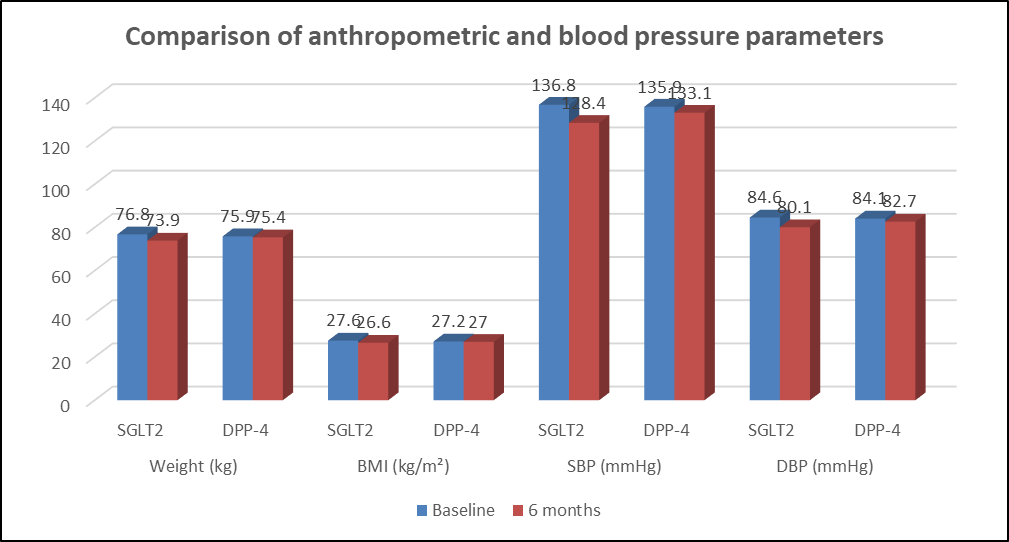
Figure 1 Comparison of anthropometric and blood pressure parameters
Table 4. Comparison of lipid profile and renal parameters at 6 months
|
Parameter |
SGLT2 inhibitor (n=60) |
DPP-4 inhibitor (n=60) |
p-value |
|
Total cholesterol (mg/dL) |
169.8 ± 31.6 |
176.5 ± 34.2 |
0.267 |
|
LDL-C (mg/dL) |
99.6 ± 26.8 |
104.7 ± 28.3 |
0.313 |
|
HDL-C (mg/dL) |
44.8 ± 9.2 |
43.1 ± 8.7 |
0.300 |
|
Triglycerides (mg/dL) |
151.7 ± 46.5 |
160.4 ± 49.8 |
0.324 |
|
Serum creatinine (mg/dL) |
0.94 ± 0.21 |
0.97 ± 0.23 |
0.458 |
|
eGFR (mL/min/1.73 m²) |
86.2 ± 13.5 |
84.8 ± 14.1 |
0.580 |
Independent t-test was used for between-group comparisons.
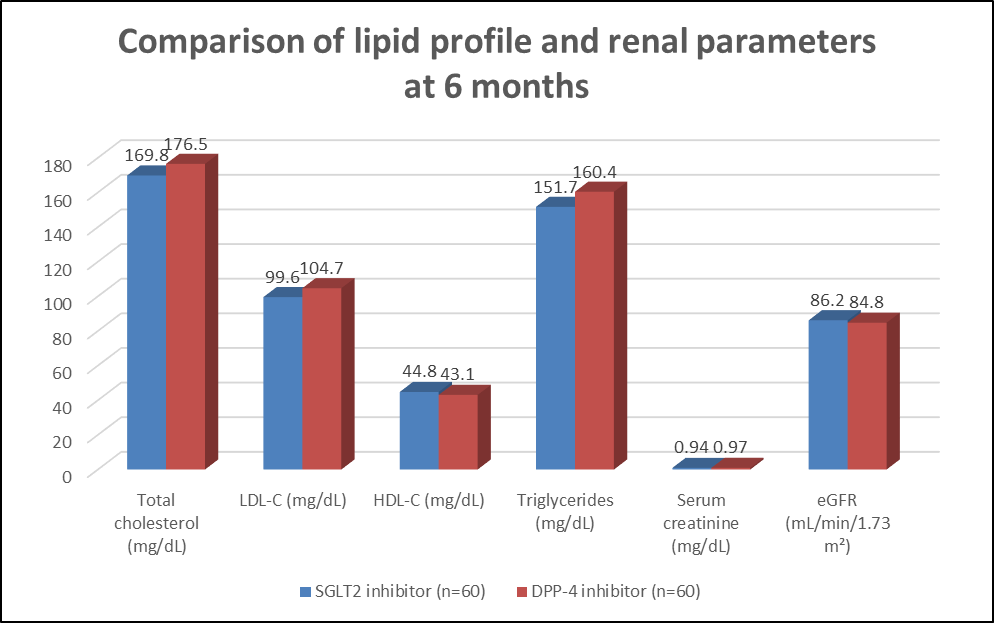
Figure 2 Comparison of lipid profile and renal parameters at 6 months
Table 5. Cardiovascular outcomes during 6-month follow-up
|
Cardiovascular outcome |
SGLT2 inhibitor (n=60), n (%) |
DPP-4 inhibitor (n=60), n (%) |
p-value |
Statistical test |
|
Myocardial infarction/ACS |
1 (1.7) |
3 (5.0) |
0.619 |
Fisher's exact test |
|
Stroke |
1 (1.7) |
2 (3.3) |
1.000 |
Fisher's exact test |
|
Hospitalization for heart failure |
1 (1.7) |
5 (8.3) |
0.207 |
Fisher's exact test |
|
Cardiovascular death |
0 (0.0) |
1 (1.7) |
1.000 |
Fisher's exact test |
|
Any major cardiovascular event |
3 (5.0) |
9 (15.0) |
0.068 |
Chi-square test |
|
No cardiovascular event |
57 (95.0) |
51 (85.0) |
0.068 |
Chi-square test |
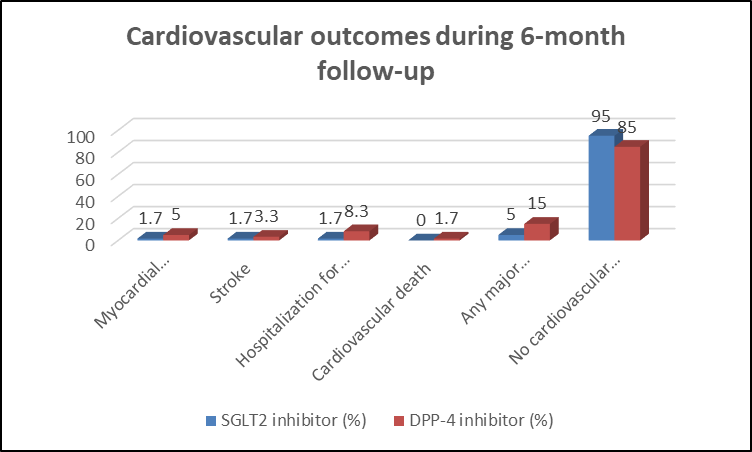
Figure 3 Cardiovascular outcomes during 6-month follow-up
Table 6. Comparison of treatment-related adverse events
|
Adverse event |
SGLT2 inhibitor (n=60), n (%) |
DPP-4 inhibitor (n=60), n (%) |
p-value |
|
Hypoglycemia |
2 (3.3) |
3 (5.0) |
1.000 |
|
Genital mycotic infection |
6 (10.0) |
0 (0.0) |
0.027 |
|
Urinary tract infection |
4 (6.7) |
2 (3.3) |
0.679 |
|
Volume depletion/dizziness |
3 (5.0) |
1 (1.7) |
0.619 |
|
Gastrointestinal symptoms |
2 (3.3) |
4 (6.7) |
0.679 |
|
Drug discontinuation due to adverse event |
2 (3.3) |
1 (1.7) |
1.000 |
|
Any adverse event |
15 (25.0) |
10 (16.7) |
0.264 |
Fisher's exact test/Chi-square test was used as appropriate.
DISCUSSION:
The present study compared the glycemic, metabolic, cardiovascular, and safety outcomes of SGLT2 inhibitors and DPP-4 inhibitors in 120 patients with type 2 diabetes mellitus (T2DM). The two groups were comparable at baseline with respect to age, sex, BMI, duration of diabetes, hypertension, dyslipidemia, smoking status, and previous cardiovascular disease (all p>0.05), suggesting adequate baseline comparability.Both groups showed significant improvement in glycemic control at 6 months; however, the reduction was greater with SGLT2 inhibitors. In our study, HbA1c decreased from 8.62±1.08% to 7.18±0.81% in the SGLT2 group compared with 8.55±1.02% to 7.54±0.86% in the DPP-4 group. The mean reduction in HbA1c was significantly greater with SGLT2 inhibitors (−1.44% vs −1.01%; p=0.001). Similarly, reductions in FPG (−41.6 vs −28.2 mg/dL; p=0.005) and PPG (−72.3 vs −52.5 mg/dL; p=0.008) were greater with SGLT2 inhibitors. Fang et al. (2026),[15] in a meta-analysis of 10 randomized controlled trials, similarly reported that high-dose SGLT2 inhibitors produced a significantly greater HbA1c reduction than DPP-4 inhibitors (MD −0.15%, 95% CI −0.27 to −0.03; p=0.01). Significant improvements in anthropometric parameters were also observed in our study. Body weight decreased by 2.9 kg with SGLT2 inhibitors compared with only 0.5 kg with DPP-4 inhibitors, while BMI decreased by 1.0 versus 0.2 kg/m². Fang et al. (2026)[15] also demonstrated significantly greater weight reduction with SGLT2 inhibitors than DPP-4 inhibitors, with mean differences of −1.69 kg for low-dose and −1.92 kg for high-dose SGLT2 inhibitors. These findings support the additional weight-lowering effect of SGLT2 inhibitors resulting from urinary glucose and calorie loss.Blood pressure also improved more prominently with SGLT2 inhibitors in our study. SBP decreased from 136.8±13.7 to 128.4±11.8 mmHg, representing a reduction of 8.4 mmHg, whereas the DPP-4 group showed a reduction of only 2.8 mmHg. DBP decreased by 4.5 mmHg with SGLT2 inhibitors compared with 1.4 mmHg with DPP-4 inhibitors. These findings are biologically consistent with the osmotic diuresis, natriuresis, and weight reduction associated with SGLT2 inhibition.
Regarding lipid and renal parameters, no significant differences were observed between the groups at 6 months. Total cholesterol was 169.8±31.6 versus 176.5±34.2 mg/dL (p=0.267), while LDL-C was 99.6±26.8 versus 104.7±28.3 mg/dL (p=0.313) in the SGLT2 and DPP-4 groups, respectively. Similarly, serum creatinine (0.94 vs 0.97 mg/dL; p=0.458) and eGFR (86.2 vs 84.8 mL/min/1.73 m²; p=0.580) were comparable. Thus, the principal short-term differences in our study were related to glycemic control, weight, and blood pressure rather than conventional lipid or renal biochemical parameters.
Cardiovascular outcomes showed a numerically favorable pattern with SGLT2 inhibitors. Major cardiovascular events occurred in 3 (5.0%) patients in the SGLT2 group compared with 9 (15.0%) patients in the DPP-4 group (p=0.068). Hospitalization for heart failure occurred in 1.7% versus 8.3%, respectively. Zheng et al. (2018),[16] in a network meta-analysis of 236 trials involving 176,310 participants, reported lower all-cause mortality with SGLT2 inhibitors than DPP-4 inhibitors (HR 0.78, 95% credible interval 0.68–0.90); SGLT2 inhibitors were also associated with fewer heart-failure events than control (HR 0.62, 95% credible interval 0.54–0.72). Similarly, Fei et al. (2019)[14] found that SGLT2 inhibitors reduced cardiovascular death and all-cause mortality compared with DPP-4 inhibitors (OR 0.83 for both comparisons).
More recent evidence also supports our cardiovascular findings. Khera et al. (2024),[17] in the multinational LEGEND-T2DM analysis, found that SGLT2 inhibitors were associated with a lower hazard of three-point MACE than DPP-4 inhibitors (HR 0.89, 95% CI 0.79–1.00). Furthermore, a meta-analysis directly comparing SGLT2 and DPP-4 inhibitors reported a significantly lower risk of all-cause mortality with SGLT2 inhibitors (HR 0.64, 95% CI 0.57–0.70). The lack of statistical significance for cardiovascular outcomes in our study was likely related to the relatively small sample size and short 6-month follow-up.
Regarding safety, any adverse event occurred in 25.0% of the SGLT2 group compared with 16.7% of the DPP-4 group (p=0.264). Hypoglycemia was uncommon in both groups (3.3% vs 5.0%). However, genital mycotic infection occurred significantly more frequently with SGLT2 inhibitors (10.0% vs 0%; p=0.027). Fang et al. (2026)[15] similarly reported a substantially increased risk of genital infection with SGLT2 inhibitors compared with DPP-4 inhibitors, with ORs of 4.25 for low-dose and 4.03 for high-dose SGLT2 inhibitors (both p<0.01).
Overall, our findings were consistent with published evidence. SGLT2 inhibitors produced greater improvements in HbA1c, FPG, PPG, body weight, BMI, and blood pressure than DPP-4 inhibitors. Cardiovascular events, particularly hospitalization for heart failure, were numerically less frequent with SGLT2 inhibitors, although the differences were not statistically significant in our relatively small, short-duration study. These glycemic, metabolic, and potential cardiovascular advantages should be balanced against the higher occurrence of genital mycotic infections associated with SGLT2 inhibitor therapy
CONCLUSION:
SGLT2 inhibitors demonstrated greater improvement in glycemic control, with significantly larger reductions in HbA1c, FPG, and PPG compared with DPP-4 inhibitors. They also produced greater reductions in body weight, BMI, and blood pressure. Cardiovascular events, particularly heart failure hospitalization, were numerically lower with SGLT2 inhibitors, although differences were not statistically significant. Both treatments were generally well tolerated, but genital mycotic infections were more frequent with SGLT2 inhibitors. Overall, SGLT2 inhibitors showed broader glycemic and metabolic benefits compared with DPP-4 inhibitors.
LIMITATIONS
The study was limited by its relatively small sample size and short follow-up period of six months. The limited number of cardiovascular events reduced the statistical power to detect meaningful differences in major cardiovascular outcomes. The single-centre design may also restrict the generalizability of the findings. Larger multicentre studies with longer follow-up are required to confirm the long-term cardiovascular and renal benefits of these therapies.
REFERENCES:
1. International Diabetes Federation. IDF Diabetes Atlas. 10th ed. Brussels: International Diabetes Federation; 2021.
2. Shah AD, Langenberg C, Rapsomaniki E, Denaxas S, Pujades-Rodriguez M, Gale CP, et al. Type 2 diabetes and incidence of cardiovascular diseases: a cohort study in 1.9 million people. Lancet Diabetes Endocrinol. 2015;3(2):105-113.
3. Einarson TR, Acs A, Ludwig C, Panton UH. Prevalence of cardiovascular disease in type 2 diabetes: a systematic literature review of scientific evidence from across the world in 2007-2017. Cardiovasc Diabetol. 2018;17:83.
4. Almourani R, Chinnakotla B, Patel R, Kurukulasuriya LR, Sowers J. Diabetes and cardiovascular disease: an update. Curr Diab Rep. 2019;19:161.
5. Virani SS, Alonso A, Benjamin EJ, Bittencourt MS, Callaway CW, Carson AP, et al. Heart disease and stroke statistics—2020 update: a report from the American Heart Association. Circulation. 2020;141:e139-e596.
6. Brown E, Heerspink HJL, Cuthbertson DJ, Wilding JPH. SGLT2 inhibitors and GLP-1 receptor agonists: established and emerging indications. Lancet. 2021;398:262-276.
7. Cosentino F, Grant PJ, Aboyans V, Bailey CJ, Ceriello A, Delgado V, et al. 2019 ESC Guidelines on diabetes, pre-diabetes, and cardiovascular diseases developed in collaboration with the EASD. Eur Heart J. 2020;41:255-323.
8. Kidney Disease: Improving Global Outcomes (KDIGO) Diabetes Work Group. KDIGO clinical practice guideline for diabetes management in chronic kidney disease. Kidney Int. 2020;98(4 Suppl):S1-S115.
9. Das SR, Everett BM, Birtcher KK, Brown JM, Cefalu WT, Januzzi JL Jr, et al. 2018 ACC expert consensus decision pathway on novel therapies for cardiovascular risk reduction in patients with type 2 diabetes and atherosclerotic cardiovascular disease. J Am Coll Cardiol. 2018;72:3200-3223.
10. Draznin B, Aroda VR, Bakris G, Benson G, Brown FM, Freeman R, et al. 9. Pharmacologic approaches to glycemic treatment: Standards of Medical Care in Diabetes—2022. Diabetes Care. 2022;45(Suppl 1):S125-S143.
11. Abushamat LA, Reusch JEB. Evolving concepts of type 2 diabetes management. Med Clin North Am. 2021;105:955-966.
12. Giugliano D, Scappaticcio L, Longo M, Caruso P, Maiorino MI, Bellastella G, et al. GLP-1 receptor agonists and cardiorenal outcomes in type 2 diabetes: an updated meta-analysis of eight CVOTs. Cardiovasc Diabetol. 2021;20:189.
13. Giugliano D, Longo M, Scappaticcio L, Caruso P, Esposito K. SGLT-2 inhibitors and cardiorenal outcomes in patients with or without type 2 diabetes: a meta-analysis of 11 CVOTs. Cardiovasc Diabetol. 2021;20:236.
14. Fei Y, Tsoi MF, Cheung BMY. Cardiovascular outcomes in trials of new antidiabetic drug classes: a network meta-analysis. Cardiovasc Diabetol. 2019;18:112.
15. Fang X, Li R, Liu S, Zou X, Zhong Y, Yang Y, et al. SGLT2 versus DPP-4 inhibitors in type 2 diabetes: a meta-analysis of outcomes. Front Endocrinol (Lausanne). 2026 Sep 4;17:1930813.
16. Zheng SL, Roddick AJ, Aghar-Jaffar R, Shun-Shin MJ, Francis D, Oliver N, et al. Association Between Use of Sodium-Glucose Cotransporter 2 Inhibitors, Glucagon-like Peptide 1 Agonists, and Dipeptidyl Peptidase 4 Inhibitors With All-Cause Mortality in Patients With Type 2 Diabetes: A Systematic Review and Meta-analysis. JAMA. 2018 Apr 17;319(15):1580-1591.
17. Khera R, Aminorroaya A, Dhingra LS, Thangaraj PM, Camargos AP, Bu F, et al. Comparative effectiveness of second-line antihyperglycemic agents for cardiovascular outcomes: a multinational, federated analysis of LEGEND-T2DM. J Am Coll Cardiol. 2024;84(10):904-917.