A prospective study of Clinical profile and outcomes of pain Management in Elderly Patients with Herpes Zoster and Postherpetic Neuralgia.
- Dr. Kirti Salunke , Assistant Professor Pravara Medical College Department of Anaesthesiology.
- Dr. Aarti S Salunke , Associate Professor Smt. Kashibai Navale Medical College, Pune Department of Dermatology.
Article Information:
Abstract:
Background: Herpes zoster and postherpetic neuralgia (PHN) are common neuropathic pain conditions among elderly individuals, often resulting in persistent pain, sleep disturbance, and reduced quality of life. Age-related decline in immunity and increased vulnerability to nerve damage contribute to greater disease severity and prolonged pain duration. Conventional systemic analgesic therapies may be associated with adverse effects in elderly patients; therefore, localized multimodal approaches combining anesthesia-based interventions and skin-directed therapies may provide effective pain control with improved safety. Objective: The present study aimed to evaluate the effectiveness and safety of combined anesthesia and skin-directed therapy for pain management in elderly patients with herpes zoster-associated pain and postherpetic neuralgia. Methods: A prospective observational study was conducted among 90 elderly patients diagnosed with herpes zoster pain or PHN. Baseline demographic characteristics, clinical symptoms, and pain intensity were recorded. Pain severity was assessed using the Numerical Rating Scale (NRS). Patients received combined anesthesia-based intervention along with topical skin-directed therapy and were followed for three months. Changes in pain intensity, neuropathic symptoms, functional outcomes, and treatment-related adverse events were evaluated. Results: The mean age of participants was 71.4 ± 7.2 years, with thoracic dermatome involvement being the most common presentation (57.8%). The mean NRS pain score significantly decreased from 8.1 ± 1.1 at baseline to 2.4 ± 1.3 after three months of treatment (p< 0.001). Significant reductions were observed in burning sensation (91.1% to 23.3%), electric shock-like pain (53.3% to 13.3%), tingling sensation (71.1% to 20.0%), and allodynia (63.3% to 16.7%). Improvement in sleep quality and daily activities was reported by 72.2% and 67.8% of patients, respectively. The intervention was well tolerated, with only mild local adverse effects reported. Conclusion: Combined anesthesia and skin-directed therapy demonstrated significant improvement in pain severity, neuropathic symptoms, and functional outcomes among elderly patients with herpes zoster and postherpetic neuralgia.
Keywords:
Article :
INTRODUCTION:
Herpes zoster (HZ), commonly known as shingles, is a neurocutaneous disorder caused by the reactivation of latent varicella-zoster virus (VZV) infection within the sensory ganglia. Following primary infection, usually occurring during childhood as chickenpox, VZV remains dormant in the dorsal root ganglia and cranial nerve ganglia. With advancing age or decline in cell-mediated immunity, viral reactivation may occur, resulting in inflammation and damage along affected sensory nerves and their corresponding dermatomes [1]. The incidence and severity of herpes zoster increase significantly among elderly individuals due to immunosenescence, making older adults a high-risk population for acute pain and long-term neuropathic complications [2].
The clinical presentation of herpes zoster is characterized by a unilateral painful vesicular eruption distributed along a dermatome, frequently preceded by prodromal symptoms such as burning sensation, itching, tingling, and localized pain. Acute zoster pain results from viral replication, inflammatory changes, and direct injury to peripheral nerves. In elderly patients, the pain intensity is often greater because of reduced nerve repair capacity, increased inflammatory response, and age-related alterations in pain processing mechanisms [3]. Although the cutaneous lesions generally resolve within two to four weeks, persistent pain may continue after skin healing, leading to a chronic neuropathic condition known as postherpetic neuralgia (PHN) [4].
Postherpetic neuralgia is considered the most common and debilitating complication of herpes zoster. It is typically defined as pain persisting for more than 90 days after the onset of the herpes zoster rash in the affected dermatome [5]. The condition manifests as continuous burning pain, electric shock-like sensations, abnormal sensitivity to touch (allodynia), and hypersensitivity (hyperalgesia). Elderly patients, particularly those above 60 years of age, have a substantially higher risk of developing PHN due to severe acute pain, extensive rash involvement, impaired immune function, and underlying chronic diseases [6]. Persistent neuropathic pain in this population can significantly affect sleep quality, physical activity, emotional well-being, and overall quality of life.
Management of herpes zoster-associated pain requires a multimodal approach involving antiviral therapy, systemic analgesics, neuropathic pain medications, and local skin-directed interventions. Early administration of antiviral agents such as acyclovir, valacyclovir, or famciclovir within the early phase of disease can reduce viral replication, accelerate lesion healing, and decrease the severity of acute symptoms; however, their ability to completely prevent PHN remains limited, particularly in elderly patients with established risk factors [7]. Therefore, effective pain control during both acute herpes zoster and chronic postherpetic neuralgia remains a major therapeutic challenge.
Pharmacological management of PHN commonly includes anticonvulsants such as gabapentin and pregabalin, tricyclic antidepressants, serotonin–noradrenaline reuptake inhibitors, and topical analgesic agents. Gabapentinoids reduce abnormal neuronal excitability and are widely used as first-line therapies for neuropathic pain; however, elderly patients may experience adverse effects such as dizziness, sedation, cognitive impairment, and increased risk of falls, requiring careful dose adjustment [8]. Similarly, tricyclic antidepressants may provide effective pain relief but are often limited in geriatric patients because of anticholinergic effects and cardiovascular risks [9]. These limitations have increased interest in localized treatment approaches with improved safety profiles.
Skin-based therapeutic strategies have an important role in the management of localized neuropathic pain associated with PHN. Topical lidocaine preparations, particularly lidocaine 5% patches, provide localized sodium-channel blockade and reduce abnormal peripheral nerve signaling without significant systemic exposure [10]. They are particularly beneficial in elderly individuals who may not tolerate multiple systemic medications. Capsaicin-based therapies, including high-concentration capsaicin patches, act through transient receptor potential vanilloid1 (TRPV1) receptor activation, resulting in desensitization of nociceptive nerve fibers and reduction of neuropathic pain intensity [11]. However, local burning sensation and discomfort during application may limit their acceptance in some patients.
Regional anesthesia techniques have also emerged as potential components of multimodal pain management for herpes zoster and PHN. Interventional approaches such as epidural injections, paravertebral blocks, sympathetic nerve blocks, and peripheral nerve blocks aim to interrupt nociceptive transmission, reduce inflammation, and provide analgesia in patients with severe or refractory pain [12]. Early administration of regional anesthesia during acute herpes zoster has been investigated as a strategy to reduce pain severity and possibly decrease the progression toward chronic PHN, although evidence remains variable and patient selection is important [13].
Combining anesthesia-based approaches with skin-directed therapies may provide complementary benefits by targeting different mechanisms involved in zoster-associated pain. While regional anesthesia modulates deeper neural pathways involved in pain transmission, topical agents act directly on peripheral nociceptors within the affected skin area. Such combination strategies may be particularly valuable in elderly patients, where minimizing systemic drug exposure and reducing medication-related complications are important considerations. A personalized approach incorporating patient age, comorbidities, pain severity, dermatome involvement, and treatment response is essential for achieving optimal outcomes.
Despite advances in pharmacological and interventional pain management, herpes zoster and postherpetic neuralgia continue to represent significant clinical challenges among elderly populations. Further research focusing on integrated anesthesia and skin-based therapeutic strategies may help improve pain control, functional recovery, and quality of life in older adults affected by this chronic neuropathic pain condition.
MATERIALS AND METHODS:
This prospective observational clinical study was conducted in the Department of Dermatology, at Smt. Kashibai Navale Medical College and General Hospital (SKNMC & GH) Hospital/Institute, Smt. Kashibai Navale Medical College and General Hospital (SKNMC & GH) , India. The study was designed to evaluate the effectiveness of a combined anesthesia and skin-directed therapeutic approach for pain management among elderly patients suffering from herpes zoster-associated pain and postherpetic neuralgia (PHN). The study was conducted over a period of Six months after obtaining approval from the Institutional Ethics Committee. The research protocol was developed according to the ethical principles outlined in the Declaration of Helsinki, and written informed consent was obtained from all participants before enrollment.
Study Population
The study included elderly patients diagnosed clinically with herpes zoster or postherpetic neuralgia presenting with localized neuropathic pain. Participants were recruited from the outpatient pain clinic and dermatology/anesthesia services of the study institution. Diagnosis of herpes zoster was based on characteristic unilateral dermatomal vesicular eruptions with associated neuropathic pain, whereas postherpetic neuralgia was diagnosed when pain persisted for more than 90 days after the onset of herpes zoster rash. The clinical diagnosis was confirmed by assessment of pain characteristics, dermatome involvement, duration of symptoms, and neurological examination.
Sample Size
A total of 90 elderly patients fulfilling the predefined eligibility criteria were included in the study. The sample size was selected considering the feasibility of recruitment, availability of eligible patients, and the requirement to evaluate changes in pain intensity following combined therapeutic intervention. All enrolled participants completed baseline assessment and subsequent follow-up evaluations.
Inclusion Criteria
Patients were included according to the following criteria:
1. Elderly patients aged ≥60 years.
2. Clinically diagnosed cases of herpes zoster or postherpetic neuralgia.
3. Presence of moderate-to-severe neuropathic pain requiring therapeutic intervention.
4. Patients with localized pain involving a specific dermatome suitable for skin-directed therapy.
5. Patients willing to participate and provide written informed consent.
Exclusion Criteria
Patients were excluded if they had:
1. Active systemic infection or severe immunocompromised status.
2. Previous history of neuropathic pain unrelated to herpes zoster.
3. Known allergy or contraindication to local anesthetic agents or topical analgesic preparations.
4. Severe cognitive impairment preventing reliable pain assessment.
5. Uncontrolled psychiatric illness affecting pain reporting.
6. Patients unwilling to participate or unavailable for follow-up.
Baseline Clinical Assessment
Detailed demographic and clinical information was recorded for all participants, including age, sex, duration of herpes zoster symptoms, affected dermatome, duration of pain, comorbid conditions, and previous analgesic use. A comprehensive pain assessment was performed before initiation of treatment.
Pain severity was evaluated using the Numerical Rating Scale (NRS), where patients graded their pain intensity from 0 (no pain) to 10 (worst imaginable pain). Neuropathic pain characteristics were assessed using validated clinical descriptors, including burning sensation, electric shock-like pain, tingling, numbness, and tactile hypersensitivity. Functional impact of pain was evaluated based on sleep disturbance and limitation of daily activities.
Therapeutic Intervention
All patients received a combined anesthesia and skin-based pain management approach.
Anesthesia-Based Intervention
Patients underwent localized anesthetic management according to the affected dermatome and clinical severity of pain. Regional/local anesthetic techniques were selected by the treating anesthesiologist based on anatomical involvement and patient condition. Local anesthetic administration aimed to reduce peripheral nerve hyperexcitability, interrupt nociceptive transmission, and provide symptomatic pain relief.
The procedure was performed under appropriate aseptic precautions. Patients were monitored during and after intervention for possible complications, including local anesthetic toxicity, bleeding, infection, or neurological adverse events.
Skin-Directed Therapy
Following anesthesia-based management, patients received topical skin-directed therapy over the affected painful dermatome. The intervention was aimed at reducing peripheral nociceptor activation and improving localized neuropathic symptoms. Patients were instructed regarding appropriate application techniques, duration of use, and possible local reactions.
Outcome Measures
The primary outcome measure was the change in pain intensity following combined anesthesia and skin-based therapy.
Primary outcome:
· Reduction in Numerical Rating Scale (NRS) pain score from baseline.
Secondary outcome measures included:
· Improvement in neuropathic pain symptoms.
· Reduction in burning sensation and allodynia.
· Improvement in sleep quality.
· Improvement in functional activities.
· Patient-reported overall satisfaction with treatment.
Safety Assessment
All adverse events related to treatment were documented throughout the study period. Patients were monitored for local skin reactions, allergic manifestations, neurological complications, and systemic adverse effects. Any unexpected events were recorded and managed according to institutional protocols.
Statistical Analysis
Data were entered into Microsoft Excel and analyzed using appropriate statistical software SPSS version 26.0. Continuous variables were expressed as mean ± standard deviation or median with interquartile range depending on data distribution. Categorical variables were presented as frequencies and percentages.
The normality of continuous variables was assessed using the Shapiro–Wilk test. Comparisons between baseline and post-treatment pain scores were performed using paired statistical tests (paired t-test for normally distributed data or Wilcoxon signed-rank test for non-normally distributed data). Associations between clinical variables and treatment response were evaluated using appropriate correlation or regression analysis. A two-tailed p value of <0.05 was considered statistically significant.
RESULTS:
A total of 90 elderly patients diagnosed with herpes zoster-associated pain or postherpetic neuralgia were enrolled and completed the study follow-up. The demographic profile, clinical characteristics, pain severity changes, treatment response, and safety outcomes were evaluated following combined anesthesia and skin-directed therapy.
Table 1. Demographic and baseline clinical characteristics of study participants (n = 90)
|
Variables |
Number of patients (n) |
Percentage (%) |
|
Age group (years) |
||
|
60–69 |
42 |
46.7 |
|
70–79 |
34 |
37.8 |
|
≥80 |
14 |
15.5 |
|
Mean age (years) |
71.4 ± 7.2 |
— |
|
Gender |
||
|
Male |
49 |
54.4 |
|
Female |
41 |
45.6 |
|
Duration of symptoms |
||
|
<1 month (acute herpes zoster pain) |
36 |
40.0 |
|
1–6 months |
31 |
34.4 |
|
>6 months (chronic PHN) |
23 |
25.6 |
|
Affected dermatome |
||
|
Thoracic region |
52 |
57.8 |
|
Trigeminal region |
18 |
20.0 |
|
Lumbar region |
14 |
15.6 |
|
Cervical region |
6 |
6.6 |
The mean age of participants was 71.4 ± 7.2 years, with the majority belonging to the 60–69 years age group. Thoracic dermatome involvement was the most frequently observed pattern, accounting for 57.8% of cases. Approximately one-fourth of patients had chronic postherpetic neuralgia lasting more than six months.
Table 2. Baseline pain characteristics among elderly patients before intervention (n = 90)
|
Pain characteristics |
Number of patients (n) |
Percentage (%) |
|
Burning pain |
82 |
91.1 |
|
Electric shock-like pain |
48 |
53.3 |
|
Tingling sensation |
64 |
71.1 |
|
Numbness |
39 |
43.3 |
|
Touch-induced pain (allodynia) |
57 |
63.3 |
|
Sleep disturbance due to pain |
68 |
75.6 |
|
Restriction of daily activities |
61 |
67.8 |
Burning pain was the predominant symptom reported by 91.1% of participants, followed by tingling sensation (71.1%) and allodynia (63.3%). A considerable proportion of patients experienced pain-associated sleep disturbance and limitation of routine activities.
Table 3. Comparison of pain intensity scores before and after combined anesthesia and skin-directed therapy
|
Assessment time |
Mean NRS pain score ± SD |
Mean reduction (%) |
p value |
|
Baseline |
8.1 ± 1.1 |
— |
— |
|
Day 7 |
5.2 ± 1.4 |
35.8 |
<0.001 |
|
1 month |
3.6 ± 1.5 |
55.6 |
<0.001 |
|
3 months |
2.4 ± 1.3 |
70.4 |
<0.001 |
A significant reduction in pain severity was observed following combined therapy. The mean NRS score decreased from 8.1 ± 1.1 at baseline to 2.4 ± 1.3 after three months of follow-up, representing approximately 70% reduction in pain intensity (p< 0.001).
Table 4. Improvement in neuropathic pain symptoms following intervention
|
Clinical symptom |
Baseline n (%) |
At 3 months n (%) |
Reduction (%) |
|
Burning sensation |
82 (91.1) |
21 (23.3) |
74.4 |
|
Electric shock-like pain |
48 (53.3) |
12 (13.3) |
75.0 |
|
Tingling sensation |
64 (71.1) |
18 (20.0) |
71.9 |
|
Allodynia |
57 (63.3) |
15 (16.7) |
73.7 |
|
Sleep disturbance |
68 (75.6) |
19 (21.1) |
72.1 |
Following treatment, substantial improvement was observed across neuropathic pain symptoms. Burning sensation showed the greatest reduction, decreasing from 91.1% at baseline to 23.3% at three months.
Table 5. Functional outcomes and patient-reported treatment response after therapy
|
Outcome parameter |
Number of patients (n) |
Percentage (%) |
|
Marked pain improvement (>75% reduction) |
38 |
42.2 |
|
Moderate improvement (50–75% reduction) |
39 |
43.3 |
|
Mild improvement (<50% reduction) |
13 |
14.5 |
|
Improved sleep quality |
65 |
72.2 |
|
Improved daily activity performance |
61 |
67.8 |
|
Satisfied with treatment outcome |
76 |
84.4 |
Overall, 85.5% of patients experienced moderate-to-marked pain improvement after combined anesthesia and skin-based therapy. Improvement in sleep quality and daily functioning was observed in more than two-thirds of participants.
Table 6. Safety profile and treatment-related adverse events
|
Adverse event |
Number of patients (n) |
Percentage (%) |
|
Mild local skin irritation |
8 |
8.9 |
|
Temporary burning during topical application |
6 |
6.7 |
|
Mild dizziness |
3 |
3.3 |
|
Local swelling/bruising |
2 |
2.2 |
|
Serious adverse events |
0 |
0 |
The combined therapeutic approach was well tolerated. Mild local skin irritation was the most common adverse event, while no serious complications related to anesthesia or topical therapy were observed.

Figure 1. Mean Numerical Rating Scale (NRS) pain scores before and after combined anesthesia and skin-directed therapy
Figure 1 demonstrates the progressive reduction in pain intensity among elderly patients with herpes zoster-associated pain and postherpetic neuralgia following combined anesthesia and skin-directed therapy. The mean NRS pain score was 8.1 ± 1.1 at baseline, indicating severe pain intensity before intervention. A gradual decline in pain severity was observed during follow-up, with mean NRS scores decreasing to 5.2 ± 1.4 on Day 7, 3.6 ± 1.5 at 1 month, and 2.4 ± 1.3 at 3 months after treatment.
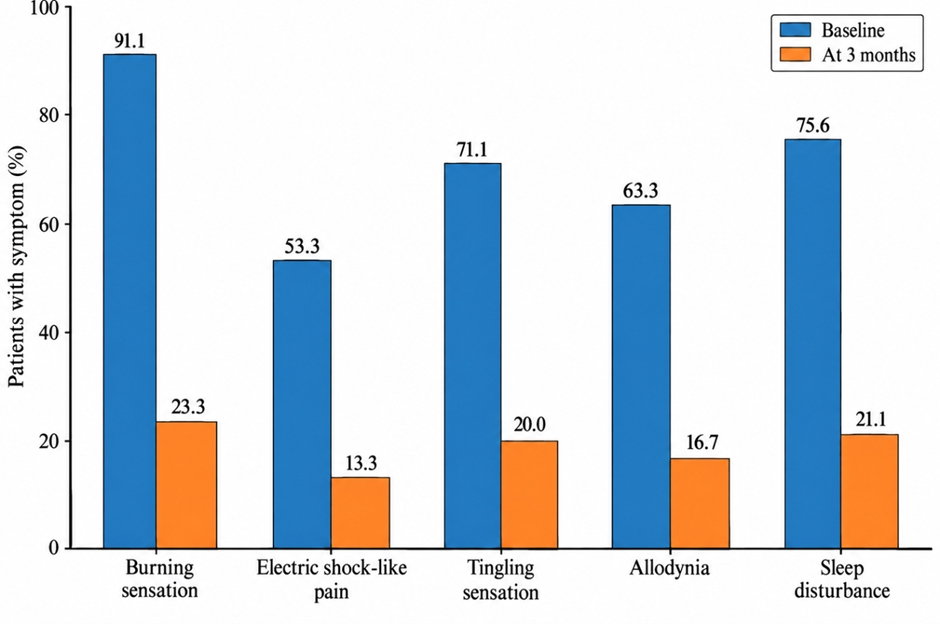
Figure 2. Percentage reduction in neuropathic pain symptoms after combined therapeutic intervention
Figure 2 illustrates the reduction in major neuropathic pain symptoms among elderly patients with herpes zoster-associated pain and postherpetic neuralgia following combined anesthesia and skin-directed therapy. A marked decline in symptom prevalence was observed after three months of treatment compared with baseline assessment. Burning sensation showed the highest reduction, decreasing from 91.1% at baseline to 23.3% after three months, followed by electric shock-like pain (53.3%to 13.3%), tingling sensation (71.1% to 20.0%), allodynia (63.3% to 16.7%), and sleep disturbance associated with pain (75.6% to 21.1%). The findings indicate substantial improvement in both sensory neuropathic symptoms and pain-related functional impairment after the intervention.
DISCUSSION:
Herpes zoster and postherpetic neuralgia (PHN) remain important causes of chronic neuropathic pain, particularly among elderly individuals. The present study evaluated the clinical effectiveness and safety of a combined anesthesia and skin-directed therapeutic approach in 90 elderly patients with herpes zoster-associated pain and PHN. The findings demonstrated a significant reduction in pain intensity, improvement in neuropathic symptoms, better functional outcomes, and satisfactory treatment tolerability. The mean Numerical Rating Scale (NRS) score decreased from 8.1 ± 1.1 at baseline to 2.4 ± 1.3 after three months, representing a clinically meaningful reduction in pain severity. These findings support the potential role of multimodal localized pain management strategies in elderly patients, where treatment-related adverse effects from systemic medications remain a major concern.
The demographic distribution observed in the present study reflects the established epidemiological pattern of herpes zoster, with increased disease burden among older adults. In this study, the mean age of participants was 71.4 ± 7.2 years, and thoracic dermatome involvement was the most common presentation. Age-related decline in VZV-specific cell-mediated immunity is considered the primary factor contributing to increased herpes zoster incidence and severity among elderly populations. Previous epidemiological studies have demonstrated that advancing age is one of the strongest predictors for PHN development, with individuals above 60 years showing substantially higher risk compared with younger populations [14]. The predominance of thoracic involvement observed in our cohort is also consistent with previous clinical observations, where thoracic dermatomes represent the most frequently affected regions in herpes zoster cases [15].
In the current study, burning pain was the most frequent neuropathic symptom (91.1%), followed by tingling sensation (71.1%) and allodynia (63.3%). These findings correspond with the characteristic clinical manifestations of PHN, which arise due to peripheral nerve injury, ectopic neuronal discharge, and central sensitization following VZV-mediated neuronal inflammation. Persistent activation of damaged sensory pathways contributes to abnormal pain processing, resulting in spontaneous pain and exaggerated responses to normally non-painful stimuli [16]. Similar symptom patterns have been described in previous studies, where burning pain and mechanical allodynia were identified as predominant features affecting sleep, mobility, and quality of life in elderly patients with PHN [17].
The significant reduction in NRS pain scores observed after combined anesthesia and skin-directed therapy highlights the importance of targeting both peripheral and neural components of zoster-associated pain. Conventional pharmacological management of PHN commonly includes gabapentin, pregabalin, tricyclic antidepressants, and topical lidocaine; however, systemic therapies may be associated with sedation, dizziness, cognitive impairment, and increased fall risk in elderly patients [18]. Therefore, interventions that provide effective analgesia with minimal systemic exposure are clinically valuable in geriatric populations.
Topical skin-based therapies represent an important component of localized neuropathic pain management. In the present study, significant improvement was observed in burning sensation, allodynia, and sleep disturbance after treatment. The mechanism may be attributed to reduced peripheral nociceptive transmission through local modulation of pain receptors and sodium-channel blockade. Previous studies have demonstrated that topical lidocaine 5% preparations provide effective pain relief in PHN patients while maintaining a favorable safety profile, particularly among elderly individuals with multiple comorbidities [19]. The low systemic absorption associated with topical anesthetic therapy makes it an attractive option for patients who are vulnerable to adverse drug reactions.
The additional use of anesthesia-based intervention in our study may explain the rapid reduction in pain intensity observed during follow-up. Regional anesthesia techniques can interrupt nociceptive transmission, decrease sympathetic activity, and reduce inflammatory responses associated with affected sensory nerves. Previous investigations have suggested that early interventional pain management approaches, including nerve blocks and epidural techniques, may provide significant pain relief in selected herpes zoster patients and may influence the progression of acute zoster pain toward chronic PHN [20]. However, variations in treatment timing, technique selection, and patient characteristics contribute to differences in reported outcomes.
The improvement in functional parameters observed in our study is clinically relevant because PHN extends beyond pain intensity alone and frequently affects sleep, psychological well-being, and daily activities. In our cohort, 72.2% of patients reported improved sleep quality and 67.8% demonstrated improved daily functional ability following treatment. Previous studies have emphasized that effective PHN management should focus not only on reducing pain scores but also on restoring functional independence and improving overall quality of life among elderly patients [21].
The safety profile observed in the present study was favorable, with no serious treatment-related complications. Mild local irritation and transient burning sensation were the most frequently reported adverse events. Similar findings have been reported with topical analgesic approaches, where application-site reactions were generally mild and self-limiting [22]. This safety advantage is particularly important in elderly patients, who often have renal impairment, cardiovascular disease, polypharmacy, and increased sensitivity to systemic analgesic adverse effects.
The findings of this study support a multimodal treatment concept in which anesthesia-based techniques and localized skin therapies complement each other. While topical therapies primarily address peripheral sensitization, regional anesthetic interventions act at deeper neural pathways involved in pain transmission. A combined approach may therefore provide broader pain control compared with single-modality treatment. However, larger randomized controlled trials with longer follow-up periods are required to determine the long-term effectiveness of this strategy and its ability to prevent persistent PHN development.
The present study has certain limitations. The absence of a control group receiving conventional pharmacological management limits direct comparison with standard treatment approaches. Additionally, the single-center design and relatively limited sample size may affect generalizability. Future multicenter studies incorporating validated quality-of-life instruments, long-term recurrence assessment, and comparative treatment groups are recommended.
CONCLUSION:
The present study demonstrates that combined anesthesia and skin-directed therapy provides significant pain reduction and functional improvement among elderly patients with herpes zoster and postherpetic neuralgia. This multimodal localized approach may represent a useful therapeutic strategy, particularly for older individuals where minimizing systemic medication exposure is an important clinical consideration.
REFERENCES:
1. Kennedy PGE, Gershon AA. Clinical features of varicella-zoster virus infection. Viruses. 2018;10(11):609.
2. Kawai K, Gebremeskel BG, Acosta CJ. Systematic review of incidence and complications of herpes zoster: towards a global perspective. BMJ Open. 2014;4(6):e004833.
3. Johnson RW, Rice ASC. Clinical practice. Postherpetic neuralgia. N Engl J Med. 2014;371(16):1526-1533.
4. Saguil A, Kane S, Mercado M, Lauters R. Herpes zoster and postherpetic neuralgia: prevention and management. Am Fam Physician. 2017;96(10):656-663.
5. Dworkin RH, Portenoy RK. Pain and its persistence in herpes zoster. Pain. 1996;67(2-3):241-251.
6. Schmader KE. Epidemiology and impact on quality of life of postherpetic neuralgia and painful diabetic neuropathy. Clin J Pain. 2002;18(6):350-354.
7. Tyring SK, Barbarash RA, Nahlik JE, Cunningham A, Marley J, Heng M, et al. Famciclovir for the treatment of acute herpes zoster infection. JAMA. 1995;273(4):300-306.
8. Moore RA, Wiffen PJ, Derry S, Toelle T, Rice AS. Gabapentin for chronic neuropathic pain and fibromyalgia in adults. Cochrane Database Syst Rev. 2014;(4):CD007938.
9. Hempenstall K, Nurmikko TJ, Johnson RW, A’Hern RP, Rice ASC. Analgesic therapy in postherpetic neuralgia: a quantitative systematic review. PLoS Med. 2005;2(7):e164.
10. Wasner G, Kleinert A, Binder A, Baron R. Postherpetic neuralgia: topical lidocaine is effective in nociceptor-deprived skin. J Neurol. 2005;252(6):677-686.
11. Backonja M, Wallace MS, Blonsky ER, Cutler BJ, Malan P Jr, Rauck R, et al. NGX-4010, a high-concentration capsaicin patch, for the treatment of postherpetic neuralgia. Neurology. 2008;70(24):2305-2313.
12. Dworkin RH, O’Connor AB, Backonja M, Farrar JT, Finnerup NB, Jensen TS, et al. Pharmacologic management of neuropathic pain: evidence-based recommendations. Pain. 2007;132(3):237-251.
13. vanWijck AJM, Wallace M, Mekhail N, van Kleef M. Evidence-based interventional pain medicine according to clinical diagnoses: postherpetic neuralgia. Pain Pract. 2011;11(1):88-97.
14. Kawai K, Gebremeskel BG, Acosta CJ. Systematic review of incidence and complications of herpes zoster: towards a global perspective. BMJ Open. 2014;4(6):e004833.
15. Johnson RW, Alvarez-Pasquin MJ, Bijl M, Franco E, Gaillat J, Clara JG, et al. Herpes zoster epidemiology, management, and disease and economic burden in Europe: a multidisciplinary perspective. TherAdv Vaccines. 2015;3(4):109-120.
16. Johnson RW, Rice ASC. Clinical practice. Postherpetic neuralgia. N Engl J Med. 2014;371(16):1526-1533.
17. Nalamachu S, Morley-Forster P. Diagnosing and managing postherpetic neuralgia. Drugs Aging. 2012;29(11):863-869.
18. Hempenstall K, Nurmikko TJ, Johnson RW, A’Hern RP, Rice ASC. Analgesic therapy in postherpetic neuralgia: a quantitative systematic review. PLoS Med. 2005;2(7):e164.
19. Argoff CE. Review of current guidelines on the care of postherpetic neuralgia. Postgrad Med. 2011;123(5):134-142.
20. vanWijck AJM, Wallace M, Mekhail N, van Kleef M. Evidence-based interventional pain medicine according to clinical diagnoses: postherpetic neuralgia. Pain Pract. 2011;11(1):88-97.
21. Hadley GR, Gayle JA, Ripoll J, Jones MR, Argoff CE, Kaye RJ, et al. Post-herpetic neuralgia: a review. Curr Pain Headache Rep. 2016;20(3):17.
22. Navez ML, Monnerat B, Szekely A, et al. 5% lidocaine medicated plaster for the treatment of postherpetic neuralgia: a review of clinical evidence. Pain Ther. 2015;4(1):1-14.