Association of Digital Health Literacy with Healthcare-Seeking Behaviour and Self-Medication Practices Among Urban Adults.
- Dr. Ramesh Nikam , Associate Professor Community Medicine. Smt Sakhubai Narayanrao Katkade Medical College Kompathan Kopargaon Maharastra.
Article Information:
Abstract:
Background: Digital health literacy influences how individuals access and utilize online health information, potentially affecting healthcare-seeking behaviour and self-medication practices. This study aimed to assess these associations among urban adults. Materials and Methods: A community-based, cross-sectional study was designed involving 100 urban adults. Digital health literacy was assessed using the eight-item eHealth Literacy Scale (eHEALS). Healthcare-seeking behaviour and self-medication practices were evaluated using a structured questionnaire. Participants were categorized into lower and higher digital health literacy groups based on the median score. Appropriate statistical tests were applied, with p below 0.05 considered significant. Results: The mean age was 34.8 ± 11.6 years, and the mean eHEALS score was 27.6 ± 6.4. Lower and higher digital health literacy were observed in 48% and 52% of participants, respectively. Professional healthcare consultation was significantly higher among participants with higher literacy (76.9% vs. 52.1%; p=0.009), whereas self-medication was lower (40.4% vs. 70.8%; p=0.002). Digital health literacy showed positive correlations with professional healthcare-seeking behaviour (rₛ=0.36) and verification of online information (rₛ=0.42), while a negative correlation was observed with self-medication frequency (rₛ=−0.31). Conclusion: Higher digital health literacy was associated with greater professional healthcare utilization and reduced self-medication, emphasizing the importance of digital health education among urban adults.
Keywords:
Article :
INTRODUCTION:
The rapid expansion of digital technologies has transformed how individuals access and utilize health-related information. Smartphones, internet connectivity, social media, online health portals and mobile applications have enabled individuals to obtain medical information beyond conventional healthcare settings[1]. Digital platforms are increasingly used to search for symptoms, understand diseases, explore treatment options and make decisions regarding medical consultation. Although digital healthcare has improved access to information and encouraged patient participation, the variable reliability of online content raises concerns regarding misinformation and inappropriate health-related decisions [2].
Digital health literacy (DHL) refers to an individual's ability to access, understand, evaluate and utilize health information obtained through digital technologies to make appropriate healthcare decisions. It extends beyond basic internet literacy and incorporates critical appraisal skills necessary to distinguish credible medical evidence from misleading information [3,4]. Individuals with adequate DHL may be better equipped to identify reliable healthcare resources, recognize symptoms requiring professional attention and participate in informed decision-making. Conversely, limited DHL may increase vulnerability to misinformation, inappropriate treatment choices and delayed healthcare utilization [5].
Healthcare-seeking behaviour encompasses actions undertaken by individuals when experiencing health-related problems, including symptom recognition, seeking medical advice and utilizing formal healthcare services. Traditionally, these decisions have been influenced by socioeconomic status, educational attainment, cultural beliefs, healthcare accessibility and perceived disease severity. However, increasing digitalization has introduced online health information as an additional determinant of healthcare-seeking practices. Individuals frequently consult search engines, healthcare websites and social media before approaching healthcare professionals. While reliable information may facilitate timely consultation, dependence on unverified resources can contribute to self-diagnosis, unnecessary anxiety and delayed medical attention [2,6].
Self-medication is another important aspect of health-related behaviour and involves using medicines for self-recognized symptoms without direct professional consultation. Common practices include purchasing over-the-counter medications, reusing previous prescriptions and consuming medicines recommended by acquaintances or online sources [7]. Although responsible self-medication may help manage minor ailments, inappropriate practices can result in adverse drug reactions, incorrect dosing, drug interactions, masking of underlying diseases and antimicrobial resistance [8,9]. Increasing access to online medication-related information may further influence independent treatment decisions. However, greater digital exposure does not necessarily indicate adequate DHL, as individuals may lack the skills required to critically evaluate treatment recommendations [3,4].
Urban populations provide a relevant setting for examining these associations because of widespread digital technology adoption and increasing availability of online healthcare services. Despite comparatively better healthcare accessibility, consultation costs, occupational commitments, waiting times and convenience may encourage reliance on digital information and self-medication. Furthermore, variations in age, education, socioeconomic background and technological familiarity may influence DHL and subsequent healthcare decisions [5,10].Understanding these relationships is essential for identifying gaps in digital health competencies and potentially unsafe medication practices. Evidence regarding the association of DHL with healthcare-seeking behaviour and self-medication may support targeted educational interventions and promote responsible utilization of digital healthcare resources.Therefore, the present study aims to assess digital health literacy among urban adults and determine its association with healthcare-seeking behaviour and self-medication practices.
MATERIALS AND METHODS:
The present community-based, observational, cross-sectional study was designed to assess the association of digital health literacy with healthcare-seeking behaviour and self-medication practices among urban adults. A total of 100 adults aged 18 years and above were included using a convenience sampling technique.
Inclusion Criteria
1. Adults aged 18 years and above residing in urban areas.
2. Individuals having access to the internet through smartphones or other digital devices.
3. Participants able to understand and complete the questionnaire.
4. Individuals willing to provide informed consent.
Exclusion Criteria
1. Individuals below 18 years of age.
2. Participants unwilling to provide informed consent.
3. Individuals unable to comprehend or complete the questionnaire.
4. Participants with incomplete responses to the principal study variables.
Data Collection Procedure
Data were collected using a structured, predesigned questionnaire administered through face-to-face interviews or self-administration. Following informed consent, information was obtained regarding sociodemographic characteristics, digital health literacy, healthcare-seeking behaviour and self-medication practices.
Assessment of Digital Health Literacy
Digital health literacy was assessed using the eight-item eHealth Literacy Scale (eHEALS), developed by Norman and Skinner [7]. Each item was rated on a five-point Likert scale, yielding a total score ranging from 8 to 40, with higher scores indicating greater perceived digital health literacy. Participants were categorized into two groups based on the sample median eHEALS score:
· Group I: Lower digital health literacy
· Group II: Higher digital health literacy
The total eHEALS score was also retained as a continuous variable for the primary association analysis.
Assessment of Healthcare-Seeking Behaviour
Healthcare-seeking behaviour was assessed through questions addressing participants' usual responses to illness, preferred healthcare providers, frequency of professional consultation, use of online health information before seeking medical advice and history of delaying or avoiding consultation based on digital information.
Assessment of Self-Medication Practices
Self-medication practices during the preceding six months were evaluated by recording the frequency of medicine use without professional consultation, commonly used drug categories, sources of medication-related information, reasons for self-medication, reuse of previous prescriptions and influence of online information on independent treatment decisions.
RESULTS:
A total of 100 participants were included in the study. The majority belonged to the age group of 18–30 years (42.0%), with a slight male predominance (54.0%). Most participants were graduates (42.0%) and employed (52.0%). Daily internet usage exceeding three hours was reported by 68.0% of participants (Table 1).The mean eHEALS score was 27.6 ± 6.4, with a median of 28. Based on the median cut-off, 48.0% of participants were classified as having lower digital health literacy (DHL; score below 28), while 52.0% had higher DHL (score ≥28) (Table 2).
Search engines (76.0%) were the most commonly used source of online health information, followed by YouTube (58.0%) and social media (54.0%). Overall, 61.0% of participants accessed online health information either daily (28.0%) or several times weekly (33.0%) (Table 3).Participants with higher DHL showed significantly greater preference for professional consultation (76.9% vs. 52.1%; p=0.009) and verification of online health information (73.1% vs. 35.4%; p<0.001). Conversely, delayed medical consultation (19.2% vs. 45.8%; p=0.004) and primary reliance on online information for initial health decisions (34.6% vs. 58.3%; p=0.017) were significantly lower among participants with higher DHL
(Table 4 and Figure 1).Self-medication during the preceding six months was significantly more frequent among participants with lower DHL than those with higher DHL (70.8% vs. 40.4%; p=0.002). Similarly, unverified online medication use (54.2% vs. 25.0%; p=0.003), reuse of previously prescribed medicines (52.1% vs. 28.8%; p=0.018), and medicine purchases without current medical consultation (62.5% vs. 34.6%; p=0.005) were significantly higher in the lower DHL group (Table 5 and Figure 2).Spearman's correlation analysis demonstrated significant positive associations of DHL scores with professional healthcare-seeking behaviour (rₛ=0.36; p<0.001) and verification of online health information (rₛ=0.42; p<0.001). Significant negative correlations were observed with self-medication frequency (rₛ=−0.31; p=0.002) and delayed professional consultation (rₛ=−0.28; p=0.005) (Table 6 and Figure 3).
Table 1. Distribution of Study Participants According to Sociodemographic Characteristics (N=100)
|
Characteristics |
Number (n) |
Percentage (%) |
|
Age group (years) |
||
|
18–30 |
42 |
42.0 |
|
31–40 |
28 |
28.0 |
|
41–50 |
18 |
18.0 |
|
Above 50 |
12 |
12.0 |
|
Gender |
||
|
Male |
54 |
54.0 |
|
Female |
46 |
46.0 |
|
Educational qualification |
||
|
Up to secondary |
15 |
15.0 |
|
Higher secondary |
20 |
20.0 |
|
Graduate |
42 |
42.0 |
|
Postgraduate or above |
23 |
23.0 |
|
Occupation |
||
|
Employed |
52 |
52.0 |
|
Self-employed |
18 |
18.0 |
|
Student |
20 |
20.0 |
|
Homemaker/Others |
10 |
10.0 |
|
Daily internet usage |
||
|
Less than 1 hour |
10 |
10.0 |
|
1–3 hours |
22 |
22.0 |
|
More than 3 hours |
68 |
68.0 |
Table 2. Distribution of Participants According to Digital Health Literacy Scores (N=100)
|
Digital health literacy parameter |
Value |
|
Total participants |
100 |
|
Mean eHEALS score (Mean ± SD) |
27.6 ± 6.4 |
|
Median eHEALS score |
28 |
|
Possible score range |
8–40 |
|
Lower DHL (Group I; score below 28) |
48 (48.0%) |
|
Higher DHL (Group II; score ≥28) |
52 (52.0%) |
Table 3. Distribution of Participants According to Online Health Information Utilization (N=100)
|
Online health information parameters |
Number (n) |
Percentage (%) |
|
Sources of online health information |
||
|
Search engines |
76 |
76.0 |
|
YouTube |
58 |
58.0 |
|
Social media platforms |
54 |
54.0 |
|
Healthcare websites |
42 |
42.0 |
|
Mobile health applications |
28 |
28.0 |
|
Online consultation platforms |
24 |
24.0 |
|
Frequency of accessing online health information |
||
|
Daily |
28 |
28.0 |
|
Several times weekly |
33 |
33.0 |
|
Occasionally |
27 |
27.0 |
|
Rarely |
12 |
12.0 |
Table 4. Association Between Digital Health Literacy and Healthcare-Seeking Behaviour (N=100)
|
Healthcare-seeking behaviour |
Lower DHL (n=48), n (%) |
Higher DHL (n=52), n (%) |
p-value |
Statistical Test |
|
Preferred professional consultation during illness |
25 (52.1) |
40 (76.9) |
0.009 |
Chi-square test |
|
Verified online health information with a healthcare professional |
17 (35.4) |
38 (73.1) |
<0.001 |
|
|
Delayed medical consultation after online symptom search |
22 (45.8) |
10 (19.2) |
0.004 |
|
|
Relied primarily on online information for initial health decisions |
28 (58.3) |
18 (34.6) |
0.017 |
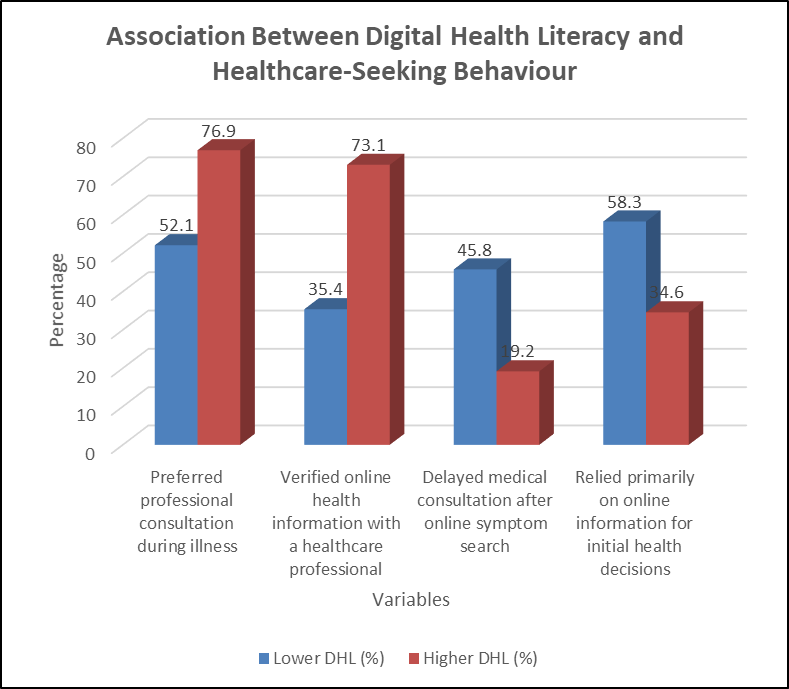
Figure 1. Association Between Digital Health Literacy and Healthcare-Seeking Behaviour (N=100)
Table 5. Association Between Digital Health Literacy and Self-Medication Practices (N=100)
|
Self-medication parameters |
Lower DHL (n=48), n (%) |
Higher DHL (n=52), n (%) |
p-value |
Statistical Test |
|
Practised self-medication in the preceding six months |
34 (70.8) |
21 (40.4) |
0.002 |
Chi-square test |
|
Used online medication recommendations without professional verification |
26 (54.2) |
13 (25.0) |
0.003 |
|
|
Reused previously prescribed medicines |
25 (52.1) |
15 (28.8) |
0.018 |
|
|
Purchased medicines without current medical consultation |
30 (62.5) |
18 (34.6) |
0.005 |
|
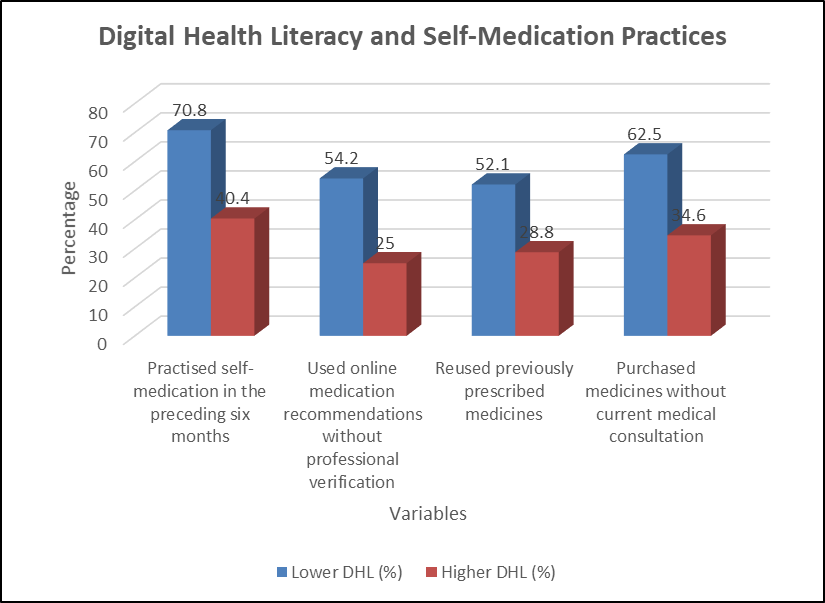
Figure 2. Association Between Digital Health Literacy and Self-Medication Practices (N=100)
Table 6. Correlation of Digital Health Literacy Scores with Healthcare-Seeking Behaviour and Self-Medication Practices (N=100)
|
Study parameters |
Spearman's correlation coefficient (rₛ) |
p-value |
Statistical Test |
|
Professional healthcare-seeking behaviour |
0.36 |
< 0.001 |
Spearman's correlation |
|
Verification of online health information |
0.42 |
< 0.001 |
|
|
Self-medication frequency |
−0.31 |
0.002 |
|
|
Delay in professional consultation |
−0.28 |
0.005 |
|
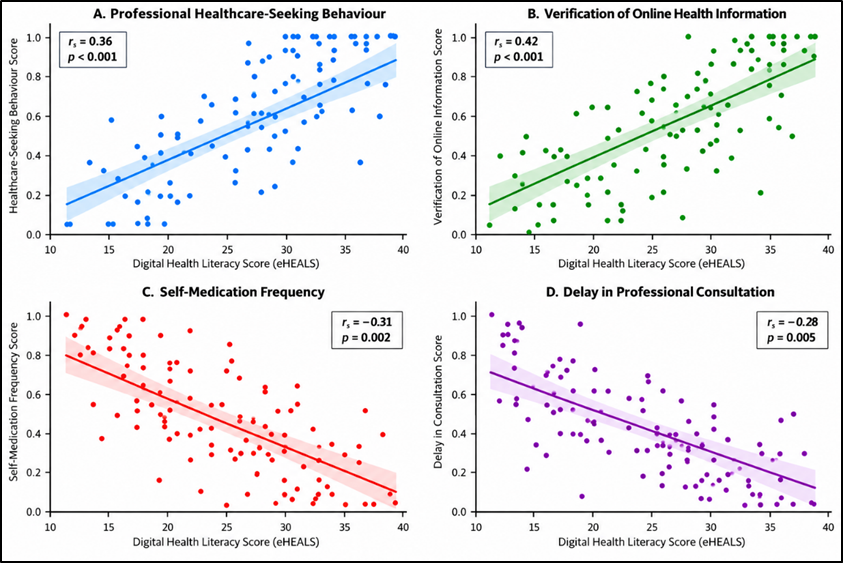
Figure 3. Correlation of Digital Health Literacy Scores with Healthcare-Seeking Behaviour and Self-Medication Practices (N=100)
DISCUSSION:
The present study evaluated the association of digital health literacy (DHL) with healthcare-seeking behaviour and self-medication practices among 100 urban adults. The findings indicated that higher DHL was associated with greater preference for professional healthcare consultation, increased verification of online information and lower self-medication frequency. The mean age of participants was 34.8 ± 11.6 years, with 42% belonging to the 18–30-year age group. Males constituted 54%, while 65% were graduates or postgraduates. The mean eHEALS score was 27.6 ± 6.4, with 48% categorized as having lower DHL and 52% as having higher DHL. Norman and Skinner (2006) [11], in their original validation study involving 664 adolescents, reported good internal consistency of eHEALS (Cronbach's α=0.88), with a single-factor structure explaining 56% of the variance. Similarly, van der Vaart et al. (2011) [12], in two adult populations comprising 189 patients with rheumatic diseases and 88 general-population participants, reported Cronbach's alpha values of 0.93 and 0.92, respectively. These studies support the use of eHEALS for assessing perceived digital health literacy, although its reliability requires separate evaluation in the present population.
In the present study, search engines were the most commonly used source of online health information (76%), followed by YouTube (58%), social media (54%) and healthcare websites (42%). Overall, 61% accessed online health information at least once weekly. Van der Vaart et al. (2011) [12] reported that 62% of their rheumatic disease cohort used the internet almost daily. However, the correlation between eHEALS scores and internet usage was relatively weak (r=0.24), indicating that frequent internet use does not necessarily reflect adequate digital health literacy. Similarly, Soellner et al. (2014) [13], in a study involving 327 participants, highlighted the distinction between information-seeking and information-appraisal competencies. These observations emphasize the importance of evaluating the quality of digital engagement rather than internet usage alone.
Professional healthcare consultation was preferred by 76.9% of participants with higher DHL compared with 52.1% with lower DHL (p=0.009). Verification of online information with healthcare professionals was also significantly higher in the higher DHL group (73.1% vs. 35.4%; p below 0.001). Conversely, delayed consultation following online symptom searches was more frequent among participants with lower DHL (45.8% vs. 19.2%; p=0.004). Neter et al. (2015) [14] discussed the dimensionality of health literacy and eHealth literacy, highlighting the distinction between general health-related competencies and digital information skills. Their findings provide a conceptual basis for interpreting the present associations, although directly comparable healthcare-seeking percentages were not reported. Self-medication was reported by 55% of participants and was more frequent among those with lower DHL (70.8% vs. 40.4%; p=0.002). Similarly, reliance on online medication recommendations without professional verification (54.2% vs. 25.0%; p=0.003) and reuse of previous prescriptions (52.1% vs. 28.8%; p=0.018) were greater in the lower DHL group.
Merritt et al. (2005) [15] investigated the reliability of self-reported computer literacy and highlighted discrepancies between perceived competency and objectively assessed skills. Although their study did not directly evaluate self-medication, it emphasizes that confidence in using digital resources does not necessarily indicate the ability to make appropriate medication-related decisions.The present study demonstrated positive correlations of DHL with professional healthcare-seeking behaviour (rₛ=0.36; p below 0.001) and verification of online information (rₛ=0.42; p below 0.001). Negative correlations were observed with self-medication frequency (rₛ=−0.31; p=0.002) and delayed consultation (rₛ=−0.28; p=0.005).In comparison, van der Vaart et al. [12] reported a weak correlation between eHEALS scores and internet usage (r=0.24; p=0.001 and p=0.02 in their respective samples), while correlation with objectively assessed digital performance was nonsignificant (r=0.18; p=0.09). These findings suggest that perceived digital health literacy and practical digital competencies should be interpreted separately.
CONCLUSION:
The present study suggests that higher digital health literacy is associated with greater preference for professional healthcare consultation, increased verification of online health information and reduced self-medication practices among urban adults. Individuals with lower digital health literacy demonstrated a greater tendency towards unsupervised medication use and delayed medical consultation. Strengthening digital health literacy through targeted educational interventions may promote informed healthcare decisions and responsible medication practices.
LIMITATIONS
The relatively small sample size (N=100), convenience sampling and cross-sectional design limit the generalizability of findings and prevent causal interpretation. Additionally, self-reported responses may be subject to recall and social desirability bias, while eHEALS assesses perceived rather than objectively demonstrated digital health literacy.
REFERENCES:
1. World Health Organization. Global strategy on digital health 2020–2025. Geneva: World Health Organization; 2021.
2. Eysenbach G, Powell J, Kuss O, Sa ER. Empirical studies assessing the quality of health information for consumers on the World Wide Web: a systematic review. JAMA. 2002;287(20):2691–700.
3. Norman CD, Skinner HA. eHealth literacy: essential skills for consumer health in a networked world. J Med Internet Res. 2006;8(2):e9.
4. van der Vaart R, Drossaert C. Development of the Digital Health Literacy Instrument: measuring a broad spectrum of Health 1.0 and Health 2.0 skills. J Med Internet Res. 2017;19(1):e27.
5. Diviani N, van den Putte B, Giani S, van Weert JC. Low health literacy and evaluation of online health information: a systematic review of the literature. J Med Internet Res. 2015;17(5):e112.
6. McMullan M. Patients using the Internet to obtain health information: how this affects the patient-health professional relationship. Patient Educ Couns. 2006;63(1–2):24–8.
7. Bennadi D. Self-medication: a current challenge. J Basic Clin Pharm. 2014;5(1):19–23.
8. Hughes CM, McElnay JC, Fleming GF. Benefits and risks of self medication. Drug Saf. 2001;24(14):1027–37.
9. World Health Organization. WHO guideline on self-care interventions for health and well-being, 2022 revision. Geneva: World Health Organization; 2022.
10. Neter E, Brainin E. eHealth literacy: extending the digital divide to the realm of health information. J Med Internet Res. 2012;14(1):e19.
11. Norman CD, Skinner HA. eHEALS: The eHealth Literacy Scale. J Med Internet Res. 2006;8(4):e27.
12. van der Vaart R, van Deursen AJ, Drossaert CH, Taal E, van Dijk JA, van de Laar MA. Does the eHealth Literacy Scale (eHEALS) measure what it intends to measure? Validation of a Dutch version of the eHEALS in two adult populations. J Med Internet Res. 2011;13(4):e86.
13. Soellner R, Huber S, Reder M. The concept of eHealth literacy and its measurement: German translation of the eHEALS. J Media Psychol. 2014;26(1):29–38.
14. Neter E, Brainin E, Baron-Epel O. The dimensionality of health literacy and eHealth literacy. Eur Health Psychol. 2015;17(6):275–80.
15. Merritt K, Smith KD, Di Renzo JC. An investigation of self-reported computer literacy: is it reliable? Issues Inf Syst. 2005;6(1):289–95.