Pattern, Severity and Clinical Outcomes of Adverse Drug Events Associated with Fixed-Dose Combination Anti-Tubercular Therapy in Patients with Drug-Susceptible Tuberculosis.
- Hitesh N Vasava , Assistant Professor, Department of Respiratory Medicine, GMERS Medical College & Hospital, Valsad Gujarat, India
- Harshil M Desai , Assistant Professor, Department of Respiratory Medicine, Banas Medical College & Research Institute, Palanpur, Gujarat, India
- Harshika Khatri , Consultant, Department of Respiratory Medicine, Rajasthan, India
Article Information:
Abstract:
Background: Fixed-dose combination anti-tubercular therapy (FDC-ATT) simplifies tuberculosis treatment; however, adverse drug reactions (ADRs) may affect treatment tolerability, necessitate regimen modification and contribute to treatment interruption. Early recognition and appropriate management are therefore essential. Objectives: To evaluate the pattern, severity, clinical outcomes of ADRs associated with FDC-ATT among patients with drug-susceptible tuberculosis. Methods: A prospective observational study was conducted in the Department of Pulmonary Medicine, Civil Hospital, Ahmedabad, from January to December 2022. Fifty adult patients with drug-sensitive pulmonary or extrapulmonary tuberculosis receiving FDC-ATT who developed at least one suspected ADR were included. ADRs were documented and assessed for causality, severity, preventability and outcome. Patients were followed during treatment. Results: The mean age was 38.5 ± 15.9 years, and 58% were males. Pulmonary tuberculosis accounted for 66% of cases. Overall, 58% of ADRs occurred within the first two months of treatment. Nausea and vomiting (26%) were most frequent, followed by hepatitis (22%), hyperuricaemia (16%), allergic reactions (10%) and impaired vision (8%). ADRs were mild in 52%, moderate in 46% and severe in 2%. Overall, 58% improved, 28% remained on treatment, 8% defaulted and 6% died; deaths were not attributed to ADRs. Conclusion: Most FDC-ATT-associated ADRs occurred early and were mild to moderate. Active pharmacovigilance may improve treatment safety and minimize unnecessary interruption.
Keywords:
Article :
INTRODUCTION:
Tuberculosis (TB) remains a major global public health problem and an important cause of morbidity and mortality from infectious disease. According to the World Health Organization Global Tuberculosis Report 2023, an estimated 10.6 million people developed TB worldwide in 2022. Despite effective diagnostic and therapeutic interventions, the continuing burden of TB emphasizes the importance of treatment safety, adherence and successful completion [1].
Under India’s National Tuberculosis Elimination Programme (NTEP), patients with drug-susceptible TB receive daily weight-band-based fixed-dose combination (FDC) anti-tubercular therapy [2]. FDCs simplify treatment, reduce pill burden and prevent inappropriate monotherapy. However, simultaneous exposure to multiple anti-tubercular drugs increases the risk of adverse drug reactions (ADRs), which may affect treatment tolerance, adherence and completion [2,3].
First-line anti-tubercular therapy commonly includes isoniazid, rifampicin, pyrazinamide and ethambutol during the intensive phase. These drugs are associated with gastrointestinal, hepatic, cutaneous, neurological, musculoskeletal and visual adverse effects [3]. Therefore, systematic identification, documentation and monitoring of ADRs are important components of pharmacovigilance during TB treatment [3,4].
Previous Indian studies have demonstrated a considerable burden of ADRs among patients receiving anti-tubercular therapy. Kiran and Nagabushan reported clinically relevant ADRs in a tertiary-care setting and highlighted the importance of active monitoring [4]. Ramakrishnan et al. prospectively documented multiple ADRs during the intensive phase, supporting structured surveillance during the initial months of therapy [5]. Similarly, El-Hamdouni et al. reported adverse reactions with first-line anti-TB therapy in Morocco and examined their relationship with treatment outcomes [6]. Prospective studies from China and India have also documented clinically important ADRs among patients receiving directly observed anti-tubercular therapy [7,8]. Such reactions may contribute to reduced adherence, treatment interruption and unfavourable outcomes.
India’s transition from the Revised National Tuberculosis Control Programme to the NTEP has emphasized improved diagnosis, treatment adherence and outcomes [9]. Pharmacovigilance is integral to treatment safety; however, under-reporting of ADRs remains a concern. Krishnappa et al. identified gaps in ADR reporting within the national TB programme and emphasized strengthening recognition, documentation and reporting by healthcare providers [10].
Recent prospective evidence further demonstrates the burden of ADRs. In a community-based cohort of 710 newly diagnosed TB patients receiving daily FDC therapy, 67.6% experienced at least one ADR during the intensive phase. Common reactions included gastritis (29.2%), vomiting (27.5%), nausea (21.9%), skin rash (12.5%), drug-induced hepatitis (5.6%) and visual problems (3.3%). Nevertheless, 96.3% of patients experiencing ADRs ultimately had successful treatment outcomes.
The present study aimed to evaluate the pattern, severity and clinical outcomes of adverse drug events associated with FDC anti-tubercular therapy among patients with drug-susceptible tuberculosis. The objectives were to determine the frequency and pattern of adverse drug events, assess their severity, identify relevant demographic and clinical characteristics, and evaluate clinical outcomes. The findings may strengthen pharmacovigilance, facilitate early recognition of clinically significant adverse events and contribute to safer completion of anti-tubercular therapy.
MATERIALS AND METHODS:
A prospective observational study was conducted in the Department of Pulmonary Medicine, Civil Hospital, Ahmedabad, over a period of 12 months from January 2022 to December 2022 after obtaining approval from the Institutional Ethics Committee of B.J. Medical College, Ahmedabad. The study included 50 adult patients aged more than 18 years with newly diagnosed drug-sensitive pulmonary or extrapulmonary tuberculosis who were receiving fixed-dose combination anti-tubercular therapy (FDC-ATT) and developed at least one suspected adverse drug reaction (ADR) during treatment. Patients of either sex who fulfilled the study criteria and provided written informed consent were included, whereas patients or informants unwilling to provide consent and patients diagnosed with drug-resistant tuberculosis were excluded.
Patients attending the outpatient department as well as those admitted to the tuberculosis wards of the Department of Pulmonary Medicine, Civil Hospital, Ahmedabad, were reviewed regularly and monitored for the occurrence of ADRs. Adverse drug reactions were identified through active participation in ward rounds and direct interviews with patients during outpatient follow-up. At the first visit, baseline information including age, sex, socioeconomic status, contact details, smoking, alcohol and tobacco use, relevant clinical history, general and systemic examination findings, laboratory and radiological investigations and details of prescribed anti-tubercular drugs was recorded in a pretested case record form. Patients were subsequently followed until completion of their treatment regimen.
All suspected ADRs were documented using an ADR documentation and evaluation form. Information regarding the nature and description of the reaction, time of onset, relevant past medication history, suspected drug, dose, route and frequency of administration, severity of the reaction and its impact on anti-tubercular treatment was recorded. Safety monitoring included the frequency and systemic organ classification of adverse events, suspected causative drugs, number of serious adverse events, severity, causality, preventability and clinical outcome of the reactions. Suspected ADRs were assessed for causality using the WHO probability scale and Naranjo's algorithm. The seriousness, severity and preventability of ADRs were assessed according to the evaluation methods used in the original study.
Written informed consent was obtained from all participants before enrolment, and adequate privacy and confidentiality were maintained throughout the study. Each participant underwent a standard interview, detailed medical history and complete general and systemic examination. Necessary laboratory and radiological investigations were performed according to clinical requirements. Clinical improvement during treatment and the outcome of the reported adverse drug reactions were monitored during follow-up.
The collected data were entered into Microsoft Excel and analyzed using appropriate statistical methods. Demographic and clinical characteristics and the frequency, pattern, organ-system distribution, causality, severity, preventability, seriousness and outcomes of ADRs were summarized using descriptive statistics. Categorical variables were expressed as frequencies and percentages, while continuous variables were summarized using appropriate measures of central tendency and dispersion. Appropriate statistical tests were applied to evaluate associations between patient characteristics and ADR-related outcomes, wherever applicable, and a p-value of <0.05 was considered statistically significant.
RESULTS:
A total of 50 patients with drug-sensitive tuberculosis who experienced adverse drug reactions (ADRs) while receiving fixed-dose combination anti-tubercular therapy were evaluated. The mean age of the participants was 38.5 ± 15.9 years, with the largest proportion belonging to the 21–30-year age group (28%), and 58% were males. Pulmonary tuberculosis was the predominant form of disease, accounting for 66% of cases, while 34% had extrapulmonary or disseminated tuberculosis. Comorbidities were present in 19 patients, with diabetes mellitus being the most frequently reported. More than half of the ADRs (58%) occurred within the first two months of anti-tubercular treatment. Nausea and vomiting (26%) were the most common ADRs, followed by hepatitis (22%), hyperuricaemia (16%), allergic reactions (10%), impaired vision (8%), anaemia (6%), peripheral neuropathy (6%), thrombocytopenia (2%) and febrile reactions (2%). Pyrazinamide was predominantly associated with hyperuricaemia, hepatitis and gastrointestinal adverse effects, while isoniazid was associated with peripheral neuropathy and allergic reactions; ethambutol was associated with impaired vision and rifampicin with thrombocytopenia. Regarding severity, 26 (52%) ADRs were mild, 23 (46%) were moderate and only 1 (2%) was severe. At the time of outcome assessment, 29 (58%) patients had improved, 14 (28%) were still on treatment, 4 (8%) had defaulted and 3 (6%) had died. Overall, gastrointestinal and hepatotoxic adverse effects constituted an important proportion of ADRs, and most reactions were mild to moderate and could be managed with symptomatic treatment or appropriate modification of the anti-tubercular regimen.
Table 1. Baseline Demographic and Clinical Characteristics of Study Participants (N=50)
|
Characteristic |
Category |
n (%) |
|
Age group (years) |
<20 |
6 (12) |
|
21–30 |
14 (28) |
|
|
31–40 |
6 (12) |
|
|
41–50 |
13 (26) |
|
|
51–60 |
8 (16) |
|
|
61–70 |
2 (4) |
|
|
>70 |
1 (2) |
|
|
Mean ± SD |
38.5 ± 15.9 years |
|
|
Sex |
Male |
29 (58) |
|
Female |
21 (42) |
|
|
Addiction history |
Smoking |
12 (24) |
|
Alcohol |
15 (30) |
|
|
Gutka chewing |
6 (12) |
|
|
None |
27 (54) |
|
|
Presence of comorbidity |
Any comorbidity |
19 (38) |
|
Type of TB |
Pulmonary TB |
33 (66) |
|
Abdominal Koch's |
3 (6) |
|
|
Miliary tuberculosis |
3 (6) |
|
|
Tuberculous pleural effusion |
4 (8) |
|
|
Tuberculous meningitis |
4 (8) |
|
|
Disseminated TB |
3 (6) |
Multiple addictions could coexist; therefore, percentages for addiction history need not total 100%.
Table 2. Pattern and Time of Occurrence of Adverse Drug Reactions (N=50)
|
ADR characteristic |
Category/ADR |
n (%) |
|
Time of ADR occurrence |
Within 2 months of starting ATT |
29 (58) |
|
After 2 months of starting ATT |
21 (42) |
|
|
Type of ADR |
Anaemia |
3 (6) |
|
Thrombocytopenia |
1 (2) |
|
|
Nausea and vomiting |
13 (26) |
|
|
Hepatitis |
11 (22) |
|
|
Allergic reaction |
5 (10) |
|
|
Impaired vision |
4 (8) |
|
|
Hyperuricaemia |
8 (16) |
|
|
Peripheral neuropathy |
3 (6) |
|
|
Febrile reaction |
1 (2) |
Key finding: ADRs developed within the first two months of treatment in 58% of patients. Nausea and vomiting were the most frequently reported ADRs (26%), followed by hepatitis (22%) and hyperuricaemia (16%).
Table 3. Suspected Anti-Tubercular Drug Associated with Different Adverse Drug Reactions
|
Adverse drug reaction |
INH n (%) |
Rifampicin n (%) |
Pyrazinamide n (%) |
Ethambutol n (%) |
|
Anaemia |
2 (4) |
1 (2) |
0 |
0 |
|
Thrombocytopenia |
0 |
1 (2) |
0 |
0 |
|
Nausea and vomiting |
2 (4) |
3 (6) |
8 (16) |
0 |
|
Hepatitis |
2 (4) |
3 (6) |
6 (12) |
0 |
|
Allergic reaction |
3 (6) |
2 (4) |
0 |
0 |
|
Impaired vision |
0 |
0 |
0 |
4 (8) |
|
Hyperuricaemia |
0 |
0 |
8 (16) |
0 |
|
Peripheral neuropathy |
3 (6) |
0 |
0 |
0 |
|
Febrile reaction |
0 |
1 (2) |
0 |
0 |
Interpretation: Pyrazinamide was particularly associated with hyperuricaemia, nausea/vomiting and hepatitis; isoniazid with peripheral neuropathy and allergic reactions; rifampicin with thrombocytopenia; and ethambutol with impaired vision.
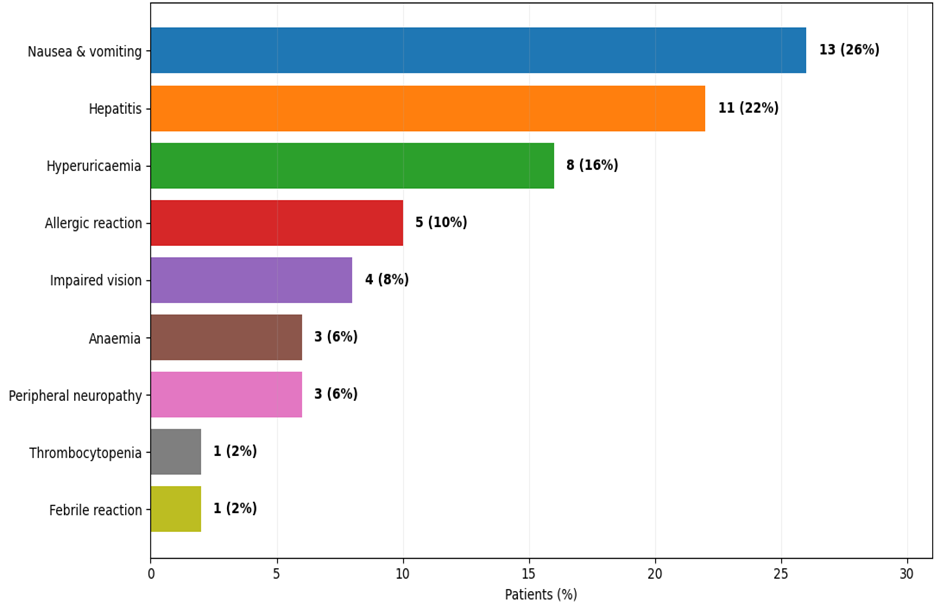
Figure 1: Pattern and Frequency of Adverse Drug Reactions Associated with FDC Anti-Tubercular Therapy (N= 50)
Table 4. Severity, Management and Clinical Outcome of Adverse Drug Reactions (N=50)
|
Parameter |
Category |
n (%) |
|
ADR severity |
Mild |
26 (52) |
|
Moderate |
23 (46) |
|
|
Severe |
1 (2) |
|
|
Patient status/outcome |
On treatment |
14 (28) |
|
Improved |
29 (58) |
|
|
Defaulted |
4 (8) |
|
|
Died |
3 (6) |
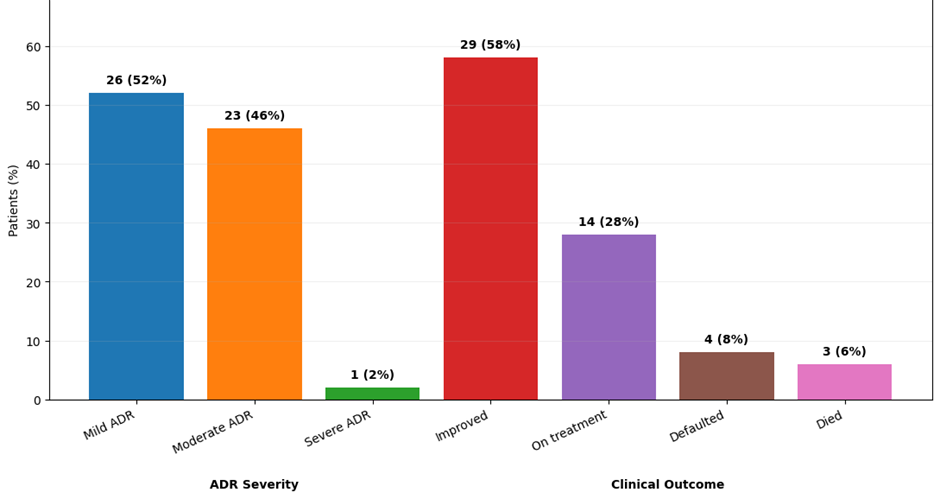
Figure 2: Severity and Clinical Outcomes of Adverse Drug Reactions Among Study Participants (N= 50)
DISCUSSION:
The present prospective observational study evaluated the pattern, severity and clinical outcomes of adverse drug reactions (ADRs) among 50 patients receiving fixed-dose combination anti-tubercular therapy (FDC-ATT) for drug-sensitive tuberculosis. The mean age of participants was 38.5 ± 15.9 years, with males constituting 58% of the study population. Pulmonary tuberculosis was the predominant presentation (66%). Notably, 58% of ADRs occurred within the first two months of treatment, indicating that the early treatment period is an important window for active safety monitoring.
The most frequent ADR was nausea and vomiting (26%), followed by hepatitis (22%), hyperuricaemia (16%), allergic reactions (10%), impaired vision (8%), anaemia (6%), peripheral neuropathy (6%), thrombocytopenia (2%) and febrile reaction (2%). Edwards and Aronson emphasized the importance of considering the temporal relationship between drug exposure and clinical manifestations in recognizing ADRs [11]. The predominance of ADRs during the first two months in the present study therefore supports closer surveillance during the intensive phase of anti-tubercular treatment.
Regarding severity, 52% of ADRs were mild, 46% were moderate and only 2% were severe. Hartwig et al. proposed a framework for assessing ADR severity based on their clinical consequences [12]. The present findings indicate that severe reactions were uncommon, although the substantial proportion of moderate ADRs demonstrates that treatment-related adverse effects remain clinically relevant and require careful monitoring.
Sachdeva and Mase highlighted that achieving the End TB targets in India requires improvements in quality of care, treatment completion and patient-centred approaches in addition to effective anti-tubercular regimens [13]. ADRs are particularly relevant in this context because treatment-related toxicity may adversely influence tolerability, adherence and continuity of therapy. Early recognition and systematic monitoring of ADRs may therefore contribute to treatment safety and completion.
The predominance of gastrointestinal reactions in the present study is consistent with observations from other anti-tubercular treatment settings. Massud et al. reported a high burden of ADRs among patients receiving treatment for drug-resistant tuberculosis, with gastrointestinal disturbances occurring in approximately 66.7% of patients [14]. In comparison, nausea and vomiting occurred in 26% of the present drug-sensitive TB cohort. This difference may reflect variations in treatment regimens, duration of therapy and patient characteristics.
Ahmad et al. also documented frequent ADRs among patients receiving treatment for multidrug-resistant tuberculosis [15]. Although direct numerical comparison with the present study is limited because of differences in therapeutic regimens and study populations, both studies demonstrate the clinical importance of structured surveillance for treatment-related adverse effects. Similarly, Ganiyu et al. reported a considerable burden of ADRs associated with second-line anti-tubercular drugs in Nigeria, including ototoxicity, electrolyte abnormalities and neuropsychiatric manifestations [16]. In contrast, the present study predominantly identified gastrointestinal, hepatic and metabolic reactions, illustrating the regimen-specific spectrum of anti-tubercular drug toxicity.
Laghari et al. reported ADRs in 67 of 508 children (13.2%) receiving anti-tubercular treatment. Gastrointestinal manifestations accounted for approximately 65.7% of reported ADRs, while 74.3% were mild [17]. Although their paediatric population differed from the adults included in the present study, both studies demonstrated a predominance of gastrointestinal manifestations and relatively few severe reactions. In the present study, 52% of ADRs were mild and only 2% were severe, reinforcing the observation that severe ADRs constituted only a small proportion of reported reactions.
Sant'Anna et al. prospectively evaluated adverse reactions during treatment of drug-susceptible tuberculosis in Brazil and demonstrated that ADRs remain an important clinical consideration even with standard first-line therapy [18]. This is comparable with the present findings, where gastrointestinal symptoms, hepatotoxicity, hyperuricaemia, allergic reactions and visual disturbances were observed despite conventional FDC treatment. These observations reinforce the importance of pharmacovigilance during first-line anti-tubercular therapy.
Comorbidities were present in 19 of 50 patients (38%), with diabetes mellitus being the most frequently recorded. Siddiqui et al. reported diabetes in approximately 15.8% of their study population and observed ADRs in 92.0% of patients with diabetes compared with 66.9% without diabetes (OR 3.578; 95% CI 1.114–11.494) [19]. Although the present study was not adequately powered to establish diabetes as an independent risk factor, patients with coexisting metabolic disorders may warrant closer safety surveillance.
Regarding clinical outcomes, 29 patients (58%) improved, 14 (28%) remained on treatment, 4 (8%) defaulted and 3 (6%) died; the deaths were not attributed to ADRs. Moorthy et al., while evaluating patients’ experiences with daily FDC-based DOTS, emphasized the importance of treatment tolerability and patient support during therapy [20]. However, as 28% of participants were still receiving treatment at outcome assessment, definitive treatment outcomes were unavailable for all patients and should be interpreted accordingly.
Overall, ADRs associated with FDC-ATT occurred predominantly during the early treatment period and were mainly gastrointestinal, hepatic and metabolic. Ninety-eight percent of reactions were mild or moderate, while severe ADRs were uncommon. These findings emphasize the importance of active pharmacovigilance, particularly during the first two months of therapy, along with systematic surveillance and early recognition of adverse reactions to enhance the safety of FDC anti-tubercular treatment.
CONCLUSION:
The present study demonstrated that adverse drug reactions associated with fixed-dose combination anti-tubercular therapy occurred predominantly during the early phase of treatment, with 58% occurring within the first two months. Nausea and vomiting (26%), hepatitis (22%) and hyperuricaemia (16%) were the most frequently observed ADRs. Most reactions were mild (52%) or moderate (46%), while severe ADRs were uncommon (2%). Overall, 58% of patients improved, 28% remained on treatment, 8% defaulted and 6% died, with the deaths not attributed to ADRs. These findings emphasize the importance of active pharmacovigilance, particularly during the first two months of FDC-ATT, along with systematic monitoring and early recognition of ADRs to enhance treatment safety and support treatment completion.
REFERENCES:
1. World Health Organization. Global tuberculosis report 2023 [Internet]. Geneva: World Health Organization; 2023 [cited 10th Sept 2026]. Available from: https://www.who.int/publications/i/item/9789240083851?utm
2. Central Tuberculosis Division, Ministry of Health and Family Welfare, Government of India. Technical and operational guidelines for tuberculosis control in India: Chapter 4—Treatment of tuberculosis, Part 2. New Delhi: Ministry of Health and Family Welfare, Government of India; 2016.
3. Kalaiselvan V, Shukla S, Ramesh Kumar S, Mishra N, Kumar P, Singh Raghuvanshi R. Adverse drug reactions associated with anti-tuberculosis therapy. In: New insights into the future of pharmacoepidemiology and drug safety. London: IntechOpen; 2021.
4. Kiran M, Nagabushan H. Adverse drug reactions monitoring in patients on antitubercular treatment in tertiary care hospital, Mandya. Biomed Pharmacol J. 2021;14(2):701-8.
5. Ramakrishnan M, Maheshwari N, Krishnamoorthy K. Adverse drug reaction monitoring of antitubercular drugs during intensive phase at tertiary care medical college hospital: a prospective study. Natl J Physiol Pharm Pharmacol. 2020;10:976-80.
6. El-Hamdouni M, Ahid S, Bourkadi JE, Benamor J, Hassar M, Cherrah Y. Incidence of adverse reactions caused by first-line anti-tuberculosis drugs and treatment outcome of pulmonary tuberculosis patients in Morocco. Infection. 2020;48:43-50. doi:10.1007/s15010-019-01324-3.
7. Lv X, Tang S, Xia Y, Wang X, Yuan Y, Hu D, et al. Adverse reactions due to directly observed treatment strategy therapy in Chinese tuberculosis patients: a prospective study. PLoS One. 2013;8:e65037. doi:10.1371/journal.pone.0065037.
8. Sinha K, Marak IT, Singh WA. Adverse drug reactions in tuberculosis patients due to directly observed treatment strategy therapy: experience at an outpatient clinic of a teaching hospital in Imphal. J Assoc Chest Physicians. 2013;1:50-3.
9. Malwe S, Bawiskar D, Wagh V. Tuberculosis and effectiveness of RNTCP: narrative review. Cureus. 2023;15:e51418.
10. Krishnappa L, Gadicherla S, Chidambaram P, Anuradha HV, Somanna SN, Naik PR, et al. ‘Have we missed reporting adverse drug reactions under Revised National TB Control Programme?’—A mixed method study in Bengaluru, India. Indian J Tuberc. 2020;67(1):20-8. doi:10.1016/j.ijtb.2020.01.003.
11. Edwards IR, Aronson JK. Adverse drug reactions: definitions, diagnosis, and management. Lancet. 2000;356(9237):1255-9. doi:10.1016/S0140-6736(00)02799-9.
12. Hartwig SC, Siegel J, Schneider PJ. Preventability and severity assessment in reporting adverse drug reactions. Am J Hosp Pharm. 1992;49(9):2229-32.
13. Sachdeva KS, Mase SR. The End TB strategy for India. Indian J Tuberc. 2019;66(1):165-6.
14. Massud A, Syed Sulaiman SA, Ahmad N, Shafqat M, Chiau Ming L, Khan AH. Frequency and management of adverse drug reactions among drug-resistant tuberculosis patients: analysis from a prospective study. Front Pharmacol. 2022;13:883483. doi:10.3389/fphar.2022.883483.
15. Ahmad N, Javaid A, Syed Sulaiman SA, Afridi AK, Zainab, Khan AH. Occurrence, management, and risk factors for adverse drug reactions in multidrug resistant tuberculosis patients. Am J Ther. 2018;25(5):e533-40. doi:10.1097/MJT.0000000000000421.
16. Ganiyu AA, Avong YK, Akinyede A, Ige OM, Taleatu F, Omayeka A, et al. Prevalence of adverse drug reactions to second line anti tuberculosis drugs in Nigeria: a cross-sectional study. J Tuberc Res. 2021;9(2):90-102. doi:10.4236/jtr.2021.92008.
17. Laghari M, Talpur BA, Syed Sulaiman SA, Khan AH, Bhatti Z. Adverse drug reactions of anti-tuberculosis treatment among children with tuberculosis. Int J Mycobacteriol. 2020;9(3):281-8. doi:10.4103/ijmy.ijmy_75_20.
18. Sant'Anna FM, Araújo-Pereira M, Schmaltz CAS, Arriaga MB, de Oliveira RVC, Andrade BB, et al. Adverse drug reactions related to treatment of drug-susceptible tuberculosis in Brazil: a prospective cohort study. Front Trop Dis. 2022;2:748310. doi:10.3389/fitd.2021.748310.
19. Siddiqui AN, Khayyam KU, Sharma M. Effect of diabetes mellitus on tuberculosis treatment outcome and adverse drug reactions in patients receiving directly observed treatment strategy in India: a prospective study. Biomed Res Int. 2016;2016:7273935.
20. Moorthy A, Jaggi S, Garg K, Kaur Sodhi M, Aggarwal D, Chander J. Evaluation of patient's experiences with daily DOTS. Indian J Tuberc. 2022;69(4):453-9. doi:10.1016/j.ijtb.2021.07.010.