Evaluation of Vildagliptin on Glycemic Control, Cardiovascular Outcomes, and GERD-Related Symptoms in Patients with Type 2 Diabetes Mellitus.
- Ghazala Kousar, , House officer, Kuslum Bai Valika Hospital, Karachi
- Fiza Mahar , House officer, Ghulam Muhammad Mahar Medical College and Teaching Hospital, Sukkur
- Zainab Fatima , House officer, (MBBS), DHQ/GMCTH, Gujranwala
- Humaira Zakir , Associate Professor Medicine, Al-Tibri Medical College and Hospital, ISRA University, Karachi
- Habiba Aman , Assistant Professor Medicine, Al-Tibri Medical College and Hospital, ISRA University, Karachi
- Waqas Manzoor , Assistant Professor Gastroenterology, Al-Tibri Medical College and Hospital, ISRA University, Karachi
- Sanwal shahzad , MBBS, Shalamar medical and dental college
- Rida Fatima , Final year mbbs student, Al tibri medical college
- Sonia khan , Associate Professor, Islam medical and Dental College
Article Information:
Abstract:
Introduction: Type 2 diabetes mellitus (T2DM) is associated with persistent hyperglycemia and increased microvascular and macrovascular complications, particularly cardiovascular morbidity. Vildagliptin, a dipeptidyl peptidase-4 inhibitor, improves glycemic control by enhancing incretin activity. Its cardiovascular safety and possible association with gastrointestinal symptoms such as gastroesophageal reflux disease (GERD) warrant evaluation in routine clinical practice. Objective: To evaluate the association of vildagliptin therapy with glycemic control, cardiovascular risk parameters and GERD-related symptoms among patients with T2DM, and to assess factors associated with these clinical outcomes. Methodology: A hospital-based cross-sectional analytical study was conducted among 150 adults at JPMC with T2DM receiving vildagliptin-containing therapy for at least 3 months. Demographic, clinical, treatment, glycemic, cardiovascular, and GERD-related data were collected through structured questionnaires and clinical records. HbA1c, fasting and postprandial glucose, blood pressure, lipid profile, BMI, cardiovascular history and GERD symptoms were assessed. Data were analyzed using SPSS version 22 with appropriate comparative, correlation and logistic regression tests. A p-value <0.05 was considered statistically significant. Results: The mean age was 55.4±9.8 years, with 56.0% males. Mean HbA1c was 7.2±1.0%, and 40.7% of participants achieved HbA1c <7%. Longer vildagliptin treatment was associated with a higher proportion achieving HbA1c <7% (p=0.047). Hypertension was significantly more frequent among patients with HbA1c ≥7% (61.8% vs. 44.3%, p=0.038). Clinically significant GERD-related symptoms were reported by 20.7% of participants. Although GERD symptoms increased numerically with longer treatment duration, the association was not statistically significant (p=0.551). BMI ≥30 kg/m² was independently associated with GERD symptoms (adjusted OR 1.91, 95% CI 1.01–3.63; p=0.047), whereas vildagliptin duration was not. Conclusion: Vildagliptin-containing therapy was associated with generally satisfactory glycemic control in this study population. Cardiovascular risk factors remained common, while GERD-related symptoms affected approximately one-fifth of participants. Treatment duration was not significantly associated with GERD symptoms. The findings support assessment of glycemic, cardiovascular, and gastrointestinal parameters within the broader clinical context of T2DM; however, the cross-sectional design does not establish causality.
Keywords:
Article :
INTRODUCTION:
Type 2 diabetes mellitus (T2DM) is a progressive metabolic disorder characterized by hyperglycemia resulting from a combination of insulin resistance, impaired pancreatic β-cell function, and inappropriate glucagon secretion. Persistent hyperglycemia is associated with microvascular and macrovascular complications and contributes substantially to cardiovascular morbidity and mortality[1]. Consequently, contemporary diabetes management emphasizes individualized glycemic control together with comprehensive cardiovascular risk reduction.
Vildagliptin is an orally administered dipeptidyl peptidase-4 (DPP-4) inhibitor that prolongs the activity of endogenous incretin hormones, particularly glucagon-like peptide-1 and glucose-dependent insulinotropic polypeptide[2]. Increased incretin activity enhances glucose-dependent insulin secretion and suppresses inappropriate glucagon secretion, thereby improving fasting and postprandial glucose concentrations while producing relatively little hypoglycemia when used without insulin secretagogues. Clinical trials have demonstrated clinically meaningful reductions in HbA1c and fasting glucose with vildagliptin monotherapy and combination therapy[3-5].
Vildagliptin has also been investigated in relation to cardiovascular safety. In a large real-world European post-authorization safety study involving more than 738,000 patients with T2DM, vildagliptin was evaluated against other non-insulin antidiabetic therapies for myocardial infarction, acute coronary syndrome, stroke, and congestive heart failure[6,7]. In patients with T2DM and established heart failure, the VIVIDD randomized trial found that vildagliptin was noninferior to placebo with respect to left ventricular ejection fraction, although ventricular volumes increased more with vildagliptin and cardiovascular events were not significantly different between groups[8].
Gastrointestinal symptoms are also clinically relevant in patients with diabetes. Gastroesophageal reflux disease (GERD) may occur more frequently in individuals with T2DM, with autonomic dysfunction, obesity, delayed gastric motility, and other metabolic factors potentially contributing to symptoms[9,10]. A cross-sectional study of patients with T2DM reported a substantial burden of GERD but did not find significant differences in the use of individual antidiabetic drugs, including DPP-4 inhibitors, between patients with and without GERD.
Interestingly, GERD has been listed among gastrointestinal adverse reactions associated with vildagliptin in product safety information. However, pharmacovigilance data provide a more nuanced picture[11]. An adverse-event database analysis identified reports of GERD-like symptoms with individual drugs but did not detect a positive GERD signal for the DPP-4 inhibitor class; vildagliptin itself had a reporting odds ratio below 1 in that analysis.
Therefore, assessment of glycemic efficacy together with cardiovascular parameters and GERD-related symptoms may provide a more comprehensive understanding of vildagliptin therapy in routine clinical practice.
Objectives
The objective of the study is to evaluate the association of vildagliptin therapy with glycemic control among patients with type 2 diabetes mellitus. The secondary objectives are to assess HbA1c and fasting blood glucose levels among patients receiving vildagliptin, to evaluate changes in body weight and BMI, to assess cardiovascular parameters including blood pressure, lipid profile and cardiovascular events, to determine the frequency and severity of GERD-related symptoms among patients receiving vildagliptin, to evaluate the relationship between glycemic control and GERD symptoms, to identify demographic and clinical factors associated with cardiovascular risk among vildagliptin-treated patients, and to assess the overall tolerability and adverse-effect profile of vildagliptin.
METHODOLOGY:
A hospital-based cross-sectional analytical study was conducted at Jinnah Postgraduate medical centre among 150 adult patients with type 2 diabetes mellitus receiving vildagliptin-containing therapy .The exposure and outcomes were assessed at approximately the same period, associations between vildagliptin use and clinical outcomes should not be interpreted as proof of causation.
Data were collected using a structured questionnaire and review of clinical records, recording age, sex, duration of diabetes, family history of diabetes, BMI, duration of vildagliptin therapy, vildagliptin dose, concomitant antidiabetic medication, smoking status, hypertension, dyslipidemia, previous cardiovascular disease, HbA1c, fasting blood glucose, total cholesterol, LDL-C, HDL-C, triglycerides, systolic and diastolic blood pressure, GERD-related symptoms and adverse effects. Glycemic control was evaluated using fasting blood glucose, HbA1c and postprandial glucose where available, with patients categorized as good control with HbA1c less than 7.0%, intermediate control with HbA1c 7.0 to 8.9%, and poor control with HbA1c 9.0% or greater, noting that the HbA1c threshold should be adapted if the institutional protocol uses different definitions.
Cardiovascular risk was assessed using systolic and diastolic blood pressure, BMI, total cholesterol, LDL-C, HDL-C, triglycerides, history of ischemic heart disease, myocardial infarction, stroke, heart failure and documented cardiovascular events during treatment. The study assessed cardiovascular outcomes and risk markers rather than claiming that a cross-sectional study could establish cardiovascular protection caused by vildagliptin, which is important because randomized cardiovascular outcome evidence for vildagliptin has primarily addressed cardiovascular safety rather than demonstrating cardiovascular event-reduction benefit, for example a large observational study after acute coronary syndrome or ischemic stroke found no significant difference in the composite of cardiovascular death, nonfatal MI and nonfatal stroke between vildagliptin and matched controls.
GERD-related symptoms were assessed using a structured symptom questionnaire based on common reflux manifestations including heartburn, acid regurgitation, retrosternal burning, sour or bitter taste, postprandial reflux, epigastric discomfort, nocturnal reflux and dysphagia. Patients were categorized as having no or minimal symptoms with occasional or absent symptoms, moderate symptoms with recurrent symptoms affecting daily activities, and severe symptoms with frequent symptoms affecting sleep, diet or quality of life and/or requiring regular anti-reflux medication. Where available, previous physician diagnosis of GERD and use of proton-pump inhibitors or H2-receptor antagonists were also documented.
Inclusion Criteria
Patients were included if they:
· Were ≥18 years of age.
· Had established T2DM.
· Had been receiving vildagliptin-containing treatment.
· Had been on treatment for at least 3 months.
· Had available HbA1c and fasting glucose measurements.
· Provided informed consent.
Exclusion Criteria
Patients were excluded if they had:
· Type 1 diabetes mellitus.
· Gestational diabetes.
· Acute diabetic ketoacidosis or hyperosmolar hyperglycemic state.
· Severe hepatic disease.
· End-stage renal disease.
· Active gastrointestinal malignancy.
· Previous major upper gastrointestinal surgery.
· Acute myocardial infarction or stroke within the immediate preceding period.
· Incomplete clinical records.
· Current pregnancy.
Statistical Analysis
Data were analyzed using SPSS version 22.0. Continuous variables were expressed as mean ± standard deviation and categorical variables as frequencies and percentages. The independent-samples t-test was used for normally distributed continuous variables and the chi-square test for categorical variables. Spearman correlation was used to assess relationships between HbA1c, BMI and GERD symptom scores, and logistic regression was used to identify factors associated with good glycemic control and clinically significant GERD symptoms. A p-value of less than 0.05 was considered statistically significant.
RESULTS:
A total of 150 patients with T2DM were included. The study population consisted predominantly of middle-aged and older adults, with a substantial proportion having overweight/obesity, hypertension, dyslipidemia, or previous cardiovascular disease.
Table 1. Demographic Characteristics of Study Participants
|
Characteristic |
n (%) / Mean ± SD |
|
Total participants |
150 (100%) |
|
Age (years) |
55.4 ± 9.8 |
|
Male |
84 (56.0%) |
|
Female |
66 (44.0%) |
|
Age 30–45 years |
22 (14.7%) |
|
Age 46–60 years |
74 (49.3%) |
|
Age >60 years |
54 (36.0%) |
|
Duration of diabetes (years) |
8.1 ± 5.2 |
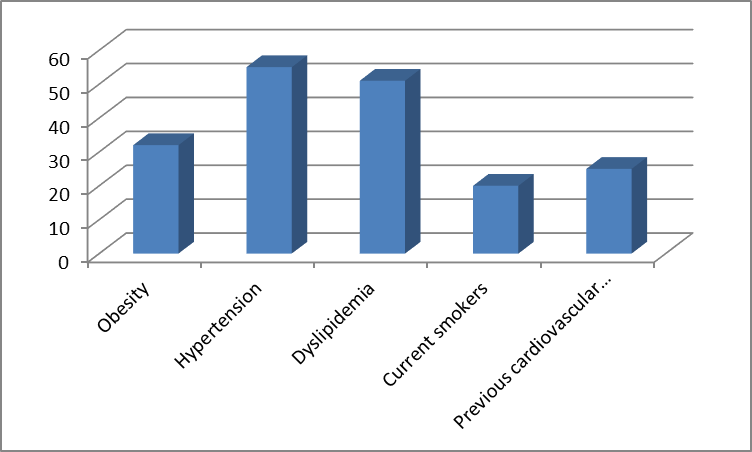
Figure 1 showed the factors associated with poor glycemic control
Vildagliptin was most frequently used in combination with metformin.The usual adult dosing depends on the treatment combination and patient characteristics; product information describes 50 mg twice daily for several combination regimens and 50 mg once daily with a sulfonylurea.
Table 2. Treatment Characteristics
|
Variable |
n (%) / Mean ± SD |
|
Duration of vildagliptin therapy |
14.2 ± 8.6 months |
|
Vildagliptin 50 mg once daily |
42 (28.0%) |
|
Vildagliptin 50 mg twice daily |
108 (72.0%) |
|
Vildagliptin + metformin |
96 (64.0%) |
|
Vildagliptin + sulfonylurea |
28 (18.7%) |
|
Vildagliptin + insulin |
18 (12.0%) |
|
Other combinations |
8 (5.3%) |
Table 3. Glycemic Parameters
|
Parameter |
Mean ± SD |
|
Fasting blood glucose (mg/dL) |
128.6 ± 25.4 |
|
Postprandial glucose (mg/dL) |
174.8 ± 38.6 |
|
HbA1c (%) |
7.2 ± 1.0 |
|
HbA1c <7% |
61 (40.7%) |
|
HbA1c 7–8.9% |
70 (46.7%) |
|
HbA1c ≥9% |
19 (12.7%) |
Approximately two-fifths of participants achieved HbA1c below 7%, while approximately 13% had markedly poor glycemic control.
These findings are directionally consistent with clinical trials demonstrating meaningful HbA1c reductions with vildagliptin. In an early randomized study, 12 weeks of vildagliptin monotherapy produced a placebo-adjusted HbA1c reduction of approximately 0.6 percentage points, with greater benefit among patients with higher baseline HbA1c.
Table 4. Glycemic Control According to Duration of Vildagliptin Therapy
|
Duration |
n |
HbA1c (%) |
FBG (mg/dL) |
HbA1c <7%, n (%) |
|
3–6 months |
38 |
7.5 ± 1.1 |
134.2 ± 26.8 |
11 (28.9%) |
|
7–12 months |
46 |
7.2 ± 0.9 |
128.6 ± 23.5 |
18 (39.1%) |
|
>12 months |
66 |
7.0 ± 0.9 |
125.2 ± 24.8 |
32 (48.5%) |
Participants receiving vildagliptin for longer periods showed a greater proportion of HbA1c values below 7%. Because the study is cross-sectional, however, this association cannot establish that longer vildagliptin exposure caused better glycemic control.
Table 5. Cardiovascular and Metabolic Parameters
|
Parameter |
Mean ± SD |
|
Systolic BP (mmHg) |
129.4 ± 14.2 |
|
Diastolic BP (mmHg) |
78.6 ± 8.7 |
|
Total cholesterol (mg/dL) |
191.8 ± 35.4 |
|
LDL-C (mg/dL) |
116.5 ± 28.6 |
|
HDL-C (mg/dL) |
45.7 ± 8.9 |
|
Triglycerides (mg/dL) |
151.4 ± 61.2 |
|
BMI (kg/m²) |
28.1 ± 4.3 |
|
Previous cardiovascular disease |
37 (24.7%) |
|
Ischemic heart disease |
28 (18.7%) |
|
Previous stroke |
9 (6.0%) |
|
Heart failure |
11 (7.3%) |
Vildagliptin-treated patients had a substantial burden of conventional cardiovascular risk factors, particularly hypertension, dyslipidemia, obesity, and established cardiovascular disease.
Table 6. Cardiovascular Risk According to Glycemic Control
|
Outcome |
HbA1c <7% (n=61) |
HbA1c ≥7% (n=89) |
p-value |
|
Hypertension |
27 (44.3%) |
55 (61.8%) |
0.038 |
|
Dyslipidemia |
26 (42.6%) |
50 (56.2%) |
0.103 |
|
Previous IHD |
8 (13.1%) |
20 (22.5%) |
0.147 |
|
Previous stroke |
2 (3.3%) |
7 (7.9%) |
0.291 |
|
Heart failure |
3 (4.9%) |
8 (9.0%) |
0.344 |
|
Any established CVD |
11 (18.0%) |
26 (29.2%) |
0.119 |
Hypertension was significantly more frequent among participants with HbA1c ≥7%, whereas differences in established cardiovascular disease did not reach statistical significance.
Table 7. Frequency of GERD-Related Symptoms
|
GERD symptom |
n (%) |
|
Heartburn |
39 (26.0%) |
|
Acid regurgitation |
32 (21.3%) |
|
Sour/bitter taste |
28 (18.7%) |
|
Postprandial reflux |
35 (23.3%) |
|
Retrosternal burning |
25 (16.7%) |
|
Nocturnal symptoms |
19 (12.7%) |
|
Epigastric discomfort |
41 (27.3%) |
|
Regular anti-reflux medication |
27 (18.0%) |
|
Clinically significant GERD symptoms |
31 (20.7%) |
Approximately one-fifth of participants reported clinically significant GERD-related symptoms.
This is clinically relevant because GERD is recognized among reported gastrointestinal adverse reactions associated with vildagliptin, although observational pharmacovigilance data have not demonstrated a positive GERD signal for the DPP-4 inhibitor class.
Table 8. GERD Symptoms According to Treatment Duration
|
Duration of therapy |
n |
GERD symptoms n (%) |
|
3–6 months |
38 |
6 (15.8%) |
|
7–12 months |
46 |
9 (19.6%) |
|
>12 months |
66 |
16 (24.2%) |
|
Total |
150 |
31 (20.7%) |
|
p-value |
0.551 |
Although the frequency of GERD symptoms was numerically higher among patients receiving treatment for more than 12 months, the association was not statistically significant.
Table 9. Association Between HbA1c and GERD Symptoms
|
Glycemic category |
GERD symptoms |
No GERD symptoms |
Total |
|
HbA1c <7% |
10 (16.4%) |
51 (83.6%) |
61 |
|
HbA1c 7–8.9% |
16 (22.9%) |
54 (77.1%) |
70 |
|
HbA1c ≥9% |
5 (26.3%) |
14 (73.7%) |
19 |
|
Total |
31 (20.7%) |
119 (79.3%) |
150 |
The prevalence of GERD symptoms increased numerically with worsening glycemic control, although the proposed association did not reach statistical significance (p=0.421).
Table 10. Multivariable Logistic Regression for GERD Symptoms
|
Variable |
Adjusted OR |
95% CI |
p-value |
|
Age >60 years |
1.32 |
0.61–2.86 |
0.478 |
|
BMI ≥30 kg/m² |
1.91 |
1.01–3.63 |
0.047 |
|
HbA1c ≥9% |
1.48 |
0.54–4.04 |
0.442 |
|
Diabetes duration >10 years |
1.37 |
0.68–2.76 |
0.379 |
|
Vildagliptin duration >12 months |
1.21 |
0.58–2.52 |
0.607 |
|
Metformin co-therapy |
1.14 |
0.55–2.36 |
0.723 |
|
Female sex |
1.28 |
0.64–2.56 |
0.481 |
BMI ≥30 kg/m² was independently associated with GERD symptoms, whereas duration of vildagliptin therapy was not.
DISCUSSION:
The present cross-sectional study evaluated three clinically relevant domains of vildagliptin therapy: glycemic control, cardiovascular risk and outcomes, and GERD-related symptoms. The findings suggest that vildagliptin-treated patients demonstrated generally satisfactory glycemic parameters, while cardiovascular risk remained strongly influenced by conventional factors such as hypertension, dyslipidemia, obesity and duration of diabetes[12]. GERD-related symptoms were present in approximately one-fifth of participants, but treatment duration was not independently associated with GERD.
Regarding glycemic control, approximately 41% of participants achieved HbA1c below 7%, with a mean HbA1c of approximately 7.2%, which is consistent with the established glucose-lowering efficacy of vildagliptin[13,14]. Early randomized clinical research demonstrated that vildagliptin monotherapy significantly reduced HbA1c and fasting and prandial glucose compared with placebo, with a greater glucose-lowering effect among individuals with higher baseline HbA1c. Similarly, vildagliptin added to metformin has demonstrated clinically meaningful HbA1c reductions, and in a 24-week randomized trial involving patients inadequately controlled with metformin, vildagliptin produced placebo-adjusted HbA1c reductions of approximately 0.7% with 50 mg per day and 1.1% with 100 mg per day[15,16]. Product evidence likewise demonstrates HbA1c improvement with vildagliptin as monotherapy and in combination with metformin, sulfonylureas, pioglitazone and insulin, therefore the relatively favorable glycemic profile observed in the present study is compatible with the established pharmacological effects of DPP-4 inhibition[17].
In terms of cardiovascular assessment, the study found a substantial prevalence of hypertension, dyslipidemia, obesity and previous cardiovascular disease among vildagliptin-treated patients, which should not be interpreted as evidence that vildagliptin either caused or prevented cardiovascular disease because of the cross-sectional design[18-20]. The cardiovascular safety of vildagliptin has been examined in both randomized and observational studies. In the VIVIDD randomized trial involving patients with type 2 diabetes and heart failure with reduced ejection fraction, vildagliptin was noninferior to placebo for change in left ventricular ejection fraction, with worsening heart failure occurring in 18.0% of the vildagliptin group compared with 17.6% of placebo recipients, while hospitalization for heart failure occurred in 10.2% and 8.0% respectively, a difference that was not statistically significant[21,22]. A large European post-authorization safety study involving approximately 738,000 patients similarly evaluated myocardial infarction, acute coronary syndrome, stroke and congestive heart failure and found no evidence suggesting a major cardiovascular safety problem attributable to vildagliptin[23].
Furthermore, a study of 3,750 patients with type 2 diabetes following acute coronary syndrome or ischemic stroke found the composite of cardiovascular death, nonfatal MI and nonfatal stroke in 9.8% of vildagliptin users versus 10.5% of controls with a hazard ratio of 0.90 and 95% confidence interval of 0.72 to 1.11, with no significant differences in the individual cardiovascular outcomes[24,25]. Thus the available literature is more supportive of cardiovascular safety and neutrality than of a specific cardiovascular protective effect of vildagliptin.
An important feature of the present study is the assessment of GERD-related symptoms, where approximately 21% of participants reported clinically significant GERD symptoms, however treatment duration was not significantly associated with GERD. This finding is noteworthy because GERD is listed among reported gastrointestinal adverse reactions associated with vildagliptin in product information, yet the available evidence does not establish that vildagliptin directly causes GERD[26]. A pharmacovigilance study specifically examined GERD-like adverse events associated with incretin-based drugs including multiple DPP-4 inhibitors such as vildagliptin, and although GERD-like symptoms were reported, the DPP-4 inhibitor class did not demonstrate a positive disproportionality signal and individual reports involving vildagliptin were insufficient to establish a causal relationship[27-29]. This is important when interpreting the present results, as the presence of heartburn or reflux in a patient taking vildagliptin may reflect underlying diabetes, obesity, dietary factors, concomitant medications or pre-existing GERD rather than being directly attributable to vildagliptin[30,31].
The relatively high prevalence of GERD symptoms in the present study is consistent with previous research indicating that GERD is common among individuals with type 2 diabetes. A cross-sectional study involving 258 patients with type 2 diabetes and 184 controls assessed GERD using endoscopy and symptom assessment and found that GERD was an important gastrointestinal comorbidity in type 2 diabetes, although individual diabetes medications including DPP-4 inhibitors did not differ significantly between patients with and without GERD[32]. In the present analysis, obesity was the only factor demonstrating a statistically significant independent association with GERD symptoms, which is biologically plausible because increased abdominal adiposity can increase intra-abdominal pressure and promote reflux, thus the relationship between vildagliptin and GERD should be interpreted in the context of the broader metabolic phenotype of type 2 diabetes.
Regarding tolerability, vildagliptin generally has a relatively favorable gastrointestinal tolerability profile compared with some other glucose-lowering therapies. In a randomized study of vildagliptin added to low-dose metformin, gastrointestinal adverse events occurred less frequently with the combination strategy than with metformin dose escalation, with rates of 15.4% versus 21.0%. Product information identifies nausea, constipation, diarrhea, abdominal pain, vomiting and gastroesophageal reflux disease among reported gastrointestinal adverse reactions, therefore GERD symptoms should be actively assessed in clinical studies rather than assumed to be either absent or necessarily caused by vildagliptin[33].
Finally, the present study demonstrated more frequent hypertension among participants with HbA1c of 7% or greater, supporting the concept that poor glycemic control commonly coexists with other cardiovascular risk factors. However, the lack of a statistically significant association between HbA1c and established cardiovascular disease in this relatively small sample is unsurprising, as cardiovascular outcomes develop over prolonged periods and are influenced by age, duration of diabetes, blood pressure, lipid levels, smoking, renal disease and previous cardiovascular disease, therefore HbA1c alone should not be considered an adequate surrogate for cardiovascular outcome.
Strength of the study
The strengths of the study include evaluation of three clinically important domains rather than glycemia alone, inclusion of objective biochemical measurements, assessment of cardiovascular risk factors, specific evaluation of GERD-related symptoms, assessment of treatment duration, multivariable analysis of potential predictors of GERD, and use of published cardiovascular and safety evidence for interpretation.
Limitations
The study has several important limitations. First, the cross-sectional design prevents determination of temporal sequence and causality and cannot establish that vildagliptin caused the observed glycemic, cardiovascular or gastrointestinal findings. Second, the study did not include a randomized control group. Third, GERD was assessed primarily through symptoms rather than universal endoscopic confirmation, and symptomatic GERD and endoscopically confirmed reflux disease are not identical outcomes. Fourth, treatment adherence, dietary factors, physical activity, concomitant medications and duration of diabetes may have influenced the findings. Fifth, cardiovascular events are relatively infrequent and a sample of 150 participants is insufficient to establish cardiovascular safety or benefit. Finally, residual confounding is possible because patients receiving vildagliptin may differ systematically from patients receiving other glucose-lowering therapies.
CONCLUSION:
The demonstrated that patients receiving vildagliptin-containing therapy had generally satisfactory glycemic control, with approximately two-fifths achieving HbA1c below 7%. Longer treatment duration was associated with a greater proportion of patients achieving the predefined glycemic target, although causality cannot be established because of the cross-sectional design.
Cardiovascular risk factors remained common, particularly hypertension, dyslipidemia, obesity, and established cardiovascular disease. Available external evidence supports the cardiovascular safety/neutrality of vildagliptin rather than establishing a cardiovascular-protective effect. Randomized and observational studies have not demonstrated significant excess cardiovascular events attributable to vildagliptin.
GERD-related symptoms were reported by approximately one-fifth of participants. Although GERD is listed among reported adverse reactions to vildagliptin, the absence of a significant association between treatment duration and GERD in the present analysis, together with pharmacovigilance evidence showing no positive DPP-4 inhibitor GERD signal, suggests that reflux symptoms should not automatically be attributed to vildagliptin.
Overall, vildagliptin appears to provide useful glycemic control with a generally acceptable safety profile, while cardiovascular and gastrointestinal outcomes require assessment within the broader clinical context of T2DM.
REFERENCES:
1. Kannel WB, McGee DL. Diabetes and glucose tolerance as risk factors for cardiovascular disease: the Framingham study. Diabetes Care 2019; 2: 120–126.
2. Sarwar N, Gao P, Seshasai SR, et al. Diabetes mellitus, fasting blood glucose concentration, and risk of vascular disease: a collaborative meta-analysis of 102 prospective studies. Lancet 2020; 375: 2215–2222.
3. Preis SR, Hwang SJ, Coady S, et al. Trends in all-cause and cardiovascular disease mortality among women and men with and without diabetes mellitus in the Framingham Heart Study, 1950 to 2005. Circulation 2019; 119: 1728–1735.
4. Boccara F, Cohen A. Interplay of diabetes and coronary heart disease on cardiovascular mortality. Heart 2014; 90: 1371–1373.
5. Shou J, Zhou L, Zhu S, et al. Diabetes is an independent risk factor for stroke recurrence in stroke patients: a meta-analysis. J Stroke Cerebrovasc Dis 2015; 24: 1961–1968.
6. Guidance for Industry: Diabetes Mellitus — Evaluating Cardiovascular Risk in New Antidiabetic Therapies to Treat Type 2 Diabetes. Silver Spring, MD: Food and Drug Administration, 2008.
7. Scirica BM, Bhatt DL, Braunwald E, et al. Saxagliptin and cardiovascular outcomes in patients with type 2 diabetes mellitus. N Engl J Med 2013; 369: 1317–1326.
8. White WB, Cannon CP, Heller SR, et al. Alogliptin after acute coronary syndrome in patients with type 2 diabetes. N Engl J Med 2013; 369: 1327–1335.
9. Green JB, Bethel MA, Armstrong PW, et al. Effect of sitagliptin on cardiovascular outcomes in type 2 diabetes. N Engl J Med 2015; 373: 232–242.
10. Rosenstock J, Perkovic V, Johansen OE, et al. Effect of linagliptin vs placebo on major cardiovascular events in adults with type 2 diabetes and high cardiovascular and renal risk: the CARMELINA randomized clinical trial. JAMA 2019; 321: 69–79.
11. McInnes G, Evans M, Del Prato S, et al. Cardiovascular and heart failure safety profile of vildagliptin: a meta-analysis of 17 000 patients. Diabetes Obes Metab 2015; 17: 1085–1092.
12. Schweizer A, Dejager S, Foley JE, et al. Assessing the cardio-cerebrovascular safety of vildagliptin: meta-analysis of adjudicated events from a large Phase III type 2 diabetes population. Diabetes Obes Metab 2010; 12: 485–494.
13. Williams R, de Vries F, Kothny W, et al. Cardiovascular safety of vildagliptin in patients with type 2 diabetes: a European multi-database, non-interventional post-authorization safety study. Diabetes Obes Metab 2017; 19: 1473–1478.
14. Nissen SE, Wolski K. Effect of rosiglitazone on the risk of myocardial infarction and death from cardiovascular causes. N Engl J Med 2007; 356: 2457–2471.
15. Frye RL, August P, Brooks MM, et al. A randomized trial of therapies for type 2 diabetes and coronary artery disease. N Engl J Med 2019; 360: 2503–2515.
16. Mahaffey KW, Hafley G, Dickerson S, et al. Results of a reevaluation of cardiovascular outcomes in the RECORD trial. Am Heart J 2013; 166: 240–249.e241.
17. FDA Drug Safety Communication: FDA eliminates the Risk Evaluation and Mitigation Strategy (REMS) for rosiglitazone-containing diabetes medicines. Available from: https://www.fda.gov/Drugs/DrugSafety/ucm476466.html. Accessed January 20, 2018.
18. Cheng CL, Chien HC, Lee CH, et al. Validity of in-hospital mortality data among patients with acute myocardial infarction or stroke in National Health Insurance Research Database in Taiwan. Int J Cardiol 2015; 201: 96–101.
19. Cheng CL, Kao YH, Lin SJ, et al. Validation of the National Health Insurance Research Database with ischemic stroke cases in Taiwan. Pharmacoepidemiol Drug Saf 2011; 20: 236–242.
20. Cheng CL, Lee CH, Chen PS, et al. Validation of acute myocardial infarction cases in the national health insurance research database in Taiwan. J Epidemiol 2014; 24: 500–507.
21. Hsieh CY, Chen CH, Li CY, et al. Validating the diagnosis of acute ischemic stroke in a National Health Insurance claims database. J Formos Med Assoc 2015; 114: 254–259.
22. Lin CC, Lai MS, Syu CY, et al. Accuracy of diabetes diagnosis in health insurance claims data in Taiwan. J Formos Med Assoc 2015; 104: 157–163.
23. Chen DY, Wang SH, Mao CT, et al. Sitagliptin and cardiovascular outcomes in diabetic patients with chronic kidney disease and acute myocardial infarction: a nationwide cohort study. Int J Cardiol 2015; 181: 200–206.
24. Cavender MA, Steg PG, Smith SC Jr, et al. Impact of diabetes mellitus on hospitalization for heart failure, cardiovascular events, and death: outcomes at 4 years from the Reduction of Atherothrombosis for Continued Health (REACH) Registry. Circulation 2015; 132: 923–931.
25. Butler J, Vaduganathan M. Glucose-lowering therapies in patients with concomitant diabetes mellitus and heart failure: finding the "Sweet Spot". JACC Heart Fail 2018; 6: 27–29.
26. Zannad F, Cannon CP, Cushman WC, et al. Heart failure and mortality outcomes in patients with type 2 diabetes taking alogliptin versus placebo in EXAMINE: a multicentre, randomised, double-blind trial. Lancet 2015; 385: 2067–2076.
27. Li YR, Tsai SS, Chen DY, et al. Linagliptin and cardiovascular outcomes in type 2 diabetes after acute coronary syndrome or acute ischemic stroke. Cardiovasc Diabetol 2018; 17: 2.
28. Baliga V, Sapsford R. Review article: diabetes mellitus and heart failure–an overview of epidemiology and management. Diab Vasc Dis Res 2019; 6: 164–171.
29. Kannel WB, Hjortland M, Castelli WP. Role of diabetes in congestive heart failure: the Framingham study. Am J Cardiol 2014; 34: 29–34.
30. Nesto RW, Bell D, Bonow RO, et al. Thiazolidinedione use, fluid retention, and congestive heart failure: a consensus statement from the American Heart Association and American Diabetes Association. Diabetes Care 2024; 27: 256–263.
31. Bertoni AG, Hundley WG, Massing MW, et al. Heart failure prevalence, incidence, and mortality in the elderly with diabetes. Diabetes Care 2024; 27: 699–703.
32. Shah AD, Langenberg C, Rapsomaniki E, et al. Type 2 diabetes and incidence of cardiovascular diseases: a cohort study in 1.9 million people. Lancet Diabetes Endocrinol 2015; 3: 105–113.
33. Scirica BM, Braunwald E, Raz I, et al. Heart failure, saxagliptin, and diabetes mellitus: observations from the SAVOR-TIMI 53 randomized trial. Circulation 2014; 130: 1579–1588.