Comparison of Intravenous Dexmedetomidine versus Intravenous Magnesium Sulfate for Prevention of Post-Spinal Shivering: A Prospective Comparative Study.
- Dr. Manisha Anilkumar Khamkar , Associate professor Department of Anaesthesiology, MIMER Medical College, Talegaon Dabhade, Pune.
- Dr. Uma Nadkarni , Assistant professor Department of Anaesthesiology, MIMER Medical College, Talegaon Dabhade, Pune
- Dr. Shilpa Gurav , Professor and HOD Department of Anaesthesiology, MIMER Medical College, Talegaon Dabhade, Pune
- Dr. Anita Kulkarni , Professor Department of Anaesthesiology, MIMER Medical College, Talegaon Dabhade, Pune
- Dr. Neha kargutkar , Clinical associate Department of Anaesthesiology, Jaslok Hospital, Mumbai
Article Information:
Abstract:
Background: Shivering is a common and distressing complication of spinal anaesthesia. It results from impaired thermoregulation and heat redistribution, and it raises oxygen consumption and interferes with monitoring. Dexmedetomidine and magnesium sulfate have each been shown to prevent shivering, but direct intravenous comparisons are limited. Aim: To compare the efficacy and safety of intravenous dexmedetomidine and intravenous magnesium sulfate for preventing shivering after spinal anaesthesia. Methodology: This prospective comparative study was conducted in the Department of Anaesthesiology of a tertiary teaching hospital after ethics approval and written informed consent. One hundred adults (ASA I–II, aged 18–60 years) undergoing surgery under spinal anaesthesia were allocated 1:1 by computer-generated randomisation to Group D (dexmedetomidine 0.5 µg/kg) or Group M (magnesium sulfate 50 mg/kg), each infused over 15 minutes. Shivering was graded with the Bedside Shivering Assessment Scale. Sedation, temperature, haemodynamics and adverse events were also recorded. Data were analysed using the t-test and Chi-square/Fisher's exact test (p<0.05 significant). Results: The groups were comparable at baseline. Shivering occurred in 14% of the dexmedetomidine group and 24% of the magnesium group (p=0.308). Most episodes were grade I–II, and only one patient (magnesium group) needed tramadol. Heart rate and systolic pressure were modestly but significantly lower with dexmedetomidine. Rates of bradycardia (16% vs 6%), hypotension (24% vs 18%) and nausea/vomiting did not differ significantly. Conclusion: Both drugs were similarly effective in preventing post-spinal shivering, with a non-significant trend favouring dexmedetomidine. Magnesium sulfate offered a steadier haemodynamic profile at lower cost. The choice may be guided by availability, cost and the patient's cardiovascular status.
Keywords:
Article :
INTRODUCTION:
Shivering is an involuntary, oscillatory muscular activity that augments metabolic heat production, which can be an unpleasant experience for patients, surgeons and anaesthetists[1]. Shivering, which usually occurs as a thermoregulatory response to cold, may also occur following general or neuraxial anaesthesia. Some of the causative factors of this type of shivering may be common to both, but some are particular to neuraxial anaesthesia[2]. Spinal anaesthesia significantly impairs the thermoregulation system by inhibiting tonic vasoconstriction, which plays a significant role in temperature regulation. Spinal anaesthesia also causes redistribution of core heat from the trunk (below the block level) to the peripheral tissues. These two effects predispose patients to hypothermia and shivering[3]. The median incidence of shivering related to neuraxial anaesthesia in a review of 21 studies is 55%[2,3].
Although shivering may have beneficial thermoregulatory effects, it places the body under increased physiological stress[2]. The shivering after anaesthesia leads to feelings of discomfort in the patient as well as an increase in oxygen consumption, carbon dioxide production, catecholamine secretion, cardiac output and intraocular pressure and complications such as tachycardia and hypertension. Thus it creates an imbalance between body’s oxygen demand and supply ratio. The resultant increased demand, sometimes up to six times than normal, and relative deficit of oxygen supply can lead to various metabolic derangements such as hypoxemia, lactic acidosis, and hypercarbia, thereby hampering a smooth recovery from anesthesia[4-6]. In addition to this shivering may inhibit accurate monitoring by causing artifacts in the monitor[4].
In the studies carried out so far, the effectiveness of many drugs toward prevention of shivering after spinal anaesthesia has been established. These drugs include tramadol[4], pethidine[1,7], dexamethasone[7], and Ondansetron[7,8], Dexmedetomidine[3,4,8] and Magnesium Sulfate[6,9,10].
Dexmedetomidine, centrally acting alpha2-adrenergic agonist, has been reported to prevent perioperative shivering possibly by acting on the hypothalamic alpha2- adrenergic receptors and increases shivering threshold[4,8].
Magnesium sulphate is a non-competitive antagonist of N-methyl-D-aspartate (NMDA) receptors, and it is also a naturally occurring calcium antagonist. Intravenous magnesium has been shown to suppress post- operative shivering suggesting that the agent reduces the shivering threshold. Along with central effect it has mild muscle relaxant effect thus simultaneously reduce the gain of shivering[1,9].
There are few studies evaluating the use of prophylactic intravenous dexmedetomidine[3,4,8] and magnesium sulfate[6,9,10]. separately for prevention of shivering during spinal anaesthesia. The aim of this study is to evaluate and compare the efficacy and safety of dexmedetomidine and Magnesium sulfate for decreasing the incidence and severity of shivering after spinal anaesthesia.
Aim:
To compare the efficacy of intravenous dexmedetomidine and intravenous magnesium sulfate for the prevention of shivering following spinal anaesthesia.
MATERIALS AND METHODS:
This prospective comparative study was conducted in the Department of Anaesthesiology, MAEER's MIMER Medical College, Talegaon Dabhade, Pune, after Institutional Ethics Committee approval and written informed consent from all participants.
The sample size was calculated based on the anticipated prevalence of post-spinal shivering and the assumptions specified in the study protocol. Considering a prevalence of post-spinal shivering of 80%, an estimated population prevalence of 50%, a two-sided effect, and a 1:1 ratio between the two groups, the calculated sample size was 50 participants per group, giving a total sample size of 100 participants.
The participants were allocated in a 1:1 ratio into two study groups using a computer-generated allocation method:
• Dexmedetomidine group: 50 patients receiving intravenous dexmedetomidine 0.5 µg/kg.
• Magnesium sulfate group: 50 patients receiving intravenous magnesium sulfate 50 mg/kg.
One hundred adult patients (50 per group) aged 18–60 years, ASA physical status I or II, undergoing surgery under spinal anaesthesia of expected duration up to two hours, were enrolled. Patients with a preoperative temperature outside 35–38°C, known allergy to either study drug, thyroid disease, β-blocker therapy, heart block, psychiatric illness, severe cardiopulmonary, hepatic, renal or neuromuscular disease, those converted to general anaesthesia, surgery lasting under 30 minutes, obstetric cases and TURP procedures were excluded. Patients were allocated by computer-generated randomisation in a 1:1 ratio to receive intravenous dexmedetomidine 0.5 µg/kg (Group D) or intravenous magnesium sulfate 50 mg/kg (Group M), each diluted in 50 mL normal saline and infused over 15 minutes by the principal investigator once spinal block was established.
Operating-room temperature was maintained at 22–24°C, intravenous fluids were kept at room temperature, and standard drapes were used throughout. All patients were preloaded with Ringer's lactate 15 mL/kg, and spinal anaesthesia was administered at L3–L4 or L4–L5 with 3–3.5 mL of 0.5% hyperbaric bupivacaine.
The primary outcome was the incidence and severity of post-spinal shivering, graded every 10 minutes from the onset of block until the end of surgery using the Bedside Shivering Assessment Scale like that validated by Joseph and Atef[8] (0 = none to 4 = generalised shivering); grade ≥3 shivering persisting for 15 minutes despite prophylaxis was treated with intravenous tramadol 1 mg/kg.
Shivering is assessed with Bedside Shivering Assesment Scale /BSAS
· Grade 0: no shivering
· Grade 1: piloerection or peripheral vasoconstriction but no visible shivering
· Grade 2: muscular activity in only one muscle group
· Grade 3: muscular activity in more than one muscle group but not generalized
· Grade 4: shivering involving the whole body.
Secondary outcomes included sedation (Ramsay Sedation Scale graded every 10 minutes), axillary temperature, heart rate, systolic/diastolic blood pressure, mean arterial pressure and SpO₂ (recorded every 5 minutes for 30 minutes and thereafter every 10 minutes) and the incidence of hypotension, bradycardia and nausea/vomiting. Hypotension (SBP <90 mmHg or a ≥20% fall in baseline MAP) was treated with intravenous ephedrine and/or fluids, and bradycardia (HR <50/min or a >20% fall from baseline) with intravenous atropine, at the discretion of the attending anaesthesiologist.
Data were recorded on a structured proforma and analysed using IBM SPSS Statistics v24.0. Continuous variables (expressed as mean ± SD) were compared between groups using the unpaired Student's t-test; categorical variables (expressed as frequencies/percentages) were compared using the Chi-square test or Fisher's exact test, as appropriate. A two-sided p<0.05 was taken as statistically significant and p<0.001 as highly significant.
RESULTS:
Table 1. Baseline Demographic and Clinical Characteristics
|
Parameter |
Magnesium sulfate Group (n=50) |
Dexmedetomidine Group (n=50) |
p-value |
|
Age (years), Mean ± SD |
45.8 ± 12.1 |
46.1 ± 11.2 |
0.898 |
|
Weight (kg), Mean ± SD |
69.5 ± 9.8 |
70.2 ± 9.6 |
0.719 |
|
Gender (M/F) |
27/23 |
29/21 |
0.689 |
|
ASA Physical Status (I/II) |
34/16 |
36/14 |
0.668 |
|
Duration of Surgery (min) |
79.7 ± 17.5 |
82.5 ± 15.6 |
0.400 |
A total of 100 patients completed the study, 50 in each group. The two groups were well matched at baseline, with no statistically significant differences in age, weight, sex distribution, ASA physical status or duration of surgery (Table 1, all p>0.05), confirming that any between-group differences in outcome were unlikely to be explained by baseline imbalance.
Table 2. Primary Outcome — Incidence and Severity of Post-Spinal Shivering
|
Shivering Grade |
Magnesium sulfate Group (n=50) |
Dexmedetomidine Group (n=50) |
p-value |
|
Grade 0 (none) |
38 (76%) |
43 (86%) |
|
|
Grade I |
7 (14%) |
5 (10%) |
|
|
Grade II |
4 (8%) |
2 (4%) |
|
|
Grade III |
1 (2%) |
0 (0%) |
0.511* |
|
Any shivering (Grade ≥I) |
12 (24%) |
7 (14%) |
0.308 |
*Overall Chi-square comparison of grade distribution across the four categories (χ²=2.31, df=3); individual cell counts were too small for a valid per-grade comparison.
Post-spinal shivering occurred in 7 of 50 patients (14%) who received dexmedetomidine and in 12 of 50 (24%) who received magnesium sulfate. The incidence was ten percentage points lower with dexmedetomidine, but this difference was not statistically significant (χ²=1.04, p=0.308). Most episodes were mild in both groups, with grade I shivering in 5 and 7 patients and grade II in 2 and 4 patients in the dexmedetomidine and magnesium groups respectively. Grade III shivering was seen in a single patient, who belonged to the magnesium group. The overall distribution of shivering grades was also similar between the groups (p=0.511) (Table 2). The one patient with grade ≥3 shivering persisting for 15 minutes despite prophylaxis was treated with intravenous tramadol 1 mg/kg. The grade distribution is shown graphically in Figure 1.
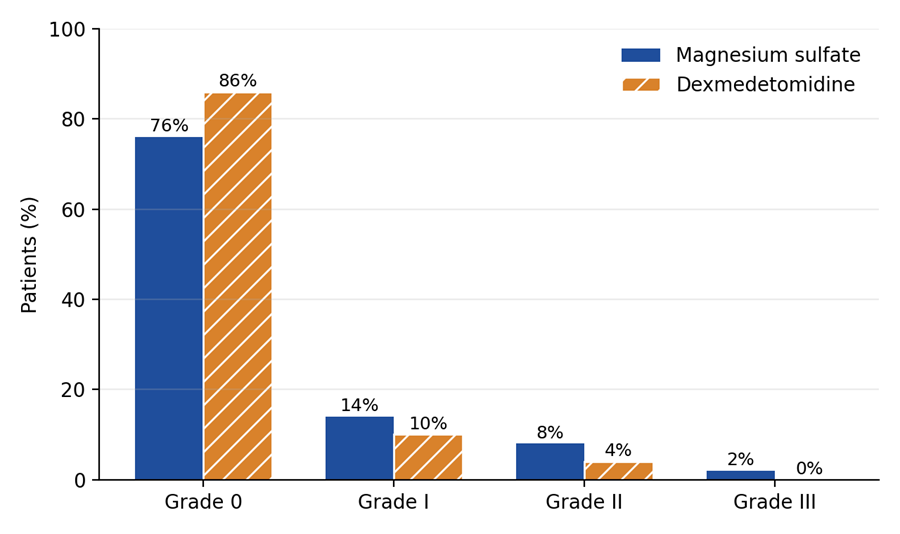
Figure 1. Distribution of post-spinal shivering grades in the two groups.
Table 3. Mean Shivering Score Over Time (Bedside Shivering Assessment Scale)
|
Time point |
Magnesium sulfate Group |
Dexmedetomidine Group |
|
10 min |
0.00 |
0.00 |
|
20 min |
1.22±0.12 |
1.15±0.15 |
|
30 min |
2.12±0.25 |
2.06±0.24 |
|
40 min |
2.76±0.31 |
1.51±0.11 |
|
50 min |
1.12±0.15 |
0.00 |
|
60 min |
0.00 |
0.00 |
|
70 min |
0.00 |
0.00 |
|
80 min |
0.00 |
0.00 |
|
90 min |
0.00 |
0.00 |
|
100 min |
0.00 |
0.00 |
|
110 min |
0.00 |
0.00 |
|
120 min |
0.00 |
0.00 |
Values are group mean shivering scores at each assessment.
When shivering was followed every 10 minutes (Table 3), no shivering was recorded in either group at 10 minutes, and the mean scores were almost identical at 20 minutes (1.22 vs 1.15) and 30 minutes (2.12 vs 2.06). The two groups began to diverge after that. At 40 minutes the mean score was 2.76 in the magnesium group compared with 1.51 in the dexmedetomidine group, and at 50 minutes it was 1.12 against 0. From 60 minutes onwards no shivering was observed in either group. The trend is plotted in Figure 2.
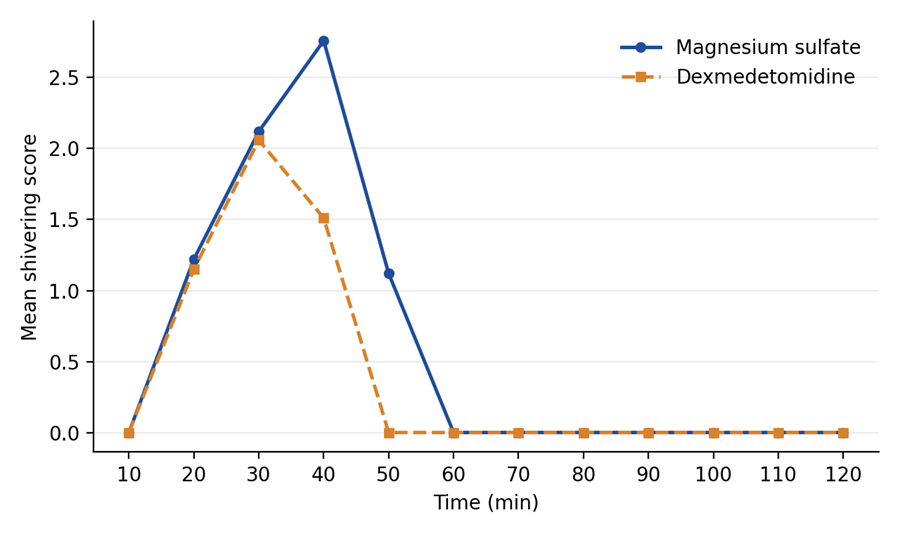
Figure 2. Mean shivering score at each 10-minute assessment.
Table 4. Sedation Score (Ramsay Sedation Scale) Over Time
|
Time point |
Magnesium sulfate Group (Mean ± SD) |
Dexmedetomidine Group (Mean ± SD) |
p-value |
|
10 min |
2.36 ± 0.13 |
2.21 ± 0.14 |
<0.001 |
|
20 min |
2.36 ± 0.13 |
2.17 ± 0.12 |
<0.001 |
|
30 min |
2.28 ± 0.13 |
2.06 ± 0.12 |
<0.001 |
|
40 min |
2.14 ± 0.12 |
2.01 ± 0.11 |
<0.001 |
|
50 min |
2.11 ± 0.12 |
1.98 ± 0.11 |
<0.001 |
|
60 min |
2.03 ± 0.11 |
1.85 ± 0.11 |
<0.001 |
|
70 min |
1.95 ± 0.11 |
1.72 ± 0.10 |
<0.001 |
|
80 min |
1.96 ± 0.11 |
1.98 ± 0.11 |
0.366 |
|
90 min |
2.05 ± 0.12 |
2.01 ± 0.11 |
0.085 |
|
100 min |
2.15 ± 0.12 |
2.11 ± 0.12 |
0.099 |
|
110 min |
2.21 ± 0.12 |
2.15 ± 0.12 |
0.014 |
|
120 min |
2.20 ± 0.12 |
2.12 ± 0.12 |
0.001 |
Values are mean ± SD (n=50 per group); p-values from the unpaired Student’s t-test. Significant p-values (<0.05) are shown in bold.
Sedation scores stayed in a narrow range in both groups, between 1.72 and 2.36 throughout the study period (Table 4). Scores were slightly but significantly lower in the dexmedetomidine group from 10 to 70 minutes (p<0.001 at every time point), with the lowest values at 70 minutes (1.72 vs 1.95). The groups were comparable from 80 to 100 minutes (p=0.366, 0.085 and 0.099), although small differences reappeared at 110 minutes (p=0.014) and 120 minutes (p=0.001). The absolute differences between groups never exceeded about 0.2 points. Figure 3 shows the same pattern graphically.
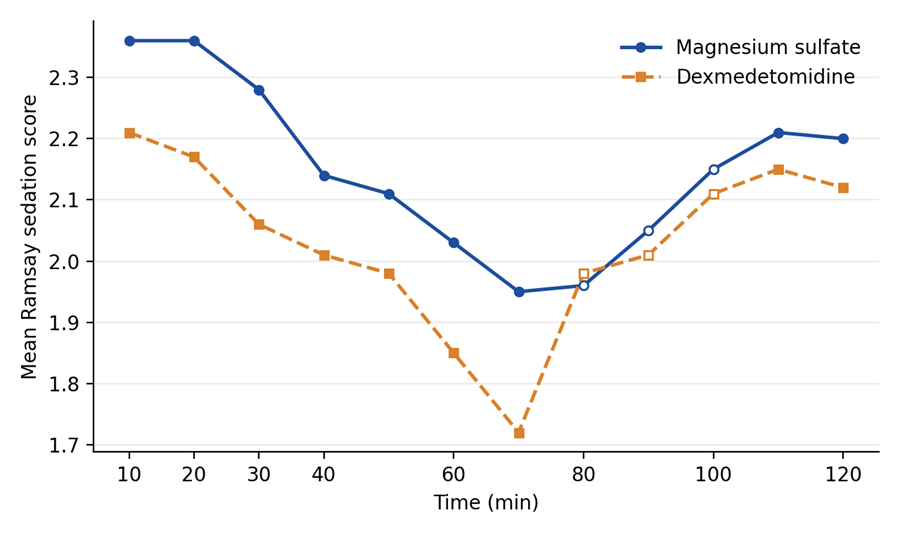
Figure 3. Mean Ramsay sedation score over time. Filled markers indicate p<0.05 between groups; hollow markers indicate p≥0.05.
Table 5. Axillary Temperature (°C) Over Time
|
Time point |
Magnesium sulfate Group (Mean ± SD) |
Dexmedetomidine Group (Mean ± SD) |
p-value |
|
Baseline |
37.84 ± 3.28 |
37.63 ± 3.06 |
0.741 |
|
10 min |
37.70 ± 3.63 |
36.92 ± 3.50 |
0.277 |
|
20 min |
36.52 ± 3.99 |
35.08 ± 3.72 |
0.065 |
|
30 min |
36.86 ± 3.37 |
35.72 ± 3.06 |
0.080 |
|
40 min |
36.90 ± 3.37 |
35.76 ± 3.06 |
0.080 |
|
50 min |
36.94 ± 3.37 |
35.80 ± 3.06 |
0.080 |
|
60 min |
36.97 ± 3.37 |
35.83 ± 3.06 |
0.080 |
|
70 min |
37.01 ± 3.37 |
35.87 ± 3.06 |
0.080 |
|
80 min |
37.05 ± 3.37 |
35.90 ± 3.06 |
0.077 |
|
90 min |
37.09 ± 3.37 |
35.94 ± 3.06 |
0.077 |
|
100 min |
37.12 ± 3.37 |
35.98 ± 3.06 |
0.080 |
|
110 min |
37.16 ± 3.37 |
36.01 ± 3.06 |
0.077 |
|
120 min |
37.20 ± 3.37 |
36.05 ± 3.06 |
0.077 |
Values are mean ± SD (n=50 per group); p-values from the unpaired Student’s t-test. Significant p-values (<0.05) are shown in bold.
Baseline axillary temperature was comparable between the groups (37.84 vs 37.63°C, p=0.741). Temperature fell in both groups after the block, reaching its lowest point at 20 minutes (36.52°C in the magnesium group and 35.08°C in the dexmedetomidine group), and then recovered slowly up to the end of the observation period (Table 5). Readings in the dexmedetomidine group were lower than those in the magnesium group at every time point after baseline, by roughly 0.8 to 1.4°C, but none of these differences was statistically significant (p=0.065 to 0.277). The difference was closest to significance at 20 minutes (p=0.065). The temperature curves are shown in Figure 4.
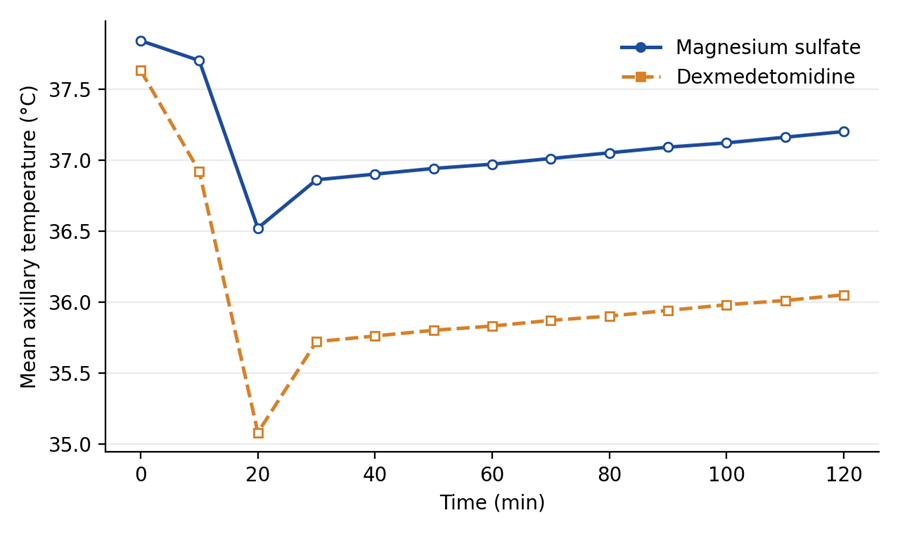
Figure 4. Mean axillary temperature over time. No time point differed significantly between groups.
Table 6. Heart Rate (beats/min) Over Time
|
Time point |
Magnesium sulfate Group (Mean ± SD) |
Dexmedetomidine Group (Mean ± SD) |
p-value |
|
5 min |
83.50 ± 4.51 |
81.89 ± 3.94 |
0.060 |
|
10 min |
83.17 ± 5.39 |
80.11 ± 5.04 |
0.004 |
|
15 min |
80.23 ± 6.27 |
75.53 ± 5.59 |
<0.001 |
|
20 min |
81.08 ± 4.73 |
77.14 ± 3.94 |
<0.001 |
|
25 min |
79.17 ± 4.68 |
75.73 ± 3.90 |
<0.001 |
|
30 min |
79.26 ± 4.68 |
75.82 ± 3.90 |
<0.001 |
|
40 min |
77.36 ± 4.69 |
73.91 ± 3.90 |
<0.001 |
|
50 min |
76.45 ± 4.69 |
74.00 ± 3.91 |
0.006 |
|
60 min |
75.54 ± 4.70 |
72.09 ± 3.91 |
<0.001 |
|
70 min |
74.63 ± 4.70 |
70.18 ± 3.92 |
<0.001 |
|
80 min |
77.73 ± 4.71 |
74.27 ± 3.92 |
<0.001 |
|
90 min |
79.82 ± 4.71 |
76.36 ± 3.92 |
<0.001 |
|
100 min |
79.91 ± 4.72 |
76.45 ± 3.93 |
<0.001 |
|
110 min |
80.00 ± 4.72 |
76.54 ± 3.93 |
<0.001 |
|
120 min |
81.09 ± 5.05 |
77.51 ± 4.27 |
<0.001 |
Values are mean ± SD (n=50 per group); p-values from the unpaired Student’s t-test. Significant p-values (<0.05) are shown in bold.
Table 7. Systolic Blood Pressure (mmHg) Over Time
|
Time point |
Magnesium sulfate Group (Mean ± SD) |
Dexmedetomidine Group (Mean ± SD) |
p-value |
|
5 min |
123.16 ± 5.01 |
121.19 ± 5.18 |
0.056 |
|
10 min |
122.68 ± 5.99 |
118.56 ± 6.63 |
0.002 |
|
15 min |
118.33 ± 6.97 |
111.79 ± 7.35 |
<0.001 |
|
20 min |
119.59 ± 5.26 |
114.17 ± 5.18 |
<0.001 |
|
25 min |
116.78 ± 5.20 |
112.08 ± 5.12 |
<0.001 |
|
30 min |
116.91 ± 5.20 |
112.22 ± 5.13 |
<0.001 |
|
40 min |
114.10 ± 5.21 |
109.39 ± 5.13 |
<0.001 |
|
50 min |
114.24 ± 5.21 |
109.52 ± 5.14 |
<0.001 |
|
60 min |
114.37 ± 5.22 |
109.66 ± 5.14 |
<0.001 |
|
70 min |
114.51 ± 5.23 |
109.79 ± 5.15 |
<0.001 |
|
80 min |
114.65 ± 5.23 |
109.92 ± 5.16 |
<0.001 |
|
90 min |
117.73 ± 5.24 |
113.01 ± 5.16 |
<0.001 |
|
100 min |
117.87 ± 5.24 |
113.15 ± 5.17 |
<0.001 |
|
110 min |
118.01 ± 5.25 |
113.28 ± 5.17 |
<0.001 |
|
120 min |
119.60 ± 5.62 |
114.71 ± 5.61 |
<0.001 |
Values are mean ± SD (n=50 per group); p-values from the unpaired Student’s t-test. Significant p-values (<0.05) are shown in bold.
Table 8. Diastolic Blood Pressure (mmHg) Over Time
|
Time point |
Magnesium sulfate Group (Mean ± SD) |
Dexmedetomidine Group (Mean ± SD) |
p-value |
|
5 min |
80.55 ± 5.45 |
81.94 ± 4.88 |
0.182 |
|
10 min |
77.76 ± 3.75 |
77.61 ± 3.40 |
0.834 |
|
15 min |
77.43 ± 7.19 |
75.66 ± 6.52 |
0.200 |
|
20 min |
75.77 ± 3.09 |
74.68 ± 2.31 |
0.049 |
|
25 min |
76.43 ± 5.61 |
75.85 ± 4.84 |
0.581 |
|
30 min |
74.04 ± 3.05 |
73.37 ± 2.27 |
0.216 |
|
40 min |
74.70 ± 5.62 |
74.05 ± 4.85 |
0.537 |
|
50 min |
72.31 ± 3.06 |
71.57 ± 2.28 |
0.173 |
|
60 min |
74.87 ± 5.63 |
74.23 ± 4.86 |
0.544 |
|
70 min |
72.48 ± 3.07 |
71.75 ± 2.29 |
0.181 |
|
80 min |
75.05 ± 5.64 |
74.41 ± 4.87 |
0.545 |
|
90 min |
74.57 ± 3.08 |
73.90 ± 2.30 |
0.221 |
|
100 min |
77.13 ± 5.65 |
76.56 ± 4.87 |
0.590 |
|
110 min |
74.74 ± 3.09 |
74.08 ± 2.31 |
0.229 |
|
120 min |
78.25 ± 5.99 |
77.61 ± 5.21 |
0.570 |
Values are mean ± SD (n=50 per group); p-values from the unpaired Student’s t-test. Significant p-values (<0.05) are shown in bold.
Table 9. Mean Arterial Pressure (mmHg) Over Time
|
Time point |
Magnesium sulfate Group (Mean ± SD) |
Dexmedetomidine Group (Mean ± SD) |
p-value |
|
5 min |
101.35 ± 8.78 |
100.81 ± 8.19 |
0.751 |
|
10 min |
101.00 ± 9.73 |
98.89 ± 9.38 |
0.272 |
|
15 min |
97.82 ± 10.68 |
93.95 ± 9.97 |
0.064 |
|
20 min |
98.74 ± 9.02 |
95.69 ± 8.19 |
0.080 |
|
25 min |
98.84 ± 9.02 |
95.79 ± 8.19 |
0.080 |
|
30 min |
98.94 ± 9.02 |
95.88 ± 8.19 |
0.079 |
|
40 min |
99.04 ± 9.02 |
95.98 ± 8.19 |
0.079 |
|
50 min |
99.14 ± 9.02 |
96.08 ± 8.19 |
0.079 |
|
60 min |
99.24 ± 9.02 |
96.17 ± 8.19 |
0.078 |
|
70 min |
99.34 ± 9.02 |
96.27 ± 8.19 |
0.078 |
|
80 min |
99.44 ± 9.02 |
96.37 ± 8.19 |
0.078 |
|
90 min |
99.54 ± 9.02 |
96.46 ± 8.19 |
0.077 |
|
100 min |
99.64 ± 9.02 |
96.56 ± 8.19 |
0.077 |
|
110 min |
99.74 ± 9.02 |
96.66 ± 8.19 |
0.077 |
|
120 min |
100.90 ± 9.38 |
97.70 ± 8.55 |
0.078 |
Values are mean ± SD (n=50 per group); p-values from the unpaired Student’s t-test. Significant p-values (<0.05) are shown in bold.
Heart rate was lower in the dexmedetomidine group at every time point (Table 6). The difference was not significant at 5 minutes (p=0.060) but was significant at all later readings (p=0.004 at 10 minutes, p=0.006 at 50 minutes and p<0.001 at the rest), with the gap between the groups amounting to about 3 to 5 beats/min. The lowest mean heart rate was 70.18/min in the dexmedetomidine group at 70 minutes, and mean values did not fall below 70/min in either group. (Figure 5).
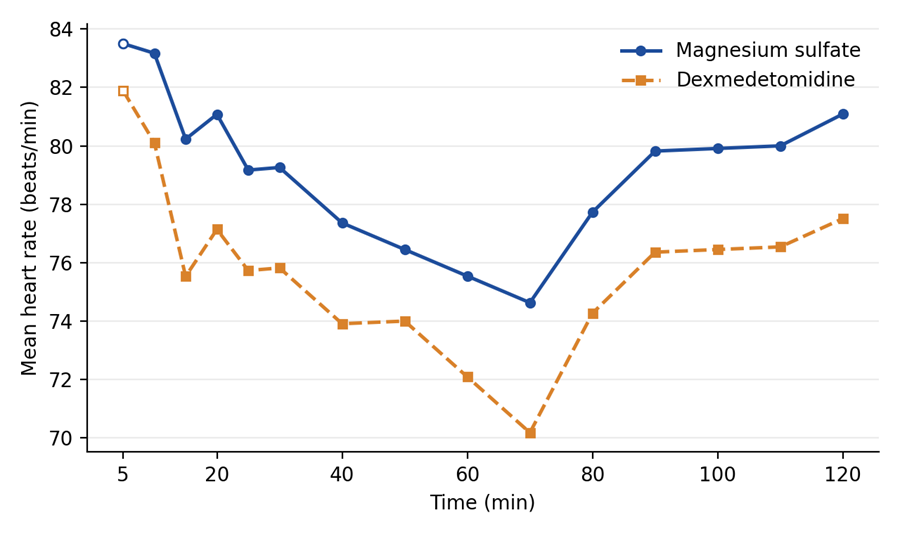
Figure 5. Mean heart rate over time. Filled markers indicate p<0.05 between groups; hollow markers indicate p≥0.05.
Systolic pressure followed a similar course (Table 7). It was comparable at 5 minutes (p=0.056) and then remained significantly lower in the dexmedetomidine group from 10 minutes to the end of the observation period (p=0.002 at 10 minutes, p<0.001 thereafter), by about 4 to 6.5 mmHg. The largest difference was seen at 15 minutes (111.79 vs 118.33 mmHg). Diastolic pressure, by contrast, was largely similar in the two groups (Table 8): the differences were under 2 mmHg at all time points, and only the 20-minute reading reached significance (74.68 vs 75.77 mmHg, p=0.049). Mean arterial pressure was similar at 5 and 10 minutes (p=0.751 and 0.272) and was then around 3 mmHg lower in the dexmedetomidine group from 15 minutes onwards, without reaching statistical significance at any time point (p=0.064 to 0.080) (Table 9). Because these comparisons were made repeatedly over time without adjustment, the isolated diastolic finding at 20 minutes should be interpreted with caution. The three pressure curves are shown together in Figure 6.
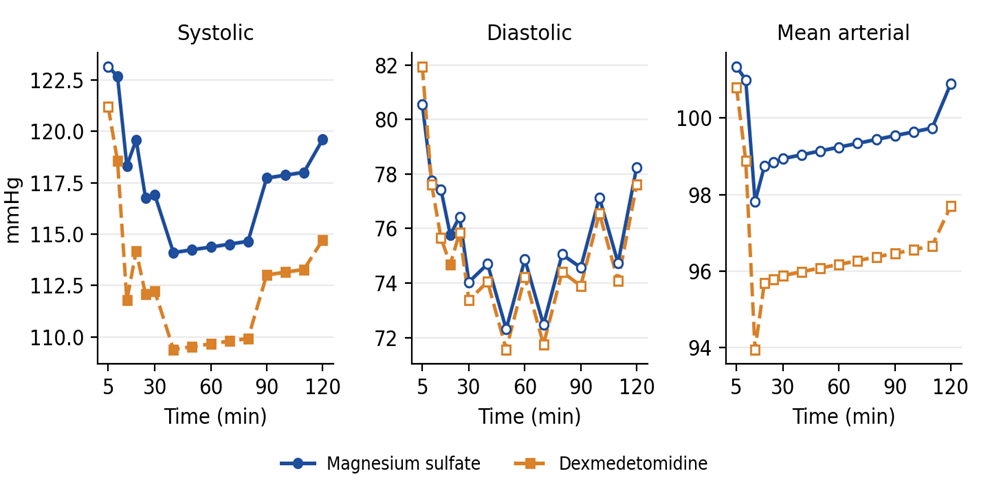
Figure 6. Mean systolic, diastolic and mean arterial pressure over time. Filled markers indicate p<0.05; hollow markers indicate p≥0.05.
Table 10. Incidence of Other Adverse Events
|
Adverse Event |
Magnesium sulfate Group (n=50) |
Dexmedetomidine Group (n=50) |
p-value |
|
Hypotension |
9 (18%) |
12 (24%) |
0.624 |
|
Bradycardia |
3 (6%) |
8 (16%) |
0.201 |
|
Nausea/Vomiting |
5 (10%) |
4 (8%) |
1.000 |
Values are n (%); p-values from the Chi-square or Fisher’s exact test.
Adverse events other than shivering were infrequent and statistically comparable between the groups (Table 10). Bradycardia was numerically more common with dexmedetomidine (16% vs 6%), in keeping with its known sympatholytic action, but the difference did not reach significance (p=0.201). Hypotension (18% with magnesium sulfate vs 24% with dexmedetomidine, p=0.624) and nausea/vomiting (10% vs 8%, p=1.000) occurred at similar rates in both groups. The same data are plotted in Figure 7.
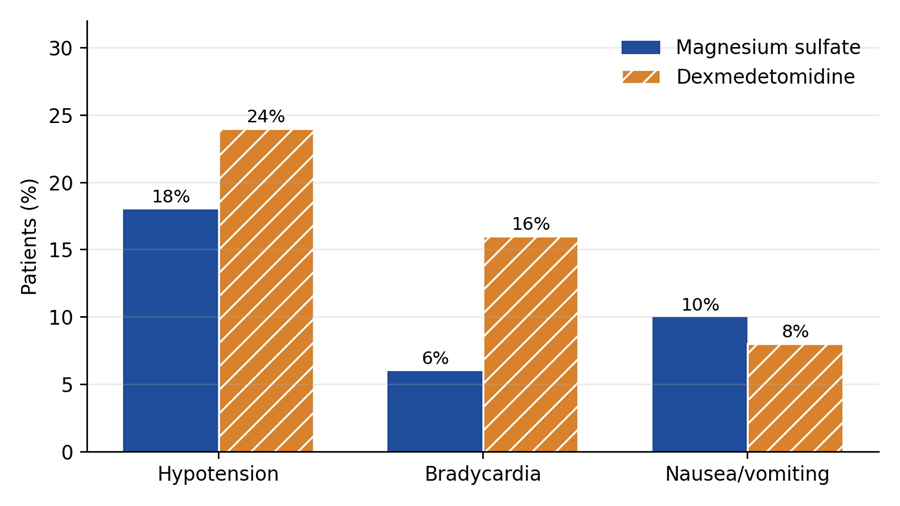
Figure 7. Incidence of hypotension, bradycardia and nausea/vomiting in the two groups.
DISCUSSION:
Shivering after spinal anaesthesia is common and distressing for patients. It results from impaired central and peripheral thermoregulatory control, raises metabolic oxygen demand and interferes with intraoperative monitoring [11]. In the present study, shivering occurred in 14% of patients given dexmedetomidine and 24% of those given magnesium sulfate. The lower figure with dexmedetomidine was not statistically significant (p=0.308), and nearly all episodes in both groups were of grade I or II. Only one patient, in the magnesium group, developed grade III shivering and needed tramadol. In other words, both drugs kept shivering uncommon and mild, and we could not show that one was more effective than the other.
This agrees with earlier head-to-head work. Omar et al. found that intrathecal dexmedetomidine and intrathecal magnesium sulfate reduced post-spinal shivering to a similar degree compared with control, and they favoured magnesium mainly because it is cheaper and more readily available [12]. Gozdemir et al. showed that an intravenous magnesium sulfate infusion prevented shivering during spinal anaesthesia for transurethral prostatectomy [13], and a meta-analysis of randomised trials found no significant difference between the two drugs in shivering, hypotension, bradycardia or postoperative nausea and vomiting [14]. Our patients received both drugs intravenously, whereas Omar et al. and most of the trials in that meta-analysis used them as intrathecal adjuvants, so the comparison is not exactly like for like.
The lack of a significant difference in the primary outcome also needs to be read in the light of the sample size. The study was planned around a considerably larger difference in shivering than the ten percentage points we actually saw, so it was not designed to confirm a difference of this size. A similar problem was reported by Pryambodho et al., who compared intravenous magnesium sulfate with intravenous meperidine and found 10% versus 19% shivering, a gap that also fell short of significance (p=0.23) [15]. Trials of this kind seem to need larger samples than most single-centre studies can offer.
The two drugs reach a similar clinical result by different routes, which is worth spelling out. Neuraxial block removes vasoconstriction below the level of the block and allows heat to move from the core to the periphery, so core temperature drifts down even when the patient is not truly cold [11,16]. Dexmedetomidine, a highly selective alpha-2 agonist, has been shown in volunteers to lower the vasoconstriction and shivering thresholds in a linear, dose-dependent way without changing the sweating threshold [17]. Magnesium sulfate acts mainly as an NMDA-receptor antagonist with a mild vasodilating effect. In volunteers it lowered the shivering threshold only slightly [18], although it has been reported to stop established postanaesthetic shivering in clinical practice [19]. On pharmacological grounds one might therefore expect a somewhat stronger effect with dexmedetomidine. The direction of our results fits that idea, but the difference we found was not large enough to confirm it.
The time course of shivering adds a little more detail. Mean scores were nearly the same in both groups for the first 30 minutes, and then separated at 40 and 50 minutes, when scores in the magnesium group (2.76 and 1.12) stayed higher than those in the dexmedetomidine group (1.51 and 0). Shivering had settled completely in both groups by 60 minutes. This may suggest that dexmedetomidine shortens the period of shivering more than it prevents its onset, which would be in line with a drug that lowers the threshold at which shivering is triggered. However, these are descriptive means that were not tested statistically, so the observation is only tentative.
Axillary temperature fell in both groups after the block, which is the expected result of vasodilation and redistribution of heat under neuraxial anaesthesia [11,16]. The dexmedetomidine group tended to be cooler, by roughly 1°C at most time points, although the difference did not reach significance and the standard deviations were wide. It is interesting that this group nevertheless shivered less. Because dexmedetomidine lowers the threshold at which shivering begins [17], a patient given this drug may be able to tolerate a lower temperature before shivering starts, so a cooler patient is not necessarily a more shivering one. The practical concern is that a patient who is cold but not shivering could be missed, and this is a reason to keep monitoring temperature in patients who receive dexmedetomidine. Since we measured axillary rather than core temperature, this explanation should be treated with caution.
Our shivering rates of 14% and 24% seem lower than the rates often quoted for patients under neuraxial anaesthesia, in which shivering affects a substantial proportion of patients [20]. That would be consistent with a real protective effect of both drugs. However, we did not have an untreated control group, and operating-room temperature was kept at 22–24°C with standard drapes, so we cannot say how much of the low incidence came from the drugs and how much from the environment. A placebo arm would be needed to answer that question directly.
Sedation was mild in both groups, with mean Ramsay scores staying close to 2 (cooperative and tranquil) throughout. The differences between the groups were statistically significant for the first 70 minutes, but they were only about 0.1 to 0.2 points and are unlikely to matter clinically. It is worth noting that the scores were, if anything, slightly lower with dexmedetomidine, which is not what one would expect from an alpha-2 agonist. The modest dose of 0.5 µg/kg, given over 15 minutes, may be part of the explanation, but we would not read too much into such small differences on an ordinal scale.
The haemodynamic findings were in keeping with the pharmacology of dexmedetomidine. Heart rate was lower by about 3 to 5 beats/min and systolic pressure by about 4 to 6.5 mmHg in the dexmedetomidine group from the first 10 minutes onwards, whereas diastolic and mean arterial pressures did not differ significantly. These changes were statistically significant but modest, and average values stayed within safe limits, with heart rate never below 70/min and systolic pressure never below 109 mmHg. Sekar et al., who used a higher loading dose of 1 µg/kg, reported a much steeper fall in heart rate, with bradycardia in about half of their dexmedetomidine patients, while blood pressure was comparable between groups [21]. The lower dose used in our study may therefore be a reasonable compromise, although heart rate and blood pressure still need careful monitoring, particularly in patients with limited cardiac reserve.
The clinical events told a similar story. Bradycardia was numerically more frequent with dexmedetomidine (16% vs 6%) and so was hypotension (24% vs 18%), but neither difference was significant, and nausea and vomiting were similar in the two groups. It should be remembered that the study was sized for shivering and not for these safety outcomes, so a real difference in bradycardia cannot be ruled out, and the 10-percentage-point gap deserves attention in a larger sample. Magnesium sulfate, for its part, was well tolerated at 50 mg/kg over 15 minutes and was associated with a somewhat steadier heart rate and systolic pressure.
For everyday practice, these results suggest that the choice between the two drugs can reasonably be made on grounds other than shivering alone. Magnesium sulfate is inexpensive, widely available and haemodynamically steady, which makes it attractive in resource-limited settings and in patients who are prone to bradycardia. Dexmedetomidine may suit patients in whom mild anxiolysis is welcome and in whom a small fall in heart rate and blood pressure is acceptable, provided monitoring is adequate.
The strengths of this study include the 1:1 allocation, the standardised operating-room conditions and spinal technique, the use of a graded shivering scale at 10-minute intervals, and the detailed haemodynamic follow-up. There are also several limitations. It was a single-centre study, it had no untreated control group, and it was not powered to detect a modest difference in shivering. Temperature was measured in the axilla rather than centrally. The drugs were infused by the principal investigator, so some observer bias cannot be excluded. The comparisons at individual time points were not adjusted for multiple testing and should be regarded as exploratory. Finally, our exclusions (obstetric cases, TURP, extremes of preoperative temperature and significant comorbidity) limit how far the results can be applied to those groups.
Larger, preferably multicentre, double-blind trials with a placebo arm, core temperature monitoring and formal cost comparison would help settle whether dexmedetomidine has a genuine advantage over magnesium sulfate. Dose-finding work on intravenous dexmedetomidine would also be useful, to identify the lowest dose that keeps shivering low with the least effect on heart rate.
CONCLUSION:
To conclude, intravenous dexmedetomidine 0.5 µg/kg and intravenous magnesium sulfate 50 mg/kg were similarly effective in preventing shivering after spinal anaesthesia, with a non-significant trend favouring dexmedetomidine. Dexmedetomidine produced a modest fall in heart rate and systolic pressure without a significant increase in clinical bradycardia or hypotension, while magnesium sulfate offered comparable protection with a somewhat more stable haemodynamic profile at lower cost. The choice between the two can reasonably be guided by drug availability, cost and the patient's cardiovascular status.
REFERENCES:
1. Low RG, Izaham A, Zain JM, Nor NM, Low HJ, Yusof AM. Prevention of Shivering Post Subarachnoid Block: Comparison between Different Doses of Intravenous Magnesium Sulphate. Medicina. 2022 Aug 3;58(8):1046.
2. Crowley LJ, Buggy DJ, Shivering and Neuraxial Anesthesia.Regional Anesthesia & Pain Medicine 2008;33:241-252.
3. Usta B, Gozdemir M, Demircioglu RI, Muslu B, Sert H, Yaldız A. Dexmedetomidine for the prevention of shivering during spinal anesthesia. Clinics. 2011 Jul 1;66(7):1187-91.
4. Bozgeyik S, Mizrak A, Kılıç E, Yendi F, Ugur BK. The effects of preemptive tramadol and dexmedetomidine on shivering during arthroscopy. Saudi journal of anaesthesia. 2014 Apr 1;8(2):238-43.
5. Bajwa SJ, Gupta S, Kaur J, Singh A, Parmar SS. Reduction in the incidence of shivering with perioperative dexmedetomidine: A randomized prospective study. Journal of Anaesthesiology Clinical Pharmacology. 2012 Jan 1;28(1):86-91.
6. Luggya TS, Kabuye RN, Mijumbi C, Tindimwebwa JB, Kintu A. Prevalence, associated factors and treatment of post spinal shivering in a Sub-Saharan tertiary hospital: a prospective observational study. BMC Anesthesiol. 2016 Oct 18;16(1):100. doi: 10.1186/s12871-016-0268-0. PMID: 27756210; PMCID: PMC5070127.
7. Destaw B, Melese E, Jemal S. Effects of prophylactic intravenous dexamethasone versus pethidine for prevention of post-spinal anesthesia shivering for patients who underwent transurethral resection of the prostate under spinal anesthesia: prospective cohort study. International Journal of Surgery Open. 2020 Jan 1;26:137-44.
8. Botros JM, Mahmoud AM, Ragab SG, Ahmed MA, Roushdy HM, Yassin HM, Bolus ML, Goda AS. Comparative study between Dexmedetomidine and Ondansteron for prevention of post spinal shivering. A randomized controlled trial. BMC anesthesiology. 2018 Dec;18:1-8.
9. Ibrahim IT, Megalla SA, Khalifa OS, salah El Deen HM. Prophylactic vs. therapeutic magnesium sulfate for shivering during spinal anesthesia. Egyptian Journal of Anaesthesia. 2014 Jan 1;30(1):31-7.
10. Mohamed SA, El Mekawy NM, Abdelfattah RM, Elsonbaty AI, Elsonbaty MI. Magnesium sulfate intravenous infusion versus intrathecal injection for prevention of post-spinal shivering during lower limb fracture surgery: a randomized controlled study. Ain-Shams Journal of Anesthesiology. 2021 Apr 1;13(1).
11. De Witte J, Sessler DI. Perioperative shivering: physiology and pharmacology. Anesthesiology. 2002;96(2):467-84.
12. Omar H, Aboella WA, Hassan MM, Hassan A, Hassan P, Elshall A, et al. Comparative study between intrathecal dexmedetomidine and intrathecal magnesium sulfate for the prevention of post-spinal anaesthesia shivering in uroscopic surgery: a randomized controlled trial. BMC Anesthesiol. 2019;19(1):190.
13. Gozdemir M, Usta B, Demircioglu RI, Muslu B, Sert H, Karatas OF. Magnesium sulfate infusion prevents shivering during transurethral prostatectomy with spinal anesthesia: a randomized, double-blinded, controlled study. J Clin Anesth. 2010;22(3):184-9.
14. Wang J, Wang Z, Song X, Wang N. Dexmedetomidine versus magnesium sulfate as an adjuvant to local anesthetics in spinal anesthesia: a meta-analysis of randomized controlled trials. J Int Med Res. 2020;48(8):0300060520946171.
15. Pryambodho, Manggala SK, Sihombing M. Intravenous magnesium sulfate versus intravenous meperidine to prevent shivering during spinal anesthesia. Med J Indones. 2022;31:108-14.
16. Sessler DI. Temperature monitoring and perioperative thermoregulation. Anesthesiology. 2008;109(2):318-38.
17. Talke P, Tayefeh F, Sessler DI, Jeffrey R, Noursalehi M, Richardson C. Dexmedetomidine does not alter the sweating threshold, but comparably and linearly decreases the vasoconstriction and shivering thresholds. Anesthesiology. 1997;87(4):835-41.
18. Wadhwa A, Sengupta P, Durrani J, Akca O, Lenhardt R, Sessler DI, et al. Magnesium sulphate only slightly reduces the shivering threshold in humans. Br J Anaesth. 2005;94(6):756-62.
19. Kizilirmak S, Karakas SE, Akca O, Ozkan T, Yavru A, Pembeci K, et al. Magnesium sulfate stops post-anesthetic shivering. Ann N Y Acad Sci. 1997;813:799-806.
20. Crowley LJ, Buggy DJ. Shivering and neuraxial anesthesia. Reg Anesth Pain Med. 2008;33(3):241-52.
21. Sekar EB, Vijayaraghavan U, Sadiqbasha AM. Effect of intravenous dexmedetomidine on spinal anesthesia. Cureus. 2021;13(6):e15708.