Impact of Hypertension and Diabetes on Clinical Severity of Heart Failure.
- Rishav Kumar , 3rd Year PG Resident, Department of General Medicine, Katihar Medical College, Katihar, Bihar, India
- Pramod Kumar Agrawal , Professor and HOD, Department of General Medicine, Katihar Medical College, Katihar, Bihar, India
- M.P. Singh , Professor, Department of General Medicine, Katihar Medical College, Katihar, Bihar, India
- Piyush Bindal , 3rd Year PG Resident, Department of General Medicine, Katihar Medical College, Katihar, Bihar, India
- Shani Patel , 3rd Year PG Resident, Department of General Medicine, Katihar Medical College, Katihar, Bihar, India.
Article Information:
Abstract:
Background: Hypertension and diabetes mellitus are major cardiometabolic risk factors associated with the development and progression of heart failure (HF). Both conditions may influence functional limitation and clinical severity among patients with HF. This study was undertaken to evaluate the association of hypertension and diabetes mellitus with clinical severity of HF, with particular emphasis on New York Heart Association (NYHA) functional class, fasting blood glucose, and blood pressure. Methods: A hospital-based prospective observational study was conducted in the Department of General Medicine at Katihar Medical College and Hospital, Bihar, from March 2024 to August 2025. Seventy newly diagnosed patients with HF aged 20–80 years were included. HF was diagnosed using Framingham criteria and functional severity was assessed using the NYHA classification. Demographic characteristics, clinical findings, hypertension, diabetes mellitus, baseline fasting blood glucose, blood pressure, and two-dimensional echocardiographic assessment of left ventricular ejection fraction were evaluated. Associations between cardiometabolic variables and NYHA severity were assessed using chi-square testing, one-way analysis of variance, and Spearman rank correlation as appropriate. Results: The mean age of the study population was 55.2 ± 12.6 years and 45 (64.3%) patients were male. Hypertension was present in 38 (54.3%) patients and diabetes mellitus in 26 (37.1%). NYHA class II was the commonest functional class (35.7%), followed by class III (31.4%). Reduced ejection fraction was present in 32 (45.7%) patients. NYHA class III–IV heart failure was more frequent among patients with hypertension than those without hypertension (26/38 [68.4%] vs 11/32 [34.4%], p=0.022). Similarly, severe NYHA class III–IV disease was more frequent among patients with diabetes mellitus than those without diabetes (20/26 [76.9%] vs 17/44 [38.6%], p=0.017). Mean fasting blood glucose increased progressively across NYHA classes, with a significant overall difference (p<0.001) and positive Spearman correlation with NYHA class (rho=0.654, p<0.001). Mean systolic blood pressure also differed significantly across NYHA classes (p=0.001) and showed a positive correlation with NYHA class (rho=0.442, p<0.001), whereas diastolic blood pressure did not show a statistically significant correlation (rho=0.143, p=0.237). Conclusions: Hypertension and diabetes mellitus were common among patients with HF and were significantly associated with greater functional severity. Higher fasting blood glucose and systolic blood pressure were also positively associated with increasing NYHA functional class. These findings emphasize the importance of comprehensive assessment of cardiometabolic risk factors in patients with HF.
Keywords:
Article :
INTRODUCTION:
Heart failure (HF) is a complex clinical syndrome resulting from structural and/or functional cardiac abnormalities and is associated with substantial morbidity, mortality, recurrent hospitalization, and impaired quality of life. Its clinical presentation is heterogeneous, ranging from mild limitation of physical activity to severe symptoms at rest. Assessment of functional capacity is therefore an important component of clinical evaluation. The New York Heart Association (NYHA) functional classification remains widely used to characterize symptom-related functional limitation in patients with HF and to assess clinical severity. [1,2]
Hypertension is one of the most important modifiable cardiovascular risk factors associated with the development of HF. Persistent elevation of arterial blood pressure increases left ventricular afterload and promotes ventricular hypertrophy, myocardial remodeling, and progressive cardiac dysfunction. The Framingham studies established the important contribution of hypertension to the development of congestive HF and demonstrated that elevated blood pressure is an important antecedent risk factor for HF. [3,4]
Diabetes mellitus is another major cardiometabolic risk factor associated with HF. Chronic hyperglycemia is accompanied by endothelial dysfunction, metabolic abnormalities, oxidative stress, inflammation, and vascular disease, all of which may contribute to myocardial dysfunction and cardiovascular remodeling. A systematic review and meta-analysis involving 47 cohorts and more than 12 million individuals demonstrated a significant association between diabetes and the risk of HF. [5] Among patients with established HF, diabetes has also been associated with adverse long-term outcomes. A large meta-analysis demonstrated that diabetes was associated with increased risks of mortality and hospitalization among patients with HF. [6]
Hypertension and diabetes frequently coexist and may contribute to the clinical burden of HF through partly overlapping mechanisms. Hypertension predominantly produces chronic pressure overload and ventricular remodeling, whereas diabetes may contribute through metabolic, vascular, inflammatory, and myocardial mechanisms. Contemporary HF guidelines emphasize comprehensive assessment and management of cardiovascular and metabolic comorbidities in patients with HF. [2,7]
Despite the established association of hypertension and diabetes with the development and prognosis of HF, their relationship with functional clinical severity, particularly as assessed by NYHA classification, remains clinically relevant. Evaluation of these comorbidities together with fasting blood glucose and blood pressure may provide a more focused assessment of cardiometabolic burden among patients presenting with newly diagnosed HF.
Therefore, the present study was undertaken to assess the association of hypertension and diabetes mellitus with the clinical severity of HF among patients presenting to a tertiary-care teaching hospital. The primary measure of clinical severity was NYHA functional class. Baseline fasting blood glucose and blood pressure were evaluated as additional cardiometabolic variables, while left ventricular ejection fraction was assessed as an echocardiographic parameter.
MATERIALS AND METHODS:
Study Design and Setting
This was a hospital-based prospective observational study conducted in the Department of General Medicine at Katihar Medical College and Hospital, Katihar, Bihar, India.
The study was conducted over 18 months, from March 2024 to August 2025.
The study protocol was initiated after obtaining approval from the Institutional Ethics Committee of Katihar Medical College and Hospital. Written informed consent was obtained from all participants before enrollment.
Study Population
The study included newly diagnosed patients with HF presenting to the Outpatient Department, Emergency Department, Medicine wards and Intensive Care Unit of Katihar Medical College and Hospital. A total of 70 patients fulfilling the eligibility criteria were included.
Inclusion Criteria
· Patients aged 20–80 years of either sex.
· Newly diagnosed patients with HF.
· Patients with HF with reduced, mildly reduced, or preserved ejection fraction.
· Patients with HF with or without hypertension and with or without diabetes mellitus.
Exclusion Criteria
· Patients with chronic renal failure.
· Patients with type 1 diabetes mellitus.
Diagnosis of Heart Failure
Patients presenting with symptoms suggestive of HF were initially evaluated clinically. HF was diagnosed using the Framingham criteria. A diagnosis was considered established when the patient fulfilled either two major criteria or one major criterion together with two minor criteria. [3]
Assessment of Clinical Severity
Following confirmation of HF, functional severity was assessed according to the NYHA classification. Class I represented no limitation of ordinary physical activity; Class II, slight limitation; Class III, marked limitation; and Class IV, inability to carry on physical activity without discomfort or symptoms at rest. [1,2]
For subgroup analysis, NYHA class I–II was considered less severe functional limitation, whereas NYHA class III–IV was considered severe functional limitation.
Clinical Assessment
A detailed history was obtained regarding age, sex, presenting symptoms, previous medical history, hypertension, diabetes mellitus and other relevant cardiovascular risk factors. A complete physical examination was performed, with particular attention to peripheral edema, jugular venous pressure, pulmonary rales, displaced apical impulse and third heart sound.
Fasting Blood Glucose and Blood Pressure
Fasting blood glucose (FBS) was recorded as a baseline biochemical measure after an overnight fast. Blood pressure was assessed at baseline and recorded as systolic blood pressure (SBP) and diastolic blood pressure (DBP).
FBS, SBP and DBP were compared across the four NYHA functional classes. Their associations with ordinal NYHA class were evaluated using Spearman rank correlation.
Echocardiographic Assessment
Two-dimensional echocardiography was performed for assessment of left ventricular ejection fraction. Patients were categorized according to ejection fraction into heart failure with reduced ejection fraction (HFrEF, <40%), heart failure with mildly reduced ejection fraction (HFmrEF, 40–49%), and heart failure with preserved ejection fraction (HFpEF, ≥50%).
Statistical Analysis
Data were compiled in Microsoft Excel and analyzed using appropriate statistical software. Continuous variables were expressed as mean ± standard deviation, while categorical variables were expressed as frequencies and percentages. Associations between categorical variables were evaluated using the chi-square test. Comparisons of continuous variables across the four NYHA classes were performed using one-way analysis of variance. Spearman rank correlation was used to assess the association of FBS, SBP and DBP with ordinal NYHA class. A two-sided p-value <0.05 was considered statistically significant.
RESULTS:
Baseline Characteristics
A total of 70 patients with HF were included in the study. The mean age of the study population was 55.2 ± 12.6 years. The largest proportion belonged to the 51–65-year age group, comprising 31 (44.3%) patients, followed by those aged 66–80 years (18, 25.7%), 36–50 years (16, 22.9%), and 21–35 years (5, 7.1%) (Table 1).
Table 1. Age distribution of study participants
|
Age group (years) |
Number |
Percentage |
|
21–35 |
5 |
7.1 |
|
36–50 |
16 |
22.9 |
|
51–65 |
31 |
44.3 |
|
66–80 |
18 |
25.7 |
|
Total |
70 |
100.0 |
|
Mean age |
55.2 ± 12.6 years |
There were 45 (64.3%) males and 25 (35.7%) females, giving a male-to-female ratio of approximately 1.8:1 (Table 2).
Table 2. Sex distribution of study participants
|
Sex |
Number |
Percentage |
|
Male |
45 |
64.3 |
|
Female |
25 |
35.7 |
|
Total |
70 |
100.0 |
NYHA Functional Class
NYHA class II was the most common functional category, comprising 25 (35.7%) patients, followed by class III in 22 (31.4%), class IV in 15 (21.4%), and class I in 8 (11.4%) (Table 3; Figure 1).
Overall, 37 (52.9%) patients belonged to NYHA class III or IV, indicating substantial functional limitation in more than half of the study population.
Table 3. Distribution according to NYHA functional class
|
NYHA class |
Number |
Percentage |
|
Class I |
8 |
11.4 |
|
Class II |
25 |
35.7 |
|
Class III |
22 |
31.4 |
|
Class IV |
15 |
21.4 |
|
Total |
70 |
100.0 |
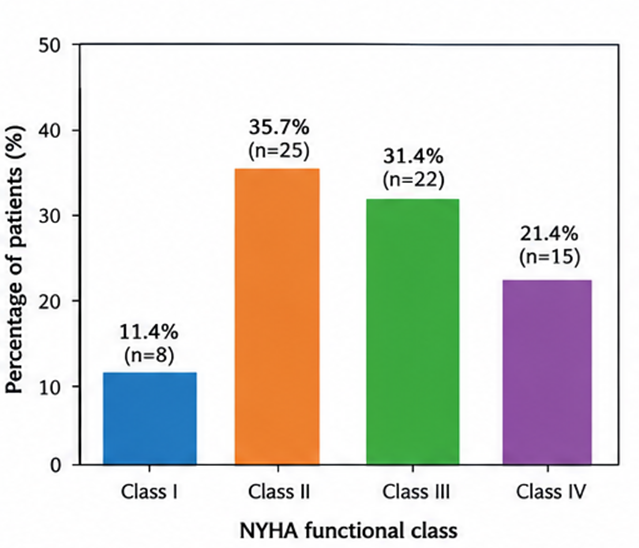
Figure 1. Distribution of study participants according to NYHA functional class.
Ejection Fraction
Echocardiographic assessment showed that 32 (45.7%) patients had reduced ejection fraction, while 18 (25.7%) had mildly reduced EF and 20 (28.6%) had preserved EF (Table 4).
Table 4. Distribution according to ejection fraction
|
Ejection fraction category |
Number |
Percentage |
|
Reduced |
32 |
45.7 |
|
Mildly reduced |
18 |
25.7 |
|
Preserved |
20 |
28.6 |
|
Total |
70 |
100.0 |
Presenting Symptoms
Dyspnea and fatigue were among the most frequently reported symptoms, each occurring in 52 (74.3%) patients. Edema was reported in 46 (65.7%), orthopnea in 45 (64.3%), chest pain in 37 (52.9%), and paroxysmal nocturnal dyspnea in 36 (51.4%) (Table 5).
Table 5. Presenting symptoms among study participants
|
Symptom |
Number |
Percentage |
|
Dyspnea |
52 |
74.3 |
|
Fatigue |
52 |
74.3 |
|
Edema |
46 |
65.7 |
|
Orthopnea |
45 |
64.3 |
|
Chest pain |
37 |
52.9 |
|
PND |
36 |
51.4 |
Clinical Signs
Pulmonary rales were the most frequent physical finding, occurring in 52 (74.3%) patients, followed by elevated jugular venous pressure in 40 (57.1%), displaced apical impulse in 32 (45.7%), and third heart sound in 3 (4.3%) patients (Table 6).
Table 6. Clinical signs among study participants
|
Clinical sign |
Number |
Percentage |
|
Pulmonary rales |
52 |
74.3 |
|
Elevated JVP |
40 |
57.1 |
|
Displaced apical impulse |
32 |
45.7 |
|
Third heart sound |
3 |
4.3 |
Hypertension and Diabetes Mellitus
Hypertension was present in 38 (54.3%) patients, while diabetes mellitus was present in 26 (37.1%). Obesity was documented in 10 (14.3%) patients and chronic obstructive pulmonary disease in 5 (7.1%) patients (Table 7).
Table 7. Distribution of comorbidities
|
Comorbidity |
Number |
Percentage |
|
Hypertension |
38 |
54.3 |
|
Diabetes mellitus |
26 |
37.1 |
|
Obesity |
10 |
14.3 |
|
COPD |
5 |
7.1 |
Association of Hypertension with NYHA Severity
Among the 38 patients with hypertension, 2 (5.3%) were in NYHA class I, 10 (26.3%) in class II, 14 (36.8%) in class III, and 12 (31.6%) in class IV. Among the 32 patients without hypertension, 6 (18.8%) were in class I, 15 (46.9%) in class II, 8 (25.0%) in class III, and 3 (9.4%) in class IV (Table 8).
Table 8. Association between hypertension and NYHA functional class
|
NYHA class |
Hypertension present n=38 |
No hypertension n=32 |
Total |
|
Class I |
2 (5.3%) |
6 (18.8%) |
8 |
|
Class II |
10 (26.3%) |
15 (46.9%) |
25 |
|
Class III |
14 (36.8%) |
8 (25.0%) |
22 |
|
Class IV |
12 (31.6%) |
3 (9.4%) |
15 |
|
Total |
38 (100%) |
32 (100%) |
70 |
Severe functional limitation (NYHA III–IV) was observed in 26/38 (68.4%) patients with hypertension, compared with 11/32 (34.4%) patients without hypertension. The difference in NYHA functional-class distribution was statistically significant (χ²=9.593, p=0.022) (Table 8; Figure 2).
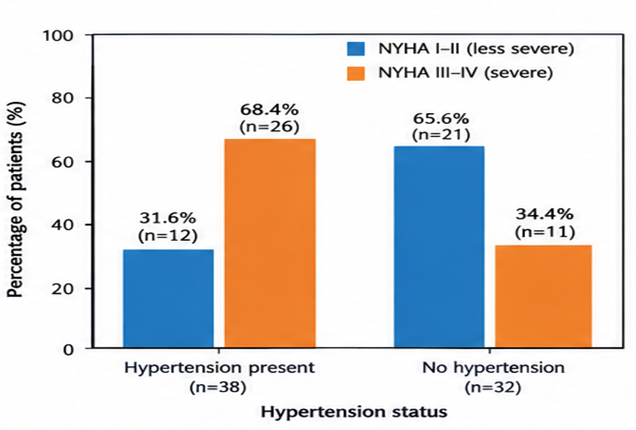
Figure 2. Proportion of patients with severe NYHA class III–IV heart failure according to hypertension status.
Association of Diabetes Mellitus with NYHA Severity
Among the 26 patients with diabetes mellitus, 1 (3.8%) was in NYHA class I, 5 (19.2%) in class II, 11 (42.3%) in class III, and 9 (34.6%) in class IV. Among the 44 patients without diabetes, 7 (15.9%) were in class I, 20 (45.5%) in class II, 11 (25.0%) in class III, and 6 (13.6%) in class IV (Table 9).
Table 9. Association between diabetes mellitus and NYHA functional class
|
NYHA class |
|
Diabetes present n=26 |
No diabetes n=44 |
Total |
|
Class I |
|
1 (3.8%) |
7 (15.9%) |
8 |
|
Class II |
|
5 (19.2%) |
20 (45.5%) |
25 |
|
Class III |
|
11 (42.3%) |
11 (25.0%) |
22 |
|
Class IV |
|
9 (34.6%) |
6 (13.6%) |
15 |
|
Total |
|
26 (100%) |
44 (100%) |
70 |
Severe functional limitation (NYHA III–IV) was present in 20/26 (76.9%) patients with diabetes mellitus, compared with 17/44 (38.6%) patients without diabetes. The difference in NYHA functional-class distribution was statistically significant (χ²=10.142, p=0.017) (Figure 3).
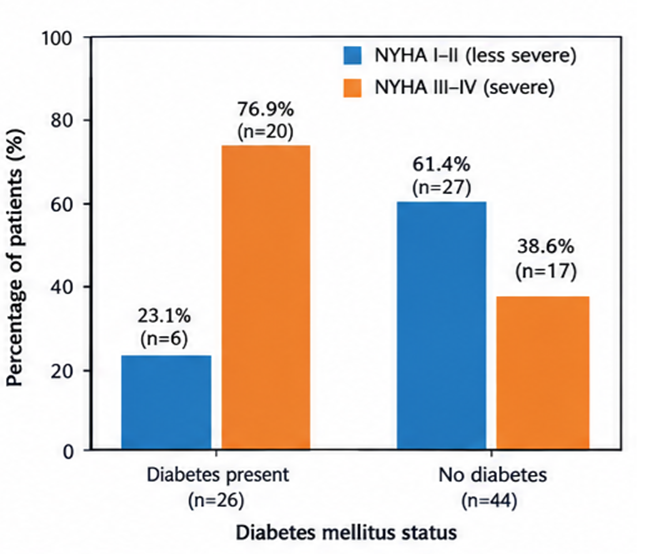
Figure 3. Proportion of patients with severe NYHA class III–IV heart failure according to diabetes mellitus status.
Fasting Blood Glucose and Blood Pressure According to NYHA Class
Baseline fasting blood glucose and blood pressure were evaluated across NYHA functional classes. Mean fasting blood glucose increased progressively from NYHA class I to class IV. Mean systolic blood pressure also tended to be higher in the more severe classes, whereas the pattern for diastolic blood pressure was less consistent (Table 10; Figures 4 and 5).
Table 10. Baseline fasting blood glucose and blood pressure according to NYHA functional class
|
NYHA class |
n |
FBS (mg/dL) |
SBP (mmHg) |
DBP (mmHg) |
|
Class I |
8 |
98.26 ± 5.96 |
135.47 ± 9.02 |
77.24 ± 8.96 |
|
Class II |
25 |
122.18 ± 13.17 |
142.11 ± 16.17 |
83.02 ± 10.14 |
|
Class III |
22 |
141.29 ± 27.45 |
155.08 ± 14.29 |
85.62 ± 9.41 |
|
Class IV |
15 |
158.64 ± 29.49 |
155.75 ± 17.49 |
83.64 ± 12.27 |
|
Overall |
70 |
133.26 ± 28.58 |
148.35 ± 16.83 |
83.31 ± 10.36 |
Across the four NYHA classes, the difference in mean FBS was statistically significant (one-way ANOVA F=16.26, p<0.001). The corresponding difference in mean SBP was also significant (F=5.88, p=0.001), whereas mean DBP did not differ significantly (F=1.31, p=0.280) (Figures 4 and 5).
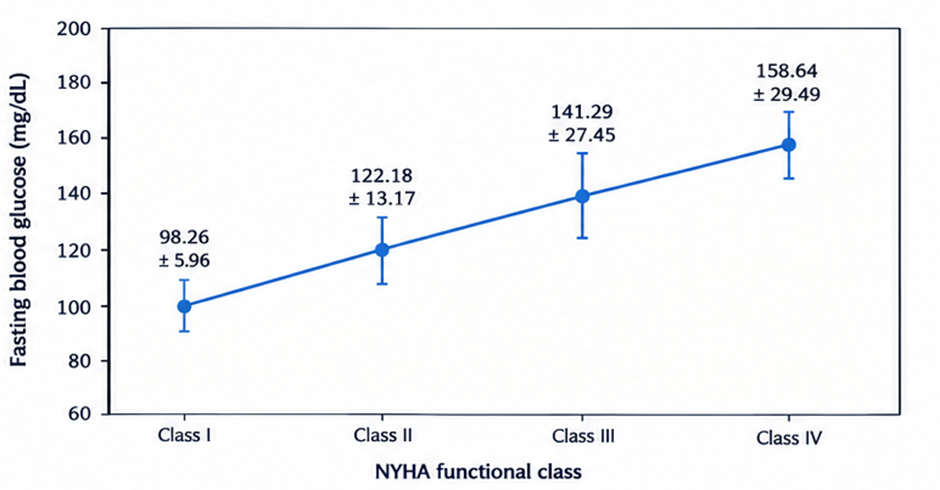
Figure 4. Mean fasting blood glucose according to NYHA functional class. Error bars represent standard deviation.
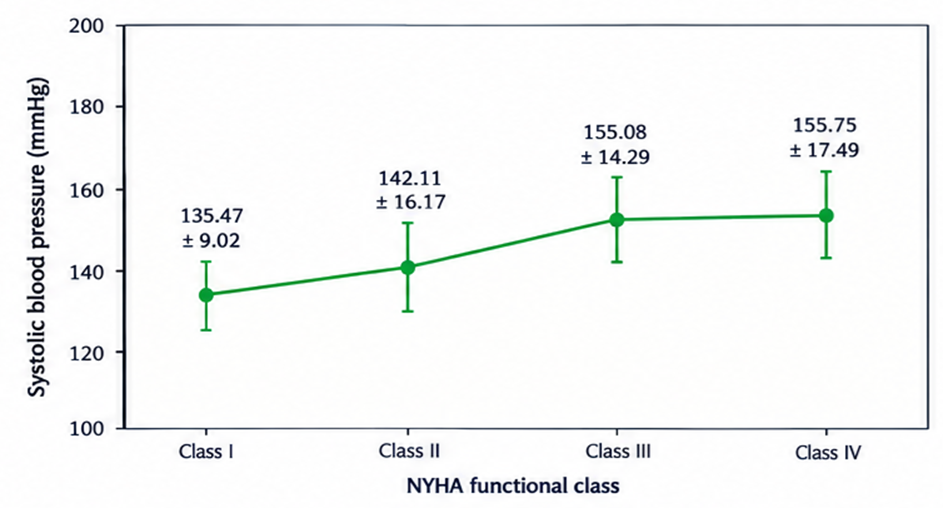
Figure 5. Mean systolic blood pressure according to NYHA functional class. Error bars represent standard deviation.
Correlation of Fasting Blood Glucose and Blood Pressure with Heart-Failure Severity
Because NYHA class is an ordinal variable, Spearman rank correlation was used to assess monotonic associations between cardiometabolic measurements and functional severity.
FBS showed a positive correlation with NYHA class (rho=0.654, p<0.001). SBP also showed a positive correlation with NYHA class (rho=0.442, p<0.001). DBP showed a weak and statistically non-significant correlation with NYHA class (rho=0.143, p=0.237) (Table 11).
Table 11. Correlation of fasting blood glucose and blood pressure with NYHA functional severity
|
Variable |
Spearman rho with NYHA class |
p-value |
Interpretation |
|
Fasting blood glucose |
0.654 |
<0.001 |
Positive, statistically significant |
|
Systolic blood pressure |
0.442 |
<0.001 |
Positive, statistically significant |
|
Diastolic blood pressure |
0.143 |
0.237 |
Weak, not statistically significant |
These correlations indicate association and should not be interpreted as evidence of causation.
DISCUSSION:
The present prospective observational study evaluated the relationship of hypertension and diabetes mellitus with clinical severity among 70 patients with newly diagnosed HF. The principal finding was that both hypertension and diabetes were associated with a greater proportion of patients in NYHA class III–IV. The analysis additionally demonstrated significant positive relationships between fasting blood glucose, systolic blood pressure, and NYHA functional severity.
Hypertension and Clinical Severity
Hypertension was present in 38 (54.3%) patients and was considered as a comorbidity in the present study. Long-standing elevation of blood pressure increases ventricular afterload and can promote hypertrophy and adverse ventricular remodeling. The Framingham studies established the major contribution of hypertension to the development of congestive HF. [3,4]. In the present study, 26 of 38 (68.4%) patients with hypertension had NYHA class III–IV disease compared with 11 of 32 (34.4%) without hypertension, with a statistically significant difference in NYHA distribution (χ²=9.593, p=0.022). This finding suggests an association between hypertension and greater functional limitation in the studied population. However, because the study was observational, the result should not be interpreted as proof that hypertension independently caused the greater severity. Age, ischemic heart disease, duration of hypertension, ventricular remodeling, renal function, obesity, treatment status, and other factors may contribute to this relationship.
Diabetes Mellitus and Clinical Severity
Diabetes mellitus was present in 26 (37.1%) participants. Diabetes is an established risk factor for HF, and a large systematic review involving 47 cohorts and more than 12 million individuals demonstrated increased HF risk among people with diabetes. [5] The published meta-analysis included 47 cohorts and 12,142,998 individuals, supporting the established association between diabetes and HF. In patients with established HF, diabetes has also been associated with adverse long-term outcomes, including mortality and hospitalization. [6] The present study demonstrated a significant association between diabetes and NYHA functional severity. NYHA class III–IV disease was present in 20 of 26 (76.9%) patients with diabetes compared with 17 of 44 (38.6%) patients without diabetes (χ²=10.142, p=0.017). The higher prevalence of advanced functional limitation among patients with diabetes is biologically plausible and is directionally consistent with the established adverse cardiovascular burden associated with diabetes. Nevertheless, the present study evaluated functional severity rather than long-term mortality or hospitalization, and the sample size limits the extent to which the findings can be generalized.
Fasting Blood Glucose and NYHA Severity
The analysis of fasting blood glucose demonstrated a progressive increase in mean FBS across NYHA classes. Mean FBS increased from 98.26 ± 5.96 mg/dL in class I to 158.64 ± 29.49 mg/dL in class IV, with a statistically significant overall difference (p<0.001). Spearman correlation demonstrated a positive association between FBS and NYHA class (rho=0.654, p<0.001). Thus, higher fasting blood glucose was associated with greater functional severity in the present study. This pattern is compatible with the established relationship between diabetes and HF. Chronic hyperglycemia may contribute to endothelial dysfunction, oxidative stress, inflammation, vascular disease and myocardial metabolic abnormalities, potentially contributing to cardiovascular dysfunction. [5,6] However, fasting glucose may be influenced by diabetes status, recent illness, nutritional status, medications, and other metabolic factors. Therefore, the observed association should not be interpreted as an independent causal relationship without adjustment for relevant confounding factors.
Blood Pressure and NYHA Severity
The analysis also demonstrated higher mean systolic blood pressure across the more advanced NYHA categories. Mean SBP increased from 135.47 ± 9.02 mmHg in class I to 155.75 ± 17.49 mmHg in class IV, with a significant overall difference (p=0.001). Spearman correlation showed a moderate positive association between SBP and NYHA class (rho=0.442, p<0.001). Long-standing hypertension increases left ventricular afterload and may contribute to ventricular hypertrophy and adverse remodeling. [3,4] The relationship observed in the present study therefore provides clinical support for the importance of blood-pressure assessment in patients presenting with HF. By contrast, DBP did not demonstrate a statistically significant association with NYHA class (rho=0.143, p=0.237). This difference between systolic and diastolic measures may reflect the different relationships of these blood-pressure components with age, vascular stiffness, ventricular function, and the hemodynamic state of patients with HF.
Ejection Fraction
Echocardiography demonstrated reduced EF in 32 (45.7%) patients, mildly reduced EF in 18 (25.7%), and preserved EF in 20 (28.6%). Thus, the study population included patients across the spectrum of left ventricular systolic function. Contemporary HF guidelines recognize HF as a heterogeneous syndrome encompassing patients with reduced, mildly reduced, and preserved ejection fraction and emphasize phenotype-specific evaluation and management. [2,7]
Clinical Implications
The findings support a clinically focused approach in which hypertension and diabetes are actively identified and managed in patients with HF. Contemporary HF guidelines emphasize comprehensive management of comorbidities and cardiovascular risk factors as an important component of HF care. [2,7] Assessment of blood pressure and glycemic status can complement NYHA classification and echocardiographic evaluation when characterizing clinical severity. The present study therefore highlights the importance of considering hypertension, diabetes, fasting blood glucose and blood pressure together with functional classification when assessing patients with newly diagnosed HF.
Overall Interpretation
Overall, the present study demonstrated significant associations of hypertension and diabetes with greater NYHA functional severity. Higher fasting blood glucose and systolic blood pressure were also positively associated with increasing NYHA class, whereas diastolic blood pressure did not show a significant correlation. These findings suggest that cardiometabolic burden may be an important component of clinical severity among patients with HF.
Limitations
This study has several limitations. First, the sample size was relatively small, with only 70 patients recruited from a single tertiary-care center, limiting generalizability. Second, the observational design prevents causal inference. Third, the study did not include multivariable adjustment for potentially important confounders such as age, ischemic heart disease, duration and treatment of hypertension or diabetes, renal function, body mass index, and medication use. Fourth, NYHA class is partly subjective and may be influenced by clinical assessment. Finally, the study was conducted in a single center, and larger multicenter studies are required to confirm these findings.
CONCLUSION:
In this hospital-based prospective observational study of 70 patients with HF, hypertension and diabetes mellitus were common comorbidities. Hypertension was present in 54.3% of patients and diabetes mellitus in 37.1%. More than half of the study population belonged to NYHA class III or IV. Hypertension and diabetes mellitus were significantly associated with greater NYHA functional severity. Higher fasting blood glucose was significantly associated with increasing NYHA class, with a positive Spearman correlation of 0.654. Systolic blood pressure also showed a significant positive association with NYHA severity, whereas diastolic blood pressure did not demonstrate a statistically significant correlation.
These findings emphasize the importance of systematic assessment of hypertension, diabetes, fasting blood glucose and blood pressure in patients with HF. Early identification and appropriate management of these cardiometabolic risk factors may contribute to comprehensive HF care.
REFERENCES:
1. The Criteria Committee of the New York Heart Association. Nomenclature and criteria for diagnosis of diseases of the heart and great vessels. 9th ed. Boston: Little, Brown & Co.; 1994.
2. Heidenreich PA, Bozkurt B, Aguilar D, Allen LA, Byun JJ, Colvin MM, et al. 2022 AHA/ACC/HFSA guideline for the management of heart failure. Circulation. 2022;145(18):e895-e1032. doi:10.1161/CIR.0000000000001063.
3. McKee PA, Castelli WP, McNamara PM, Kannel WB. The natural history of congestive heart failure: the Framingham study. N Engl J Med. 1971;285(26):1441-1446. doi:10.1056/NEJM197112232852601.
4. Kannel WB, Castelli WP, McNamara PM, McKee PA, Feinleib M. Role of blood pressure in the development of congestive heart failure—the Framingham Study. N Engl J Med. 1972;287(16):781-787. doi:10.1056/NEJM197210192871601.
5. Ohkuma T, Komorita Y, Peters SAE, Woodward M. Diabetes as a risk factor for heart failure in women and men: a systematic review and meta-analysis of 47 cohorts including 12 million individuals. Diabetologia. 2019;62(9):1550-1560. doi:10.1007/s00125-019-4926-x.
6. Dauriz M, Mantovani A, Bonapace S, Verlato G, Zoppini G, Bonora E, et al. Prognostic impact of diabetes on long-term survival outcomes in patients with heart failure: a meta-analysis. Diabetes Care. 2017;40(11):1597-1605. doi:10.2337/dc17-0697.
7. McDonagh TA, Metra M, Adamo M, Gardner RS, Baumbach A, Böhm M, et al. 2023 focused update of the 2021 ESC guidelines for the diagnosis and treatment of acute and chronic heart failure. Eur Heart J. 2023;44(37):3627-3639. doi:10.1093/eurheartj/ehad195.