Demographic Patterns of MDR-TB Patients in a Tertiary Care Centre in India.
- Dr. Jaskirat Singh , Senior Resident, Pulmonary Medicine, ESIC Hospital, Bari Brahmana, Jammu, India.
- Dr. Samreen Kour , MD Psychiatry, Senior Resident, Government Psychiatry Hospital, Government Medical College, Jammu, India.
- Khulood Latief Shah , 3rd Year Student of Respiratory Therapy, Chest Disease Hospital, Jammu, India.
Article Information:
Abstract:
Background: Tuberculosis (TB) is a major cause of death worldwide. The use of streamlined treatment approaches has the potential to enhance the effectiveness of control efforts by enhancing patient compliance and ensuring appropriate use of the available anti-TB medications. This study aims to evaluate the demographic patterns and presenting symptoms of patients undergoing MDR-TB treatment at a tertiary care centre in India. Methods: This was a retrospective observational study conducted over a period of one year from 01.09.2023 to 30.09.2024 at Chest Diseases Hospital, Government Medical College, Jammu, India. A total of 100 patients diagnosed with resistant TB during the study period were included in the study as per inclusion and exclusion criteria. Result: The mean age of the patients was 41.62± 18.77 years (Range 5.0-91.0 years) and males outnumbered the female patients in the study. The presence of a range of clinical symptoms, including less typical presentations, highlights the need for a high index of suspicion for TB, especially MDR, in patients with persistent respiratory symptoms. Conclusin: The findings of this study contribute to the existing knowledge on the demographic and clinical characteristics of MDR TB patients in the region and can inform targeted interventions and resource allocation for the prevention and management of this public health challenge.
Keywords:
Article :
INTRODUCTION:
Tuberculosis, caused by the Mycobacterium tuberculosis bacterium, is a major cause of death globally. In 2018, approximately 10 million people were infected worldwide 1. India accounts for a significant portion of the global TB burden, representing 27% of both total TB cases and rifampicin-resistant TB cases. The incidence of TB is highest among the 15-24 age group in India, with men, women, and children comprising 60%, 34%, and 6% of cases, respectively 2.
Different treatment regimens, including the use of shorter drug regimens and fixed-dose combinations, have been explored for the management of tuberculosis. The World Health Organization has recommended the use of these streamlined treatment approaches, particularly for patients who have not been previously treated with second-line drugs and in whom resistance to fluoroquinolones and second-line injectable agents has been excluded 3. These regimens have shown promise in improving treatment adherence and outcomes for drug-sensitive tuberculosis cases. The adoption of these more efficient treatment methods has the potential to enhance the effectiveness of tuberculosis control efforts by enhancing patient compliance and ensuring appropriate use of the available anti-tuberculosis medications 4.
India has implemented the Directly Observed Treatment, Short-course strategy, which is a comprehensive approach to TB control that includes early diagnosis, standardized treatment with supervision and patient support, and a reliable drug supply. The DOTS program has played a crucial role in improving treatment adherence and outcomes for drug-sensitive tuberculosis cases 5. Additionally, the World Health Organization has recommended the use of shorter drug regimens and fixed-dose combinations, which have shown promise in enhancing patient compliance and ensuring appropriate use of the available anti-tuberculosis medications 3,6. The prevalence of tuberculosis in India remains a significant public health concern, with the country accounting for a substantial proportion of the global TB burden 2. Particularly alarming is the rise of multidrug-resistant tuberculosis, which poses a major challenge to effective disease management 7. India faces a heavy burden of tuberculosis, with the country reporting one of the highest incidences globally 2. This is a critical public health issue that requires concerted efforts to address, as the emergence of multidrug-resistant strains further complicates TB control efforts in the region.
The shorter drug regimens and fixed-dose combinations recommended by the World Health Organization have shown promise in improving treatment adherence and outcomes for drug-sensitive tuberculosis cases 8. These regimens are specifically recommended for patients who have not been previously treated with second-line drugs and in whom resistance to fluoroquinolones and second-line injectable agents has been excluded. The use of these streamlined treatment approaches has the potential to enhance the effectiveness of tuberculosis control efforts by enhancing patient compliance and ensuring appropriate use of the available anti-tuberculosis medications.
This study aims to evaluate the demographic patterns and presenting symptoms of patients undergoing MDR-TB treatment at a tertiary care centre in India.
AIMS AND OBJECTIVES
1. To study the common demographic patterns of MDR TB patients in a tertiary care centre.
2. To evaluate presenting symptoms of patients undergoing MDR TB treatment.
METHODOLOGY:
This was a retrospective observational study conducted over a period of one year from 01.09.2023 to 30.09.2024 at Chest Diseases Hospital, Government Medical College, Jammu. The study was accepted and approved by the Institutional Ethics Committee of this institute. A total of 100 patients diagnosed with resistant TB during the study period were included in the study as per following inclusion and exclusion criteria:
Inclusion Criteria:
• Patients with >5 years of age.
• Those patients with pulmonary and extrapulmonary tuberculosis with normal liver enzymes.
Exclusion Criteria
• Patients having abnormal liver enzymes before treatment.
• Pregnant ladies and children <5 years of age.
In the study, Age, gender, height, weight, site of involvement, smear-positive pulmonary tuberculosis (S+) at baseline, MDR TB suspect criteria, seropositivity, TB drug resistance types, comorbidity, hemoglobin, total leukocyte count, differential count, blood sugar, renal function test, liver function test, thyroid function test, and treatment outcomes were among the sociodemographic and clinical data that were retrospectively gathered from the treatment records. First-line anti-TB medications (rifampicin, isoniazid, streptomycin, and ethambutol) and second-line anti-TB medications (ofloxacin, kanamycin, and capreomycin) were diagnosed using Xpert MTB/RIF and drug susceptibility testing (DST). The duration of the MDR-TB regimen was 24 months, with an intense phase lasting at least 6 months and a continuation phase lasting 18 months. The WHO standards were followed in the definition and classification of treatment outcomes 9.
Statical Analysis
The statistical analysis was done using the Statistical Package for Social Sciences (SPSS) version 21.0. Discrete variables were presented as frequency and percentages. Continuous variables were presented as means and standard deviation (±SD) for unpaired data.
RESULTS:
In this retrospective study 100 patients were screened and treated for MDR-TB. The findings of the study are as under:
Table 1: Age Distribution
|
Age Group |
Frequency (N) |
Percentage |
|
>10 years |
1 |
1.0% |
|
11–20 years |
11 |
11.0% |
|
21–30 years |
18 |
18.0% |
|
31–40 years |
28 |
28.0% |
|
41–50 years |
11 |
11.0% |
|
51–60 years |
13 |
13.0% |
|
61–70 years |
10 |
10.0% |
|
71–80 years |
5 |
5.0% |
|
81–90 years |
2 |
2.0% |
|
<90 years |
1 |
1.0% |
Table-1 depicts the age distribution among study participants. Age distribution indicates that the majority 46% of patients are in the 21-40 age group, followed by the 24% in 41-60 age group. The mean age of the patients was 41.62± 18.77 years (Range 5.0-91.0 years). The percentage of patients in in 21-40 years age groups was 46.00% followed by 24.0% in 41-60 years 15.00% in 61-80 years, 12.0% in 0-20 years and 3.00% in 81+ years.
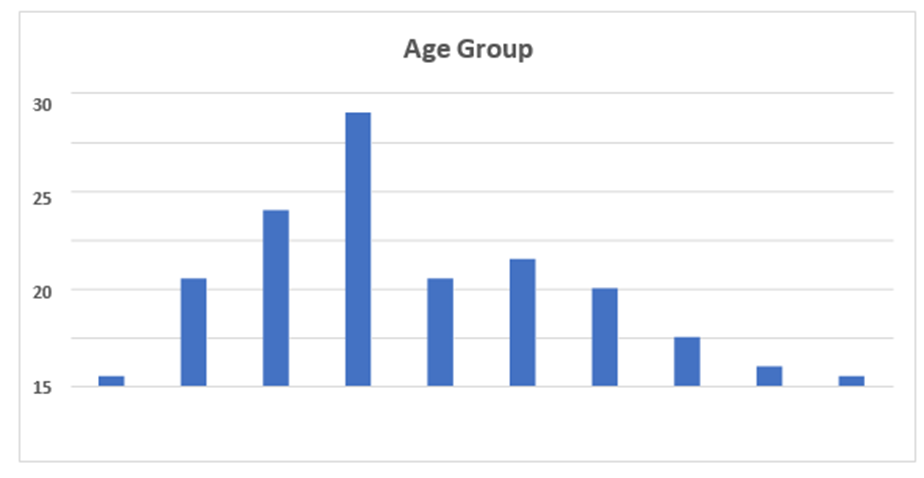
Fig.1: Age Distribution among study participants
Table 2: Gender Distribution
|
Gender |
Frequency(N) |
Percentage (%) |
|
Male |
70 |
70.0% |
|
Female |
30 |
30.0% |
Table-2 depicts the gender distribution among study participants. In our study, 70% of the patients were males whereas 30% of the patients were Females. It was observed in our study that the gender distribution varies across different age groups. The 61-80 age group has the highest proportion of males (86.67%).
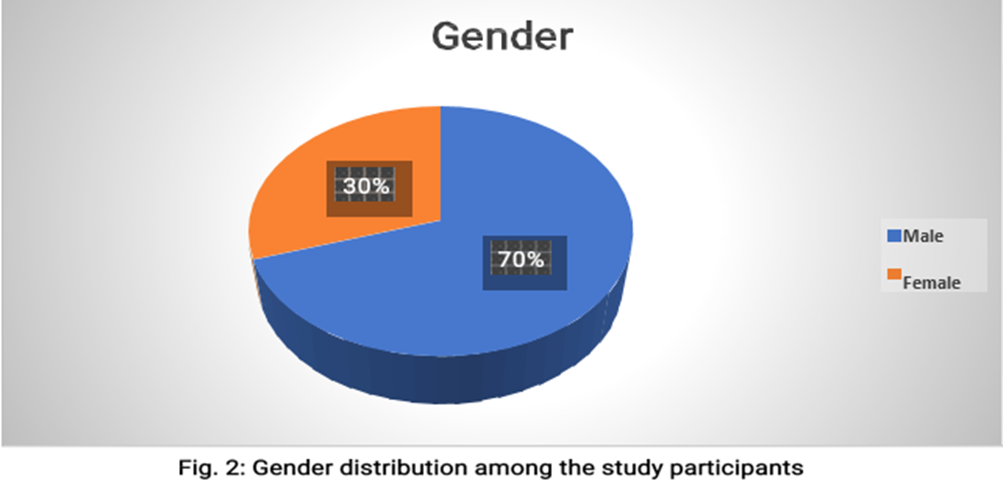
Table 3: Type of Tuberculosis
|
Type of TB |
Frequency (N) |
Percentage (%) |
|
Pulmonary TB |
91 |
91.0% |
|
Extrapulmonary TB |
07 |
7.0% |
|
Old Extrapulmonary TB |
01 |
1.0% |
|
Pre-XDR |
01 |
1.0% |
Table 3 depicts the type of Tuberculosis among study participants. Most of the patients 91% had pulmonary TB followed by Extrapulmonary TB in 7%. Old extrapulmonary and pre- extensively drug-resistant tuberculosis was observed among 1% patients each.
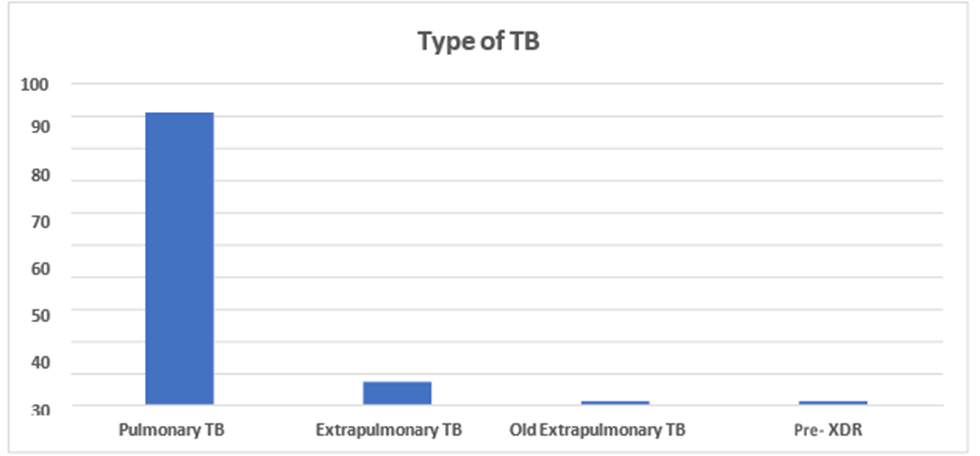
Fig. 3: Type of Tuberculosis
Table 4: Reason for testing
|
Reason for Testing |
Frequency (N) |
Percentage (%) |
|
Alcoholic liver disease and cough |
1 |
1.0% |
|
Blood with cough |
1 |
1.0% |
|
Blood with sputum |
1 |
1.0% |
|
Chest pain and cough |
5 |
5.0% |
|
Cough (more than 10 days) |
68 |
68.0% |
|
Cough and fever |
10 |
10.0% |
|
Cough & pleural fluid |
02 |
2.0% |
|
Cough & Amenorrhea |
01 |
1.0% |
|
Cough, Chest pain and blood with sputum |
01 |
1.0% |
|
Cough, malignant neoplasm of parotid gland |
01 |
1.0% |
|
Detected from axillary lymph node |
01 |
1.0% |
|
Left neck abscess |
01 |
1.0% |
|
Lymph node puss |
01 |
1.0% |
|
Pleura effusion |
01 |
1.0% |
|
Pleura fluid (with cough/ pus) |
04 |
4.0% |
|
Shortness of breath with cough |
01 |
1.0% |
Table 4 depicts the reasons for TB testing in our study. It was observed that the majority 53% of patients were tested due to cough-related symptoms followed by 21% patients were tested due to cough combined with other symptoms (fever, pain, amenorrhea, chest pain, shortness of breath and malignant neoplasm of parotid gland), 15% patients were tested due to Cough with specified duration (10 days to 05 months), 5% patients were tested due to fluid related symptoms, 3% due to lymph node related symptoms, 2% due to cough blood & sputum, and 1% due to alcoholic, liver disease and cough.
In conclusion, while cough is the primary reason for TB testing in this study, the data shows a range of presentations that prompt testing. This variety underscores the importance of considering TB in patients with persistent respiratory symptoms, especially cough, but also in those with less typical presentations involving other organ systems.
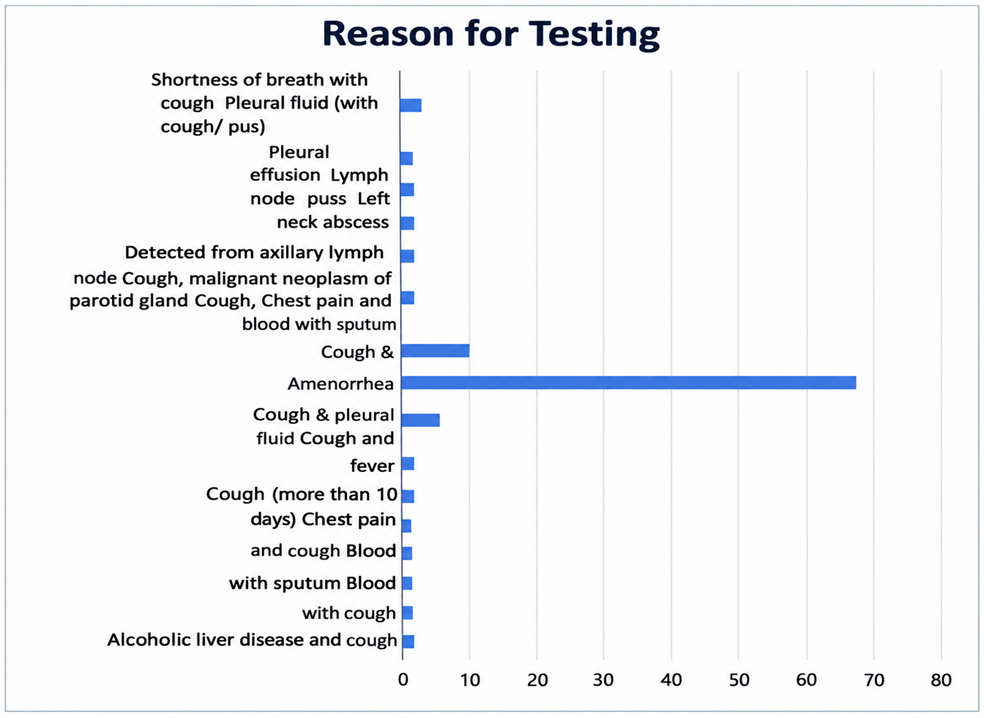
Fig 4: Reasons for testing
Table 5: TB Regimen
|
TB Regimen |
Frequency (N) |
Percentage (%) |
|
All oral shorter regime |
67 |
67.0% |
|
All oral longer regime |
23 |
23.0% |
|
H-Resistant |
6 |
6.0% |
Table 5: TB Regimen
|
TB Regimen |
Frequency (N) |
Percentage (%) |
|
All ORAL SHORTER REGIME |
67 |
67.0% |
|
ALL ORAL LONGER REGIME |
23 |
23.0% |
|
H-RESISTANT |
6 |
6.0% |
Table-5 indicates the TB regimen among the study participants in our study. The TB regimen data indicates that the majority 67.0% of patients were on the "ORAL SHORTER REGIME," followed by the 23.0% on "ORAL LONGER REGIME" and a smaller group 6.0 % on "H-RESISTANT" regimens.
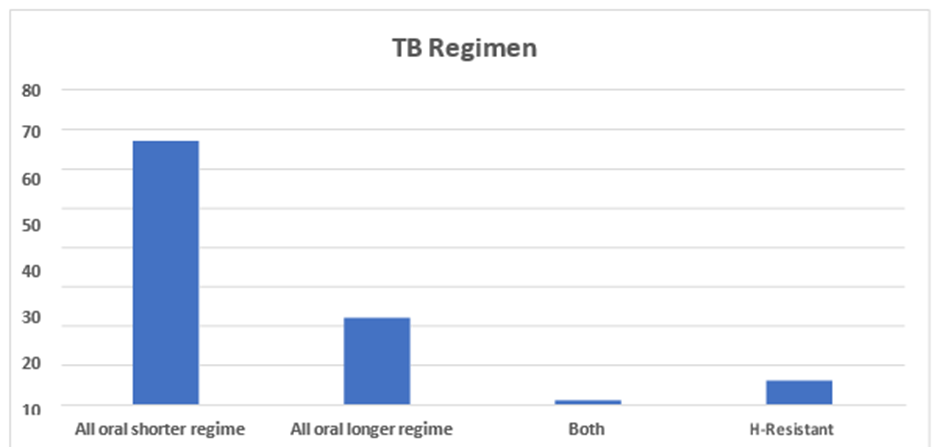
Fig.5: TB Regimen
Table 6: Type of Drug- Resistant among TB patients
|
Type of DR |
Frequency (N) |
Percentage(%) |
|
MDR-TB |
61 |
61.0% |
|
RR-TB |
02 |
2.0% |
Table 6 depicts the type of drug resistant among study participants. It was observed in our study that multi drug resistant tuberculosis being the most common and observed among 61.0% participants whereas rifampicin-resistant tuberculosis was observed among 2.0% participants.
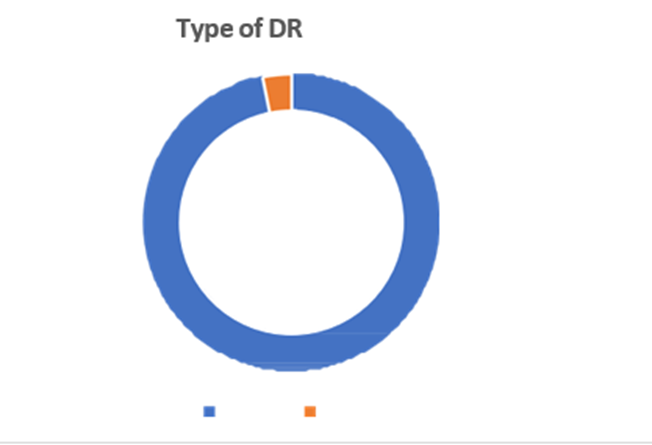
Fig.6: Type of Drug- Resistant among TB Patients
DISCUSSION:
The present retrospective study describes the demographic characteristics, clinical presentation, drug-resistance patterns, and treatment regimens among patients receiving treatment for drug-resistant tuberculosis (TB) at a tertiary care centre in Jammu. The study population was predominantly composed of younger and middle-aged adults, with a clear male predominance. Pulmonary TB was the most frequent form of disease, and persistent cough was the most common reason for TB testing. The treatment profile showed that most patients were receiving an all-oral shorter regimen, reflecting the changing approach to the management of drug-resistant TB.
In the present study, the largest proportion of patients belonged to the 21–40-year age group (46%), followed by the 41–60-year age group (24%). The mean age of the study population was 41.62 ± 18.77 years, with an age range of 5–91 years. The predominance of younger and middle-aged adults is comparable with observations reported in previous Indian studies of MDR-TB. Sharma et al. reported demographic and treatment characteristics of MDR-TB patients in Delhi, while Mukati et al. described the clinical profile of MDR-TB patients managed at a drug-resistant tuberculosis centre [10,11]. The concentration of cases among younger and economically active adults is important from a public-health perspective because TB occurring in these age groups may have implications for household and occupational functioning.
A marked male predominance was observed in the present study, with males accounting for 70% of the study population compared with 30% females. Similar male predominance has been reported in previous studies of MDR-TB conducted in India [10,12,13]. Nair et al. evaluated predictors of unfavourable treatment outcomes among patients with MDR-TB in India, while Maurya et al. reported changing patterns of MDR-TB at a referral centre in northern India [12,13]. Differences in healthcare-seeking behaviour, occupational exposure, and other social and demographic factors may contribute to variations in the observed sex distribution; however, these factors were not specifically evaluated in the present retrospective study.
Pulmonary TB was the predominant form of disease, accounting for 91% of patients, whereas extrapulmonary TB accounted for 7%. Old extrapulmonary TB and pre-XDR TB were each reported in 1% of patients. The predominance of pulmonary disease is consistent with the clinical patterns described in previous studies of MDR-TB patients [10,11,13,15]. Uike et al. also reported the clinical profile of MDR and rifampicin-resistant TB patients managed under the national TB programme [15]. The high proportion of pulmonary disease in the present cohort is clinically relevant because pulmonary drug-resistant TB represents an important potential source of ongoing transmission and therefore requires timely diagnosis and appropriate treatment.
The reasons for TB testing demonstrated considerable clinical diversity. Persistent cough, particularly cough lasting more than 10 days, represented the most frequent reason for testing. Other patients underwent testing because of cough associated with fever, chest pain, pleural fluid, hemoptysis, lymph-node-related symptoms, shortness of breath, or other clinical conditions. Previous studies have also demonstrated variability in the clinical presentation of MDR-TB [10,11,13,15]. These observations emphasize that although respiratory symptoms are the predominant clinical trigger for TB evaluation, clinicians should also consider TB in patients presenting with less typical manifestations, particularly when symptoms are persistent or unexplained.
In the present study, the largest individual reason for testing was cough lasting more than 10 days (68%), while other cough-related presentations constituted additional indications for investigation. This finding reinforces the importance of persistent respiratory symptoms as a clinical warning sign for TB. Early identification of individuals requiring microbiological evaluation is particularly important in drug-resistant TB because delays in diagnosis may prolong illness and potentially facilitate transmission. The need for timely diagnosis and appropriate treatment remains particularly relevant in India, which carries a substantial proportion of the global TB burden [2,7].
The treatment-regimen profile of the present study demonstrates the increasing use of all-oral treatment approaches for drug-resistant TB. Among the reported regimen categories, 67% of patients were receiving an all-oral shorter regimen, 23% were receiving an all-oral longer regimen, and 6% were receiving an H-resistant regimen. The use of shorter treatment regimens in appropriately selected patients is consistent with the evolution of drug-resistant TB management and the recommendations of the World Health Organization [3]. WHO recommendations have supported shorter regimens in eligible patients after consideration of relevant drug-resistance patterns and treatment history [3].
The predominance of the all-oral shorter regimen in the present cohort is also consistent with the broader movement toward simplified treatment strategies for drug-resistant TB. Shorter and more streamlined treatment approaches may facilitate treatment delivery and potentially improve treatment acceptability and adherence. Earlier literature has highlighted the importance of treatment simplification and appropriate use of fixed-dose or streamlined regimens in TB control [3,4,6,8]. However, selection of a shorter regimen should remain dependent on individual drug-susceptibility results, previous treatment exposure, resistance patterns, and clinical eligibility rather than treatment duration alone.
The study also demonstrated a considerable burden of multidrug-resistant tuberculosis, with MDR-TB reported in 61% of participants and rifampicin-resistant TB in 2%. The predominance of MDR-TB is consistent with the continuing challenge posed by drug-resistant TB in India [7,13,16]. Chatterjee et al. highlighted the challenges posed by drug-resistant TB in India, while Maurya et al. described changing patterns of MDR-TB at a northern Indian referral centre [7,13]. Previous Indian literature has also emphasized the importance of surveillance and appropriate management of drug-resistant TB because of its implications for treatment outcomes and TB-control programmes [12,15,16].
The observed pattern of drug resistance further emphasizes the importance of early microbiological confirmation and drug-susceptibility assessment. In the present study, Xpert MTB/RIF and drug-susceptibility testing were used to identify resistance patterns, and treatment outcomes were classified according to WHO definitions [9]. Rapid identification of resistance is essential for appropriate regimen selection and for avoiding ineffective treatment. The increasing availability of molecular diagnostic approaches has therefore become an important component of modern drug-resistant TB management.
The findings of the present study also have implications for TB-control activities at the tertiary-care level. The predominance of pulmonary disease and persistent cough suggests that systematic evaluation of patients with prolonged respiratory symptoms remains important. At the same time, the presence of extrapulmonary and less typical presentations indicates that clinical suspicion should not be restricted exclusively to patients with classical pulmonary symptoms. A combination of clinical assessment, appropriate microbiological testing, drug-resistance testing, and timely initiation of an appropriate regimen remains essential for effective management of drug-resistant TB [3,7,9].
The study has several limitations. First, its retrospective design means that the analysis depended on information available in existing medical and treatment records and may therefore be affected by incomplete documentation or recording bias. Second, the study was conducted at a single tertiary-care centre in Jammu, and consequently the findings may not be directly generalizable to patients managed in other regions or healthcare settings. Furthermore, the study primarily describes demographic and clinical characteristics and treatment-regimen patterns; it does not establish causal relationships between individual patient characteristics and treatment outcomes. These limitations should be considered when interpreting the findings.
Future studies involving larger sample sizes and multiple centres could provide a more representative assessment of the demographic and clinical profile of drug-resistant TB in the region. Prospective studies may additionally evaluate treatment adherence, adverse drug reactions, microbiological response, treatment completion, and long-term treatment outcomes. Such investigations could further clarify factors associated with successful treatment and help evaluate the effectiveness of contemporary all-oral treatment strategies.
Overall, the present study demonstrates that drug-resistant TB in this tertiary-care cohort predominantly affected male patients and younger to middle-aged adults, with pulmonary TB and persistent cough being the most prominent clinical characteristics. The substantial use of all-oral shorter regimens reflects the evolving treatment approach to drug-resistant TB [3]. The findings reinforce the importance of maintaining clinical suspicion in patients with persistent respiratory symptoms, ensuring timely microbiological and drug-resistance testing, and selecting treatment regimens according to individual resistance profiles and established treatment recommendations [3,9]. These observations may contribute to the understanding of drug-resistant TB patterns in the Jammu region and support continued efforts toward early diagnosis and appropriate management.
CONCLUSION:
The findings of this study highlight the predominance of male patients in the working-age group, with pulmonary TB being the most common presentation. The diversity of presenting symptoms underscores the need for a high index of suspicion for TB, especially MDR-TB, in patients with persistent respiratory symptoms. The data on treatment regimens reflects the evolving landscape of MDR-TB management, with a significant proportion of patients receiving shorter oral regimens. These findings contribute to the understanding of the MDR-TB landscape in the region and can inform targeted interventions and resource allocation for the prevention and management of this public health challenge.
REFERENCES:
1. Naik P, Moonan P K, Nirgude A, Shewade H D, Satyanarayana S, Raghuveer P et al. Use of Verbal Autopsy to Determine Underlying Cause of Death during Treatment of Multidrug-Resistant Tuberculosis, India. Centers for Disease Control and Prevention 2018;24(3): 478-484.
2. Matta S, Chopra K, Arora V. (2022, July 1). WITHDRAWN: Changes in Tuberculosis prevalence in India: Assessing the trend. Elsevier BV.
3. WHO consolidated guidelines on drug-resistant tuberculosis treatment. (n.d). https://apps.who.int/ iris/ bitstream/ handle/ 10665/ 311389/ 9789241550529-eng.pdf
4. Goldberger M. Treatment of Tuberculosis: Current Status and Future Promise. Thieme Medical Publishers (Germany) 1997; 18(05): 439-448.
5. Yadav S, Rawal G. The recent trends in tuberculosis in the urban population of Western Delhi- A detailed report from a large center. 2019; 3(4): 196-202.
6. Treatment of drug-susceptible tuberculosis. (2023, February 6). https://www.who.int/publications-detail-redirect/9789240028678
7. Chatterjee S, Poonawala H, Jain Y. Drug-resistant tuberculosis: is India ready for the challenge? BMJ, 2018;3(4): e000971-e000971.
8. Sadaphal P, Chakraborty K, Jassim-AlMossawi H, Pillay Y, Roscigno G, Kaul A et al. Rifampicin Bioavailability in Fixed-Dose Combinations for Tuberculosis Treatment: Evidence and Policy Actions. 2019;3(3): 9-15.
9. WHO. Definitions and reporting framework for tuberculosis – 2013 revision (updated 2014). Geneva: Switzerland World Health Organization; 2013. Available from: https://www.who.int/tb/publications/definitions/ en/. [Last accessed on 2021 May 17].
10. Sharma N, Khanna A, Chandra S, Basu S, Chopra K, Singla N et al. Trends & treatment outcomes of multidrug-resistant tuberculosis in Delhi, India (2009-2014): A retrospective record-based study. Medknow, 2020;151(6); 598-598.
11. Mukati S, Julka A, Varudkar H G, Singapurwala M, Agrawat J, Bhandari, D et al. A study of clinical profile of cases of MDR-TB and evaluation of challenges faced in initiation of second line Anti tuberculosis treatment for MDR-TB cases admitted in drug resistance tuberculosis center. Elsevier BV 2017; 66(3): 358-363.
12. Nair D, Velayutham B, Kannan T, Tripathy J P, Harries A, Natrajan M, Swaminathan S. (2017, March 21). Predictors of unfavourable treatment outcome in patients with multidrug-resistant tuberculosis in India. International Union Against Tuberculosis and Lung Disease 2017;7(1): 32-38.
13. Maurya A K, Singh A K, Kumar M, Umrao J, Kant S, Nag V et al. Changing patterns and trends of multidrug-resistant tuberculosis at referral centre in Northern India: A 4-year experience. Elsevier BV 2013;31(1):40-46.
14. Patel S, Nimavat K B, Alpesh P B, Shukla L K, Shringarpure K, Mehta K. Treatment outcome among cases of multidrug-resistant tuberculosis (MDR TB) in Western India: A prospective study. Elsevier BV 2015;9(4), 478-484.
15. Uike P S, Hiwarkar P A, Malkar V, Aswalle K. Profile of multi drug resistant (MDR) and rifampicin resistant TB patients treated under category IV of RNTCP. Medip Academy, 2017;6(4): 784-784.
16. Almeida D V, Rodrigues C, Udwadia Z, Lalvani A, Gothi G D, Mehta P. (2003, June 15). Incidence of Multidrug-Resistant Tuberculosis in Urban and Rural India and Implications for Prevention. Oxford University Press, 2003;36(12): e152-e154.
17. Deshkar A T, Shirure P A. (2022, August 29). Bedaquiline: A Novel Diarylquinoline for Multidrug-Resistant Pulmonary Tuberculosis. Cureus, Inc.