Knowledge and Attitude of Pharmacogenomics Among Final Year MBBS Students of a Tertiary Care Teaching Hospital - A Cross-Sectional Study.
- Dr. Usha Bhayi C. , Assistant Professor, Department of Pharmacology, Government Medical College, Thrissur, Kerala, India.
- Dr. Binoy E.B. , Assistant Professor, Department of Pharmacology, Government Medical College, Thrissur, Kerala, India.
- Dr. Vinimol C. , Assistant Professor, Department of Pharmacology, Government Medical College, Thrissur, Kerala, India.
Article Information:
Abstract:
Background: Pharmacogenomics is the use of genetic information to guide the choice of drug and dose for an individual or a population. This rapidly evolving branch of pharmacology has a growing role in clinical therapeutics, drug development and research. Importantly, it plays a pivotal role in precision medicine. Pharmacogenomics aims to improve therapeutic efficacy, and to reduce adverse reactions to drugs. Moreover, this science helps to decrease drug costs through cost effective therapeutic management. Knowledge and education related factors are the main barriers in applying pharmacogenomics in medical practice. Knowledge in pharmacogenomics will enable a medical student to use it for the benefit of the patient. A student with pharmacogenomic knowledge will consider the unique genetic traits of each patient before administering treatment. This study aims to analyse the knowledge and attitude of final year students on pharmacogenomics. Methods: A cross-sectional study was conducted among final year MBBS students. Responses to a revalidated questionnaire on Knowledge and attitude of pharmacogenomics was collected and descriptive data was recorded. Results: 70% of the students have adequate knowledge on pharmacogenomics, that is score above 50% and the study also reveals that majority of students have positive attitude towards pharmacogenomics. Conclusion: MBBS students have adequate knowledge and have a positive attitude towards pharmacogenomics. Training the students on the practical aspects of pharmacogenomics will help in the implementation of Pharmacogenomics in clinical therapeutics.
Keywords:
Article :
INTRODUCTION:
Every disease or medical condition needs to be treated with appropriate therapy, which depends on multiple factors. The response to pharmacotherapy varies among patients ranging from therapeutic benefits to fatal adverse drug reactions. These variations are due to noncompliance, medical errors, clinical conditions, drug interactions and genetic causes. The genetic aspects of drug therapy are addressed by pharmacogenomics and pharmacogenetics. Pharmacogenetics is the study of genetic basis for variability in drug response.1 Whereas, pharmacogenomics studies a larger number of variants in an individual or population to explain the genetic influences in drug response.1. In the past, the healthcare system functioned by giving a standardised drug with a standardized dose to individuals with the same condition. A recent development in medical science is personalized or precision medicine, which helps to provide individualized treatment for all.2 Pharmacogenomics is a key factor in practicing precision medicine. After the completion of human genome project in 2003, the scientific community has more access to the information on human genome which has contributed significantly to the advancements in pharmacogenomics. This genetic information is used to guide the choice of drug and dose on an individual.
The genes responsible for variable drug responses, called pharmacogenes, influence drug responses through variable drug concentrates (pharmacokinetics) or variable drug effects (pharmacodynamics). Pharmacogenes include those genes encoding drug metabolising enzymes, drug transport molecules, drug targets and a host of other genes that modulate the molecular context on which the drug acts, notably genes dysregulated in the disease for which the drug is administered1,3. Pharmacogenomics discovers which variants or combinations of variants of genes have functional consequences for drug effects. This science validates these discoveries and ultimately applies them to patient care and to drug discovery. Genetic variations in an individual results in alterations in protein sequence, function and levels. Variable proteins like enzymes, transport molecules and molecular targets with which the drug interact are responsible for a person’s altered response to drugs. The major types of gene variations are single nucleotide polymorphism, indels and copy number variations. Single nucleotide variations are the most common among the three genetic variations.1. The pharmacogenomics can play a disruptive role in clinical fields like oncology, psychiatry, neurology, infectious diseases pain management and metabolic disorders.4 The clinicians should have sufficient knowledge in pharmacogenomics in order to incorporate pharmacogenomics in to routine practice. Pharmacogenomic testing for specific drugs includes, sample collection, genotyping, analysis, discovery of multilevel components and biological functions or connected pathways. Genome wide Association studies have uncovered a number of novel biologic pathways to understand the pharmacogenomics better.5
The aim of pharmacogenomics is to provide a treatment based on a patient’s probability to respond to a drug, to individualize the optimum dose of a specific drug and to avoid harmful responses from drugs. Moreover, pharmacogenomics aids to optimize drug therapeutics and trim drug costs through cost effective therapeutic management.3,6 Drug Toxicity or failure to therapy can be avoided if patient populations are grouped based on genetic and other characteristics which can predict the course of the disease and drug efficacy.6 Thus, pharmacogenomics plays a pivotal role in personalised medicine by associating the drugs with genetic makeup which indicate the treatment outcomes. The knowledge of pharmacogenomics enables the medical professional to provide a treatment that is customised to the patient’s genetic makeup, resulting in a better patient care. However, the fact is knowledge and education related factors are the main barriers in applying pharmacogenomics in medical practice.7 This science has a growing role in clinical therapeutics that inclusion of pharmacogenomic information in drug labels helps in practising precision medicine and recently, there is an increase in clinical trials utilizing pharmacogenomics information.8 Thus, this novel science also helps in new drug discovery and drug repurposing.
The early introduction of pharmacogenomics analysis in drug development process decreases the cost, time and avoid failures. Given the current importance and necessity of the subject, medical schools should incorporate the teaching of pharmacogenomics as an integral part of their core pharmacology curriculum9. Clinical pharmacology textbooks add more and more information on pharmacogenomics in every new edition. More extensive teaching in pharmacogenomics should be offered to graduate students in medicine and pharmaceutical Sciences.9,10,11 Being an emerging branch with tremendous potential, eventually leading to the benefit of the patient, pharmacogenomics promises new ventures in research and drug discovery. A doctor with pharmacogenomic knowledge can provide individualized pharmacotherapy while treating a disease but, the knowledge barrier prevents the further advancement of this science. The absence of a standardized teaching curricula, education focused on pharmacogenomics competencies, and well organised health care system in pharmacogenomics are few of the causes for this knowledge gap.12 In this study we are estimating the knowledge and attitude of final year MBBS (Bachelor of Medicine and Bachelor of Surgery) students in pharmacogenomics; to understand how much the students have imbibed from the medical curriculum.
RESEARCH QUESTION
Do final year MBBS students have knowledge and interest in pharmacogenomics.
OBJECTIVES OF STUDY
To estimate the knowledge of final year MBBS students on pharmacogenomics
To estimate the attitude of final year MBBS students on pharmacogenomics.
MATERIALS AND METHODS:
This Cross-sectional study was conducted among 150 medical students who had completed Phase III of MBBS course in Government Medical College Thrissur. The study was conducted in the Department of Pharmacology, Government Medical College Thrissur from 16th December 2024 to 19th July 2025 after getting approval from institutional research committee and institutional ethics committee. Written informed consent was obtained from the study participants. The students who were not willing to participate were excluded from the study. Confidentiality and anonymity of the participants were ensured in the study.
Study procedure
Method of data collection
A questionnaire with 25 questions was distributed among Phase III completed MBBS students. There were 150 completed responses which were randomly selected for the study, while the incomplete and partially filled responses were excluded. Out of the total 25 questions 13 questions were based on knowledge towards pharmacogenomics and 12 Questions were based on attitude towards pharmacogenomics. Each question has sub questions to assess the students’ knowledge clearly. The Questionnaire was validated by the Department of Pharmacology, Thrissur Government Medical College.
Data analysis
Data was collected, coded, and entered in Microsoft excel and analyzed using SPSS statistical software. The student’s knowledge was evaluated by giving points to the correct responses and the data was entered as a percentage of the total sample. One point is given to each question and students getting more than 50% points were considered as having adequate knowledge on pharmacogenomics. The Attitude towards pharmacogenomics was evaluated by yes or no questions and the data was entered as percentage of the total sample.
RESULTS:
The Knowledge of Pharmacogenomics
The response of 150 students on the pharmacogenomics questionnaire showed that 70% of the students have adequate knowledge on pharmacogenomics, with a score above 50% of total points (Fig.1). The points scored by the students reveals that 5.3% students scored less than 25% of total points, 24.6 % students scored 26-50% of total points, 56% students scored 51-75% of total points and more than 14% students scored more than 75% of total points.
Among the 150 students, 63.2% of students were aware of the concept of pharmacogenomics and 88.2% of students understood the goals of pharmacogenomics. The study revealed that 85.3% of the 150 students have knowledge about Succinyl choline apnoea, 76.5% of students were aware of the G6PD Deficiency, 70.6% of students know about Malignant hyperthermia, 65.5% of students have knowledge about INH toxicity and 68.7% of students know about warfarin toxicity (Table 1).
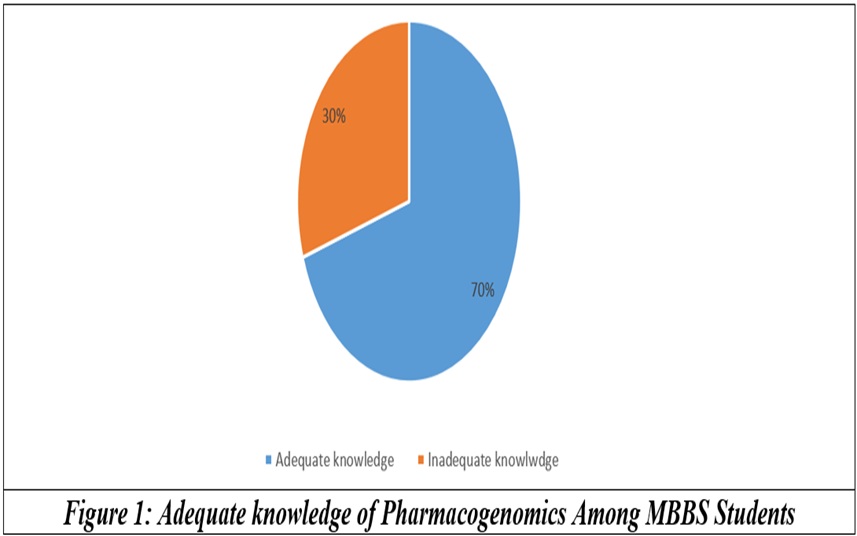
Table 1: Knowledge on Pharmacogenomics Among MBBS Students
|
|
|
No of students (n= 150) |
|
|
Sl. no. |
Knowledge |
Know (%) |
Do not know (%) |
|
1 |
Definition of pharmacogenomics |
63.2 |
26.8 |
|
2 |
Goals of Pharmacogenomics |
88.2 |
11.8 |
|
3 |
Single nucleotide polymorphism |
67.6 |
32.4 |
|
4 |
INH toxicity |
65.5 |
34.5 |
|
5 |
Cholinergic apnoea |
85.3 |
14.7 |
|
6 |
G6PD Deficiency |
76.5 |
23.5 |
|
7 |
Malignant hyperthermia |
70.6 |
29.4 |
|
8 |
Irinotecan induced diarrhoea and neutropenia |
17.6 |
82.4 |
|
9 |
Warfarin toxicity |
68.7 |
31.3 |
|
10 |
6 Mercaptopurine bone marrow toxicity |
38.2 |
61.8 |
|
11 |
Abacavir hypersensitivity syndrome |
35.3 |
65.7 |
|
12 |
5 Fluorouracil toxicity |
23.5 |
76.5 |
|
13 |
Genetic variations in HER2 receptor and Transtuzumab responsiveness |
37.2 |
62.8 |
Table 2: Attitude Towards Pharmacogenomics by MBBS students
|
No of students (n= 150 |
|||
|
Sl. No. |
Attitude |
Yes (%) |
No (%) |
|
1 |
Pharmacogenomics is a science good in theory but not in practice |
32.8 |
67.2 |
|
2 |
Learning pharmacogenomics is important in clinical practice |
85.3 |
14.7 |
|
3 |
Pharmacogenomics can be utilized to avoid adverse drug reactions |
79.7 |
20.3 |
|
4 |
Will you suggest pharmacogenomic testing done on a person before drug treatment as a necessary measure |
44.1 |
56.9 |
|
5 |
Pharmacogenomic tests help to improve patient care |
85.3 |
14.7 |
|
6 |
Are you interested in learning new trends in pharmacogenomics? |
79.4 |
20.6 |
|
7 |
Do you expect mankind to overcome the limitations of doing Pharmacogenomic tests in near the future |
70.6 |
29.4 |
|
8 |
Do you think personalized medicine will become an important concept in the future? |
85.3 |
14.7 |
|
9 |
Do you expect Pharmacogenomics testing to decrease the cost of treatment |
19.4 |
80.6 |
|
10 |
Pharmacogenomics helps in diagnosis and treatment of medical conditions |
84.6 |
15.4 |
|
11 |
Learning of Pharmacogenomics is relevant in medical education |
83.4 |
16.6 |
|
12 |
Pharmacogenomics is a promising branch to do research in medicine? |
85.3 |
14.7 |
Attitude on Pharmacogenomics
The survey showed a positive attitude of students towards pharmacogenomics. Among the 12 questions on attitude towards pharmacogenomics, 8 questions have positive response from more than 75% of students.
Among the 150 students, 32.8 % of students believe pharmacogenomics is a science that works well in principle but not in practice and 70.6% of students expect that in the future people will be able to overcome the limitations of pharmacogenomics testing. Learning pharmacogenomics was considered important in clinical practice by 85.3 % of students, 79.7% of students believes that it can be used to prevent adverse drug reactions, 85.3% of students think pharmacogenomic tests are meant to improve patient care and 83.4% of students considers pharmacogenomics as a relevant topic in medical education. Further, 83.4% of students believe pharmacogenomics is a promising field to conduct research and 79.4% of students were interested in learning new trends in the field. Moreover, it was found that Only 19.4% of respondents expect pharmacogenomics testing to lower treatment costs despite 84.6% believing it would help in diagnosis and treatment of medical conditions. Pharmacogenomic testing prior to drug treatment was recommend by 44.1% of students and 85.3% of students think personalised medicine will become an important concept in the future(table.2).
DISCUSSION:
Pharmacogenomics serves as the backbone for personalised medicine, which in turn is the future way of patient care. The knowledge of pharmacogenomics will enable the medical student to apply it in clinical practice. The Indian population with extensive genomic diversity demands a thorough knowledge of pharmacogenomics to practise precision medicine. At present, pharmacogenomics in India is advancing to the next stage, as the GenomeIndia project of the government of India has created a database on the genomic sequencing data of diverse Indian populations, to boost the health research and precision medicine.13
The knowledge of Pharmacogenomics
The response from phase III MBBS students revealed that 70% of the students have adequate knowledge of pharmacogenomics. Nevertheless, the students were expected to have a more thorough knowledge, given the importance of the subject in the present medical scenario of personalised medicine. In this study, it was found that only a small proportion of students were familiar with the pharmacogenomics of anticancer drugs. A study done by Britto G F et al exhibited similar results where 80% of the students had sound knowledge about pharmacogenomics.14 A study by Agarwal et al also showed MBBS students have good knowledge of pharmacogenomics.15
The attitude towards Pharmacogenomics
The students have a positive response towards pharmacogenomics. Majority of MBBS students opined that learning pharmacogenomics is important in clinical practice, since it improves patient care and prevents adverse drug reactions. This finding correlates with the study done by Agarwal et al, Shobana N et al where medical students expressed positive attitude towards pharmacogenomics.15,16 The students also believed that pharmacogenomic applications can be put in to practice and they expect to surmount the practical limitations in the near future. Even though 85.3% of MBBS students considers Pharmacogenomics as an important concept, only 44.1% of students suggested pharmacogenomic testing before treatment. This may be due to the economic and practical limitations, as the 80.6% of students envisage that pharmacogenomic testing do not decrease the cost of treatment and 56.9% of students do not think it as a necessary measure before treatment. The majority of the students expressed interest in learning new trends in pharmacogenomics and they considered it as a promising research area. The students should be exposed more to the practical aspects of pharmacogenomics during their course and they should be familiar with the key pharmacogenomics resources like Genome India data base, Clinical Pharmacogenetics Implementation Consortium(CPIC), Clinpgx, PharmVar etc. The knowledge in the basics of newer technologies in pharmacogenomics, bioinformatics and various pharmacogenomic tests will help them in pharmacogenomics implementation.17 Pharmacogenomics is a rapidly evolving and clinically important subject which will transform the medical therapeutics in the future. The students should be made ready to indulge deeper in to this transformative science so that they can lead the medical science in to newer horizons.
CONCLUSION:
MBBS students have adequate knowledge on pharmacogenomics and also have a positive attitude towards pharmacogenomics.
REFERENCES:
1. Brunton LL, Knollmann BC and Hilal-Dandan R 2018. Goodman & Gilman's: The Pharmacological Basis of Therapeutics, 13 edition 2018 Mc Graw Hill Education. chapter 7 page no 101-111.
2. Bellanca CM.et al. Insight into Risk Factors, Pharmacogenetics/Genomics, and Management of Adverse Drug Reactions in Elderly: A Narrative Review. Pharmaceuticals (Basel). 2023 Nov 1;16(11):1542. doi: 10.3390/ph16111542. PMID: 38004408; PMCID: PMC10674329.
3. Bank PC.et al. A pilot study of the implementation of pharmacogenomic pharmacist initiated pre-emptive testing in primary care. European Journal of Human Genetics. 2019 Oct;27(10):1532-41.
4. Lauschke VM, Ingelman-Sundberg M. The evolving landscape of pharmacogenomics: Current achievements and future directions. Pharmacol Rev. 2026 Mar;78(2):100122. doi: 10.1016/j.pharmr.2026.100122. Epub 2026 Feb 2. PMID: 41806469; PMCID: PMC13084611.
5. Qahwaji R, Ashankyty I, Sannan NS, Hazzazi MS, Basabrain AA, Mobashir M. Pharmacogenomics: A Genetic Approach to Drug Development and Therapy. Pharmaceuticals (Basel). 2024 Jul 13;17(7):940. doi: 10.3390/ph17070940. PMID: 39065790; PMCID: PMC11279827.
6. Swen JJ et al. Ubiquitous Pharmacogenomics Consortium. A 12-gene pharmacogenetic panel to prevent adverse drug reactions: an open-label, multicentre, controlled, cluster-randomised crossover implementation study. Lancet. 2023 Feb 4;401(10374):347-356. doi: 10.1016/S0140-6736(22)01841-4. Erratum in: Lancet. 2023 Aug 26;402(10403):692. doi: 10.1016/S0140-6736(23)01742-7. PMID: 36739136.
7. Principi N, Petropulacos K, Esposito S. Impact of Pharmacogenomics in Clinical Practice. Pharmaceuticals (Basel). 2023 Nov 13;16(11):1596. doi: 10.3390/ph16111596. PMID: 38004461; PMCID: PMC10675377.
8. Mehta D et al. Study of pharmacogenomic information in FDA-approved drug labelling to facilitate application of precision medicine. Drug Discovery Today. 25. 10.1016/j.drudis.2020.01.023.
9. Omran S, Leong SL, Blebil A, Mohan D, Ang WC, Teoh SL. The needs and gaps in pharmacogenomics knowledge and education among healthcare professionals in Malaysia: A multisite Delphi study. Clin Transl Sci. 2024 Nov;17(11):e70057. doi: 10.1111/cts.70057. PMID: 39523855; PMCID: PMC11551526
10. Gurwitz D. et al, Pharmacogenomics education: International Society of Pharmacogenomics recommendations for medical, pharmaceutical, and health schools deans of education. The pharmacogenomics journal. 2005 Aug;5(4):221-5.
11. Green JS, O’Brien TJ, Chiappinelli VA, Harralson AF. Pharmacogenomics instruction in
12. US and Canadian medical schools: implications for personalized medicine.
13. Pharmacogenomics. 2010 Sep;11(9):1331-40.
14. Omran S, Leong SL, Blebil A, Mohan D, Ang WC, Teoh SL. The needs and gaps in pharmacogenomics knowledge and education among healthcare professionals in Malaysia: A multisite Delphi study. Clin Transl Sci. 2024 Nov;17(11):e70057. doi: 10.1111/cts.70057. PMID: 39523855; PMCID: PMC11551526.
15. Genome India. The Genome India Project Overview. 2025. Department of Biotechnology. Government of India. https://genomeindia.in/insights.php.
16. Britto GF, Subash KR. Student’s perspective about pharmacogenomic applications and
17. knowledge in pharmacovigilance domain.Int JBasic Clin Pharmacol 2018;7:52-4.
18. Agrawal M, Kirtania L, Jha A, Hishikar R. Students' knowledge and views on pharmacogenomic education in the medical curriculum. Indian J Pharmacol. 2021 Jan- Feb;53(1):19-24. doi: 10.4103/ijp.IJP_495_19. PMID: 33975995; PMCID: PMC8216119.
19. Shobana N, Rashmi Rithusha V, Sangeetha Raja, Jamuna Rani R. Cross-Sectional Survey on Pharmacogenomics Knowledge, Attitudes, and Perceptions Among Medical and Pharmacy Students. AJBR [Internet]. 2024 Oct. 22; 27(3S):3806-1
20. Shaaban, S. and Ji, Y., Challenges of Clinical Pharmacogenomics Implementation in the Era of Precision Medicine. 2024. Medical Research Archives, [online] 12(11).
21. https://doi.org/10.18103/mra.v12i11.5955.