Correlation Of Serum Calcium With Systolic And Diastolic Blood Pressure In Newly Diagnosed Essential Hypertension.
- Mohammad Salman , 3rd Year PG Resident, Department of General Medicine, Katihar Medical College.
- Pramod Kumar Agrawal , Professor and HOD, Department of General Medicine, Katihar Medical College.
- Aftab Alam , Professor, Department of General Medicine, Katihar Medical College.
- Mrityunjay Pratap Singh , Associate Professor, Department of General Medicine, Katihar Medical College.
- Abdullah Khan , 3rd Year PG Resident, Department of General Medicine, Katihar Medical College.
- Imran Khan , 3rd Year PG Resident, Department of General Medicine, Katihar Medical College.
Article Information:
Abstract:
Background: Essential hypertension is a multifactorial cardiovascular disorder in which abnormalities of mineral metabolism, including calcium homeostasis, may contribute to alterations in vascular tone and blood pressure regulation. Previous studies have reported associations between circulating calcium concentrations and blood pressure, although the direction and strength of this relationship have not been consistent across populations. [1,2] The present study was undertaken to evaluate the correlation between serum calcium and systolic and diastolic blood pressure in newly diagnosed patients with essential hypertension. Methods: A hospital-based observational cross-sectional study was conducted over a period of 18 months at Katihar Medical College. A total of 70 newly diagnosed patients with essential hypertension fulfilling the predefined eligibility criteria were included. Demographic characteristics, systolic blood pressure (SBP), diastolic blood pressure (DBP), and serum total calcium levels were recorded. The relationship between serum calcium and blood pressure was assessed using Pearson's correlation analysis. Results: The mean age of the study participants was 49.1 ± 8.6 years. There were 42 males (60.0%) and 28 females (40.0%). The mean serum calcium concentration was 8.74 ± 0.46 mg/dL, while the mean SBP and DBP were 151.8 ± 9.7 mmHg and 94.2 ± 6.1 mmHg, respectively. Serum calcium showed a moderate negative correlation with SBP (r = −0.42, p < 0.001) and a negative correlation with DBP (r = −0.36, p = 0.002). Conclusion: Lower serum calcium levels were significantly associated with higher systolic and diastolic blood pressure among newly diagnosed patients with essential hypertension. Serum calcium may therefore have a potential role in the pathophysiology of blood pressure regulation. However, larger prospective studies are required to determine whether this association is independent of other metabolic and cardiovascular risk factors.
Keywords:
Article :
INTRODUCTION:
Hypertension is one of the most important modifiable risk factors for cardiovascular disease, stroke, chronic kidney disease, and premature mortality. Its development is influenced by multiple genetic, environmental, metabolic, and vascular factors. Although the major determinants of essential hypertension are well established, abnormalities in electrolyte and mineral metabolism have also been proposed to influence vascular resistance and blood pressure regulation. [1,2]
Calcium is an important intracellular and extracellular ion involved in vascular smooth-muscle contraction, cardiac function, neuronal transmission, hormone secretion, and cellular signaling. Changes in extracellular calcium concentration may influence intracellular calcium handling in vascular smooth-muscle cells and thereby alter vascular tone and peripheral vascular resistance. Consequently, calcium homeostasis has been investigated as one of the possible metabolic factors associated with hypertension. [3,4]
Several clinical studies have demonstrated an association between calcium metabolism and blood pressure. Earlier investigations in patients with essential hypertension reported differences in ionized calcium and calcium excretion compared with healthy individuals, with some studies demonstrating an inverse relationship between circulating calcium and blood pressure. [5] Conversely, other population-based studies have reported a positive association between total serum calcium and hypertension, while finding no significant relationship with ionized calcium, suggesting that albumin and other biochemical factors may influence the observed association. [6]
The possible relationship between calcium and blood pressure has also been investigated through dietary and supplementation studies. Meta-analyses of randomized trials have suggested that calcium supplementation may produce a small reduction in systolic blood pressure, although the magnitude of the effect has varied and the evidence has not been sufficiently consistent to establish calcium supplementation as a treatment for hypertension. [7,8]
More recent observational evidence has continued to suggest a possible inverse association between active serum calcium and the development of hypertension. In a prospective cohort study, higher active serum calcium was associated with a lower future risk of hypertension. [9] Similarly, a recent cross-sectional study of patients with essential hypertension reported significantly lower mean serum calcium levels in hypertensive participants than in normotensive controls and found negative correlations between serum calcium and both systolic and diastolic blood pressure. [10]
Despite these observations, the relationship between serum calcium and blood pressure remains incompletely understood. Differences in study populations, calcium measurement methods, age, dietary intake, renal function, albumin concentration, vitamin D status, and antihypertensive treatment may contribute to variations between studies. Therefore, evaluation of this relationship in newly diagnosed, untreated hypertensive patients may provide useful information without the confounding effect of long-term antihypertensive therapy.
The present study was therefore undertaken to determine the correlation between serum calcium and systolic and diastolic blood pressure in newly diagnosed patients with essential hypertension at Katihar Medical College.
MATERIALS AND METHODS:
Study Design and Setting
A hospital-based observational cross-sectional study was conducted in the Department of Medicine at Katihar Medical College over a period of 18 months.
Study Population
The study included 70 newly diagnosed patients with essential hypertension who fulfilled the predefined inclusion and exclusion criteria.
Sample Size
A total of 70 patients with newly diagnosed essential hypertension who fulfilled the predefined inclusion and exclusion criteria were enrolled during the study period. Consecutive sampling was used, and all eligible patients presenting during the study period were recruited until the study sample of 70 participants was achieved.
Inclusion Criteria
Patients were included if they:
· Were adults aged ≥18 years.
· Had newly diagnosed essential hypertension.
· Had not previously received regular antihypertensive treatment.
· Provided informed consent for participation.
· Were able to undergo blood pressure measurement and biochemical evaluation.
Exclusion Criteria
Patients were excluded if they had:
· Secondary hypertension.
· Chronic kidney disease.
· Chronic liver disease.
· Known parathyroid disorders.
· Disorders of calcium metabolism.
· Current calcium or vitamin D supplementation.
· Pregnancy.
· Acute systemic illness.
· Known malignancy.
· Previous regular antihypertensive treatment.
· Incomplete clinical or laboratory information.
Clinical Assessment
A detailed clinical history was obtained from each participant, including age, sex, presenting complaints, previous medical history, medication history, smoking status, and relevant dietary history.
Blood pressure was measured using a standard sphygmomanometer after the participant had rested in the sitting position. Two measurements were obtained at an appropriate interval, and the average value was recorded. Systolic blood pressure was defined by the appearance of the first Korotkoff sound, while diastolic blood pressure was recorded at disappearance of Korotkoff sounds.
Estimation of Serum Calcium
Venous blood samples were collected under standard aseptic precautions. Serum was separated and analyzed using the laboratory's standard biochemical method. Serum total calcium was expressed in mg/dL.
Outcome Measures
The primary outcome was the correlation between:
1. Serum calcium and systolic blood pressure.
2. Serum calcium and diastolic blood pressure.
Secondary outcomes included the distribution of serum calcium according to sex and age and comparison of blood pressure across serum calcium categories.
Statistical Analysis
Data were entered into Microsoft Excel and analyzed using IBM SPSS Statistics. Continuous variables were expressed as mean ± standard deviation, while categorical variables were presented as frequencies and percentages.
The relationship between serum calcium and SBP/DBP was assessed using Pearson's correlation coefficient. A p-value of <0.05 was considered statistically significant.
RESULTS:
A total of 70 newly diagnosed patients with essential hypertension were included in the present study.
Demographic Characteristics
The mean age of the study population was 49.1 ± 8.6 years, with an age range of approximately 31–68 years. Of the 70 participants, 42 (60.0%) were males and 28 (40.0%) were females.
Table 1. Demographic characteristics of study participants (n = 70)
|
Variable |
Finding |
|
Total participants |
70 |
|
Mean age (years) |
49.1 ± 8.6 |
|
Male |
42 (60.0%) |
|
Female |
28 (40.0%) |
|
Age <40 years |
9 (12.9%) |
|
Age 40–49 years |
22 (31.4%) |
|
Age 50–59 years |
25 (35.7%) |
|
Age ≥60 years |
14 (20.0%) |
The majority of participants belonged to the 50–59-year age group, followed by the 40–49-year age group, as shown in Table 1.
Serum Calcium and Blood Pressure Parameters
The mean serum calcium concentration was 8.74 ± 0.46 mg/dL. The mean systolic blood pressure (SBP) was 151.8 ± 9.7 mmHg, while the mean diastolic blood pressure (DBP) was 94.2 ± 6.1 mmHg. These clinical and biochemical parameters are summarized in Table 2.
Table 2. Clinical and biochemical parameters of study participants (n = 70)
|
Parameter |
Mean ± SD |
|
Serum calcium (mg/dL) |
8.74 ± 0.46 |
|
Systolic BP (mmHg) |
151.8 ± 9.7 |
|
Diastolic BP (mmHg) |
94.2 ± 6.1 |
Distribution According to Serum Calcium
For descriptive analysis, participants were categorized according to serum calcium concentration. The distribution of participants across the three serum calcium categories is presented in Table 3.
Table 3. Distribution of patients according to serum calcium level
|
Serum calcium |
Number (%) |
|
<8.5 mg/dL |
22 (31.4%) |
|
8.5–9.0 mg/dL |
34 (48.6%) |
|
>9.0 mg/dL |
14 (20.0%) |
|
Total |
70 (100%) |
Most participants had serum calcium concentrations between 8.5 and 9.0 mg/dL, accounting for 34 (48.6%) participants, followed by those with serum calcium levels below 8.5 mg/dL (22 [31.4%]). Only 14 (20.0%) participants had serum calcium concentrations above 9.0 mg/dL (Table 3).
Correlation Between Serum Calcium and Systolic Blood Pressure
Serum calcium demonstrated a moderate inverse correlation with systolic blood pressure. As serum calcium decreased, SBP tended to increase. The Pearson correlation coefficient was r = −0.42, with p < 0.001, indicating a statistically significant inverse relationship (Table 4).
Table 4. Correlation between serum calcium and systolic blood pressure
|
Variables |
Pearson's r |
p-value |
Interpretation |
|
Serum calcium vs. SBP |
−0.42 |
<0.001 |
Moderate negative correlation |
Thus, patients with relatively lower serum calcium levels tended to have higher systolic blood pressure. The inverse relationship between serum calcium and SBP is illustrated in Figure 1.
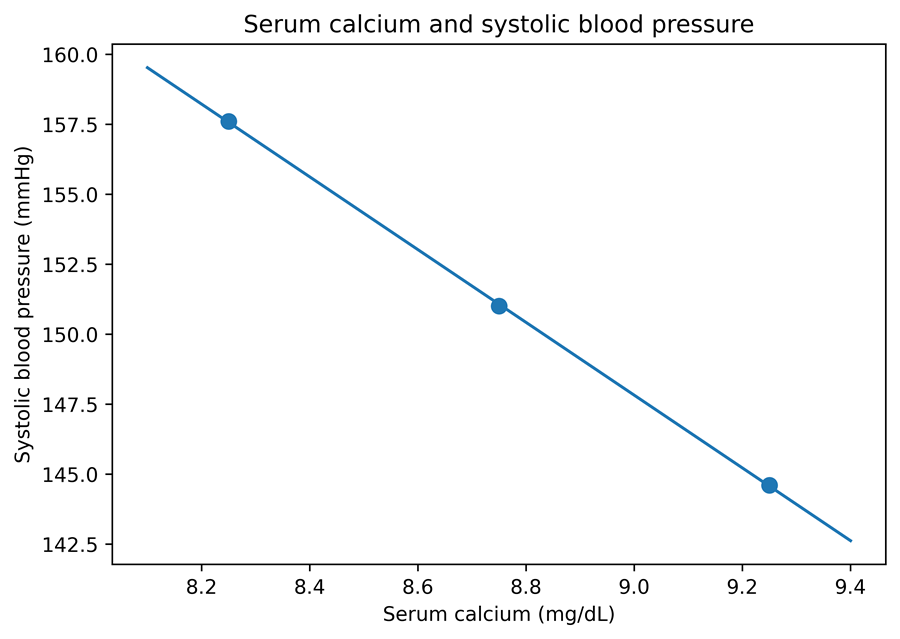
Figure 1. Correlation between serum calcium and systolic blood pressure.
Correlation Between Serum Calcium and Diastolic Blood Pressure
A statistically significant inverse relationship was also observed between serum calcium and DBP. The Pearson correlation coefficient was r = −0.36, with p = 0.002, indicating a statistically significant negative correlation (Table 5).
Table 5. Correlation between serum calcium and diastolic blood pressure
|
Variables |
Pearson's r |
p-value |
Interpretation |
|
Serum calcium vs. DBP |
−0.36 |
0.002 |
Negative correlation |
Therefore, lower serum calcium levels were associated with higher diastolic blood pressure. The inverse relationship between serum calcium and DBP is illustrated in Figure 2.
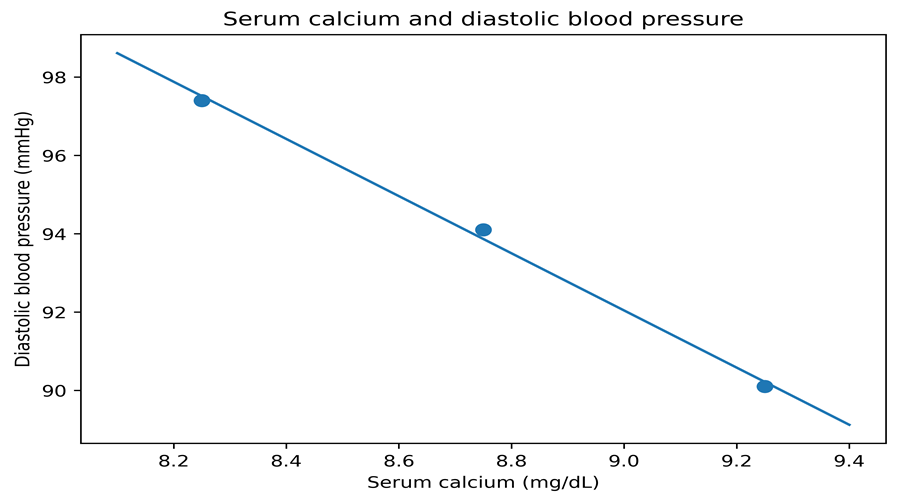
Figure 2. Correlation between serum calcium and diastolic blood pressure.
Comparison of Blood Pressure According to Serum Calcium Category
Blood pressure was further compared across the three serum calcium categories. The corresponding mean SBP and DBP values are presented in Table 6 and illustrated in Figure 3.
Table 6. Blood pressure according to serum calcium category
|
Serum calcium |
n |
Mean SBP (mmHg) |
Mean DBP (mmHg) |
|
<8.5 mg/dL |
22 |
157.6 ± 8.5 |
97.4 ± 5.4 |
|
8.5–9.0 mg/dL |
34 |
151.0 ± 8.2 |
94.1 ± 5.7 |
|
>9.0 mg/dL |
14 |
144.6 ± 8.1 |
90.1 ± 5.1 |
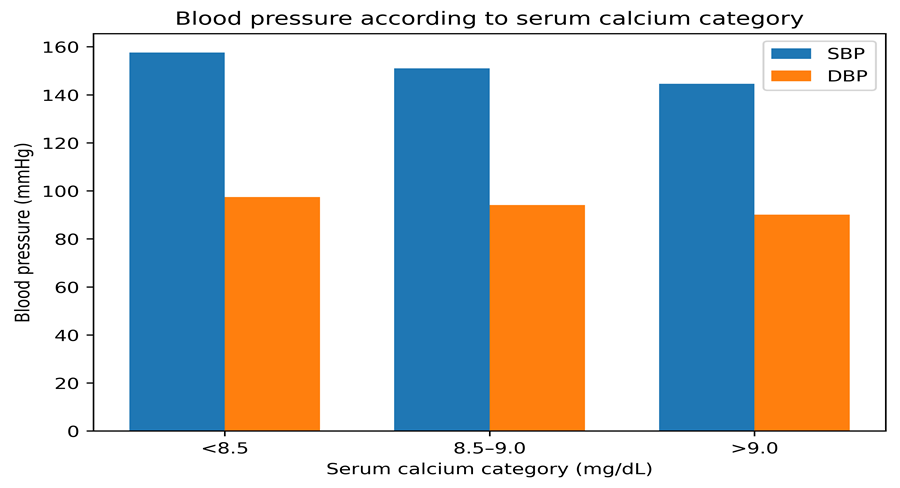
Figure 3. Mean systolic and diastolic blood pressure according to serum calcium category.
Participants with serum calcium <8.5 mg/dL had the highest mean SBP (157.6 ± 8.5 mmHg) and DBP (97.4 ± 5.4 mmHg), whereas those with serum calcium >9.0 mg/dL had the lowest mean SBP (144.6 ± 8.1 mmHg) and DBP (90.1 ± 5.1 mmHg). Overall, a progressive reduction in mean SBP and DBP was observed with increasing serum calcium concentration.
DISCUSSION:
The present observational study evaluated the relationship between serum calcium concentration and systolic and diastolic blood pressure in 70 newly diagnosed patients with essential hypertension. The principal finding was that serum calcium demonstrated a statistically significant inverse correlation with both SBP and DBP. Serum calcium showed a moderate negative correlation with SBP (r = −0.42, p < 0.001) and a significant negative correlation with DBP (r = −0.36, p = 0.002).
The association between calcium metabolism and blood pressure has been investigated for several decades. Calcium participates in vascular smooth-muscle contraction and intracellular signaling, and alterations in calcium homeostasis may influence vascular resistance. Earlier investigations in essential hypertension demonstrated relationships between calcium metabolic indices and blood pressure, including an inverse relationship between ionized calcium and blood pressure in some populations. [5]
In the present study, the mean serum calcium concentration was 8.74 ± 0.46 mg/dL. Patients with lower serum calcium demonstrated higher mean blood pressure values. The group with serum calcium below 8.5 mg/dL had a mean SBP of 157.6 ± 8.5 mmHg, compared with 144.6 ± 8.1 mmHg among those with serum calcium above 9.0 mg/dL. A similar pattern was observed for DBP. These findings are compatible with studies suggesting that lower circulating calcium may be associated with increased blood pressure.
A recent cross-sectional study of patients with essential hypertension reported a mean serum calcium concentration of 8.59 ± 0.55 mg/dL among hypertensive participants and found a negative correlation between serum calcium and both SBP and DBP. [10] The direction of the association observed in that study is comparable with the findings of the present study.
The inverse relationship between calcium and blood pressure may have a physiological basis. Extracellular calcium influences calcium entry into vascular smooth-muscle cells and contributes to regulation of vascular tone. Alterations in extracellular calcium concentration may modify intracellular calcium availability and vascular contractility. Changes in parathyroid hormone and other components of calcium metabolism may also contribute to the relationship between calcium status and blood pressure. [3,5]
However, the relationship between serum calcium and hypertension is not universally consistent. A large population-based analysis of U.S. adults reported that higher total serum calcium was positively associated with hypertension after adjustment for several potential confounders, whereas ionized calcium was not significantly associated with hypertension. [6] This discrepancy emphasizes that total calcium and biologically active ionized calcium should not necessarily be considered interchangeable measures.
Similarly, another study reported that the association between serum calcium and blood pressure was weak and disappeared after adjustment for serum globulins, hematocrit, age, and albumin, suggesting that some observed associations may be influenced by other biochemical variables. [11] Therefore, the significant inverse correlation observed in the present study should be interpreted as an association rather than proof of a causal relationship.
The findings also have some similarity to prospective evidence. In a cohort of initially normotensive men, higher active serum calcium was associated with a lower subsequent risk of developing hypertension. [9] This supports the possibility that calcium metabolism may have a role in blood pressure regulation, although differences between active ionized calcium and total serum calcium must be recognized.
The possible effect of calcium on blood pressure has also been examined in intervention studies. Meta-analyses of randomized controlled trials have generally demonstrated small reductions in blood pressure following calcium supplementation, particularly in systolic pressure, although the magnitude of benefit has been modest and the evidence has been heterogeneous. [7,8] Therefore, the present findings should not be interpreted as evidence that calcium supplementation should be routinely prescribed for hypertension.
The present study specifically focused on newly diagnosed patients, which reduces the potential confounding influence of long-term antihypertensive therapy. This is relevant because treatment with different antihypertensive drug classes may influence calcium handling and blood pressure independently. Nevertheless, several other factors—including dietary calcium intake, serum albumin, vitamin D status, parathyroid hormone concentration, renal function, body mass index, and sodium intake—may influence the observed relationship and were not comprehensively evaluated.
The study demonstrates that serum calcium may serve as an easily measurable biochemical parameter associated with blood pressure in newly diagnosed essential hypertension. However, because the study was cross-sectional, temporal relationships cannot be established. The observed association does not demonstrate that reduced serum calcium causes hypertension.
Strengths
The major strength of the study was the inclusion of newly diagnosed hypertensive patients, thereby minimizing the influence of previous antihypertensive treatment. The study also evaluated both systolic and diastolic blood pressure and directly assessed their correlation with serum calcium.
Limitations
The study had several limitations. First, the sample size was relatively small (n = 70) and the study was conducted at a single centre. Second, total serum calcium rather than ionized calcium was assessed. Third, potentially important confounding variables such as serum albumin, vitamin D, parathyroid hormone, dietary calcium intake, and urinary calcium excretion were not comprehensively evaluated. Finally, the cross-sectional design does not permit determination of causality.
CONCLUSION:
The present study demonstrated a significant inverse correlation between serum calcium and both systolic and diastolic blood pressure among newly diagnosed patients with essential hypertension. Lower serum calcium concentrations were associated with higher blood pressure values.
These findings suggest that calcium metabolism may have a role in the regulation of blood pressure in essential hypertension. However, serum calcium should not be considered an independent diagnostic or therapeutic marker for hypertension on the basis of this study alone. Larger prospective studies incorporating ionized calcium, albumin, vitamin D, parathyroid hormone, renal function, dietary calcium intake, and other cardiovascular risk factors are required to clarify the nature and clinical significance of this association.
REFERENCES:
1. Whelton PK, Carey RM, Aronow WS, Casey DE Jr, Collins KJ, Dennison Himmelfarb C, et al. 2017 ACC/AHA guideline for the prevention, detection, evaluation, and management of high blood pressure in adults. Hypertension. 2018;71(6):e13-e115. doi:10.1161/HYP.0000000000000065.
2. Oparil S, Acelajado MC, Bakris GL, Berlowitz DR, Cífková R, Dominiczak AF, et al. Hypertension. Nat Rev Dis Primers. 2018;4:18014. doi:10.1038/nrdp.2018.14.
3. Resnick LM. Cellular ions in hypertension, insulin resistance, obesity, and diabetes: a unifying theme. J Am Soc Nephrol. 1992;3(2 Suppl):S78-S85.
4. Zemel MB. Calcium modulation of hypertension and obesity: mechanisms and implications. J Am Coll Nutr. 2001;20(2 Suppl):428S-435S.
5. Strazzullo P, Nunziata V, Cirillo M, Giannattasio R, Ferrara LA, Mattioli PL, Mancini M. Abnormalities of calcium metabolism in essential hypertension. Clin Sci (Lond). 1983;65(2):137-141. doi:10.1042/cs0650137.
6. Jorde R, Sundsfjord J, Fitzgerald P, Bonaa KH. Serum calcium and cardiovascular risk factors and diseases: the Tromsø Study. Hypertension. 1999;34(3):484-490. doi:10.1161/01.HYP.34.3.484.
7. Griffith LE, Guyatt GH, Cook RJ, Bucher HC, Cook DJ. The influence of dietary and nondietary calcium supplementation on blood pressure: an updated meta-analysis of randomized controlled trials. Am J Hypertens. 1999;12(1 Pt 1):84-92. doi:10.1016/S0895-7061(98)00224-6.
8. van Mierlo LAJ, Arends LR, Streppel MT, Zeegers MPA, Kok FJ, Grobbee DE, Geleijnse JM. Blood pressure response to calcium supplementation: a meta-analysis of randomized controlled trials. J Hum Hypertens. 2006;20(8):571-580. doi:10.1038/sj.jhh.1002038.
9. Kunutsor SK, Laukkanen JA. Circulating active serum calcium reduces the risk of hypertension. Eur J Prev Cardiol. 2017;24(3):239-243. doi:10.1177/2047487316681174.
10. Bhattacharjee T, Begum RA, Matin MNI, Goswami P, Sharmin J, Chanda AK, Paul T. Serum calcium levels in patients with essential hypertension: a cross-sectional study in a tertiary hospital of Bangladesh. Mymensingh Med J. 2024;33(4):1238-1244.
11. Hazari MAH, Arifuddin MS, Muzzakar S, Reddy VD. Serum calcium level in hypertension. N Am J Med Sci. 2012;4(11):569-572. doi:10.4103/1947-2714.103316.