Coronary Artery Disease in Women: Gender -Specific Pathophysiology, Risk Factors, angiographic profile and Clinical Outcomes A Narrative Review with Analysis of an Indian Clinical Cohort.
- Dr. Lalitha S , Mbbs, MD, DM Cardiology, ficc
- Dr. Sureddi Sree Sowmya , MBBS, MD, 2nd year resident DM Cardiology
- Dr. Manaswani S , MBBS
- Ms Shithija Diwathe , 2nd year resident, MSc Echocardiography
Article Information:
Abstract:
Background: Coronary artery disease (CAD) is the leading cause of morbidity among women worldwide, yet it remains under-recognized due to gender bias originating from early studies such as the Framingham Heart Study (Vijayalakshmi et al., 2023). Women experience both a higher burden of traditional risk factors and unique sex-specific risks related to pregnancy, menopause, and autoimmune disease (Schamroth Pravda et al., 2021; Gilabert-Garcia et al., 2023). They are also more likely to develop plaque erosion, coronary microvascular dysfunction, spontaneous coronary artery dissection (SCAD), and myocardial infarction or ischemia with non-obstructive coronary arteries (MINOCA/INOCA) rather than classic obstructive disease. This review focuses on the Indian population and presents an analysis of a 256-patient clinical dataset of Indian women with CAD. The cohort had a mean age of 52.9 years, with hypertension present in 42.6%, non-obstructive angiography in 53.5%, and medical management alone in 62.1% of cases. These findings corroborate an under-revascularized, non-obstructive phenotype and highlight the need for sex- and India-specific risk stratification, increased trial representation, and heightened vigilance for atypical presentations of ischemic heart disease in women.
Keywords:
Article :
INTRODUCTION:
Cardiovascular disease causes an estimated 17.9 million deaths annually worldwide, with coronary artery disease (CAD) its largest contributor (Gilabert-Garcia et al., 2023). For decades, CAD was conceptualized as predominantly a male disease, a bias traceable to the Framingham Heart Study, which later proved to have entrenched a damaging “gender bias” in cardiology. In fact, CAD is the leading cause of death among women, killing roughly one woman every minute and causing more female deaths annually than breast cancer, chronic respiratory disease, Alzheimer’s disease, and accidents combined.
This issue is particularly pronounced in India, where the prevalence of CAD increased from 1.05% in 1960 to 9.67% in 1995, with the most significant rises observed in men under 40 and women under 50. Indian ethnicity is now recognized as an independent cardiovascular risk factor, with CAD incidence nearly double that of American populations. Indian patients often present with “malignant CAD,” characterized by severe, extensive atherosclerosis in young individuals despite a comparatively low burden of established risk factors.
CAD in women differs from CAD in men across nearly every clinical dimension—pathophysiology, symptoms, diagnostic accuracy, angiographic findings, treatment, and outcomes. Women more often develop plaque erosion, coronary microvascular dysfunction, and non-atherosclerotic entities such as SCAD, yet paradoxically experience more angina, hospitalization, and mortality despite less obstructive disease on angiography—a pattern termed the “Yentl syndrome,” describing how women are treated equitably chiefly when their presentation mimics the male pattern. Systemic gaps persist: women have historically represented no more than 30% of participants in cardiovascular trials, and a review of 150 CAD studies underlying current clinical guidelines found only 31% female representation among more than 800,000 participants, with no sex-disaggregated analysis of pregnancy or hormonal status. Therapeutic guidelines have therefore often been extrapolated from male-derived data.
This paper pursues two complementary objectives. First, it analyzes a 256-patient dataset of Indian women with CAD to determine whether the high prevalence of non-obstructive disease and reliance on medical management observed internationally are reflected in Indian clinical practice. Second, it synthesizes evidence from six peer-reviewed sources encompassing global, Latin American, and Indian contexts to characterize sex-specific pathophysiology, risk factors, clinical presentation, and treatment disparities. The goal is to consolidate current knowledge, identify specific research gaps, and advocate for sex-specific risk stratification and management frameworks.
2. Literature Review
2.1 Traditional Cardiovascular Risk Factors: Shared but Not Equivalent
Conventional risk factors—hypertension, diabetes, dyslipidemia, smoking, obesity, and physical inactivity—affect both sexes but are neither equally prevalent nor equally potent in women (Gilabert-Garcia et al., 2023; Schamroth Pravda et al., 2021).
Hypertension affects roughly 25% of women globally and causes 14.3% of female deaths versus 11.4% in men; women are also less likely to achieve blood-pressure control, and oral contraceptives raise hypertension risk two- to three-fold (Gilabert-Garcia et al., 2023; Schamroth Pravda et al., 2021). Diabetes is the risk factor most consistently reported as differentially harmful to women: the Rancho Bernardo Study found the adjusted hazard of fatal ischemic heart disease from diabetes was 1.9 in men versus 3.3 in women (Malik & Wong, 2013), and later work confirms diabetic women face three- to seven-fold higher CAD incidence and eight-fold higher heart-failure risk relative to non-diabetic women (Vijayalakshmi et al., 2023; Schamroth Pravda et al., 2021). Diabetes appears to abolish estrogen-mediated cardioprotection, and diagnostic criteria derived from male physiology may underdetect risk in women (Malik & Wong, 2013).
Dyslipidemia carries the highest population-attributable risk (47.1%) among women (Gilabert-Garcia et al., 2023), worsening through menopause; Indian women show a distinctive lipid profile, with 70% of the CADI cohort having HDL <50 mg/dL and an eightfold risk increase below 35 mg/dL (Vijayalakshmi et al., 2023). Smoking raises myocardial infarction risk sixfold in women versus threefold in men, an effect attributed to estrogen-dependent endothelial dysfunction, and combined with oral contraceptives can raise risk as much as 32-fold (Schamroth Pravda et al., 2021). Obesity confers greater relative risk in women (64%) than men (46%), compounded in India by rising fast-food consumption and declining physical activity (Gilabert-Garcia et al., 2023; Vijayalakshmi et al., 2023).
2.2 Women-Specific Risk Factors
A key contribution of this literature is consolidating risks unique to female reproductive biology, largely absent from standard risk calculators (Schamroth Pravda et al., 2021; Sharma & Gulati, 2013). Adverse pregnancy outcomes—hypertensive disorders, preeclampsia, gestational diabetes, and preterm birth—affect 10–20% of pregnancies and leave durable vascular sequelae; preeclampsia alone doubles major cardiovascular event risk, and gestational diabetes independently doubles future CAD risk, with the WISE-CVD substudy linking these outcomes to reduced coronary flow reserve (Schamroth Pravda et al., 2021; Vijayalakshmi et al., 2023).
Both natural and surgical menopause accelerate cardiovascular risk; early menopause (<40–45 years) is linked to reduced life expectancy, and the WISE study found estrogen loss raises risk in young women sevenfold (Vijayalakshmi et al., 2023; Schamroth Pravda et al., 2021). Menopausal hormone therapy, once presumed protective, was shown by the Women’s Health Initiative to increase coronary risk (HR 1.24), restricting any benefit to select younger women initiating therapy soon after menopause (Schamroth Pravda et al., 2021).
PCOS, affecting 10–15% of reproductive-age women, independently raises cardiovascular risk (HR 1.20) via metabolic syndrome and glucose intolerance (Schamroth Pravda et al., 2021). Autoimmune disease is especially potent: rheumatoid arthritis raises MI risk two- to three-fold, while systemic lupus erythematosus raises it nine- to fifty-fold, among the largest relative risks identified in this literature (Vijayalakshmi et al., 2023; Sharma & Gulati, 2013). Breast cancer survivors also face elevated cardiovascular morbidity from cardiotoxic therapy (Schamroth Pravda et al., 2021). Indian-specific literature further implicates lipoprotein(a) elevation, migraines, iron-deficiency anemia, depression, and psychosocial stress as under-recognized contributors (Vijayalakshmi et al., 2023).
2.3 Sex-Specific Pathophysiology
Acute coronary events in women more often result from plaque erosion than rupture, particularly at younger ages, though this distinction narrows after menopause (Schamroth Pravda et al., 2021; Gilabert-Garcia et al., 2023). Women also show greater involvement of the coronary microvasculature relative to epicardial vessels: in the CASS study, 41% of women with acute coronary syndrome had angiographically “normal” coronaries versus 8% of men, and the WISE study found impaired vasomotor response to acetylcholine independently predicted adverse outcomes regardless of angiographic severity (Vijayalakshmi et al., 2023; Schamroth Pravda et al., 2021).
MINOCA/INOCA accounts for up to 14% of acute coronary syndromes and disproportionately affects women; multimodality imaging identifies a probable mechanism in over 84% of cases, yet affected women remain less likely to receive guideline-directed secondary prevention than those with obstructive disease (Schamroth Pravda et al., 2021). Spontaneous coronary artery dissection occurs overwhelmingly in women, causing up to 24% of MIs under age 50 and 43% of pregnancy-associated MI, and typically favors conservative rather than percutaneous management (Vijayalakshmi et al., 2023; Schamroth Pravda et al., 2021). Takotsubo cardiomyopathy shows a striking (>90%) female predilection and must be considered in the MINOCA differential (Schamroth Pravda et al., 2021).
2.4 Clinical Presentation and Diagnostic Challenges
Women present with CAD roughly a decade later than men, a delay once misattributed purely to hormonal protection but now understood to reflect biological and detection biases (Yadav et al., 2023; Sharma & Gulati, 2013). Atypical symptoms—dyspnea, fatigue, nausea, and back, neck, or jaw pain—are markedly more common; in one cohort, 43% of women with confirmed MI reported no chest pain, and standard “typical” angina definitions fail to capture 65% of women with confirmed CAD (Schamroth Pravda et al., 2021; Vijayalakshmi et al., 2023).
Diagnostic accuracy also differs by sex: exercise ECG, the standard first-line test, has lower sensitivity and specificity in women (31–71%), partly due to smaller vessel caliber, compared with 78–91% for exercise SPECT and 80–88% for stress echocardiography, though SPECT is prone to false positives from breast-tissue attenuation (Vijayalakshmi et al., 2023; Sharma & Gulati, 2013; Gilabert-Garcia et al., 2023). This underscores a growing preference for imaging-based modalities in intermediate- to high-risk symptomatic women.
2.5 Treatment Disparities and Outcomes
Across all six sources, women with CAD are treated less aggressively than men despite often presenting later and with more comorbidities: they are less likely to undergo angiography, revascularization, guideline-directed therapy, or cardiac rehabilitation referral, even when risk profiles are matched—the “Yentl syndrome” (Gilabert-Garcia et al., 2023; Sharma & Gulati, 2013; Vijayalakshmi et al., 2023).
Mortality data are mixed: the French Nationwide Hospital Database found 30% excess mortality in women after MI even adjusting for age and comorbidities, while TRANSLATE-ACS found no significant sex difference, a discrepancy attributed to differences in patient selection and study era (Gilabert-Garcia et al., 2023). Women undergoing CABG show consistently higher in-hospital mortality and complications than men, particularly at younger ages, though PCI outcomes are largely equivalent once age and comorbidity are accounted for; bleeding complications after PCI remain more frequent in women, partly reflecting body size and renal function (Schamroth Pravda et al., 2021; Sharma & Gulati, 2013).
2.6 The Indian Clinical Context
The two India-focused sources reinforce and localize these global patterns. Indian women carry three to four times the CAD risk of White Americans, six times that of Chinese populations, and twenty times that of Japanese populations, with markedly higher rates of premature disease (12–16% versus roughly 5% in Western populations) (Yadav et al., 2023). In a 103-patient Indian cohort, 91.26% were postmenopausal, atypical angina was the commonest presentation (41.74%), and hypertension (62.13%), dyslipidemia (62.1%), and obesity (52.42%) predominated, with diabetes present in 46.6%; single-vessel disease, most often involving the left anterior descending artery, predominated, and early intervention was associated with reduced left ventricular dysfunction (Yadav et al., 2023). These findings form an important benchmark for the cohort analyzed below.
3. Research Gap
Synthesis of the six sources reveals three persistent, interrelated gaps in the current evidence base on CAD in women.
Gap 1: Structural underrepresentation of women in the evidence base underlying clinical guidelines.
Gap 2: Underrecognition of non-obstructive and microvascular disease.
Gap 3: Sparse Indian-specific angiographic and outcome data.
Collectively, these gaps indicate a single overarching deficiency: the lack of an integrated framework that combines representative trial inclusion, systematic recognition of non-obstructive phenotypes, and population-specific outcome data. The subsequent cohort analysis is intended as a preliminary contribution toward addressing Gap 3.
4. Objectives
The objectives of this paper are: (1) to analyze a 256-patient Indian dataset describing the demographic, risk factor, angiographic, and management profiles of women diagnosed with CAD; (2) to critically synthesize evidence from six peer-reviewed sources on the epidemiology, risk factors, pathophysiology, diagnosis, and management of CAD in women; and (3) to identify concrete, prioritized directions for future research and clinical practice.
MATERIALS AND METHODS:
This study integrates (a) an analysis of a de-identified clinical dataset comprising 256 female patients diagnosed with or evaluated for CAD at a single center, and (b) a narrative literature review of six peer-reviewed sources addressing CAD in women. This approach enables triangulation of published evidence with real-world Indian data, thereby addressing Research Gap 3.
Literature review. Six sources were used: three global/regional reviews (Schamroth Pravda et al., 2021; Gilabert-Garcia et al., 2023; Sharma & Gulati, 2013), one commentary on the Rancho Bernardo Study (Malik & Wong, 2013), and two India-specific sources (Vijayalakshmi et al., 2023; Yadav et al., 2023), chosen to span global, Latin American, and Indian perspectives. Each source was read in full; claims were extracted, organized thematically, and cross-checked for convergence, disagreement, or single-source support.
Clinical dataset. The master sheet recorded, for each of 256 female patients, age; documented risk factors (hypertension, diabetes, or “none”); clinical diagnosis; ECG and echocardiographic findings; coronary angiogram findings; and management strategy (medical management, PCI/PTCA, or CABG).
Analysis. Descriptive statistics (frequencies, percentages, means) were computed for age, risk factors, angiographic severity, and management, plus a cross-tabulation of risk factor category against angiographic severity to test the “malignant CAD with low risk-factor burden” phenomenon described by Vijayalakshmi et al. (2023). For the binary comparison, “obstructive” disease was defined as single-, double-, or triple-vessel disease (SVD, DVD, TVD); “non-obstructive” disease as normal or mild/non-obstructive coronaries; and the left main/other category was reported separately. All analyses were descriptive; no inferential testing or causal claims were made. As the dataset is fully de-identified and involved no direct patient contact, it is consistent with a retrospective clinical audit; formal institutional ethics review was not sought for this exploratory analysis, and any future formal publication would require appropriate institutional clearance. The Results section presents these findings in tabular and diagrammatic form; the Discussion then triangulates them with the published literature.
RESULTS:
This section presents the descriptive findings of the 256-patient clinical dataset, organized across seven tables and three figures. Section 6.1 characterizes the cohort’s age structure; 6.2 details the documented cardiovascular risk factor profile; 6.3 reports coronary angiographic severity; 6.4 cross-tabulates risk factor burden against angiographic severity to examine the “malignant CAD” phenomenon; 6.5 summarizes presenting clinical diagnoses; 6.6 reports the management strategies adopted; and 6.7 consolidates all findings in relation to the six-source literature reviewed in Section 2. Both tabulated frequencies and additional derived statistics (proportions, ratios, and subgroup comparisons not explicit in the source tables) are reported to highlight patterns not immediately apparent from the raw counts.
6.1 Cohort Overview
The master sheet comprised 256 female patients evaluated or treated for CAD at a single center. Mean age was 52.9 years (SD 10.0; median 53; range 28–82), consistent with the literature’s observation that CAD in women clusters in the peri- and post-menopausal decades (Vijayalakshmi et al., 2023; Yadav et al., 2023).
Table 1. Age Distribution of the Cohort (N = 256)
|
Age group (years) |
n |
% |
|
<40 |
21 |
8.2% |
|
40–49 |
64 |
25.0% |
|
50–59 |
115 |
44.9% |
|
60–69 |
36 |
14.1% |
|
70–79 |
18 |
7.0% |
|
≥80 |
2 |
0.8% |
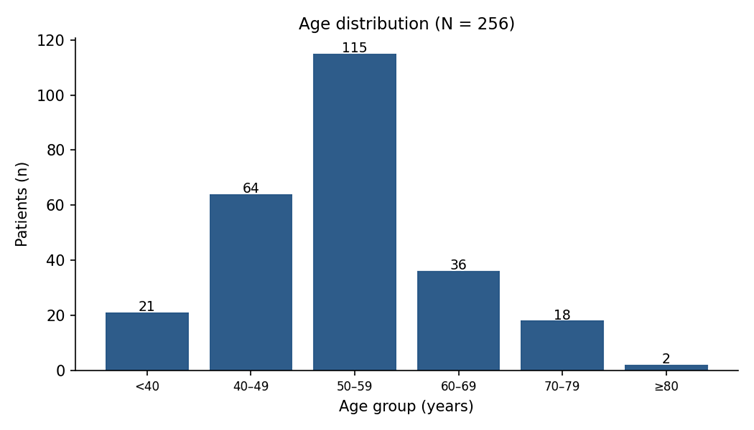
Figure 1. Age distribution of the female CAD cohort (N = 256).
Nearly 70% of patients (69.9%) were between 40 and 59 years of age, indicating that the burden of clinically evident CAD in this cohort was concentrated around the menopausal transition—broadly consistent with Yadav et al.’s (2023) finding that 91.26% of their 103-patient cohort was postmenopausal, though the present cohort’s slightly younger peak (50–59 vs. 61–70) may reflect differences in referral patterns or case mix between centers.
A detailed examination of Table 1 reveals that the age distribution is centered on the perimenopausal decade. Patients under 50 years constitute only 33.2% of the cohort (85/256), while those aged 50 years and older comprise 66.8% (171/256). The 50–59 age group is the modal band (44.9%), nearly 1.8 times the size of the next largest group (40–49 years, 25.0%). Although the proportion of patients presenting before age 40 (8.2%) or at or beyond 80 (0.8%) is small, these cases are clinically significant. This pattern confirms that while CAD in this cohort predominantly affects peri- and post-menopausal women, a minority experience premature or very late-life presentations, necessitating individualized evaluation rather than reliance on a single population-level age threshold.
6.2 Risk Factor Profile
Table 2. Documented Cardiovascular Risk Factors (N = 256)
|
Risk factor category |
n |
% |
|
No identifiable risk factor (“None”) |
67 |
26.2% |
|
Hypertension only |
63 |
24.6% |
|
Diabetes mellitus only |
16 |
6.3% |
|
Hypertension + Diabetes mellitus |
46 |
18.0% |
|
Not documented |
64 |
25.0% |
Table 2 also shows that isolated risk factors were more common than combined ones: hypertension alone (24.6%) was documented nearly four times as often as diabetes alone (6.3%), while combined hypertension and diabetes (18.0%) fell between the two, suggesting that in this cohort hypertension is both the more prevalent and the more frequently co-occurring traditional risk factor. Overall, hypertension was present in 42.6% (109/256) and diabetes in 24.2% (62/256) of the cohort. Taken together with the 25.0% of records in which risk factor status was not documented, only 48.8% of the cohort (125/256) had a risk factor status that was both recorded and positive for hypertension and/or diabetes, underscoring that the prevalence estimates reported above rest on the three-quarters of records (75.0%) with documented risk factor status rather than the full sample.
6.3 Angiographic Findings
Table 3. Coronary Angiographic Severity (N = 256)
|
Angiographic category |
n |
% |
|
Normal coronaries |
83 |
32.4% |
|
Mild / non-obstructive CAD |
54 |
21.1% |
|
Single-vessel disease (SVD) |
52 |
20.3% |
|
Double-vessel disease (DVD) |
34 |
13.3% |
|
Triple-vessel disease (TVD) |
23 |
9.0% |
|
Left main coronary artery (LMCA) / other |
10 |
3.9% |
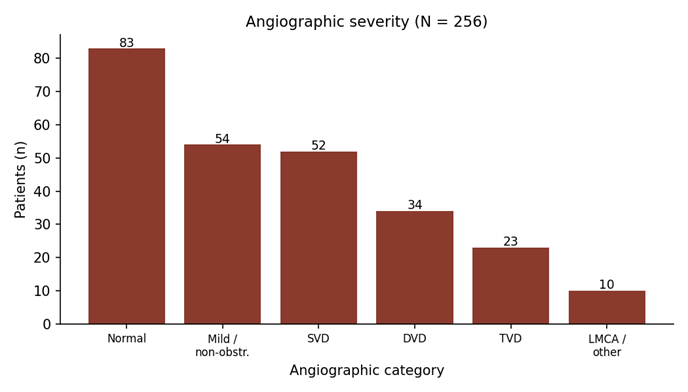
Figure 2. Angiographic severity distribution (N = 256).
When collapsed into a binary “obstructive vs. non-obstructive” framework, 137/256 patients (53.5%) fell within the normal-to-mild non-obstructive spectrum. In contrast, 109/256 (42.6%) had angiographically obstructive disease (SVD, DVD, or TVD), and the remaining 10 patients (3.9%) were recorded in the LMCA/other category, which was reported separately and not assigned to either group. This mirrors the international literature’s central claim that women are substantially more likely than men to have non-obstructive CAD despite symptomatic presentation (Schamroth Pravda et al., 2021; Sharma & Gulati, 2013), and lends India-specific support to the WISE study’s finding that over half of women with signs or symptoms of ischemia show no obstructive epicardial disease (Schamroth Pravda et al., 2021).
A closer look at the distribution of disease severity shows that single-vessel disease (20.3%) was nearly as common as all multi-vessel and left main/other disease combined (26.2%: 13.3% double-vessel, 9.0% triple-vessel, and 3.9% left main/other), indicating that when obstructive disease was present, it was about as likely to be anatomically extensive as it was to be limited to one vessel. The 3.9% left main/other category, though numerically the smallest stratum in Table 3, is disproportionately significant clinically, since left main disease carries prognostic weight far beyond its share of the cohort and typically mandates urgent revascularization rather than watchful management.
6.4 Risk Factor Burden versus Angiographic Severity
Table 4. Cross-tabulation of Risk Factor Category by Angiographic Severity (N = 256)
|
Risk factor category |
Normal |
Mild |
SVD |
DVD |
TVD |
LMCA / other |
Total |
|
No risk factor |
28 |
10 |
16 |
5 |
4 |
4 |
67 |
|
Hypertension only |
25 |
15 |
9 |
8 |
6 |
0 |
63 |
|
Diabetes only |
2 |
3 |
4 |
3 |
3 |
1 |
16 |
|
Hypertension + Diabetes |
7 |
12 |
6 |
14 |
5 |
2 |
46 |
|
Not documented |
21 |
14 |
17 |
4 |
5 |
3 |
64 |
|
Total |
83 |
54 |
52 |
34 |
23 |
10 |
256 |
Two notable patterns emerge. First, among the 67 patients with no documented traditional risk factor, 25 (37.3%) nonetheless had angiographically obstructive disease (SVD, DVD, or TVD combined), a direct, quantitative illustration of the “low risk-factor-burden, high-atherosclerotic-burden” phenotype described by Vijayalakshmi et al. (2023). Second, among the 46 patients with combined hypertension and diabetes, 25 (54.3%) had obstructive disease—substantially higher than the no-risk-factor group (37.3%) or the hypertension-only group (36.5%), a gradient consistent with the compounding effect of coexisting hypertension and diabetes on cardiovascular risk in women (Vijayalakshmi et al., 2023; Schamroth Pravda et al., 2021).
A third pattern concerns the diabetes-only subgroup. Although the smallest stratum in Table 4 (n = 16), it had the highest proportion of angiographically obstructive disease of any risk-factor category—10/16 patients (62.5%), exceeding even the combined hypertension-and-diabetes group (54.3%) and roughly 1.7 times the rate seen in the no-risk-factor (37.3%) and hypertension-only (36.5%) groups. Given the small denominator, this figure should be interpreted cautiously. Still, it is directionally consistent with the literature’s identification of diabetes as the traditional risk factor most disproportionately harmful to women’s coronary vasculature (Malik & Wong, 2013; Vijayalakshmi et al., 2023). The “not documented” group, meanwhile, had an obstructive rate of 40.6% (26/64)—close to the cohort-wide average of 42.6%—suggesting that undocumented risk factor status did not systematically cluster with more or less severe angiographic disease, which offers some reassurance that the 25.0% documentation gap noted in Table 2 is unlikely to have introduced directional bias into the angiographic findings.
6.5 Clinical Presentation
Table 5. Presenting Clinical Diagnosis Category (N = 256)
|
Presenting diagnosis |
n |
% |
|
Chest pain for evaluation (non-anginal/undifferentiated) |
126 |
49.2% |
|
Myocardial infarction (STEMI/NSTEMI spectrum) |
51 |
19.9% |
|
Other (structural, arrhythmic, or post-procedural) |
26 |
10.2% |
|
TMT-positive on evaluation |
20 |
7.8% |
|
Chronic stable angina / atypical chest pain (ACP) |
16 |
6.2% |
|
Ischemic heart disease (unspecified) |
9 |
3.5% |
|
Unstable angina |
7 |
2.7% |
|
Acute coronary syndrome (unspecified) |
1 |
0.4% |
Approximately half of all patients (49.2%) presented with non-specific or undifferentiated chest pain requiring further evaluation rather than a clear anginal or infarction syndrome, echoing the literature’s repeated observation that women’s presenting symptoms are frequently atypical and diagnostically ambiguous (Schamroth Pravda et al., 2021; Yadav et al., 2023; Gilabert-Garcia et al., 2023).
Beyond the undifferentiated chest-pain majority, Table 5 shows that confirmed acute coronary syndromes—combining the myocardial infarction (STEMI/NSTEMI), unstable angina, and unspecified ACS categories—accounted for 23.0% of the cohort (59/256), meaning that fewer than one in four patients presented with an unambiguous acute ischemic event, while the remaining 77.0% presented via evaluation pathways of varying urgency (undifferentiated chest pain, TMT-positive screening, chronic stable or atypical angina, or non-coronary/procedural indications). The 10.2% “other” category, comprising structural, arrhythmic, or post-procedural diagnoses, further illustrates that a meaningful minority of women referred for coronary evaluation in this setting present through indirect or incidental routes rather than classic anginal syndromes—a pattern consistent with the literature’s description of atypical, diagnostically ambiguous presentation as a hallmark of CAD in women rather than an occasional exception (Schamroth Pravda et al., 2021; Vijayalakshmi et al., 2023).
6.6 Management Strategy
Table 6. Management Strategy (N = 256)
|
Management strategy |
n |
% |
|
Medical management alone |
159 |
62.1% |
|
Percutaneous coronary intervention / angioplasty (PCI/PTCA) |
71 |
27.7% |
|
Coronary artery bypass grafting (CABG) |
26 |
10.2% |
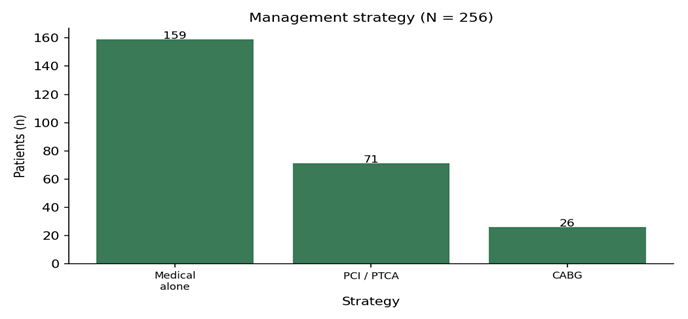
Figure 3. Management strategy distribution (N = 256).
Nearly two-thirds of the cohort (62.1%) was managed medically without revascularization. While consistent with the high proportion of non-obstructive angiographic findings (53.5%), this also converges with the broader literature’s concern that women are, independent of anatomical findings, less likely to be referred for invasive management than men with comparable disease severity (Gilabert-Garcia et al., 2023; Sharma & Gulati, 2013). The dataset cannot disentangle appropriate conservative management of non-obstructive disease from possible under-referral for revascularization in women with obstructive disease, a point taken up in the Discussion.
Within the 37.9% of the cohort that underwent revascularization (97/256), percutaneous intervention was used roughly three times as often as surgery: PCI/PTCA accounted for 73.2% of revascularization procedures (71/97) versus 26.8% for CABG (26/97), broadly consistent with contemporary practice patterns favoring a percutaneous-first approach where anatomy permits. Notably, the count of angiographically obstructive patients in Table 3 (109/256, 42.6%) slightly exceeds the count of revascularized patients in Table 6 (97/256, 37.9%). Because management and angiographic severity were not cross-tabulated in the master sheet, this comparison uses two independently tabulated variables and cannot identify which specific patients account for the gap; nonetheless, the approximately 12-patient shortfall is numerically consistent with a subset of angiographically obstructive women being managed medically—whether through appropriate clinical judgement (e.g., non-flow-limiting lesions) or under-referral, a distinction this dataset cannot resolve and which is addressed further in the Discussion.
6.7 Synthesis with the Published Literature
Considered collectively, Tables 1 through 6 provide a coherent quantitative profile rather than isolated observations. The cohort is concentrated in the perimenopausal decade (Table 1) and exhibits an incompletely documented but hypertension-predominant risk factor profile (Table 2). Slightly more than half of the patients demonstrate no significant obstructive disease on angiography (Table 3), yet obstruction is more frequent among women with diabetes or combined risk factor burden, even within this predominantly non-obstructive population (Table 4). Most patients present with ambiguous or evaluation-driven symptoms rather than acute coronary syndromes (Table 5), and management is predominantly conservative, with revascularization—when performed—favoring a percutaneous approach (Table 6). Table 7 shows that each of these findings has a counterpart in the six-source literature reviewed in Section 2. This alignment represents the central empirical contribution of the dataset, indicating that patterns described qualitatively or in other cohorts are also observed in this independent 256-patient Indian sample.
Table 7. Cohort Findings Compared with the Reviewed Literature
|
Cohort finding |
Literature counterpart |
Concordance |
|
Cases concentrated at ages 40–59; 66.8% aged ≥50 (Table 1) |
Peri- and post-menopausal clustering; 91.26% postmenopausal (Yadav et al., 2023; Vijayalakshmi et al., 2023) |
Consistent |
|
Hypertension 42.6%, diabetes 24.2%; 25.0% undocumented (Table 2) |
Hypertension 62.13%, diabetes 46.6% (Yadav et al., 2023) |
Lower prevalence; likely reflects incomplete documentation |
|
53.5% normal or non-obstructive coronaries (Table 3) |
Over half of symptomatic women lack obstructive disease (WISE; Schamroth Pravda et al., 2021); CASS 41% vs 8% (Vijayalakshmi et al., 2023) |
Consistent |
|
37.3% of women with no documented risk factor had obstructive disease (Table 4) |
“Malignant CAD” with low risk-factor burden (Vijayalakshmi et al., 2023) |
Consistent |
|
Obstruction most frequent in diabetes-only (62.5%) and combined (54.3%) groups (Table 4) |
Diabetes disproportionately harmful in women (Malik & Wong, 2013; Vijayalakshmi et al., 2023) |
Directionally consistent; small subgroup |
|
49.2% undifferentiated chest pain; 23.0% acute coronary syndromes (Table 5) |
Atypical, ambiguous presentation (Schamroth Pravda et al., 2021; Yadav et al., 2023; Gilabert-Garcia et al., 2023) |
Consistent |
|
62.1% medical management alone; PCI used about 3 times as often as CABG (Table 6) |
Less invasive management of women (Gilabert-Garcia et al., 2023; Sharma & Gulati, 2013) |
Compatible; appropriateness cannot be determined |
DISCUSSION:
The cohort reinforces, with India-specific evidence, several central claims of the literature. The finding that 53.5% of patients had normal or mildly non-obstructive coronaries parallels the WISE study’s finding that over half of symptomatic women show no obstructive disease (Schamroth Pravda et al., 2021), suggesting the phenomenon extends beyond Western populations to a South Asian tertiary-care setting otherwise characterized by more severe, premature CAD (Vijayalakshmi et al., 2023; Yadav et al., 2023). Similarly, that over a third of risk-factor-negative women had obstructive disease operationalizes the “malignant CAD” concept and suggests that risk tools built around hypertension, diabetes, dyslipidemia, and smoking may under-flag a meaningful subset of Indian women (Vijayalakshmi et al., 2023; Gilabert-Garcia et al., 2023).
Not all findings align neatly. The cohort’s lower hypertension (42.6%) and diabetes (24.2%) prevalence versus Yadav et al.’s (2023) 62.1% and 46.6% may reflect genuine case-mix differences or, more likely given that 25.0% of records lacked risk factor documentation, incomplete charting—an ambiguity the dataset cannot resolve. Similarly, the high rate of medical-management-only treatment (62.1%) is compatible either with appropriate triage of predominantly non-obstructive disease or with under-referral for revascularization in women with obstructive disease, a distinction the literature attributes to clinician-level bias (Gilabert-Garcia et al., 2023); the present data, lacking a male comparator and documented clinical reasoning, cannot adjudicate between these explanations.
Three recurring sources of disagreement across the literature merit note. Sex-based mortality differences appear to reflect differences in covariate adjustment and study era rather than a fixed biological constant, since treatment disparities have narrowed over time in some health systems (Gilabert-Garcia et al., 2023; Sharma & Gulati, 2013). Disagreement over intervention benefit (e.g., stents) largely reflects the historical underrepresentation problem, since early skepticism was later overturned by adequately powered sex-disaggregated data (Gilabert-Garcia et al., 2023). And disagreement over the significance of non-obstructive disease substantially reflects differing diagnostic reference standards—angiography alone versus coronary function testing or intravascular imaging—meaning the cohort’s 53.5% “non-obstructive” figure almost certainly includes unrecognized microvascular disease (Schamroth Pravda et al., 2021).
Indian women appear to occupy a distinctive position: an elevated population-level risk of premature, “malignant” disease coexists with the same non-obstructive/microvascular predominance seen in Western cohorts (Vijayalakshmi et al., 2023; Yadav et al., 2023; Schamroth Pravda et al., 2021)—heterogeneity that no single heuristic can safely triage, reinforcing the case for individualized, risk-informed diagnostic pathways.
Three practice implications follow. Clinicians should not use the absence of traditional risk factors to reassure against significant CAD; a normal or mildly abnormal angiogram in a symptomatic woman should prompt consideration of MINOCA/INOCA rather than exclusion of cardiac pathology; and management decisions in women with obstructive disease should be benchmarked against sex-neutral treatment algorithms to guard against Yentl-syndrome-pattern undertreatment.
7.1 MINOCA, INOCA and Microvascular Dysfunction in Women
Women with suspected coronary artery disease frequently present with chest pain despite the absence of significant obstructive epicardial coronary artery disease, highlighting the importance of MINOCA, INOCA and coronary microvascular dysfunction (CMD). MINOCA (myocardial infarction with non-obstructive coronary arteries) should be considered in women presenting with an acute coronary syndrome (ACS) phenotype when angiography demonstrates no stenosis ≥50%. The differential diagnosis includes plaque disruption, coronary spasm, coronary embolism, spontaneous coronary artery dissection (SCAD), coronary thrombosis/recanalization, and coronary microvascular dysfunction. At the same time, non-ischaemic mimics such as myocarditis and Takotsubo syndrome must be excluded. INOCA (ischemia with non-obstructive coronary arteries) is particularly relevant in women and may manifest as recurrent exertional or rest chest pain, dyspnoea, fatigue and reduced exercise tolerance despite apparently normal or minimally diseased coronary arteries. CMD results from impaired regulation of the coronary microcirculation and may produce myocardial ischemia through impaired vasodilator reserve, increased microvascular resistance or microvascular spasm.
Investigation should therefore extend beyond conventional coronary angiography. It may include ECG and serial high-sensitivity troponin in patients with acute symptoms, echocardiography, stress imaging, coronary CT angiography where appropriate, and cardiac MRI in suspected MINOCA to identify myocarditis, Takotsubo syndrome or infarction. In patients with persistent symptoms and non-obstructive coronaries, assessment of coronary flow reserve (CFR), index of microvascular resistance (IMR), hyperemic microvascular resistance and acetylcholine provocation testing can help identify CMD or epicardial/microvascular vasospasm.
Management should be mechanism-directed and include aggressive control of cardiovascular risk factors, smoking cessation, exercise and weight management, together with statins and ACE inhibitors/ARBs when appropriate. Anti-anginal therapy may include beta-blockers, calcium-channel blockers, nitrates, ranolazine or other anti-ischaemic agents according to the underlying phenotype; calcium-channel blockers are particularly useful when vasospasm is demonstrated. Recognition of these entities is important because a “normal” or non-obstructive angiogram does not exclude clinically significant ischaemic heart disease in women.
7.2 Migraine, ACS and CAD in Women
Migraine, particularly migraine with aura, has been associated with an increased risk of cardiovascular and cerebrovascular events in women. The relationship may reflect shared mechanisms including endothelial dysfunction, vascular hyper-reactivity, platelet activation and abnormalities of vascular tone. Clinically, migraine-related chest symptoms should not automatically be attributed to migraine because women with migraine may also have genuine ACS, vasospastic angina, CMD or CAD. New-onset or changing chest pain, exertional symptoms, associated dyspnoea, diaphoresis, syncope or ECG/troponin abnormalities should therefore be evaluated as possible ACS irrespective of a history of migraine. Conversely, recurrent atypical chest discomfort with normal serial biomarkers and non-obstructive coronaries should prompt consideration of INOCA/CMD rather than repeated reassurance that the symptoms are non-cardiac.
7.3 SCAD in Women
Spontaneous coronary artery dissection (SCAD) is an important cause of ACS in younger and middle-aged women and may occur in the absence of conventional atherosclerotic risk factors. It should be suspected particularly in women presenting with ACS at a relatively young age, especially in association with precipitating physical or emotional stressors or the peripartum period. Angiography remains the initial diagnostic modality, although the angiographic appearance may be subtle and mimic atherosclerotic disease. Intracoronary imaging with OCT or IVUS can be useful when the diagnosis remains uncertain, although instrumentation itself may extend the dissection. In clinically stable patients with preserved distal flow, conservative management is generally preferred because many SCAD lesions heal spontaneously. PCI is reserved for ongoing or recurrent ischemia, hemodynamic instability, left main involvement or compromised coronary flow where revascularisation is necessary.
7.4 Hormonal and Menstrual-Related Chest Pain
Hormonal fluctuations may influence vascular tone, endothelial function, autonomic activity and pain perception in women. Some women report cyclical chest discomfort or worsening of anginal symptoms around menstruation, which may reflect changes in estrogen and progesterone levels, altered vascular reactivity or exacerbation of pre-existing CMD/vasospasm rather than being dismissed as purely non-cardiac pain. Recognizing a temporal relationship between symptoms and the menstrual cycle should therefore prompt careful clinical assessment, particularly when symptoms are exertional or associated with dyspnoea, palpitations, or other features suggestive of myocardial ischemia. In women with recurrent cyclical symptoms and non-obstructive coronaries, CMD or vasospastic angina should be considered, with appropriate functional coronary assessment when clinically indicated. Hormonal therapy should not be initiated solely for presumed cardiac chest pain without defining the underlying mechanism and considering the individual’s cardiovascular risk profile.
8. Limitations
This paper is subject to limitations. The literature review draws on six purposively provided sources rather than a systematic, database-driven search with PRISMA reporting or formal quality appraisal. It should be read as a critical narrative synthesis rather than a systematic review.
The clinical dataset has additional constraints. It is single-center and retrospective, limiting generalizability to other regions or health systems. It includes no male comparator group, so sex-based comparisons rely entirely on external literature rather than internal comparison. Risk factor status was undocumented for 25.0% of patients, limiting confidence in absolute prevalence estimates. No mortality, reinfarction, or other longitudinal outcome data were captured, precluding assessment of whether observed management patterns were associated with good or poor downstream outcomes. Because the dataset relies on conventional angiography rather than coronary function testing, intravascular imaging, or cardiac MRI, the 53.5% non-obstructive figure should be read as a ceiling estimate of unexplained disease rather than a precise measure of microvascular pathology. Finally, all associations reported are descriptive cross-tabulations; no statistical significance testing or causal inference was performed.
Although the dataset was analyzed and reported only in de-identified, aggregate form, formal institutional ethics review was not sought for this exploratory analysis; any future formal publication of these data would require appropriate institutional clearance.
9. Future Work
Building on the gaps and limitations identified above, five directions are proposed for future research and clinical practice: (1) prospective, multicentric Indian registries enrolling both sexes with standardized data collection to directly quantify sex differences in presentation, angiographic severity, and treatment, addressing Research Gap 3; (2) integration of coronary function testing, intravascular imaging, or stress cardiac MRI into routine evaluation of symptomatic women with non-obstructive angiography, addressing Research Gap 2; (3) development and validation of India-specific, female-inclusive risk scores incorporating lipoprotein(a), HDL/triglyceride ratios, and reproductive or hormonal history (Vijayalakshmi et al., 2023); (4) longitudinal outcome linkage capturing mortality, reinfarction, heart failure hospitalization, and revascularization-free survival; and (5) mixed-methods investigation of clinician decision-making around revascularization referral in women, alongside a formal systematic review with PRISMA reporting to resolve unexplained heterogeneity between sources such as the French Nationwide Hospital Database and TRANSLATE-ACS (Gilabert-Garcia et al., 2023).
CONCLUSION:
This paper combined a critical synthesis of six peer-reviewed sources with an original analysis of a 256-patient Indian cohort to characterize sex-specific features of coronary artery disease in women. The evidence converges on a clear picture: CAD in women is not a smaller-scale or delayed version of CAD in men, but a phenotypically distinct disease shaped by a differentially potent traditional risk profile, women-specific risks rooted in reproductive biology, a greater propensity for plaque erosion, coronary microvascular dysfunction, MINOCA/INOCA, and SCAD, and a persistent pattern of diagnostic delay and undertreatment—the Yentl syndrome (Gilabert-Garcia et al., 2023; Schamroth Pravda et al., 2021; Sharma & Gulati, 2013).
The cohort provides direct, India-specific support: over half of symptomatic women had normal or non-obstructive angiography, more than a third of risk-factor-negative women nonetheless had obstructive disease, and nearly two-thirds were managed medically rather than invasively.
Collectively, these findings underscore the necessity for a broader diagnostic approach in female patients with chest pain, extending beyond the identification of obstructive epicardial CAD. MINOCA, INOCA, CMD, vasospastic angina, and SCAD are significant causes of myocardial ischemia in women and may be overlooked if angiography is interpreted as “normal.” Integrating clinical phenotype, ECG and biomarker assessment, advanced imaging, and, when appropriate, coronary functional testing can enhance diagnostic accuracy and support mechanism-specific treatment.
Indian women are often diagnosed at a later stage, present with a high proportion of non-obstructive and atypical disease, and are predominantly managed conservatively, aligning with international reports of systematic undertreatment. Addressing this gap requires sustained investment in sex-inclusive clinical trials and registries, routine integration of coronary function and microvascular assessment into diagnostic pathways, and the development of India-specific, female-calibrated risk stratification tools. Until such measures are implemented, coronary artery disease in women will remain, as described by the Lancet Women and Cardiovascular Disease Commission, “understudied, under-recognized, under-diagnosed, and under-treated.”
REFERENCES:
1. Gilabert-Garcia, A., Villarreal Guerrero, C. C., Dagio-Cuéllar, R., Bermúdez-González, J. L., Pérez-Partida, A. M., Berarducci, J., Armenta-Moreno, J. I., Luna-Alvarez-Amezquita, J., Straface, J. I., Espinola-Zavaleta, N., & Alexanderson, E. (2023). Coronary artery disease in women: Getting to know gender related disparities. International Journal of Cardiovascular Sciences, 36, e20220022. https://doi.org/10.36660/ijcs.20220022
2. Malik, S., & Wong, N. D. (2013). Sex differences in diabetes, heart disease, and beyond. Global Heart, 8(2), 113–114. https://doi.org/10.1016/j.gheart.2013.04.003
3. Schamroth Pravda, N., Karny-Rahkovich, O., Shiyovich, A., Schamroth Pravda, M., Rapeport, N., Vaknin-Assa, H., Eisen, A., Kornowski, R., & Porter, A. (2021). Coronary artery disease in women: A comprehensive appraisal. Journal of Clinical Medicine, 10(20), 4664. https://doi.org/10.3390/jcm10204664
4. Sharma, K., & Gulati, M. (2013). Coronary artery disease in women: A 2013 update. Global Heart, 8(2), 105–112. https://doi.org/10.1016/j.gheart.2013.02.001
5. Vijayalakshmi, I. B., Nemani, L., Kher, M., & Kumar, A. (2023). The gamut of coronary artery disease in Indian women. Indian Journal of Cardiovascular Disease in Women, 8(1), 43–51. https://doi.org/10.25259/mm_ijcdw_404
6. Yadav, P. S., Meena, A. K., Verma, H. L., & Meena, R. R. (2023). Clinical profile of coronary artery disease in women. International Journal of Academic Medicine and Pharmacy, 5(3), 2426–2431. https://doi.org/10.47009/jamp.2023.5.3.476