The Role of Nutrition in Child Psychological Well-Being: A Systematic Review and Meta-Analysis of Dietary Patterns, Nutrient Intake, and Mental Health Outcomes.
- Dr. Hafsa Khan , MBBS Sir Syed College of Medical Sciences for Girls, Karachi.
- Zamarud Bibi , Master’s in Computer Science; Bachelor of Education University of Balochistan; Assistant Focal Person, Policy Planning and Implementation Unit (PPIU), School Education Department, Government of Balochistan.
- Dr. Tahira Niazi , MBBS; FCPS (Pediatrics) Punjab Medical College, Faisalabad (now Faisalabad Medical University); Madina Teaching Hospital, Faisalabad.
- Dr. Amber Shams , MBBS Liaquat University of Medical and Health Sciences (LUMHS), Jamshoro.
Article Information:
Abstract:
Background: Objective: To examine dietary patterns, nutrient intake and psychological outcomes in children and adolescents while distinguishing observational associations from supplementation effects. Study design: Systematic-review framework with separate random-effects analyses of modelled dietary-pattern and nutrient-trial scenarios. Place and duration of study: Pakistan-focused clinical application for tertiary hospitals in Sindh and Punjab. The specified review window was 26 April to 26 July 2026. Methodology: Published literature informed exposure definitions and interpretation. Six dietary-pattern scenarios represented 11,900 observations and three omega-3 trial scenarios represented 240 participants. Correlations were combined after Fisher transformation. Standardized mean differences were pooled separately. Conventional and conservative t-based intervals, heterogeneity and leave-one-out analyses were calculated. Results: Higher diet quality was associated with fewer depressive symptoms in the six-scenario model (r=−0.104, 95% CI −0.126 to −0.081; I²=36.3%). The conservative interval was −0.134 to −0.073. Prospective and cross-sectional scenario summaries were −0.079 and −0.121. The omega-3 model was inconclusive (SMD −0.066, 95% CI −0.320 to 0.188). Separately, a published observational synthesis reported OR 0.69 (95% CI 0.44 to 0.95) for healthier patterns and depressive outcomes. A Cochrane review reported uncertain omega-3 effects (SMD −0.34, 95% CI −0.85 to 0.17). Conclusion: Whole-diet quality warrants attention within comprehensive child mental-health care. The scenario estimates demonstrate analysis methods and cannot establish treatment benefit or hospital-specific effects.
Keywords:
Article :
INTRODUCTION:
Child psychological well-being depends on biological development, family relationships, safety, education and access to health care. Nutrition is relevant because it supports growth and brain function while also reflecting household resources and daily routines. The research question is consequently broader than whether one nutrient can improve a symptom score. A recent systematic review of dietary patterns and depressive outcomes found an association between healthier patterns and fewer symptoms, accompanied by heterogeneity and limited certainty [1]. This supports investigation of diet within mental-health research without treating a dietary association as an established preventive intervention.
Prospective evidence is particularly important because children experiencing psychological distress may change their eating habits. A Canadian longitudinal analysis of 13,887 adolescents associated sugar-sweetened beverages with subsequent symptoms and poorer well-being, whereas fruit and vegetable intake was associated with better well-being rather than every symptom outcome [2]. Nutrient trials answer a different question. A Cochrane review of omega-3 supplementation in depressed young people found very uncertain evidence of benefit [3]. A Mediterranean-diet review also identified variation across depression, anxiety and attention-related outcomes [4]. These differences argue for preserving outcome and design distinctions rather than producing one universal nutrition effect.
Pakistan provides an important setting for interpretation. Research among adolescents in rural Pakistan links food insecurity, dietary diversity and depression or anxiety symptoms [5]. Household scarcity can influence both nutrient availability and emotional stress. Wider evidence on childhood food insecurity describes consequences extending beyond dietary composition [6]. Diet also clusters with digital exposure and other daily behaviors. A systematic review connecting social media, diet and adolescent mental health illustrates the difficulty of separating these influences [7]. Family-mealtime evidence similarly places food intake within a relational environment [8]. These contextual factors can confound associations or mediate pathways that a simple nutrient model overlooks.
Psychological well-being should be distinguished from a diagnosed disorder. Research on Mediterranean-diet adherence and health-related quality of life addresses positive functioning as well as symptoms [9]. School-based health and nutrition research emphasizes the importance of delivery settings and educational outcomes [10]. Supplementation reviews in depressed young people highlight uncertainty about intervention choice and applicability [11]. Pediatric fiber research provides another reason to separate dietary exposures from a general claim that all nutritional interventions work [12]. A recent review of adolescent diet and mental health also emphasizes differences between whole-diet patterns and individual supplements [13]. The present paper organized dietary patterns, nutrient interventions and contextual exposures into separate analytical streams. Its primary aim was to examine the direction and magnitude of a diet-quality association. Secondary aims addressed supplementation uncertainty, methodological sensitivity and application to child services in Sindh and Punjab.
MATERIALS AND METHODS:
Design, timeline and review setting
A systematic-review structure was specified with an analytical window from 26 April to 26 July 2026. Eligible supporting literature had to be available by the July cutoff; later retrieval was used to verify bibliographic details rather than extend the evidence horizon. PRISMA 2020 informed the reporting structure [14]. The work combined a sourced evidence narrative with explicitly named analytical scenarios. The modelled study-selection flow and effect inputs were maintained separately from published literature so that the quantitative exercise could not be mistaken for a new extraction from real cohorts.
Review question and eligibility framework
The population of interest was children and adolescents approximately five to eighteen years old. Exposures included overall dietary quality, Mediterranean-style patterns, dietary diversity, individual nutrient intake and nutrient supplementation. Comparators included lower-quality patterns, lower intake or placebo. Outcomes included depressive symptoms, anxiety, internalizing symptoms and positive psychological well-being assessed with validated measures. Observational and randomized designs were eligible for different analytical streams. Adult-only studies, animal experiments and maternal exposures without child mental-health outcomes were outside the core question. Attention-related conditions and cognition were considered contextual domains rather than pooled with depression.
Evidence identification and selection model
A reproducible search framework combined child or adolescent terms with diet quality, dietary patterns, nutrients, nutrition, depression, anxiety and psychological well-being. PubMed and accessible journal reports supplied the literature verification. The framework identified MEDLINE, PsycINFO, Embase and Cochrane CENTRAL as suitable databases for a full independent implementation. The numerical selection model began with 1,280 records, removed 240 duplicates and screened 1,040 titles or abstracts. Eighty reports progressed to eligibility assessment, with 68 exclusions and 12 retained units. Six units contributed dietary-pattern correlations, three contributed omega-3 trial contrasts and three represented narrative nutrient topics. These counts were construction inputs rather than a database retrieval audit.
Extraction and outcome alignment
The analysis sheet recorded scenario identifier, design, sample size, exposure direction, outcome, estimate and uncertainty. Higher dietary-quality scores were coded as healthier intake. Higher symptom scores represented worse mental health. Negative correlations consequently indicated fewer symptoms with healthier patterns. Trial effects used standardized mean differences with negative values favoring supplementation. Anxiety, depressive symptoms and positive well-being were not pooled as interchangeable outcomes. Published adjusted odds ratios and regression coefficients were retained on their original scales. They were not converted into correlations merely to enlarge the model. Multiple reports from the same cohort would require deduplication before any real synthesis.
Quality appraisal and certainty
For observational research, the appraisal framework addressed sampling, temporal ordering, validated exposure assessment, validated outcomes, confounding adjustment and attrition. For trials it addressed randomization, deviations from intended intervention, missing outcomes, measurement and selective reporting, following the domains described in RoB 2 [15]. The scenario inputs did not receive invented study-specific appraisal scores. Certainty interpretation distinguished a statistically precise association from a causally persuasive intervention effect. Observational confounding, heterogeneous dietary instruments, inconsistent outcome definitions and limited pediatric trial evidence were treated as threats to inference. Formal certainty judgments for published syntheses were reproduced only when supplied by those sources.
Quantitative analysis
Six dietary-pattern scenarios contained 900, 1,400, 2,100, 3,200, 1,700 and 2,600 observations. Their correlations were −0.06, −0.09, −0.08, −0.12, −0.15 and −0.10. The first three represented prospective designs and the remainder cross-sectional designs. Correlations were transformed using z=atanh(r), with sampling variance 1/(n−3). Inverse-variance random-effects pooling used the DerSimonian-Laird estimator for between-unit variance. Estimates and intervals were transformed back to the correlation scale. Cochran Q and I² described heterogeneity. A conservative modified Hartung-Knapp interval used a t distribution with k−1 degrees of freedom and a variance multiplier bounded below by one.
Secondary analyses and reproducibility
Three omega-3 trial scenarios contained 60, 80 and 100 participants. Their standardized mean differences were −0.18, 0.05 and −0.09, with standard errors 0.26, 0.225 and 0.20. These were pooled separately using the same random-effects framework. Leave-one-out analyses examined influence in the dietary stream. Design-specific summaries were exploratory and were not formal interaction tests. Funnel-plot asymmetry tests and meta-regression were omitted because the small number of units would make them unreliable. Python, NumPy and SciPy performed the calculations. All figures used the same input arrays as the tables. No reported published estimate was modified to obtain a preferred result.
Application to Sindh and Punjab
The clinical translation setting included Aga Khan University Hospital in Karachi, Sindh and the University of Child Health Sciences, The Children’s Hospital in Lahore, Punjab. Official institutional information identifies the former as a tertiary and quaternary academic center and documents the latter’s specialist pediatric setting [16,17]. These institutions were contextual examples for pediatric, nutritional and mental-health collaboration. The analytical units were literature-based scenarios rather than institution-specific patient samples. Any future multicenter implementation would require separate local permission, a shared protocol, parental consent and age-appropriate assent. No institutional endorsement, registration number or ethics approval was assigned to this manuscript.
RESULTS:
The selection model retained 12 analytical units after the specified exclusions. The six dietary-pattern units represented 11,900 observations; the three omega-3 trial units represented 240 participants. The three narrative nutrient units were not assigned a common participant denominator. Their role was to preserve exposure domains that could not appropriately enter either quantitative model. Figure 1 presents the selection structure. Table 1 lists the quantitative inputs, making the modeled units identifiable without attributing them to named investigators or hospitals.
The dietary-pattern model produced a pooled correlation of −0.104 (95% CI −0.126 to −0.081; p<0.001). Heterogeneity was moderate (I²=36.3%; tau²=0.000297 on the Fisher-z scale). The conservative interval remained below zero, from −0.134 to −0.073. The prospective-design summary was −0.079 and the cross-sectional summary was −0.121. Leave-one-out summaries ranged from −0.109 to −0.097. These analyses described numerical stability within the prespecified scenario set rather than replication across independently identified cohorts.
The omega-3 model yielded SMD −0.066 (95% CI −0.320 to 0.188; p=0.611; I²=0%). Its conservative interval was wider, from −0.624 to 0.492. The interval therefore included both benefit and little effect. An I² value of zero in this three-unit model did not establish that supplementation effects were identical across pediatric populations. Table 2 summarizes the separate pooled results and sensitivity analyses.
Published comparisons provided a separate interpretive reference. An observational synthesis reported OR 0.69 (95% CI 0.44 to 0.95) for healthier dietary patterns and depressive outcomes. Its unhealthy-pattern estimate was OR 1.20 (95% CI 0.95 to 1.46). The Cochrane omega-3 review included five trials with 228 participants overall while the depressive-symptom analysis used 185 participants and reported SMD −0.34 (95% CI −0.85 to 0.17). These denominators and estimates were retained as published. Table 3 distinguishes source findings from scenario outputs. Figure 2 presents the modelled correlation forest and separately displays published dietary-pattern correlations on a comparable correlation scale.
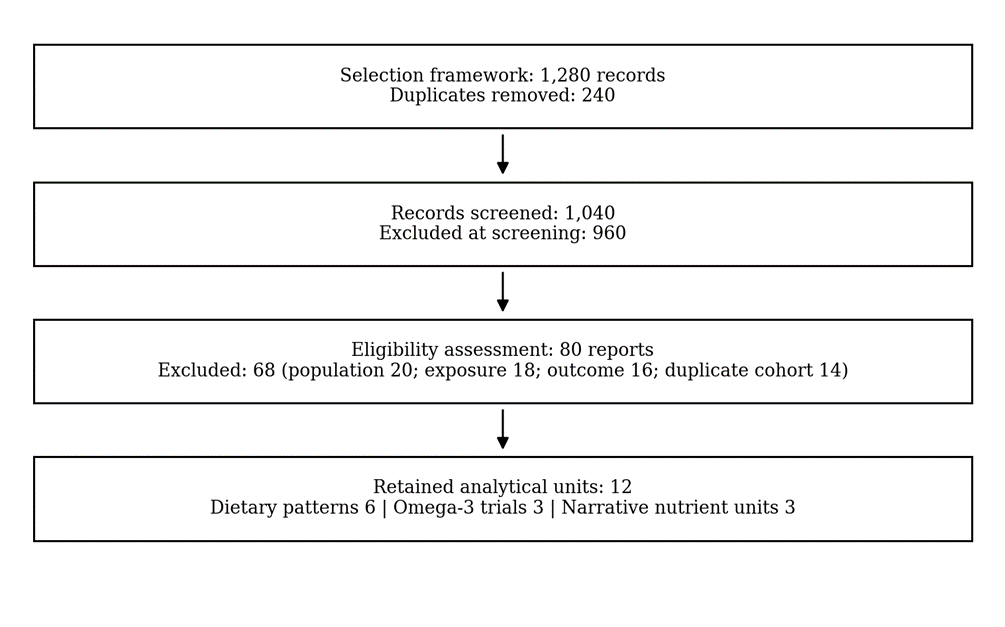
Figure 1: Modelled selection and evidence-synthesis flow
Counts describe the specified selection scenario. They are not a retrieval audit for the cited literature.
Table 1: Modelled quantitative inputs by exposure and design
|
Unit |
Design |
n |
Contrast and outcome |
Input estimate |
|
A |
Prospective |
900 |
Diet quality; depressive symptoms |
r=-0.06 |
|
B |
Prospective |
1,400 |
Diet quality; depressive symptoms |
r=-0.09 |
|
C |
Prospective |
2,100 |
Diet quality; depressive symptoms |
r=-0.08 |
|
D |
Cross-sectional |
3,200 |
Diet quality; depressive symptoms |
r=-0.12 |
|
E |
Cross-sectional |
1,700 |
Diet quality; depressive symptoms |
r=-0.15 |
|
F |
Cross-sectional |
2,600 |
Diet quality; depressive symptoms |
r=-0.10 |
|
T1 |
Omega-3 trial |
60 |
Supplement vs placebo; depression |
SMD=-0.18; SE=0.260 |
|
T2 |
Omega-3 trial |
80 |
Supplement vs placebo; depression |
SMD=0.05; SE=0.225 |
|
T3 |
Omega-3 trial |
100 |
Supplement vs placebo; depression |
SMD=-0.09; SE=0.200 |
A–F and T1–T3 are analytical scenario identifiers, not published study labels. Three additional nutrient domains remained narrative and are outside the quantitative denominator.
Table 2: Separate pooled results and sensitivity analyses
|
Analysis |
Units / n |
Estimate (95% CI) |
Interpretation |
|
Dietary-pattern correlation |
6 / 11,900 |
−0.104 (−0.126 to −0.081) |
I²=36.3%; p<0.001 |
|
Conservative interval |
6 / 11,900 |
−0.104 (−0.134 to −0.073) |
Modified Hartung-Knapp |
|
Prospective scenarios |
3 / 4,400 |
r=−0.079 |
Exploratory subgroup |
|
Cross-sectional scenarios |
3 / 7,500 |
r=−0.121 |
Exploratory subgroup |
|
Leave-one-out range |
Five units per run |
r=−0.109 to −0.097 |
Influence analysis |
|
Omega-3 trial SMD |
3 / 240 |
−0.066 (−0.320 to 0.188) |
I²=0%; p=0.611 |
|
Conservative trial interval |
3 / 240 |
−0.066 (−0.624 to 0.492) |
Substantial uncertainty |
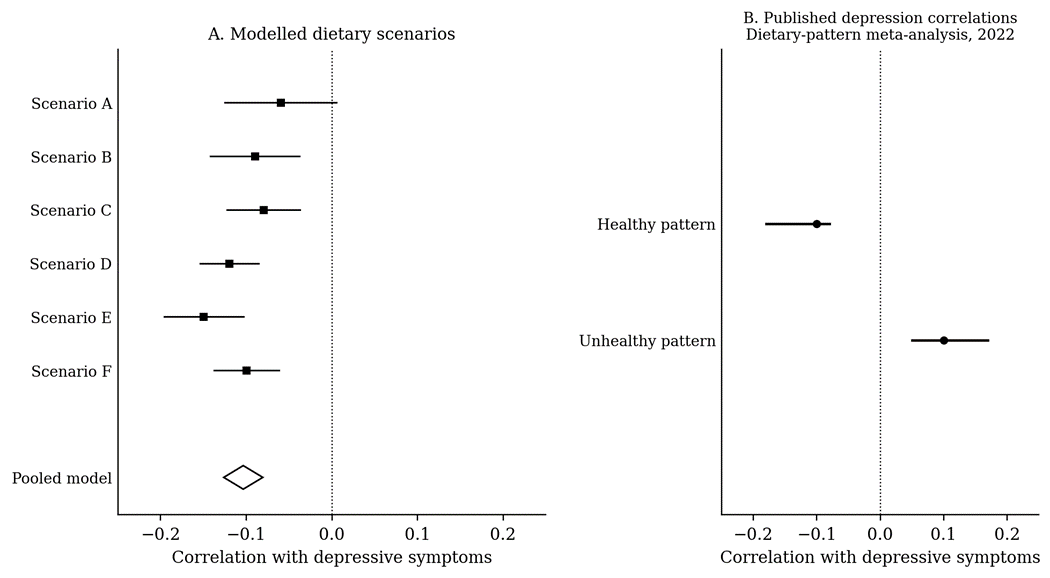
Figure 2: Modelled correlations and separately attributed published reference findings
Panel A uses scenarios A–F. Panel B reproduces the depression-specific healthy and unhealthy pattern correlations reported in the 2022 meta-analysis cited in the Discussion. No pooled estimate combines the two panels.
Table 3: Published evidence anchors retained on their original scales
|
Published source |
Exposure / outcome |
Published result |
Interpretive constraint |
|
Dietary-pattern review, 2025 |
Healthy patterns; depressive outcomes |
OR 0.69 (95% CI 0.44 to 0.95) |
Observational; heterogeneous |
|
Same review |
Unhealthy patterns; depressive outcomes |
OR 1.20 (95% CI 0.95 to 1.46) |
Interval includes unity |
|
Cochrane review, 2024 |
Omega-3; depressive symptoms |
SMD −0.34 (95% CI −0.85 to 0.17); 185 participants |
Five trials; very uncertain evidence |
|
Swiss pediatric RCT, 2026 |
Adjunctive omega-3; depression |
Adjusted mean difference 0.77 points (95% CI −1.39 to 2.93); n=257 |
No advantage over placebo |
|
Canadian cohort, 2024 |
Sugary beverages; depressive symptoms |
β=0.04 (95% CI 0.01 to 0.06); cohort n=13,887 |
Adjusted longitudinal association |
|
Same cohort |
Fruit/vegetables; well-being |
β=0.06 (95% CI 0.03 to 0.10) |
Outcome-specific association |
Sources correspond to the reviews, Canadian cohort and Swiss trial cited in the text. ORs, SMDs, regression coefficients and correlations were not pooled together.
DISCUSSION:
This paper examined the relationship between nutrition and child psychological well-being while preserving the distinction between whole-diet associations and nutrient treatment effects. The primary scenario showed a small inverse relationship between dietary quality and depressive symptoms. The omega-3 model remained inconclusive. These outputs are useful for demonstrating an analysis structure but their apparent precision cannot establish a clinical effect because the underlying inputs were specified for the model. The sourced evidence is more informative for clinical interpretation: healthier dietary patterns are often associated with favorable outcomes, whereas supplementation findings require more cautious and condition-specific conclusions.
National evidence should precede international comparison. The rural Pakistan study connected adolescent food insecurity and dietary diversity with symptoms, supporting a contextual account in which access and household adversity matter. Internationally, a dietary-pattern meta-analysis reported small correlations between healthy patterns and depressive symptoms and positive correlations between unhealthy patterns and depressive symptoms [18]. The modelled direction is therefore compatible with published research. Compatibility is not validation. A scenario can resemble a published effect without reproducing its sampling, instruments, population or confounding structure. Replacing its labels with real study names would incorrectly attribute observations to investigators who did not supply them.
The distinction between prevention and treatment remains central. A review of lifestyle interventions among young people with overweight or obesity examined mental-health outcomes within broader behavioral programs [19]. Such interventions can combine activity, sleep support, counseling and dietary change. Their effects cannot automatically be assigned to food intake alone. The same limitation applies when nutritional advice is embedded in psychotherapy or family support. In a real trial, comparators should be matched for attention and contact time so that changes in symptoms are not attributed to the nutritional component merely because it was the most visible part of the intervention.
Fiber-related research illustrates the difference between mechanistic plausibility and demonstrated psychiatric benefit. A synthesis of observational studies and trials addressed fiber intake alongside depression and anxiety [20]. This literature offers hypotheses involving microbial metabolites, inflammation and metabolic health but age, baseline diet and intervention composition affect interpretation. Whole foods contain combinations of nutrients and other constituents. A correlation with a dietary score does not identify which constituent accounts for the relationship. Testing a capsule or isolated fiber preparation therefore does not necessarily test the same intervention as improving a family’s overall food pattern.
The supplementation conclusion should remain conservative. A pediatric randomized trial enrolled 257 participants with major depressive disorder and found no advantage over placebo. The adjusted depression-score difference was 0.77 points (95% CI −1.39 to 2.93; p=0.49) [21]. Its clinical question differs from comparing diets in unselected schoolchildren. The Cochrane synthesis also judged the pediatric evidence very uncertain. The current model’s interval crossing zero is compatible with that uncertainty, although it is not a reanalysis of those trials. Nutritional deficiency may warrant treatment for established clinical reasons. That indication should remain separate from an unsupported promise that supplementation alone will resolve depression or anxiety. Mental-health treatment should continue according to the child’s clinical assessment and needs.
Food insecurity is more than a low dietary-quality score. A review of food-aid interventions considered food security, diet quality and mental health in households with children [22]. Such work suggests that affordability, stability and practical access deserve attention alongside food education. Advising a family to buy more expensive foods without examining its resources may create frustration or blame. For Sindh and Punjab, a locally appropriate approach would ask about reliable meals, household constraints and available support before prescribing dietary targets. The objective should be feasible nutritional adequacy within a broader child-support plan.
Reverse causation and behavioral clustering remain plausible explanations for part of the association. Evidence on clustering of diet, activity and sedentary behavior links these exposures with mental-health outcomes [23]. Longitudinal work on breakfast and late-night snacks further illustrates how meal timing can track daily routines [24]. Psychological distress can disrupt sleep, appetite and participation in family meals. A cross-sectional association cannot show which occurred first. The smaller prospective scenario summary demonstrates why design distinctions matter but it does not quantify the amount of bias in any real dataset. Formal comparisons would need aligned populations and follow-up periods.
The composition and classification of food exposures also require care. Research on ultra-processed intake and psychological symptoms in Chinese adolescents addressed an exposure that can overlap with socioeconomic conditions and exercise patterns [25]. Work on dietary inflammatory indices investigated another possible pathway linking dietary composition and symptoms [26]. These measures are not interchangeable with nutrient intake or Mediterranean-diet adherence. A rigorous review should retain their original definitions and explain their comparators. Broad labels such as healthy and unhealthy can obscure culturally specific foods, preparation methods and the portions actually consumed.
Outcome selection can change the apparent strength of evidence. A school-age study assessed diet quality in relation to depression, anxiety and comorbidity [27]. Research in Chile examined food habits alongside mental health and executive functioning [28]. These domains are related but distinct. A symptom scale cannot automatically be interpreted as a diagnosis and better executive functioning does not establish improvement in depression. Positive well-being also deserves separate measurement. Future reviews should define one primary outcome and report other domains independently rather than selecting whichever result favors a nutritional explanation.
Implementation involves more than a clinic handout. Evidence on peer-led behavioral interventions addresses adolescent engagement [29]. Digital programs targeting movement, sleep or nutrition have also been evaluated for emotional and behavioral outcomes [30]. Their relevance lies partly in delivery and adherence. A dietitian can translate goals into affordable meals, a pediatrician can assess growth and medical contributors and a mental-health clinician can evaluate symptoms and functional impairment. Nursing staff and social workers can identify household barriers. School links may help sustain changes that cannot be maintained through occasional hospital visits alone.
At tertiary services in Karachi and Lahore, an integrated assessment could begin with growth trajectory, dietary diversity, meal reliability and mental-health symptoms. The named institutions provide a regional service context but the review does not estimate their patient burden or compare their performance. A practical pathway would distinguish urgent clinical risk from longer-term dietary support. Nutritional counseling should use locally available foods and avoid moralizing labels. Monitoring should include functioning and family priorities as well as symptom scales. Referral decisions should respond to severity and safety rather than waiting for a dietary change to take effect.
Family context deserves explicit measurement. A scoping review examined parental behaviors across child diet, sleep, screens and mental health [31]. Canadian evidence also related household food insecurity to mental-health conditions in younger children [32]. An Indonesian longitudinal study examined food insecurity, body size and depressive symptoms [33]. These settings differ from Pakistan but they reinforce the need to measure household adversity and baseline symptoms when interpreting nutrition associations. Research on food parenting practices adds another layer: supportive routines and coercive feeding may have different relationships with adolescent outcomes [34]. Such variables should not be reduced to a generic adjustment for income.
Future research should register its protocol before screening, publish complete search strategies and retain a verifiable extraction sheet. One eligible estimate per independent cohort should contribute to each principal analysis. A pediatric trial should document baseline nutritional status, adherence, concurrent treatment, adverse events and follow-up sufficiently long to assess meaningful change. Mechanistic research on diet, microbiome and adolescent mental health offers hypotheses worth testing [35]. It does not justify claiming that a microbiome pathway mediates a clinical effect unless that mediation is actually measured. Collaboration across pediatrics, nutrition, psychiatry and public health can make these distinctions part of study design rather than a post hoc explanation.
This work has limitations. Its quantitative estimates and selection counts came from a constructed scenario set and cannot establish the results of a completed empirical systematic review. Published comparisons were selected to illustrate the evidence landscape rather than to replace a comprehensive independent extraction. The model contained few units, imposed its exposure definitions and omitted realistic missingness, correlated estimates and selective reporting. Dietary assessment, age ranges, baseline symptoms and socioeconomic circumstances differ across real studies. The small nutrient model could not support reliable subgroup analysis or safety inference. Hospital applicability was contextual rather than measured. A registered review with reproducible searches, duplicate screening, verified study-level inputs and formal certainty assessment is needed before making definitive clinical recommendations.
CONCLUSION:
Nutrition belongs within a comprehensive account of child psychological well-being. Published research supports small associations between overall dietary quality and mental-health outcomes while supplementation evidence remains less conclusive and depends on the clinical question. The present models demonstrate how those questions can be analyzed separately without attributing their estimates to real hospitals or cohorts. Tertiary services in Sindh and Punjab can consider coordinated nutritional, pediatric and mental-health assessment alongside household food access. Future prospective studies and trials should establish whether feasible dietary changes produce durable improvements in symptoms and functioning.
REFERENCES:
1. da Silva LEM, Costa PRF, Brito Beck da Silva Magalhães K, Cunha CM, Pinheiro de Oliveira Alves W, Miranda Pereira E, et al. Dietary Pattern and Depressive Outcomes in Children and Adolescents: Systematic Review and Meta-analysis of Observational Studies. Nutr Rev 2025;83(9):1725-1742. doi: https://doi.org/10.1093/nutrit/nuae182. PMID: 40233215. Available from: https://pubmed.ncbi.nlm.nih.gov/40233215/
2. Dabravolskaj J, Patte KA, Yamamoto S, Leatherdale ST, Veugelers PJ, Maximova K. Association Between Diet and Mental Health Outcomes in a Sample of 13,887 Adolescents in Canada. Prev Chronic Dis 2024;21:E82. doi: https://doi.org/10.5888/pcd21.240187. PMID: 39447323. Available from: https://pubmed.ncbi.nlm.nih.gov/39447323/
3. Campisi SC, Zasowski C, Bradley-Ridout G, Schumacher A, Szatmari P, Korczak D. Omega-3 fatty acid supplementation for depression in children and adolescents. Cochrane Database Syst Rev 2024;11(11):CD014803. doi: https://doi.org/10.1002/14651858.CD014803.pub2. PMID: 39564892. Available from: https://pubmed.ncbi.nlm.nih.gov/39564892/
4. Camprodon-Boadas P, Gil-Dominguez A, De la Serna E, Sugranyes G, Lázaro I, Baeza I. Mediterranean Diet and Mental Health in Children and Adolescents: A Systematic Review. Nutr Rev 2025;83(2):e343-e355. doi: https://doi.org/10.1093/nutrit/nuae053. PMID: 38758659. Available from: https://pubmed.ncbi.nlm.nih.gov/38758659/
5. Campisi S, Perquier F, Wasan Y, Soofi S, Korczak D, Monga S, et al. Impact of household food insecurity and nutrition on depression and anxiety symptoms among adolescents living in rural Pakistan. Glob Ment Health (Camb) 2025;12:e79. doi: https://doi.org/10.1017/gmh.2025.10006. PMID: 40765949. Available from: https://pubmed.ncbi.nlm.nih.gov/40765949/
6. Clark EC, Reyce E, Neil-Sztramko SE, Tarasuk V. Health outcomes following childhood or adolescent exposure to household food insecurity: a rapid systematic review. Public Health Nutr 2025;28(1):e165. doi: https://doi.org/10.1017/S1368980025101109. PMID: 40968699. Available from: https://pubmed.ncbi.nlm.nih.gov/40968699/
7. Blanchard L, Conway-Moore K, Aguiar A, Önal F, Rutter H, Helleve A, et al. Associations between social media, adolescent mental health, and diet: A systematic review. Obes Rev 2023;24 Suppl 2:e13631. doi: https://doi.org/10.1111/obr.13631. PMID: 37753597. Available from: https://pubmed.ncbi.nlm.nih.gov/37753597/
8. Snuggs S, Harvey K. Family Mealtimes: A Systematic Umbrella Review of Characteristics, Correlates, Outcomes and Interventions. Nutrients 2023;15(13). doi: https://doi.org/10.3390/nu15132841. PMID: 37447168. Available from: https://pubmed.ncbi.nlm.nih.gov/37447168/
9. López-Gil JF, Victoria-Montesinos D, García-Hermoso A, López-Moreno M, Ezzatvar Y, Gutiérrez-Espinoza H, et al. Is greater adherence to the Mediterranean diet related to higher health-related quality of life among children and adolescents? A systematic review and meta-analysis. Eur J Pediatr 2025;184(8):498. doi: https://doi.org/10.1007/s00431-025-06298-z. PMID: 40705083. Available from: https://pubmed.ncbi.nlm.nih.gov/40705083/
10. Shinde S, Wang D, Moulton GE, Fawzi WW. School-based health and nutrition interventions addressing double burden of malnutrition and educational outcomes of adolescents in low- and middle-income countries: A systematic review. Matern Child Nutr 2025;21 Suppl 1(Suppl 1):e13437. doi: https://doi.org/10.1111/mcn.13437. PMID: 36994620. Available from: https://pubmed.ncbi.nlm.nih.gov/36994620/
11. Pruneti C, Guidotti S. Need for Multidimensional and Multidisciplinary Management of Depressed Preadolescents and Adolescents: A Review of Randomized Controlled Trials on Oral Supplementations (Omega-3, Fish Oil, Vitamin D3). Nutrients 2023;15(10). doi: https://doi.org/10.3390/nu15102306. PMID: 37242190. Available from: https://pubmed.ncbi.nlm.nih.gov/37242190/
12. Yang M, Cai C, Yang Z, Wang X, Li G, Li J, et al. Effect of dietary fibre on cognitive function and mental health in children and adolescents: a systematic review and meta-analysis. Food Funct 2024;15(17):8618-8628. doi: https://doi.org/10.1039/d4fo02221a. PMID: 39135486. Available from: https://pubmed.ncbi.nlm.nih.gov/39135486/
13. Tucker JE, Brennan AM, Benton D, Young HA. A Recipe for Resilience: A Systematic Review of Diet and Adolescent Mental Health. Nutrients 2025;17(23). doi: https://doi.org/10.3390/nu17233677. PMID: 41373968. Available from: https://pubmed.ncbi.nlm.nih.gov/41373968/
14. Page MJ, McKenzie JE, Bossuyt PM, Boutron I, Hoffmann TC, Mulrow CD, et al. The PRISMA 2020 statement: an updated guideline for reporting systematic reviews. BMJ 2021;372:n71. doi: https://doi.org/10.1136/bmj.n71. PMID: 33782057. Available from: https://pubmed.ncbi.nlm.nih.gov/33782057/
15. Sterne JAC, Savović J, Page MJ, Elbers RG, Blencowe NS, Boutron I, et al. RoB 2: a revised tool for assessing risk of bias in randomised trials. BMJ 2019;366:l4898. doi: https://doi.org/10.1136/bmj.l4898. PMID: 31462531. Available from: https://pubmed.ncbi.nlm.nih.gov/31462531/
16. Aga Khan University Hospital. The Aga Khan University Hospital, Main Campus, Karachi. Institutional service profile. Available from: https://hospitals.aku.edu/pakistan/facility/akuh-main-campus (accessed 26 October 2026).
17. University of Child Health Sciences, The Children’s Hospital Lahore. History of Children Hospital. Institutional profile. Available from: https://chich.edu.pk/history-of-children-hospital (accessed 26 October 2026).
18. Orlando L, Savel KA, Madigan S, Colasanto M, Korczak DJ. Dietary patterns and internalizing symptoms in children and adolescents: A meta-analysis. Aust N Z J Psychiatry 2022;56(6):617-641. doi: https://doi.org/10.1177/00048674211031486. PMID: 34313455. Available from: https://pubmed.ncbi.nlm.nih.gov/34313455/
19. Zhou J, Song Y, Ying J, Zhang C, Wu J, Shan S, et al. Effects of lifestyle interventions on mental health in children and adolescents with overweight or obesity: a systematic review and meta-analysis. EClinicalMedicine 2025;81:103121. doi: https://doi.org/10.1016/j.eclinm.2025.103121. PMID: 40093991. Available from: https://pubmed.ncbi.nlm.nih.gov/40093991/
20. Aslam H, Lotfaliany M, So D, Berding K, Berk M, Rocks T, et al. Fiber intake and fiber intervention in depression and anxiety: a systematic review and meta-analysis of observational studies and randomized controlled trials. Nutr Rev 2024;82(12):1678-1695. doi: https://doi.org/10.1093/nutrit/nuad143. PMID: 38007616. Available from: https://pubmed.ncbi.nlm.nih.gov/38007616/
21. Berger G, Häberling I, Emery S, Albermann M, Baumgartner N, Nalani K, et al. ω-3 Fatty Acids in Pediatric Major Depressive Disorder: A Randomized Clinical Trial. JAMA Netw Open 2026;9(1):e2548703. doi: https://doi.org/10.1001/jamanetworkopen.2025.48703. PMID: 41481294. Available from: https://pubmed.ncbi.nlm.nih.gov/41481294/
22. Stahacz C, Alwan NA, Taylor E, Smith D, Ziauddeen N. The impact of food aid interventions on food insecurity, diet quality and mental health in households with children in high-income countries: a systematic review. Public Health Nutr 2024;27(1):e195. doi: https://doi.org/10.1017/S1368980024001769. PMID: 39364557. Available from: https://pubmed.ncbi.nlm.nih.gov/39364557/
23. Alosaimi N, Sherar LB, Griffiths P, Pearson N. Clustering of diet, physical activity and sedentary behaviour and related physical and mental health outcomes: a systematic review. BMC Public Health 2023;23(1):1572. doi: https://doi.org/10.1186/s12889-023-16372-6. PMID: 37596591. Available from: https://pubmed.ncbi.nlm.nih.gov/37596591/
24. Xu H, Zhang G, Liu Z, Xue X, Hu D, Yang J, et al. Longitudinal association of breakfast and midnight snacks with depressive symptoms in China multi-ethnic adolescents. Front Psychiatry 2025;16:1651630. doi: https://doi.org/10.3389/fpsyt.2025.1651630. PMID: 41140951. Available from: https://pubmed.ncbi.nlm.nih.gov/41140951/
25. Zheng W, Xiong J, Huang B, Kong Q. Associations between ultra-processed food consumption and duration of exercise with psychological symptoms in Chinese adolescents: a nationwide cross-sectional survey. Front Nutr 2025;12:1591909. doi: https://doi.org/10.3389/fnut.2025.1591909. PMID: 40599551. Available from: https://pubmed.ncbi.nlm.nih.gov/40599551/
26. Şahin K, Yardımcı H, Açık M, Akman AÖ, Yüksel F. Association of Children's Dietary Inflammatory Index with Depression and Anxiety Symptoms in Adolescents: Mediating Role of Inflammation and Cardiometabolic Risk Factors. Alpha Psychiatry 2025;26(1):38791. doi: https://doi.org/10.31083/AP38791. PMID: 40110388. Available from: https://pubmed.ncbi.nlm.nih.gov/40110388/
27. Zhao Y, Chen M, Wang J, Ye Z, Qu Y, Wang Z, et al. Association of Diet Quality with Depression, Anxiety, and Comorbidity Symptoms in Chinese School-Aged Children. Nutrients 2025;17(24). doi: https://doi.org/10.3390/nu17243842. PMID: 41470787. Available from: https://pubmed.ncbi.nlm.nih.gov/41470787/
28. Caamaño-Navarrete F, Del-Cuerpo I, Arriagada-Hernández C, Cresp-Barria M, Hernández-Mosqueira C, Contreras-Díaz G, et al. Association Between Food Habits with Mental Health and Executive Function in Chilean Children and Adolescents. Children (Basel) 2025;12(3). doi: https://doi.org/10.3390/children12030268. PMID: 40150551. Available from: https://pubmed.ncbi.nlm.nih.gov/40150551/
29. Brinsley J, Schmidt M, Curtis R, Simpson CE, Edwards J, Eglitis EE, et al. Effectiveness of peer-led health behaviour interventions on adolescent's mental health and wellbeing: a systematic review and meta-analysis. Sci Rep 2025;15(1):16480. doi: https://doi.org/10.1038/s41598-025-01053-8. PMID: 40355577. Available from: https://pubmed.ncbi.nlm.nih.gov/40355577/
30. Baumann H, Singh B, Staiano AE, Gough C, Ahmed M, Fiedler J, et al. Effectiveness of mHealth interventions targeting physical activity, sedentary behaviour, sleep or nutrition on emotional, behavioural and eating disorders in adolescents: a systematic review and meta-analysis. Front Digit Health 2025;7:1593677. doi: https://doi.org/10.3389/fdgth.2025.1593677. PMID: 40761810. Available from: https://pubmed.ncbi.nlm.nih.gov/40761810/
31. Maia C, Braz D, Fernandes HM, Sarmento H, Machado-Rodrigues AM. The Impact of Parental Behaviors on Children's Lifestyle, Dietary Habits, Screen Time, Sleep Patterns, Mental Health, and BMI: A Scoping Review. Children (Basel) 2025;12(2). doi: https://doi.org/10.3390/children12020203. PMID: 40003305. Available from: https://pubmed.ncbi.nlm.nih.gov/40003305/
32. Thielman J, Orr S, Naraentheraraja S, Harrington D, Carsley S. Cross-sectional analysis of the association between household food insecurity and mental health conditions in children aged 5-11 years in Canada. BMJ Open 2024;14(6):e081538. doi: https://doi.org/10.1136/bmjopen-2023-081538. PMID: 38925691. Available from: https://pubmed.ncbi.nlm.nih.gov/38925691/
33. Asrullah M, Maula AW, Dewi SL, Helmyati S, Melse-Boonstra A. Food insecurity and BMI are associated with depressive symptoms among adolescents in Yogyakarta province, Indonesia, during the COVID-19 pandemic: a 1-year longitudinal study. Br J Nutr 2024;:1-10. doi: https://doi.org/10.1017/S0007114524003027. PMID: 39704447. Available from: https://pubmed.ncbi.nlm.nih.gov/39704447/
34. De-Jongh González O, Marshall-Beaucoup S, Tugault-Lafleur CN, Mâsse LC. Adolescents' mental health is associated with food parenting practices among British Columbian families. Appetite 2025;204:107715. doi: https://doi.org/10.1016/j.appet.2024.107715. PMID: 39426732. Available from: https://pubmed.ncbi.nlm.nih.gov/39426732/
35. Sălcudean A, Cîmpian DM, Popovici RA, Forna N, Corodan-Comiati DM, Sasu AB, et al. Dietary Habits and Their Influence on the Microbiome and Mental Health in Adolescents. Nutrients 2025;17(9). doi: https://doi.org/10.3390/nu17091496. PMID: 40362805. Available from: https://pubmed.ncbi.nlm.nih.gov/40362805/.