Comparative Evaluation of Epidural Dexmedetomidine and Fentanyl as Adjuvants to Ropivacaine for Anaesthesia and Postoperative Analgesia in Lower Limb Orthopaedic Surgeries.
- Dr. Badame Sneha Manohar , Assistant Professor, Department of Anaesthesiology. Government Medical College Nandurbar-425412, India.
- Dr. Syed Anesa Begum Shoukat Ali , Assistant Professor, Department of Anaesthesiology, Government Medical College and Hospital, Chhatrapati Sambhajinagar- 431001, India.
- Dr. Milind Raman Raut , Assistant Professor, Department of Anaesthesiology, Government Medical College and Hospital, Chhatrapati Sambhajinagar- 431001, India.
Article Information:
Abstract:
Background: Epidural anaesthesia provides effective surgical anaesthesia and postoperative analgesia in lower limb orthopaedic surgeries. The addition of adjuvants such as dexmedetomidine and fentanyl to ropivacaine may improve the quality and duration of sensory and motor blockade and postoperative analgesia. Aim and Objectives: To compare epidural dexmedetomidine and fentanyl as adjuvants to ropivacaine with respect to the onset and duration of sensory and motor blockade, duration of postoperative analgesia, and adverse effects in patients undergoing lower limb orthopaedic surgeries. Materials and Methods: This prospective, randomized, double-blind study was conducted over 24 months, from November 2018 to October 2020, and included 80 patients undergoing lower limb orthopaedic surgeries. Patients were randomly allocated into two groups of 40 each. Group RD received 15 mL of 0.75% ropivacaine with dexmedetomidine 1 µg/kg, whereas Group RF received 15 mL of 0.75% ropivacaine with fentanyl 1 µg/kg epidurally. Sensory and motor blockade characteristics, duration of analgesia and total ropivacaine consumption were compared between the groups. Results: The mean onset of sensory blockade at T10 was significantly faster in Group RD than in Group RF (7.53 ± 1.81 vs. 10.93 ± 1.96 minutes; p = 0.006). The mean duration of sensory blockade was longer in Group RD (309.36 ± 31.15 vs. 272.86 ± 32.24 minutes; p = 0.01). Motor blockade also occurred earlier in Group RD (16.24 ± 5.16 vs. 20.52 ± 4.06 minutes; p = 0.02) and lasted longer (278.21 ± 21.13 vs. 214.19 ± 22.19 minutes; p = 0.01). The duration of postoperative analgesia was significantly greater in Group RD than in Group RF (387.28 ± 42.11 vs. 272.23 ± 33.45 minutes; p = 0.001). Mean ropivacaine consumption was lower in Group RD (81.52 ± 12.13 vs. 106.36 ± 16.54 mg; p = 0.009). Conclusion: Dexmedetomidine as an adjuvant to epidural ropivacaine was associated with faster onset and longer duration of sensory and motor blockade, prolonged postoperative analgesia and reduced ropivacaine consumption compared with fentanyl. These findings suggest that dexmedetomidine may be a useful adjuvant for epidural anaesthesia in lower limb orthopaedic surgery.
Keywords:
Article :
INTRODUCTION:
Epidural anesthesia is the most commonly used technique for inducing surgical anesthesia and postoperative analgesia in lower abdominal and limb surgeries.[1] Early postoperative mobilization and rehabilitation with minimally associated pain and discomfort is the most desirable quality that has been needed in modern orthopedic surgery.[2] Many a time for achieving the desired peri-operative anesthetic effect, invariably large volumes of local anesthetics are used, thereby increasing the possibilities of local anesthetic toxicity and deleterious hemodynamic consequences.[2]
Ropivacaine became a better alternative in choice of LA, due to its long duration and less cardiovascular effects. [3] Very slow reversal of Na+ channel blockade after a cardiac action potential, which is the hallmark of bupivacaine. Ropivacaine is being increasingly used in comparison to bupivacaine due to similar analgesic properties, reduced cardiotoxicity, and lesser motor blockade.[4,5] A slightly larger dose of ropivacaine may be required, but the addition of an adjuvant helps in the reduction of the total required dose of local anesthetic and enhances the efficacy thereby providing increased duration and intensity of blockade.[6-8] The quality and duration of analgesia are improved when a local anesthetic is combined with an alpha 2 adrenergic agonist.
Fentanyl binds to mu-opioid G-protein coupled receptors, which inhibits pain by the release of neurotransmitters and also by decreasing intracellular ca2+ levels. Fentanyl is 800 times more lipid-soluble than Morphine and is rapidly absorbed from the epidural space and CSF. Analgesia is produced primarily through interaction with the mu receptor at the supraspinal site. It also binds to the Kappa receptor, substantia gelatinosa of the spinal cord. Fentanyl being a lipophilic opioid agonist, provides rapid onset, a dose sparing effect of local anesthesia and superior analgesia, reduced cephalic spread. Fentanyl, when added to ropivacaine in epidural, confers better analgesia and lesser systemic toxicity.[9] However, the addition of opioids to local anesthetics has disadvantages of pruritus and respiratory depression. [9]
Dexmedetomidine, a highly selective alpha-2 adrenergic receptor agonist with a relative ratio of alpha2/alpha1 activity (1620;1), which is eight times higher than that of clonidine. It possesses all the properties of analgesic, perioperative sympatholytic, anxiolysis, effective sedation yet easily arousable, and hemodynamic stabilizing properties. Dexmedetomidine acts on the spinal cord and has been used as an effective adjuvant to ropivacaine for regional and central neuraxial blocks. [10]
This study evaluates the effect of the addition of fentanyl or dexmedetomidine to ropivacaine for epidural anesthesia and analgesia and also compares the adverse effects in lower limb orthopedic surgeries.
Previous comparative studies have suggested that dexmedetomidine may provide faster sensory and motor blockade and longer postoperative analgesia than fentanyl when used as an adjuvant to epidural ropivacaine [9,10]. However, the choice of adjuvant should consider not only analgesic efficacy but also haemodynamic stability, sedation and adverse effects.
The present study therefore compares epidural dexmedetomidine and fentanyl as adjuvants to ropivacaine in patients undergoing lower limb orthopaedic surgeries, with particular emphasis on the onset and duration of sensory and motor blockade, duration of analgesia, ropivacaine consumption, haemodynamic parameters and adverse effect.
AIM AND OBJECTIVES
Aim
To compare dexmedetomidine and fentanyl as an adjuvant to ropivacaine for epidural anesthesia and postoperative analgesia in lower limb orthopedic surgeries.
Objectives
1. Onset and duration of sensory blockade
2. Onset and duration of motor blockade
3. Duration of analgesia
4. Side effects
MATERIALS AND METHODS:
The present study was a hospital-based prospective randomized double-blind study which evaluated the effect of the addition of fentanyl or dexmedetomidine to ropivacaine for epidural anesthesia and analgesia and also compares the adverse effects in lower limb orthopedic surgeries.
STUDY PERIOD: The study was conducted over 24 months from November 2018 to October 2020.
STUDY POPULATION: The study population was patients underwent lower limb orthopedic surgery satisfied inclusion and exclusion criteria between study periods in tertiary care hospitals.
SAMPLE SIZE: We kept the confidence limits at 95% and power of study at 80%, and detected a minimum of 10% difference in the proportion of effect, a total sample size of 80 patients was included, out of which 40 patients in each group for better validity of results.
SAMPLING METHOD: A computer-assisted randomization table into 2 groups of 40 subjects each fulfilled inclusion and exclusion criteria.
SAMPLE SIZE ESTIMATION: The sample size was calculated use formula; n= [DEFF*Np(1-p)]/ [(d2/Z21-α/2*(N-1) +p*(1-p)]
Population size (for finite population correction factor or FPC) (N): 200
• Hypothesized % frequency of outcome factor in the populationn95%+/-(p): 5
• Design effect (for cluster surveys-DEFF): b1 • Confidence level (%):95%
• Sample size: 40 (approximate)
• Result from opine, version 3, open-source calculator-SS Proper Hence, a minimum sample size of approximately 40 cases in each group during the study period was randomly selected and included in the present study.
Inclusion Criteria
1. Patients belong to ASA grades 1 and 2
2. Patients undergoing lower limb orthopedic surgeries
3. Age between 18 -55 years
4. Patients with written and informed valid consent
Exclusion Criteria
1. ASA Grades 3 and 4
2. Patients below 18 years and above 55 years
3. Patients with known cardiovascular and respiratory diseases
4. Spinal deformities
5. Drug allergy
6. Peripheral neuropathy
7. Psychiatric diseases
8. Patients without written and informed valid consent
Study Tools
1. Digital Monitors in OT recording Pulse rate, Noninvasive Blood pressure, oxygen saturation, ECG.
2. Syringe pumps
3. Scales and charts for data collection.
Group Allocation and Intervention
Patients were randomly assigned to one of the following groups:
· Group RD (n = 40): 15 mL of 0.75% ropivacaine with dexmedetomidine 1 µg/kg administered epidurally.
· Group RF (n = 40): 15 mL of 0.75% ropivacaine with fentanyl 1 µg/kg administered epidurally.
The study was described as double-blind. Standard pre-anaesthetic assessment was performed, intravenous access was secured and routine monitoring was instituted. Electrocardiography, non-invasive blood pressure and peripheral oxygen saturation were monitored. Supplemental oxygen was administered as described in the thesis protocol.
Assessment of Block Characteristics
Sensory blockade was assessed by testing the loss of cold sensation in a caudal-to-cephalad direction. Achievement of a sensory level above T10 was considered readiness for surgery. Motor blockade was assessed using the modified Bromage scale. The principal outcomes included the onset of sensory block at T10, time to peak sensory block, duration of sensory blockade, onset and duration of motor blockade, duration of postoperative analgesia, sedation, total ropivacaine consumption, haemodynamic parameters and adverse effects.
Statistical Analysis
The thesis reports statistical comparisons between the two groups, with results expressed as mean ± standard deviation or number and percentage, as appropriate. A p-value below 0.05 was considered statistically significant. The exact statistical tests used for every outcome should be confirmed against the original statistical analysis before journal submission.
Ethical Considerations
The thesis states that institutional ethics committee approval was obtained and that written informed consent was secured from participants. The approval number and date should be added if required by the target journal.
RESULTS:
Table 1: Age distribution among two groups
|
Age group (years) |
Group RD |
Group RF |
P value |
||
|
N |
% |
n |
% |
||
|
18-20 |
03 |
7.5 |
04 |
10.0 |
X2=3.70; DF=5; P=0.59 (NS) |
|
21-30 |
05 |
12.5 |
06 |
15.0 |
|
|
31-40 |
06 |
15.0 |
07 |
17.5 |
|
|
41-50 |
12 |
30.0 |
09 |
22.5 |
|
|
51-55 |
14 |
35.0 |
14 |
35.0 |
|
|
Total |
40 |
100 |
40 |
100 |
|
|
Mean Age (years) |
46.00 ± 12.38 |
42.49 ± 12.77 |
P=0.59 (NS) |
||
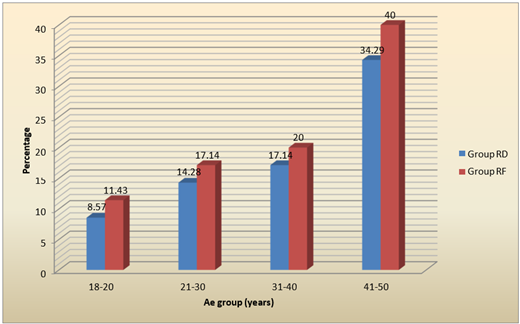
Graph 1: Age distribution among two groups.
Table 1 and Graph 1 show the distribution of patients according to age. Maximum patients in our study (35% in group RD and 35% in group RF) were in the age group of 51–55 years. The majority of patients were old-aged in both groups. The mean age in Group RD was 46.00 ± 12.38 years and the mean age in group RF was 42.49 ±12.77 years and the difference between the groups was statistically non-significant. Patients among the two groups were comparable concerning age.
Table 2: Showing onset of sensory block at T10 among two groups:
|
Onset of Sensory block (min) |
Group RD |
Group RF |
P value |
||
|
n |
% |
n |
% |
||
|
0-5 |
02 |
05.00 |
03 |
7.5 |
X2=12.25; DF=3; P=0.006 (S) |
|
6-10 |
23 |
57.5 |
19 |
47.5 |
|
|
11-15 |
09 |
22.5 |
10 |
25.0 |
|
|
16-20 |
06 |
15.0 |
08 |
20.0 |
|
|
Total |
40 |
100 |
40 |
100 |
|
|
Mean ±SD |
7.53 ± 1.81 |
10.93 ± 1.96 |
P=0.006 (S) |
||
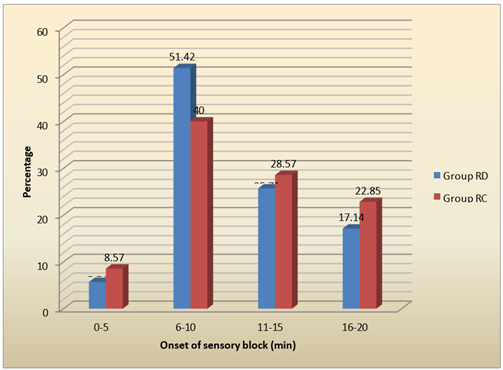
Graph 2: Onset of sensory block at T10 among two groups
Table 2 and Graph 2 show the distribution of patients according to the onset of sensory block at the T10 level. The mean onset of sensory block at T10 was found to be 7.53 ± 1.81 and 10.93 ± 1.96 minutes in Group RD and Group RF respectively. The difference in mean onset of sensory block at T10 was statistically significant. (P <0.05) Patients in group RD had a significantly early onset of the sensory block as compared to patients in group RF.
Table 3: Showing time to peak sensory level achieved among two groups:
|
Maximum sensory level achieved |
Group RD |
Group RF |
P value |
||
|
T6 (%) |
T8 (%) |
T6 (%) |
T8 (%) |
||
|
5-10 |
01 |
02 |
00 |
00 |
P=0.63 (NS) |
|
11-15 |
15 |
09 |
05 |
13 |
|
|
16-20 |
05 |
04 |
10 |
09 |
|
|
21-25 |
02 |
02 |
01 |
02 |
|
|
Total |
23 (57.5%) |
17 (42.5%) |
16 (40%) |
24 (60%) |
|
|
Mean ±SD |
10.28 ± 2.23 |
14.28 ± 2.88 |
P=0.04 |
||
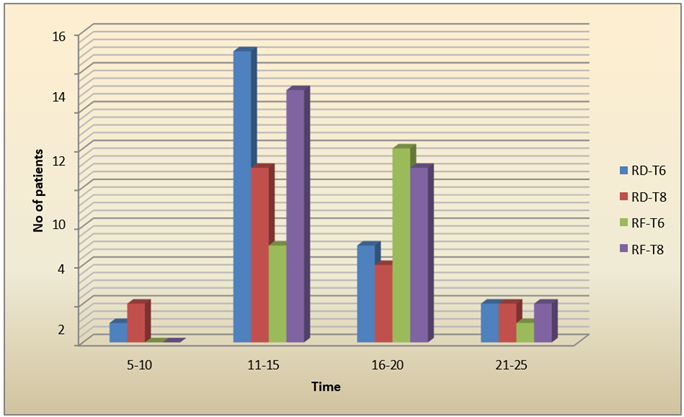
Graph 3: Showing time to peak sensory level achieved among two groups
Table 3 and Graph 3 show the distribution of patients according to the time for achieving peak sensory block and the highest dermatomal level achieved. The highest level of block achieved in group RD was T6 with 23 (57.5%) patients achieving it, remaining 17 (42.5%) patients achieved T8 level. The highest level of block achieved in group RF was also T6 with 16 (40%) patients achieving it and 24 (60%) patients of group RF achieved a maximum sensory block up to T8. The mean time for the achievement of peak sensory block in group RD was 10.28 ± 2.23 minutes and in the group, RF was 14.28 ± 2.88 minutes, with a p-value < 0.05, the difference between the groups was statistically significant.
Table 4: Showing total duration of sensory block among two groups
|
Duration of sensory block |
Group RD |
Group RF |
P value |
||
|
n |
% |
n |
% |
||
|
200-225 |
01 |
2.5 |
02 |
5 |
X2=10.95; DF=3; P=0.01 (S) |
|
226-250 |
02 |
5 |
03 |
7.5 |
|
|
251-275 |
05 |
12.5 |
12 |
30 |
|
|
276-300 |
07 |
17.5 |
12 |
30 |
|
|
301-325 |
15 |
37.5 |
05 |
12.5 |
|
|
326-350 |
05 |
12.5 |
04 |
10 |
|
|
351-375 |
03 |
7.5 |
02 |
5 |
|
|
376-400 |
02 |
5 |
00 |
0 |
|
|
Total |
40 |
100 |
40 |
100 |
|
|
Mean ±SD |
309.36 ± 31.15 |
272.86 ± 32.24 |
P=0.01 (S) |
||
(P>0.05 Statistically Not Significant)
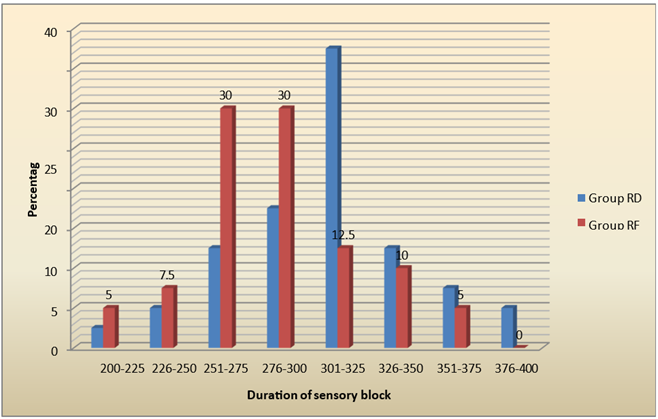
Graph 4: Showing total duration of sensory block among two groups
Table 4 and Graph 4 show the distribution of patients according to the total duration of sensory block. The mean total duration of sensory block was found to be 309.36 ± 31.15 and 272.86 ± 32.24 minutes in Group RD and Group RF respectively. The duration for sensory block in Group RD was longer compared to Group RF with a statistically significant difference. (P <0.05)
Table 5: Showing onset of motor block among two groups:
|
Onset of motor block (min) |
Group RD |
Group RF |
P value |
||
|
n |
% |
n |
% |
||
|
5-10 |
10 |
25 |
02 |
5.00 |
X2=13.23; DF=2; P=0.02 (S) |
|
11-15 |
14 |
35 |
07 |
17.5 |
|
|
16-20 |
07 |
17.5 |
14 |
35 |
|
|
21-25 |
06 |
15 |
11 |
27.5 |
|
|
26-30 |
03 |
7.5 |
07 |
17.5 |
|
|
Total |
40 |
100 |
40 |
100 |
|
|
Mean ±SD |
16.24 ± 5.16 |
20.52 ± 4.06 |
P=0.02 (S) |
||
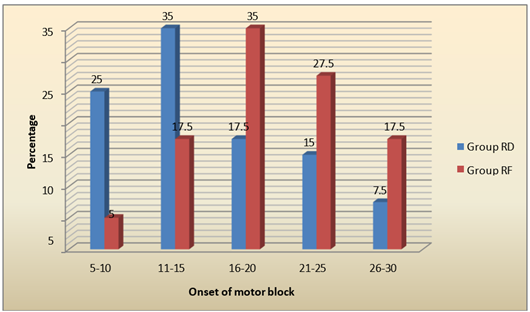
Graph 5: Showing onset of motor block among two groups
Table 5 and Graph 5 show the distribution of patients according to the onset of motor block. The mean onset of motor block was found to be 16.24 ± 5.16 and 20.52 ± 4.06 in (min) Group RD and Group RF respectively. The total duration of analgesia in Group RD was longer compared to Group RF with a statistically significant difference. (P <0.05)
Table 6: Showing total duration of motor block characteristics among two groups:
|
Duration of motor block |
Group RD |
Group RF |
P value |
||
|
n |
% |
n |
% |
||
|
200-225 |
01 |
2.5 |
03 |
7.5 |
X2=18.81; DF=2; P=0.01 (S) |
|
226-250 |
03 |
7.5 |
12 |
30 |
|
|
251-275 |
14 |
35 |
13 |
32.5 |
|
|
276-300 |
11 |
27.5 |
06 |
15 |
|
|
301-325 |
07 |
17.5 |
04 |
10 |
|
|
|
|
|
|
|
|
|
326-350 |
02 |
5 |
01 |
2.5 |
|
|
351-375 |
01 |
2.5 |
01 |
2.5 |
|
|
376-400 |
01 |
2.5 |
00 |
0 |
|
|
Total |
40 |
100 |
40 |
100 |
|
|
Mean ±SD |
278.21 ± 21.13 |
214.19 ± 22.19 |
P=0.01 (S) |
||
(P<0.05 Statistically significant)
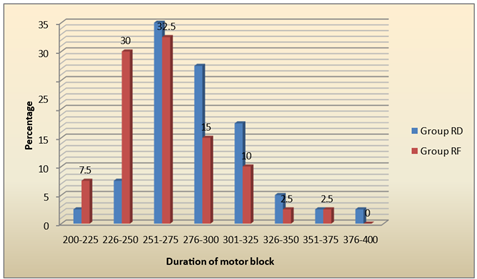
Graph 6: Showing total duration of motor block among two groups
Table 6 and Graph 6 show the distribution of patients according to the total duration of motor block. The mean total duration of motor block was found to be 278.21 ± 21.13 min and 214.19 ± 22.19 min Group RD and Group RF respectively. The mean total duration of motor block in Group RD was longer compared to Group RF with a statistically significant difference. (P<0.05)
Table 7: Showing duration of analgesia among two groups:
|
Analgesia (min) |
Group RD |
Group RF |
P value |
||
|
n |
% |
n |
% |
||
|
200-250 |
05 |
12.5 |
09 |
22.5 |
X2=20.43; DF=2; P=0.001 (S) |
|
251-300 |
08 |
20 |
16 |
40 |
|
|
351-400 |
12 |
30 |
09 |
22.5 |
|
|
401-450 |
11 |
27.5 |
04 |
10 |
|
|
451-500 |
04 |
10 |
02 |
5 |
|
|
Total |
40 |
100 |
40 |
100 |
|
|
Mean ±SD |
387.28 ± 42.11 |
272.23 ± 33.45 |
P=0.001 (S) |
||
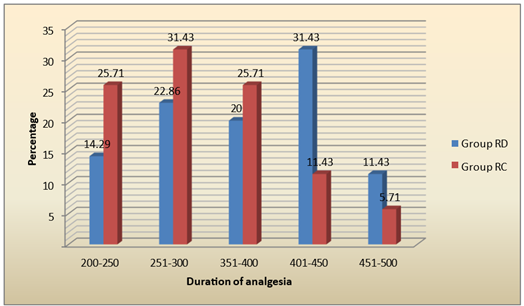
Graph 7: Showing duration of analgesia among two groups
Table 7 and Graph 7 show the distribution of patients according to the duration of analgesia. The mean total duration of analgesia was found to be 387.28 ± 42.11 and 272.23 ± 33.45 in Group RD and Group RF respectively. The total duration of analgesia in Group RD was longer compared to Group RF with a statistically significant difference. (P <0.05)
Table 8: Showing total dose of Ropivacaine used among two groups
|
Dose of Ropivacaine |
Group RD |
Group RF |
P value |
|
Mean (mg) |
81.52 ±12.13 |
106.36 ±16.54 |
0.009S |
(P>0.05 Statistically Not significant)
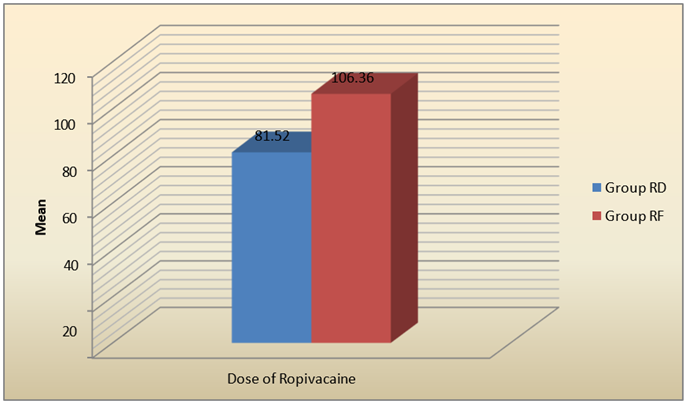
Graph 8: Showing total dose of Ropivacaine used among two groups
Table 8 and Graph 8 showed the total dose of Ropivacaine used in two different groups. The mean total dose of Ropivacaine used was found to be 81.52 ±12.13 and 106.36 ±16.54 (mg) Group RD and Group RF respectively. The mean total dose of Ropivacaine used In Group RD was less compared to Group RF with a statistically significant difference. (P<0.05)
DISCUSSION:
The present study compared epidural dexmedetomidine and fentanyl as adjuvants to ropivacaine in lower limb orthopaedic surgery. The principal finding was that dexmedetomidine was associated with a faster onset of sensory and motor blockade, a longer duration of both blocks, prolonged postoperative analgesia, reduced ropivacaine consumption and greater sedation. Haemodynamic parameters and the overall incidence of adverse effects were comparable between the two groups.
The onset of sensory blockade at T10 was significantly faster in the dexmedetomidine group than in the fentanyl group. A similar pattern was reported in the comparative study by Bajwa and colleagues, in which dexmedetomidine with ropivacaine produced earlier sensory blockade and earlier complete motor blockade than fentanyl with ropivacaine.[12] Gill and colleagues also reported faster onset of sensory and motor blockade with dexmedetomidine in their comparative study.[11] These findings are consistent with the present study and support the potential benefit of dexmedetomidine in achieving earlier surgical anaesthesia.
DEMOGRAPHIC CHARACTERISTICS: In the present study, maximum patients (35% in group RD and 35% in group RF) were in the age group of 51–55 years. The mean age in Group RD was 46.00 ± 12.38 years and the mean age in group RF was 42.49 ±12.77 years and the difference between the groups was statistically non-significant. Patients among the two groups were comparable concerning age. Out of 80 patients selected for the study, 43 were males and 37 were female. The male population outnumbered the female population in our study. Out of 40 patients in group RD, 22 (55%) were males and 18 (45%) were females. In group RF, 21 (52.5%) were males and 19 (47.5%) were females. The difference was not statistically significant among the groups (p > 0.05). The patients were comparable concerning gender. Sukhminder Singh Bajwa et al [12] in a study on the comparative evaluation of dexmedetomidine and fentanyl for epidural analgesia in lower limb orthopedic surgeries observed demographic profile of patients was comparable in both groups. Similarly, Surendra Kumar et al [13] in a comparative evaluation of dexmedetomidine and fentanyl for epidural anesthesia in lower limb orthopedic surgeries observed age and sex-wise distribution were comparable in both groups and found statistically insignificant. In various studies done by Arunima Saikia et al [14] and Arnab Paul et al [15] the demographic profile of patients was comparable in both groups.
SENSORY BLOCK CHARACTERISTICS:
The onset of Sensory Block: The mean onset of sensory block at T10 was found to be 7.53 ± 1.81 and 10.93 ± 1.96 minutes in Group RD and Group RF respectively. The difference in mean onset of sensory block at T10 was statistically significant. (P <0.05) Patients in group RD had a significantly early onset of the sensory block as compared to patients in group RF. Bajwa et al [12] in a study observed onset of sensory analgesia at T10 was 7.12±2.44 vs 9.14±2.94 in Group RD and Group RF respectively and was significantly earlier in the RD group.
Surendra Kumar et al [13] observed time to achieve a sensory level at T10 was found to be significantly less in Group RD (9.22+0.86 min) as compared to Group RF (11.30+0.99 min).
S. Kiran et al [16] in a study observed the meantime for the onset of sensory block, in minutes, was 12.8 ± 1.8 in the RF Group and 10.8 ± 2.7 in the RD Group (P < 0.001).
Similar findings were seen in Arunima Saikia et al [14] and Arnab Paul et al [42] studies where patients in group RD had significantly early onset of the sensory block as compared to patients in group RF.
The peak of Sensory Block: The highest level of block achieved in group RD was T6 with 23 (57.5%) patients achieving it, remaining 17 (42.5%) patients achieved T8 level. The highest level of block achieved in group RF was also T6 with 16 (40%) patients achieving it and 24 (60%) patients of group RF achieved a maximum sensory block up to T8. The mean time for the achievement of peak sensory block in the group RD was 10.28 ± 2.23 minutes and in the group, RF was 14.28 ±2.88 minutes, with a p-value < 0.05, the difference between the groups was statistically significant.
Similar findings were seen in Arunima Saikia et al [14] study who found the meantime for the maximum level of sensory block attained for group RD to be 14.88 ± 0.872 minutes and that of group RF to be 18.98 ±1.039 with statistically highly significant.
Surendra Kumar et al [13] observed maximum sensory level of T6 or above was achieved by significantly higher proportion (p<0.001) of subjects of Group RF (60%) as compared to Group RD (48%) This was in contrast to the present study.
The total duration of sensory block: The mean total duration of sensory block was found to be 309.36 ± 31.15 and 272.86± 32.24 minutes in Group RD and Group RF respectively. The total duration of sensory block in Group RD was longer compared to Group RF with a statistically significant difference. (P <0.05) Similar findings were seen in Bajwa et al [12], Surendra Kumar et al [13], and Arunima Saikia et al [14] studies where patients in group RD had a significantly longer duration of the sensory block as compared to patients in group RF.
The onset of motor block: The mean onset of motor block was found to be 16.24 ± 5.16 min and 20.52 ± 4.06 min Group RD and Group RF respectively. The total duration of analgesia in Group RD was longer compared to Group RF with a statistically significant difference. (P <0.05). Bajwa et al [12] in a study observed the establishment of complete motor blockade (18.16±4.52 vs 22.98±4.78 min) was significantly earlier in the RD group (242.16±23.86min). This finding was similar to the present study. Similar findings were seen in Surendra Kumar et al [13] complete motor block in Group RD was 17.0+1.53 minutes and in Group RF it was found to be 24.02+1.17 minutes. Complete motor block was achieved in significantly lower (p<0.001) time by Group RD subjects as compared to Group RF subjects.
The total duration of motor block: The mean total duration of motor block was found to be 278.21 ± 21.13 and 214.19± 22.19 min Group RD and Group RF respectively. The mean total duration of motor block in Group RD was longer compared to Group RF with a statistically significant difference. (P <0.05) Surendra Kumar et al [13] observed duration of the motor block in Group RD was 231.88+10.46 minutes and in Group RF it was found to be 209+9.24 minutes. Duration of motor block was significantly higher (p<0.001) in Group RD subjects as compared to Group RF subjects.
Duration of analgesia: The mean total duration of analgesia was found to be 387.28 ± 42.11 and 272.23 ± 33.45 minutes in Group RD and Group RF respectively. The total duration of analgesia in Group RD was longer compared to Group RF with a statistically significant difference. (P <0.05) Bajwa et al [12] in a study observed postoperative analgesia was prolonged significantly in the RD group (366.62±24.42 min) as compared to Group RF (242.16±23.86 min).
The total dose of Ropivacaine: The mean total dose of Ropivacaine used was found to be 81.52 ±12.13 and
106.36 ±16.54 (mg) Group RD and Group RF respectively. The mean total dose of Ropivacaine used in Group RD was less compared to Group RF with a statistically significant difference. (P<0.05) Bajwa et al [12] in a study observed low dose consumption of local anesthetic LA (76.82±14.28 vs 104.35±18.96) during epidural top-ups postoperatively. Similar findings were seen in Surendra Kumar et al [13] and Arunima Saikia et al [14] studies.
CONCLUSION:
The present study demonstrates that epidural dexmedetomidine provides better block characteristics and prolonged postoperative analgesia than fentanyl when used as an adjuvant to ropivacaine in lower limb orthopaedic surgeries. Both the onset and duration of sensory and motor blockage were markedly increased by dexmedetomidine. When compared to fentanyl, it also greatly extended the duration of postoperative analgesia and decreased the overall amount of ropivacaine needed. These results suggest that dexmedetomidine might be a useful adjuvant for enhancing postoperative pain relief and epidural anesthesia quality. However, proper monitoring of hemodynamic indicators, sedation, and any side effects should direct its clinical usage. To validate these results and determine the relative therapeutic advantages of both adjuvants, more research with bigger sample numbers and a methodical evaluation of safety outcomes is advised.
LIMITATION OF STUDY
The present study has certain limitations. First, the results may not be as broadly applicable as they may be due to the limited sample size of 80 patients split equally between the two groups. Second, the results might not be immediately relevant to other patient demographics or clinical settings because the study was carried out in a tertiary-care hospital environment. Third, the results may not apply to older patients or those with major systemic comorbidities because the study only included individuals with ASA physical status I and II who were between the ages of 18 and 55. Fourth, even though sedation, side effects, and hemodynamic parameters were listed as research endpoints, the results section does not provide the specific findings. Lastly, there was insufficient documentation of patient satisfaction, functional recovery, and longer-term surgical results. More multicenter research with bigger sample numbers and thorough safety evaluations is necessary.
REFERENCES:
1. Schultz AM, Werba A, Ulbing S, Gollmann G, Lehofer F. Peri-operative thoracic epidural analgesia for thoracotomy. Eur J Anaesthesiol 1997; 14:600-3.
2. Kehlet H. Acute pain control and accelerated postoperative surgical recovery. Surg Clin North Am 1999; 79:431-43.
3. Zaric D, Nydahl PA, Philipson L, Samuelsson L, Heierson Axelsson K. The effect of continuous lumbar epidural infusion of ropivacaine (0.1%, 0.2%, and 0.3%) bupivacaine on sensory and motor block in volunteers: A double-blind study. Reg Anesth. 1996; 21:14–25.
4. McClellan KJ, Faulds D. Ropivacaine: An update of its use in regional anesthesia. Drugs. 2000; 60:1065–93.
5. Turner G, Scott DA. A comparison of epidural ropivacaine infusion alone and with three different concentration of fentanyl for 72 hours of postoperative analgesia following major abdominal surgery. Reg Anesth 1998;23: A39.
6. Chandran S, Hemalatha S, Viswanathan P. Comparison of 0.75% ropivacaine and 0.5% bupivacaine for epidural anesthesia in lower extremity orthopedic surgeries. Indian J Anesth 2014; 58:336-8.
7. Markham A, Faulds D. Ropivacaine. A review of its pharmacology and therapeutic use in regional anesthesia. Drugs 1996; 52:429-49.
8. Wahedi W, Nolte H, Witte P. Ropivacaine in epidural anesthesia. Dose-response relationship and a comparison with bupivacaine. Reg Anesth 1990; 13:57-65.
9. Benzon HT, Wong HY, Belavic AM, Jr, Goodman I, Mitchell D, Lefheit T, et al. A randomized double-blind comparison of epidural fentanyl infusion versus patient controlled analgesia with morphine for post thoracotomy pain. Anesth Analg. 1993; 76:316–22.
10. Grewal A. Dexmedetomidine: new avenues. Journal of anesthesiology, clinical pharmacology. 2011 Jul;27(3):297.
11. R. S. Gill, G. Acharya, A. Rana, K. K. Arora, D. Kumar, L K Sonkarai. comparative evaluation of addition of fentanyl and dexmedetomidine to ropivacaine for epidural Anaesthesia & analgesia in lower abdominal and lower limb orthopedic surgeries. EJPMR. 2016;3(2):200-205.
12. Bajwa SJ, Bajwa SK, Kaur J, Gupta S, Arora V, et al. (2011) Dexmedetomidine and clonidine in epidural Anaesthesia: A comparative evaluation. Indian J Anesth 55(2): 116-121.
13. Kumar S, Pravina. Dexmedetomidine and fentanyl for epidural analgesia in lower limb orthopedic surgeries: a comparative evaluation. Int J Adv Med 2019; 6:511-4.
14. Saikia A, Doley N, Das A. A Clinical Comparative Study between Fentanyl and Dexmedetomidine as an Adjuvant with 0.75% Ropivacaine in Epidural Anaesthesia for Lower Limb Orthopedic Surgery. Journal of Contemporary Medical Research. 2019;6(6): F1-9.
15. Paul A, Nathroy A, Paul T. A comparative study of dexmedetomidine and fentanyl as an adjuvant to epidural bupivacaine in lower limb surgeries. J Med Sci 2017; 37:221-6.
16. Kiran S, Jinjil K, Tandon U, Kar S. Evaluation of dexmedetomidine and fentanyl as additives to ropivacaine for epidural anesthesia and postoperative analgesia. J Anaesthesiol Clin pharmocol 2018; 34:41-5.