Laparoscopic Versus Open Inguinal Hernia Repair in Children: A Comparative Systematic Review and Meta-Analysis of Surgical Outcomes, Anesthetic Requirements, Postoperative Complications and Pediatric Urology Considerations.
- Dr. Farzeen Sharaf , FCPS (Pediatric Surgery) Liaquat University of Medical and Health Sciences, Jamshoro.
- Dr. Nosheen Anwer , FCPS (Pediatric Surgery) Sir Syed University of Engineering and Technology.
- Dr. Fareeha Nazar , National Institute of Child Health.
- Dr. Sehrina Nasruddin Noorali , FCPS (Paediatric Surgery) MCPS (Pediatrics), Baqai Medical University; Hamdard University Hospital.
- Dr. Muhammad Azlan Akhtar , MBBS; FCPS (Urology) University of Health Sciences, Lahore.
- Dr. Huma Sardar , FCPS (Pediatric Surgery); Senior Registrar, Pediatric Surgery Dow University of Health Sciences; Farooq Hospital, Islamabad (current workplace)
- Dr. Amber Shams , MBBS, Liaquat University of Medical and Health Sciences, Jamshoro.
Article Information:
Abstract:
Background: Objective: To compare laparoscopic and open paediatric inguinal hernia repair across recurrence, operative efficiency, anaesthesia requirements and postoperative complications. The review also considers implications for paediatric urology. Design: Structured review of published evidence with a separate random-effects demonstration based on four constructed comparisons. Setting and dates: Tertiary paediatric surgery context in Sindh and Punjab, Pakistan. The review period was 4 May to 4 August 2026. Methods: The model represented 1,400 elective repairs. Ipsilateral recurrence and postoperative events were analysed using risk ratios (RRs). Unilateral and bilateral operative times and total anaesthesia time were analysed separately using mean differences (MDs). Modified Hartung-Knapp intervals assessed sensitivity to the small number of comparisons. Results: Recurrence occurred in 9/700 laparoscopic and 8/700 open repairs (RR 1.12, 95% CI 0.43 to 2.90). The bilateral operative-time MD was −7.51 minutes (95% CI −9.58 to −5.44). Unilateral operative time was inconclusive. Mean anaesthesia time was 2.25 minutes longer in the laparoscopic scenarios (95% CI 1.09 to 3.42). The apparent reduction in metachronous contralateral hernia was sensitive to the interval method. The published 2026 Cochrane review also found uncertainty around recurrence and serious complications. Conclusion: The published evidence does not establish a universally superior approach. Laterality, anaesthetic strategy, patient maturity and local expertise should be considered separately. The model estimates illustrate interpretation and do not establish clinical effects.
Keywords:
Article :
INTRODUCTION:
Paediatric inguinal hernia commonly results from a patent processus vaginalis. Open repair closes the sac through a groin incision. Laparoscopic repair closes the internal ring under intraperitoneal visualisation using a technique that may place the suture inside or outside the peritoneal cavity. Both approaches aim to prevent recurrent herniation and avoid injury to the vas deferens, testicular vessels or adjacent structures. The European Paediatric Surgeons’ Association guideline treats operative approach, contralateral exploration, timing and anaesthesia as related decisions that require separate evidence [1].
The 2026 Cochrane review identified 12 randomised trials analysing 1,247 children [2]. It found no clear difference in ipsilateral recurrence and considerable uncertainty around serious complications. An earlier randomised-trial synthesis reported shorter bilateral operating time with laparoscopy but no clear unilateral advantage [3]. A later review of laparoscopic percutaneous extraperitoneal closure included randomised and observational comparisons and also found that the direction of operative-time differences depended on laterality [4]. These estimates reflect different technique mixes and cannot be treated as independent replications when their primary trials overlap.
Pakistan has directly relevant comparative evidence. A 296-child study from The Children’s Hospital Lahore reported shorter operative time with laparoscopic percutaneous extraperitoneal closure and fewer metachronous contralateral hernias at six months [5]. Few ipsilateral recurrences occurred. The short follow-up limits interpretation of durability. Local evidence can clarify feasibility but cannot establish the same effect across centres with different case mixes, surgical techniques and postoperative surveillance.
Anaesthesia introduces a second comparison. Laparoscopy generally involves general anaesthesia and management of pneumoperitoneum. Open repair can also use general anaesthesia and may be suitable for an awake regional approach in selected infants. The GAS trial compared anaesthesia techniques in infants undergoing herniorrhaphy and found less early apnoea with awake regional anaesthesia but no clear difference across the full 12-hour observation window [6]. Its five-year follow-up addressed neurodevelopment after a single relatively brief general anaesthetic [7]. Neither comparison establishes that one surgical approach prevents anaesthetic harm.
Repair timing is especially relevant to premature infants. The HIP trial compared repair before neonatal intensive care discharge with a later strategy and reported fewer serious adverse events with later repair in its enrolled population [8]. Contralateral management is also distinct. The HERNIIA trial assessed adding contralateral exploration to open unilateral repair in infants [9]. These studies inform perioperative decisions without directly estimating a laparoscopic-versus-open effect. This manuscript compares surgical outcomes and anaesthetic requirements while preserving those distinctions. The primary outcome is ipsilateral recurrence. Secondary outcomes include operative time by laterality, metachronous contralateral hernia, wound infection, hydrocele and anaesthesia resource use.
MATERIALS AND METHODS:
Design, timeline and clinical setting
The framework pairs a structured synthesis of published evidence with a separate quantitative demonstration. The review period was 4 May to 4 August 2026. The setting was tertiary paediatric surgery in Pakistan. Aga Khan University Hospital, Karachi, Sindh and The Children’s Hospital at the University of Child Health Sciences, Lahore, Punjab were used as clinical context [10,11]. The four comparisons were not assigned to either hospital. The institutional examples identify where a future audit could be useful without implying centre participation, recruitment or institutional approval.
Evidence scope and selection framework
The clinical question concerned children younger than 18 years undergoing primary inguinal hernia repair. Direct comparative randomised trials and systematic reviews informed surgical efficacy. Comparative cohorts informed technique and implementation context. Anaesthesia trials were interpreted within their assigned contrast. Research on timing, emergency repair and contralateral exploration provided distinct context. Adult mesh repair, isolated hydrocele surgery and comparisons between two laparoscopic techniques were excluded from the main comparison. Literature verification used PubMed and accessible publisher and society records. Search concepts combined paediatric inguinal hernia, laparoscopic repair, open repair, anaesthesia and postoperative complications. A complete empirical review would also require documented database strategies, duplicate screening, extraction and an auditable study list. Figure 1 maps the evidence streams and the constructed analyses. PRISMA 2020 informed the reporting structure [12].
Outcome definitions
Ipsilateral recurrence was defined as clinically diagnosed herniation on the repaired side within 12 months. Metachronous contralateral hernia was defined as a new clinical hernia on the opposite side after an initially unilateral presentation. An asymptomatic patent processus vaginalis was not counted as a clinical hernia. Wound infection was assessed within 30 days and postoperative hydrocele within 12 months. Operative duration was defined from incision to closure. Anaesthesia duration was defined from induction or commencement of regional anaesthesia to transfer to recovery. The endpoints were defined for the model and do not override variable definitions or follow-up periods in the published studies. Testicular ascent, testicular atrophy and vas deferens injury were considered narratively.
Scenario construction
Four balanced comparisons, labelled A to D, represented elective primary repair in children aged 6 months to 14 years. Each arm contained 180, 220, 140 and 160 children across the four comparisons, respectively. In each arm 520 children had an initially unilateral presentation and 180 had bilateral repair. All laparoscopic procedures in the model used general anaesthesia. Open repair allowed regional anaesthesia without general anaesthesia in a small selected group. The numerical choices were intended to reflect low event rates and the distinction between unilateral and bilateral timing observed in published studies. No scenario is a named trial or a record of a real patient. Airway device use, block failure, opioid dose and respiratory outcomes were not modelled because they require additional assumptions about clinical selection and perioperative management.
Quantitative analysis
Effect measures were calculated as laparoscopy relative to open repair. Event analyses used log RRs with variances derived from the four cells of each comparison. All model arms contained events for the four pooled binary outcomes. Operative and anaesthesia times used the between-arm MD with variance calculated from each arm’s sample size and standard deviation. The DerSimonian-Laird estimator was used for between-comparison variance. Conventional 95% CIs used normal quantiles. Modified Hartung-Knapp sensitivity intervals used t quantiles with three degrees of freedom and a variance multiplier bounded below by one. Heterogeneity was described with I². The general-anaesthesia proportion was descriptive because the arm-specific protocol largely determined its value. The event and time input tables and graphics were generated from the same data object.
Time inputs and reporting conventions
For comparisons A through D, unilateral operative times were 28 (8) versus 27 (8), 26 (7) versus 28 (8), 31 (9) versus 30 (9) and 25 (7) versus 27 (7) minutes. Bilateral operative times were 36 (10) versus 44 (11), 33 (9) versus 40 (10), 37 (11) versus 43 (11) and 31 (9) versus 40 (10) minutes. Anaesthesia durations were 45 (11) versus 42 (10), 54 (13) versus 52 (12), 41 (10) versus 40 (10) and 49 (12) versus 46 (11) minutes. Each pair is reported as laparoscopic mean (SD) versus open mean (SD). Unilateral and bilateral sample sizes were taken from Table 1. Anaesthesia time used the complete denominator within each scenario. Minute-scale outcomes were analysed in their original units so their operational meaning remained clear.
Appraisal and interpretation
Randomised-trial appraisal domains included allocation, departures from intended treatment, missing outcome data, outcome assessment and selective reporting [13]. The constructed comparisons were not given clinical risk-of-bias or GRADE ratings. The published Cochrane review’s certainty judgments were retained as reported. A nonsignificant result was not interpreted as equivalence. Anaesthetic requirements, surgical outcomes and postoperative harms were not combined into a single measure. Small numbers of scenarios precluded credible publication-bias assessment or meta-regression. The manuscript uses publicly reported evidence and analytical examples. Any future audit using identifiable records would require separate institutional governance.
RESULTS:
The four comparisons represented 700 laparoscopic and 700 open repairs. Table 1 reports the event inputs and Table 2 provides the pooled estimates and sensitivity intervals. For ipsilateral recurrence, 9/700 children (1.29%) in the laparoscopic group and 8/700 (1.14%) in the open group had an event. The pooled RR was 1.12 (95% CI 0.43 to 2.90). The modified Hartung-Knapp interval was 0.24 to 5.25. The results illustrate how a small absolute difference can coexist with substantial relative uncertainty.
Among 520 initially unilateral presentations per group, metachronous contralateral hernia occurred in 6/520 (1.15%) versus 22/520 (4.23%). The pooled RR was 0.28 (95% CI 0.11 to 0.68). The conservative interval crossed unity (0.06 to 1.18). Wound infection occurred in 5/700 versus 10/700 and hydrocele in 13/700 versus 9/700. The pooled CIs for both outcomes included benefit and harm. I² was 0% for these event models. This was not evidence of clinical homogeneity given the low number of scenarios and events.
The unilateral operative-time MD was −0.62 minutes (95% CI −2.31 to 1.07; I²=67.9%). Bilateral operations were shorter in the laparoscopic scenarios by 7.51 minutes (95% CI 5.44 to 9.58 minutes shorter). The conservative interval remained below zero. Anaesthesia time was longer with laparoscopy by 2.25 minutes (95% CI 1.09 to 3.42). General anaesthesia was specified for 700/700 (100%) laparoscopic procedures and 675/700 (96.4%) open repairs. These estimates reflect assigned workflows and do not quantify sedative exposure or airway complications.
The published comparisons are presented independently in Table 3 and Figure 2. The 2026 Cochrane review estimated recurrence OR 0.64 (95% CI 0.26 to 1.61; nine trials and 1,099 children), with low certainty [2]. The older randomised-trial review reported a bilateral MD of −7.19 minutes (95% CI −10.04 to −4.34) [3]. These figures illustrate the difference between a potentially useful time saving and an imprecise safety outcome. The ORs and RRs shown in the figure are distinct measures and were not pooled together.
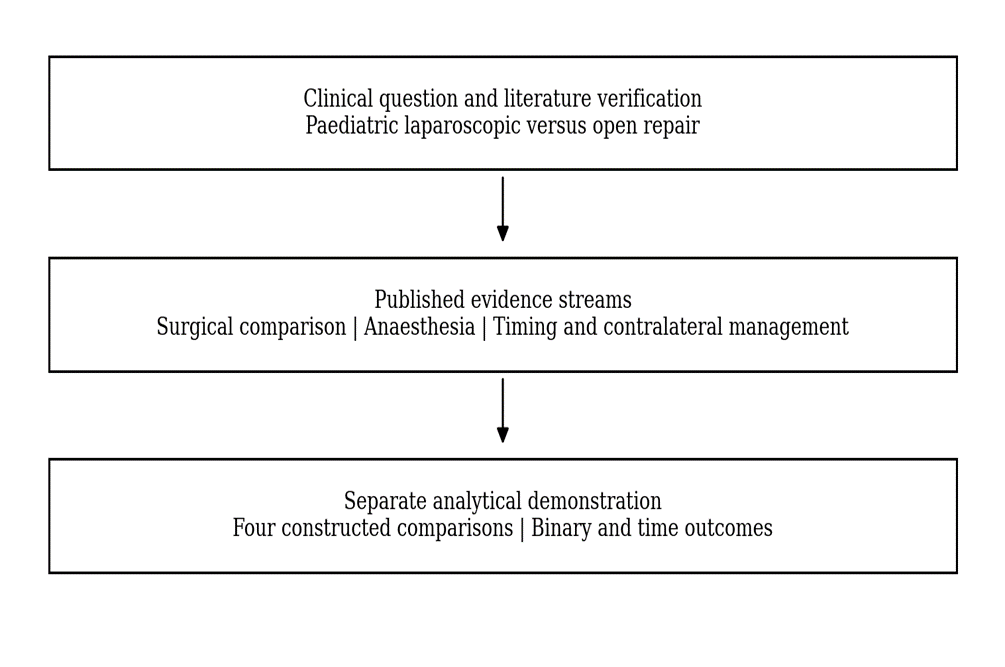
Figure 1: Evidence streams and analytical framework
Table 1: Model inputs for event and anaesthesia counts
|
Unit |
n per arm |
Unilateral per arm |
Recurrence |
Infection |
MCIH |
Hydrocele |
General anaesthesia |
|
A |
180 |
140 |
2/2 |
1/2 |
1/5 |
3/2 |
180/172 |
|
B |
220 |
160 |
3/2 |
2/3 |
2/7 |
4/3 |
220/214 |
|
C |
140 |
100 |
2/2 |
1/2 |
1/4 |
3/2 |
140/134 |
|
D |
160 |
120 |
2/2 |
1/3 |
2/6 |
3/2 |
160/155 |
Entries are laparoscopic/open event counts. MCIH: metachronous contralateral inguinal hernia, using initially unilateral denominators. Bilateral denominators equal total minus unilateral counts.
Table 2: Modelled pooled estimates and sensitivity intervals
|
Outcome |
Measure |
Estimate (95% CI) |
Conservative 95% CI |
I² |
|
Recurrence |
RR |
1.12 (0.43 to 2.90) |
0.24 to 5.25 |
0.0% |
|
Wound infection |
RR |
0.51 (0.17 to 1.49) |
0.09 to 2.91 |
0.0% |
|
Metachronous hernia |
RR |
0.28 (0.11 to 0.68) |
0.06 to 1.18 |
0.0% |
|
Hydrocele |
RR |
1.44 (0.62 to 3.36) |
0.37 to 5.68 |
0.0% |
|
Unilateral operative time |
MD, min |
-0.62 (-2.31 to 1.07) |
-3.37 to 2.13 |
67.9% |
|
Bilateral operative time |
MD, min |
-7.51 (-9.58 to -5.44) |
-10.87 to -4.15 |
0.0% |
|
Anaesthesia time |
MD, min |
2.25 (1.09 to 3.42) |
0.36 to 4.15 |
0.0% |
RR below 1 and a negative MD indicate fewer events or shorter time with laparoscopy. The conservative interval uses modified Hartung-Knapp estimation.
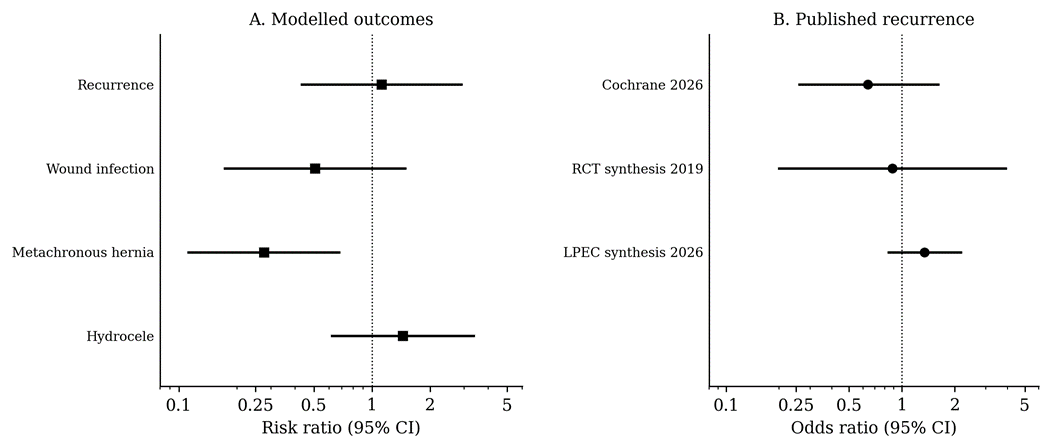
Figure 2: Modelled outcomes and separately labelled published recurrence estimates
Panel B shows published odds ratios from references 2 to 4. These estimates can share primary studies. They are not combined with one another or with the modelled risk ratios.
Table 3: Published evidence by clinical question
|
Source |
Question |
Published result |
Interpretation |
|
Cochrane 2026 [2] |
Repair and recurrence |
OR 0.64 (95% CI 0.26 to 1.61) |
Low certainty |
|
RCT synthesis [3] |
Bilateral operating time |
MD −7.19 minutes (95% CI −10.04 to −4.34) |
Operative time only |
|
LPEC synthesis [4] |
Time by laterality |
Unilateral +3.11 min; bilateral −6.21 min |
Mixed study designs |
|
Lahore comparison [5] |
Ipsilateral recurrence |
1/148 laparoscopic; 4/148 open |
Six-month surveillance |
|
GAS trial [6] |
Apnoea within 12 h |
3% regional; 4% general |
Anaesthetic contrast |
|
HIP trial [8] |
Serious adverse events |
44/159 early; 27/149 late |
Timing in preterm infants |
|
HERNIIA trial [9] |
Reoperation at one year |
4/204 with exploration; 12/198 without |
Open repair strategies |
DISCUSSION:
Ipsilateral recurrence was uncommon and too imprecisely estimated to favour a repair. Bilateral laparoscopic repair was faster in the constructed comparisons while unilateral operative time varied. The modelled duration of anaesthesia did not follow the same direction as bilateral operative time. This distinction matters in operating-room planning because induction, airway management, preparation and emergence are outside the incision-to-closure interval. None of these model results can validate a technique or a local pathway.
The national comparison from Lahore reported mean operative times of 24.79 and 28.71 minutes for laparoscopic percutaneous closure and open repair, respectively [5]. Its shorter laparoscopic time may reflect technique, operator experience or patient mix. The observed difference should not be transferred to all unilateral repairs. International data from a 2024 review likewise underline differences in outcome definitions and follow-up across studies [14]. Comparative evidence should be interpreted according to the actual procedure and laterality rather than treating the labels laparoscopic and open as uniform interventions.
Recurrence warrants longer surveillance than most early postoperative events. A short series can appear favourable if failures present later or return to another service. Time to recurrence and reoperation should be reported separately. Reoperation depends partly on access, referral patterns and the threshold for repeat intervention. A large registry or multicentre audit may capture uncommon late events more effectively than a small trial but also needs adjustment for differences in case selection. Recent evidence on age and operator experience provides useful context for those comparisons [15,16].
Contralateral inspection can reveal an asymptomatic opening during laparoscopy. Clinical contralateral hernia is a different endpoint. Closing all observed openings could reduce a later operation but would also expose children whose openings would never become symptomatic to an additional intervention. In HERNIIA, reoperation occurred in 4/204 infants after contralateral exploration versus 12/198 after unilateral repair alone; six control-group reoperations were attributed to metachronous hernia [9]. This was a comparison of open strategies. It supports quantifying repeat surgery and the burden of additional exploration separately. Family preferences and practical access to follow-up are relevant to counselling [17].
The bilateral operative-time result is plausible because laparoscopy permits access to both internal rings from the same setup. A second groin incision is usually required for bilateral open repair. Conversely, port placement, equipment checks and intracorporeal suturing can offset the time saved in unilateral cases. Comparisons among laparoscopic methods also suggest that operative performance should be documented at the level of the specific technique [18,19]. The choice of approach should not rest on an average time difference without considering operative reliability, supervision, conversion and recovery resources.
General anaesthesia use is not synonymous with anaesthetic risk. Open repair under general anaesthesia and open repair under awake regional anaesthesia represent distinct exposures. Regional analgesia under general anaesthesia is also different from awake regional anaesthesia. A block may improve postoperative comfort without eliminating the general anaesthetic. The GAS evidence showed that awake regional anaesthesia did not remove all postoperative apnoea and that some attempted blocks required general anaesthesia [6,20]. An audit should therefore record the intended technique, block failure, conversion, airway device and recovery events. A crude comparison by operation can conceal those pathways.
Postoperative analgesic requirements cannot be inferred from incision size. Block technique, local infiltration, baseline analgesia, assessment timing and the pain scale can all change results. Studies of regional blocks in children undergoing hernia repair provide information about pain management choices [21,22]. These comparisons do not establish an analgesic advantage attributable solely to the surgical approach. Future studies should capture age-appropriate pain scores and rescue analgesia alongside adverse effects and recovery milestones. Comparable measurement periods are needed before combining pain data across centres.
Prematurity affects both surgical timing and respiratory surveillance. The HIP trial’s serious adverse event comparison was 44/159 for the early strategy and 27/149 for the later strategy among infants with complete data [8]. These findings arose from a specific neonatal population and cannot settle decisions in irreducible hernia or acute deterioration. Postmenstrual age, prior respiratory support, concurrent illness and reliable access to urgent care all affect applicability. Evidence on perioperative respiratory events after repair should be interpreted within the age and risk strata actually studied [23].
Wound infection and hydrocele illustrate why postoperative complications should remain disaggregated. A transient swelling may be detected at routine follow-up and resolve without intervention. A persistent hydrocele requiring another operation has a different clinical impact. Testicular atrophy and ascent need defined ascertainment and adequate follow-up. A low short-term event count cannot exclude a later complication. Evidence on incarcerated hernia should also remain separate because emergency presentation, tissue oedema and difficulty of reduction alter both the operation and postoperative risk [24].
For tertiary services in Karachi and Lahore, an audit could record gestational age, urgency, laterality, operator grade, closure method, intended anaesthesia and actual anaesthesia. Theatre utilisation should be measured as total room time rather than operative duration alone. Recovery time, unexpected admission and transfers are useful for planning services. Recurrence and contralateral hernia should be checked at a defined follow-up point with attention to children who miss scheduled visits. Training studies and technical audits are useful for selecting process measures but cannot replace controlled clinical comparisons [25,26].
Future research should predefine clinically meaningful margins for recurrence and serious complications before comparing procedures. Stratification by laterality, premature birth, emergency presentation and closure method would help distinguish differences in the population from differences in technique. Studies comparing anaesthesia should capture total exposure and conversion without attributing all respiratory events to the repair. Registry linkage may improve detection of reoperations outside the original hospital. Separate reports on suture choice and recurrent failure mechanisms illustrate why standardising technical descriptions is necessary [27,28].
A prospective comparison should define who chooses the surgical and anaesthetic approach. Case selection can otherwise confound an apparent advantage. A unit may preferentially assign children with bilateral disease to laparoscopy and younger or less stable infants to open repair. The resulting difference in operative or recovery time would reflect both case mix and treatment. A recent randomized airway-device comparison within laparoscopic repair illustrates a design that can isolate an anaesthetic question [29]. A multicentre analysis of surgeon technique preference likewise highlights the need to record the operator’s experience with the actual method [30]. These considerations should inform local data capture and the interpretation of any adjusted comparison.
Paediatric Urology Considerations
For paediatric urology, relevant outcomes include postoperative hydrocele, testicular ascent, testicular atrophy and injury to the vas deferens. These outcomes should be distinguished from ipsilateral recurrence. The synthesis of laparoscopic percutaneous extraperitoneal closure versus open repair reported less postoperative testicular ascent with percutaneous closure [4]. Its inclusion of observational comparisons limits causal interpretation. That finding cannot be assumed to apply to every laparoscopic technique.
A retrospective cohort of 8,897 children reported testicular atrophy at 5.1 per 10,000 person-years after inguinal hernia repair. Among children with atrophy, the median time to diagnosis was 2.4 years [31]. Baseline testicular position and size should be documented before repair so later findings can be interpreted. Follow-up reports should distinguish transient postoperative swelling from persistent hydrocele and report testicular ascent and atrophy separately. Hydrocele was included in the model. The other urological outcomes were assessed narratively.
The absolute scale provides a useful check on interpretation. In the model, ipsilateral recurrence differed by only 0.14 percentage points before rounding of individual arm rates. The precision of that difference depended on 17 events rather than on the total denominator alone. For the contralateral endpoint, the unadjusted absolute difference was 3.08 percentage points in the initially unilateral group. It would be misleading to treat that value as the expected local benefit of inspecting or closing the opposite side. Both the underlying risk of symptomatic hernia and the policy for incidental contralateral patency would need to be specified in a real comparison.
A useful hospital report should describe what happens when an intended day case becomes an admission. A child may stay because of pain, vomiting, desaturation, travel distance or lack of a responsible caregiver at home. Combining these reasons into one discharge outcome can obscure whether a difference reflects anaesthesia, surgery or service constraints. A minimum reporting set should include eligibility for day surgery and reason for unexpected admission. Families should receive an explanation of the specific outcome that matters to them, including the chance of another operation and the practical implications of follow-up.
This work has limitations. Its pooled estimates arise from constructed inputs and do not constitute an empirical systematic review. The literature synthesis is selective and does not duplicate the Cochrane search or trial-level certainty assessment. They do not estimate risk in newborns or preterm infants. Rare events remain imprecise even when the total denominator appears large. Published comparisons include overlapping trials and differing procedures. The hospital describe relevance and cannot establish local performance. A registered review and audited trial-level extraction would be needed to produce updated empirical pooled estimates.
CONCLUSION:
Published evidence does not establish one superior operation for all children with inguinal hernia. Laparoscopy may offer shorter bilateral operative time. Recurrence and important postoperative complications remain too uncertain for broad claims of superiority. Anaesthetic strategy and timing in premature infants should be evaluated independently of the repair approach. The analytical scenarios demonstrate how effect estimates can change with endpoint selection and interval method. Tertiary services in Sindh and Punjab can use the proposed outcome definitions to support counselling, audit and future comparative research. Future comparisons should report testicular ascent, testicular atrophy and vas deferens injury as distinct outcomes.
REFERENCES:
1. Morini F, Dreuning KMA, Janssen Lok MJH, Wester T, Derikx JPM, Friedmacher F, et al. Surgical Management of Pediatric Inguinal Hernia: A Systematic Review and Guideline from the European Pediatric Surgeons' Association Evidence and Guideline Committee. Eur J Pediatr Surg 2022;32(3):219-232. doi: https://doi.org/10.1055/s-0040-1721420. PMID: 33567466. Available from: https://pubmed.ncbi.nlm.nih.gov/33567466/
2. Muff JL, Lunger F, Probyn K, Cogo E, Holland-Cunz S, Vuille-Dit-Bille RN. Laparoscopic versus open repair for paediatric inguinal hernia. Cochrane Database Syst Rev 2026;2(2):CD015470. doi: https://doi.org/10.1002/14651858.CD015470.pub2. PMID: 41757592. Available from: https://pubmed.ncbi.nlm.nih.gov/41757592/
3. Dreuning K, Maat S, Twisk J, van Heurn E, Derikx J. Laparoscopic versus open pediatric inguinal hernia repair: state-of-the-art comparison and future perspectives from a meta-analysis. Surg Endosc 2019;33(10):3177-3191. doi: https://doi.org/10.1007/s00464-019-06960-2. PMID: 31317333. Available from: https://pubmed.ncbi.nlm.nih.gov/31317333/
4. Yamoto M, Takahashi T, Morotomi Y, Nagae I, Takehara H. Laparoscopic percutaneous extraperitoneal closure versus open repair in pediatric inguinal hernia: a systematic review and meta-analysis of comparative outcomes. Hernia 2026;30(1):52. doi: https://doi.org/10.1007/s10029-025-03561-y. PMID: 41493600. Available from: https://pubmed.ncbi.nlm.nih.gov/41493600/
5. Ahmed A, Hashim I, Mehmood F, Haider N, Chattha AA, Ayub A. Outcome Of Laparoscopic Percutaneous Extra Peritoneal Closure Versus Open Repair For Paediatric Inguinal Hernia. J Ayub Med Coll Abbottabad 2022;34(3):403-406. doi: https://doi.org/10.55519/JAMC-03-10505. PMID: 36377145. Available from: https://pubmed.ncbi.nlm.nih.gov/36377145/
6. Davidson AJ, Morton NS, Arnup SJ, de Graaff JC, Disma N, Withington DE, et al. Apnea after Awake Regional and General Anesthesia in Infants: The General Anesthesia Compared to Spinal Anesthesia Study--Comparing Apnea and Neurodevelopmental Outcomes, a Randomized Controlled Trial. Anesthesiology 2015;123(1):38-54. doi: https://doi.org/10.1097/ALN.0000000000000709. PMID: 26001033. Available from: https://pubmed.ncbi.nlm.nih.gov/26001033/
7. McCann ME, de Graaff JC, Dorris L, Disma N, Withington D, Bell G, et al. Neurodevelopmental outcome at 5 years of age after general anaesthesia or awake-regional anaesthesia in infancy (GAS): an international, multicentre, randomised, controlled equivalence trial. Lancet 2019;393(10172):664-677. doi: https://doi.org/10.1016/S0140-6736(18)32485-1. PMID: 30782342. Available from: https://pubmed.ncbi.nlm.nih.gov/30782342/
8. HIP Trial Investigators, Blakely ML, Krzyzaniak A, Dassinger MS, Pedroza C, Weitkamp JH, et al. Effect of Early vs Late Inguinal Hernia Repair on Serious Adverse Event Rates in Preterm Infants: A Randomized Clinical Trial. JAMA 2024;331(12):1035-1044. doi: https://doi.org/10.1001/jama.2024.2302. PMID: 38530261. Available from: https://pubmed.ncbi.nlm.nih.gov/38530261/
9. Maat SC, Dreuning KMA, Anema HR, van Baren R, Been JV, Bender M, et al. Contralateral exploration during open inguinal hernia repair in infants aged 0-6 months to prevent recurrent hernia surgery: a multicenter randomized controlled trial (HERNIIA trial). Int J Surg 2026;112(2):3661-3668. doi: https://doi.org/10.1097/JS9.0000000000003863. PMID: 41342647. Available from: https://pubmed.ncbi.nlm.nih.gov/41342647/
10. Aga Khan University Hospital. Section of Paediatric Surgery. Karachi: AKUH. Available from: https://hospitals.aku.edu/pakistan/others/departments/department-of-surgery/section-of-paediatric-surgery
11. University of Child Health Sciences, The Children’s Hospital Lahore. Paediatric Surgery Unit I. Available from: https://chich.edu.pk/paediatric-surgery
12. Page MJ, McKenzie JE, Bossuyt PM, Boutron I, Hoffmann TC, Mulrow CD, et al. The PRISMA 2020 statement: an updated guideline for reporting systematic reviews. BMJ 2021;372:n71. doi: https://doi.org/10.1136/bmj.n71. PMID: 33782057. Available from: https://pubmed.ncbi.nlm.nih.gov/33782057/
13. Sterne JAC, Savović J, Page MJ, Elbers RG, Blencowe NS, Boutron I, et al. RoB 2: a revised tool for assessing risk of bias in randomised trials. BMJ 2019;366:l4898. doi: https://doi.org/10.1136/bmj.l4898. PMID: 31462531. Available from: https://pubmed.ncbi.nlm.nih.gov/31462531/
14. Almeida DS, Medina LHA, Miranda NC, Almeida TS, Mattos LF, Marchi ME, et al. Laparoscopy Versus Open Technique for Inguinal Hernia Repair in Children: A Systematic Review and Meta-Analysis. Cureus 2024;16(12):e74992. doi: https://doi.org/10.7759/cureus.74992. PMID: 39749058. Available from: https://pubmed.ncbi.nlm.nih.gov/39749058/
15. Yu B, Liu S, Song Z. Age-stratified outcomes after laparoscopic inguinal hernia repair in children: A large single-center cohort study. J Pediatr Surg 2026;61(7):163144. doi: https://doi.org/10.1016/j.jpedsurg.2026.163144. PMID: 41997495. Available from: https://pubmed.ncbi.nlm.nih.gov/41997495/
16. Heller K, Ochoa BV, Brierley SF, Padilla BE, Pediatric Inguinal Hernia Collaborative Group, Alhajjat A, et al. Surgeon annual volume impacts recurrence rates of pediatric inguinal hernia repairs: A multi-institutional study. J Pediatr Surg 2026;61(8):162890. doi: https://doi.org/10.1016/j.jpedsurg.2025.162890. PMID: 41475507. Available from: https://pubmed.ncbi.nlm.nih.gov/41475507/
17. Dreuning KMA, Van Nassau F, Anema JR, Van Heurn LWE, Derikx JPM. Implementing Contralateral Surgical Exploration during Hernia Repair in Children with Unilateral Inguinal Hernia: A Dutch Qualitative Study. Children (Basel) 2023;10(10). doi: https://doi.org/10.3390/children10101631. PMID: 37892293. Available from: https://pubmed.ncbi.nlm.nih.gov/37892293/
18. Taha M, Alsayed ZB, Almuhalbidi AA, Alamri SS, Alhafezi LA, Hetaimish MK, et al. Comparative Effectiveness of Pediatric Laparoscopic and Laparoscopically Assisted Inguinal Hernia Repairs: A Systematic Review and Meta-Analysis of Randomized Controlled Trials. Cureus 2025;17(12):e100406. doi: https://doi.org/10.7759/cureus.100406. PMID: 41625904. Available from: https://pubmed.ncbi.nlm.nih.gov/41625904/
19. Eurlings R, de Vreeze LE, Cakir H, Nordkamp S, Dirix M, Theeuws OPF, et al. Pediatric Inguinal Hernia Repair with Laparoscopy (PIHRL)-trial: A multicenter study comparing extra-corporeal Percutaneous Internal Ring Suturing (PIRS) and intra-corporeal purse-string suture for inguinal hernia. J Pediatr Surg 2026;61(2):162810. doi: https://doi.org/10.1016/j.jpedsurg.2025.162810. PMID: 41241138. Available from: https://pubmed.ncbi.nlm.nih.gov/41241138/
20. Frawley G, Bell G, Disma N, Withington DE, de Graaff JC, Morton NS, et al. Predictors of Failure of Awake Regional Anesthesia for Neonatal Hernia Repair: Data from the General Anesthesia Compared to Spinal Anesthesia Study--Comparing Apnea and Neurodevelopmental Outcomes. Anesthesiology 2015;123(1):55-65. doi: https://doi.org/10.1097/ALN.0000000000000708. PMID: 26001028. Available from: https://pubmed.ncbi.nlm.nih.gov/26001028/
21. Kaçmaz M, Yandım Ö. Comparıson of analgesıc effectıveness of ultrasound-guıded caudal epıdural block and transversus abdomınıs plane block ın chıldren undergoıng unılateral ınguınal hernıa repaır: randomized controlled study. Hernia 2026;30(1). doi: https://doi.org/10.1007/s10029-026-03633-7. PMID: 41838259. Available from: https://pubmed.ncbi.nlm.nih.gov/41838259/
22. Chen A, Hao R, Wang C, Gu C, Xu X. Impact of Ultrasound-Guided Rectus Abdominis Sheath Block on Analgesia and Agitation During the Awakening Period in Children Undergoing Single-Incision Laparoscopic Inguinal Hernia Repair: A Randomized Clinical Trial. J Pain Res 2025;18:5919-5929. doi: https://doi.org/10.2147/JPR.S533287. PMID: 41229896. Available from: https://pubmed.ncbi.nlm.nih.gov/41229896/
23. Park S, Chae D, Byon HJ, Kim MS, Lee J. Prediction of postoperative desaturation and bradycardia in neonates undergoing laparoscopic inguinal hernia repair: a retrospective cohort study. Anesth Pain Med (Seoul) 2026;. doi: https://doi.org/10.17085/apm.25395. PMID: 42130049. Available from: https://pubmed.ncbi.nlm.nih.gov/42130049/
24. Huang H, Wu H, Hou L, Feng S. Open versus laparoscopic repair in pediatric incarcerated inguinal hernia: a systematic review and meta-analysis. Hernia 2026;30(1). doi: https://doi.org/10.1007/s10029-026-03714-7. PMID: 42118158. Available from: https://pubmed.ncbi.nlm.nih.gov/42118158/
25. Yoshimura S, Tsuji E, Hattori K, Tsugawa J. Clinical Outcomes and Learning Curve of Trainee-Performed Laparoscopic Percutaneous Extraperitoneal Closure for Pediatric Inguinal Hernia. J Laparoendosc Adv Surg Tech A 2026;36(4):329-333. doi: https://doi.org/10.1177/10926429261427694. PMID: 41804932. Available from: https://pubmed.ncbi.nlm.nih.gov/41804932/
26. Bahadir K, Gerus S, Sozduyar S, Ates U, Gollu G, Kologlu M, et al. Rare findings of indirect inguinal hernia repair during laparoscopic PIRS technique in children: a two-center audit. Front Pediatr 2026;14:1742114. doi: https://doi.org/10.3389/fped.2026.1742114. PMID: 41809522. Available from: https://pubmed.ncbi.nlm.nih.gov/41809522/
27. Shi M, Wu D, Miao X, Ye H. Absorbable versus non-absorbable suture in percutaneous laparoscopic inguinal hernia repair in children: a systematic review and meta-analysis. Pediatr Surg Int 2026;42(1). doi: https://doi.org/10.1007/s00383-026-06563-8. PMID: 42545513. Available from: https://pubmed.ncbi.nlm.nih.gov/42545513/
28. Sumida W, Ono Y, Mouri J, Utsunomiya A. Mechanisms of recurrence after laparoscopic percutaneous extraperitoneal closure for pediatric inguinal hernia: a single-center video review study. Pediatr Surg Int 2026;42(1). doi: https://doi.org/10.1007/s00383-026-06515-2. PMID: 42347881. Available from: https://pubmed.ncbi.nlm.nih.gov/42347881/
29. Weisberg EL, Pieters BJ, Elman MS, Nonnemacher CJ, Noel-MacDonnell J, Oyetunji TA. The Use of Laryngeal Mask Airway Versus Endotracheal Intubation in Pediatric Laparoscopic Inguinal Hernia Repair: A Randomized Controlled Trial. J Pediatr Surg 2025;60(8):162367. doi: https://doi.org/10.1016/j.jpedsurg.2025.162367. PMID: 40381798. Available from: https://pubmed.ncbi.nlm.nih.gov/40381798/
30. Heller K, Ochoa BV, Brierley SF, Padilla BE, Pediatric Inguinal Hernia Collaborative Group. Effect of a Pediatric Surgeon's Primarily Performed Technique on Inguinal Hernia Recurrence Rates: A Multicenter Retrospective Cohort Study. J Pediatr Surg 2025;60(12):162688. doi: https://doi.org/10.1016/j.jpedsurg.2025.162688. PMID: 40975166. Available from: https://pubmed.ncbi.nlm.nih.gov/40975166/
31. Sonderman KA, Wolf LL, Armstrong LB, Taylor K, Jiang W, Weil BR, et al. Testicular atrophy following inguinal hernia repair in children. Pediatr Surg Int 2018;34(5):553-560. doi: https://doi.org/10.1007/s00383-018-4255-z. PMID: 29594470. Available from: https://pubmed.ncbi.nlm.nih.gov/29594470/.