Effects of Intraoperative Low Dose Ketamine Infusion in Abdominal Surgeries Under GA.
- Dr. Jayadevi , Assistant Professor, Department of Anaesthesia, Dhanalakshmi Srinivasan Medical College and Hospital, Siruvachur, Perambalur, Tamil Nadu, India.
- Dr. Ramiz Ifthikar Ahmed , Postgraduate in Anaesthesia, Department of Anaesthesia, Dhanalakshmi Srinivasan Medical College and Hospital, Siruvachur, Perambalur, Tamil Nadu, India.
- Dr. Reegana Doulath , Postgraduate in Anaesthesia, Department of Anaesthesia, Dhanalakshmi Srinivasan Medical College and Hospital, Siruvachur, Perambalur, Tamil Nadu, India.
Article Information:
Abstract:
Background: Optimizing intraoperative hemodynamic stability and enhancing postoperative analgesia are key goals in anaesthetic management for abdominal surgeries. Ketamine, a phencyclidine derivative, exhibits unique analgesic and sympathomimetic properties at sub-anaesthetic doses. This study evaluates the effects of intraoperative low-dose ketamine infusion on hemodynamic parameters and postoperative pain in patients undergoing abdominal surgeries under general anaesthesia. METHODOLOGY: A prospective, randomized controlled study was conducted on eighty adult patients scheduled for elective abdominal surgery under general anaesthesia. Participants were randomly assigned to two groups: the ketamine group received a low-dose ketamine infusion (0.3 mg/kg/h) intraoperatively following a bolus of 0.3 mg/kg after induction, while the control group received a placebo (normal saline). Hemodynamic parameters (heart rate, systolic and diastolic blood pressure, mean arterial pressure) were recorded at baseline, intraoperatively at regular intervals, and immediately postoperatively. Postoperative pain was assessed using the Visual Analog Scale (VAS) at 1, 6, 12, and 24 hours post-surgery. Total opioid consumption in the first 24 hours was also recorded. RESULTS: The ketamine group demonstrated significantly more stable intraoperative hemodynamic PROFILES with fewer episodes of hypotension and bradycardia (p<0.05). Postoperative VAS scores were significantly lower in the ketamine group at all-time intervals (p<0.01). Additionally, the total postoperative opioid requirement was reduced in the ketamine group compared to the control group (p <0.001). CONCLUSION: Intraoperative infusion of low-dose ketamine in patients undergoing abdominal surgeries under general anaesthesia contributes to improved hemodynamic stability and provides effective postoperative analgesia, significantly reducing the need for opioids. These findings support the incorporation of low-dose ketamine as part of multimodal analgesia strategies in abdominal surgery.
Keywords:
Article :
INTRODUCTION:
A wide range of procedures are commonly performed in the abdomen, including gastrectomy, esophageal, nephrectomy, colonic transposition, hemicolectomy, resection anastomosis and choledochojejunostomy even in this laparascopic era. The general health and ASA status of the patient prior to surgery, the type of surgery, the anesthetic procedures utilized, and problems connected to the surgery all have an impact on intraoperative hemodynamics during major abdominal surgeries. Due to the enormous incision size, substantial tissue dissection, and visceral manipulation, major abdominal surgery is associated with significant discomfort after the procedure as well as large fluid changes and blood loss during the procedure.
Acute pain following surgery sets off a complicated biochemical and physiological stress response that impairs immunologic, metabolic, and pulmonary function and adversely affects surgical outcome. Thus, maintaining stable hemodynamics during the procedure, managing fluids, and managing postoperative pain are the key anesthetic concerns during major abdominal surgery. Ketamine can aid in maintaining stable hemodynamics because of its special sympathomimetic properties. In addition to preventing the development of opioid-induced hyperalgesia and other opioid side effects such nausea, vomiting, drowsiness, respiratory depression, and purities, it has an opioid sparing effect, which lowers the need for opioids.
These days, multimodal analgesia therapy is advised. By lowering each pain medication’s dosage, we can minimize its negative effects in this treatment. Research indicates that ketamine has analgesic properties even at low doses, and that these effects continue longer than the period of anesthesia. At these dosages, ketamine’s psychomimetic side effects are rare.
The impact of low-dose ketamine infusion on hemodynamic measures has not been well studied. This study aims to assess the impact of intraoperative low-dose ketamine infusion on postoperative analgesia, intraoperative opioid needs, and hemodynamics.
Aim and Objectives
Aim
To evaluate the effect of low dose ketamine infusion during abdominal surgeries
Objective
Primary Objective
To assess an intra operative hemodynamic parameters and quality of postoperative analgesia and compare it with control group
Secondary Objectives
• To estimate the consumption of opioids within 12 hours postoperatively in both the groups
• To observe patient for occurrence of post-operative emergence reaction and other side effects
• To assess the requirement of injection Midazolam post operatively.
MATERIALS AND METHODS:
Study Design
A prospective observational study.
Study Population
Age group of 18-65 years.
Study Duration
1 year.
Study Period
August 2023 to August 2024.
Place of Study
Study is conducted in the Department of Anaesthesiology, Dhanalakshmi Srinivasan Medical College and Hospital.
Study Group
Thus, the sample size required for each group is 40 and the total sample size is 80.
Allocated into two groups.
Group K: Patients receiving ketamine.
Group C: Patients not receiving ketamine.
Study Population
Following ethics committee permission, the current study was carried out over a 12-month period on patients having abdominal surgery at Dhanalakshmi Srinivasan Medical College and Hospital.
Inclusion Criteria
• Patient posted for planned abdominal surgery under general anaesthesia.
• Age 18 – 65 years.
Exclusion Criteria
• Patient refusal.
• Patient with hypertension, IHD, increased ICP, thyrotoxicosis.
• Patient with psychiatric illness.
Methodology
After receiving institutional ethical committee approval and patient's written informed consent, study will be started.
Patients in age groups between 18 years and 65 years of either sex posted for planned abdominal surgeries will be selected according to inclusion criteria.
80 patients undergoing abdominal surgeries were randomized into two groups. Patients receiving ketamine (Group K, n=40) and patients not receiving ketamine will form the control group (Group C, n=40).
RESULTS:
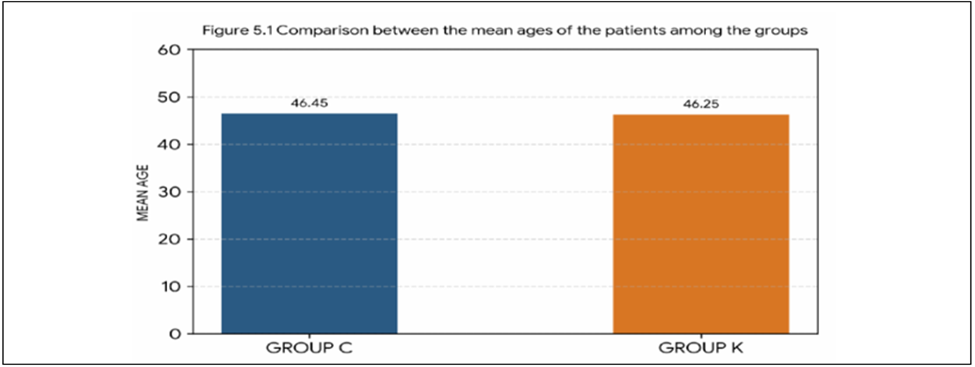
The mean ages of the patients among the groups were calculated and given in Table 5.1. In group C, the mean age of the patients was 46.45±6.27 years and group K was 46.25±7.42 years was observed. The p-value of the mean ages of the patients was 0.888 > 0.05 statistically not significant.

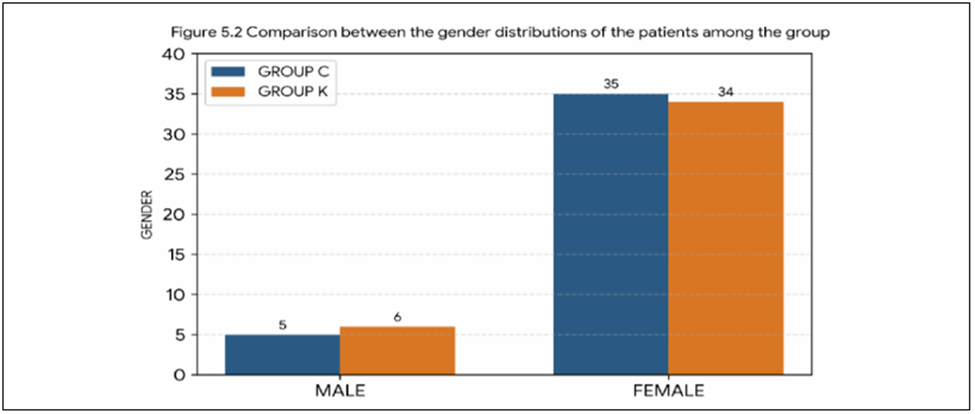
In gender distribution, the group C had 5 male patients, 35 female patients and group K was 6 male patients, 34 female patients were observed. The p-value of gender distribution was 0.315 >0.05 statistically not significant.

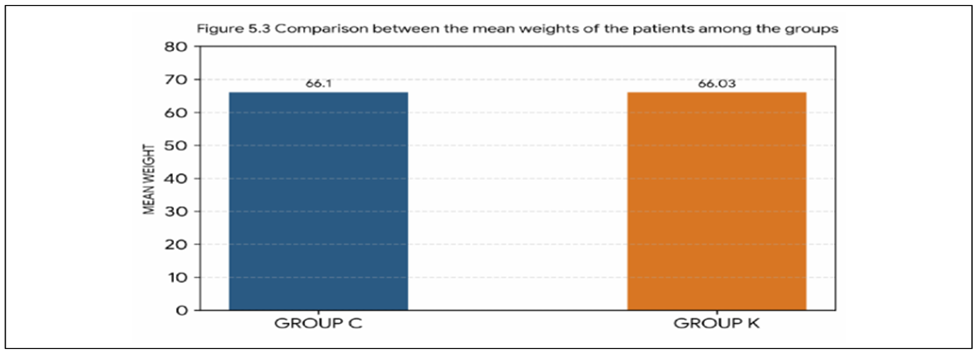
In mean weights of the patients, the group C was 66.1±3.74kg and group K was 66.03±3.73kg was observed. The p-value of mean weights of the patients was 0.916 > 0.05 statistically not significant.

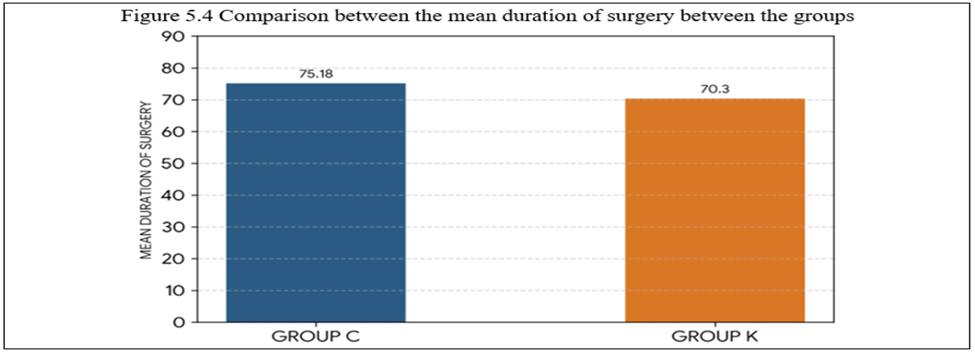
In mean duration of surgery, the group C patients were 75.18±3.348 minutes and a group K patient was 70.3±5.73 minutes was observed. The lowest mean duration surgery was observed in group K. The p-value of mean duration of surgery of the patients was 0.598 > 0.05 statistically not significant.

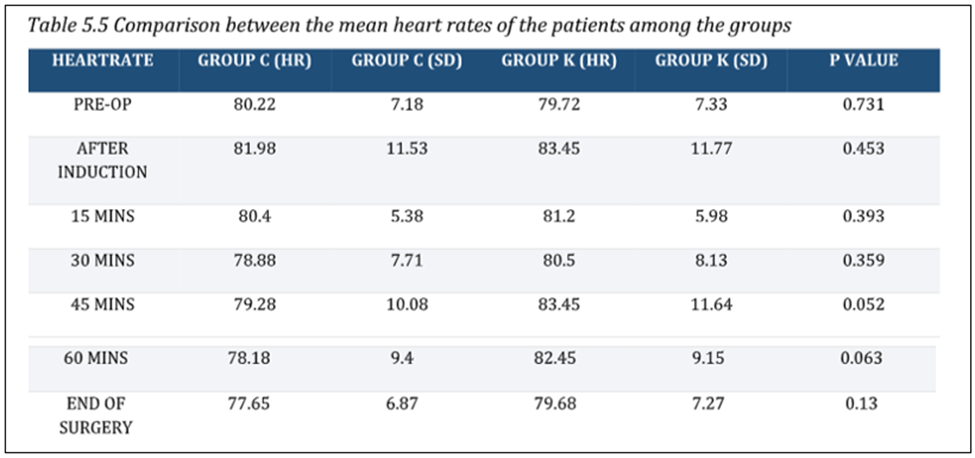
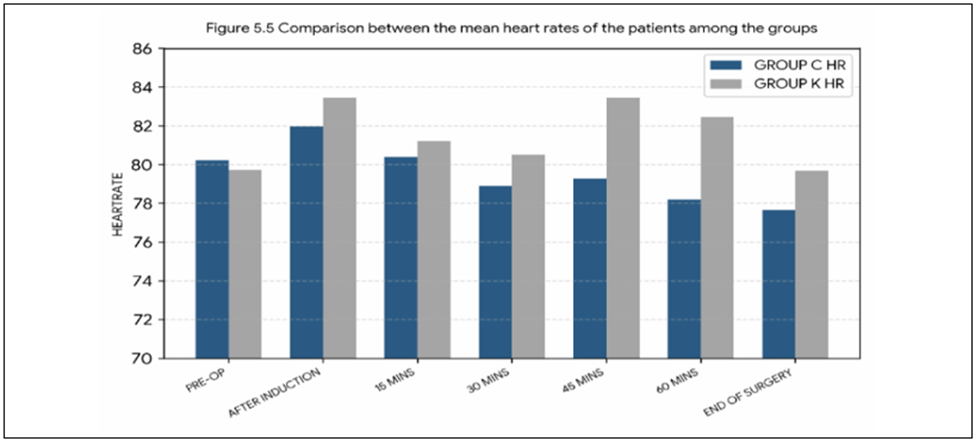
The mean heart rates of the patients among the groups were calculated from pre-op to end of surgery. Comparison between both groups, the significant changes was not observed. The p-value of mean heart rates was > 0.05 statistically not significant.
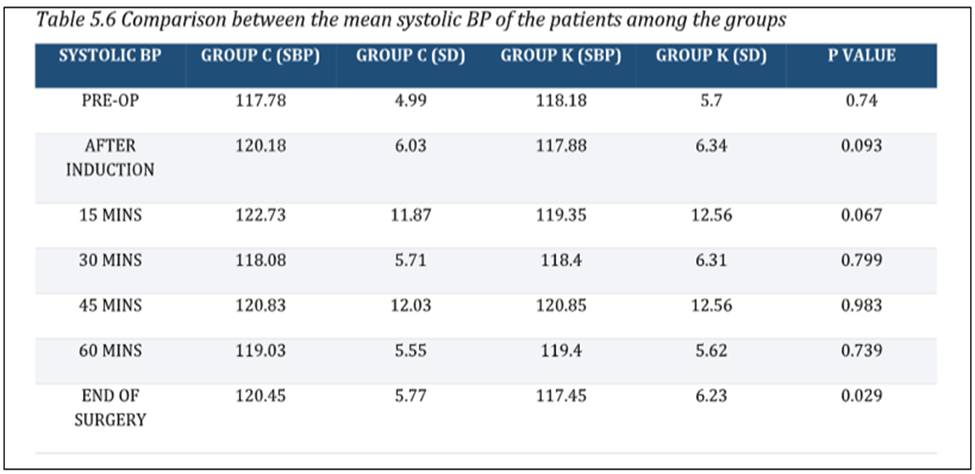
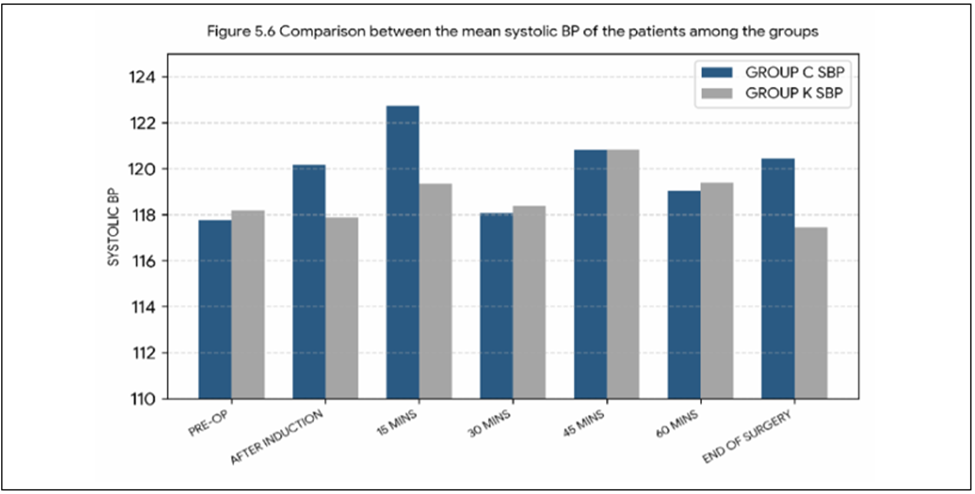
The mean systolic BP of the patients among the groups was calculated from pre-op to end of surgery. A slight variation was observed; the significant changes were not observed. The p-value of mean systolic BP was > 0.05 statistically not significant.
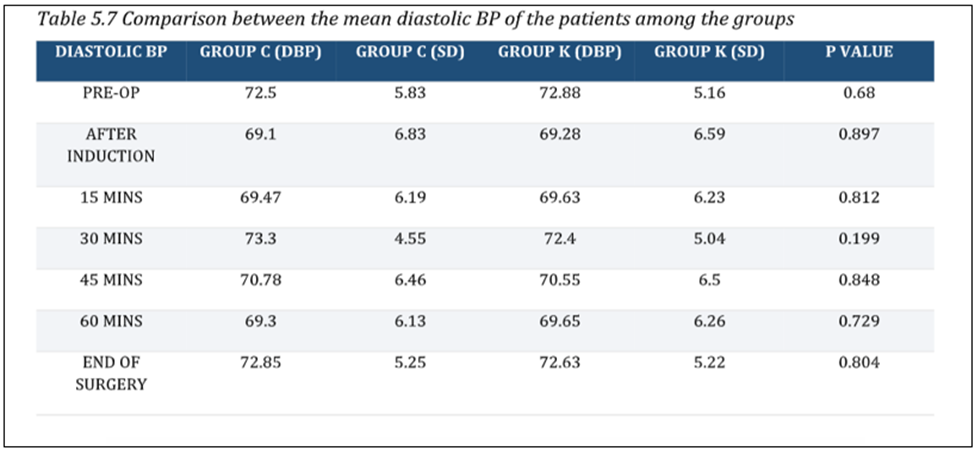
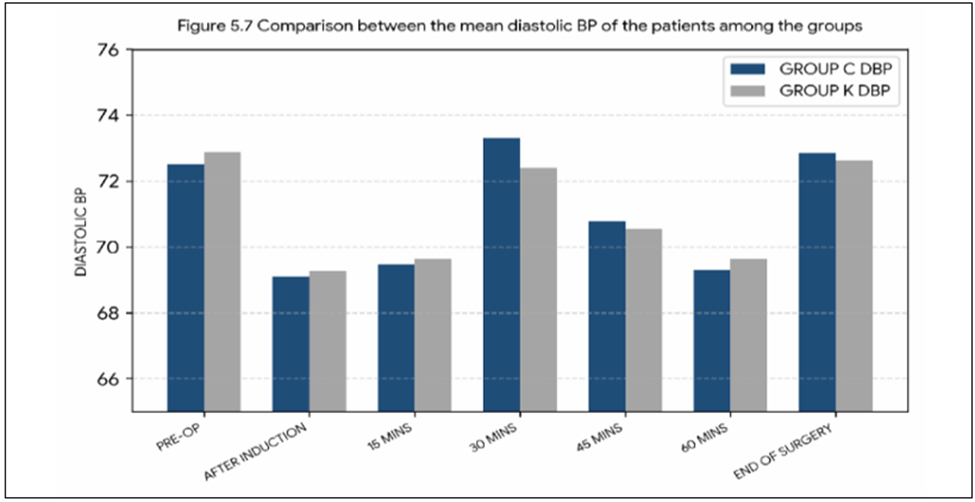
The mean diastolic BP of the patients among the groups was calculated from pre-op to end of surgery. Both groups received almost equal mean diastolic BP, the significant changes were not observed. The p-value of mean diastolic BP was >0.05 statistically not significant.
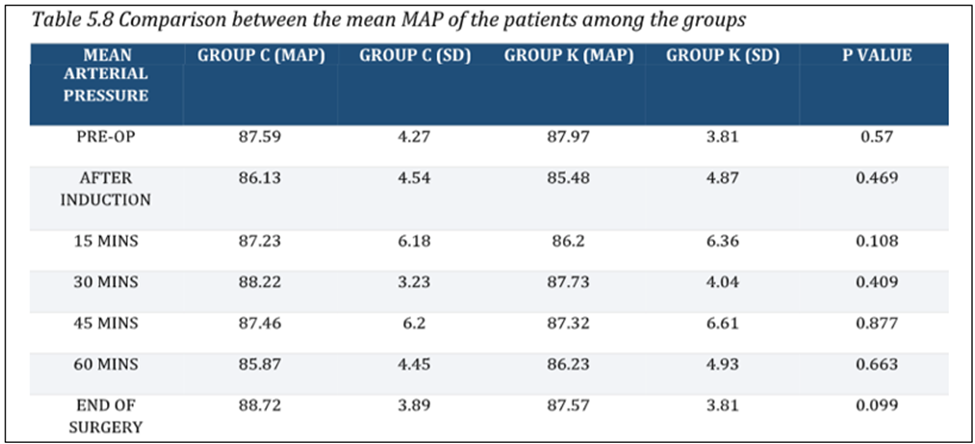
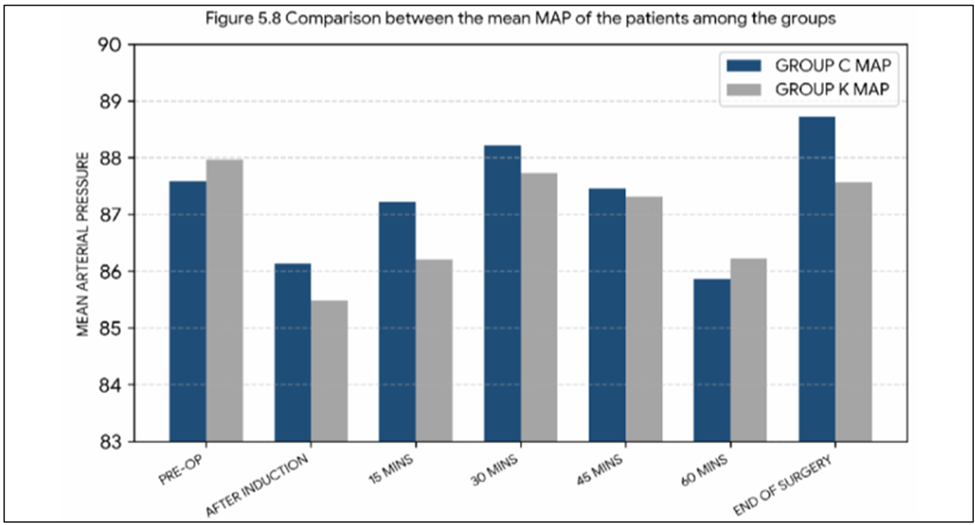
The mean MAP of the patients among the groups was calculated from pre-op to end of surgery. Both groups received almost equal mean MAP value, the significant changes were not observed. The p-value of mean MAP was > 0.05 statistically not significant.
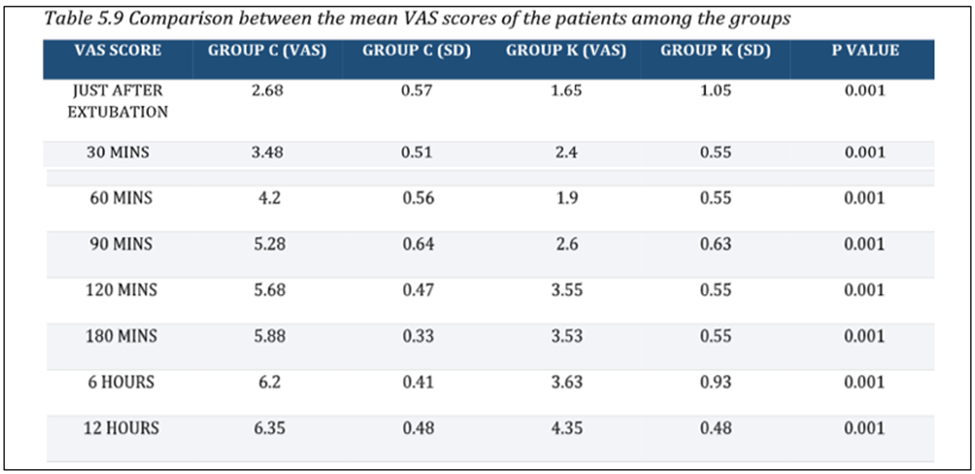
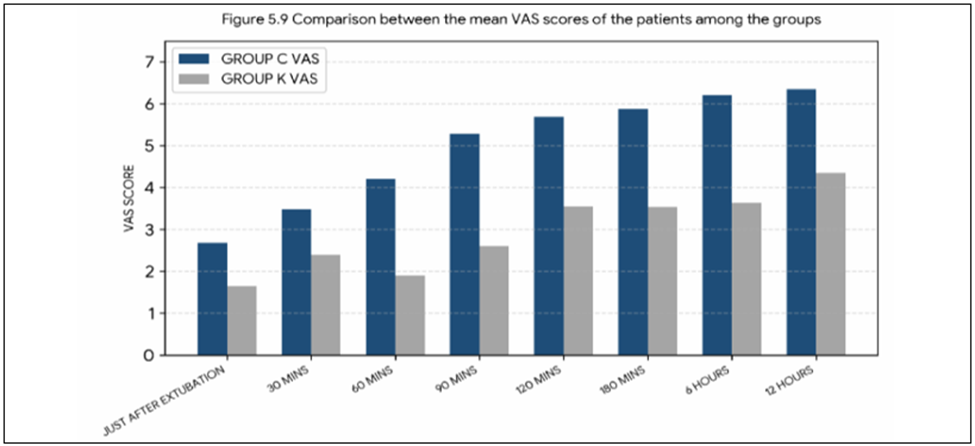
The mean VAS scores of the patients among the groups were calculated from just after extubation to next 12 hours. The lowest mean VAS scores were observed in group K. The p-value of mean VAS scores after extubation to next 12 hours was <0.05 statistically significant.
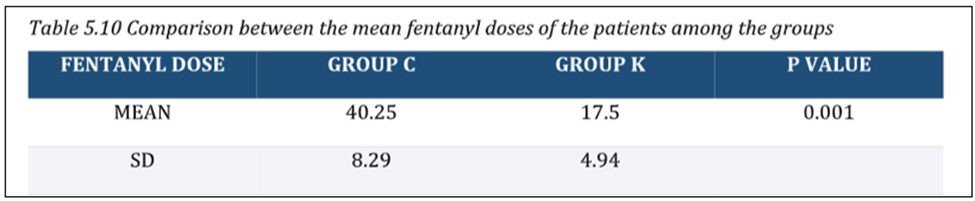
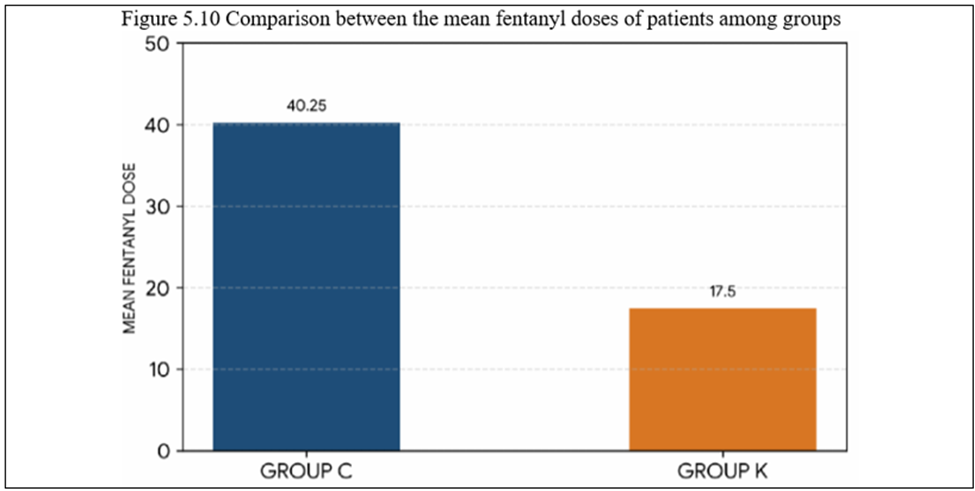
In fentanyl doses, the group C patients received 40.25±8.29 doses and group K patients received 17.5±4.94 doses were observed. The lowest doses were received in group K patients. The p-value of mean fentanyl doses of the patients was 0.001 <0.05 statistically significant.
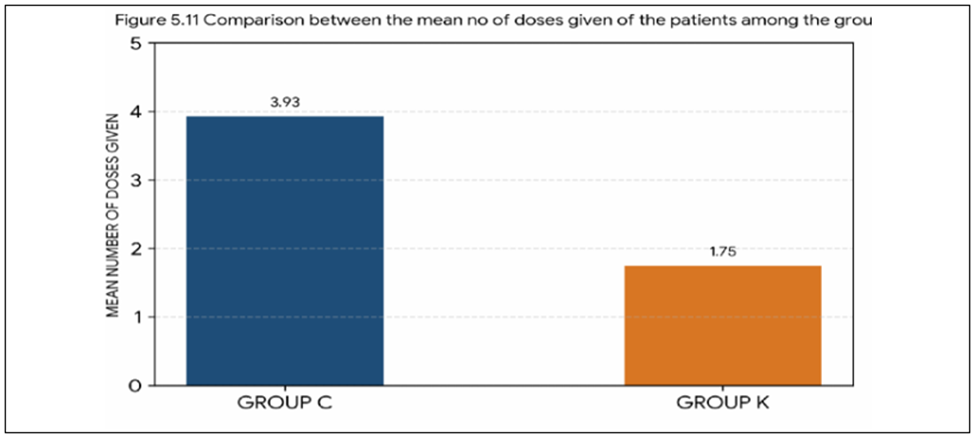
In group C patients given in 3.93±0.83 doses and group K patients given in 1.75±0.49 doses were observed. The lowest doses were given in group K patients. The p-value of mean no of doses given of the patients was 0.001 < 0.05 statistically significant.

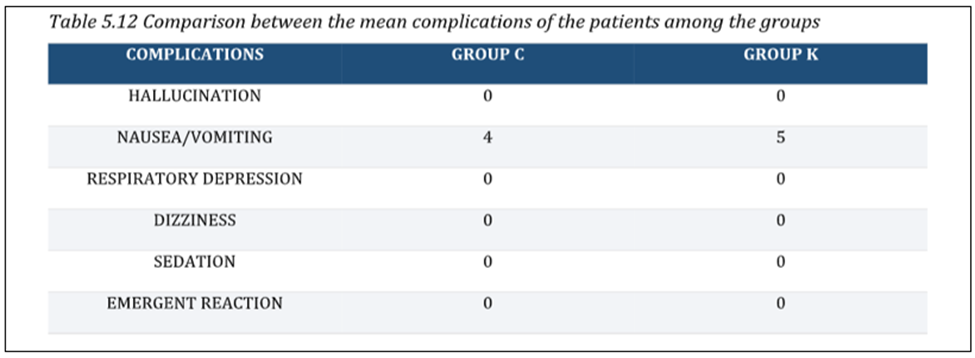
The complications of the patients among the groups were observed and tabulated in Table 5.12. 4 nausea and vomiting patients were observed in group C and 5 nausea and vomiting patients were observed in group K as shown in Figure 5.12.
DISCUSSION:
Ketamine in Anesthesia
Ketamine has been utilized in clinical settings since 1970. Numerous pharmacological effects, including sleepiness, catalepsy, somatic analgesia, bronchodilation, and sympathetic nervous system activation, are associated with this unique intravenous (IV) anaesthetic.[1] The availability of more recent drugs, ketamine’s unpleasant side effects, its reputation as a ‘vet medicine’ and its rising appeal as a drug with abuse potential might deter modern anaesthesiologists from utilizing it. However, ketamine has persisted over centuries because of its unique characteristics and newly identified medicinal advantages. It still has a wide range of clinical applications. In light of this, a thorough literature search was conducted utilizingthe Cochrane and PubMed electronic databases. Several popular anaesthesia publications and textbooks were reviewed.
A Short Overview of Ketamine Pharmacy
Basic Chemical Reactions
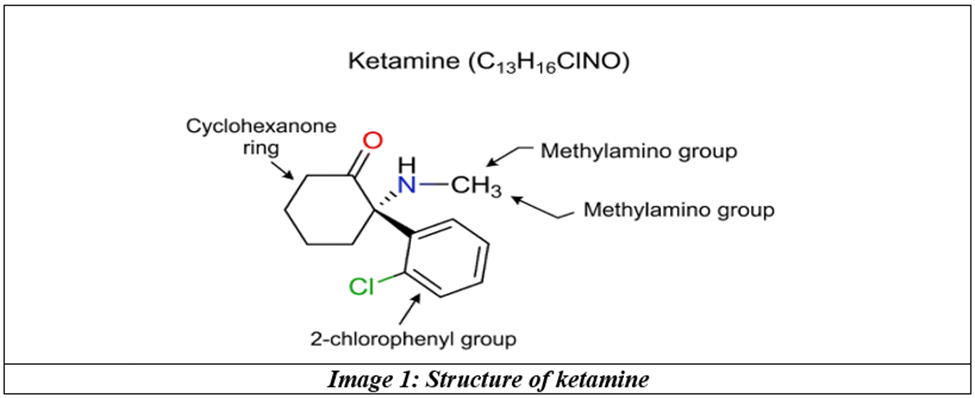
Ketamine is a derivative of phencyclidine that dissolves in water. The R(-) isomer and the S(+) isomer are the two enantiomers of the asymmetric carbon atom in the ketamine molecule.[2]
Pharmacokinetics
Ketamine’s high lipid solubility causes it to be rapidly broken down and redistributed to peripheral tissues. Through the ring hydroxylation and N-demethylation routes, it experiences substantial hepatic metabolism.[3] The anaesthetic potency of nor ketamine, the main metabolite, is between one-third and one-fifth that of ketamine. Ketamine is excreted in urine and feces as norketamine and its hydroxylated derivatives. It has a cumulative impact. A gradual resistance arises with repeated treatment.
Pharmacodynamics
Ketamine increases heart rate, blood pressure, and cardiac output by stimulating the cardiovascular system, mostly through the sympathetic nervous system.[4] With minimal impact on central respiratory drive, it promotes airway relaxation by acting on a range of receptors, inflammatory cascades, and bronchial smooth muscles. It increases salivation and muscle tone. It has cataleptic, dose-dependent anaesthetic, amnestic, and profound analgesic effects. The cataleptic state is characterized by an akinetic state without impairment of consciousness and the lack of orthostatic reflexes.[5] In a unique type of dissociative experience brought on by ketamine, the patient appears to be awake but is cut off from the outer world, their eyes remaining open.
Mechanism of Action
It mainly functions by attaching itself to the N-methyl D-aspartic acid (NMDA) receptor in a noncompetitive antagonistic manner. It interacts with opioid receptors, monoamines, cholinergic, purinergic, and adrenoreceptor systems in addition to its local anaesthetic actions.[6,7] Recently identified modes of action with more current therapeutic applications; ketamine’s interaction with NMDA receptors influences its opioid-induced anti hyperalgesic effects.[8]
Through NMDA receptor inhibition, ketamine subanesthetic dosages improve opioid analgesia. By preventing endotoxins from increasing NO synthase activity and protein expression, ketamine has a protective anti-inflammatory effect against the sepsis process.[9]
Ketamine produces its hypnotic effects by a combination of hyperpolarization-activated cation channels and immediate NMDA channel blockage. Its anti-inflammatory qualities may be the cause of its anti hyperalgesic effects. Its fast analgesic effects are primarily mediated by the combination of antinociception and opioid system sensitization.
In macrophages, ketamine inhibits the expression of the genes for tumor necrosis factor- alpha and interleukin-6. The proliferation of cancer cells is stopped by ketamine- induced NMDA receptor inhibition, which also inhibits the extracellular signal-regulated kinase ½ pathway and cell cycle arrest. Downstream ‘post drug’ effects, like an activity-induced increase in structural synaptic connection, are what give ketamine its long-lasting antidepressant effects.
Adverse Effects of Ketamine
Ketamine is most often associated with the following adverse medication reactions: disorientation, sleepiness, nausea, vomiting, dizziness, diplopia, and dysphoria. It has been found that the emergence phenomena occurs in 6–12% of patients. A list of common ketamine adverse drug reactions is provided below. Allergy responses include angioedema and anaphylaxis. Bradycardia, respiratory and cardiac arrest, arrhythmias, left ventricular dysfunction in heart failure patients, and transient increases in blood pressure are examples of cardiovascular conditions.[10,11] Gastrointestinal: anorexia, nausea, and vomiting. Muscular: Seizures-like tonic-clonic movements, rigidity, spasms, or increased skeletal muscular tone. Ophthalmologic: diplopia, nystagmus, and increased intraocular pressure.[12] Hallucinations, flashbacks, acute fear, excitement, irrational behavior, insomnia, amnesia, anxiety, bewilderment, sadness, disorientation, dysphoria, and dissociative disorder are examples of psychiatric symptoms. Laryngospasm, increased secretions from the trachea and larynx, respiratory depression, apnea, and airway blockage in neonates are examples of respiratory symptoms that may not be drug related. Skin: local pain, erythema, morbilliform rash, and sporadic reactions at the injection site.[13] Neurologic: confusion, emergence, delirium, seizures, and hallucinations.[14]
Hemodynamic Effects of Ketamine
Hemodynamic instability in patients during general anaesthesia induction is a serious clinical concern and a common occurrence associated with adverse clinical practice results. While anaesthesia is being produced, patients endure pain during procedures such as endotracheal intubation and laryngoscopy. This procedure is often associated with adverse hemodynamic changes, including tachycardia, hypertension, and arrhythmia.[15] Under general anaesthesia, hypotension and hypertension are independently associated with inferior outcomes in patients undergoing both abdominal and non-abdominal surgery.
Hemodynamicdisturbance during abdominal surgery is frequent and associated with unfavorable patient outcomes. A decrease in arterial blood pressure (ABP) below the lower limit of the vascular autoregulation curve might cause ischemia of vital organs.[16] Major adverse cardiovascular events (MACE) account for 15% of cases against surgeons and anaesthesiologists; 21% of these cases involve brain injury, and 64% of these cases involve mortality.[17]
Approximately 9% of patients experienced clinically severe hypotension within 0-10 minutes of anaesthetic induction, which is consistent with routine clinical practice and may lead to end organ damage and postoperative complications. Another study found that the incidence of intraoperative hemodynamic change ranges from 5% to 99%.[18] Around the world, 26.4% of people suffer with perioperative hypertension. In abdominal and other noncardiac surgeries, it is a stand-alone predictor of cardiac adverse events. Between the time anesthesia is induced and the start of operation, hypotension is common. A 40% decrease in MAP and an episode of MAP <50 mmHg during surgery are associated with cardiac events in high-risk individuals. Even short episodes of intraoperative MAP of less than 55 mmHg are associated with acute renal injury and myocardial damage during abdominal and other non-cardiac surgery.[19] Maintaining hemodynamic stability during anaesthesia induction and maintenance is an essential responsibility for anaesthesia clinicians.[20] Consequently, for gastrointestinal tract surgery, the ideal general anaesthetic medication would be one that enhances airway control and has minimal effects on heart rate (HR), blood pressure (BP), and cardiovascular instability . Since the invention of general anesthesia, no perfect induction drug has been found that offers a stable hemodynamic with fewer side effects.[21]
Opioid Consumption
The amount of opioids consumed after surgery is another important result that has been researched in relation to the intraoperative administration of ketamine. According to studies, using ketamine significantly lowers morphine use within the first 24 hours after surgery while causing few to no serious side effects.[22] This decrease in opioid use is consistent with the larger healthcare objective of reducing opioid use and represents better pain management and patient comfort. Furthermore, a decreased requirement for opioids may lessen opioid-related adverse effects, like ileus and respiratory depression after abdominal surgery, allowing patients to recover more quickly and safely.
CONCLUSION:
Administration of low-dose ketamine infusion during abdominal procedures under general anaesthesia associated with better intraoperative haemodynamic stability and significantly improved postoperative analgesia. It reduced the need for opioids, postponed the required for rescue analgesics, and improved overall patient comfort without significant adverse effects.
Consequently, intraoperative low-dose ketamine may be regarded as a secure and efficacious supplement for enhancing perioperative outcomes, particularly in patients susceptible to haemodynamic instability or those necessitating improved postoperative analgesia. Additional multicentric research that includes larger sample sizes may facilitate the establishment of standardised techniques for its optimal utilisation.
REFERENCES:
1. White PF, Elig MR. Intravenous anaesthetics. In: Barash PG, ed. Clinical anaesthesia. 6th edn. China: Lippincott Williams and Wilkins 2013:478-500.
2. Goel S, Agrawal A. Ketamine in status asthmaticus: a review. Indian J Crit Care 2013;1793:154-61.
3. Dundee JW, Wyant GM. Ketamine. In: Intravenous anaesthesia. New York: Churchill Livingstone 1988:135-59.
4. Kolawole IK. Ketamine hydrochloride: a useful but frequently misused drug. Niger J Surg Res 2001;3:118-25.
5. Annetta MG, Iemma D, Garisto C, et al. Ketamine: New indications for an old drug. Curr Drug Targets 2005;6:789-94.
6. Morris C, Perris A, Klein J, et al. Anaesthesia in hemodynamically compromised emergency patients: Does ketamine represent the best choice of induction agent? Anaesthesia 2009;64:532-9.
7. Jabre P, Combes X, Lapostolle F, et al. Etomidate versus ketamine for rapid sequence intubation in acutely ill patients: a multicentre randomised controlled trial. Lancet 2009;374:293-300.
8. Sih K, Campbell SG, Tallon JM, et al. Ketamine in adult emergency medicine: Controversies and recent advances. Ann Pharmacother 2011;45:1525-34.
9. Yoon SH. Concerns of the anesthesiologist: Anesthetic induction in severe sepsis or septic shock patients. Korean J Anesthesiol 2012;63:3-10.
10. Valadkhani S, Radmard F, Saeedi M, et al. Acute Angioedema in a Patient Who Received Ketamine and Succinylcholine: A Case Report. Chin Med J (Engl) 2016;129(18):2264.
11. Singh TSS, Elahi F, Cheney B. Ketamine-induced QTc interval prolongation. J Anaesthesiol Clin Pharmacol 2017;33(1):136-8.
12. Page RL, Bryant CL, Cheng D, et al. Drugs that may cause or exacerbate heart failure: a scientific statement from the American Heart Association. Circulation 2016;134(6):e32-69.
13. Nagdeve NG, Yaddanapudi S, Pandav SS. The effect of different doses of ketamine on intraocular pressure in anesthetized children. J Pediatr Ophthalmol Strabismus 2006;43(4):219-23.
14. Nguyen TT, Baker B, Ferguson JD. Allergic Reaction to Ketamine as Monotherapy for Procedural Sedation. J Emerg Med 2017;52(4):562-4.
15. Lonjaret L, Lairez O, Minville V, et al. Optimal perioperative management of arterial blood pressure. Integr Blood Press Control 2014;7:49-59.
16. Su S, Brechnitz S, Wagner JY, et al. Post-induction hypotension and early intraoperative hypotension associated with general anaesthesia. Br J Anaesth 2017;119: 57-64.
17. Steadman J, Catalani B, Sharp C, et al. Life threatening perioperative anesthetic complications: Major issues surrounding perioperative morbidity and mortality. Trauma Surgery & Acute Care Open 2017;2:e000113.
18. Bijker JB, Klei WA, Kappen TH, et al. Incidence of intraoperative hypotension as a function of the chosen definition: literature definitions applied to a retrospective cohort using automated data collection. Anesthesiology 2007;107:213-20.
19. Kawasaki S, Kiyohara C, Tokunaga S, et al. Prediction of hemodynamic fluctuations after induction of general anesthesia using propofol in non-cardiac surgery: A retrospective cohort study. BMC Anesthesiol 2018;18:167.
20. Kamenik M, Kos D, Petrun AM, et al. Haemodynamic stability during anaesthesia induction with propofol-impact of phenylephrine: a double blind randomised clinical trial. Signa Vitae 2018;14:20-6.
21. Khare A, Thada B, Samota MK, et al. A randomised clinical study to compare the haemodynamic effects of etomidate with propofol during induction of general anaesthesia. Int J Res Med Sci 2016;4:4593-7.
22. Bornemann-Cimenti H, Wejbora M, Michaeli K, et al. The effects of minimal-dose versus low-dose S-ketamine on opioid consumption, hyperalgesia, and postoperative delirium: a triple-blinded, randomized, active- and placebo-controlled clinical trial. Minerva Anestesiol 2016;82:1069-76.