Evaluation of Superoxide Dismutase and Malondialdehyde as Biomarkers of Oxidative Stress in Polycystic Ovary Syndrome.
- Anshika Mishra , Phd Research Scholar, Index Medical College and Research Center Indore. M.P.
- Dr. Ritesh Kumar Vishwakarma , Assistant Professor in Department of Biochemistry, Index Medical College & Research center Indore, M.P
- Dr. Preeti Shukla , Assistant Professor, Radha Govind Institute of Medical Science, Meerut
Article Information:
Abstract:
Background: Polycystic ovarian syndrome (PCOS), referred to as hyperandrogenic anovulation (HA) or Stein–Leventhal syndrome, is a frequent endocrine and metabolic disorder defined by hormonal dysregulation in women of reproductive age. It is connected to several clinical symptoms, including inconsistent or absent menstrual periods, excessive menstrual discharge, hirsutism, acne, pelvic discomfort, and difficulties in attaining pregnancy. Oxidative Stress (OS), an imbalance between pro-oxidant entities (reactive oxygen and nitrogen species) and antioxidant processes, is linked to female infertility. the present study is designed to evaluate selected oxidative stress parameters in patients with PCOS and healthy controls. It will also investigate the possible correlations among these biochemical markers and their association with clinical and metabolic characteristics. This integrated approach may provide a better understanding of the underlying metabolic disturbances and oxidative imbalance associated with PCOS. Material and method: The research included 238 patients, comprising 119 polycystic ovary syndrome cases and 119 healthy controls, after satisfying inclusion and exclusion criteria. FSH, LH, and Prolactin were measured on Cobas e 411. Dual-antibody sandwich technique enzyme linked immunosorbent one-step test and thiobar butyric acid reactive compounds for SOD and malondialdehyde estimation. Results: The present study was significant higher in LH, Prolactin and MDA levels between the case and control groups. However, the FSH levels were significantly lower in the case group compared with those in the control group and the SOD levels were insignificantly in the case group compared with those in the control group. Conclusion: The present study shows that PCOS patients have elevated oxidative stress. Because PCOS causes oxidative stress, it's likely. In addition to dyslipidemia, central obesity, and hyperglycemia, oxidative stress may contribute to cardiovascular disease in women.
Keywords:
Article :
INTRODUCTION:
Polycystic ovarian syndrome (PCOS), referred to as hyperandrogenic anovulation (HA) or Stein–Leventhal syndrome, is a frequent endocrine and metabolic disorder defined by hormonal dysregulation in women of reproductive age. It is connected to several clinical symptoms, including inconsistent or absent menstrual periods, excessive menstrual discharge, hirsutism, acne, pelvic discomfort, and difficulties in attaining pregnancy. Other relevant traits include of insulin resistance, excess obesity, and variations in skin color, notably acanthosis nigricans. The development of PCOS may also be affected by genetic and environmental factors [1,2]. Polycystic ovarian syndrome (PCOS) concerns roughly 5–10% of women in their reproductive years and is considered as one of the most frequent endocrine diseases within this cohort [2,3].
the Androgen Excess and PCOS Society (AE-PCOS) published diagnostic standards for polycystic ovarian syndrome (PCOS). According to these criteria, the diagnosis requires the presence of hyperandrogenism (either clinical or biochemical), ovarian impairment (such as oligo-ovulation, anovulation, and/or polycystic ovarian morphology), and the exclusion of other disorders associated with androgen excess [4].
Oxidative Stress (OS), characterized by an imbalance between pro-oxidant entities (reactive oxygen and nitrogen species) and antioxidant mechanisms, has been associated with the pathophysiology of female infertility [5]. PCOS is linked to irregular levels of circulating oxidant substances. Stress markers [6]. Obesity and Insulin Resistance (IR), often seen in individuals with PCOS, are probable contributors to heightened Oxidative Stress [7]. Simultaneously, the OS level is closely linked to obesity, insulin resistance, hyperandrogenism, and chronic inflammation [8]. Prior research indicated a relationship between circulating oxidative stress indicators and PCOS, underscoring the importance of oxidative stress in the development of PCOS. Nevertheless, the precise mechanisms of action remain inadequately delineated [6,9].
the present study is designed to evaluate selected oxidative stress parameters in patients with PCOS and healthy controls. It will also investigate the possible correlations among these biochemical markers and their association with clinical and metabolic characteristics. This integrated approach may provide a better understanding of the underlying metabolic disturbances and oxidative imbalance associated with PCOS.
MATERIALS AND METHODS:
Study Design and Subject Selection
The present case-control investigation was conducted at the index medical college hospital and research center, Department of Biochemistry in Indore, India. A total of 238 participants, including 119 individuals with confirmed polycystic ovarian syndrome and 119 healthy controls, were selected for the research using specific inclusion and exclusion criteria for both cases and controls. Participants in the polycystic ovarian syndrome cases group were people aged 20-40 years diagnosed with PCOS based on the National Institutes of Health Criteria (NIH), while the control group were healthy individuals within the same age range. Individuals having a background of female reproductive problems. Thyroid, hepatic, renal disorders, and cardiovascular diseases were omitted from the hypothyroidism patients. Conversely, individuals with a background of conditions that contraindicate phlebotomy, particularly females, are experiencing chronic illnesses. Subjects experiencing any acute sickness were omitted from the control group.
Sample Collection and Serum Separation
Five mL of venous blood were drawn from each subject under aseptic conditions. The blood sample was allowed to clot at room temperature before being centrifuged for 5 minutes at 3000 rpm to separate the serum, which was then used to assess the levels of FSH, LH, Prolactin, SOD and MDA.
Estimation of FSH, LH, Prolactin, superoxide dismutase and malondialdehyde.
The samples were analyzed on Cobas e 411 in Department of Biochemistry for FSH, LH and Prolactin levels. Estimation of superoxide dismutase level by using a double- antibody sandwich method enzyme linked immunosorbent one step process assay (ELISA) and estimation of malondialdehyde level by using thiobar butyric acid reactive substances.
Statistical analysis:
Statistical evaluation was conducted using Microsoft Excel. Variations in the continuous variables were examined using the student’s t-test, contingent upon a normal distribution. Continuous variables were represented as mean ± standard deviation. The data underwent analysis using the student’s t-test. The Pearson correlation method was used to analyze the relationship between LH, FSH, prolactin, adiponectin, and leptin. A P value less than 0.05 was deemed statistically significant.
RESULTS:
Table 1 shows the biochemical and anthropometric parameter values between the two study groups. There was significant higher in LH, Prolactin and MDA levels between the case and control groups. However, the FSH levels were significantly lower in the case group compared with those in the control group, the SOD levels were insignificantly in the case group compared with those in the control group Figure 1.
There was no significant correlation between MDA with LH, FSH, and SOD levels. The only significant correlations were between prolactin and SOD levels, as well as LH and SOD levels (Table 2). Figure 2a, shows the positive correlations between LH and SOD levels and Figure 2b shows the negative correlations between prolactin and SOD.
Table 1: characteristics of subjects
|
Parameter |
Cases (N=119) |
Controls (N=119) |
p-value |
|
Prolactin |
12.94± 5.64 |
11.43± 5.12 |
0.0001 |
|
FSH |
4.74± 1.23 |
7.64± 1.52 |
0.0001 |
|
LH |
9.83±4.58 |
5.32±1.05 |
0.0001 |
|
SOD |
97.10±24.8 |
87.06±56.90 |
0.079 |
|
MDA |
5.81±1.48 |
3.94±1.49 |
0.0001 |
|
BMI |
25.27±4.39 |
22.23±4.43 |
0.001 |
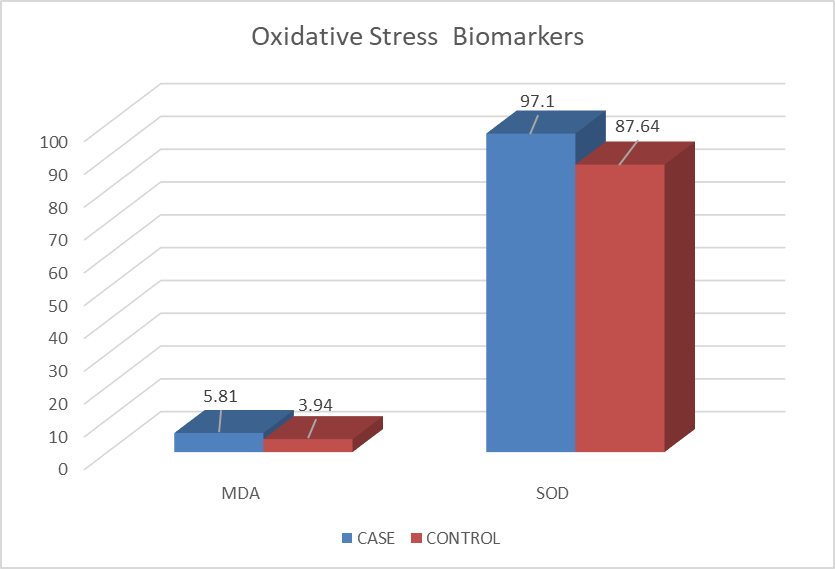
Figure 1-: comparison of oxidative stress in controls and cases
Table 2: correlation between variables:
|
Parameters |
LH |
FSH |
Prolactin |
SOD |
MDA |
BMI |
|
LH |
1.000 |
-.044 |
-.053 |
.265** |
-.101 |
-.048 |
|
FSH |
- |
1.000 |
-.025 |
.078 |
-.017 |
-.121 |
|
Prolactin |
- |
- |
1.000 |
-.194* |
.033 |
-.105 |
|
SOD |
- |
- |
- |
1.000 |
-.40 |
.148 |
|
MDA |
- |
- |
- |
- |
1.000 |
.027 |
|
BMI |
- |
- |
- |
- |
- |
1.000 |
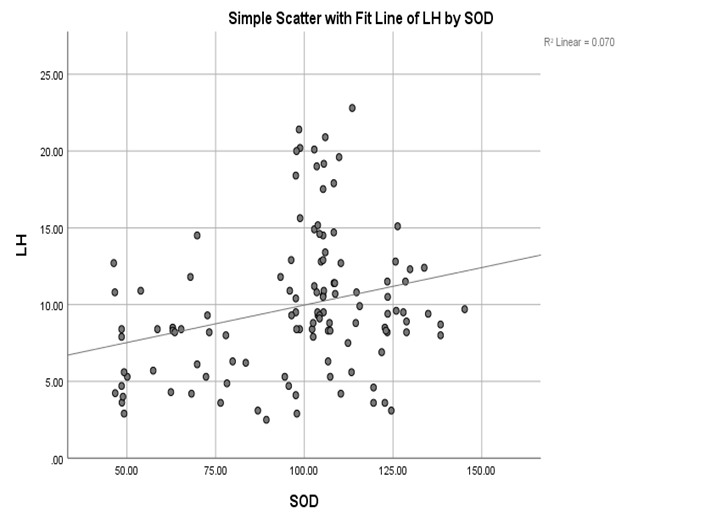
Figure 2 a: correlation between LH and SOD
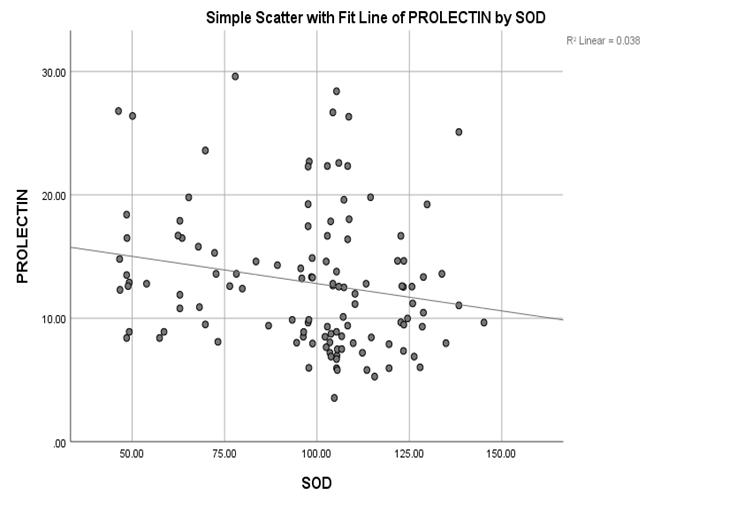
Figure 2 b: correlation between prolactin and SOD
DISCUSSION:
The findings of the present study revealed considerable alterations in the hormonal and oxidative stress profiles of women diagnosed with polycystic ovary syndrome (PCOS) compared with healthy control subjects. A reduction in follicle-stimulating hormone (FSH) concentrations was observed among PCOS patients, whereas luteinizing hormone (LH), prolactin, superoxide dismutase (SOD), and malondialdehyde (MDA) levels exhibited comparatively higher values. These biochemical variations indicate the complex interplay between endocrine dysregulation, metabolic disturbances, and oxidative stress in the pathophysiology of PCOS.
Malondialdehyde (MDA), a major end product of lipid peroxidation, is widely recognized as a reliable biochemical indicator of oxidative damage and is frequently employed to evaluate oxidative stress-related alterations. Increased MDA concentrations may reflect enhanced lipid peroxidation resulting from an imbalance between reactive oxygen species (ROS) generation and antioxidant defence mechanisms. In the present investigation, MDA levels were found to be significantly elevated in women with PCOS compared with healthy controls, suggesting an increased degree of oxidative stress in affected individuals. These observations are consistent with the findings of Zhang et al. [11], who demonstrated substantially increased MDA concentrations in women with PCOS relative to control subjects. Similarly, Kuscu et al. [12] reported an association between elevated MDA levels and metabolic abnormalities, particularly hyperglycemia and insulin resistance, in women with PCOS. Furthermore, MDA is considered one of the most representative biochemical markers of lipid peroxidation and oxidative stress in PCOS [10]. Collectively, these findings support the possible contribution of oxidative damage to the metabolic and reproductive abnormalities associated with this syndrome.
Superoxide dismutase (SOD) constitutes an essential component of the endogenous antioxidant defence system, as it catalyses the conversion of superoxide radicals into hydrogen peroxide and molecular oxygen, thereby limiting the accumulation of reactive oxygen species. In the present study, SOD concentrations were comparatively higher in PCOS patients than in healthy controls; however, the observed difference did not attain statistical significance. This finding suggests that although antioxidant enzyme activity may exhibit numerical variation in women with PCOS, such alterations are not necessarily consistent or sufficiently pronounced across all study populations.
Macut et al. (2011) [13] reported that plasma SOD activity did not differ significantly between women with PCOS and healthy controls, which is in accordance with the findings of the present study. Furthermore, the findings of the present study are consistent with those reported by Talat et al. (2022) [14], whose meta-analysis, comprising 12 studies with 558 PCOS cases and 529 healthy controls, demonstrated no statistically significant difference in SOD concentrations between the two groups (SMD = 0.35, 95% CI: −0.91 to 1.62, P = 0.58). The absence of a significant difference may indicate considerable interindividual variability in antioxidant responses, potentially influenced by metabolic characteristics, disease heterogeneity, biological sample composition, and methodological differences among studies. Therefore, the relationship between SOD activity and PCOS-associated oxidative stress requires further investigation.
CONCLUSION:
The current research demonstrates the simultaneous presence of increased oxidative stress in individuals with PCOS. It is probable because oxidative stress itself is the outcome of PCOS, Furthermore, oxidative stress may participate in the future development of cardiovascular illnesses in women, in addition to dyslipidemia, central obesity, and hyperglycemia. Furthermore, further investigations on oxidative stress should be performed on individuals with PCOS in the future. We recommend including antioxidants into the treatment of PCOS, with the maintenance of a healthy lifestyle, regular exercise, and an appropriate dietary regimen, all of which should yield advantageous therapeutic outcomes and mitigate oxidative stress-related problems in women with PCOS.
REFERENCES:
1. World Health Organization. Polycystic ovary syndrome (PCOS). Geneva: WHO; 2026. WHO – PCOS fact sheet.
2. Goodarzi MO, Azziz R. Diagnosis, epidemiology, and genetics of the polycystic ovary syndrome. Best Pract Res Clin Endocrinol Metab. 2006;20(2):193–205. doi: 10.1016/j.beem.2006.02.005.
3. Teede HJ, Tay CT, Laven JJE, et al. Recommendations from the 2023 International Evidence-based Guideline for the Assessment and Management of Polycystic Ovary Syndrome. J Clin Endocrinol Metab. 2023;108(10):2447–2469. doi:10.1210/clinem/dgad463.
4. Azziz R, Carmina E, Dewailly D, et al. Positions statement: criteria for defining polycystic ovary syndrome as a predominantly hyperandrogenic syndrome: an Androgen Excess Society guideline. J Clin Endocrinol Metab. 2006;91(11):4237–4245. doi:10.1210/jc.2006-0178.
5. Agarwal A, Aponte-Mellado A, Premkumar BJ, et al. The effects of oxidative stress on female reproduction: a review. Reprod Biol Endocrinol. 2012; 10:49. https://doi. org/10.1186/1477-7827-10-49 PMid:22748101 PMCid: PMC3527168
6. Murri M, Luque-Ramírez M, Insenser M, et al. Circulating markers of oxidative stress and Polycystic Ovary Syndrome (PCOS): A systematic review and meta-analysis. Hum Reprod Update. 2013; 19(3):268-88. https:// doi.org/10.1093/humupd/dms059 PMid:23303572.
7. Desai V, Prasad NR, Manohar SM, et al. Oxidative stress in non-obese women with polycystic ovarian syndrome. J Clin Diagn Res. 2014; 8:CC01-03.
8. Gonzalez F, Rote NS, Minium J, Kirwan JP. Reactive oxygen species-induced oxidative stress in the development of insulin resistance and hyperandrogenism in polycystic ovary syndrome. J Clin Endocrinol Metab. 2006; 91:336-40. https://doi.org/10.1210/jc.2005-1696 PMid:16249279
9. Papalou O, Victor VM, Diamanti-Kandarakis E. Oxidative stress in polycystic ovary syndrome. Curr Pharm Des. 2016; 22:2709-22. https://doi.org/10.2174/1 381612822666160216151852 PMid:26881435
10. Abuja PM, Albertini R. Methods for monitoring oxidative stress, lipid peroxidation and oxidation resistance of lipoproteins. Clin Chim Acta. 2001; 306(1-2):1-17. https://doi.org/10.1016/S0009-8981(01)00393-X PMid: 11282089
11. Zhang D, Luo WY, Liao H, et al. The effects of oxidative stress to PCOS. J Sichuan Univ Med Sci Ed. 2008; 39:421-3.
12. Kuşçu NK, Var A. Oxidative stress but not endothelial dysfunction exists in non-obese, young group of patients with polycystic ovary syndrome. Acta Obstet Gynecol Scand. 2009; 88:612-7. https://doi. org/10.1080/00016340902859315 PMid:19308750
13. Macut D, Simic T, Lissounov A, Pljesa-Ercegovac M, Bozic I, Djukic T, Bjekic-Macut J, Matic M, Petakov M, Suvakov S, Damjanovic S, Savic-Radojevic A. Insulin resistance in non-obese women with polycystic ovary syndrome: relation to byproducts of oxidative stress. Exp Clin Endocrinol Diabetes. 2011 Jul;119(7):451-5. doi: 10.1055/s-0031-1279740. Epub 2011 Jun 10. PMID: 21667435.
14. Talat A, Satyanarayana P, Anand P. Association of superoxide dismutase level in women with polycystic ovary syndrome. J Obstet Gynaecol India. 2022;72(1):6–12. doi:10.1007/s13224-021-01430-z.