Knowledge, Attitudes, and Practices Regarding Antibiotic Use and Self-Medication Among Adults: A Cross-Sectional Study.
- Dr. Gurpal Singh Chhabda , Associate Professor, Department of General Surgery, Shri Balaji Institute of Medical Sciences, Raipur, Chhattisgarh, India.
- Dr. Veenu Gurpal Chhabda , Associate Professor, Department of Dentistry, Shri Balaji Institute of Medical Sciences, Raipur, Chhattisgarh, India.
Article Information:
Abstract:
Background: Antimicrobial resistance (AMR) represents one of the most urgent global public health threats, largely driven by inappropriate antibiotic consumption and non-prescription self-medication. Understanding community-level drivers is essential for designing effective antimicrobial stewardship interventions, particularly in low- and middle-income countries where over-the-counter access remains widespread. Objective: To assess the knowledge, attitudes, and practices (KAP) regarding antibiotic use and self-medication among the adult general population in Raipur, Chhattisgarh, and identify sociodemographic factors associated with inappropriate practices. Methods: A community-based, cross-sectional study was conducted between January and April 2026 among 420 adults aged 18 years and older residing in urban and semi-urban areas of Raipur, Chhattisgarh, India. Data were collected using a pre-tested, structured, interviewer-administered questionnaire covering sociodemographics, antibiotic knowledge (10 items), attitudes (8 items), and practices (8 items). Descriptive statistics, chi-square tests, and multivariable logistic regression were performed using SPSS version 27.0, with statistical significance set at p < 0.05. Results: Of the 420 participants (mean age 36.4 ± 12.8 years; 52.9% male), 58.6% demonstrated poor knowledge regarding antibiotics, with 64.3% erroneously believing that antibiotics effectively treat viral infections such as the common cold. The prevalence of antibiotic self-medication within the preceding six months was 44.8% (n = 188). Primary drivers included prior positive experience with the same medication (54.3%), convenience and time-saving (46.8%), and financial constraints (31.4%). Amoxicillin-clavulanate (38.3%) and azithromycin (29.8%) were the most frequently self-medicated agents, primarily sourced from retail pharmacies without a prescription (76.6%). Multivariable regression revealed that self-medication was significantly associated with younger age (18–35 years; adjusted odds ratio [AOR] = 2.14, 95% confidence interval [CI]: 1.38–3.31), lower educational attainment (AOR = 1.89, 95% CI: 1.19–3.01), and poor knowledge scores (AOR = 2.76, 95% CI: 1.81–4.20). Conclusion: Substantial misconceptions regarding antibiotic efficacy and a high prevalence of non-prescription self-medication persist among adults. Regulatory enforcement of Schedule H/H1 prescription dispensing rules, combined with targeted community education campaigns, is urgently required to curb irrational antibiotic use and mitigate antimicrobial resistance.
Keywords:
Article :
INTRODUCTION:
The discovery of antibiotics revolutionized modern medicine, drastically reducing morbidity and mortality associated with bacterial infections. However, the therapeutic efficacy of these life-saving agents is increasingly threatened by the rapid emergence and global dissemination of antimicrobial resistance (AMR) [1]. Recognized by the World Health Organization (WHO) as one of the top ten global public health threats facing humanity, AMR jeopardizes routine surgical procedures, dental and maxillofacial interventions, cancer chemotherapy, organ transplantation, and the management of common infectious diseases [2]. Without coordinated global action, drug-resistant infections are projected to cause up to 10 million deaths annually by 2050, imposing catastrophic economic burdens on healthcare systems worldwide [3].
While microbial evolution is a natural biological phenomenon, the acceleration of AMR is overwhelmingly driven by human behavior—specifically, the overuse, underuse, and misuse of antimicrobial agents in human medicine, veterinary practice, and agriculture [4]. In human healthcare, inappropriate antibiotic consumption manifests through unnecessary prescribing by clinicians, premature discontinuation of prescribed courses by patients, sharing of leftover medications, and self-medication [5]. Self-medication, defined by the WHO as the selection and use of medicines by individuals to treat self-recognized illnesses or symptoms without professional medical consultation, is particularly prevalent in low- and middle-income countries (LMICs) [6].
India ranks among the highest consumers of antibiotics globally, driven by a high burden of infectious diseases, rising incomes, and relatively unregulated access to pharmaceuticals [7]. Despite statutory regulations such as Schedule H and Schedule H1 of the Drugs and Cosmetics Rules—which mandate a valid prescription from a registered medical practitioner for the sale of antibiotics—non-prescription dispensing across retail pharmacies remains widespread [8]. Easy over-the-counter availability, coupled with gaps in public health literacy, creates an environment conducive to irrational antibiotic use. Common upper respiratory tract infections, acute gastroenteritis, localized dental pain, and undifferentiated febrile illnesses, many of which are viral, inflammatory, or self-limiting, are routinely managed by laypersons using broad-spectrum antibiotics [9].
Understanding the cognitive and behavioral determinants of antibiotic consumption at the community level is a cornerstone of the WHO Global Action Plan on Antimicrobial Resistance [2]. Knowledge, attitudes, and practices (KAP) surveys provide vital baseline evidence to identify specific misconceptions, high-risk demographic subgroups, and structural barriers to appropriate healthcare utilization. Although several hospital-based and student-focused studies have examined antibiotic awareness in India, community-level data capturing diverse adult populations across central India remain critical for tailoring public health messaging. Therefore, this study aimed to evaluate the knowledge, attitudes, and practices regarding antibiotic use and self-medication among adults in Raipur, Chhattisgarh, and to determine the sociodemographic predictors of antibiotic self-medication.
MATERIALS AND METHODS:
2.1 Study Design and Setting
A community-based, descriptive cross-sectional study was conducted over a four-month period from January to April 2026 in urban and semi-urban residential wards of Raipur district, Chhattisgarh, India. Raipur is the capital city of Chhattisgarh and serves as a major healthcare hub in central India, comprising a diverse population served by tertiary teaching hospitals, public primary health centers, private clinics, and numerous retail pharmacies.
2.2 Study Population and Eligibility Criteria
Adults aged 18 years and older who had been permanent residents of Raipur for at least six months and were willing to provide written informed consent were eligible for inclusion. Individuals with formal medical, dental, nursing, or pharmacy training, as well as those with severe cognitive impairment or acute illness precluding participation, were excluded to prevent professional bias in knowledge assessment.
2.3 Sample Size Calculation
The minimum required sample size was calculated using the single population proportion formula:
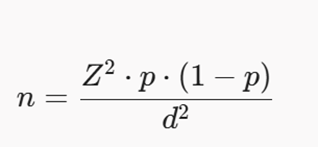
Assuming a standard normal variate (Z) of 1.96 at a 95% confidence level, an anticipated prevalence (p) of antibiotic self-medication of 46.0% based on prior Indian community studies [10], and an absolute precision (d) of 5%, the initial sample size was estimated at 382. Accounting for a 10% non-response rate, the final target sample size was fixed at 420 participants.
2.4 Sampling Technique
A multistage cluster sampling technique was employed. In the first stage, six administrative wards (four urban and two semi-urban) within Raipur were randomly selected from the municipal list using a lottery method. In the second stage, 70 households were selected from each chosen ward via systematic random sampling, utilizing a calculated sampling interval based on local household registers. One eligible adult per household was selected using the Kish grid method to ensure unbiased representation across age and sex. If a selected household was locked or declined participation, the adjacent household was approached.
2.5 Data Collection Instrument
Data were collected through face-to-face interviews conducted by trained investigators using a pre-tested, semi-structured questionnaire developed after an extensive review of validated WHO and published KAP instruments [11, 12]. The questionnaire was translated into the local vernacular language (Hindi) and back-translated into English to ensure semantic equivalence. A pilot test was conducted among 30 individuals outside the main study wards to verify clarity, flow, and internal consistency, yielding a Cronbach's alpha of 0.78 for the knowledge domain and 0.74 for the attitude domain.
The instrument comprised four sections:
1. Sociodemographic Characteristics: Age, sex, marital status, educational attainment, occupation, monthly household income (classified according to the modified Kuppuswamy scale), residence type, and presence of chronic comorbidities.
2. Knowledge Assessment (10 items): Evaluated understanding of antibiotic indications (bacterial vs. viral infections), mechanisms, side effects, course completion, and antimicrobial resistance. Responses were recorded as "Yes," "No," or "Don't know." Each correct answer received 1 point, while incorrect or "Don't know" responses received 0 points (total score range: 0–10). Participants scoring ≥6 (≥ 60%) were categorized as having "adequate knowledge," whereas scores < 6 were classified as "poor knowledge."
3. Attitude Assessment (8 items): Assessed beliefs regarding requesting antibiotics from physicians or dentists, keeping leftover antibiotics at home, preferring broad-spectrum or parenteral formulations, and perceptions of self-medication safety, measured on a 5-point Likert scale ranging from "Strongly Disagree" (1) to "Strongly Agree" (5). Reverse scoring was applied to negative statements, with scores ≥ 28 (out of 40) indicating a "positive/appropriate attitude."
4. Practices Regarding Antibiotic Use and Self-Medication (8 items): Explored antibiotic consumption over the preceding six months, source of procurement, adherence to prescribed dosage and duration, sharing of medications, and specific reasons, symptoms, and drugs involved in self-medication. To minimize recall bias, interviewers carried visual show-cards depicting common antibiotic blister packs and brand names.
2.6 Ethical Considerations
Ethical approval was obtained from the Institutional Ethics Committee of Shri Balaji Institute of Medical Sciences, Raipur, Chhattisgarh, prior to study initiation. Written informed consent was secured from all participants after explaining the study objectives, voluntary nature of participation, and confidentiality assurances. Following the interview, participants received a brief educational pamphlet in Hindi detailing the appropriate use of antibiotics and the risks of self-medication.
2.7 Statistical Analysis
Data were entered into Microsoft Excel and analyzed using IBM SPSS Statistics for Windows, Version 27.0 (IBM Corp., Armonk, NY, USA). Categorical variables were summarized as frequencies and percentages, while continuous variables were expressed as means with standard deviations (SD) or medians with interquartile ranges (IQR). Bivariate associations between sociodemographic variables, KAP levels, and self-medication practices were evaluated using Pearson’s chi-square test. Variables yielding a p-value < 0.20 in bivariate analysis were entered into a multivariable binary logistic regression model to identify independent predictors of antibiotic self-medication. Adjusted odds ratios (AOR) with 95% confidence intervals (CI) were reported, and statistical significance was established at p < 0.05.
RESULTS:
3.1 Sociodemographic Characteristics
All 420 approached participants completed the survey (100% response rate). The mean age of respondents was 36.4 ± 12.8 years (range: 18–74 years), with nearly half (47.1%) belonging to the 18–35 years age group. Males constituted 52.9% (n = 222) of the sample, and 66.7% (n = 280) resided in urban wards. Regarding education, 36.2% (n = 152) held a graduate or postgraduate degree, while 14.8% (n = 62) had primary schooling or no formal education (Table 1).
Table 1: Sociodemographic characteristics of study participants (N = 420)
|
Variable |
Category |
Frequency (n) |
Percentage (%) |
|
Age Group (years) |
18–35 |
198 |
47.1 |
|
36–55 |
154 |
36.7 |
|
|
> 55 |
68 |
16.2 |
|
|
Sex |
Male |
222 |
52.9 |
|
Female |
198 |
47.1 |
|
|
Residence |
Urban |
280 |
66.7 |
|
Semi-urban |
140 |
33.3 |
|
|
Educational Level |
Primary or below |
62 |
14.8 |
|
Secondary / Higher Secondary |
206 |
49.0 |
|
|
Graduate and above |
152 |
36.2 |
|
|
Employment Status |
Employed / Self-employed |
264 |
62.9 |
|
Unemployed / Homemaker / Student |
156 |
37.1 |
|
|
Health Insurance |
Yes |
146 |
34.8 |
|
No |
274 |
65.2 |
3.2 Knowledge Regarding Antibiotics and Antimicrobial Resistance
The mean knowledge score was 4.9 \pm 2.1 out of 10. Overall, only 41.4% (n = 174) of participants demonstrated adequate knowledge (score ≥6), while 58.6% (n = 246) exhibited poor knowledge. Although 78.1% (n = 328) correctly recognized that antibiotics are effective against bacterial infections, a substantial majority (64.3%, n = 270) mistakenly believed that antibiotics cure viral infections such as the common cold and influenza. Furthermore, 51.9% (n = 218) believed that antibiotic therapy can be stopped once clinical symptoms resolve, and only 39.5% (n = 166) had previously heard of the term "antibiotic resistance" (Table 2).
Table 2: Participants' responses to knowledge items regarding antibiotics (N = 420)
|
Knowledge Statement |
Correct Response |
Correct n (%) |
Incorrect / Don't Know n (%) |
|
Antibiotics are effective against bacterial infections |
Yes |
328 (78.1) |
92 (21.9) |
|
Antibiotics are effective against viral infections (e.g., common cold) |
No |
150 (35.7) |
270 (64.3) |
|
Antibiotics speed up recovery from most coughs and sore throats |
No |
142 (33.8) |
278 (66.2) |
|
You can stop taking antibiotics once you start feeling better |
No |
202 (48.1) |
218 (51.9) |
|
Overuse of antibiotics reduces their future effectiveness |
Yes |
236 (56.2) |
184 (43.8) |
|
Leftover antibiotics can be safely used for similar future symptoms |
No |
244 (58.1) |
176 (41.9) |
|
Antibiotics can cause adverse effects such as diarrhea or allergic reactions |
Yes |
268 (63.8) |
152 (36.2) |
|
Broad-spectrum antibiotics are always better than narrow-spectrum ones |
No |
118 (28.1) |
302 (71.9) |
|
Have you heard of the term "antibiotic resistance"? |
Yes |
166 (39.5) |
254 (60.5) |
|
Resistant bacteria can spread from person to person |
Yes |
132 (31.4) |
288 (68.6) |
3.3 Attitudes Toward Antibiotic Use
An appropriate attitude toward antibiotic stewardship (score ≥28) was observed in 46.2% (n = 194) of respondents. Nearly half (47.6%, n = 200) agreed or strongly agreed that they expect a doctor to prescribe antibiotics when they experience fever or sore throat, and 38.6% (n = 162) reported feeling dissatisfied if a consultation concluded without an antibiotic prescription. Additionally, 41.2% (n = 173) believed keeping a stock of leftover antibiotics at home is a prudent practice for emergencies, and 33.8% (n = 142) perceived pharmacists as adequately qualified to recommend antibiotics for routine ailments.
3.4 Practices and Drivers of Antibiotic Self-Medication
Within the preceding six months, 69.5% (n = 292) of participants reported consuming antibiotics at least once. Among all respondents, the overall prevalence of antibiotic self-medication was 44.8% (n = 188). Among those who self-medicated (n = 188), the primary sources of antibiotics were retail community pharmacies without a prescription (76.6%, n = 144), leftover strips stored at home (16.5%, n = 31), and sharing from family members or friends (6.9%, n = 13).
The most common clinical complaints prompting self-medication were sore throat and cough (48.9%, n = 92), acute fever (39.4%, n = 74), acute diarrhea (26.1%, n = 49), dental pain (17.0%, n = 32), and uncomplicated urinary symptoms (11.2%, n = 21). Based on participant recall and blister-pack identification, amoxicillin-clavulanate (38.3%, n = 72), azithromycin (29.8%, n = 56), ciprofloxacin/ofloxacin (18.6%, n = 35), and metronidazole (13.3%, n = 25) were the predominant agents used. Key reasons cited for bypassing medical consultation included reliance on an old prescription or prior positive experience (54.3%, n = 102), saving time and avoiding clinic queues (46.8%, n = 88), perceived mildness of the illness (41.5%, n = 78), and high consultation fees (31.4%,n = 59). Furthermore, across all antibiotic users (n = 292), 44.2% (n = 129) admitted to premature discontinuation of therapy once symptoms subsided.
3.5 Factors Associated with Antibiotic Self-Medication
In multivariable logistic regression analysis (Table 3), participants aged 18–35 years had more than twice the odds of self-medicating compared to those aged > 55 years (AOR = 2.14, 95% CI: 1.38–3.31, p = 0.001). Lower educational attainment (secondary school or below) was independently associated with higher odds of self-medication compared to graduates (AOR = 1.89, 95% CI: 1.19–3.01, p = 0.007). Participants lacking health insurance were also significantly more likely to self-medicate (AOR = 1.62, 95% CI: 1.05–2.50, p = 0.029). Notably, poor antibiotic knowledge emerged as the strongest predictor of self-medication (AOR = 2.76, 95% CI: 1.81–4.20, p < 0.001).
Table 3: Bivariate and multivariable logistic regression analysis of factors associated with antibiotic self-medication (N = 420)
|
Variable |
Self-Medication Yes n (%) |
Self-Medication No n (%) |
Crude OR (95% CI) |
Adjusted OR (95% CI) |
p-value |
|
Age Group (years) |
|||||
|
18–35 |
106 (53.5) |
92 (46.5) |
2.41 (1.35–4.30) |
2.14 (1.38–3.31) |
0.001 |
|
36–55 |
60 (39.0) |
94 (61.0) |
1.33 (0.73–2.44) |
1.28 (0.79–2.08) |
0.312 |
|
> 55 (Ref) |
22 (32.4) |
46 (67.6) |
1.00 |
1.00 |
— |
|
Education Level |
|||||
|
Primary or below |
34 (54.8) |
28 (45.2) |
2.23 (1.22–4.07) |
1.96 (1.03–3.72) |
0.040 |
|
Secondary / Higher Sec |
100 (48.5) |
106 (51.5) |
1.73 (1.13–2.66) |
1.89 (1.19–3.01) |
0.007 |
|
Graduate & above (Ref) |
54 (35.5) |
98 (64.5) |
1.00 |
1.00 |
— |
|
Health Insurance |
|||||
|
No |
136 (49.6) |
138 (50.4) |
1.78 (1.18–2.69) |
1.62 (1.05–2.50) |
0.029 |
|
Yes (Ref) |
52 (35.6) |
94 (64.4) |
1.00 |
1.00 |
— |
|
Knowledge Level |
|||||
|
Poor (< 6) |
138 (56.1) |
108 (43.9) |
3.17 (2.09–4.80) |
2.76 (1.81–4.20) |
< 0.001 |
|
Adequate (\ge 6) (Ref) |
50 (28.7) |
124 (71.3) |
1.00 |
1.00 |
— |
DISCUSSION:
This community-based cross-sectional study highlights pervasive gaps in public knowledge, permissive attitudes, and high rates of inappropriate antibiotic practices among adults in Raipur, Chhattisgarh. Nearly three-fifths (58.6%) of respondents demonstrated poor baseline knowledge, and 44.8% engaged in antibiotic self-medication within the preceding six months. These findings align closely with regional community surveys across South Asia and other LMICs, where self-medication prevalence typically ranges between 38% and 55% [10, 13, 14].
A critical knowledge deficit identified in our cohort was the inability to differentiate between bacterial and viral etiologies: 64.3% of participants believed antibiotics cure the common cold, and 66.2% believed they hasten recovery from sore throats. Correspondingly, upper respiratory tract symptoms were the leading trigger for self-medication (48.9%), alongside acute febrile illnesses (39.4%) and odontogenic pain (17.0%). In dental and surgical outpatient contexts, empirical self-administration of broad-spectrum antibiotics for localized inflammatory pain—such as reversible pulpitis—without definitive clinical intervention not only fails to address the underlying pathology but also masks symptoms and delays appropriate care.
This therapeutic misconception fuels unnecessary demand during consultations—evidenced by 38.6% of respondents reporting dissatisfaction if not prescribed an antibiotic—and drives empirical over-the-counter purchases. Furthermore, over half of the participants (51.9%) were unaware that prematurely halting antibiotic regimens promotes bacterial adaptation and resistance, mirrored by the 44.2% who reported stopping therapy early once symptoms improved.
The pharmacological profile of self-medicated drugs raises serious antimicrobial stewardship concerns. Broad-spectrum agents—specifically amoxicillin-clavulanate and azithromycin, classified under the WHO "Access" and "Watch" categories respectively [15]—accounted for over two-thirds of non-prescription consumption. Widespread community misuse of macrolides, beta-lactam/beta-lactamase inhibitor combinations, and fluoroquinolones accelerates resistance in respiratory, enteric, and surgical site pathogens, eroding prophylactic and therapeutic options for invasive procedures.
Crucially, 76.6% of self-medicated antibiotics were procured directly from retail pharmacies without a prescription. This underscores a persistent implementation gap in enforcing Schedule H and H1 regulations under India's Drugs and Cosmetics Rules, where commercial incentives and lack of pharmacist oversight facilitate unrestricted dispensing [8, 16].
Multivariable analysis identified younger adults (18–35 years), individuals with lower educational attainment, those lacking health insurance, and those with poor knowledge scores as high-risk groups for self-medication. Younger adults often perceive acute infections as minor inconveniences and prioritize speed and convenience over formal clinic visits, frequently reusing previous prescriptions. Economic barriers also play a decisive role: uninsured individuals had 62% higher odds of self-medicating, reflecting efforts to avoid out-of-pocket consultation fees when public clinics are perceived as overcrowded.
Strengths and Limitations
Strengths of this study include its community-based multistage cluster design, high response rate, and use of physical blister-pack show-cards to improve drug identification accuracy. However, several limitations warrant consideration. First, the cross-sectional design precludes causal inference between knowledge levels and behavioral outcomes. Second, reliance on self-reported practices over a six-month recall period introduces potential recall and social desirability biases, meaning true self-medication rates may be higher than reported. Finally, as data were collected from urban and semi-urban wards of a single district, generalizability to remote rural or tribal populations across Chhattisgarh may be limited.
CONCLUSION:
Irrational antibiotic use and non-prescription self-medication remain deeply entrenched among adults in Raipur, propelled by misconceptions regarding viral illnesses, permissive attitudes toward leftover medications, and lax pharmacy dispensing practices. Addressing this challenge requires a multi-pronged public health strategy:
1. Regulatory Enforcement: Strict monitoring of retail pharmacies by state drug control authorities to enforce prescription-only dispensing for Schedule H/H1 antimicrobials, supported by digital prescription auditing.
2. Pharmacist Engagement: Integrating community pharmacists into antimicrobial stewardship networks through mandatory continuing education on patient triage and referral for viral and acute dental/surgical syndromes.
3. Targeted Health Literacy Campaigns: Deploying culturally tailored mass-media and digital health campaigns in Hindi—specifically targeting younger adults and households without health insurance—to clarify the ineffectiveness of antibiotics against viral infections and the necessity of completing prescribed regimens.
REFERENCES:
1. Murray CJL, Ikuta KS, Sharara F, Swetschinski L, Robles Aguilar G, Gray A, et al. Global burden of bacterial antimicrobial resistance in 2019: a systematic analysis. Lancet. 2022;399(10325):629–655.
2. World Health Organization. Global Action Plan on Antimicrobial Resistance. Geneva: World Health Organization; 2015.
3. O'Neill J. Tackling Drug-Resistant Infections Globally: Final Report and Recommendations. London: Review on Antimicrobial Resistance; 2016.
4. Holmes AH, Moore LSP, Sundsfjord A, Steinbakk M, Regmi S, Karkey A, et al. Understanding the mechanisms and drivers of antimicrobial resistance. Lancet. 2016;387(10014):176–187.
5. Machowska A, Stålsby Lundborg C. Drivers of irrational use of antibiotics in Europe. Int J Environ Res Public Health. 2019;16(1):27.
6. World Health Organization. Guidelines for the Regulatory Assessment of Medicinal Products for Use in Self-Medication. Geneva: WHO; 2000.
7. Klein EY, Van Boeckel TP, Martinez EM, Pant S, Gandra S, Levin SA, et al. Global increase and geographic convergence in antibiotic consumption between 2000 and 2015. Proc Natl Acad Sci U S A. 2018;115(15):E3463–E3470.
8. Kotwani A, Joshi J, Lamkang AS. Over-the-counter sale of antibiotics in India: a qualitative study of providers' perspectives across two states. Antibiotics. 2021;10(9):1123.
9. Nepal G, Bhatta S. Self-medication with antibiotics in WHO Southeast Asian Region: a systematic review. Cureus. 2018;10(4):e2428.
10. Rajendran A, Kulirankal KG, Rakesh PS, George S. Prevalence and pattern of antibiotic self-medication practice in an urban population of Kerala, India: a cross-sectional study. Indian J Community Med. 2019;44(Suppl 1):S42–S45.
11. World Health Organization. Antibiotic Resistance: Multi-Country Public Awareness Survey. Geneva: WHO; 2015.
12. Andre M, Vernby A, Berg J, Lundborg CS. A survey of public knowledge and awareness related to antibiotic use and resistance in Sweden. J Antimicrob Chemother. 2010;65(6):1292–1296.
13. Shafie M, Eyasu M, Muzeyin K, Worku Y, Martín-Aragón S. Prevalence and determinants of self-medication practice among selected households in Addis Ababa community. PLoS One. 2018;13(3):e0194122.
14. Rathod P, Sharma S, Ukey U, Sonpimpale B, Ughade S, Narlawar U, et al. Prevalence, pattern, and reasons for self-medication: a community-based cross-sectional study from Central India. Cureus. 2023;15(1):e33917.
15. World Health Organization. WHO Access, Watch, Reserve (AWaRe) Classification of Antibiotics for Evaluation and Monitoring of Use. Geneva: WHO; 2023.
16. Porter G, Kotwani A, Bhullar L, Joshi J. Over-the-counter sales of antibiotics for human use in India: the challenges and opportunities for regulation. Med Law Int. 2021;21(2):147–173.