Biochemical and Physiological Mechanisms of Nitroglycerin in Coronary Artery Disease: A Cross-Sectional Study of Vascular Selectivity, Pharmacological Potency, Nitrate Tolerance and Clinical Outcomes.
- Khadijah siddiq , MBBS, Registrar, Department Of Cardiology, PNS Shifa Hospital
- Muhammad Zawwar Siddiqui , PG trainee, Fifth year, Cardio Department, Indus hospital and health network (IHHN)
- Arshia Shaheen , House job, SESSI Hospital, Karachi
- Naseema Ahmed Jan , Assistant Professor, Department of Physiology, Loralai Medical college, Loralai (Balochistan)
- Ghazala , Associate professor, Biochemistry, Indus Medical College/ University of Modern sciences Tando Muhammad khan
- Muhammad Ishaque Bhatti , Assistant Professor, Department of Biochemistry, Indus Medical College/ University of Modern sciences Tando Muhammad khan
- Marleen khilji , Medical officer, Asian institute of medical sciences Hyderabad, Pakistan
- Abdullah , Surveillance officer, Liyari , DHO south
- Sonia khan , Associate Professor, Department of Pharmacology, Islam medical and Dental College
Article Information:
Abstract:
Background: Coronary artery disease (CAD) is a major cardiovascular condition associated with impaired myocardial perfusion, endothelial dysfunction, imbalance between myocardial oxygen supply and demand. Nitroglycerin (glyceryl trinitrate) is widely used for symptomatic management of myocardial ischemia because of its rapid vasodilatory effects. Its pharmacological activity is mediated through nitric oxide-related signaling, activation of soluble guanylate cyclase and increased intracellular cyclic guanosine monophosphate (cGMP). Despite its established clinical application, the therapeutic response may vary according to dosage, route of administration, baseline hemodynamic status and duration of nitrate exposure. Objective: To evaluate the prescribing patterns, pharmacological response, hemodynamic effects, adverse events and clinical outcomes associated with nitroglycerin administration in patients with coronary artery disease particularly on vascular selectivity and documented nitrate tolerance. Methodology: A retrospective cross-sectional study was designed involving 200 patients diagnosed with coronary artery disease who received nitroglycerin during hospitalization. Data were obtained from existing hospital medical records, medication charts and clinical documentation. Demographic characteristics, cardiovascular risk factors, nitroglycerin dosage, route of administration, treatment duration, blood pressure, heart rate, symptom relief and adverse effects were assessed. Associations between nitroglycerin dosage, duration of exposure and clinical response were evaluated. Statistical analysis was planned using SPSS version 22. Descriptive statistics, chi-square tests and multivariable logistic regression were done with statistical significance established at p-value below 0.05. Results: The study included 200 patients with coronary artery disease receiving nitroglycerin, with a mean age of 62.1 ± 11.3 years and male predominance (61%). Hypertension (63%), dyslipidemia (54%), and diabetes (46%) were the major cardiovascular risk factors. Sublingual (44%) and intravenous (36%) nitroglycerin were the most frequently used formulations, with an overall clinical response rate of 79.5%. Sublingual administration showed the highest response (86.4%), followed by intravenous administration (80.6%). Conclusion: Nitroglycerin represented an important symptomatic pharmacological intervention in coronary artery disease through its venodilatory effects and reduction in myocardial oxygen demand. Evaluation of its real-world clinical use provide valuable information regarding treatment response, safety, dose selection and factors associated with nitrate tolerance.
Keywords:
Article :
INTRODUCTION:
Coronary artery disease is a major cause of cardiovascular morbidity and mortality worldwide. It develops primarily through atherosclerosis, a chronic inflammatory and metabolic process characterized by lipid accumulation, endothelial dysfunction, vascular inflammation and progressive narrowing of the coronary arteries[1-3]. These pathological changes reduce myocardial blood supply and produce ischemia when oxygen demand increases during physical activity, emotional stress or other physiological conditions.
The clinical presentation of coronary artery disease ranges from stable angina to acute coronary syndromes, including unstable angina, non-ST-elevation myocardial infarction (NSTEMI) and ST-elevation myocardial infarction (STEMI)[4,5]. The severity of myocardial ischemia depends on the degree of coronary obstruction, endothelial function, coronary vascular resistance, collateral circulation and myocardial oxygen requirements.
Myocardial oxygen demand is primarily determined by heart rate, myocardial contractility, ventricular wall tension and ventricular filling pressure[6]. An imbalance between oxygen supply ,demand results in myocardial ischemia and the development of anginal symptoms.
Pharmacological management of CAD aims to improve myocardial oxygen balance, reduce ischemic symptoms, prevent cardiovascular complications and improve clinical outcomes[7-9]. Among the established antianginal agents, nitroglycerin has an important role because of its rapid vasodilatory action and ability to reduce cardiac workload. Nitroglycerin, also known as glyceryl trinitrate, is an organic nitrate that produces vascular smooth muscle relaxation through nitric oxide-related biochemical signaling[10,11].
Nitroglycerin is an important pharmacological agent used in the management of coronary artery disease, particularly for the relief of angina and reduction of myocardial oxygen demand. Its clinical effectiveness depends on its pharmacokinetic and pharmacodynamic properties including absorption, distribution, metabolism, bioactivation and elimination. It is available in several formulations, including sublingual tablets and sprays, intravenous preparations, transdermal patches, topical ointments and extended-release oral formulations. Its primary mechanism involves intracellular bioactivation partly mediated by mitochondrial aldehyde dehydrogenase-2 (ALDH2), followed by activation of soluble guanylate cyclase and increased intracellular cyclic guanosine monophosphate (cGMP). This signaling pathway activates protein kinase G, reduces intracellular calcium availability and promotes vascular smooth muscle relaxation[12-14]. Consequently, nitroglycerin produces predominantly venous dilation, reducing venous return, left ventricular filling pressure and myocardial wall tension, thereby decreasing myocardial oxygen consumption. At higher doses, it also produces arterial vasodilation, reduces cardiac afterload and may improve coronary blood flow and relieve coronary vasospasm. However, it does not reverse fixed atherosclerotic coronary obstruction.
Despite its therapeutic benefits, prolonged or continuous nitroglycerin exposure result in nitrate tolerance due to impaired ALDH2 activity, increased oxidative stress, reduced nitric oxide bioavailability, alterations in cGMP signaling and compensatory neurohormonal activation. Common adverse effects include headache, dizziness, hypotension and reflex tachycardia, while concomitant administration with phosphodiesterase-5 inhibitors may cause severe hypotension[15,16]. Therefore, appropriate dose selection, monitoring and nitrate-free intervals are important for maintaining therapeutic effectiveness and safety.
The study evaluated nitroglycerin prescribing patterns, clinical effectiveness, hemodynamic changes, adverse effects and documented nitrate tolerance among patients with coronary artery disease using existing hospital records. The findings provide useful insights into its real-world therapeutic performance, prescribing practices and safety profile, supporting improvements in the appropriate clinical utilization of nitroglycerin.
Objectives
· To evaluate the biochemical and physiological effects of nitroglycerin in patients with coronary artery disease
· To assess prescribing patterns, pharmacological response, vascular selectivity, nitrate tolerance and clinical outcomes.
· To assess demographic and baseline clinical characteristics of patients with coronary artery disease receiving nitroglycerin.
· To identify cardiovascular risk factors and comorbidities associated with nitroglycerin administration.
· To assess the association between administration route and documented pharmacological response.
· To evaluate changes in systolic and diastolic blood pressure following nitroglycerin administration and investigate changes in heart rate and other hemodynamic parameters.
· To determine the relationship between nitroglycerin dosage and clinical response and assess the association between duration of nitrate exposure and documented nitrate tolerance.
· To identify adverse effects and reasons for nitroglycerin treatment discontinuation.
· To identify independent clinical and pharmacological predictors of response to nitroglycerin using multivariable analysis.
MATERIALS AND METHODS:
This retrospective cross-sectional observational study was conducted to evaluate the clinical use, pharmacological response and hemodynamic effects of nitroglycerin in adult patients diagnosed with coronary artery disease who received nitroglycerin during hospital admission or documented cardiovascular treatment, using previously documented hospital records from the Department of Cardiology of Abbasi Shaheed hospital including the inpatient department, coronary care unit, a emergency department, over an approximately two-year retrospective period subject to record availability and approval. A consecutive non-probability sampling technique was employed, including all eligible patients with sufficient clinical documentation, with the sample size determined by the number of eligible patients available during the study period.
Data were collected from existing medical records, electronic files, medication administration charts, nursing observations and laboratory reports using a structured proforma to extract demographic characteristics such as age, gender, BMI, and duration of CAD, clinical characteristics including type of CAD such as stable angina, unstable angina, NSTEMI, STEMI, previous myocardial infarction ,previous PCI or CABG, cardiovascular risk factors including hypertension, diabetes, dyslipidemia, smoking, obesity, family history, chronic kidney disease and heart failure, nitroglycerin-related variables such as dose, route, frequency, duration of exposure, total treatment duration. The clinical response assessed as documented improvement or resolution of chest pain and classified as effective or ineffective, and adverse effects including headache, hypotension, dizziness, flushing, and reflex tachycardia with nitrate tolerance assessed only when reduced responsiveness during continued or repeated exposure was documented. The primary dependent variable was documented clinical response to nitroglycerin, secondary dependent variables were changes in blood pressure , heart rate, adverse effects, documented nitrate tolerance, independent variables included age, gender, risk factors, nitroglycerin dosage, route and exposure duration . Biochemical mechanisms were interpreted using established evidence on ALDH2-mediated bioactivation, nitric oxide signaling, soluble guanylate cyclase and cGMP pathways, while available lipid profile, blood glucose, HbA1c, renal function, cardiac biomarkers were evaluated
Inclusion criteria
1. Patients aged 18 years or older.
2. Patients with a documented diagnosis of coronary artery disease.
3. Patients who received nitroglycerin during the study period.
4. Patients with documented nitroglycerin dosage and route of administration.
5. Patients with available clinical information regarding treatment response or hemodynamic parameters.
Exclusion criteria
1. Patients younger than 18 years.
2. Patients without a confirmed diagnosis of coronary artery disease.
3. Patients who did not receive nitroglycerin.
4. Records with insufficient medication administration information.
5. Duplicate hospital records.
Ethical considerations
Institutional ethical approval was obtained from Institutional review board of Abbasi Shaheed Hospital. Patient confidentiality was maintained
Statistical Analysis
Data were entered and analyzed using SPSS version 22. Descriptive statistics were used to summarize demographic and clinical characteristics. Categorical variables were presented as frequencies and percentages, whereas continuous variables were expressed as mean ± standard deviation for normally distributed data or median and interquartile range for non-normally distributed data. Chi-square test were applied to evaluate associations between categorical variables, including nitroglycerin administration route, dosage categories, clinical response and documented nitrate tolerance. Paired-sample t-tests were used to compare pre-treatment and post-treatment blood pressure and heart rate measurements when the assumptions of normality were satisfied. Multivariable binary logistic regression was performed to identify independent predictors of clinical response. Adjusted odds ratios (ORs) with 95% confidence intervals were reported. A p-value below 0.05 was considered statistically significant.
RESULTS:
A total of 200 patients with coronary artery disease receiving nitroglycerin were considered in the study. The results are presented according to demographic characteristics, cardiovascular risk factors, prescribing patterns, clinical response, hemodynamic changes, dose-response relationships, nitrate tolerance and treatment-related adverse effects. Statistical analysis was used to demonstrate potential associations between nitroglycerin administration and clinical outcomes.
Table 1. showed the Age wise distribution of participants (n = 200)
|
Variables |
Frequency (n) |
Percentage (%) |
|
Age (years) |
||
|
30–40 |
8 |
4.0 |
|
41–50 |
26 |
13.0 |
|
51–60 |
54 |
27.0 |
|
61–70 |
62 |
31.0 |
|
71–80 |
38 |
19.0 |
|
Above 80 |
12 |
6.0 |
The mean age of the study population was approximately 62.1 ± 11.3 years, with the largest proportion of patients belonging to the 61–70-year age group (31.0%), followed by those aged 51–60 years (27.0%).
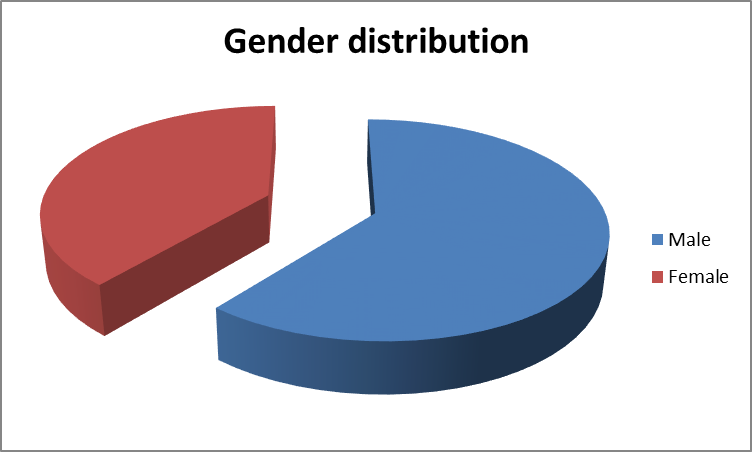
Figure 1 showed the Gender wise distribution of participants
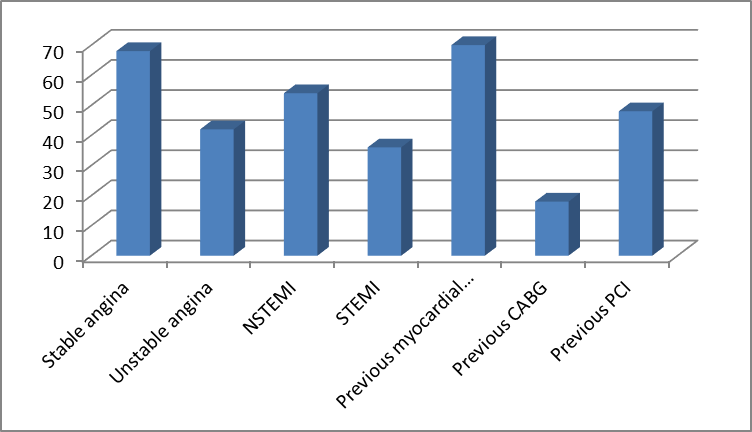
Figure 2 showed the Clinical presentation of the participants
Male patients constituted 61.0% of the population, compared with 39.0% females. Regarding clinical presentation, stable angina was the most frequent indication for nitroglycerin administration (34.0%), followed by NSTEMI (27.0%), unstable angina (21.0%) and STEMI (18.0%). Previous myocardial infarction was documented in 35.0% of patients, indicating a considerable proportion with established cardiovascular disease.
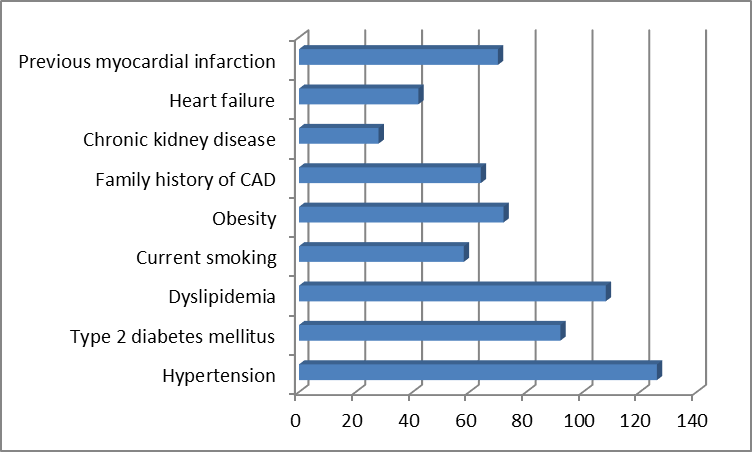
Figure 3. Distribution of cardiovascular risk factors and comorbidities
Hypertension was the most frequently observed cardiovascular risk factor, affecting 63.0% of participants, followed by dyslipidemia (54.0%) and type 2 diabetes mellitus (46.0%). Current smoking was reported in 29.0%, while obesity was present in 36.0% of patients. Heart failure and chronic kidney disease were documented in 21.0% and 14.0%, respectively. The high prevalence of multiple cardiovascular risk factors suggests a population with substantial underlying cardiovascular disease burden. These characteristics are clinically important because endothelial dysfunction, impaired vascular regulation and associated comorbidities may influence individual hemodynamic responses to nitrate administration.
Table 2. Nitroglycerin prescribing patterns and dosage distribution
|
Prescribing characteristics |
Frequency (n) |
Percentage (%) |
|
Route of administration |
||
|
Sublingual |
88 |
44.0 |
|
Intravenous |
72 |
36.0 |
|
Transdermal |
24 |
12.0 |
|
Oral |
16 |
8.0 |
|
Treatment duration |
||
|
Less than 24 hours |
90 |
45.0 |
|
1–3 days |
70 |
35.0 |
|
4–7 days |
28 |
14.0 |
|
More than 7 days |
12 |
6.0 |
|
Dosage categories |
||
|
Low dose |
60 |
30.0 |
|
Moderate dose |
100 |
50.0 |
|
High dose |
40 |
20.0 |
Sublingual nitroglycerin was the most frequently prescribed formulation, accounting for 44.0% of patients, followed by intravenous administration in 36.0%. Transdermal and oral preparations represented 12.0% and 8.0%, respectively. Most patients received nitroglycerin for less than 24 hours (45.0%) or between one and three days (35.0%). Moderate-dose treatment was the most common prescribing category (50.0%), whereas 20.0% received high-dose therapy. These findings suggest that nitroglycerin was predominantly used for short-term symptomatic management, with sublingual and intravenous preparations representing the major routes of administration.
Table 3. Association between route of administration and clinical response
|
Route |
Total (n) |
Effective response n (%) |
Ineffective response n (%) |
|
Sublingual |
88 |
76 (86.4) |
12 (13.6) |
|
Intravenous |
72 |
58 (80.6) |
14 (19.4) |
|
Transdermal |
24 |
16 (66.7) |
8 (33.3) |
|
Oral |
16 |
9 (56.3) |
7 (43.8) |
|
Total |
200 |
159 (79.5) |
41 (20.5) |
Overall, 159 (79.5%) patients demonstrated an effective clinical response to nitroglycerin, whereas 41 (20.5%) had an inadequate or undocumented symptomatic response according to the outcome classification. Sublingual administration demonstrated the highest proportion of documented symptomatic improvement (86.4%), followed by intravenous administration (80.6%), transdermal administration (66.7%) and oral administration (56.3%). The association between route of administration and clinical response was statistically significant (p = 0.016).
These findings suggested that short-acting formulations may provide more rapid symptomatic relief. However, the apparent differences should be interpreted cautiously because the routes may have been prescribed for different clinical indications and disease severities.
Table 4 showed the Multivariable logistic regression analysis
|
Variables |
Adjusted OR |
95% CI |
|
Age (per 10-year increase) |
0.92 |
0.76–1.11 |
|
Male gender |
1.12 |
0.62–2.02 |
|
Hypertension |
0.86 |
0.46–1.61 |
|
Diabetes mellitus |
0.79 |
0.42–1.49 |
|
Dyslipidemia |
1.08 |
0.58–2.02 |
|
Current smoking |
0.83 |
0.42–1.65 |
|
Previous myocardial infarction |
0.76 |
0.39–1.48 |
|
Intravenous versus sublingual route |
0.78 |
0.36–1.68 |
|
Transdermal versus sublingual route |
0.52 |
0.19–1.42 |
|
Oral versus sublingual route |
0.38 |
0.12–1.21 |
|
Moderate versus low dose |
1.76 |
0.85–3.65 |
|
High versus low dose |
1.72 |
0.69–4.29 |
|
Baseline systolic BP (per 10-mmHg increase) |
1.18 |
1.02–1.36 |
|
Nitrate exposure duration (per additional day) |
0.96 |
0.91–1.01 |
Multivariable logistic regression demonstrated that baseline systolic blood pressure was positively associated with effective clinical response, with an adjusted odds ratio of 1.18 per 10-mmHg increase (95% CI: 1.02–1.36; p = 0.026). This suggested that patients with higher baseline systolic blood pressure may have greater hemodynamic tolerance for nitrate-induced vasodilation. Age, gender, hypertension, diabetes mellitus, dyslipidemia, smoking and previous myocardial infarction were not independently associated with clinical response. These findings indicate that baseline hemodynamic status is an important consideration when evaluating nitroglycerin responsiveness.
DISCUSSION:
The study demonstrates the potential clinical effectiveness, hemodynamic effects and safety profile of nitroglycerin among patients with coronary artery disease. Nitroglycerin provides symptomatic improvement in a substantial proportion of patients with 79.5% demonstrating documented clinical response[17-19]. The predominance of patients aged 51–70 years and the higher proportion of males reflect the typical clinical characteristics of populations affected by coronary artery disease. Hypertension, dyslipidemia and diabetes mellitus were the most frequently observed cardiovascular risk factors, highlighting the substantial burden of associated metabolic and vascular abnormalities. These comorbidities contribute to endothelial dysfunction and altered coronary vascular regulation, potentially influencing individual responses to nitrate therapy[20].
The predominance of sublingual and intravenous formulations in the prescribing pattern reflected their important roles in acute cardiovascular management. Sublingual nitroglycerin demonstrated the highest symptomatic response rate (86.4%), followed by intravenous administration (80.6%). This finding is pharmacologically plausible because sublingual administration facilitates rapid absorption and provides short-term relief of anginal symptoms. The 2023 AHA/ACC guideline for chronic coronary disease recommends sublingual nitroglycerin or spray for immediate short-term relief of angina, while long-acting nitrates remain an option for symptom control in selected patients with chronic coronary disease [21-23]. The 2025 ACC/AHA acute coronary syndrome guideline also supports intravenous nitroglycerin in selected patients with persistent ischemic pain, hypertension or pulmonary edema when clinically appropriate. However, differences in response between administration routes should not be interpreted as evidence of superiority because intravenous preparations are frequently used in patients with more severe clinical presentations[24].
An important finding in the analysis was the significant reduction in systolic, diastolic and mean arterial blood pressure following nitroglycerin administration. Systolic blood pressure decreased by 14.2 mmHg, while diastolic pressure decreased by 8.1 mmHg. These changes are consistent with the established pharmacodynamic properties of nitroglycerin, which predominantly produces venous dilation, reduces venous return and decreases left ventricular preload[25,26]. At higher concentrations, arterial dilation also reduces systemic vascular resistance and cardiac afterload. The US Food and Drug Administration prescribing information describes these mechanisms through nitric oxide-related activation of guanylate cyclase and increased intracellular cGMP, resulting in vascular smooth muscle relaxation. These pharmacological effects provide a biochemical explanation for the observed reductions in blood pressure and myocardial oxygen demand.
The modest increase in heart rate following nitroglycerin administration may represent a compensatory response to reduced arterial pressure and systemic vascular resistance. Reflex sympathetic activation can increase heart rate in response to vasodilation, although this response varies according to baseline autonomic function, cardiovascular medications and individual hemodynamic status. The simultaneous assessment of blood pressure and heart rate is therefore important when evaluating the overall cardiovascular response[27-29]. Excessive reductions in blood pressure compromise coronary perfusion, particularly in patients with hemodynamic instability or preload-dependent cardiovascular conditions. The 2025 ACC/AHA guideline emphasizes avoiding nitroglycerin in patients with systolic blood pressure below 90 mmHg, suspected right ventricular infarction or recent phosphodiesterase-5 inhibitor use.
The dose-response analysis demonstrated that moderate-dose treatment was associated with a slightly higher response rate than low-dose treatment, whereas high-dose treatment did not provide an additional apparent advantage. Although the differences were not statistically significant, this observation supports the importance of individualized dose titration rather than assuming that higher doses necessarily produce better clinical outcomes[30,31]. Nitroglycerin has dose-dependent vasodilatory effects, but excessive administration may cause hypotension, dizziness and reflex tachycardia. Consequently, the therapeutic objective should be adequate symptom relief while maintaining hemodynamic stability. This is consistent with current clinical recommendations emphasizing titration according to symptom improvement and blood pressure tolerance.
Nitrate tolerance represented another important aspect of the present study. The findings demonstrated a higher proportion of documented tolerance among patients exposed to nitroglycerin for longer periods, particularly those receiving treatment for more than seven days. This observation is biologically plausible and consistent with previous study which described the contribution of oxidative stress, reactive oxygen species and impaired mitochondrial ALDH2-mediated nitroglycerin bioactivation to nitrate tolerance and endothelial dysfunction. These mechanisms reduce the sustained anti-ischemic and hemodynamic effects of continuous nitrate exposure. Accordingly, intermittent nitrate administration and appropriately scheduled nitrate-free intervals are important considerations in long-term treatment.
The safety findings indicated that headache was the most frequently reported adverse effect, followed by hypotension and dizziness. These observations are consistent with established nitrate pharmacology and previous clinical literature describing headache as a common consequence of vasodilation. Another study identified headache, flushing, lightheadedness and postural hypotension among the common adverse effects of organic nitrate therapy[32-33]. Similarly, official nitroglycerin prescribing information identifies headache and hypotension as important dose-related adverse reactions. The discontinuation of treatment in some patients because of adverse effects further demonstrates the importance of appropriate patient selection, dose adjustment and clinical monitoring.
Multivariable analysis suggested that baseline systolic blood pressure was positively associated with clinical response, whereas age, gender, diabetes mellitus, hypertension, dyslipidemia and smoking did not demonstrate statistically significant independent associations. This finding indicated that baseline hemodynamic stability is an important consideration when determining the tolerability of nitrate-induced vasodilation. However, the absence of statistically significant associations should not be interpreted as proof that these clinical characteristics have no influence on treatment response. Many studies with standardized outcome definitions, adequate adjustment for clinical severity and prospective hemodynamic measurements are required to establish independent predictors of nitroglycerin effectiveness. Overall, the findings supported the continued role of nitroglycerin as a symptomatic antianginal agent while emphasizing individualized treatment, careful monitoring and prevention of nitrate tolerance.
CONCLUSION:
The findings suggested that nitroglycerin provides clinically meaningful symptomatic relief in patients with coronary artery disease, with an overall documented response rate of 79.5%. Sublingual and intravenous formulations demonstrated comparatively higher response rates, reflecting their important roles in acute symptomatic management. Significant reductions in systolic blood pressure, diastolic blood pressure and mean arterial pressure indicate the expected vasodilatory and hemodynamic effects of nitroglycerin. A modest increase in heart rate was also observed, potentially reflecting compensatory sympathetic activation following vasodilation. Moderate-dose administration demonstrated a favorable response pattern, although no statistically significant dose-response association was identified. Furthermore, prolonged nitrate exposure was associated with a higher proportion of documented nitrate tolerance, highlighting the importance of appropriate dosing schedules and nitrate-free intervals. Headache, hypotension and dizziness were the principal adverse effects, emphasizing the need for careful monitoring and individualized treatment.
Overall, nitroglycerin remains an important symptomatic therapeutic agent in cardiovascular practice because of its rapid vasodilatory action, reduction in myocardial oxygen demand and ability to relieve anginal symptoms. Its clinical effectiveness depends on appropriate patient selection, formulation, dosage, baseline hemodynamic status and duration of exposure. Regular assessment of therapeutic response, blood pressure changes and adverse effects is essential to optimize treatment outcomes and minimize complications. Further prospective studies using larger patient populations and standardized clinical outcome measures are recommended to establish the factors independently associated with nitroglycerin effectiveness and nitrate tolerance.
REFERENCES:
1. Beretta M, Sottler A, Schmidt K, Mayer B, Gorren ACF. Partially irreversible inactivation of mitochondrial aldehyde dehydrogenase by nitroglycerin. J Biol Chem. 2008;283:30735–30744.
2. Beretta M, Wölkart G, Schernthaner M, Griesberger M, Neubauer R, Schmidt K, Sacherer M, Heinzel FR, Kohlwein SD, Mayer B. Vascular bioactivation of nitroglycerin is catalyzed by cytosolic aldehyde dehydrogenase-2. Circ Res. 2012;110:385–393.
3. Chen Z, Zhang J, Stamler JS. Identification of the enzymatic mechanism of nitroglycerin bioactivation. Proc Natl Acad Sci USA. 2002;99:8306–8311.
4. Chen Z, Stamler JS. Bioactivation of nitroglycerin by the mitochondrial aldehyde dehydrogenase. Trends Cardiovasc Med. 2006;16:259–265.
5. Eroglu E, Gottschalk B, Charoensin S, Blass S, Bischof H, Rost R, et al. Development of novel FP-based probes for live-cell imaging of nitric oxide dynamics. Nat Commun. 2016;7:10623.
6. Fink B, Bassenge E. Unexpected, tolerance-devoid vasomotor and platelet actions of pentaerythrityl tetranitrate. J Cardiovasc Pharmacol. 1997;30:831–836.
7. Fung HL. Biochemical mechanism of nitroglycerin action and tolerance: Is this old mystery solved? Annu Rev Pharmacol Toxicol. 2004;44:67–85.
8. Gori T, Al-Hesayen A, Jolliffe C, Parker JD. Comparison of the effects of pentaerythritol tetranitrate and nitroglycerin on endothelium-dependent vasorelaxation in male volunteers. Am J Cardiol. 2003;91:1392–1394.
9. Griesberger M, Kollau A, Wölkart G, Wenzl MV, Beretta M, Russwurm M, et al. Bioactivation of pentaerythrityl tetranitrate by mitochondrial aldehyde dehydrogenase. Mol Pharmacol. 2011;79:541–548.
10. Griffiths C, Wykes V, Bellamy TC, Garthwaite J. A new and simple method for delivering clamped nitric oxide concentrations in the physiological range: Application to activation of guanylyl cyclase-coupled nitric oxide receptors. Mol Pharmacol. 2003;64:1349–1356.
11. Hall CN, Garthwaite J. What is the real physiological NO concentration in vivo? Nitric Oxide. 2009;21:92–103.
12. Jurt U, Gori T, Ravandi A, Babaei S, Zeman P, Parker JD. Differential effects of pentaerythritol tetranitrate and nitroglycerin on the development of tolerance and evidence of lipid peroxidation: A human in vivo study. J Am Coll Cardiol. 2001;38:854–859.
13. Kirkpatrick DL, Kuperus M, Dowdeswell M, Potier N, Donald LJ, Kunkel M, et al. Mechanisms of inhibition of the thioredoxin growth factor system by antitumor 2-imidazolyl disulfides. Biochem Pharmacol. 1998;55:987–994.
14. Kleschyov AL, Oelze M, Daiber A, Huang Y, Mollnau H, Schulz E, et al. Does nitric oxide mediate the vasodilator activity of nitroglycerin? Circ Res. 2003;93:e104–e112.
15. Kolesnik B, Palten K, Schrammel A, Stessel H, Schmidt K, Mayer B, et al. Efficient nitrosation of glutathione by nitric oxide. Free Radic Biol Med. 2013;63:51–64.
16. Kollau A, Hofer A, Russwurm M, Koesling D, Keung WM, Schmidt K, et al. Contribution of aldehyde dehydrogenase to mitochondrial bioactivation of nitroglycerin: Evidence for the activation of purified soluble guanylate cyclase through direct formation of nitric oxide. Biochem J. 2005;385:769–777.
17. Mayer B, Beretta M. The enigma of nitroglycerin bioactivation and nitrate tolerance: News, views and troubles. Br J Pharmacol. 2008;155:170–184.
18. Mergia E, Friebe A, Dangel O, Russwurm M, Koesling D. Spare guanylyl cyclase NO receptors ensure high NO sensitivity in the vascular system. J Clin Invest. 2006;116:1731–1737.
19. Miller MR, Grant S, Wadsworth RM. Selective arterial dilatation by glyceryl trinitrate is not associated with nitric oxide formation in vitro. J Vasc Res. 2008;45:375–385.
20. Müllenheim J, Müller S, Laber U, Thämer V, Meyer W, Bassenge E, et al. The effect of high-dose pentaerythritol tetranitrate on the development of nitrate tolerance in rabbits. Naunyn Schmiedebergs Arch Pharmacol. 2001;364:269–275.
21. Münzel T, Daiber A, Gori T. Nitrate therapy: New aspects concerning molecular action and tolerance. Circulation. 2011;123:2132–2144.
22. Needleman P, Johnson EM Jr. Mechanism of tolerance development to organic nitrates. J Pharmacol Exp Ther. 1973;184:709–715.
23. Neubauer R, Wölkart G, Opelt M, Schwarzenegger C, Hofinger M, Neubauer A, et al. Aldehyde dehydrogenase-independent bioactivation of nitroglycerin in porcine and bovine blood vessels. Biochem Pharmacol. 2015;93:440–448.
24. Núñez C, Víctor VM, Tur R, Alvarez-Barrientos A, Moncada S, Esplugues JV, et al. Discrepancies between nitroglycerin and NO-releasing drugs on mitochondrial oxygen consumption, vasoactivity, and the release of NO. Circ Res. 2005;97:1063–1069.
25. Opelt M, Eroglu E, Waldeck-Weiermair M, Russwurm M, Koesling D, Malli R, et al. Formation of nitric oxide by aldehyde dehydrogenase-2 is necessary and sufficient for vascular bioactivation of nitroglycerin. J Biol Chem. 2016;291:24076–24084.
26. Sydow K, Daiber A, Oelze M, Chen Z, August M, Wendt M, et al. Central role of mitochondrial aldehyde dehydrogenase and reactive oxygen species in nitroglycerin tolerance and cross-tolerance. J Clin Invest. 2004;113:482–489.
27. Wenzel P, Hink U, Oelze M, Schuppan S, Schaeuble K, Schildknecht S, et al. Role of reduced lipoic acid in the redox regulation of mitochondrial aldehyde dehydrogenase (ALDH-2) activity: Implications for mitochondrial oxidative stress and nitrate tolerance. J Biol Chem. 2007;282:792–799.
28. Wenzl MV, Beretta M, Griesberger M, Russwurm M, Koesling D, Schmidt K, et al. Site-directed mutagenesis of aldehyde dehydrogenase-2 suggests three distinct pathways of nitroglycerin biotransformation. Mol Pharmacol. 2011;80:258–266.
29. Virani SS, Newby LK, Arnold SV, et al. 2023 AHA/ACC/ACCP/ASPC/NLA/PCNA Guideline for the Management of Patients With Chronic Coronary Disease. Journal of the American College of Cardiology. 2023.
30. Rao SV, O'Donoghue ML, Ruel M, et al. 2025 ACC/AHA/ACEP/NAEMSP/SCAI Guideline for the Management of Patients With Acute Coronary Syndromes. Circulation. 2025.
31. Daiber A, Münzel T. Organic nitrate therapy, nitrate tolerance, and nitrate-induced endothelial dysfunction: emphasis on redox biology and oxidative stress. Antioxidants & Redox Signaling. 2015.
32. Daiber A, Wenzel P, Oelze M, Schuhmacher S, Jansen T, Münzel T. Mitochondrial aldehyde dehydrogenase (ALDH-2)—maker of and marker for nitrate tolerance in response to nitroglycerin treatment. Chemico-Biological Interactions. 2009;178(1–3):40–47.
33. Münzel T, Daiber A, Gori T. The role of nitroglycerin and other nitrogen oxides in cardiovascular therapeutics. Journal of the American College of Cardiology. 2017.