Anaesthetic Efficacy of Intrathecal Hyperbaric 0.5% Levo Bupivacaine and 0.75% Ropivacaine with Fentanyl as Adjuvant – A Comparative Clinical Study.
- Dr. S. Meiyappan , Assistant Professor, Department of Anaesthesia, Dhanalakshmi Srinivasan Medical College and Hospital, Siruvachur, Perambalur, Tamil Nadu, India
- Dr. J. Logeshram , Postgraduate, Department of Anaesthesia, Dhanalakshmi Srinivasan Medical College and Hospital, Siruvachur, Perambalur, Tamil Nadu, India
- Dr. Nandini , Postgraduate, Department of Anaesthesia, Dhanalakshmi Srinivasan Medical College and Hospital, Siruvachur, Perambalur, Tamil Nadu, India
- Dr. Geetha J. , Professor, Department of Anaesthesia, Dhanalakshmi Srinivasan Medical College and Hospital, Siruvachur, Perambalur, Tamil Nadu, India.
Article Information:
Abstract:
Background: Spinal anaesthesia remains the technique of choice for infraumbilical and lower limb surgeries due to its rapid onset, predictable efficacy, and reduced systemic complications. Traditionally, 0.5% hyperbaric bupivacaine has been the standard agent used; however, concerns regarding its cardiotoxicity and prolonged motor block have led to increasing use of newer, safer alternatives. Levobupivacaine and ropivacaine have emerged as promising agents with favorable pharmacological profiles. This study compares the efficacy, block characteristics, and safety profile of hyperbaric levobupivacaine and ropivacaine with fentanyl for infraumbilical surgeries. Methodology: This study was conducted at Dhanalakshmi Srinivasan Medical College and Hospital, Tamil Nadu, from August 2023 to February 2025. Eighty-eight patients undergoing infraumbilical surgeries were randomly divided into two groups: Group LF received 3.6 mL of 0.5% hyperbaric levobupivacaine with 20 µg fentanyl, while Group RF received 3.6 mL of 0.75% hyperbaric ropivacaine with 20 µg fentanyl. Parameters like onset, duration, and regression of sensory and motor block, haemodynamics, and side effects were evaluated. Results: Levobupivacaine achieved faster onset of sensory (mean 3.5 min) and motor block (mean 1.7 min), with greater cephalad spread. Ropivacaine showed faster recovery, with motor block stable haemodynamics, but levobupivacaine had more frequent minor side effects like nausea and shivering. Conclusion: Both drugs provided effective spinal anaesthesia. Levobupivacaine may be better for procedures requiring higher sensory levels, while ropivacaine supports quicker recovery and fewer side effects. Selection should be tailored to procedure length and patient needs. Further studies in high-risk populations and comparisons with other adjuvants are recommended.
Keywords:
Article :
INTRODUCTION:
Lumbar subarachnoid block is the commonest, easy and definitive mode of anaesthesia for lower abdominal and lower limb surgeries. Addition of adjuvants such as opioids to local anaesthetic drugs enhance duration of blockade and postoperative analgesia. With increasing varieties of surgical procedures along with combined surgeries search for safer, efficient drugs with wide therapeutic margin have been instituted. In this study equipotent doses of hyperbaric 0.5% levobupivacaine and 0.75% ropivacaine with fentanyl as adjuvant have been compared as both are S-isomers with less neurocardiac toxicity. The needs of lower abdominal surgeries are motor blockade & muscle relaxation and orthopaedic procedures mainly need immobility and pain relief. Both types of surgeries need the duration of blockade to prolong into post-operative period to provide pain relief. This study focuses on providing answers to the needy queries of lower abdominal and lower limb surgeries.
Aims and Objectives
Aim
To compare the effects of hyperbaric bupivacaine & hyperbaric Ropivacaine with regard to onset, duration following lumbar subarachanoid block.
Objective
1. To assess and compare the onset, duration, and regression of sensory and motor blockade achieved with the two intrathecal drug combinations: levobupivacaine-fentanyl and ropivacaine-fentanyl.
2. To assess the change in hemodynamic changes and analgesic effect of these drugs.
MATERIALS AND METHODS:
Study Design
A comparative observational approach was adopted for this study
Place of Study
This research was undertaken at Dhanalakshmi Srinivasan Medical College and Hospital, situated in the Perambalur district of Tamil Nadu, India.
Study Period
Data collection and analysis were performed over a period spanning August 2023 to February 2025.
Study Duration
The study was carried out over a period of 18 months.
Study Population
The study included all patients scheduled for infraumbilical and lower limb surgeries, who were referred to the pre-anesthetic clinic by the departments of surgery and orthopedics.
Study Population
A total of 88 patients scheduled to undergo infraumbilical surgeries were enrolled to the research.
The study population consisted of 88 participants who were randomly assigned into two equal groups, with 44 individuals in each.
• Group LF received an intrathecal injection of 3.6 mL of 0.5% hyperbaric levobupivacaine combined with 20 micrograms of fentanyl.
• Group RF was administered 3.6 mL of 0.75% hyperbaric ropivacaine along with 20 micrograms of fentanyl via the intrathecal route.
Inclusion Criteria
Patients eligible for participation met the following criteria:
• Age of the participants should be between 18 and 60 years, of either sex.
• Eligibility required a BMI of less than 40.
• Height criteria required participants to be between 150 cm and 180 cm tall.
• Undergoing elective surgical procedures below the level of the umbilicu.
• Meeting ASA physical status criteria for Class I or I.
Exclusion Criteria
The following criteria served as grounds for exclusion from the study:
• Any medical condition precluding the administration of spinal anesthesia.
• Patients with a known allergy to local anesthetics or who exhibited a positive response to lignocaine testing.
• Patient refusal to participate.
• Requirement for general anaesthesia supplementation.
Methods
88 patients asper sample size calculation posted for infraumblical and lower limb surgeries were randomly allocated into groups.
Group LF: levobupivacaine + fentanyl.
Group RF: Ropivacaine + fentanyl.
Preoperative Preparation
• Patients were abstained from oral intake for a minimum of 8 hours before undergoing surgery.
• To ensure preoperative anxiolysis, 0.25 mg of Alprazolam was administered the night before surgery.
• All patients received a clear explanation of the procedure and subsequently provided written informed consent.
• Standard perioperative monitoring was initiated upon the patient’s arrival in the operating room, consisting of Real-time electrocardiogram noninvasive blood pressure monitoring Peripheral oxygen saturation monitoring (SpO₂)
• Baseline physiological parameters were measured and recorded.
• An intravenous line was secured, and preoperative medications included 4 mg of ondansetron and 50 mg of ranitidine, both administered via the IV route.
• A volume of Lactated Ringer’s solution equivalent to 10 mL/kg was administered for preloading.
Oxygen supplementation was maintained intraoperatively using a Hudson mask delivering 6L/min.
Anaesthetic Technique
• Spinal anesthesia was performed under strict aseptic conditions, with the patient positioned sitting upright.
• The lumbar puncture was performed at the L3–L4 interspace via a midline approach with a 25G Quincke needle
• Once clear cerebrospinal fluid (CSF) flow was observed, the assigned study drug was administered slowly over 10–15 seconds.
• Following drug administration, patients were immediately placed in the supine position, and the moment of injection was recorded as time zero.
• Intraoperative monitoring began promptly upon completion of patient positioning.
Intraoperative Findings and Measurements
Measurement of Sensory Blockade
A 22G hypodermic needle was used to assess sensory block every 5 minutes until complete loss of pinprick sensation was observed.
• Assessed Parameters
1. Onset time of sensory blockade at L1
2. Highest sensory level achieved
3. Time to reach highest sensory level
4. Two-segment regression time from peak sensory level
5. Time to regression to L1 from peak level
• Postoperative assessment continued at 30-minute intervals until normal sensation returned.
• spinal anesthesia was considered unsuccessful if the T10 dermatome level was not reached within 30 minutes, prompting a switch to general anesthesia. These patients were excluded from the per-protocol dataset.
Evaluation of Motor Blockade
The Modified Bromage Scale was employed to determine the extent of motor blockade.
Modified Bromage Scale categorizes motor function in the lower limbs as follows:
• Grade 0: Full motor function; the patient is able to move the hips, knees, and feet without restriction.
• Grade 1: Partial motor block; unable to lift the extended leg at the hip, but retains movement at the knees and ankles.
• Grade 2: Moderate motor block; unable to lift the leg or bend the knee, but foot movement remains intact.
• Grade 3: Complete motor block; no voluntary movement is possible in the hip, knee, or ankle joints.
• Monitoring of motor parameters was undertaken every 5 minutes after the subarachanoid block, until Grade 3 motor block was achieved, and subsequently at 30-minute intervals until recovery to Grade 0.
Vital Signs and Clinical Monitoring
The following vital parameters were continuously monitored:
• During the intraoperative period, patients were closely monitored using standard equipment to track the following parameters:
• Heart Rate (HR): Continuously observed to identify any deviations in cardiac rhythm or rate.
• Non-Invasive Blood Pressure (NIBP): Periodically recorded to assess circulatory stability.
• Oxygen Saturation (SpO₂): Measured using pulse oximetry to ensure adequate arterial oxygenation.
Management of Adverse Events
• Hypotension (defined as SBP < 90 mmHg)
a. Managed with intravenous ephedrine 6 mg boluses, repeated as needed.
b. Fluid boluses were also administered to support blood pressure.
• Bradycardia (defined as HR < 50/min):
a. Treated with atropine 0.6 mg IV if the patient was symptomatic.
Statistical Analysis
Data were compiled using Microsoft Excel and analyzed with SPSS version [X].
• Results were expressed as mean ± standard deviation for continuous data and counts with percentages for categorical data.
• Group comparisons for continuous variables were conducted using the independent t-test.
• Categorical data were analyzed using either the Chi-square test or Fisher’s exact test, based on the distribution of expected cell frequencies.
• Statistical significance was established at a p-value threshold of < 0.05.
RESULTS:
Age Distribution of Study Participants
The age of all study participants was documented and categorised into defined intervals spanning from 21 to 60 years. The frequencies for each age group were tallied to understand the demographic distribution of the study cohort.
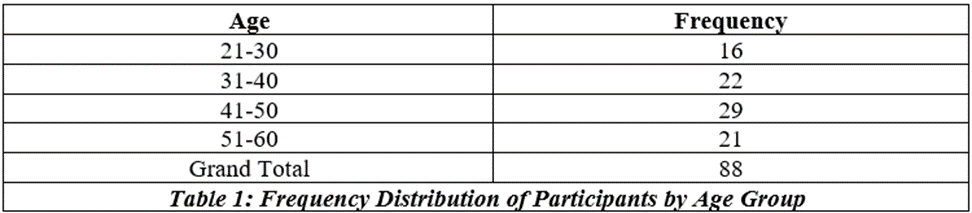
A total of 88 participants were included. The highest representation was in the 41–50 age group, with 29 individuals. 31–40 age brackets included 22 participants 21-30 with 16 patients, while the 51-60 range comprised 21. The age distribution displayed a relatively even spread across middle and older age groups, with a slight predominance in the 41–50 year bracket. This suggests that the patient population undergoing infraumbilical surgeries within the study period leaned toward the middle-aged and elderly demographics.
Gender Distribution of Study Participants
Participants’ gender was recorded and categorised as male or female. The number and percentage of individuals in each category were calculated to establish the gender composition of the study sample.

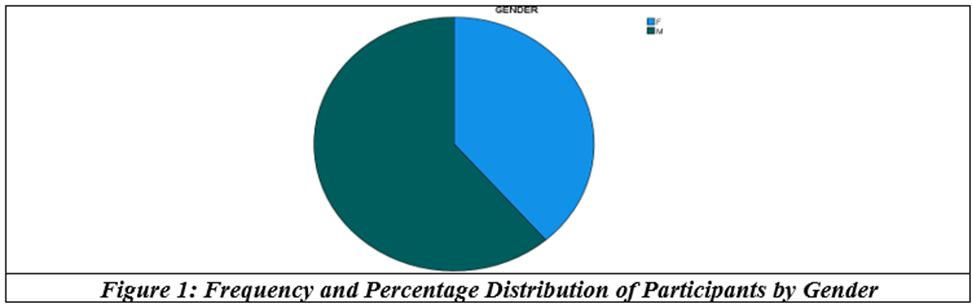
Out of 88 participants, 54 were males (61.4%) and 34 were females (38.6%). The data capture was complete with no missing values, ensuring a total representation of the sample population. The gender distribution revealed a male predominance in the study population.
Type of Surgical Procedure among Participants
The surgical procedures undergone by participants were categorised into three types. Each type was recorded and tabulated to determine the distribution of surgeries among the study cohort.
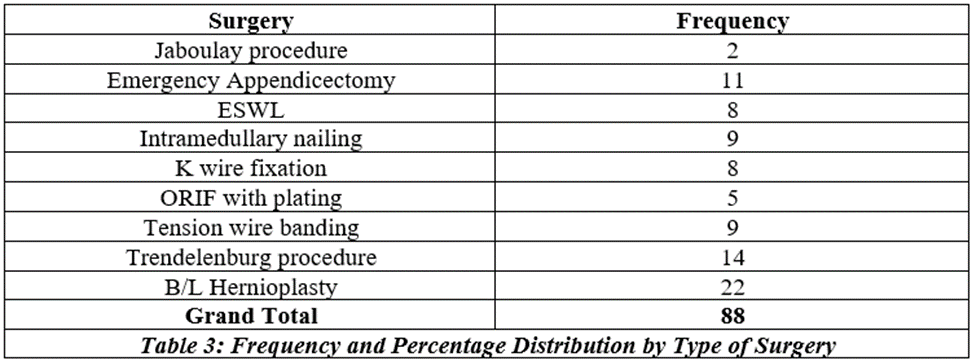
Among the 88 participants, 22 underwent hernioplasty (25%), followed by 14 who had Trendelenburg procedures (15%) and 11 underwent appendectomy (19.3%). All participants were accounted for in the data set
Incidence of Adverse Events
All participants were monitored for adverse events throughout the perioperative period. Incidences such as nausea, shivering, and respiratory depression were documented, alongside cases without any adverse effects.
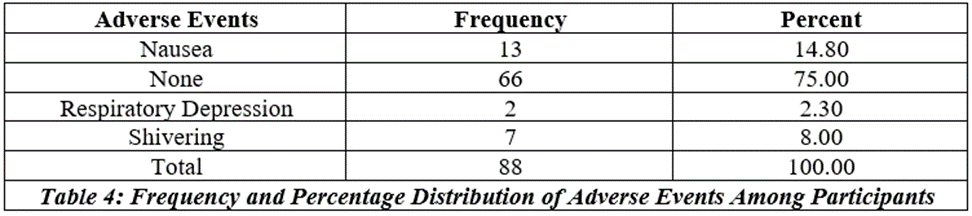
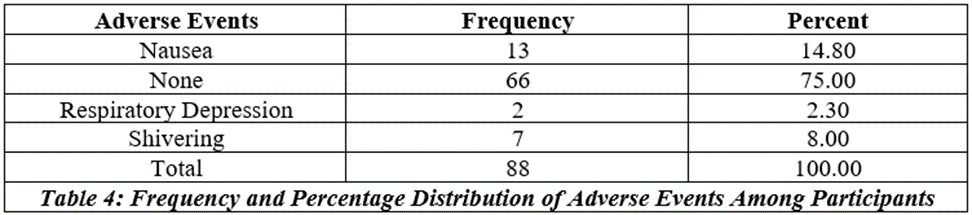
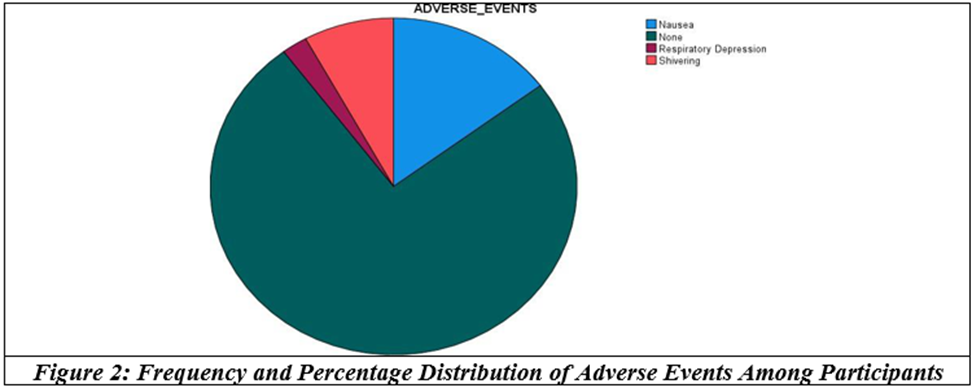
Out of 88 participants, 66 experienced no adverse events is 75.0%. Nausea occurred in 13 individuals is 14.8%, while 7 experienced shivering is 8.0%. Respiratory depression was noted in 2 participants is 2.3%. Most participants tolerated the anaesthetic regimen without complications, as evidenced by the high rate of uneventful cases.
Descriptive Statistics of Key Clinical Variables
Descriptive statistics were compiled for participant age, postoperative heart rate, onset time to sensory blockade at L1, and time taken to reach the highest sensory level. Minimum, maximum, mean, and standard deviation values were calculated to provide a quantitative summary of these parameters.
Association between Study Group and Highest Sensory Level Achieved
Participants in both study groups were assessed for the highest level of sensory blockade attained following intrathecal administration. Levels were categorised anatomically from L1 to T2, and frequencies were recorded for each group. A Chi-square test was performed to evaluate the association between the anaesthetic group and the highest sensory level achieved.

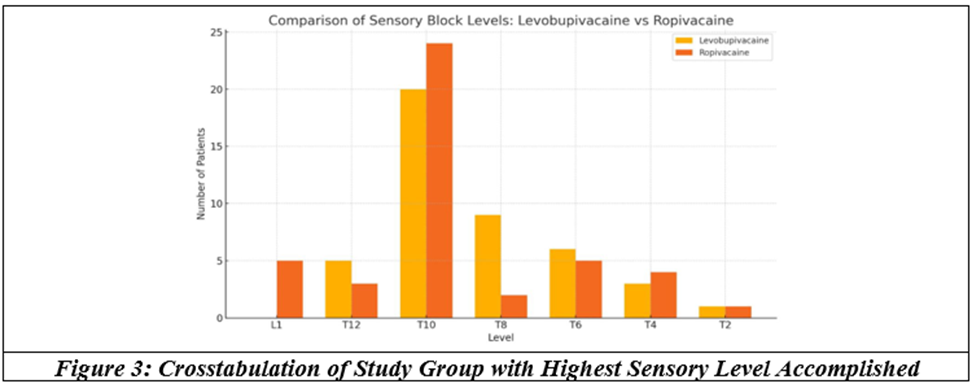
In our study the adequacy of sensory blockade needed to achieve was T10. This level was better achieved with ropivacaine (22/44 – most number of patients) than levobupivacaine. The next level of sensory block height was achieved by T8 by 10 patients with levobupivacaine. Thereafter the results at higher levels upto T2 was achieved by comparable numbers between the two groups.
Association between Study Group and Adverse Events
Adverse events observed during the study were documented for all participants and classified into seven categories. Frequencies were recorded for each type of event within the two study groups. A Chi-square test was conducted to examine the association between anaesthetic group allocation and the incidence of adverse effects.
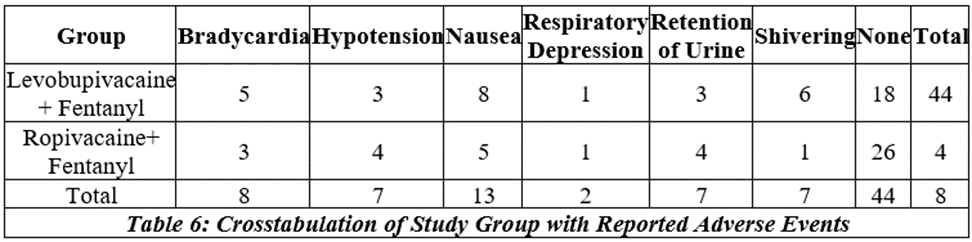
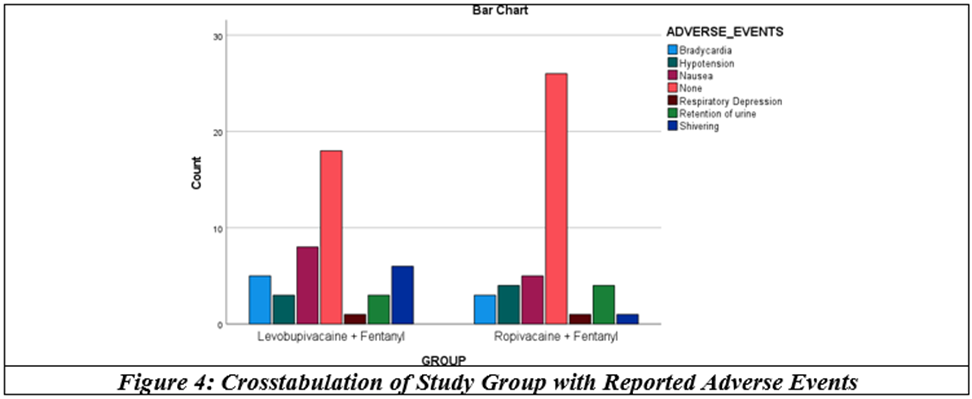
In the Levobupivacaine group, the most common adverse events were nausea in 8 participants and shivering in 6, while 18 reported no adverse effects. Bradycardia occurred in 5 cases, hypotension in 3, urinary retention in 3, and respiratory depression in 1. In contrast, the Ropivacaine group had 26 participants without any adverse events. Nausea occurred in 5 cases, hypotension in 4, and bradycardia in 3. Shivering was notably less common in this group, with only 1 case. The Pearson Chi-square value was 6.504 with a p-value of 0.036.
The statistically significant p-value indicates a meaningful difference in adverse event distribution between the two groups. Participants receiving Levobupivacaine-Fentany experienced a greater overall frequency of side effects, particularly nausea and shivering, suggesting a less favourable adverse event profile in comparison to the Ropivacaine-Fentanyl group.
Association between Study Group and Heart Rate Change
Heart rate variations observed following spinal anaesthesia were categorised into bradycardia, stable, or tachycardia. These outcomes were documented across both study groups, and a Chi- square test was employed to assess the association between the anaesthetic used and the resulting heart rate profile.

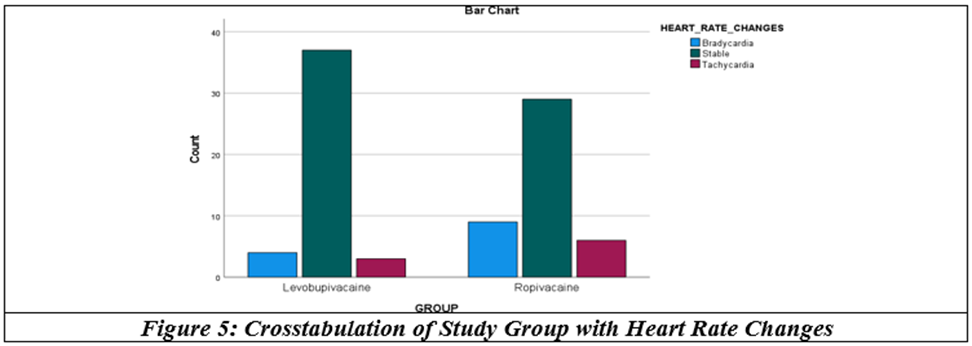
In the Levobupivacaine group, 37 participants maintained stable heart rates is 84.1%, while 4 developed bradycardia is 9.1% and 3 experienced tachycardia is 6.8%. In the Ropivacaine group, 29 maintained stable heart rates is 65.9%, 9 developed bradycardia is 20.5%, and 6 had tachycardia is 13.6%. The Pearson Chi-square value was 3.693 with a p-value of 0.143.
The p-value exceeds the threshold for statistical significance, indicating no meaningful association between the anaesthetic group and heart rate changes. Both groups exhibited a similar overall trend, with the majority of participants maintaining stable heart rates, suggesting comparable haemodynamic responses to the two anaesthetic regimens.
Association between Study Group and Blood Pressure Changes
Blood pressure responses post-anaesthetic administration were classified into mild hypotension, severe hypotension, and stable categories. The distribution of these outcomes was assessed across both anaesthetic groups. A Chi-square test was used to determine whether the type of anaesthetic influenced blood pressure changes.
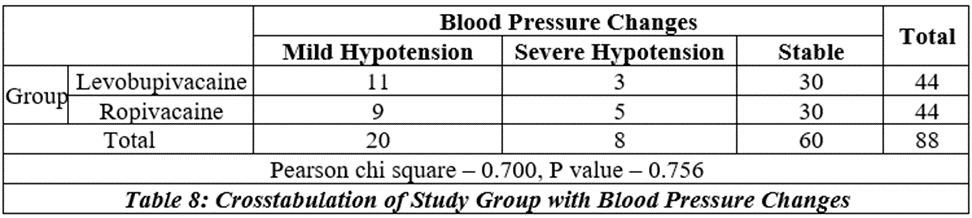
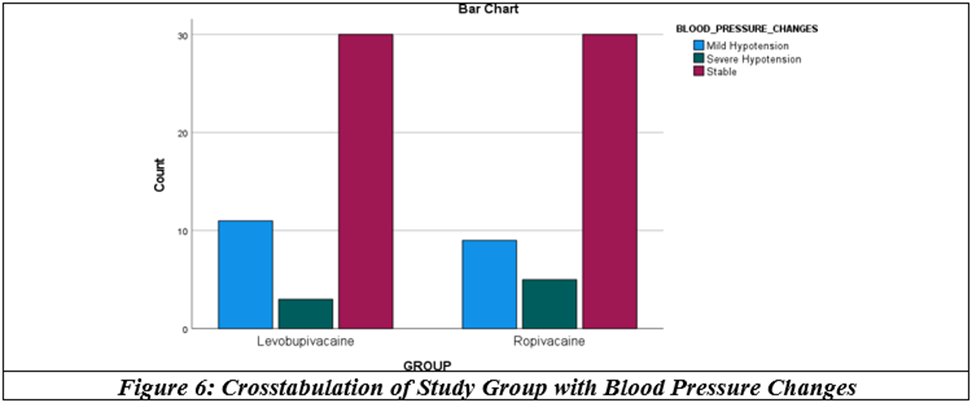
In the Levobupivacaine group, 30 participants maintained stable blood pressure is 68.2%, while 11 experienced mild hypotension is 25.0%, and 3 had severe hypotension is 6.8%. In the Ropivacaine group, 30 participants also remained stable is 68.2%, while 9 had mild hypotension is 20.5% and 5 developed severe hypotension is 11.4%. The Pearson Chi-square value was 0.700 with a p-value of 0.756.
The high p-value indicates a lack of statistical significance, confirming that both groups experienced similar distributions of blood pressure changes. This suggests that the choice between Levobupivacaine-Fentanyl and Ropivacaine-Fentanyl did not significantly influence the haemodynamic stability in terms of blood pressure response.
Comparison of Anaesthetic Parameters between Study Groups
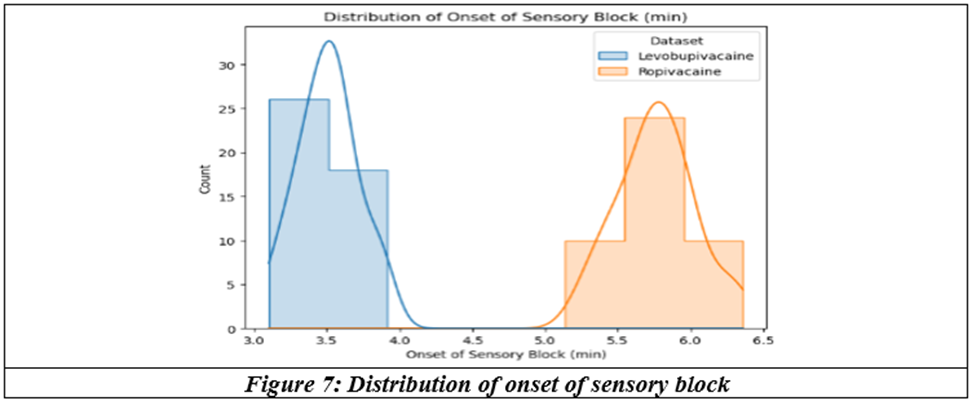
The onset of sensory block occurs early (3mins) with levoupivacaineand occurs in 30 patients against 24 patients with ropivacaine. The mean time of onset with levobupivacaine was around 3.5minutes whereas that with ropivacaine was around 5.7 to 5.8 minutes.
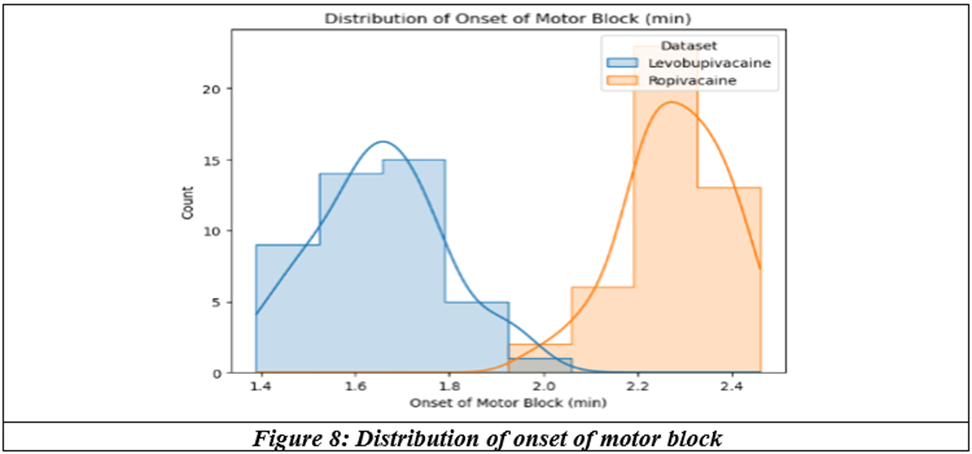
The onset of motor block was earlier with levobupivacaine (mean= 1.7 minutes) and ropivacaine showed 2.3 minutes in almost 20 patients. The onset of motor block was 1.7 minutes in more than 15/44 patients with levobupivacaine.
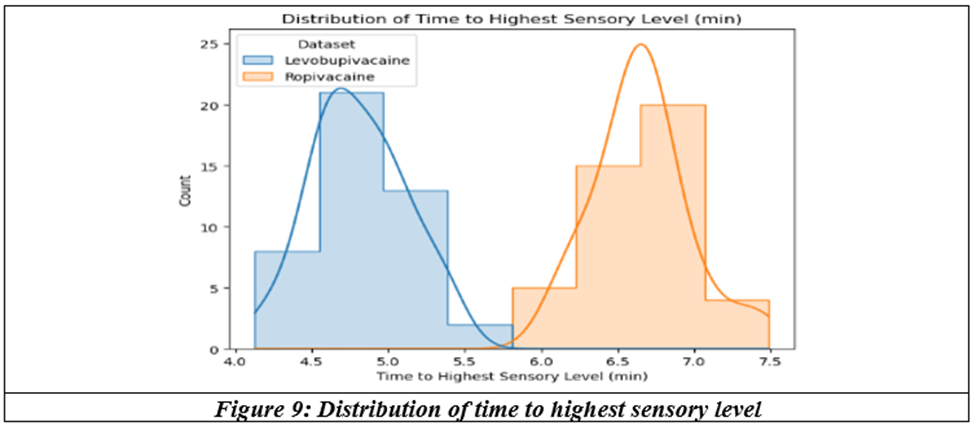
The time taken to reach highest sensory level was 6.7 minutes with ropivacaine whereas levobupivacaine attained highest sensory level at 4.6 minutes.
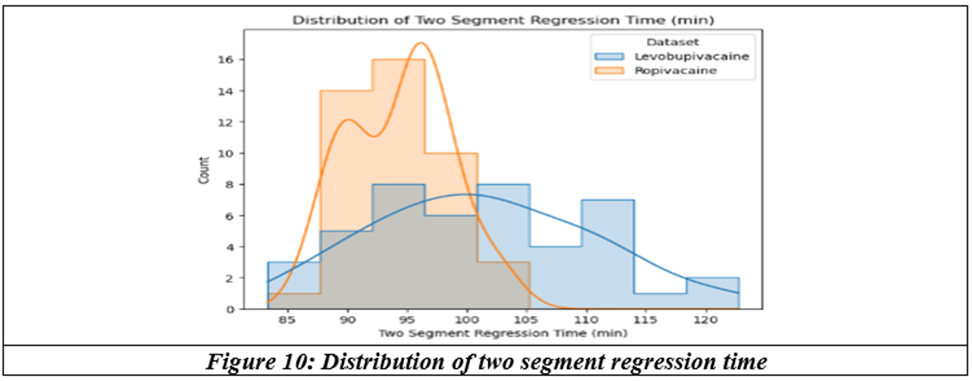
The regression of blockade by 2 segments was earlier with ropivacaine (n=16) while levobupivacaine had a mean of 100 minutes in 8/44 patients.
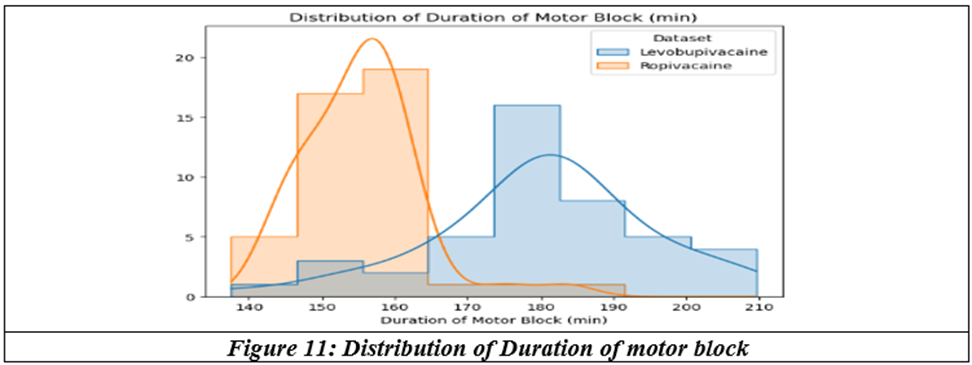
Distribution of duration of motor block depicted a delayed time with levobupivacaine with a mean of about 185 minutes while it was 155 minutes with ropivacaine.
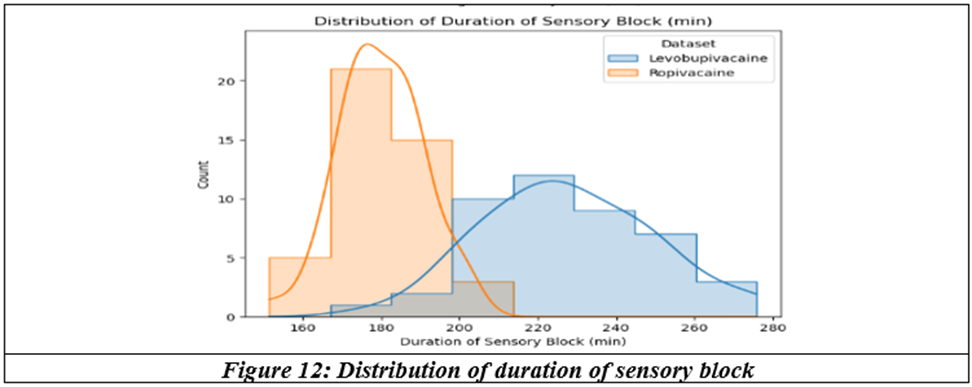
Distribution of duration of sensory block revealed a mean of 180 minutes with ropivacaine in 24 patients whereas only 12 patients showed the peak of 230 minutes with levobupivacaine.
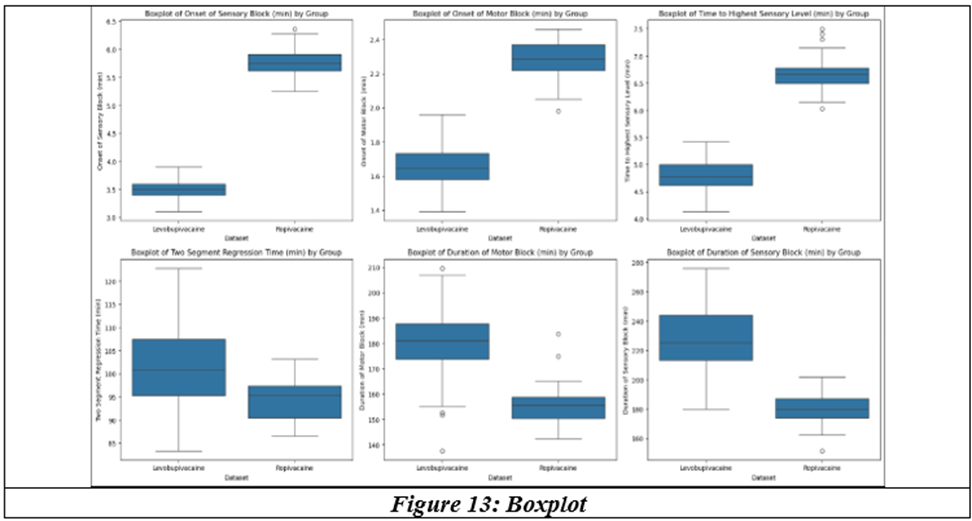
The boxplot of onset of sensory block depicted a maximum number of patients between 5.5 and 6 minutes with ropivacaine and 3.5 minutes with levobupivacaine.
Boxplot on onset of motor block showed maximum number of patients between 2.2 to 2.4 minutes in ropivacaine group and 1.6-1.8 with levobupivacaine.
The time to highest level was more with ropivacaine than with levobupivacaine. Two segment regression time boxplot showed more number of patients within 95-105 minutes. Duration of motor block had more number of patients between 112-182 minutes with levobupivacaine, with small number of patients within 150-160 minutes in ropivacaine.
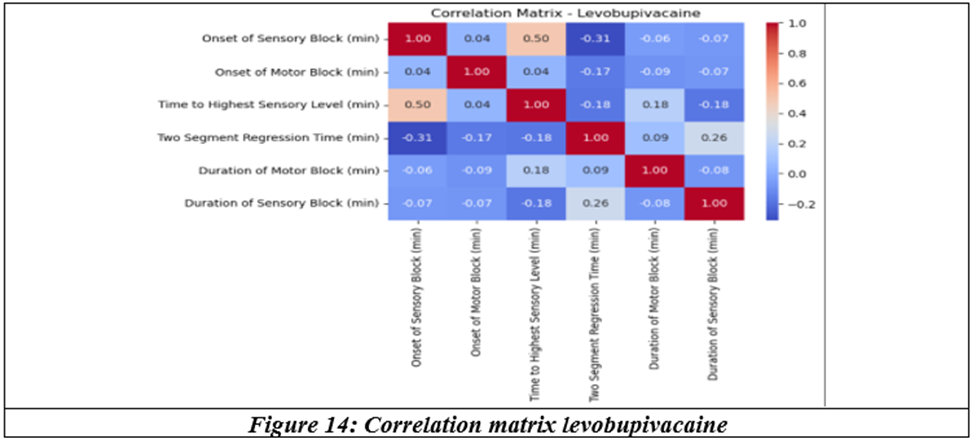
The correlation matrix of parameters within levobupivacaine group showed a r value of 0.5 between time to highest sensory level and onset of sensory block.
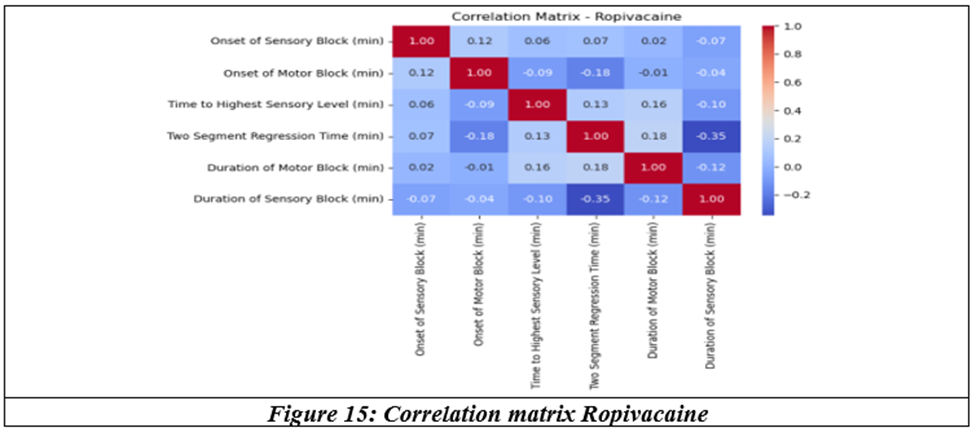
Correlation matrix of the ropivacaine group showed no significant correlation.
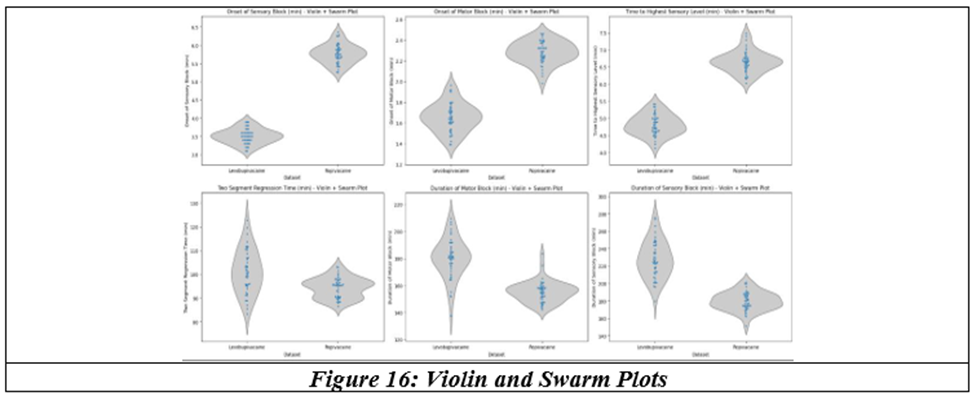
Violin and swarm plots showed earlier onset of sensory block and motor block with levobupivacaine with fentanyl group and early 2 segment regression time ropivacaine while duration of block peaked at 220 minutes with levobupivacaine group.
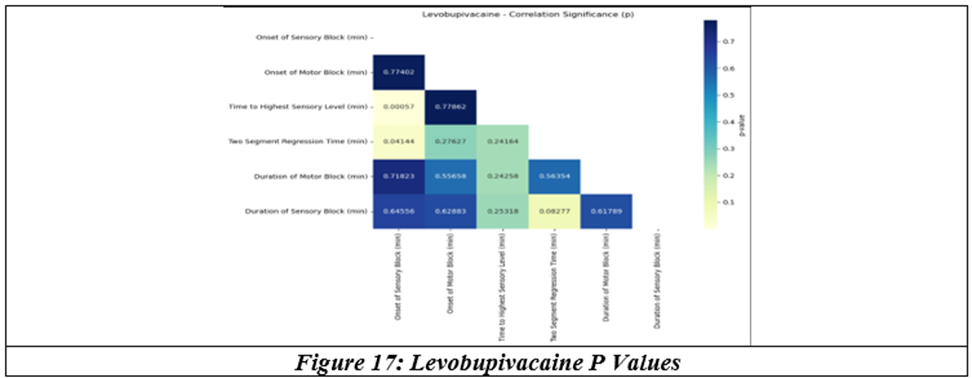
The onset of sensory block with 2 segment regression time showed a P value of 0.04. Onset of sensory block with time to attain highest sensory level showed a p value of 0.0005. The two segment regression time and duration of sensory block depicted P value of 0.
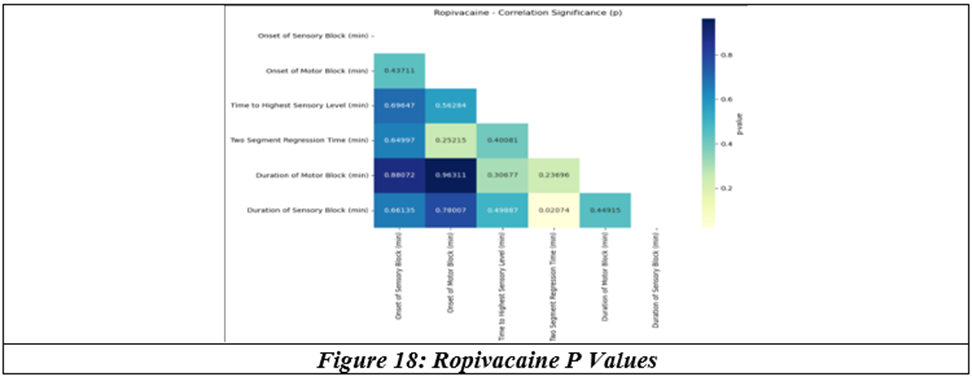
The 2 segment regression time with duration of sensory block showed a P value of 0.02. The onset of motor block and 2 segment regression time showed P value of 0.25.
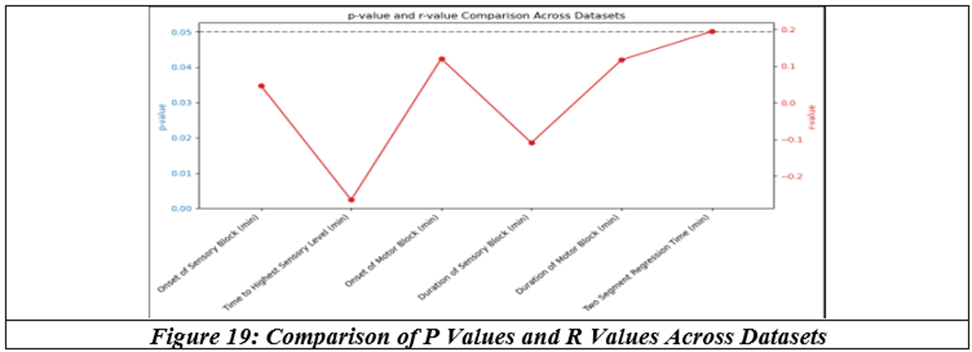
The onset of sensory block between the two groups showed a p value 0.03 to 0.04. Onset of motor block was between the groups 0.04. Duration od sensory block showed a significant p value of 0.02 between ropivacaine and levobupivacaine. The duration of motor block between the 2 drugs showed a p value of 0.04 and 2 segments regression related p value of 0.05.
DISCUSSION:
Spinal neuronal blockade results in a combination of sympathetic, sensory or motor blockade depending on dose, concentration or volume of the local anaesthetic administered.
Significant technical, physiological and pharmacological differences among various local anaesthetics in use and the use of adjuvants influence the neuronal blockade in intensity, extent and duration. Organisation of dorsal roots into component bundles creates a much larger surface area on which the local Anaesthetics act, thus larger sensory nerves are blocked more easily than smaller motor nerves.[1]
The lumbosacral cerebrospinal fluid has a constant pressure of 15 cm of water. This volume varies with body habitus and weight. CSF volume correlates inversely with body mass index, that is, less CSF in subjects with high BMI. It is estimated that 80% of variability in peak block height and depression of sensory and motor blockade depends on CSF volume.[2]
The speed of blockade depends on size, surface area and degree of myelination of nerve fibres exposed to the local anaesthetic. Among the sensory nerves, the C fibres (0.3–1μm) that are unmyelinated and conduct cold temperature sensation are blocked more readily, and earlier than A delta fibres (1–4μm) that are myelinated and conduct pain sensation. The A beta fibres (5-12μm) that are myelinated and conduct touch sensation are the last to be affected by the anaesthetics. The larger A alpha among the sensory myelinated are more resistant (12–20μm myelinated) and are more resistant than any of the sensory fibres.
Regression of Blockade follows this Order
motor function followed by touch then pinprick sensation and finally the cold sensation. The variable levels of anaesthesia to cold sensation most cephalad to the level of pinprick anaesthesia is termed differential sensory block.[3]
Local anaesthetics are made hyperbaric by addition of 8% dextrose. Most plain local anaesthetic solutions are either isobaric or hypobaric. Hyperbaric local anaesthetics are denser than CSF and will flow with gravity to the dependent areas of spine - usually the upper thoracic region in supine patients.[4]
Physical Properties of Local Anasthetics Related to Spinal Anaesthesia
Analysis of electrolyte composition, osmolarity and ph showed levobupivacaine to have higher sodium content, osmolarity and h+ ion concentration compared with bupivacaine or ropivacaine. As the temperature of local anaesthetic solution increases density decreases. When opoids are added to local anasthetics in order to prolong postoperative anaesthesia these render the mixture more hypobaric. Opoids such as fentanyl are hypobaric (0.9933mg/ml) when added to levobupivacaine or ropivacaine make the mixture more hypobaric. A change in density as low as 0.00006mg/ml may influence spread of local anaesthetic.[5]
Levobupivacaine

Levopubivacaine is the s- enantiomer of racemic bupivacaine. It is 13% less potent by molarity than racemic bupivacaine and has longer motor block onset time. levobupicaine provides effective postoperative pain management when combined with opoids. In general levorotatory isomers tend to cause significantly fewer adverse effects and thus are safer pharmacological alternative.[6]
Levobupivacaine has pka 0f 8.1 has high lipid solubility, 97% protein binding quality that lengthens its action time. Generally the pharmacodynamics are similar to bupivacaine.
Pharmacokinetics of levobupivacaine notify a maximum plasma concentration of 1.2μg/ml that is easily attainable 30minutes after epidural administration.it is metabolised in the liver by CyP450, CyP1A2 an CyP13A isoforms producing inactive metabolites. The major metabolite is 3 -hydroxy bupivacaine and the mionr one is desbutyl levobupivacaine. glucuronic acid and sulphate ester conjugates in phase 2 ensure extensive metabolites accumulate in renal dysfunction.
Ropivacaine

Ropivacaine is an amino amide with a relative lipid solubility of unchanged local anaesthetic being 2.5 when compared to lignocaine which is 1.0 and bupivacaine 8.0. the PKA is 8.2 and protein binding id 94%. Ropivacaine is metabolised in liver. The rate of amide metabolism depends on specific agent Prilocaine > lidocaine > mepivacaine > ropivacaine > bupivacaine. Thus rate of metabolism is faster with ropivacaine than bupivacaine but consistently lower than ester local anasthetics.
Maximum dose of ropivacaine is 3 mg/kg. The chiral carbon in mepivacaine, ropivacaine and bupivacaine allows existence as two optical isomers. The R(+) optical isomer of bupivacaine blocks more avidly and dissociates more slowly from cardiac sodium channel than the S(-) optical isomer whether ropivacaine or levobupivacaine.
The lower lipophilicity correlates with lesser cardiac depressant effects. Experimental studies with intravenous infusion of ropivacaine 10mg/ml showed significant changes in cardiac contractivity conduction time QRS with pictures found to be smaller than with bupivacaine. Ropivacaine has been shown to inhibit plated aggregation in plasma concentrations of 3.75 and 1.8 mg/ml. Ropivacaine is metabolised by aromatic hydroxylation to three hydroxy rope your Kane by CY p 450 1A2 and n d alkalization to 2 6 pipecoloxylidide by CYP3A4 86% of excretion is by the kidney.[7]

Hyperbic solution or considered more predictable due to their wider and more directive distribution with lower inter patient variability. Various studies involving efficacy and safety of spinal anaesthesia with hyperbic ropivacaine 0.75% and bupivacaine 0.5% in patience undergoing infra umbilical and lower limb surgery have been reported. The mean once a time for sensory blocked was faster with 0.5% bupivacaine than 0.75% ropivacaine (P<0.001). The mean onset time of motor blockade was also shorter with bupivacaine than with 0.75% Ropivacaine. (P<0.001). The highest level of block achieved showed a p value of 0.884 which was not significant. T6, T8 and T10 levels have been achieved almost comparable duration of time (24).
The onset of sensory block with 0.5% bupivacaine in various studies have been less than 2 minutes while answer of motor block it should P value less than 0.001 and duration of 3.9 minutes. When administered in 1:1.5 dose ratio bupivacaine and ropivacaine yield almost compatible block characteristics.[8] Levobupivacaine produces subarachanoid block with similar sensory and motor characteristics and recovery like bupivacaine. The regression of motor block occurs earlier with levobupivacaine and ropivacaine as compared with bupivacaine. At lower concentrations levobupivacaine produces differential neuraxial block with preservation of motor function which may be favourable in ambulatory surgery. Levobupivacaine is good substitute for bupivacaine long duration of sensory block associated with good analgesia and less toxicity makes it a better choice. The onset of sensory blockade has been consistently faster with levobupivacaine and time of regression by two levels and duration of sensory block was longer for levobupivacaine. Ropivacaine was found to be associated with the significant delayed onset but shorter duration of sensory block and 2 segment regression time (P< 0.001).[9]
Several studies done worldwide have shown maximum number of study population achieving a block height of T10 levels. With the introduction of ropivacaine inorder to combat cardiac toxicity due to bupivacaine, research studies comparing clinical efficacy of hyperbaric ropivacaine with hyperbaric bupivacaine for surgeries needing a T10 block height such as transurethral resection of prostrate were carried out. Cardiovascular responses marked by hypotension were reported to be 13.3 % with ropivacaine while 36.6% had hypotension with bupivacaine (p=0.01).
Whiteside et al found that ephedrine was needed as vasopressor to correct hypotension in 70%of cases performed with bupivacaine whereas only 15% exhibited the requirement with administration of ropivacaine (p=0.01).[10]
Since its formulation Ropivacaine has been projected less cardiotoxic early onset and short duration of motor action through structurally similar to bupivacaine. When desired of longer duration of analgesia an adjuvant is helpful. The levo rotatory molecule of bupivacaine Has also similar advantages of ropivacaine regarding cardio toxicity but maintains the potency of bupivacaine.[11] The selection of local anaesthetic to be used in spinal anaesthesia is usually based on the expected duration of surgery and need for early patient discharge, the quality of sensory blockade,motor blockade hemodynamic changes and side effect profile.
Evidence for clinical potential indicates that the duration and quality of sensory blockade with levobupivacaine is equivalent to bupivacaine making levobupivacaine advantageous in clinical usage along with its favourable safety profile on central nervous system and cardiac toxicity effects.[12] Levobupivacaine attributes its action to the reversible blockade of open neuronal sodium channel in a time dependent and voltage gated manner us it binds to the Intra cellular part of the sodium channel preventing sodium influx needed for depolarisation. It has a biphasic action on the local dermal microcirculation in analgesic and anaesthetic doses may cause rapid dose dependent vasodilation effects and an increase in skin perfusion. This is followed by letter minor vasoconstructive effect in sub therapeutic levels.[13]
The three commonly used drugs levobupivacaine, ropivacaine, bupivacaine where compared for their efficacy in subarachanoid block. Efficacy of spinnal anaesthesia for knee arthroscopy hip or knee replacement surgery inferred fastest onset of sensory and motor block with Levobupivacaine and regression of block was early with Ropivacaine P<0.005.
Comparison of Toxicity between Levobupivacaine and Ropivacaine
The physiochemical properties of both these drugs are similar. Relative potency of the drug is to be determined to interpret the result of toxicological investigations. The potential is closely related to lipid solubility which on the contrary is closely correlated to the specific rate of systemic toxicity. Ropivacaine was nearly 50% less potent than levobupivacaine in inhibiting tetradoxin- resistant sodium channels. Analogously levobupivacaine has been shown to have more potent blocking effects on the amplitude of maximal rate of rise of action potentials in crayfish giant axon than Ropivacaine. The evaluation on relative potency in humans is by determining those response curve is not feasible. The concept of mlac minimally effective local anaesthetic concentration is used. MLAC of ropivacaine is 40-50%higher. The relative potential ratio of 0.83 for levobupivacaine and 0.77 for Ropivacaine his was markedly reduced by the addition of adjuvant such as fentanyl or sufentanyl to 0.38 and 0.36 respectively.[14]
CNS toxicity between ropivacaine and levobupivacaine are species specific with no obvious differences in anaesthetised ventilated rats and a slightly greater convulsant dose for ropivacaine in sheep. Seizure propensity after levobupivacaine and ropicacaine appears to be 1.5- 2.5 times less than after bupivacaine. The occurrence of initial signs of toxicity such as tinnitus, circumoral numbness, dizziness, taste perversion suggest both agents produce similar effects at equal concentration.[15]
Both ropivacaine and levobupivacaine required a 10-25% larger dose to cause evident signs of cns toxicity.[16] Stronger depression of sodium influx on cardiac sodium channels by levobupivacaine than Ropivacaine. Furthermore recemic bupivacaine also blocked cardiac K+ channels. Myotoxic potency is of the order ropivacaine< bupivacaine <levobupivacaine. Despite the potency issue animal data show free plasma concentration associated with ropivacaine induced cardiovascular collapse were upto 50% higher than corresponding concentrations of levobupivacaine and successful resuscitation was markedly more frequent after ropivacaine intoxication.
Summary
1. Levobupivacaine-Fentanyl produced higher sensory block levels compared to Ropivacaine-Fentanyl; a significant number of participants in the Levobupivacaine group reached T4 and T6, indicating greater cephalad spread.
2. Motor block onset was faster with Levobupivacaine, but Ropivacaine provided quicker recovery, favouring early ambulation.
3. Adverse events were more frequent in the Levobupivacaine group, with higher incidences of nausea and shivering; Ropivacaine group exhibited a lower and more favourable side-effect profile.
4. Both groups demonstrated stable haemodynamic profiles, with no significant differences in heart rate or blood pressure changes; bradycardia and hypotension were infrequent and comparable.
5. Onset for sensory and motor block(p=0.04) and regression time for sensory and motor block(p=0.05) were consistent within groups, showing narrow variability and supporting the reliability of block characteristics under controlled dosing conditions.
CONCLUSION:
Our study aimed to compare the anaesthetic efficacy of equipotent doses of intrathecal hyperbaric Levobupivacaine with Fentanyl and hyperbaric Ropivacaine with Fentanyl for infraumbilical surgeries. Objectives were drawn from the protocol which defined goals as evaluating onset, regression, and duration of sensory and motor blockade, assessing haemodynamic stability and incidence of adverse effects associated with each agent. Study design enabled structured comparison under controlled clinical conditions.
Findings confirmed that both anaesthetic regimens achieved effective spinal anaesthesia for infraumbilical surgeries. Levobupivacaine demonstrated a tendency to produce higher sensory block levels and quicker motor onset. Hemodynamic variables were stable in both the groups. Adverse events like nausea and shivering occurred more frequently in the Levobupivacaine group. Both groups showed high tolerance levels with low rates of serious events and minimal need for intervention. Sensory block regression and motor recovery were earlier with Ropivacaine group allowing early ambulation.
Clinical implications of these findings suggest that either drug may be chosen for infraumbilical procedures; selection should depend on desired balance between sensory spread, motor recovery time, and duration of surgery. Levobupivacaine may be preferred where a higher cephalad block is desirable; Ropivacaine may suit procedures requiring shorter motor block duration and lower autonomic impact. Both agents supported surgical anaesthesia without compromising haemodynamic safety.
Research gaps included limited diversity in surgical types and homogeneity in patient ASA status. Study design excluded high-risk populations; findings may not generalise to all patient groups. Recovery parameters beyond immediate postoperative period were not explored; longer-term neurological or functional outcomes were not documented.
Future studies should examine pharmacodynamics of both agents in elderly and high-risk patients; effects on early ambulation, postoperative pain control, and recovery quality warrant investigation. Comparative analysis with other opioid adjuvants could offer insights into enhancing block profiles while minimising adverse effects. Trials with larger samples would strengthen external validity and support wider application.
Our study concluded that both Levobupivacaine-Fentanyl and Ropivacaine-Fentanyl combinations were effective for infraumbilical surgeries under spinal anaesthesia. Each demonstrated distinct advantages; Levobupivacaine offered higher sensory levels and faster motor onset, while Ropivacaine showed early regression of block levels. Both drugs provided clinically acceptable anaesthesia and safety profiles; choice should be guided by specific surgical requirements and individual patient considerations.
REFERENCES:
1. Liu SS, McDonald SB. Current Issues in Spinal Anesthesia. Anesthesiology 2001;94(5):888-906.
2. Carpenter RL, Hogan QH, Liu SS, et al. Lumbosacral cerebrospinal fluid volume is the primary determinant of sensory block extent and duration during spinal anesthesia. Anesthesiology 1998;89(1):24-9.
3. Liu S, Kopacz DJ, Carpenter RL. Quantitative assessment of differential sensory nerve block after lidocaine spinal anesthesia. Anesthesiology 1995;82(1):60-3.
4. Cullen BF, Stock MC, Ortega R, et al. Barash, Cullen, and Stoelting's Clinical Anesthesia: Print + eBook with Multimedia. 9th edn. Wolters Kluwer Health 2023.
5. Connolly C, Wildsmith JA. Intrathecal drug spread. Can J Anaesth 1998;45(4):289-92.
6. Hepellette CA, Buunnen D, Bampos S, et al. Clinical pharmacokinetics and pharmacodynamic of levobupivacaine. Pharmacokinetics 2020;59(6):715-45.
7. Lee A, Fagan D, Lamont M, et al. Disposition kinetics of ropivacaine in humans. Anesth Analg 1989;69:736-8.
8. Gautier PE, De Kock M, Van Steenberge A, et al. Intraathecal ropivacaine for ambulatory surgery. Anesthesiology 1999;91:1239-45.
9. Patel AM, Naik AP, Panchal NN. Effectiveness of ropivacaine versus levobupivacaine for spinal anesthesia and analgesia in lower limb surgery. JMSCR 2018;6(2):930-7.
10. Whiteside JP, Burke D, Wildsmith JA. Comparison of ropivacaine 0.5% (glucose) with bupivacaine 0.5% (1 mg glucose 8%) for spinal anesthesia for elective surgery. BJA 2003;90(3):304-8.
11. Kumar RA, Preetha I. Comparing the efficacy and haemodynamic response between intrathecal hyperbaric 0.5% bupivacaine with isobaric 0.75% ropivacaine using fentanyl as adjuvant in patients undergoing infra umbilical surgeries. Indian Journal of Clinical Anaesthesia 2020;7(3):444-9.
12. Heppolette CAA, Brunnen D, Bampoe S, et al. Clinical Pharmacokinetics and Pharmacodynamics of Levobupivacaine. Clin Pharmacokinet 2020;59(6):715-45.
13. Newton DJ, McLeod GA, Khan F, et al. Vasoactive characteristics of bupivacaine and levobupivacaine with and without epinephrine in peripheral human skin. Br J Anaesth 2005;94(5):662-7.
14. Zink W, Graf BM. The toxicity of local anesthetics: the place of ropivacaine and levobupivacaine. Curr Opin Anaesthesiol 2008;21(5):645-50.
15. Stewart J, Kellett N, Castro D. The central nervous system and cardiovascular effects of levobupivacaine and ropivacaine in healthy volunteers. Anesth Analg 2003;97(2):412-6.
16. Knudsen K, Beckman S, Quastuka M, et al. Central nervous and cardiovascular effects of IV infusions of ropivacaine, bupivacaine and placebo in volunteers. Br J Anaesth 1997;78(5):507-14.