Fetomaternal Outcomes in Teenage versus Adult Pregnancies Complicated by Preeclampsia and Eclampsia: A Follow-Up Study at a Tertiary Care Teaching Hospital in Rural Eastern India.
- Dr. Anita Das , M.B.B.S, M.S Gynecology & Obstetrics, Deban Mahata Government Medical College & Hospital, Purulia, West Bengal, India.
- Dr. (Mrs.) Mousumi De , Professor Department of Pharmacology, R.G Kar Medical College, Kolkata, West Bengal, India.
- Dr. Priyabrata Karak , Medical Officer (G&O specialist) Deben Mahata Government Medical College & Hospital, Purulia, (West Bengal), India
Article Information:
Abstract:
Background: Preeclampsia and eclampsia lead to significant morbidity in the mother and the foetus, and teenage pregnancy could be a contributing risk factor. There is a scarcity of studies that have focused on the comparison of the health of teenage with that of adult mothers in the same sample of hypertensives. This retrospective cohort study compared fetomaternal outcomes between teenage women (<18 years) and adult women (≥ 18 years) who developed preeclampsia or eclampsia. Methods: This is an observational follow up study of 12 months duration in this hospital over a period of time in Deben Mahata Government Medical College and Hospital, Purulia, West Bengal. A total of 60 adolescent (10-19 years) and 60 adult (20-35 years) women with preeclampsia or eclampsia were monitored from their admission to discharge. The t-test, chi-square test and Fisher's exact test (p<0.05) were used to compare maternal and neonatal outcomes. Results: Teenage mothers had higher admission systolic (157 vs 148 mmHg) and diastolic (104 vs 97.3 mmHg) blood pressure (both p < 0.001), delivered earlier (37.0 vs 38.0 weeks; p = 0.012) and had lighter neonates (2308 vs 2578 g; p = 0.006). Low birth weight occurred in 75.0% versus 40.0% (p < 0.001). Preterm birth (36.7% vs 23.3%; p = 0.11) and 3+ proteinuria (21.7% vs 6.7%; p = 0.051) were not significantly different. Conclusion: Teenage mothers who had preeclampsia/eclampsia showed elevated blood pressure and delivered early and smaller babies. Registration, blood pressure monitoring and prompt medical attention are required.
Keywords:
Article :
INTRODUCTION:
Hypertensive disorders of the pregnancy still continue to be one of the most significant causes of both maternal and perinatal morbidity and mortality globally. The emergence of hypertension post 20 weeks of gestation accompanied by proteinuria or maternal organ impairment is characteristic of preeclampsia, while eclampsia represents the convulsive manifestation of preeclampsia [1]. It is estimated that approximately 14% of maternal deaths are due to preeclampsia and eclampsia, and almost all of these deaths happen in low and middle income countries where the condition is not diagnosed until it has reached a stage of organ failure because of infrequent antenatal care attendance and inadequate emergency obstetric and critical care services [2]. High prevalence of anemia, undernutrition and early marriage further exacerbates the burden in South Asian countries in particular [3].
Teen pregnancy falls into all of these risks. According to the ‘World Health Organization, adolescents are people between the ages of 10 and 19 and in many developing countries’, a considerable proportion of girls are commencing motherhood at a very early age [4]. In India, a national household survey was used to put the percentage of women of reproductive age (15-19) who started childbearing at nearly 8% [5]. The hospital-based series of tertiary hospitals nationwide agree that teenage mothers make up between approximately 5% and as many as one in five of all deliveries, depending on the region and the type of hospital. In one rural tertiary centre, the incidence of adolescent pregnancy was 18.3% and in another government hospital, 138 of 709 deliveries (19.4%) were made by adolescents [6].
There are both social and biological reasons for the association of low maternal age with hypertensive disease [7]. The pubertal uterus and its vascular bed is still developing and a young girl who becomes pregnant shortly after her first period may not have as much trophoblastic invasion and remodelling of the spiral arteries as an adult, favouring under perfusion of the placenta, oxidative stress and endothelial dysfunction [8]. Teenage mothers also tend to be anaemic and undernourished at the time of pregnancy: a tertiary hospital series reported 63.7% of adolescent mothers were anaemic, while another reported 47.1% were undernourished.
A concern is supported by the epidemiological evidence, though the magnitude of the impact is different across settings. A large systematic review and metanalysis combining data across 70 studies of 291247 adolescents found the prevalence of hypertensive disorders in adolescent pregnancies to be 6.7%, significantly higher in low and middle income countries and with the suggestion of a mild reduction over time, which was thought to be due to improved antenatal surveillance [9]. There is a much greater range of individual studies. Illiteracy was the most significant associated factor with preeclampsia that was observed in a cross-sectional study conducted in Pakistan from a teaching hospital, where 29.77% of the adolescent mothers were affected by preeclampsia [10]. Preeclampsia incidence of 28.0% for 150 pregnant adolescents in Tamil Nadu has been observed in a prospective study and 23.1% of 251 adolescent mothers in Tiruchirappalli had gestational hypertension with 4.8% having eclampsia in a tertiary care series [11]. A Dhaka study revealed that 3.8% of teenage mothers had eclampsia, an even higher figure than in the Gujarat study, which found that 8.7% of the young women had eclampsia, while 17.3% of those in Dhaka had preeclampsia. More than a quarter of the young women in Dhaka had not had an antenatal visit [12].
Comparative studies with an adult reference group can provide a more accurate picture. In a rural tertiary centre in India, adolescent primigravidae had significantly more ‘preeclampsia (12.8% vs 8.4%), eclampsia (3.5% vs 1.5%), preterm delivery (18.6% vs 10.8%) and low birth weight (39.1% vs 24.2%) than primigravidae aged 20–25 years’, while postpartum complications and stillbirth did not differ [13]. In comparison with 110 adolescents and 220 adults in a teaching hospital in Ghana, eclampsia was about three times more common among the adolescents (odds ratio 3.37), though preeclampsia was actually more common among adults (7.7% versus 6.4%) – most other outcomes were similar [14]. A prospective study from eastern India also observed that eclampsia is the most common condition in the youngest women and preeclampsia is relatively more common with increasing age [15]. The fact that these observations indicate that the form and the severity of hypertensive disease and the implications for the newborn are as affected by adolescence as the overall level of occurrence is a reflection of how much impact the adolescent period has on both of these. Most of the available Indian data are on teenage pregnancy in general and not the subset of teen girls diagnosed with preeclampsia/eclampsia; few studies have compared teen and adult women with the same diagnosis of hypertension [16].
This is important as differences in blood pressure at presentation, timing of delivery, fetal growth and maternal complications within a uniformly affected population are the findings that should guide the practice of antenatal surveillance and referral [17]. Purulia is a socioeconomically deprived district, mostly rural, of West Bengal, with high rate of early marriage and where the government medical college receives referrals from district and peripheral health facilities [18]. This may then provide evidence specific to the region for the clinician and programme manager.
Aim and objectives
The objective of this study is to compare the fetal/maternal results of teenage and adult pregnancies with preeclampsia/eclampsia. Specific Objectives were (i) to compare the sociodemographic profile, blood pressure and proteinuria at admission; (ii) to compare gestational age at delivery and mode of delivery; (iii) to compare maternal complications and final maternal outcome; and (iv) to compare birth weight, APGAR score, stillbirth and neonatal complications between the two groups.
MATERIALS AND METHODS:
Study design and setting
This is an observational descriptive follow up study conducted in Deben Mahata Government Medical College & Hospital, Purulia, West Bengal, India (DMGMCH) in the Department of Obstetrics and Gynaecology of DMGMCH. The hospital functions as a tertiary care teaching facility that accepts referrals from district and peripheral health centers, serving a substantial rural demographic, including women from diverse socio-economic strata. All the data were collected within 12 months from the approval date by the Institutional Ethics Committee and then compiled and analysed in the next 6 months.
Study population and group definition
This study population consisted of pregnant women who were admitted to the inpatient obstetric wards with a clinical diagnosis of preeclampsia or eclampsia, labour room and emergency obstetric unit. The teenage group consisted of women whose age at the time of pregnancy was 10–19 years and the non-teenage (adult) group consisted of women whose age at the time of pregnancy was 20–35 years. All participants were followed up clinically, obstetrically and neonatally after their admission until the end of the postpartum period or until the children were discharged from the hospital.
Inclusion and exclusion criteria
Inclusion criteria: (1) Women who have been diagnosed with preeclampsia/eclampsia after 20 weeks gestation; and (2) Written informed consent – parent/guardian for minors, participant for adults – was obtained from women.
Exclusion criteria: (1) gestational age below 20 weeks at the time of diagnosis; (2) seizure disorders unrelated to eclampsia; and (3) pre-existing chronic hypertension, heart disease, renal disease or other major systemic illness unrelated to pregnancy.
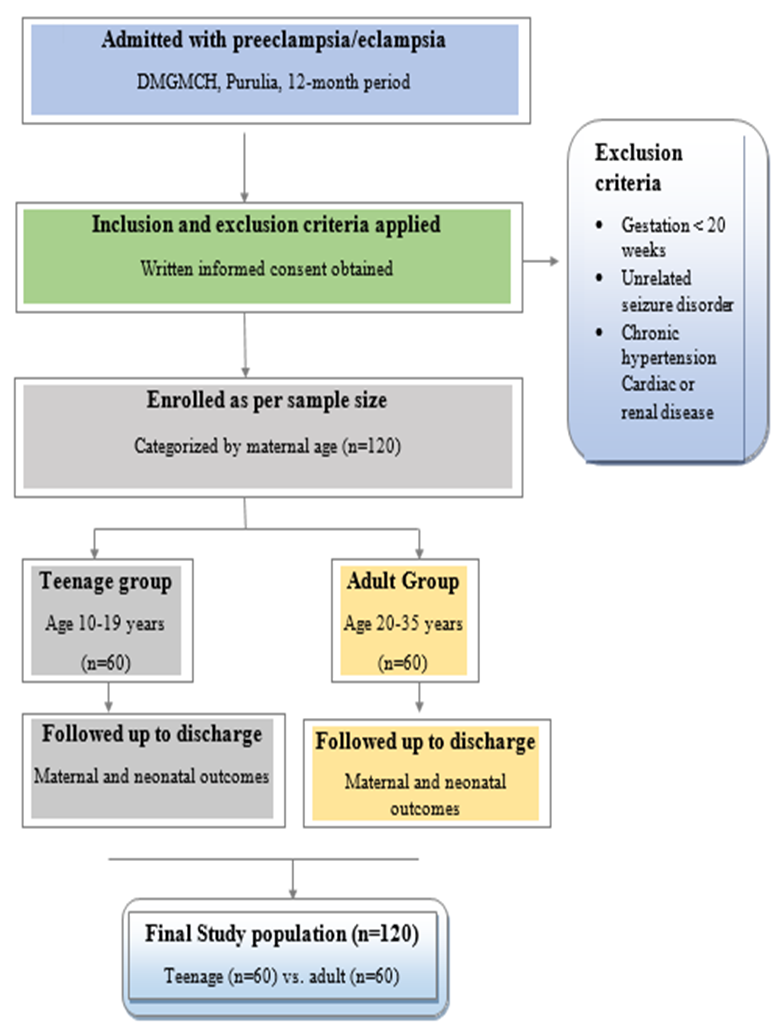
Figure 1. Participant selection flow diagram for teenage (n = 60) and adult (n = 60) women with preeclampsia or eclampsia included in the study.
Study variables and operational definitions
Independent variables included sociodemographic factors (age, residency, education and socioeconomic status), obstetric data (parity, age of gestation and antenatal status), and the type and extent of the hypertensive disorder, blood pressure level at admission and urinary protein. The dependent variables encompassed maternal outcomes such as delivery method, maternal morbidity, puerperal problems, and maternal death, as well as neonatal outcomes including birth weight, 5-minute APGAR score, live birth or stillbirth, and neonatal difficulties.
Hypertension that developed after 20 weeks gestation with proteinuria or with evidence of end-organ dysfunction was classified as preeclampsia and generalised convulsions in a woman with preeclampsia who could not be accounted for by another cause was classified as eclampsia. The definition of ‘low birth weight (LBW) was birth weight less than 2500 g and very low birth weight (VLBW) was birth weight less than 1500 g. Low birth weight (LBW) was defined as delivery before 37 completed weeks, and very low birth weight (VLBW) was defined as delivery of a baby weighing less than 1500 g’. The urinary protein was categorized as nil, trace, 1 +, 2 + or 3 +.
Sample size
The sample size was calculated with the formula for comparison of two proportions, ‘N = (Zα + Zβ)² × (P₁q₁ + P₂q₂) / (P₁ − P₂)², where Zα = 2.58 at the 99% confidence level and Zβ = 1.28 at 90% power’. Based on this, 60 teen and 60 adult mothers were recruited.
Data collection
The clinical history sheets and case records were observed on a predesigned proforma and entered into the computer on Microsoft Excel. Those blood pressure and urinary protein were obtained on admission. The maternal and neonatal events were recorded until the time of discharge and any cases that were transferred to a different setting were recorded as referred.
Statistical analysis
Data were analysed with SPSS version 22. Data for continuous variables are expressed as mean ± standard deviation (SD), and the median values were used for the data, which were compared between the groups with the independent-samples t-test. The categorical variables are shown as both a percentage and a numerical value, and were analysed using the chi-square test when the anticipated cell counts were low. A p value < 0.05 was defined as significant.
Ethical considerations
The study was approved by the Institutional Ethics Committee before data collection began. All adult participants gave written informed consent and minors gave written informed consent and their assent. Participant information was kept confidential at all times.
RESULTS:
The total number of women included were 120, 60 in each group. The two groups were well separated by age with ‘the mean age of the teenage mothers being 17.4 ± 1.17 years (median 17.0) and that of the adult mothers being 25.6 ± 4.52 years (median 25.0), the difference being highly significant (t = −13.7, df = 118, p < 0.001)’.
Socioeconomic status, gestational age and blood pressure at admission
Table 1 shows that nearly all the respondents were from the lower socioeconomic group. There was no statistical difference on Fisher's exact test between the two groups in terms of lower socioeconomic status (96.7% of the teenage mothers compared to 90.0% of the adult mothers). There was a significant difference in gestational age at delivery with the teenage group having a significantly lower age at delivery, and 22 (36.7%) of the teenagers and 14 (23.3%) of the adults delivered prematurely (before 37 weeks) but this difference was not significant (p = 0.11). There was a significant difference in the blood pressure readings for the adolescent mothers at admission, both for systolic and diastolic.
Table 1. Sociodemographic and clinical profile at admission (n = 120)
|
Variable |
Teenage (n = 60) |
Adult (n = 60) |
p value |
|
Age, years (mean ± SD) |
17.4 ± 1.17 |
25.6 ± 4.52 |
< 0.001 |
|
Lower socioeconomic status, n (%) |
58 (96.7) |
54 (90.0) |
0.27 |
|
Middle socioeconomic status, n (%) |
2 (3.3) |
6 (10.0) |
|
|
Gestational age at delivery, weeks (mean ± SD) |
37.0 ± 2.06 |
38.0 ± 2.15 |
0.012 |
|
Preterm delivery (< 37 weeks), n (%) |
22 (36.7) |
14 (23.3) |
0.11 |
|
Systolic blood pressure, mmHg (mean ± SD) |
157 ± 8.22 |
148 ± 8.62 |
< 0.001 |
|
Diastolic blood pressure, mmHg (mean ± SD) |
104 ± 7.95 |
97.3 ± 8.14 |
< 0.001 |
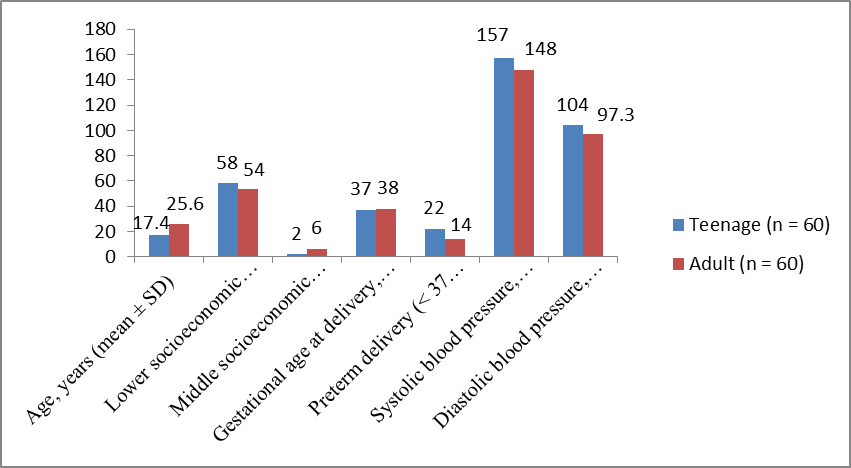
Figure 2. Comparison of sociodemographic, obstetric, and blood pressure characteristics between teenage (n = 60) and adult (n = 60) groups.
The median systolic blood pressure was 156 mmHg in teenagers and 150 mmHg in adults and the median diastolic blood pressure was 102 mmHg in teenagers and 100 mmHg in adults. The teen moms had on average a 9 mmHg higher systolic pressure, and a 7 mmHg higher diastolic pressure than adult moms.
Proteinuria
In the teenage group, there was a trend towards more heavy proteinuria (Table 2). Three-plus proteinuria was more common in the teens (21.7%) than in the adults (6.7%) while 1+ proteinuria was more common in the adults (43.3% vs 23.3%). There was also a general difference across the five categories, although this was not quite significant (χ² = 9.44, df = 4, p = 0.051).
Table 2. Distribution of urinary protein at admission (n = 120)
|
Urinary protein |
Teenage, n (%) |
Adult, n (%) |
Total, n |
|
Nil |
5 (8.3) |
5 (8.3) |
10 |
|
Trace |
12 (20.0) |
14 (23.3) |
26 |
|
1+ |
14 (23.3) |
26 (43.3) |
40 |
|
2+ |
16 (26.7) |
11 (18.3) |
27 |
|
3+ |
13 (21.7) |
4 (6.7) |
17 |
|
Total |
60 (100) |
60 (100) |
120 |
χ² = 9.44, df = 4, p = 0.051.
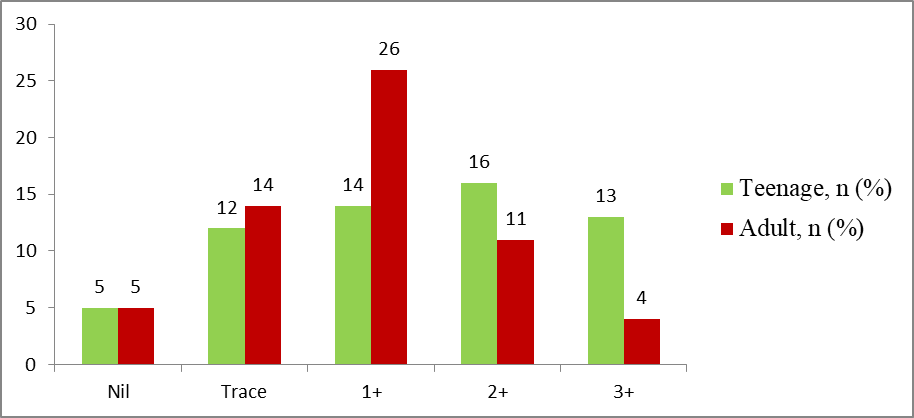
Figure 3. Severity of proteinuria in teenage and adult pregnant women with hypertensive disorders of pregnancy
Mode of delivery and indications for caesarean section
Vaginal delivery was recorded in 38 teenagers (63.3%) and 33 adults (55.0%), and caesarean section in 22 (36.7%) and 27 (45.0%) respectively; the difference was not significant (p = 0.458). The number of teenage mothers (19, 31.7%) and adult mothers (11, 18.3%) who delivered using forceps was not statistically significantly different (p = 0.140), although there was a numerical difference. The commonest recorded indications for caesarean section were eclampsia (6 teenagers and 5 adults) and failed induction of labour, alone or with a hypertensive diagnosis (5 and 10 respectively). Severe preeclampsia with fetal distress was an indication only among teenagers (3 cases) and cephalopelvic disproportion (CPD), alone or combined with a hypertensive diagnosis was an indication for 2 teenage and 5 adult operations. There was no significant difference in the overall distribution of indications between the groups (p = 0.124).
Table 3. Mode of delivery and main indications for caesarean section
|
Variable |
Teenage, n (%) |
Adult, n (%) |
p value |
|
Vaginal delivery |
38 (63.3) |
33 (55.0) |
0.458 |
|
Caesarean section |
22 (36.7) |
27 (45.0) |
|
|
Forceps-assisted delivery |
19 (31.7) |
11 (18.3) |
0.140 |
|
Indications for caesarean section (condensed) |
n = 22 |
n = 27 |
0.124 (full distribution) |
|
Eclampsia |
6 |
5 |
|
|
Failed induction (alone or with a hypertensive diagnosis) |
5 |
10 |
|
|
Cephalopelvic disproportion (alone or combined) |
2 |
5 |
|
|
Severe preeclampsia (alone) |
4 |
2 |
|
|
Severe preeclampsia with fetal distress |
3 |
0 |
|
|
Preeclampsia with premature rupture of membranes |
2 |
0 |
|
|
Oligohydramnios (with preeclampsia) |
0 |
2 |
|
|
Preeclampsia (alone) |
0 |
2 |
|
|
Breech presentation in labour |
0 |
1 |
|
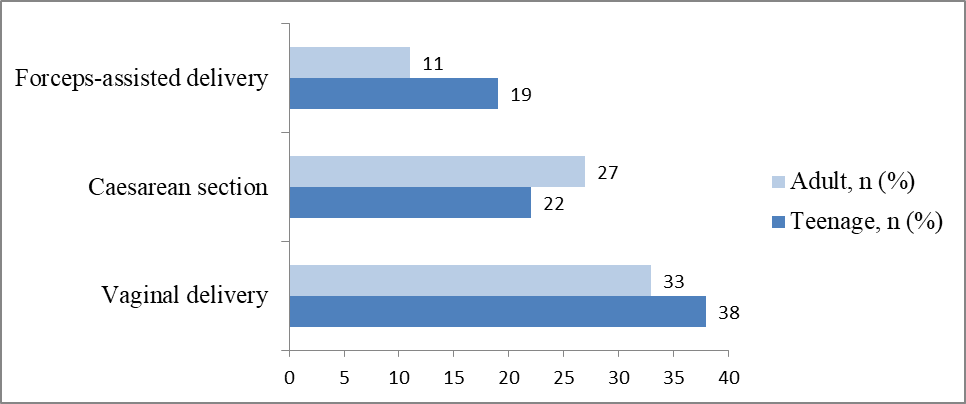
Figure 4. Distribution of mode of delivery (vaginal delivery, caesarean section, and forceps-assisted delivery) among teenage (n = 60) and adult (n = 60) patients
Neonatal outcomes
The weight at birth of the neonates of teenage mothers was significantly lower (Table 4). The difference in low birth weight (LBW) between the two groups was highly significant (p < 0.001): 45/60 (75.0%) vs. 24/60 (40.0%). The mean five-minute APGAR score was not significantly lower in the teenagers group (4.95 ± 1.24 vs 5.32 ± 1.38, p = 0.129). There were no stillbirths among the 60 neonates born by teenage mothers, but two (one fresh and one macerated) were stillborn among the adults (p = 0.362).
The most common neonatal complications for both groups included low birth weight, and respiratory distress syndrome (RDS) was reported only in neonates born to teenage mothers (7 neonates, 6 of whom had LBW, 1 of whom had VLBW). There were 3 teens and 2 adult VLBW without RDS. The distribution of the complication categories was not significantly different overall (p = 0.204).
Table 4. Neonatal outcomes (n = 120)
|
Variable |
Teenage (n = 60) |
Adult (n = 60) |
Test statistic |
p value |
|
Birth weight, g (mean ± SD) |
2308 ± 375 |
2578 ± 654 |
t = −2.78 |
0.006 |
|
Median birth weight, g |
2290 |
2642 |
|
|
|
Low birth weight (< 2500 g), n (%) |
45 (75.0) |
24 (40.0) |
χ² = 15.0 |
< 0.001 |
|
APGAR score at 5 minutes (mean ± SD) |
4.95 ± 1.24 |
5.32 ± 1.38 |
t = −1.53 |
0.129 |
|
Live birth, n (%) |
60 (100) |
58 (96.7) |
χ² = 2.03 (df 2) |
0.362 |
|
Stillbirth (fresh / macerated), n |
0 |
2 (1 / 1) |
|
|
|
Neonatal complication: LBW, n |
25 |
18 |
χ² = 4.59 (df 3) |
0.204 |
|
LBW with RDS, n |
6 |
0 |
|
|
|
VLBW with RDS, n |
1 |
0 |
|
|
|
VLBW, n |
3 |
2 |
|
|
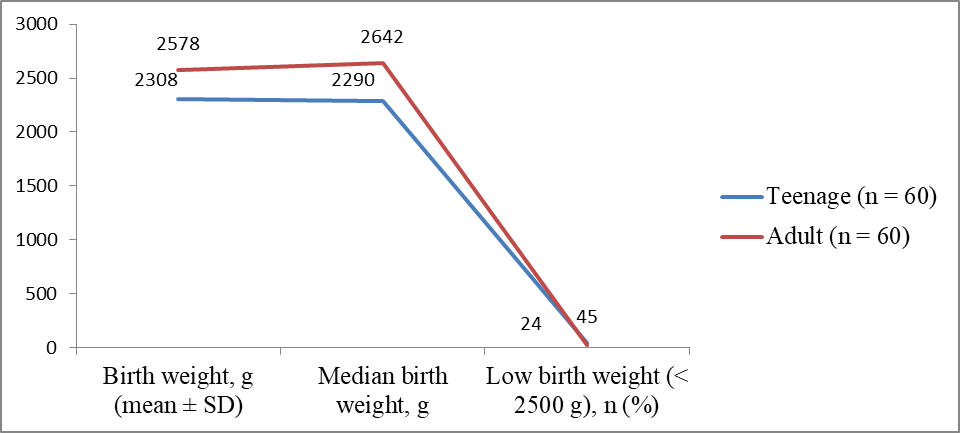
Figure 5. Mean birth weight, median birth weight, and low birth weight (< 2500 g) among neonates of teenage (n = 60) and adult (n = 60) mothers
Maternal complications and final maternal outcome
The proportions of women with at least one maternal complication did not differ significantly between the two study groups, and the proportions of women with each specific type of maternal complication did not differ significantly between the two study groups (p = 0.125; Table 5). Eclamptic seizures (antepartum, intrapartum and postpartum) were recorded in 13 women in both groups. 8 teenagers and 10 adults had postpartum haemorrhage either with or without other complications. Acute respiratory distress syndrome (3 women), acute kidney injury or renal failure (4 women) and heart failure (1 woman) were recorded only in adults, while pulmonary oedema was recorded only in teenagers (5 women). Two women had a cerebrovascular accident in both groups. The vast majority of women were released in good health (58 teenagers and 60 adults). One maternal death and one referral to a higher centre occurred in the teenage group, and none in the adult group; this difference was not statistically significant (p = 0.315).
Table 5. Maternal complications and final maternal outcome
|
Variable |
Teenage, n |
Adult, n |
p value |
|
Women with at least one recorded complication |
23 |
26 |
0.125 (distribution of types) |
|
Eclamptic seizures |
13 |
13 |
|
|
Postpartum haemorrhage (alone or combined) |
8 |
10 |
|
|
Pulmonary oedema |
5 |
0 |
|
|
Acute kidney injury or renal failure |
0 |
4 |
|
|
Acute respiratory distress syndrome |
0 |
3 |
|
|
Cerebrovascular accident |
2 |
2 |
|
|
Discharged |
58 |
60 |
0.315 |
|
Maternal death |
1 |
0 |
|
|
Referred to a higher centre |
1 |
0 |
|
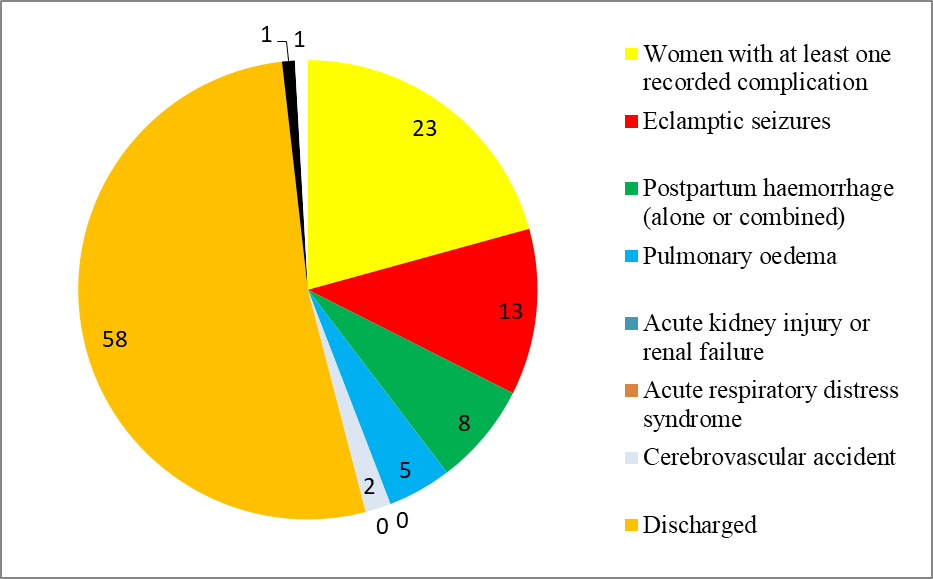
Figure 6. Frequency of maternal complications (eclamptic seizures, postpartum haemorrhage, pulmonary oedema, acute kidney injury, ARDS, cerebrovascular accident) and discharge outcome among study participants.
DISCUSSION:
In this sequel, the fetomaternal outcomes of 60 teenage and 60 adult women with preeclampsia and eclampsia were compared in a rural tertiary care teaching hospital in the east of India. Teenagers were also found to have significantly higher blood pressure (157/104 vs 148/97 mmHg), significantly shorter gestation period (37.0 vs 38.0 weeks) and significantly smaller babies (2308 vs 2578 g), with a much higher percentage of low birth weight babies (75.0% vs 40.0%). The trend was similar for higher proteinuria, but did not reach significance, and similar for lower APGAR scores, forceps delivery, and maternal complications and discharge status. In the teenage group, one maternal death took place.
Interpretation of the present findings
This is the most consistent finding, that the difference between the blood pressure of the two groups (around 9 mmHg systolic, 7 mmHg diastolic; Cohen's d around 1.1 for systolic). The severity of the illness and delay to hospital is indicated by an admission reading. The immature uteroplacental vasculature could worsen the endothelial response, and early marriage and low literacy and autonomy levels might delay presentation. The two (registration status and time to presentation) were not analysed apart, so they are not separable. No significant difference in overall proteinuria grade (p = 0.051), however, there was a higher proportion of grade 2+ (48.4%) and 3+ (13%) in teenagers compared with adults (25.0% and 4%, respectively); the odds ratio for 3+ proteinuria was 3.9. This is meant to be viewed as a trend along with the blood pressure finding, not a sign of more severe disease, and is only possible with limited power and with a relatively inaccurate dipstick reading.
While the age of the mother was not significantly different, for the teenagers the difference was 13.4 percentage points (36.7% vs 23.3%, p = 0.11), with an odds ratio about 1.9, there was a significant difference in terms of mean gestational age (36.7 weeks vs 38.0 weeks, p = 0.012), which discards information when using a 37-week cut-off. The outcome is not "no" but rather "undetermined. The 270 g lower birth weight cannot be attributed to prematurity. The 22 teenagers who delivered preterm accounted for only 17% of the neonates, but the adolescent rate was at least 45 (about 38%) compared to 10 (about 17%) among adults. This suggests that a failure to grow due to placental insufficiency, undernutrition and maternal–fetal competition.
The rates of eclamptic seizures in both groups were 13 women per group. No age difference was found in the risk of developing eclampsia as all participants were already diagnosed as hypertensive, and uniform protocols could have accounted for the outcome. A death rate of 1.7 percent (60 teens) versus zero for adults (60 adults) is a rate that cannot be compared. This is also true for stillbirth (p = 0 vs 2) and other categories with fewer than 5 cases (p = 7 vs 0) – p values are indicative of rarity, not the absence of difference. The difference between the two groups (4.95 vs 5.32; p = 0.129) was small (d around 0.3) but means around 5 point to depressed newborns in both groups.
Adjusted for lower socioeconomic status, this was applied to 96.7% of teenagers and 90.0% of adults, thus eliminating it as a confounder and leaving adults as a high-risk reference. The age effect observed is likely conservative as shared undernutrition, anaemia and limited access to care is likely to have contributed to the high proportion of low birth weight adult neonates observed (40%). No analysis of gravidity, haemoglobin or nutrition was performed and thus biological and care-seeking causes cannot be distinguished. Delay in care can be changed and is a priority.
Adolescents who are pregnant should be registered early, have their blood pressure checked and protein in their urine at each contact, and receive iron, folic acid and calcium supplements, in addition to community danger sign education. Planning for delivery should involve the neonatal team, as well as ensuring that the baby is born at a time where both antenatal corticosteroids (if appropriate) and special newborn care are provided, as these teens are high risk for preterm delivery, and are high risk for a growth-restricted baby. The best longterm measure is to delay marriage and first pregnancy.
Comparison with previous studies
Findings agree with a retrospective study by Shruthi et al., (2019) to another Indian rural tertiary centre that performed a retrospective study of 450 adolescent primigravidae and 460 primigravidae aged 20 to 25 years. There were significantly more adolescents with very low birth weight (13.7% vs 8.7%), low birth weight (39.1% vs 24.2%) and preterm delivery (18.6% vs 10.8%). Results are consistent, showing a similar relative excess in the rate of pre-term birth (1.6 times) and low birth weight (1.9 times), where the percentages have been used to calculate relative excesses. All women had a hypertensive disorder and preterm difference was not significant (p = 0.11) which is possibly due to the smaller sample (120 women vs 910 women) [19].
The studies vary in relation to eclampsia, which was more common in adolescents (3.5% vs 13 cases in each group) but the same in study (1.5%). This is likely due to the fact that the researchers recruited only women with preeclampsia or eclampsia, eliminating the effects of age on the risk of developing preeclampsia. The two studies showed that there was no difference in post partum complications or stillbirth. That study also found that more of the babies of teens had NICU admissions (20.8% compared with 12.3%)—but they did not have RDS, which occurred only among adolescent neonates (7 vs 0). Findings agree with a Ghanaian comparison by Onuzo et al., (2024) conducted at 110 adolescents and 220 adults at Korle-Bu Teaching hospital involving 110 adolescents and 220 adults on maternal outcomes and mode of delivery. However that study revealed no difference in postpartum haemorrhage, successful vaginal birth (83.3% compared to 83.1%) or caesarean section (27.3% compared to 33.2%) and caesarean section rates (36.7% compared to 45%) were not different. Both studies did not find any differences in five minute APGAR score or in stillbirth [20].
There are inconsistent studies with regard to eclampsia and fetal growth. In comparison, eclampsia was more prevalent among the adolescent (7.3% vs 2.3 % OR 3.37) while, preeclampsia was slightly more prevalent among the adults (7.7% vs 6.4%), with 13 cases in both groups respectively. This is likely due to the fact that all women were already diagnosed with hypertension, and so the age difference in risk for eclampsia was eliminated. In the Ghanaian study, preeclampsia, but not age was the significant predictor following adjustment, and this is consistent with finding. They did not have a significant difference in their low birth weight (23.6% vs 25.9%) or their normal birth weight (75.0% vs 40.0%) either, their adolescents did not have a significant difference in birth weight (2.7 vs 2.9 kg; p = 0.114) or in low birth weight (23.6% vs 25.9%) or in preterm birth (10.9% vs 13.2%). This is most likely due to placental insufficiency in preeclampsia and its greater impact on fetal growth as compared to an unselected population. This is consistent with the findings of Ursache et al., (2023), who in a retrospective cohort stdy from a Romanian tertiary centre of 1082 mothers aged less than 18 years and 41998 adult mothers. The authors reported significantly higher rates of both preterm birth (14.8% vs 8.9%) and fetal growth restriction or small-for-gestational age infants (17.0% vs 9.3%) among teenagers there, and lower mean birth weight. Teens also had fewer low weight babies (75.0% vs 40.0%) and delivered earlier (37.0 vs 38.0 weeks). No significant difference was seen in the studies for anaemia or HELLP syndrome and overall maternal complications. Both populations were largely rural and disadvantaged [21].
The studies vary in their opinion regarding preeclampsia. It was more common among Romanian teenagers (1.5% vs 0.6%) but this could not be tested, as all of women already had a hypertensive disorder. Also, difference for preterm was not significant (p = 0.11), likely due to smaller sample (120 women vs 43,080 women). The researchers have higher absolute rates of preterm birth and low birth weight, as the presence of preeclampsia, undernutrition and delayed presentation all result in growth restriction in all of women.
Findings agree with the hospital-based comparative study by Aryal and Shrestha, (2018) from a rural teaching hospital in Jumla, Nepal, 144 teens were compared with 452 older women. There, teens had higher rates of preeclampsia/eclampsia (7.63% vs 0.44%) and preterm delivery (15.97% vs 1.10%) and a higher rate of small-for-gestational-age babies (29.86% vs 3.31%). Teens also had a shorter gestation period (37.0 vs 38.0 weeks) and more LBW babies (75.0% vs 40.0%). Both studies were conducted in rural referral hospitals in which the likely contributors were early marriage, low level of literacy and delayed antenatal care [22]. There is some variation in the research on caesarian sections and fetal death. The respective caesarean rates were significantly higher among teenagers of Nepal (44.4%) compared to ours (8.0%), while there was no significant difference between 36.7% and 45.0% respectively. Intrauterine fetal death (9.72% vs 0.66%) was also higher in their teenagers, but they found no stillbirth among teenagers (0 vs 2). It is likely that this is simply because all of women were suffering from preeclampsia or eclampsia, and thus the baseline risk in the adult group was increased, making differences more limited, as the older women were a low-risk comparison group.
Strengths and Limitations
Strengths include prospective follow-up, a standardized diagnostic framework, and equal group sizes, and it took place in a rural/tertiary care center with limited regional data. Limitations are that it is one institution, 120 subjects is probably too small to detect uncommon outcomes, there is no stratification of teenagers into early (before 16 years) and late (after 16 years) adolescents, no adjustments for parity, registration or severity and no nutrition status or haemoglobin analyses.
CONCLUSION:
Among women with preeclampsia or eclampsia admitted at a rural tertiary care teaching hospital in Purulia, the adolescent mothers had significantly high blood pressure at admission and delivered earlier in comparison to their counterparts, the adult mothers and also had significantly smaller babies. They had also a tendency for higher proteinuria, higher proportion of forceps delivery, lower APGAR score and higher incidence of neonatal complications but these differences were not significant. Although the maternal complications occurred at the same rate in both groups, the overall maternal outcome was good, with only one maternal death, which shows that timely provision of emergency obstetric services is effective in minimizing maternal mortality and morbidity even in the face of serious illness. Adolescent pregnancies with complications of hypertensive disorders should be registered early in pregnancy and monitored regularly for blood pressure and proteinuria, provided nutritional support, and early interventions for severe disease and well-prepared obstetric and neonatal care. Further studies, especially those that follow neonates beyond discharge, and are larger and multi centre, would confirm these findings, stratified by age and adolescent.
REFERENCES:
1. Phipps E, Prasanna D, Brima W, Jim B. Preeclampsia: updates in pathogenesis, definitions, and guidelines. Clinical journal of the American Society of Nephrology: CJASN. 2016 Apr 19;11(6):1102.
2. Soundararajan R, Khan T, von Dadelszen P. Pre-eclampsia challenges and care in low and middle-income countries: understanding diagnosis, management, and health impacts in remote and developing regions. Best practice & research Clinical obstetrics & gynaecology. 2024 Sep 1;96:102525.
3. Amouzou A, Barros AJ, Requejo J, Faye C, Akseer N, Bendavid E, Blumenberg C, Borghi J, El Baz S, Federspiel F, Ferreira LZ. The 2025 report of the Lancet Countdown to 2030 for women's, children's, and adolescents' health: tracking progress on health and nutrition. The Lancet. 2025 Apr 26;405(10488):1505-54.
4. World Health Organization. WHO recommendations on adolescent sexual and reproductive health and rights.
5. Singh I, Shukla A, Thulaseedharan JV, Singh G. Contraception for married adolescents (15–19 years) in India: insights from the National Family Health Survey-4 (NFHS-4). Reproductive Health. 2021 Dec 20;18(1):253.
6. Medhi R, Das B, Das A, Ahmed M, Bawri S, Rai S. Adverse obstetrical and perinatal outcome in adolescent mothers associated with first birth: a hospital-based case-control study in a tertiary care hospital in North-East India. Adolescent health, medicine and therapeutics. 2016 Apr 1:37-42.
7. Saleh MA. Outcomes of teenage pregnancy at Benghazi Medical Center 2019-2020. International Journal of Science Academic Research. 2022;3(3):358-602.
8. Brosens I, Muter J, Gargett CE, Puttemans P, Benagiano G, Brosens JJ. The impact of uterine immaturity on obstetrical syndromes during adolescence. American Journal of Obstetrics and Gynecology. 2017 Nov 1;217(5):546-55.
9. Macedo TC, Montagna E, Trevisan CM, Zaia V, de Oliveira R, Barbosa CP, Laganà AS, Bianco B. Prevalence of preeclampsia and eclampsia in adolescent pregnancy: A systematic review and meta-analysis of 291,247 adolescents worldwide since 1969. European Journal of Obstetrics & Gynecology and Reproductive Biology. 2020 May 1;248:177-86.
10. Ahmad A, Mohammed SB, Sohail M, Ashraf HS, Safdar Z, Asghar M. Prevalence of preeclampsia in adolescent. THE THERAPIST (Journal of Therapies & Rehabilitation Sciences). 2020 Dec 31:03-8.
11. Devi G, Poovathi M. Study of fetomaternal outcome of teenage pregnancy in a tertiary care hospital-MGMGH. International Journal of Reproduction, Contraception, Obstetrics and Gynecology. 2019 Jan 1;8(1):303-8.
12. Ahmed S. Hemostatic changes in Eolampsia of Bangladeshi women (Doctoral dissertation, © University of Dhaka).
13. Shruthi A, Sheela SR, Kesani VP. Obstetrical and perinatal outcome in adolescent pregnancy: a retrospective study at a tertiary care center in rural India. International Journal of Reproduction, Contraception, Obstetrics and Gynecology. 2019 May 1;8(5):1733-8.
14. Danso-Appiah A, Behene E, Hazel JN, Abanga S. Obstetric, foetal and neonatal outcomes in adolescent pregnancy in sub-Saharan Africa: Systematic review and meta-analysis protocol. Plos one. 2025 May 9;20(5):e0323099.
15. Maji A. A Clinical Study of Early Onset Pre-Eclampsia V/S Late Onset Pre-Eclampsia: Maternal and Perinatal Outcome (Master's thesis, Rajiv Gandhi University of Health Sciences (India)).
16. Rao S, Maddury J, Vipperla S, Chhabra ST. Multispecialty Consensus Statement on Hypertension in Women in India. Indian Journal of Cardiovascular Disease in Women. 2026 Mar 14;11(1):41-67.
17. Brown MA, Magee LA, Kenny LC, Karumanchi SA, McCarthy FP, Saito S, Hall DR, Warren CE, Adoyi G, Ishaku S. Hypertensive disorders of pregnancy: ISSHP classification, diagnosis, and management recommendations for international practice. Hypertension. 2018 Jul;72(1):24-43.
18. Datta SK, Pal K, Murmu U. National family planning programmes and rural development: A comparative study of SC, ST, OBC and general communities in present-day West Bengal. IJAR. 2026;12(3):68-75.
19. Shruthi A, Sheela SR, Kesani VP. Obstetrical and perinatal outcome in adolescent pregnancy: a retrospective study at a tertiary care center in rural India. International Journal of Reproduction, Contraception, Obstetrics and Gynecology. 2019 May 1;8(5):1733-8.
20. Onuzo CN, Sefogah PE, Damale NK, Boafor TK, Swarray-Deen A, Mumuni K. Comparing adverse maternal and neonatal outcomes in adolescent versus adult mothers in Sub-Saharan Africa. Plos one. 2024 Aug 1;19(8):e0297317.
21. Ursache A, Lozneanu L, Bujor I, Cristofor A, Popescu I, Gireada R, Mandici CE, Găină MA, Grigore M, Matasariu DR. Epidemiology of adverse outcomes in teenage pregnancy—A northeastern Romanian tertiary referral center. International Journal of Environmental Research and Public Health. 2023 Jan 10;20(2):1226.
22. Aryal B, Shrestha U. A comparative study of pregnancy outcome between teenage pregnancy and older reproductive age group in a rural University Teaching Hospital of Nepal. Journal of Institute of Medicine Nepal. 2018 Apr 30;40(1):27-31.