To Determine Whether Routine TSH Screening is Essential in Clinical Practice
- P. Alagia Nambi , MD (Internal Medicine), FICP (Internal Medicine), Associate Professor, Department of Medicine Sri Venkateswara Medical College Nallur Medicity Redhills Chennai 600062, India
- K. Selva Kumary , MD (Internal Medicine), Associate Professor, Department of Medicine Sri Venkateswara Medical College Nallur Medicity Redhills Chennai 600062, India
- R. S. Hariharan , MD (Internal Medicine), Retired Director, Department of Diabetology, Madras Medical College, Chennai 600003, India
Article Information:
Abstract:
Background: Thyroid disorders constitute a major health burden in India, affecting an estimated 42 million individuals. Subclinical and overt thyroid dysfunction frequently remain undiagnosed due to nonspecific symptoms, limited awareness, and the misconception that thyroid disease is uncommon among asymptomatic individuals. Since thyroid hormones affect metabolic control, cardiovascular health, reproductive health, cognitive function, foetal neurodevelopment, and general physical and mental well-being, early detection of thyroid dysfunction is crucial. Significant morbidity, decreased productivity, and financial costs on both people and the country are the outcomes of untreated thyroid illness. Thyroid stimulating hormone (TSH) screening is still one of the most economical methods for early diagnosis. Aims: This study aimed to determine whether routine TSH screening is essential in clinical practice. A cross-sectional analysis was conducted among 296 apparently healthy individuals who voluntarily participated in a multidisease screening program in suburban Chennai, Tamil Nadu. TSH levels were measured using Immunofluorescence Assay (IFA), with values >4.5 mIU/mL classified as hypothyroidism and <0.25 mIU/mL as hyperthyroidism. Pregnant women, individuals on steroids or dopamine, and those with pituitary disorders were excluded. Results: Of the 296 subjects, 64 (21.62%) had abnormal TSH values, indicating thyroid dysfunction. Hypothyroidism accounted for 54 cases (18.24%), whereas 10 cases (3.38%) exhibited hyperthyroidism. Female participants demonstrated a higher prevalence (27.12%) compared to males (12%). These findings highlight that nearly one-fourth of adults in this population harbored undetected thyroid disease despite appearing clinically healthy. Conclusion: The high prevalence reinforces the necessity of routine TSH screening in general practice. Mass screening programs, especially in iodine-deficient or low-awareness regions, could reduce long-term morbidity through early detection and timely management. Public health initiatives must strengthen awareness of thyroid disorders, the importance of iodised salt, and the significant impact of thyroid health on both physical and mental well-being. Routine TSH screening is therefore recommended as an essential component of preventive healthcare.
Keywords:
Article :
Introduction:
Thyroid disorders constitute one of the most common endocrine diseases globally. The thyroid gland plays an essential role in regulating metabolism, cardiovascular function, neurological development, and overall homeostasis. Even mild thyroid dysfunction can alter lipid metabolism, affect cognitive performance, impair fertility, complicate pregnancy, and contribute to long-term cardiovascular morbidity [1]. Therefore, early identification of thyroid disorders is essential, especially in areas with high incidence, low awareness, or insufficient iodine consumption. According to national epidemiological studies, an estimated 42 million people in India suffer from thyroid diseases [2]. Due to historical iodine deficit, socioeconomic differences, dietary patterns, environmental influences, and low public health awareness, the Indian context differs from that of Western countries, where screening recommendations are frequently based on established iodine-sufficient settings [3]. These variations emphasise the need for screening methods that are appropriate to a certain area.
Thyroid disease in the Indian context
Iodine deficiency diseases (IDD) were common in India prior to the implementation of universal salt iodisation (USI) programs, which contributed to endemic goitre, hypothyroidism, and cretinism [3]. Due to a number of reasons, including autoimmune thyroiditis, genetic susceptibility, dietary goitrogens, water pollution, and lifestyle choices, thyroid dysfunction continues at surprisingly high rates even though the prevalence of IDD has decreased since iodisation [4]. According to several Indian research, the prevalence of hypothyroidism ranges from 10% to 25%, which is significantly greater than the 4% to 8% global norm. Women and older persons are more likely to have subclinical hypothyroidism, which is frequently overlooked because of its mild or vague symptoms [5].
Furthermore, patterns of thyroid illness in India could not be fully reflected by epidemiological data from Western literature. Higher health literacy, frequent preventative screening, and routine medical follow-up are generally advantageous to Western populations; these elements are not always present in India, particularly in rural or semi-urban regions. Therefore, underdiagnosis may occur if Western prescriptions are extrapolated without taking regional features into account.
Need for re-evaluation in the post-iodisation era
India's iodine status varies geographically despite iodisation initiatives. Thyroid dysfunction is exacerbated by the changed iodine level in drinking water found in areas near dams, waterlogged zones, or areas with disturbed water tables [6]. Furthermore, environmental contaminants such thiocyanates, nitrates, and perchlorates might affect thyroid function by interfering with iodine absorption. The post-iodization scenario calls for a reassessment of screening techniques in light of these factors. It is untrue to assume that iodine sufficiency by itself removes the danger of thyroid diseases. For instance, it has been demonstrated that immune system modification after iodisation increases the incidence of autoimmune thyroid disorders in some populations [7]. As a result, TSH is still an important biochemical indicator that can identify thyroid malfunction before symptoms appear.
Importance of routine screening
Regular thyroid screening is thought to be a sensitive and dependable method of identifying early biochemical malfunction, particularly when combined with blood TSH measures. For high-risk individuals, such as women over 35, pregnant women, people with autoimmune diseases, and those with a family history of thyroid abnormalities, the American Thyroid Association (ATA) and other professional associations advise routine screening [8]. Nonetheless, there is ongoing discussion about screening asymptomatic people universally.
Universal screening may be helpful in areas like India, where around one-fourth of the population may have undetected thyroid illness. Undiagnosed thyroid illness can have serious repercussions:
· Cognitive dysfunction and mental health impairment: Hypothyroidism has been linked to depression, reduced concentration, and impaired memory.
· Cardiovascular risks: Subclinical hypothyroidism contributes to dyslipidemia, hypertension, and increased risk of coronary artery disease.
· Reproductive and obstetric complications: Thyroid dysfunction can cause infertility, menstrual irregularities, miscarriages, preterm births, and impaired fetal neurodevelopment.
· Economic burden: Chronic symptoms result in decreased productivity, increased healthcare utilization, and indirect costs, impacting both individuals and national productivity.
Consequently, regular TSH monitoring may minimise avoidable medical costs, enhance quality of life, and lessen long-term consequences. In order to determine the frequency of undetected thyroid dysfunction by regular TSH screening, the current study was carried out among seemingly healthy persons in suburban Chennai. The particular reasons were:
1. High prevalence of thyroid disorders in India, especially among women.
2. Low awareness about iodine nutrition, thyroid disease symptoms, and the importance of early screening.
3. Environmental variations affecting iodine availability and thyroid function.
4. Underdiagnosis in asymptomatic individuals, who may develop complications if untreated.
5. Cost-effectiveness and sensitivity of TSH testing for early detection.
By evaluating the proportion of individuals with abnormal TSH values, this study seeks to determine whether routine TSH screening should be adopted as a part of standard clinical practice and whether mass screening initiatives are justified for better public health outcomes.
AIMS AND OBJECTIVES
1. Primary Objective:
o To determine whether routine TSH screening is essential in clinical practice.
2. Secondary Objectives:
o To assess the prevalence of thyroid dysfunction among apparently healthy adults.
o To identify the proportion of hypothyroidism and hyperthyroidism within the screened population.
o To evaluate gender differences in thyroid dysfunction prevalence.
o To highlight the need for mass screening and health education related to thyroid disorders.
MATERIALS AND METHODS:
Study Design
A cross-sectional, community-based observational study.
Study Setting
Rural and suburban areas of Chennai district, Tamil Nadu, India, as part of a multidisease screening program.
Study Population
A total of 296 apparently healthy adults participated voluntarily.
Inclusion Criteria
· Adults appearing clinically healthy.
· Individuals participating in the multidisease screening program.
Exclusion Criteria
· Pregnancy
· Use of steroids or dopamine
· Known pituitary disorders
· Individuals on thyroid medications
· Those with history of thyroid surgery or neck irradiation
Data Collection
A structured proforma recorded:
· Demographics
· Medical history
· Reproductive status
· Medications
· Symptoms suggestive of thyroid disease
· Physical examination findings including surgical scars
Laboratory Analysis
· TSH measured using Immunofluorescence Assay (IFA), Mini-Vidas platform (Biomérieux).
· Reference ranges:
o 4.5 mIU/mL = Hypothyroidism
o <0.25 mIU/mL = Hyperthyroidism
Statistical Analysis
Only descriptive statistics were used as per your instruction.
Results:
Table 1: Overall TSH Screening Results (N = 296)
|
Thyroid Status |
Number |
Percentage (%) |
|
Normal TSH |
232 |
78.38% |
|
Hypothyroidism |
54 |
18.24% |
|
Hyperthyroidism |
10 |
3.38% |
|
Total |
296 |
100% |
The general distribution of the 296 research participants' thyroid-stimulating hormone (TSH) test findings is shown in Table 1. The majority of people (232; 78.38%) had TSH values that were normal. 64 participants (21.62%) had thyroid malfunction, with hypothyroidism being the most common condition, affecting 54 people (18.24%). Only 10 people (3.38%) had hyperthyroidism, which was less prevalent. This table shows that thyroid abnormalities were present in almost one-fifth of the examined group.
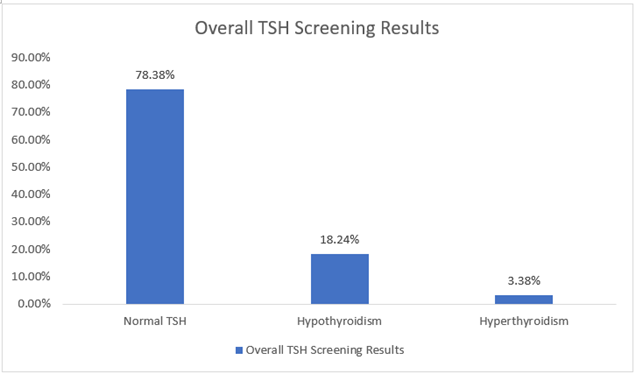
Figure 1: Overall TSH Screening Results (N = 296)
Table 2: Gender Distribution of Study Subjects (N = 296)
|
Gender |
Number |
Percentage (%) |
|
Male |
108 |
36.49% |
|
Female |
188 |
63.51% |
|
Total |
296 |
100% |
The study population's gender distribution is displayed in Table 2. Out of the 296 patients, 188 (63.51%) were female and 108 (36.49%) were male. This suggests a research group that is predominately female, which is common in thyroid screening settings since women are more likely to seek medical attention and are more susceptible to thyroid problems.
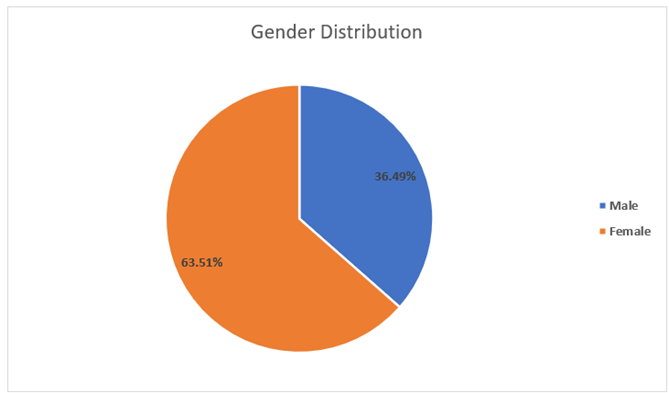
Figure 2: Gender Distribution of Study Subjects (N = 296)
Table 3: Thyroid Dysfunction by Gender
|
Gender |
Total Subjects |
Thyroid Disorder (n) |
Percentage (%) |
|
Male |
108 |
13 |
12.0% |
|
Female |
188 |
51 |
27.12% |
|
Total |
296 |
64 |
21.62% |
Table 3 shows the prevalence of thyroid disorders by gender. Thyroid dysfunction was discovered in 13 (12.0%) of the 108 men. On the other hand, abnormal TSH levels were found in 51 out of 188 females (27.12%). Thyroid problems were found in 64 patients (21.62%). According to established epidemiological patterns, the table unequivocally shows that thyroid impairment is more common in women than in men.
Table 4: Distribution of Types of Thyroid Disorders (N = 64)
|
Type of Disorder |
Number |
Percentage (%) |
|
Hypothyroidism |
54 |
84.38% |
|
Hyperthyroidism |
10 |
15.62% |
|
Total |
64 |
100% |
The specific forms of thyroid dysfunction among the 64 individuals with abnormal TSH readings are broken down in Table 4. The most prevalent condition, affecting 54 people (84.38%), was hypothyroidism. Ten people (15.62%) had hyperthyroidism. According to this distribution, the most common thyroid condition in the study population is hypothyroidism.
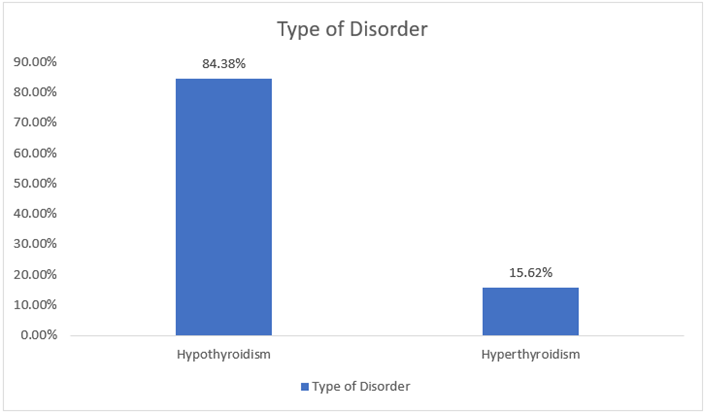
Figure 3: Distribution of Types of Thyroid Disorders
Table 5: Comparison of Normal vs Abnormal TSH Status
|
Category |
Number |
Percentage (%) |
|
Normal TSH |
232 |
78.38% |
|
Abnormal TSH |
64 |
21.62% |
|
Total |
296 |
100% |
Table 5 compares the proportion of subjects with normal and abnormal TSH values. Out of 296 participants, 232 (78.38%) had normal TSH levels, whereas 64 (21.62%) showed abnormal TSH results, including both hypo- and hyperthyroid states. This comparison reinforces the prevalence of thyroid dysfunction within the population and highlights the significant proportion requiring further evaluation or management.
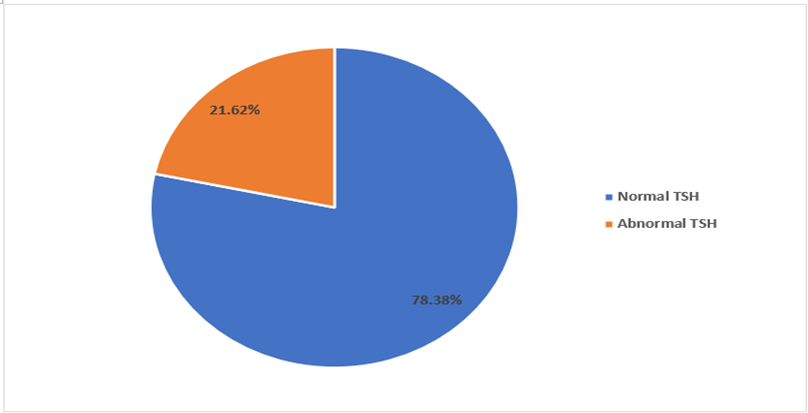
Figure 4: Comparison of Normal vs Abnormal TSH Status
Discussion:
The total prevalence of aberrant TSH values in this research, which included 296 people receiving thyroid function screening, was 21.62%, meaning that around one in five participants displayed signs of thyroid malfunction. This incidence is consistent with extensive epidemiological research from South Asia, including India, which reports thyroid problem rates in community-based screening cohorts ranging from 12% to 24%. Unnikrishnan AG et al. (2011)[9]. The high prevalence of thyroid disorders emphasises the importance of frequent screening, particularly in groups with known risk factors or vague symptoms.
While thyroid diseases are frequent, universal abnormalities are not pervasive, as seen by the majority of tested persons in the current sample (78.38%) having normal TSH readings. Nonetheless, compared to population-based worldwide norms (4–10%), the prevalence of hypothyroidism is much greater at 18.24% Chaker L et al. (2017)[10]. Nutritional variables, autoimmune inclinations, improved health awareness leading to symptomatic screening, or region-specific epidemiology might all be contributing causes to this enhanced prevalence. Hyperthyroidism was less prevalent than hypothyroidism (3.38%), which is in line with worldwide trends that show hypothyroidism is three to five times more common than hyperthyroidism Garmendia Madariaga A et al. (2014)[11].
A significant gender disparity was observed: women comprised 63.51% of the study population and demonstrated a markedly higher prevalence of thyroid dysfunction (27.12%) compared to men (12%). This finding is well-supported by published literature showing that women are 4–8 times more likely to develop thyroid diseases, particularly autoimmune thyroiditis, subclinical hypothyroidism, and overt hypothyroidism Velayutham K et al. (2015)[12]. Estrogen-mediated immune modulation, higher autoimmune predisposition, and increased healthcare-seeking behaviour among women have been proposed as contributing factors.
Of those with thyroid dysfunction, 84.38% had hypothyroidism and 15.62% had hyperthyroidism. The predominance of hypothyroidism is indicative of the global distribution of thyroid conditions, especially in areas that are either iodine-sufficient or somewhat iodine-deficient. Hypothyroidism is the most common anomaly found in screening programs, according to studies from South-East Asia, the Middle East, and India. Unnikrishnan AG et al. (2011)[9]. Although the current study did not distinguish between subtypes, subclinical hypothyroidism frequently makes up a significant fraction of such groups.
The current analysis's observation of a female preponderance in hypothyroidism is consistent with earlier research findings. Females are two to five times more often than men to have hypothyroidism, according to studies done in northern and southern India. One significant underlying mechanism causing high TSH and ultimately hypothyroidism is autoimmune thyroiditis, which disproportionately affects women Antonelli A et al. (2015)[13]. The potential benefit of focused screening as opposed to universal screening is shown by the ratio of normal to abnormal TSH readings (78.38% vs. 21.62%). Regular testing may be especially beneficial for high-risk populations, such as women over 30, those with infertility, diabetes, dyslipidaemia, or a family history of thyroid illness. Additionally, concentrating on symptomatic people or those with comorbidities may increase cost-effectiveness while guaranteeing early diagnosis in areas with limited resources.
The current study's distribution of hyperthyroidism (15.62% of aberrant cases) is in line with earlier findings that toxic goitre, Graves' disease, and thyroid nodules are less common than hypothyroidism Wiersinga WM et al. (2023)[14]. Untreated hyperthyroidism causes substantial cardiovascular and metabolic risks, despite its modest proportion, which emphasises the importance of careful follow-up.
Overall, the results highlight that hypothyroidism is the most common anomaly and that thyroid dysfunction remains a major public health problem, affecting women disproportionately. Despite the descriptive nature of the current investigation, the findings are consistent with well-established global and Indian epidemiological patterns. Timely therapy and routine screening, particularly in high-risk populations, can significantly lower long-term problems associated with both hyperthyroid and hypothyroid conditions.
Conclusion:
A TSH screening test was carried out in the rural areas of Chennai district of Tamil Nadu in order to determine the prevalence of thyroid dysfunction in the general population and to recommend if such a routine screening is necessary in clinical practice. A total 296 apparently healthy subjects 63.51% of whom were women, formed the material for the study. Based on the TSH values 64 (21.62%) were found to have thyroid dysfunction of whom 54 (18.24%) had hypothyroidism and 10 (3.38%) had hyperthyroidism. It is concluded that nearly ¼ of suburban Chennai population screened had undetected thyroid dysfunction and that therefore a routine screening for thyroid dysfunction for the index population is necessary.
A mere TSH screening is not only cost effective but also a very sensitive indicator to identify thyroid dysfunction. As thyroid dysfunction is common and significantly higher in women, our study had the ratio of male: women – 1:3.1.
This study indicates that not only routine screening with TSH for thyroid dysfunction is necessary but mass screening may help to improve the quality of life of those with thyroid dysfunction, if identified early. This study also indicates that health authorities should educate the general public and create awareness about thyroid disorder, the importance of iodisation of salt and its direct link to the morbid heath state and mental retardation; and its amenability to easy treatment modality.
LIMITATIONS OF THE STUDY
· Conducted in a single district; findings may not represent all populations.
· Cross-sectional design prevents causal inference.
· Only TSH was assessed; FT3/FT4 and autoimmune markers were not evaluated.
· Potential selection bias due to voluntary participation.
References:
1. Maniakas A, Davies L, Zafereo ME. Thyroid Disease Around the World. Otolaryngol Clin North Am. 2018 Jun;51(3):631-642. doi: 10.1016/j.otc.2018.01.014. Epub 2018 Mar 13. PMID: 29548512.
2. Pitoia F, Trimboli P. New insights in thyroid diagnosis and treatment. Rev Endocr Metab Disord. 2024 Feb;25(1):1-3. doi: 10.1007/s11154-023-09859-5. Epub 2023 Dec 2. PMID: 38041785; PMCID: PMC10808208.
3. Hatch-McChesney A, Lieberman HR. Iodine and Iodine Deficiency: A Comprehensive Review of a Re-Emerging Issue. Nutrients. 2022 Aug 24;14(17):3474. doi: 10.3390/nu14173474. PMID: 36079737; PMCID: PMC9459956.
4. Ragusa F, Fallahi P, Elia G, Gonnella D, Paparo SR, Giusti C, Churilov LP, Ferrari SM, Antonelli A. Hashimotos' thyroiditis: Epidemiology, pathogenesis, clinic and therapy. Best Pract Res Clin Endocrinol Metab. 2019 Dec;33(6):101367. doi: 10.1016/j.beem.2019.101367. Epub 2019 Nov 26. PMID: 31812326.
5. Zaletel K, Gaberšček S. Hashimoto's Thyroiditis: From Genes to the Disease. Curr Genomics. 2011 Dec;12(8):576-88. doi: 10.2174/138920211798120763. PMID: 22654557; PMCID: PMC3271310.
6. Zimmermann MB. The remarkable impact of iodisation programmes on global public health. Proc Nutr Soc. 2023 May;82(2):113-119. doi: 10.1017/S0029665122002762. Epub 2022 Nov 2. PMID: 36321429.
7. Karthigesu K, Sandrasegarampillai B, Arasaratnam V. Factors influencing the iodine status of children aged 12 to 59 months from Jaffna District, Sri Lanka in the post-iodization era; a descriptive, cross-sectional study. PLoS One. 2021 Jun 17;16(6):e0252548. doi: 10.1371/journal.pone.0252548. PMID: 34138886; PMCID: PMC8211188.
8. El Kawkgi OM, Brito JP. Screening for thyroid dysfunction: prevention of overdiagnosis and overtreatment. CMAJ. 2019 Nov 18;191(46):E1260-E1261. doi: 10.1503/cmaj.191437. PMID: 31944183; PMCID: PMC6861141.
9. Unnikrishnan AG, Menon UV. Thyroid disorders in India: An epidemiological perspective. Indian J Endocrinol Metab. 2011 Jul;15(Suppl 2):S78-81. doi: 10.4103/2230-8210.83329. PMID: 21966658; PMCID: PMC3169866.
10. Chaker L, Bianco AC, Jonklaas J, Peeters RP. Hypothyroidism. Lancet. 2017 Sep 23;390(10101):1550-1562. doi: 10.1016/S0140-6736(17)30703-1. Epub 2017 Mar 20. PMID: 28336049; PMCID: PMC6619426.
11. Garmendia Madariaga A, Santos Palacios S, Guillén-Grima F, Galofré JC. The incidence and prevalence of thyroid dysfunction in Europe: a meta-analysis. J Clin Endocrinol Metab. 2014 Mar;99(3):923-31. doi: 10.1210/jc.2013-2409. Epub 2014 Jan 1. PMID: 24423323.
12. Velayutham K, Selvan SS, Unnikrishnan AG. Prevalence of thyroid dysfunction among young females in a South Indian population. Indian J Endocrinol Metab. 2015 Nov-Dec;19(6):781-4. doi: 10.4103/2230-8210.167546. PMID: 26693428; PMCID: PMC4673806.
13. Antonelli A, Ferrari SM, Corrado A, Di Domenicantonio A, Fallahi P. Autoimmune thyroid disorders. Autoimmun Rev. 2015 Feb;14(2):174-80. doi: 10.1016/j.autrev.2014.10.016. Epub 2014 Oct 25. PMID: 25461470.
14. Wiersinga WM, Poppe KG, Effraimidis G. Hyperthyroidism: aetiology, pathogenesis, diagnosis, management, complications, and prognosis. Lancet Diabetes Endocrinol. 2023 Apr;11(4):282-298. doi: 10.1016/S2213-8587(23)00005-0. Epub 2023 Feb 24. PMID: 36848916.