Study To Understand Clinical Profile of Type 2 Diabetes Mellitus in South India – Sub-Urban Population of Chennai
- K. Selva Kumary , MD (Internal Medicine), Associate Professor, Department of Medicine Sri Venkateswara Medical College Nallur Medicity Redhills Chennai 600062, India
- P. Alagia Nambi , MD (Internal Medicine), FICP (Internal Medicine), Associate Professor, Department of Medicine Sri Venkateswara Medical College Nallur Medicity Redhills Chennai 600062, India
- R. S. Hariharan , MD (Internal Medicine), Retired Director, Department of Diabetology, Madras Medical College, Chennai 600003, India.
Article Information:
Abstract:
Background: Type 2 diabetes mellitus (T2DM) constitutes a major public health burden in India, particularly in urban and sub-urban regions where lifestyle changes, stress, and altered work patterns have contributed to rising prevalence. South India has shown one of the highest diabetes burdens globally. Understanding the clinical profile of T2DM in community settings is crucial for early detection and prevention of complications. Objectives: To evaluate the clinical characteristics, demographic distribution, socioeconomic influences, lifestyle factors, family history trends, and complication patterns among individuals with type 2 diabetes mellitus residing in a sub-urban population of Chennai. Methods: This cross-sectional observational study included 500 randomly selected individuals (219 males and 281 females) with established T2DM aged 30–80 years. Data were collected using a structured oral questionnaire assessing socioeconomic status, lifestyle, stress, occupation, comorbidities, symptom profile, and diabetes-related complications. The age at diagnosis, duration of diabetes, anthropometric profile, reproductive history in females, and presence of macro- and micro-vascular complications were documented. Statistical analysis used chi-square and t-tests, with p<0.05 considered significant. Results: Among participants, 40% developed diabetes in the fifth decade. Low-income status (<Rs. 8,000 monthly per capita) accounted for 52.6%. A positive family history was present in 49%, with maternal history more common (26.4%) than paternal (11.6%). Obesity (BMI ≥ 27 kg/m²) occurred in only 24.8%. Classical diabetic symptoms were present in 23.4% at diagnosis. Neuropathy (12%) was the most common microvascular complication, followed by nephropathy (11.4%) and retinopathy (9%). Coronary artery disease (41.8%) was the major macrovascular complication. Hypertension affected 63.2% of patients. Rare presentations included Jacksonian seizures (<1%). Conclusion: T2DM in the sub-urban Chennai population shows strong hereditary influence, low prevalence of obesity, mild symptomatology at onset, and high burden of both micro- and macro-vascular complications, especially hypertension. Early community-level screening and preventive strategies are essential.
Keywords:
Article :
Introduction:
Type 2 diabetes mellitus (T2DM) is a chronic, progressive metabolic disorder characterized by insulin resistance, impaired insulin secretion, and variable degrees of β-cell dysfunction. Globally, diabetes affects over 537 million adults, and projections indicate that the burden will increase to 783 million by 2045 if current trends continue (1). India is considered one of the world’s diabetes capitals, with the International Diabetes Federation (IDF) estimating that over 74 million people currently live with diabetes in the country, and this number is expected to cross 100 million by 2045 (2). The burden is disproportionately higher in urban and sub-urban regions due to rapid urbanization, sedentary lifestyle, dietary transitions, and increased psychosocial stress.
South India, particularly Tamil Nadu, has consistently reported one of the highest prevalence rates of diabetes in the country. According to the ICMR-INDIAB study, the prevalence of diabetes in Tamil Nadu is nearly 10.4%, significantly higher than many northern states (3). The sub-urban belts surrounding Chennai are undergoing rapid socio-economic transition, resulting in unique demographic and lifestyle patterns that contribute to rising T2DM incidence. Moreover, diabetes in India tends to occur nearly a decade earlier compared to Western populations, thereby increasing the risk of complications and economic burden over a longer period(4).
T2DM is often referred to as a "silent killer" because it remains asymptomatic for several years. Many individuals are diagnosed only during compulsory health screenings, pre-operative evaluations, or while investigating unrelated complaints. Diabetes may have been present for five to ten years by the time a diagnosis is made, during which time persistent hyperglycemia causes irreparable microvascular and macrovascular damage. Community-level investigations are crucial for early diagnosis and disease characterisation because of this asymptomatic nature.(5) In terms of socioeconomic structure, food composition, job patterns, access to healthcare, and stress levels, suburban people are very different from urban and rural populations. Anthropometric risk variables, complication patterns, and beginning age are also impacted by these variations. Nevertheless, little is known about the clinical characteristics of type 2 diabetes in these transitory populations.
By thoroughly analysing the demographic, socioeconomic, genetic, lifestyle, and clinical features of type 2 diabetes in Chennai's suburban population, this study seeks to close this gap.
Genetic Predisposition in Indian Populations
Even at lower BMI levels, South Asians show a substantial genetic predisposition to visceral obesity, insulin resistance, and β-cell dysfunction. According to studies, Asian Indians have a higher percentage of body fat, particularly truncal fat, than Europeans, which causes them to acquire diabetes earlier in life and at lower body mass index (BMI) levels (6). One of the best indicators of getting type 2 diabetes is family history, which has a greater impact on South Indian cohorts. Up to 55% of diabetics had at least one first-degree family with the disease, according to the Chennai Urban Rural Epidemiology Study (CURES). Particularly, maternal history has been discovered more often than paternal history; our research population has likewise shown this pattern.
One of the main causes of diabetes in South India is a change in lifestyle. High-stress employment, a greater reliance on motorised transportation, a decrease in physical labour, and an increase in processed food intake are all major contributors(7). Chennai's suburbs are home to both physical labourers and sedentary office professionals, providing a wide range of lifestyle exposures. Due to poor nutrition quality, restricted access to preventative treatment, and ongoing stress related to everyday survival, lower socioeconomic groups frequently have increased risks. Up to 52.6% of the study's participants fell into the low-income category (per capita monthly income of less than Rs. 8,000), underscoring the significance of socioeconomic factors in the development of illness.
Due to nutritional, cultural, and reproductive issues, women in South India confront particular difficulties. Abortions, stillbirths, neonatal death, and the delivery of macrosomic children are recognised gestational events that increase the chance of developing diabetes in the future. With 74% of diabetic women reporting a history of abortions and almost 5% reporting macrosomic newborns, these trends were clearly seen in our research. Women's risk is further increased by hormonal changes, central obesity, and inadequate physical activity chances.
Complications and Comorbidities
Multiple organ systems are gradually harmed by long-term, poorly managed diabetes. While macrovascular problems like coronary artery disease (CAD), cerebrovascular disease, and peripheral vascular disease are significant causes of morbidity and mortality, microvascular problems involving the nerves (neuropathy), kidneys (nephropathy), and eyes (retinopathy) are frequent. In India, people with diabetes are more likely to develop cardiovascular disease at earlier ages and with more severe symptoms.(8) The current study's high rates of CAD (41.8%), hypertension (63.2%), and neuropathy (12%) highlight the significant burden of consequences.
Notably, less than 1% of the research population reported unusual presentations such "funny turns" and Jacksonian-type seizures. Even though they are uncommon, these neurological symptoms highlight the necessity for more clinical attention when treating long-term diabetics.
The majority of research on diabetes in India are conducted in hospitals and concentrate on people who actively seek care. In the general population, where illness onset, lifestyle habits, socioeconomic factors, and complication profiles vary greatly, this may underestimate the real disease spectrum. The current study employs a community-centered methodology to comprehend type 2 diabetes in a Chennai suburban population undergoing change, offering insightful information to public health experts, legislators, and physicians.
AIMS AND OBJECTIVES
1. To study the demographic and socioeconomic characteristics of T2DM patients in a sub-urban population of Chennai.
2. To evaluate lifestyle factors including occupation, stress, physical activity, and living conditions.
3. To determine the clinical characteristics at diagnosis, including presenting symptoms and age distribution.
4. To analyze the prevalence of family history, obesity, and reproductive risk factors among diabetic females.
5. To document the pattern of microvascular and macrovascular complications.
6. To understand associated comorbid conditions such as hypertension, tuberculosis, and chronic bronchitis
MATERIALS AND METHODS:
Study Design: A cross-sectional observational study conducted among adults diagnosed with type 2 diabetes mellitus in the sub-urban population of Chennai.
Sample Size: A total of 500 randomly selected T2DM individuals were included.
Study Duration: 12 months.
Study Population: Both male and female T2DM patients aged 30–80 years.
Inclusion Criteria
· Known cases of T2DM (based on ADA criteria).
· Residents of sub-urban Chennai.
· Age 30–80 years.
· Willingness to participate.
Exclusion Criteria
· Type 1 diabetes mellitus.
· Gestational diabetes mellitus.
· Severe cognitive impairment or inability to respond.
· Critically ill patients.
Data Collection Tool
A structured oral questionnaire that captured:
· Demographic details
· Socioeconomic class
· Occupational status (sedentary vs manual labor)
· Stress levels at work/home
· Family history of diabetes
· Symptom profile
· Reproductive history in women
· Comorbid conditions
· Diabetes-related complications
· BMI and anthropometry
Operational Definitions
· Obesity: BMI ≥ 27 kg/m²
· Low income: ≤ Rs. 8,000 per capita monthly
· Classical symptoms: polyuria, polydipsia, polyphagia
· Complications: diagnosed through documents, prior medical records, and symptom assessment
Statistical Analysis
· Descriptive statistics: mean, SD, percentages
· Inferential statistics:
o Chi-square for categorical variables
o t-test for continuous variables
o p < 0.05 considered statistically significant
· Software: SPSS v25.
Results:
Table 1: Demographic Distribution of Study Subjects
|
Parameter |
Male (n=219) |
Female (n=281) |
Total (N=500) |
p-value |
|
Mean Age (years) |
52.4 ± 10.2 |
51.8 ± 9.8 |
52.0 ± 10.0 |
0.612 |
|
Age at Diagnosis (years) |
44.1 ± 8.1 |
43.6 ± 7.9 |
43.8 ± 8.0 |
0.498 |
|
Duration of Diabetes (years) |
7.3 ± 4.4 |
7.1 ± 4.2 |
7.2 ± 4.3 |
0.740 |
Table 1 presents the demographic characteristics of the 500 study participants, stratified by gender. The mean age of the cohort was 52.0 ± 10.0 years, with no statistically significant difference between males (52.4 ± 10.2 years) and females (51.8 ± 9.8 years; p = 0.612). Similarly, the mean age at diagnosis of T2DM did not differ between genders (44.1 ± 8.1 years for males vs. 43.6 ± 7.9 years for females; p = 0.498). The duration of diabetes was also comparable (7.3 ± 4.4 years in males and 7.1 ± 4.2 years in females; p = 0.740).
Overall, no significant gender-based differences were observed in demographic parameters, indicating a similar pattern of disease onset and duration among males and females.
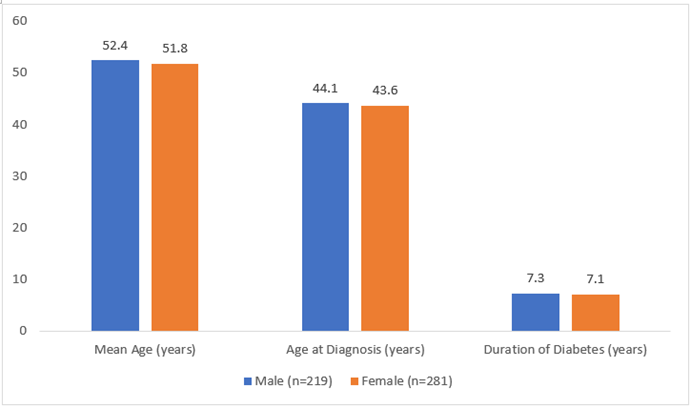
Figure 1: Demographic Distribution of Study Subjects
Table 2: Socioeconomic and Lifestyle Profile
|
Parameter |
n (%) |
|
Low income (<Rs. 8,000/month) |
263 (52.6%) |
|
Sedentary occupation |
298 (59.6%) |
|
Manual labour |
202 (40.4%) |
|
High stress (work/home) |
274 (54.8%) |
Table 2 outlines the socioeconomic and lifestyle characteristics of the study population. The cohort's socioeconomic fragility was highlighted by the fact that more than half of the participants (52.6%) were low-income, making less than Rs. 8,000 per month. 59.6% of people led sedentary lifestyles, whilst 40.4% worked by hand. Furthermore, 54.8% of individuals reported having significant levels of stress at work or at home. This table illustrates the significant impact of stress, sedentary behaviour, and socioeconomic difficulties—all of which are established causes of poor glycaemic control and elevated risk of complications in type 2 diabetes.
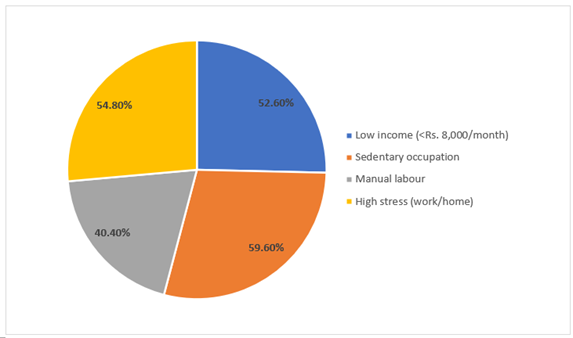
Figure 2: Socioeconomic and Lifestyle Profile
Table 3: Family History and Obesity
|
Parameter |
Present (%) |
|
Positive Family History |
49% |
|
Father diabetic |
11.6% |
|
Mother diabetic |
26.4% |
|
Affected sibling |
23.6% |
|
Obesity (BMI ≥27 kg/m²) |
24.8% |
The anthropometric and genetic risk markers are presented in Table 3. 49% of the research participants had a positive family history of diabetes, indicating a substantial genetic risk. In line with trends seen in previous Asian research, maternal history of diabetes (26.4%) was more prevalent than paternal history (11.6%). Furthermore, 23.6% had at least one sibling with diabetes. 24.8% of participants had obesity, which is defined as BMI ≥27 kg/m², indicating that non-obese diabetes accounts for a sizable fraction of cases in this suburban South Indian community.
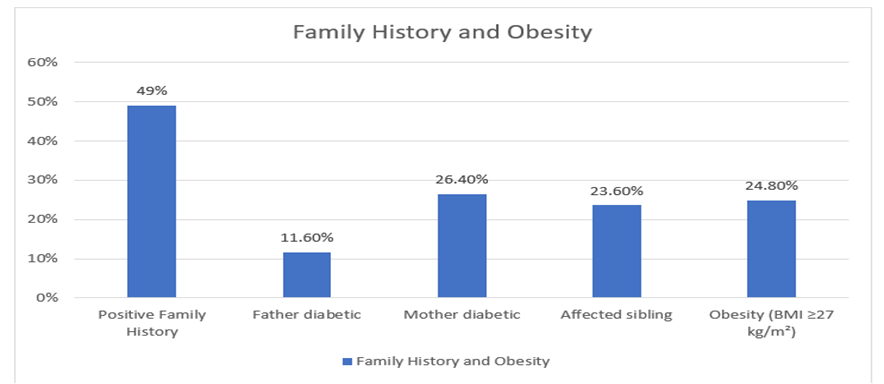
Figure 3: Family History and Obesity
Table 4: Complication Profile
|
Complication |
n (%) |
|
Neuropathy |
60 (12%) |
|
Nephropathy |
57 (11.4%) |
|
Retinopathy |
45 (9%) |
|
CAD |
209 (41.8%) |
|
Cerebrovascular Disease |
36 (7.2%) |
|
Peripheral Vascular Disease |
20 (4%) |
|
Hypertension |
316 (63.2%) |
Table 4: Complication Profile — Description
An overview of the frequency of microvascular and macrovascular problems associated with diabetes is given in Table 4. Neuropathy was the most prevalent microvascular consequence (12%), closely followed by retinopathy (9%) and nephropathy (11.4%). The prevalence of macrovascular consequences was much higher; 41.8% of the sample had coronary artery disease (CAD). Peripheral vascular disease was seen in 4% and cerebrovascular disease in 7.2%. 63.2% of people had hypertension, which was shown to be the most common concomitant condition. The significant prevalence of cardiovascular morbidity and the necessity of early vascular risk assessment in T2DM patients are often highlighted by this table.
Table 5: Women-Specific Reproductive Risk Factors (n=281)
|
Parameter |
n (%) |
|
History of abortion |
208 (74%) |
|
Stillbirth |
48 (17%) |
|
Neonatal death |
157 (55.8%) |
|
Macrosomic baby |
14 (4.98%) |
Table 5 details the reproductive risk factors among the 281 women included in the study. A noteworthy 74% had a history of abortion, while 17% reported previous stillbirths. Neonatal deaths were reported by 55.8%, indicating possible perinatal complications associated with hyperglycemia. Additionally, 4.98% had delivered at least one macrosomic (large) baby, a classic marker of maternal hyperglycemia. This table underscores the significant reproductive health burden among diabetic women, emphasizing the need for early screening and preconception counseling.
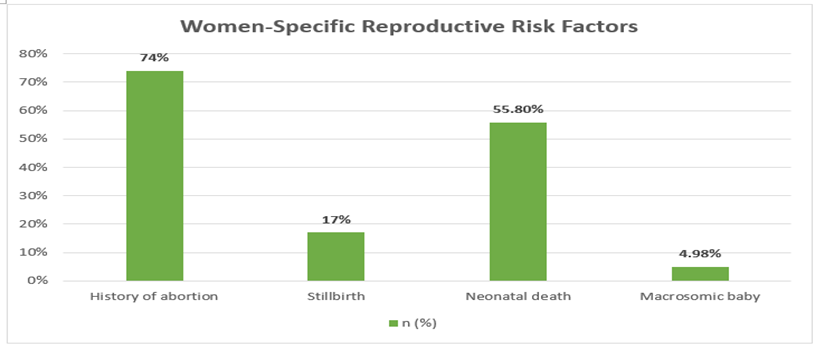
Figure 4: Women-Specific Reproductive Risk Factors (n=281)
Discussion:
Type 2 diabetes mellitus is recognized as a major contributor to global morbidity and mortality, and its prevalence continues to rise in developing countries, especially India. The present study analyzed the clinical profile of 500 T2DM patients from a sub-urban population of Chennai to understand demographic trends, family history patterns, lifestyle correlates, and complication patterns.(9)
Age and Demographic Trends
According to the study, almost 40% of individuals had type 2 diabetes in their fifth decade of life, which is in line with data from prior Indian studies where diabetes usually manifests earlier than in Western countries. Long-term exposure to hyperglycemia raises the likelihood of microvascular and macrovascular problems throughout life, therefore early initiation has major consequences (10).
Socioeconomic and Lifestyle Influences
The low-income category included more than 52.6% of the participants. Due to poor eating habits, increasing consumption of refined carbohydrates, restricted access to healthcare, and ongoing stress, diabetes incidence in India is substantially correlated with lower socioeconomic level. Nearly 60% of individuals had a sedentary lifestyle, supporting research showing that decreased physical activity is a major risk factor for diabetes in South Asians.(6) 54.8% of participants reported feeling stressed, which is in line with psychological models that associate long-term stress with elevated cortisol levels, insulin resistance, and sympathetic hyperactivity.
Genetic Susceptibility and Family History
Maternal transmission was more prevalent than paternal transmission, and 49% of individuals had a positive family history. These results are consistent with the CURES and INDIAB investigations, which show that South Indian diabetes have a significant genetic effect (11). Maternal inheritance may be influenced by lifestyle modelling, the intrauterine environment, or contributions from mitochondrial DNA.
Trends in Obesity
Only 24.8% of diabetics in this research were obese (BMI ≥27 kg/m2), despite India's growing obesity prevalence. This lends credence to the idea that South Asians have a "thin-fat phenotype," where visceral adiposity exists even at lower BMI levels . There is ample evidence of normal-weight diabetics in Indian groups, which highlights South Asians' distinct metabolic traits (12).
Presentation and Symptom Profile
The fact that just 23.4% of people reported the traditional signs of diabetes (polyuria, polydipsia, and polyphagia) emphasises how quiet the condition is. According to international research, almost 50% of people with diabetes in Asian countries do not have a diagnosis, which is a result of poor awareness and insufficient screening. The asymptomatic profile increases the burden of complications and delays detection.(13)
Complication Pattern
Evaluating microvascular and macrovascular problems was one of the study's main goals. The most frequent microvascular consequence was neuropathy (12%), which was followed by retinopathy (9%) and nephropathy (11.4%). These rates are similar to the national averages found in the DIALOGUE and CURES investigations. Macrovascular problems were more common, with CAD affecting 41.8% of patients. Evidence that South Asians had a roughly twofold increased risk of cardiovascular disease at younger ages is consistent with the high frequency of CAD (14) 63.2% of patients had hypertension, which is in line with the metabolic syndrome spectrum's grouping of diabetes, hypertension, and dyslipidaemia.
Atypical neurological manifestations can infrequently be associated with long-term diabetes, potentially due to metabolic abnormalities or cerebral vascular insufficiency, as demonstrated by the uncommon incidence of Jacksonian-type seizures (<1%).
Female-Specific Reproductive Risks
High rates of stillbirths (17%), abortions (74%), and neonatal mortality (55.8%) were reported in the research. These results are closely linked to gestational diabetes that is either misdiagnosed or uncontrolled, which is a known risk factor for developing type 2 diabetes later on (15). In line with known links between foetal macrosomia and maternal hyperglycemia, 4.98% of women reported giving birth to macrosomic infants.
Overall Interpretation
The findings strongly suggest that T2DM in this population is influenced by:
· Significant genetic predisposition
· Low socioeconomic conditions
· High psychosocial stress
· Sedentary lifestyle
· Subtle symptom profile leading to delayed diagnosis
· High burden of vascular complications
These results emphasize the urgent need for community-based screening, lifestyle modification programs, health education interventions, and strengthened primary healthcare frameworks.
Conclusion:
The clinical profile of T2DM in the sub-urban Chennai population demonstrates early onset, strong genetic predisposition, significant influence of socioeconomic and lifestyle factors, and a high prevalence of both microvascular and macrovascular complications. Only a small percentage of people had classic symptoms, which further supported the disease's quiet nature. Neuropathy was the most frequent consequence, and the most common related condition was hypertension. The study Emphasizes the necessity of comprehensive diabetes treatment at the community level, early identification, and preventative measures.
LIMITATIONS
· Cross-sectional design does not allow assessment of causality.
· Self-reported questionnaire data may introduce recall bias.
· Complication assessment relied partly on available medical records.
Study was limited to a single sub-urban region of Chennai, limiting generalizability
References:
1. Cho NH, Shaw JE, Karuranga S, Huang Y, da Rocha Fernandes JD, Ohlrogge AW, Malanda B. IDF Diabetes Atlas: Global estimates of diabetes prevalence for 2017 and projections for 2045. Diabetes Res Clin Pract. 2018 Apr;138:271-281. doi: 10.1016/j.diabres.2018.02.023. Epub 2018 Feb 26. PMID: 29496507.
2. Magliano DJ, Boyko EJ; IDF Diabetes Atlas 10th edition scientific committee. IDF DIABETES ATLAS [Internet]. 10th ed. Brussels: International Diabetes Federation; 2021. PMID: 35914061.
3. Anjana RM, Pradeepa R, Deepa M, Datta M, Sudha V, Unnikrishnan R, Bhansali A, Joshi SR, Joshi PP, Yajnik CS, Dhandhania VK, Nath LM, Das AK, Rao PV, Madhu SV, Shukla DK, Kaur T, Priya M, Nirmal E, Parvathi SJ, Subhashini S, Subashini R, Ali MK, Mohan V; ICMR–INDIAB Collaborative Study Group. Prevalence of diabetes and prediabetes (impaired fasting glucose and/or impaired glucose tolerance) in urban and rural India: phase I results of the Indian Council of Medical Research-INdia DIABetes (ICMR-INDIAB) study. Diabetologia. 2011 Dec;54(12):3022-7. doi: 10.1007/s00125-011-2291-5. Epub 2011 Sep 30. PMID: 21959957.
4. Ramachandran A. Know the signs and symptoms of diabetes. Indian J Med Res. 2014 Nov;140(5):579-81. PMID: 25579136; PMCID: PMC4311308.
5. Mansour A, Mousa M, Abdelmannan D, Tay G, Hassoun A, Alsafar H. Microvascular and macrovascular complications of type 2 diabetes mellitus: Exome wide association analyses. Front Endocrinol (Lausanne). 2023 Mar 23;14:1143067. doi: 10.3389/fendo.2023.1143067. PMID: 37033211; PMCID: PMC10076756.
6. Siddiqui MK, Anjana RM, Dawed AY, Martoeau C, Srinivasan S, Saravanan J, Madanagopal SK, Taylor A, Bell S, Veluchamy A, Pradeepa R, Sattar N, Venkatesan R, Palmer CNA, Pearson ER, Mohan V. Young-onset diabetes in Asian Indians is associated with lower measured and genetically determined beta cell function. Diabetologia. 2022 Jun;65(6):973-983. doi: 10.1007/s00125-022-05671-z. Epub 2022 Mar 5. Erratum in: Diabetologia. 2022 Jul;65(7):1237. doi: 10.1007/s00125-022-05707-4. PMID: 35247066; PMCID: PMC9076730.
7. Metri KG, Raghuram N, S Ram CV, Singh A, Patil SS, Mohanty S, Palukuru S, Hr N. The Deadly Duo of Hypertension and Diabetes in India: Further Affirmation from a New Epidemiological Study. J Assoc Physicians India. 2022 Jul;70(7):11-12. doi: 10.5005/japi-11001-0048. PMID: 35833390.
8. Thakkar A. Addressing cardiovascular disease in South Asians: A fellow's voice. Am J Prev Cardiol. 2024 Aug 27;19:100727. doi: 10.1016/j.ajpc.2024.100727. PMID: 39281352; PMCID: PMC11402321.
9. Sun H, Saeedi P, Karuranga S, Pinkepank M, Ogurtsova K, Duncan BB, Stein C, Basit A, Chan JCN, Mbanya JC, Pavkov ME, Ramachandaran A, Wild SH, James S, Herman WH, Zhang P, Bommer C, Kuo S, Boyko EJ, Magliano DJ. IDF Diabetes Atlas: Global, regional and country-level diabetes prevalence estimates for 2021 and projections for 2045. Diabetes Res Clin Pract. 2022 Jan;183:109119. doi: 10.1016/j.diabres.2021.109119. Epub 2021 Dec 6. Erratum in: Diabetes Res Clin Pract. 2023 Oct;204:110945. doi: 10.1016/j.diabres.2023.110945. PMID: 34879977; PMCID: PMC11057359.
10. Adler AI, Coleman RL, Leal J, Whiteley WN, Clarke P, Holman RR. Post-trial monitoring of a randomised controlled trial of intensive glycaemic control in type 2 diabetes extended from 10 years to 24 years (UKPDS 91). Lancet. 2024 Jul 13;404(10448):145-155. doi: 10.1016/S0140-6736(24)00537-3. Epub 2024 May 18. PMID: 38772405.
11. Radha V, Mohan V. Genetic predisposition to type 2 diabetes among Asian Indians. Indian J Med Res. 2007 Mar;125(3):259-74. PMID: 17496355.
12. Lear SA, Humphries KH, Kohli S, Chockalingam A, Frohlich JJ, Birmingham CL. Visceral adipose tissue accumulation differs according to ethnic background: results of the Multicultural Community Health Assessment Trial (M-CHAT). Am J Clin Nutr. 2007 Aug;86(2):353-9. doi: 10.1093/ajcn/86.2.353. PMID: 17684205.
13. Pradeepa R, Mohan V. Epidemiology of type 2 diabetes in India. Indian J Ophthalmol. 2021 Nov;69(11):2932-2938. doi: 10.4103/ijo.IJO_1627_21. PMID: 34708726; PMCID: PMC8725109.
14. Enas EA, Chacko V, Pazhoor SG, Chennikkara H, Devarapalli HP. Dyslipidemia in South Asian patients. Curr Atheroscler Rep. 2007 Nov;9(5):367-74. doi: 10.1007/s11883-007-0047-y. PMID: 18001619.
15. Metzger BE. Long-term outcomes in mothers diagnosed with gestational diabetes mellitus and their offspring. Clin Obstet Gynecol. 2007 Dec;50(4):972-9. doi: 10.1097/GRF.0b013e31815a61d6. PMID: 17982340.