Comparative Effectiveness Of Continuous Epidural Bupivacaine–Fentanyl And Levobupivacaine–Fentanyl In Postoperative Pain Control Following Major Abdominal Surgery
- Sivabalan R G, , Assistant Professor, Department of anaesthesiology and critical care, Madras medical college, Chennai, Tamilnadu
- Ananthi , Assistant Professor, Department of General Medicine, Vels Medical College and hospital, Tiruvallur, Tamilnadu
- Radhakrishnan , Assistant Surgeon, Department of Anaesthesia, Government Tiruvallur Medical College, Tiruvallur, Tamilnadu, India
Article Information:
Abstract:
Background: Effective postoperative pain control is crucial for early mobilization, reduced morbidity, and enhanced recovery after major abdominal surgeries. Continuous epidural analgesia using local anesthetics combined with opioids is widely practiced. Objectives: To compare the effectiveness of continuous epidural infusion of bupivacaine with fentanyl versus Levobupivacaine with fentanyl for postoperative pain control following major abdominal surgeries. Methods: A prospective, randomized comparative study was conducted on 134 ASA I–III patients undergoing major abdominal surgeries. Patients were allocated into two groups receiving continuous epidural infusion of either bupivacaine with fentanyl or levobupivacaine with fentanyl. Pain scores, sedation, rescue analgesic requirement, hemodynamic parameters, and adverse effects were assessed over 24 hours postoperatively. Results: Levobupivacaine–fentanyl provided significantly better pain control with lower VAS scores and reduced rescue analgesic requirement compared to bupivacaine–fentanyl. Hemodynamic stability and side effect profiles were comparable between groups. Conclusion: Continuous epidural infusion of levobupivacaine with fentanyl offers superior postoperative analgesia with comparable safety when compared to bupivacaine with fentanyl in patients undergoing major abdominal surgeries.
Keywords:
Article :
Introduction:
Postoperative pain, if not controlled properly, contributes to delayed recovery, longer hospital stays, and an increase in postoperative complications like atelectasis, thromboembolism, and chronic pain syndromes [1]. Effective analgesia promotes early ambulation, good pulmonary function, and overall patient satisfaction [2]. Among numerous analgesic modalities, epidural analgesia is still the gold standard for major abdominal surgeries because of its capacity to deliver superior segmental analgesia while reducing surgical stress [3]. Continuous epidural infusion maintains consistent analgesic levels while eliminating the variations associated with intermittent dosage [4]. Local anesthetics are the foundation of epidural analgesia. Bupivacaine, a long-acting amide local anesthetic, is commonly used for postoperative pain management due to its powerful sensory blocking [5]. However, its link to cardiotoxicity and neurotoxicity has spurred the development of safer alternatives [6]. Levobupivacaine, the S-enantiomer of bupivacaine, has equal analgesic efficacy but a better safety profile, particularly in terms of cardiovascular and central nervous system damage [7, 8]. When paired with opioids like fentanyl, epidural local anesthetics induce synergistic analgesia, lower drug concentrations, and diminish motor blockage [9]. Fentanyl, a lipid-soluble μ-opioid receptor agonist, improves spinal analgesia when delivered epidurally, with minimal rostral distribution or delayed respiratory depression [10]. Although various trials have assessed the individual efficacy of these drugs, comparative data on continuous epidural infusion of bupivacaine-fentanyl against Levobupivacaine-fentanyl in major abdominal procedures are sparse. This study aimed to compare their efficacy in postoperative pain control.
Materials and Methods:
A prospective, randomized comparative study was conducted on 134 patients, aged 20–60 years, belonging to ASA physical status I–III, scheduled for elective major abdominal surgeries.
Grouping:
· Group BF: 0.125% Bupivacaine with Fentanyl 2mcg/ml
· Group LF: 0.125%Levobupivacaine with Fentanyl 2mcg/ml
Inclusion Criteria:
· 20-60-year-old
· ASA PS I-III
· Patients undergoing major abdominal surgeries
· Patient who gave valid informed consent
Exclusion Criteria:
· Age less than 20 or more than 60 years
· Patients with Ischemic heart disease, chronic kidney disease and severe hepatic illness
· Hemodynamically unstable patients
· Medical history of coagulopathy and bleeding disorders
· Patient refusal
Statistical Analysis:
Data were analyzed using standard statistical methods. A p value <0.05 was considered statistically significant.
Results:
Table 1: Demographic Parameters
|
Parameter |
Group-BF (N=67) |
Group-LF (N=67) |
P-value |
|
Mean ± SD |
Mean ± SD |
||
|
Age (years) |
41.99 ± 12.03 |
39.49 ± 11.09 |
0.21 |
|
Height (cm) |
160.22 ± 4.07 |
161.24 ± 4.32 |
0.16 |
|
Weight (kg) |
66.82 ± 5.23 |
67.09 ± 5.18 |
0.76 |
|
BMI (kg/m2) |
26.07 ± 2.35 |
25.84 ± 2.16 |
0.55 |
|
Male |
39 |
35 |
0.98 |
|
Female |
28 |
27 |
|
|
ASA-PS (I) |
45 |
50 |
0.48 |
|
ASA-PS (II) |
22 |
17 |
In this study, while comparing two groups for various demographic and physical characteristics, Group-BF and Group-LF showed no significant differences across all measured parameters. Both groups had a similar age distribution, with Group-BF averaging 41.99 years (SD=12.03) and Group-LF averaging 39.49 years (SD=11.09), with a p-value of 0.21, indicating no statistical difference. Heights and weights were also comparable, with Group-BF standing at an average height of 160.22 cm (SD=4.07) and Group-LF slightly taller at 161.24 cm (SD=4.32), p-value 0.16. Weight was nearly identical between the groups, with Group-BF at 66.82 kg (SD=5.23) and Group-LF at 67.09 kg (SD=5.18), p-value 0.76. Body Mass Index (BMI) showed no significant difference either, standing at 26.07 (SD=2.35) for Group-BF and 25.84 (SD=2.16) for Group-LF, p-value 0.55. Gender distribution and ASA Physical Status (ASA-PS) classifications were also similar between the two groups, with p-values of 0.98 and 0.48, respectively.
Table 2: Heart Rate (Beats/Minute)
|
Heart Rate (beats/min) |
Group-BF (N=67) |
Group-LF (N=67) |
P-value |
|
Mean ± SD |
Mean ± SD |
||
|
0 Hours |
80.61 ± 10.98 |
79.91 ± 9.68 |
0.69 |
|
4 hours |
76.33 ± 8.57 |
75.79 ± 10.20 |
0.74 |
|
8 hours |
85.81 ± 14.80 |
85.00 ± 16.07 |
0.76 |
|
12 hours |
85.36 ± 13.82 |
82.88 ± 15.71 |
0.33 |
|
16 hours |
82.31 ± 13.31 |
79.49 ± 14.32 |
0.24 |
|
20 hours |
77.90 ± 13.34 |
77.30 ± 12.70 |
0.79 |
|
24 hours |
78.18 ± 11.58 |
76.67 ± 13.22 |
0.48 |
|
28 hours |
78.33 ± 11.47 |
76.81 ± 12.23 |
0.46 |
|
32 hours |
75.66 ± 10.49 |
78.49 ± 12.05 |
0.15 |
|
36 hours |
75.07 ± 11.87 |
76.39 ± 11.00 |
0.50 |
|
40 hours |
76.36 ± 11.73 |
75.49 ± 10.70 |
0.65 |
|
44 hours |
76.75 ± 10.20 |
74.70 ± 10.46 |
0.25 |
|
48 hours |
74.63 ± 8.30 |
76.43 ± 10.11 |
0.26 |
The study compared the heart rate changes over time between Group-BF and Group-LF, both consisting of 67 individuals each. The heart rates were measured at various intervals from 0 to 48 hours post-surgery. At baseline, Group-BF had a mean heart rate of 80.61 beats per minute (SD=10.98) and Group-LF had 79.91 beats per minute (SD=9.68), with no significant difference. This trend of non-significant differences continued across all time points up to 48 hours. At 4 hours, heart rates were 76.33 (SD=8.57) for Group-BF and 75.79 (SD=10.20) for Group-LF, and at 48 hours, they were 74.63 (SD=8.30) for Group-BF and 76.43 (SD=10.11) for Group-LF. The results consistently showed no significant differences in heart rate between the two groups at any time point.
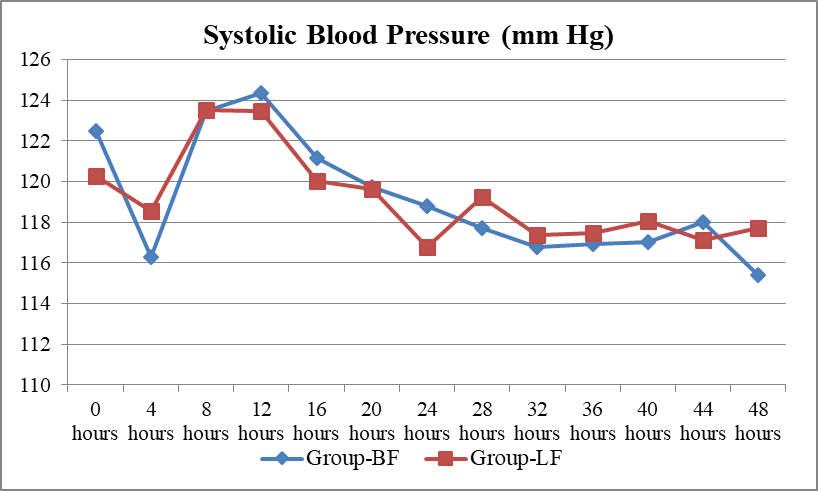
Graph 1: Systolic Blood Pressure (Mm Hg)
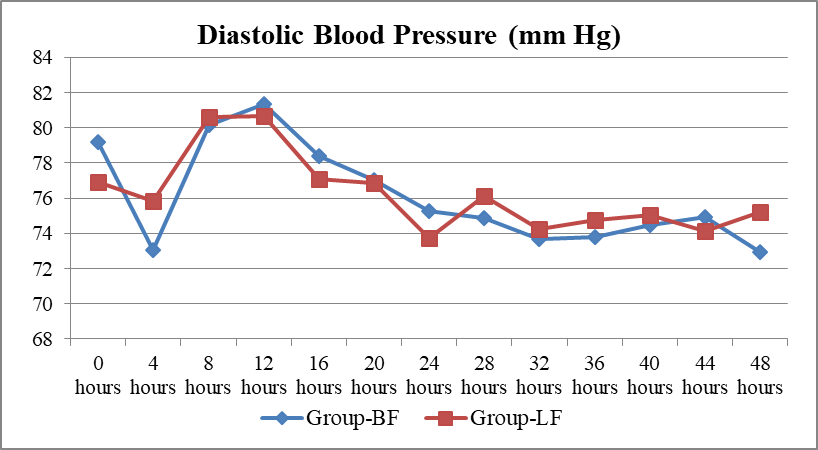
Graph 2: Diastolic Blood Pressure (mm Hg)
Graph 3: Mean Blood Pressure (mm Hg)
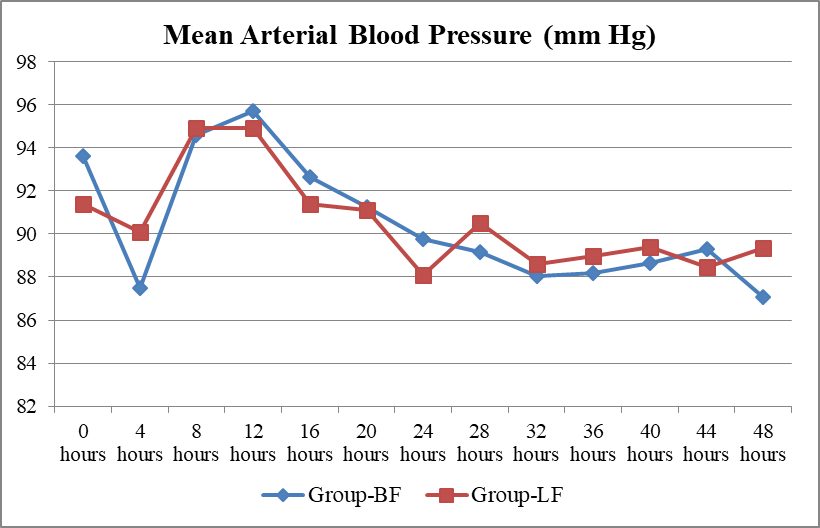
Table 3: VAS Score
|
VAS Scores |
Group-BF (N=67) |
Group-LF (N=67) |
P-value |
|
Mean ± SD |
Mean ± SD |
||
|
0 hours |
4.91 ± 0.83 |
4.73 ± 1.18 |
0.30 |
|
2 hours |
3.48 ± 1.24 |
2.87 ± 1.22 |
0.005 |
|
4 hours |
3.04 ± 0.75 |
2.91 ± 0.92 |
0.37 |
|
8 hours |
2.64 ± 0.83 |
2.52 ± 0.50 |
0.31 |
|
12 hours |
2.70 ± 1.03 |
2.60 ± 0.80 |
0.53 |
|
16 hours |
2.90 ± 0.96 |
2.64 ± 0.90 |
0.11 |
|
20 hours |
2.79 ± 0.79 |
2.70 ± 0.82 |
0.52 |
|
24 hours |
2.56 ± 0.98 |
2.33 ± 0.96 |
0.17 |
|
28 hours |
2.32 ± 0.99 |
2.22 ± 1.20 |
0.60 |
|
32 hours |
2.11 ± 1.20 |
2.18 ± 1.03 |
0.72 |
|
36 hours |
2.27 ± 1.14 |
2.18 ± 0.95 |
0.62 |
|
40 hours |
2.40 ± 1.46 |
2.21 ± 1.39 |
0.44 |
|
44 hours |
2.54 ± 1.56 |
2.48 ± 1.30 |
0.81 |
|
48 hours |
2.56 ± 1.49 |
2.52 ± 1.44 |
0.87 |
The Visual Analog Scale (VAS) scores for pain were compared between Group-BF and Group-LF over a 48-hour period, with only one significant difference observed at 2 hours post-procedure. Initially, at 0 hours, VAS scores were 4.91 for Group-BF and 4.73 for Group-LF, indicating no significant difference. At 2 hours, Group-BF had a score of 3.48 compared to 2.87 for Group-LF, showing a significant difference with a p-value of 0.005. Beyond this time point, VAS scores gradually decreased in both groups without significant differences, such as at 24 hours with scores of 2.56 for Group-BF and 2.33 for Group-LF, and by 48 hours, scores were nearly identical at 2.56 for Group-BF and 2.52 for Group-LF.
This data suggests that while there was a significant difference in pain perception at 2 hours, both groups experienced similar pain levels throughout the remainder of the monitoring period.
Table 4: Sedation Score
|
Sedation Scores |
Group-BF (N=67) |
Group-LF (N=67) |
P-value |
|
Mean ± SD |
Mean ± SD |
||
|
0 hours |
3.07 ± 0.80 |
2.97 ± 0.85 |
0.48 |
|
2 hours |
2.84 ± 0.67 |
2.73 ± 0.71 |
0.36 |
|
4 hours |
2.60 ± 0.49 |
2.61 ± 0.49 |
0.91 |
|
8 hours |
2.45 ± 0.50 |
2.48 ± 0.50 |
0.73 |
|
12 hours |
2.00 ± 0.00 |
1.99 ± 0.12 |
0.49 |
|
16 hours |
2.00 ± 0.00 |
1.99 ± 0.12 |
0.49 |
|
20 hours |
1.97 ± 0.17 |
2.00 ± 0.00 |
0.15 |
|
24 hours |
1.99 ± 0.12 |
2.00 ± 0.00 |
0.49 |
|
28 hours |
1.99 ± 0.12 |
2.00 ± 0.00 |
0.49 |
|
32 hours |
2.00 ± 0.00 |
2.00 ± 0.00 |
1 |
|
36 hours |
2.00 ± 0.00 |
1.97 ± 0.17 |
0.15 |
|
40 hours |
1.97 ± 0.17 |
1.99 ± 0.12 |
0.43 |
|
44 hours |
1.99 ± 0.12 |
1.99 ± 0.12 |
1 |
|
48 hours |
2.00 ± 0.00 |
2.00 ± 0.00 |
1 |
The Ramsay Sedation Scores were evaluated for Group-BF and Group-LF over a 48-hour period and showed no significant differences at any point, indicating similar levels of sedation between the two groups throughout the duration of the study. Initially, at 0 hours, the scores were 3.07 for Group-BF and 2.97 for Group-LF. As time progressed, scores gradually declined in both groups, stabilizing at a score of 2 by 12 hours and remaining consistent thereafter, such as at 24 hours (1.99 for Group-BF and 2.00 for Group-LF) and at 48 hours (both groups scored 2.00, p-value 1). This consistent pattern reflects effective and comparable management of sedation across both groups.
Table 5: Rescue Analgesic Requirements
|
Rescue Analgesia doses |
Group-BF (N=67) |
Group-LF (N=67) |
p-value |
|
No. of epidural boluses |
2.33 ± 0.63 |
1.84 ± 0.51 |
<0.001 |
|
No. of epidural + PCM boluses |
1.19 ± 0.63 |
0.78 ± 0.65 |
0.003 |
In this study of comparing Group-BF and Group-LF, the number of epidural top-up boluses and the combination of epidural plus PCM boluses were significantly different between the two groups. Group-BF received an average of 2.33 ± 0.63 epidural top-up boluses, which was significantly higher than the 1.84 ± 0.51 received by Group-LF, with a p-value of less than 0.001. Additionally, for the combined treatment of epidural and PCM boluses, Group-BF averaged 1.19 ± 0.63 doses, compared to 0.78 ± 0.65 doses in Group-LF, with this difference also being statistically significant (p-value = 0.003). These findings indicate a higher requirement for rescue analgesia in Group-BF compared to Group-LF.
Discussion:
Effective postoperative analgesia is a critical component of current perioperative treatment, especially after large abdominal procedures, when pain can severely impede recovery and patient outcomes [11]. Continuous epidural analgesia has been found to give continuous pain relief, reduce neuroendocrine stress responses, and aid in overall postoperative recovery.
In the present study, continuous epidural infusion of levobupivacaine with fentanyl outperformed bupivacaine with fentanyl in terms of analgesic efficacy, particularly in the early postoperative phase. Early postoperative pain is frequently severe due to tissue injury and inflammatory mediator release, making adequate analgesia during this period crucial [12]. The significantly lower VAS values seen in the levobupivacaine group indicate better regulation of nociceptive input.
Levobupivacaine has been shown to deliver effective sensory blockage while reducing the risk of motor impairment. Previous investigations have highlighted this positive sensory-motor distinction, with levobupivacaine-based epidural infusions linked to increased patient comfort and postoperative mobilization [13,14]. Such qualities are useful in major abdominal procedures, when early ambulation is critical in reducing postoperative problems.
The demand for rescue analgesia is a valid proxy metric for the effectiveness of baseline analgesic methods. In the current trial, patients in the bupivacaine group needed considerably more epidural top-ups and paracetamol supplementation than those in the levobupivacaine group. Similar outcomes have been reported in comparison investigations in which levobupivacaine provided longer-lasting effective analgesia and reduced breakthrough pain episodes [15,16]. Reduced rescue analgesic use not only demonstrates greater pain control, but it also reduces cumulative medication exposure and potential side effects.
Hemodynamic stability is an important factor in the safety of continuous epidural analgesia. Throughout the observation period, both study groups' heart rates and blood pressure were steady, indicating that the medication combinations utilized were tolerated. Previous studies have found that levobupivacaine is associated with a decreased risk of cardiotoxicity due to its stereoselective characteristics, making it ideal for continuous epidural administration [17, 18].
Sedation scores were consistent between the two groups throughout the postoperative period, showing that the addition of fentanyl provided good analgesia without causing undue sedation. Studies on epidural opioid-local anesthetic combinations have also shown that fentanyl improves analgesia while maintaining appropriate sedation levels and patient awareness [19,20]. The absence of clinically significant side effects in both groups adds to the safety of these regimens for postoperative pain management.
Overall, the findings of this study support the preferential use of levobupivacaine with fentanyl for continuous epidural analgesia following major abdominal surgery.
Conclusion:
The present study shows that continuous epidural infusion of levobupivacaine with fentanyl is more effective than bupivacaine with fentanyl for postoperative pain control in patients following major abdominal surgery. Levobupivacaine-fentanyl was linked with decreased pain levels in the early postoperative period and a considerably reduced need for rescue analgesia, indicating superior and long-lasting analgesic efficacy. Both medication combinations had equivalent hemodynamic stability and sedative characteristics, with no clinically relevant side effects reported. These data imply that, due to its good analgesic profile and safety, levobupivacaine may be a better option for continuous epidural analgesia in the postoperative management of major abdominal surgeries
References:
1. Kehlet H. Postoperative pain management and recovery. Lancet. 2001; 358(9286):223–228.
2. Wu CL, Raja SN. Treatment of acute postoperative pain. Lancet. 2011; 377(9784):2215–2225.
3. Liu SS, Wu CL. Effect of postoperative analgesia on major postoperative complications. Anesthesiology. 2007; 106(2):345–351.
4. Ready LB. Acute pain management: a practical guide. Anesth Analg. 2005; 101(5):S1–S6.
5. Covino BG. Pharmacology of local anaesthetic agents. Br J Anaesth. 2006; 96(6):689–697.
6. Albright GA. Cardiac toxicity of local anesthetics. Anesthesiology. 2003; 98(2):516–524.
7. Foster RH, Markham A. Levobupivacaine: a review of its pharmacology and clinical use. Drugs. 2000; 59(3):551–579.
8. McLeod GA, Burke D. Levobupivacaine. Anaesthesia. 2001; 56(4):331–341.
9. Scott DA, Blake D, Buckland M, Etches R. Epidural opioid–local anesthetic combinations. Anesth Analg. 2002; 95(2):507–513.
10. Cousins MJ, Bridenbaugh PO. Neural blockade in clinical anesthesia and pain medicine. Lippincott Williams & Wilkins; 2009.
11. Apfelbaum JL, Chen C, Mehta SS, Gan TJ. Postoperative pain experience: results from a national survey. Anesth Analg. 2003; 97(2):534–540.
12. Wu CL, Cohen SR, Richman JM, et al. Efficacy of postoperative patient-controlled and continuous epidural analgesia: a meta-analysis. Anesth Analg. 2005; 101(5):1489–1499.
13. Casati A, Fanelli G. New local anesthetics: pharmacology and clinical use. Curr Opin Anaesthesiol. 2004; 17(4):353–358.
14. McLeod GA. Levobupivacaine in regional anaesthesia. Anaesthesia. 2001; 56(4):331–341.
15. Kopacz DJ, Allen HW. Comparison of epidural levobupivacaine and bupivacaine for postoperative analgesia. Anesthesiology. 2000; 93(6):1475–1481.
16. Vercauteren MP, Hans G. Postoperative epidural analgesia after abdominal surgery. Acta Anaesthesiol Belg. 2002; 53(4):235–241.
17. Burlacu CL, Buggy DJ. Update on local anesthetics: focus on levobupivacaine. Ther Clin Risk Manag. 2008; 4(2):381–392.
18. Leone S, Di Cianni S, Casati A, Fanelli G. Pharmacology, toxicology, and clinical use of S-enantiomer local anesthetics. Curr Opin Anaesthesiol. 2008; 21(5):617–622.
19. Ready LB, Helfer D. Epidural opioid analgesia. Anesthesiol Clin North Am. 2000; 18(2):335–346.
20. de Leon-Casasola OA, Lema MJ. Epidural opioids and postoperative pain control. Curr Opin Anaesthesiol. 2001; 14(5):581–589.