Prevalence of Anti-Thyroid Peroxidase (ANTI-TPO) Antibodies in Women with Infertility: A Retrospective Study
- Dr Harshitha P , Assistant professor, Department of Obstetrics and Gynaecology, Kanachur Institute of Medical Sciences, Mangalore, Karnataka, India
- Dr Akshaya Vikas P , Senior resident, General Medicine, JJM Medical College and Hospital, Davanagere, Karnataka, India.
- Dr Manoj S , Associate professor, Department of Anaesthesia, Viraat Ramayan Institute of Medical Sciences, East Champaran, Bihar, India
Article Information:
Abstract:
Background: Thyroid autoimmunity, particularly the presence of anti-thyroid peroxidase (anti-TPO) antibodies, has been increasingly implicated as a contributing factor in female infertility, even in the absence of overt thyroid dysfunction. Data on its prevalence among infertile women in the Indian setting remain limited. Aim: To determine the prevalence of anti-thyroid peroxidase (anti-TPO) antibodies among women with infertility and assess their association with thyroid function status. Materials and Methods: This hospital-based retrospective study included 280 women aged 18–45 years evaluated for infertility. Clinical details and laboratory data, including anti-TPO antibody levels and thyroid function tests, were collected from medical records. Anti-TPO positivity was defined as values above the laboratory reference cut-off. Data were analysed using descriptive statistics and appropriate inferential tests, with a p-value <0.05 considered statistically significant. Results: The prevalence of anti-TPO antibody positivity was 20.7%. Anti-TPO positivity was higher in women with primary infertility (22.9%) compared to secondary infertility (15.9%), though this difference was not statistically significant. A strong and statistically significant association was observed between anti-TPO positivity and thyroid dysfunction, particularly subclinical hypothyroidism (45.8%) (p < 0.001). Mean TSH levels were significantly higher in anti-TPO positive women (5.8 ± 2.4 mIU/L) compared to anti-TPO negative women (3.1 ± 1.6 mIU/L). Conclusion: Anti-TPO antibodies were detected in approximately one-fifth of infertile women, with a significant association with subclinical hypothyroidism and elevated TSH levels. These findings suggest that thyroid autoimmunity may play an important role in female infertility. Routine thyroid function testing is essential in infertility evaluation, and anti-TPO antibody testing may be considered in selected cases to optimize clinical management.
Keywords:
Article :
Introduction:
Infertility is a significant global public health concern, defined by the World Health Organization (WHO) as the inability to achieve a clinical pregnancy after 12 months of regular unprotected sexual intercourse [1]. Worldwide, infertility affects nearly 48 million couples, with prevalence estimates ranging from 8–12% among reproductive-aged populations [2]. In addition to medical implications, infertility is associated with considerable psychological, social and economic consequences, particularly for women, who often bear a disproportionate burden of evaluation and treatment [3].
In the Indian context, infertility prevalence is reported to range between 10–15%, with notable regional variations influenced by socio-cultural factors, delayed childbearing, increasing prevalence of endocrine disorders, and lifestyle changes [4]. India has witnessed a steady rise in infertility clinic attendance over the last two decades, making identification of reversible and contributory factors crucial for effective management. Endocrine abnormalities, especially thyroid disorders, are common in Indian women of reproductive age due to iodine nutrition variability and autoimmune predisposition [5].
Thyroid hormones play a central role in female reproductive physiology, influencing follicular development, ovulation, luteal function, endometrial receptivity and early placental development [6]. Both overt and subclinical thyroid dysfunction are known to be associated with menstrual irregularities, anovulation, infertility and adverse pregnancy outcomes. Even in euthyroid women, subtle thyroid disturbances may impair fertility, particularly during periods of increased physiological demand such as conception and early pregnancy [6].
Beyond functional thyroid abnormalities, thyroid autoimmunity (TAI) has gained increasing attention in infertility research. Anti-thyroid peroxidase (anti-TPO) antibodies are the most sensitive and commonly used markers of autoimmune thyroid disease and may be detected in women with normal thyroid hormone levels [7]. Global studies have demonstrated a higher prevalence of anti-TPO positivity among infertile women compared to fertile controls, suggesting an association independent of overt hypothyroidism [8].
In India, the reported prevalence of anti-TPO antibodies among women with infertility varies widely, ranging from 8% to 30%, depending on study population, geographic region and diagnostic thresholds [5,9]. Thyroid autoimmunity has been implicated in reduced fecundity, poor response to ovulation induction, implantation failure and early pregnancy loss. Proposed mechanisms include autoimmune-mediated ovarian and endometrial dysfunction, subtle thyroid hormone deficiency under stress, and coexistence of other autoimmune disorders affecting reproductive outcomes [6,8].
International and Indian guidelines emphasize the importance of evaluating thyroid function in women with infertility; however, routine screening for thyroid autoantibodies remains controversial due to heterogeneity in evidence and population-specific prevalence [7,10]. Establishing local and regional prevalence data is therefore essential to guide screening strategies, interpret laboratory findings and optimize infertility management. In this context, the present retrospective study aims to assess the prevalence of anti-TPO antibodies among women evaluated for infertility, contributing to both global and Indian evidence on the role of thyroid autoimmunity in female infertility.
AIM
To determine the prevalence of anti-thyroid peroxidase (anti-TPO) antibodies among women with infertility.
OBJECTIVES
1. To estimate the proportion of infertile women who are positive for anti-TPO antibodies.
2. To assess the distribution of anti-TPO antibody positivity in relation to thyroid function status.
Materials and Methods:
Study design
Hospital-based retrospective record review of women evaluated for infertility.
Study setting
Infertility clinic / Department of Obstetrics & Gynaecology (or Reproductive Medicine) of a tertiary care hospital, with laboratory data from the hospital central biochemistry/immunology lab.
Study population
Women attending the infertility clinic during the study period who had anti-thyroid peroxidase (anti-TPO) antibody testing done as part of evaluation (with thyroid function tests where available).
Definition of infertility
Failure to achieve pregnancy after ≥12 months of regular unprotected intercourse (primary or secondary infertility).
Eligibility criteria
Inclusion criteria
- Women aged 18–45 years
- Diagnosed with primary or secondary infertility
- Anti-TPO antibody report available in case records
- Minimum essential clinical details available (age, infertility type, duration ± basic workup)
Exclusion criteria
- History of thyroidectomy, radioiodine therapy, or thyroid malignancy
- Drugs known to significantly alter thyroid function (e.g., amiodarone, lithium) if documented
- Records with missing/illegible anti-TPO results
- Women already treated for established autoimmune thyroid disease before infertility evaluation
Sample size
Sample size was calculated for estimation of prevalence using the single proportion formula:
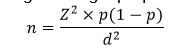
Where:
 (95% confidence)
 = expected prevalence of anti-thyroid autoantibodies in infertile women
 = absolute precision (allowable error)
A recent meta-analysis reported an overall thyroid autoantibody positivity prevalence of about 20% in infertility populations, so  was used.

To account for incomplete records, 10% was added:

Minimum required sample size = 271 records.
If more than 271 eligible records are available during the study period, all eligible records will be included (universal sampling) to improve precision.
Sampling method
Universal sampling: all eligible records during the study period were included until the minimum sample size was achieved.
Data sources and data collection
Data were obtained from:
- Infertility clinic register / outpatient records / electronic medical record
- Laboratory information system for anti-TPO and thyroid function tests
Study variables
A) Baseline and clinical variables
- Age (years)
- Type of infertility: Primary/Secondary
- Duration of infertility (years)
- BMI (kg/m²) (if recorded)
- Menstrual history (regular/irregular)
- History of miscarriage (if applicable)
- PCOS/endometriosis/tubal factor/male factor/unexplained (if documented)
B) Laboratory variables
- Anti-TPO antibody level (IU/mL) and positive/negative status
- Thyroid profile: TSH, FT4 (± FT3) where available
Operational definitions
- Anti-TPO positive: anti-TPO value above the laboratory kit cut-off used in your hospital (record the exact cut-off, e.g., >35 IU/mL or as per kit insert).
- Thyroid functional status
- Euthyroid: TSH and FT4 within reference range
- Subclinical hypothyroidism: TSH above range with normal FT4
- Overt hypothyroidism: TSH above range with low FT4
Outcome measures
Primary outcome
- Prevalence of anti-TPO antibody positivity among women with infertility.
Secondary outcomes
Anti-TPO positivity by:
- Age group (e.g., <25, 25–29, 30–34, ≥35 years)
- Primary vs secondary infertility
- Thyroid status (euthyroid vs abnormal TFT)
- Duration of infertility categories (e.g., <2 years, 2–5 years, >5 years)
Statistical analysis
- Data entry: MS Excel; analysis: SPSS
- Descriptive statistics:
o Categorical variables: frequency, percentage
o Continuous variables: mean ± SD (normal) / median (IQR) (non-normal)
- Prevalence of anti-TPO positivity reported with 95% confidence interval (CI)
- Comparative analysis:
o Chi-square / Fisher’s exact test for associations (anti-TPO positivity vs infertility type, thyroid status, age groups)
o Independent t-test (or Mann–Whitney U) for continuous variables between anti-TPO positive vs negative groups (age, TSH, BMI)
o Binary logistic regression to identify independent predictors of anti-TPO positivity (age, BMI, infertility type, thyroid status) if sample size allows
- Level of significance: p < 0.05
Results:
A total of 280 infertile women fulfilling the inclusion criteria were included in the final analysis after record review.
Table 1: Age Distribution of Study Participants (n = 280)
|
Age group (years) |
Number |
Percentage (%) |
|
<25 |
38 |
13.6 |
|
25–29 |
74 |
26.4 |
|
30–34 |
96 |
34.3 |
|
≥35 |
72 |
25.7 |
|
Total |
280 |
100.0 |
Interpretation:
The majority of infertile women (60.7%) belonged to the 25–34 years age group, indicating that infertility evaluation was most commonly sought during peak reproductive age.
Table 2: Distribution by Type of Infertility (n = 280)
|
Type of infertility |
Number |
Percentage (%) |
|
Primary infertility |
192 |
68.6 |
|
Secondary infertility |
88 |
31.4 |
|
Total |
280 |
100.0 |
Interpretation:
Primary infertility constituted nearly two-thirds of the study population, highlighting its predominance among women attending infertility clinics.
Table 3: Prevalence of Anti-TPO Antibody Positivity (n = 280)
|
Anti-TPO status |
Number |
Percentage (%) |
|
Positive |
58 |
20.7 |
|
Negative |
222 |
79.3 |
|
Total |
280 |
100.0 |
Interpretation:
The prevalence of anti-TPO antibody positivity was 20.7% among infertile women, indicating a substantial burden of thyroid autoimmunity in this population.
Table 4: Association between Anti-TPO Positivity and Type of Infertility
|
Type of infertility |
Anti-TPO Positive n (%) |
Anti-TPO Negative n (%) |
Total |
|
Primary infertility |
44 (22.9) |
148 (77.1) |
192 |
|
Secondary infertility |
14 (15.9) |
74 (84.1) |
88 |
|
Total |
58 |
222 |
280 |
Chi-square test = 1.89, p = 0.17
Interpretation:
Anti-TPO positivity was higher in women with primary infertility compared to secondary infertility; however, the association was not statistically significant.
Table 5: Distribution of Anti-TPO Positivity by Thyroid Function Status
|
Thyroid status |
Anti-TPO Positive n (%) |
Anti-TPO Negative n (%) |
Total |
|
Euthyroid |
28 (13.3) |
182 (86.7) |
210 |
|
Subclinical hypothyroidism |
22 (45.8) |
26 (54.2) |
48 |
|
Overt hypothyroidism |
8 (36.4) |
14 (63.6) |
22 |
|
Total |
58 |
222 |
280 |
Chi-square test = 32.6, p < 0.001
Interpretation:
Anti-TPO positivity showed a statistically significant association with abnormal thyroid function, particularly subclinical hypothyroidism, where nearly half of the women were antibody-positive.
Table 6: Comparison of Mean TSH Levels between Anti-TPO Positive and Negative Groups
|
Anti-TPO status |
Mean TSH (mIU/L) ± SD |
|
Positive (n=58) |
5.8 ± 2.4 |
|
Negative (n=222) |
3.1 ± 1.6 |
Independent t-test = 7.42, p < 0.001
Interpretation:
Women with anti-TPO positivity had significantly higher mean TSH levels, suggesting a strong association between thyroid autoimmunity and biochemical thyroid dysfunction.
Discussion:
In the present retrospective study, anti-TPO antibody positivity was 20.7% (58/280) among women with infertility. This burden is comparable to a large recent systematic review/meta-analysis, which reported an overall thyroid autoantibody positivity of 20% (95% CI 18–22%) among infertile women, indicating that thyroid autoimmunity is commonly encountered during infertility evaluation across populations [11].
When infertility type was analysed, anti-TPO positivity was 22.9% in primary infertility (44/192) versus 15.9% in secondary infertility (14/88), though the association was not statistically significant (p = 0.17). This trend is clinically meaningful because thyroid autoimmunity has been proposed as one contributing factor among many in the complex pathogenesis of infertility, especially in women without clear structural causes [12].
A major and clinically important observation in our study was the strong relationship between anti-TPO positivity and thyroid dysfunction. Anti-TPO positivity was 13.3% in euthyroid women (28/210), but increased sharply to 45.8% in subclinical hypothyroidism (22/48) and 36.4% in overt hypothyroidism (8/22), with a highly significant association (p < 0.001). This is supported by clinical evidence showing that antibody positivity often reflects an autoimmune process that can reduce thyroid reserve and predispose to rising TSH (particularly subclinical hypothyroidism), which may impair ovulation, luteal function and endometrial receptivity [13,14].
In our study, mean TSH was also significantly higher in anti-TPO positive women (5.8 ± 2.4 mIU/L) compared to anti-TPO negative women (3.1 ± 1.6 mIU/L), demonstrating that antibody-positive women tend to have higher TSH even before overt clinical disease becomes established. Similar findings were reported in an Indian case-control study from Delhi (Gupta et al.), where anti-TPO positivity among infertile women was 20% and the mean TSH in infertile women was 4.61 ± 1.72 μIU/mL, compared with 10% antibody positivity and mean TSH 3.89 ± 1.56 μIU/mL in controls (p < 0.05) [12,15]. This close agreement strengthens the external validity of our prevalence estimate and the observed TSH–antibody link.
Beyond infertility, thyroid autoimmunity is also clinically relevant because it is strongly associated with adverse reproductive outcomes. A meta-analysis by Thangaratinam et al. reported that the presence of thyroid autoantibodies was associated with >3-fold higher odds of miscarriage (OR 3.90; 95% CI 2.48–6.12) and approximately doubled odds of preterm birth (OR 2.07; 95% CI 1.17–3.68) [15]. Although our study did not evaluate pregnancy outcomes, this evidence highlights why identifying thyroid autoimmunity in infertility clinics is important for counselling and risk-stratification.
From a management perspective, contemporary reviews emphasize that women with thyroid autoimmunity undergoing infertility treatment may be more vulnerable to developing hypothyroidism during ovarian stimulation and early pregnancy, warranting closer monitoring of TSH and thyroid status [14]. International guidance, including the American Thyroid Association recommendations, supports careful assessment and monitoring of thyroid function in women planning pregnancy or undergoing fertility treatment, particularly where autoimmune thyroid disease is suspected [17].
Overall, our findings show that one in five infertile women had anti-TPO antibodies (20.7%), and that antibody positivity clustered strongly with subclinical hypothyroidism (45.8%) and higher TSH values. This supports the practical approach of ensuring thyroid function testing in infertility workup and considering anti-TPO testing particularly when TSH is elevated or thyroid dysfunction is suspected [13,16,17].
Conclusion:
The present study demonstrates that anti-thyroid peroxidase (anti-TPO) antibody positivity was present in 20.7% of women with infertility, indicating a substantial burden of thyroid autoimmunity in this population. Anti-TPO positivity was more frequently observed in women with primary infertility and showed a strong and statistically significant association with subclinical hypothyroidism. Women who were anti-TPO positive also had significantly higher TSH levels, suggesting reduced thyroid reserve even in the absence of overt hypothyroidism. These findings highlight the important role of thyroid autoimmunity as a contributory factor in female infertility. Routine assessment of thyroid function in infertile women is essential, and anti-TPO antibody testing may be considered, particularly in women with elevated TSH or subclinical hypothyroidism, to facilitate early identification, closer monitoring, and optimized fertility management.
References:
1. World Health Organization. Infertility [Internet]. Geneva: WHO; 2023 [cited 2026 Jan 30]. Available from: https://www.who.int/news-room/fact-sheets/detail/infertility
2. Vander Borght M, Wyns C. Fertility and infertility: definition and epidemiology. Clin Biochem. 2018; 62:2–10.
3. Dyer SJ, Patel M. The economic impact of infertility on women in developing countries. Facts Views Vis Obgyn. 2012;4(2):102–109.
4. Rutstein SO, Shah IH. Infecundity, infertility, and childlessness in developing countries. DHS Comparative Reports No. 9. Calverton, Maryland: ORC Macro; 2004.
5. Unnikrishnan AG, Menon UV. Thyroid disorders in India: An epidemiological perspective. Indian J Endocrinol Metab. 2011;15(Suppl 2): S78–S81.
6. Poppe K, Velkeniers B, Glinoer D. Thyroid disease and female reproduction. Clin Endocrinol (Oxf). 2007;66(3):309–321.
7. Alexander EK, Pearce EN, Brent GA, et al. 2017 Guidelines of the American Thyroid Association for the diagnosis and management of thyroid disease during pregnancy and the postpartum. Thyroid. 2017;27(3):315–389.
8. Huang Y, Chen H, Zhou L, et al. Association between thyroid autoimmunity and infertility: a systematic review and meta-analysis. BMC Womens Health. 2024; 24:173.
9. Verma I, Sood R, Juneja S, Kaur S. Prevalence of hypothyroidism in infertile women and evaluation of response of treatment for hypothyroidism on infertility. Int J Appl Basic Med Res. 2012;2(1):17–19.
10. Stagnaro-Green A, Abalovich M, Alexander E, et al. Guidelines of the American Thyroid Association for the diagnosis and management of thyroid disease during pregnancy and postpartum. Thyroid. 2011;21(10):1081–1125.
11. Huang Y, Chen H, Zhou L, et al. Prevalence of thyroid autoantibody positivity in women with infertility: a systematic review and meta-analysis. BMC Womens Health. 2024; 24:173.
12. Gupta J, et al. The role of thyroid dysfunction and thyroid autoimmunity in infertile women: a case control study. Int J Reprod Contracept Obstet Gynecol. 2017;6(6):2597–2600.
13. Poppe K, Velkeniers B, Glinoer D. Thyroid disease and female reproduction. Clin Endocrinol (Oxf). 2007;66(3):309–321.
14. Bucci I, Giuliani C, Napolitano G. Thyroid autoimmunity in female infertility and assisted reproductive technology outcome. Front Endocrinol (Lausanne). 2022; 13:9204244.
15. Thangaratinam S, Tan A, Knox E, Kilby MD, Franklyn J, Coomarasamy A. Association between thyroid autoantibodies and miscarriage and preterm birth: meta-analysis of evidence. BMJ. 2011;342: d2616.
16. Unuane D, Tournaye H, Velkeniers B, Poppe K. Endocrine disorders and female infertility. Best Pract Res Clin Endocrinol Metab. 2011;25(6):861–873.
17. Alexander EK, Pearce EN, Brent GA, et al. 2017 Guidelines of the American Thyroid Association for the diagnosis and management of thyroid disease during pregnancy and the postpartum. Thyroid. 2017;27(3):315–389.